
Understanding the Relationship Between Survivor’s Guilt and PTSD
Just as it sounds, the phenomenon of survivor’s guilt can affect anyone who has experienced or witnessed a life-threatening and traumatic situation that has taken the lives of others, but not their own. While our brains are primed for survival, those who get through such events alive may find themselves asking, “Why not me? Why wasn’t I taken too?” The gift of surviving can become emotionally torturous for some.
“Why not me? Why wasn’t I taken too?” The gift of surviving a traumatic event can become emotionally torturous for some. It’s called survivor’s guilt.
There are many heart-wrenching examples of how this can happen, including:
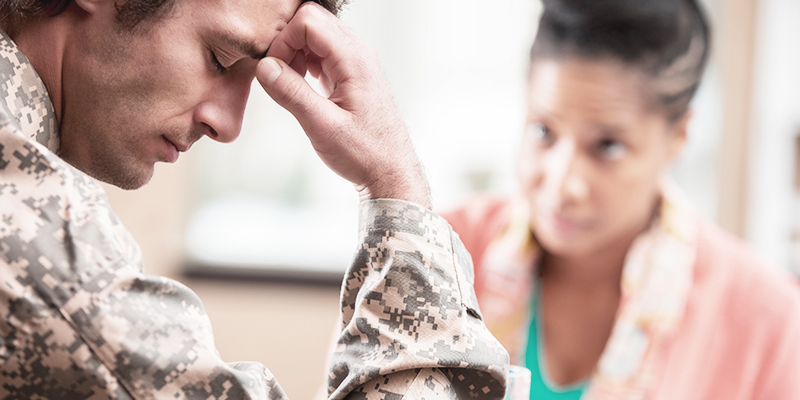
- Veterans of war who witnessed the deaths of their fellow soldiers
- First responders—like firefighters—having teammates perish in a fire they were fighting together
- Losing family and friends during hurricanes, earthquakes, and other natural disasters
- Acts of terrorism, such as the attacks of 9/11
- Parents whose children died, or family members who lose siblings to hereditary illnesses or suicide
- Losing a loved one, friend, or colleague in a pandemic
The Link to PTSD
These are the same types of events that can lead to posttraumatic stress disorder (PTSD). In fact, survivor’s guilt is often considered a serious symptom of PTSD. While not everyone who endures a traumatic event will develop PTSD, some research estimates that as many as 90% of people who lived through events where others died experience feelings of guilt. They may question their own survival and feel a sense of responsibility for what happened:- Why did my buddy get killed, but not me?
- Why did I run away from it?
- Why didn’t I do more to save others?
- What could I have done to prevent this tragedy?
Other Symptoms to Look For
From the outside, it may be easy to think that a person is fortunate to have survived such a tragic event—and they are. However, on the inside, those with survivor’s guilt often have terrible remorse about what happened and may have a very difficult time coping with and processing the loss they survived. They are also likely to experience other symptoms of PTSD, such as:- Increased irritability and anger
- Depression
- Flashbacks or nightmares
- Hypervigilance and being easily startled
- Obsessive thoughts about the event
- Difficulty with concentration and focus
- Problems with sleep
- Feeling detached from reality or estranged from others
- Social isolation
- Avoiding anything (including people) that is a reminder of the traumatic event
- Physical complaints like headaches and gastrointestinal distress
- Self-destructive behaviors, including substance abuse
- Thoughts of suicide