

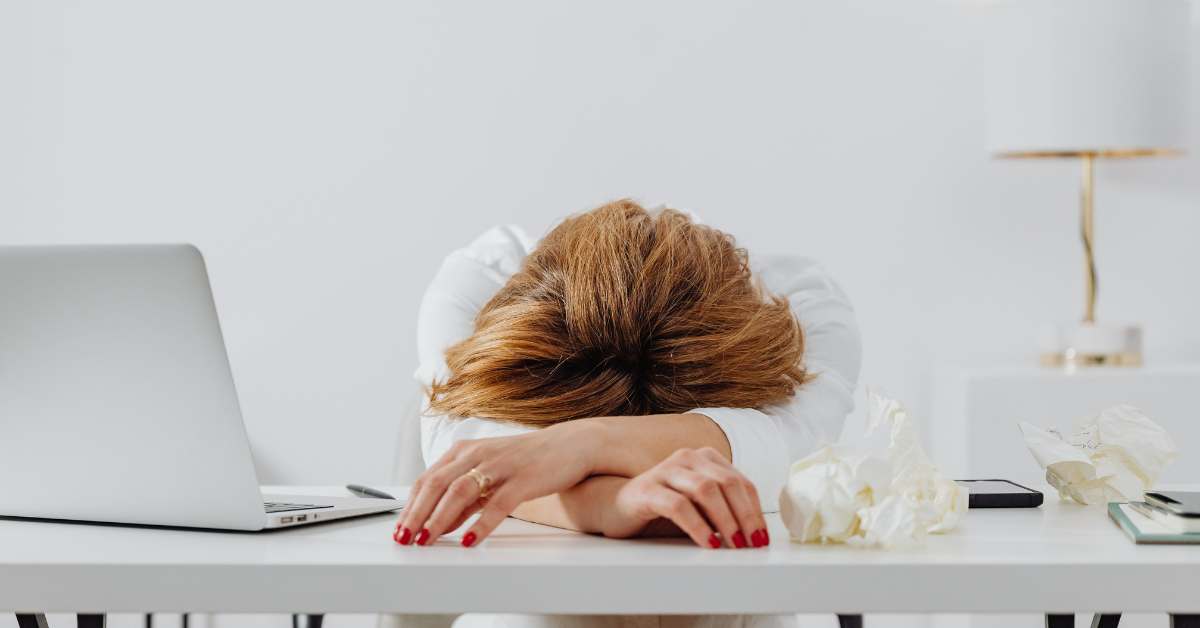
Anyone who has experienced a panic attack knows how intense and frightening they can feel. But panic attack aftereffects, also known as a panic attack hangover, can be just as disorienting.
After a panic attack ends, many people still feel “off.” Because so few people know that there are effects-post panic attack, symptoms can come as a surprise.
So, what is this lingering state? This blog will tell you exactly what it is, including symptoms, why an anxiety “hangover” happens, and eight ways to promote a faster recovery.
In contrast with the panic attack itself, which tends to have short-term effects, the resulting panic attack hangover refers to lingering effects after the event.
A panic attack hangover can be called many names: an adrenaline hangover, panic attack aftereffects, post-panic symptoms, or an anxiety hangover. In contrast with the panic attack itself, which tends to have short-term effects, the resulting panic attack hangover refers to lingering effects after the event, which can last hours or days.
Panic attacks are acute events. They happen suddenly, either “out of the blue” or in response to a trigger, such as a phobia or fear. There is often no real danger present. Those who experience recurrent panic attacks may be diagnosed with panic disorder, which affects 2-3 percent of the U.S. population.
However, about one in ten American adults experience at least one panic attack in a given year. And an estimated one-third of all Americans will have at least one during their lifetime.
A panic attack involves sudden feelings of intense fear and worry as well as overwhelming physical symptoms. Though panic attacks are not life threatening, they can present alarming side effects, including the following:
Fortunately, panic attacks are usually short-lived, lasting about 10 minutes. Multiple panic attacks can occur consecutively, but these are unique, separate events, as opposed to lingering aftereffects.
Over time, an individual can start to live in fear of having another panic attack. They may avoid certain places or situations, interfering with their quality of life, work, or relationships. When an individual experiences recurrent, unexpected panic attacks and has a persistent fear or worry about having more attacks, they have a panic disorder, which is a type of anxiety disorder.
Because panic attacks are acute, they create a cascade of experience. After the fight-or-flight activation, the body naturally reverts to a recovery or rebound state. This occurs because of various biological and nervous system mechanisms.
The autonomic nervous system is comprised of the sympathetic nervous system and the parasympathetic nervous system. When faced with a perceived threat, the sympathetic nervous system triggers the fight-or-flight response. The adrenal glands release adrenaline and cortisol.
After the threat has passed, the parasympathetic nervous system then enables the body’s “rest and digest” period. But this process of relaxation, unlike the fight-or-flight response, doesn’t happen instantly, which can cause lingering physical and emotional side effects: the panic attack hangover.
Indeed, stress impacts many systems of the body, including neurotransmitters, energy systems, and brain circuits. Over time, research has shown, stress can even affect memory, cognition, and learning, due to its effects on brain regions such as the hippocampus, amygdala, and temporal lobes. The period following the panic attack is when these systems recalibrate.
Panic attack hangovers are the lingering effects experienced after the panic attack has passed. You may have any of the following symptoms:
The aftereffects of a panic attack can last for as little as a couple of hours or as long as a week. The length of time varies for each individual. When other chronic health conditions are present, you might also experience a flareup of those symptoms.
When a panic attack strikes, it’s important to recognize that your body may need a little extra time to return to its normal state. This is the first step toward healing. Acceptance of this fact helps prevent unnecessary additional stress.
Here are eight ways to assist after panic attack recovery:
After a panic attack, give your body a chance to recover. Allow for ample downtime, possibly aided with soothing music, dim lighting, or a quiet environment. Avoid overstimulation in the aftermath.
Bring your body back into the present moment by using the 5-4-3-2-1 technique: Name five things you can see, four things you can feel, three things you can hear, two things you can smell, and one thing you can taste.
Alternatively, try a body scan. Lying or sitting down, slowly move your awareness up your body, working from your feet to the top of your head.
While you don’t want to throw yourself into vigorous activity, gentle movement can help restore flow and ease while releasing tension. Exercise helps regulate mood, reduces stress hormone levels, and promotes feelings of calm.
Tactics like diaphragmatic breathing can also promote relaxation. Try the 4-7-8 method: Breathe in for four seconds, hold for seven seconds, and breathe out for eight seconds. This stimulates the parasympathetic nervous system’s “rest and digest” response and lowers cortisol levels.
Food and water are the building blocks for wellness, fueling the body for a healthy stress response. Aim for balanced meals with lean protein, healthy fats, and complex carbohydrates. Drink plenty of water and avoid destabilizing substances like caffeine, sugar, and alcohol.
After a panic attack, take time to recalibrate and process your emotions. Relax with activities like prayer or journaling. Or talk out your feelings with a trusted friend or therapist. These actions help reduce residual anxiety and may highlight any patterns around the onset of your attacks.
You may feel tired and depleted after a panic attack. If possible, take a short nap. Then, to ensure proper recovery in the hours and days after the attack, make sure you get restful sleep. Good sleep hygiene helps reduce inflammation and strengthens immune function.
Therapeutic approaches can be effective for managing anxiety, panic attacks, and panic disorders. For example, cognitive behavioral therapy (CBT) and eye movement desensitization and reprocessing (EMDR) help with issues like anxiety and trauma.
If you’re taking any medications, review them with your doctor to ensure they are not contributing to panic attacks.
Panic attacks and their aftereffects can be frightening. Understanding the process helps you to be prepared by lowering uncertainty that can increase already elevated anxiety levels.
Still, watch out for certain red flags after panic attacks. Seek help if symptoms persist beyond a few days or escalate in intensity. Also seek help if thoughts of harm, persistent panic, or impairment pervade your daily life.
In these cases, consulting a mental health provider or physician can help. At Amen Clinics, SPECT brain imaging demonstrates that panic attacks and panic disorder are not character flaws or personal weaknesses. They are simply associated with biological changes in the brain.
For example, those with anxiety and panic attacks often show overactivity in the basal ganglia. Individuals with panic disorder may also experience abnormal activity in other brain regions.
Panic attacks and panic disorder can be misdiagnosed for PTSD, obsessive compulsive disorder, social anxiety disorder, or generalized anxiety disorder. SPECT imaging helps to ensure more accurate diagnosis and serves an important role in a full neuropsychiatric evaluation. Combined with a detailed personal history, clinical labs, and cognitive testing, Amen Clinics’ clinicians are able to create a personalized treatment plan geared to address and treat the root causes of panic disorder or other related mental health conditions.
Getting help for panic attacks may also aid in preventing additional impacts over the long term. Decades ago, researchers established that individuals who experienced past panic attacks were more likely to experience lasting negative effects, compared to those who never had them.
These effects included significantly higher anxiety and depression scores on psychological tests, as well as significantly more social phobias and avoidance behaviors.
While panic attacks feel intense, their lingering effects can add another layer of disturbance. Knowing that they are common and manageable with proper care helps you practice patience and self-compassion when faced with panic attack hangovers.
By using the recommendations outlined above, you can better ease your body’s transition from fight-or-flight to a more relaxed, resting state. These strategies will help reduce recovery time and better prepare you to face future panic attacks if they arise.
Panic attacks differ from anxiety attacks. Anxiety tends to build up over time, in response to a stressful event. Panic attacks are less predictable, often seeming to occur “out of the blue,” with more intense symptoms.
Residual symptoms after a panic attack can last for as little as a couple of hours or as long as a week. If symptoms persist for a lengthy period or worsen over time, don’t hesitate to seek professional help.
After a fight-or-flight response, the body will naturally move to the “rest and digest” stage, which is a function of the parasympathetic nervous system. While this process takes time, you can aid your recovery using strategies such as deep breathing, mindfulness, rest, proper nutrition, and gentle exercise.
A panic attack happens suddenly and usually peaks after 10 minutes, then subsides. The most severe symptoms last about 5 to 20 minutes. Residual symptoms can be intense, but they will not likely be as strong or sudden as a new panic attack.
Panic attack hangovers, panic attacks, anxiety disorders, and other mental health conditions can’t wait. At Amen Clinics, we provide personalized, science-backed treatment plans designed to target the root causes of your symptoms. Our 360-approach includes brain SPECT imaging, clinical evaluations, innovative therapeutic techniques, medications (when necessary), and holistic lifestyle recommendations to promote the health of your brain, body, and mind. Speak to a specialist today at 888-288-9834 or visit our contact page here.

