Brain SPECT Made Ridiculously Simple: Part 1
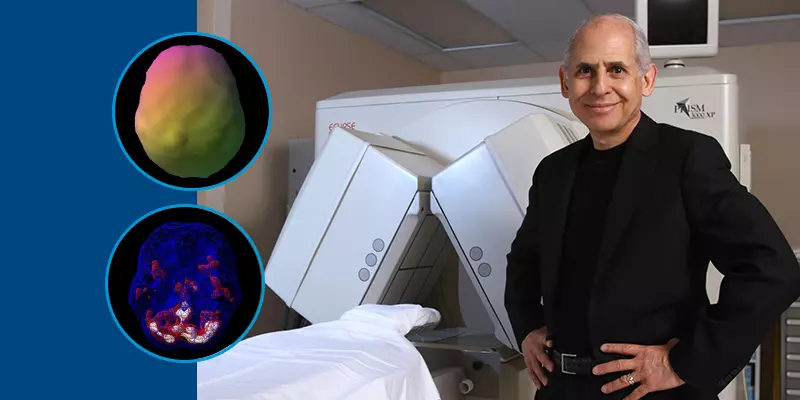
At Amen Clinics, we’ve been using brain SPECT imaging since 1991. Let me briefly share how I fell in love with the brain imaging work we do. In 1972 I was an infantry medic where my love of medicine was born. After about 18 months I was retrained as an X-ray technician and developed a passion for medical imaging. As our professors used to say, “How do you know unless you look?”
In 1979, as a second-year medical student, someone I loved tried to kill herself, and I took her to see a wonderful psychiatrist. Over time, I realized that if he helped her, which he did, it would not only help her, but it would also help her children and even grandchildren as they would be shaped by someone who was happier and more stable. I fell in love with psychiatry because I realized it had the potential to help generations of people. But I fell in love with the only medical profession that virtually never looked at the organ it treats. I knew we could do better.
Why is brain SPECT imaging considered revolutionary in psychiatry?
How can you know what’s going on inside your head if nobody ever looks? Experienced psychiatrists can tell if someone is likely to have ADHD, OCD, or bipolar disorder without the benefit of these tools. But without functional brain imaging tools like SPECT, clinicians will never be able to know the underlying brain patterns of the patients they treat, so they are handicapped to throw medicated tipped darts in the dark at their patients. Brain SPECT is a state-of-the-art brain mapping tool that can give psychiatrists more information to help their patients more effectively.
Here is a quick primer on brain SPECT imaging and why it can be important to help you or your loved ones.
What is SPECT?
Single photon emission computed tomography (SPECT) is a nuclear medicine study that evaluates blood flow and activity in the brain. Basically, it shows three things: healthy activity, too little activity, or too much activity. Then based on what we see, our job is to balance your brain—to calm it down if it is working too hard or stimulate it if it is underactive.
SPECT SURFACE VIEW
A healthy “surface” scan, looking down from the top, shows full, even symmetrical activity. The color is not important, it’s the shape that matters. Surface scans help us see areas that are healthy and those with low activity.
Healthy Surface SPECT Scan: Full, even, symmetrical activity.

SPECT ACTIVE VIEW
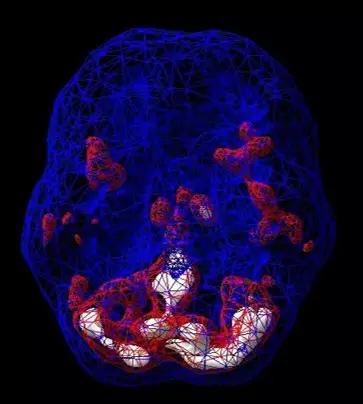
A healthy “active” scan shows the most active parts of the brain. Here blue is average activity and red (or sometimes red and white) are the most active parts of the brain. In a healthy scan, the most active area is in the cerebellum, at the back/bottom part of the brain, which makes up just 10 percent of the brain’s volume but houses half of the brain’s neurons.
Healthy Active SPECT Scan: Grey is average activity, white is top 15% showing most active areas of the brain.
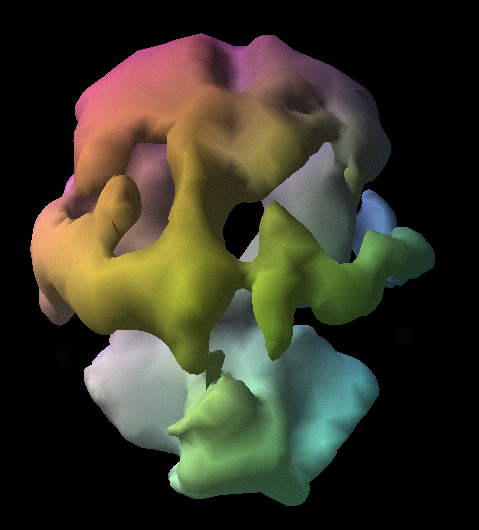
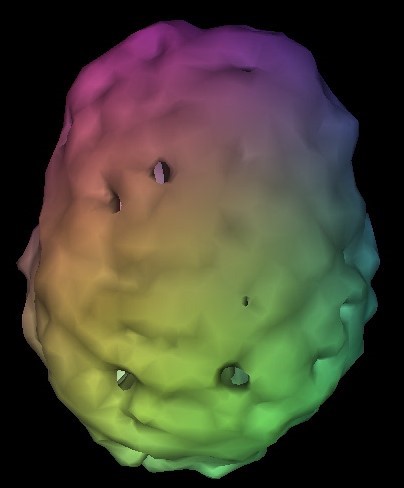
With SPECT, you can see healthy vs. unhealthy brains. Look at the following scans of people with Alzheimer’s disease or who have addictions.
SPECT Scan Alzheimer’s disease: Severe decreases in back half of the brain.
SPECT Scan Marijuana Addiction: Marked decreased activity in the prefrontal cortex and temporal lobes.
What does brain SPECT imaging teach us about the brain?
One of the big lessons we’ve learned from brain imaging is that mild traumatic brain injury ruins people’s lives. Your brain is very soft, about the consistency of soft butter, and the inside of your skull is very hard and has sharp, bony ridges. Your brain can be easily damaged. About 40 percent of the patients who come to Amen Clinics have experienced a traumatic brain injury. And so many of them don’t realize that brain injuries and concussions, even if you don’t pass out, are associated with a high degree of mental health challenges. Brain SPECT imaging shows evidence of traumatic brain injuries, even mild ones that happened decades earlier. Recognizing an underlying brain injury can be an important factor in healing mental health symptoms.
What is the biggest discovery brain SPECT imaging has revealed about psychiatric issues?
One of the biggest things brain SPECT imaging has taught us is that psychiatric issues—ADHD, depression, anxiety, schizophrenia, addiction, and more—are not single or simple disorders. They all have multiple types. It’s critical to know your type in order to get treatment that is targeted to your specific needs.
What are some of the ways SPECT brain scans improve treatment?
SPECT brain scans can:
• Show evidence of trauma, exposure to toxins like chemotherapy, or infections like Lyme disease (treating the underlying problem may help alleviate psychiatric symptoms)
• Show if medications are toxic (This is one of the main reasons why I rarely prescribe benzodiazepines because they are harmful to brain activity)
• Help prevent mistakes (You never want to stimulate a brain that’s already working too hard or calm a brain that isn’t working hard enough.)
How can SPECT brain scans help people with mental health disorders and addictions?
Brain SPECT imaging can be very powerful in treating people with psychiatric illnesses and/or addictions because it:
• Breaks denial
• Increases compliance
• Helps understand comorbidities
• Encourages follow-up scans (helping determine if treatment needs to be adjusted)
• Decreases stigma (helping you see that the problem is medical not moral)
• Decreases shame, guilt, self-loathing, and anger (helping you understand that your issues are not a personal failure)
• Increases, compassion and forgiveness for families
How does brain SPECT imaging offer hope to people struggling with mental health conditions?
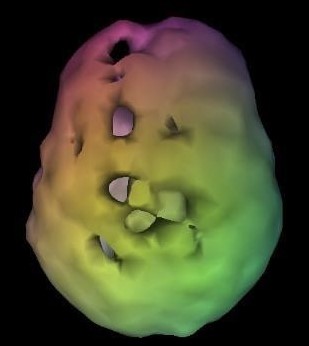
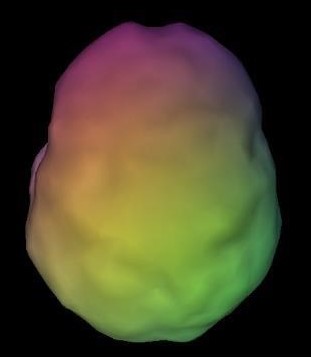
Seeing before-and-after brain scans shows that you are not stuck with the brain you have. You can change your brain and change your life.
SPECT Scans: Before Treatment and After Treatment
Low overall blood flow:
Marked overall improvement:
In Part 2 of this blog, you will discover some of the common patterns seen in SPECT brain scans, what they mean, and the corresponding interventions.
The Amen Clinics has been using brain SPECT imaging with its patients since 1991 and has the world’s largest functional brain imaging database related to brain health/mental health issues with over 150,000 SPECT scans on patients from 120 countries.
If you or someone you know would like more information about brain SPECT imaging at Amen Clinics, watch these two videos, or to make an appointment, visit us online or call: 888-288-9834.
SPECT Made Ridiculously Simple with Dr. Daniel Amen Part 1
SPECT Made Ridiculously Simple with Dr. Daniel Amen Part 2