
The Surprising Differences Between Bipolar I and Bipolar II
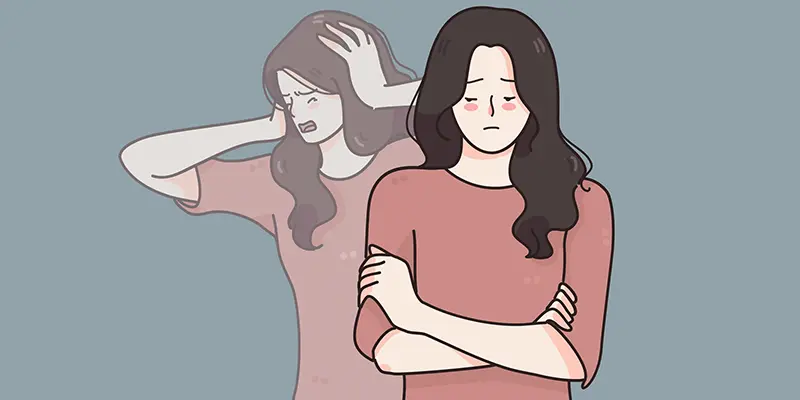
Bipolar disorder has been making headlines recently as a growing number of celebrities and influencers—including singers Halsey and Bebe Rexha—reveal their diagnoses with the condition that affects nearly 6 million Americans. Despite the increased awareness of the disorder, the condition that used to be called manic-depressive disorder remains shrouded in myths and misinformation.
Most people think bipolar disorder is a singular condition with a fixed set of symptoms—manic episodes that alternate with depressive episodes in a cyclical pattern. While that may be true for many people with the disorder, it isn’t so for everyone who has bipolar disorder. In fact, there are multiple types of bipolar disorder and the symptoms experienced depend on which type you have. The most common and most serious forms of the condition are bipolar I and bipolar I. What are the differences between these subtypes of bipolar disorder? To clear up the confusion, this blog will outline the main characteristics of each type.
WHAT IS BIPOLAR I?
Bipolar I is characterized by the presence of mania and may or may not include depressive episodes. During manic episodes, people feel abnormally energized, euphoric, and full of confidence. It is common for people in the throes of a manic episode to come up with lots of grandiose ideas, start several big projects, and skimp on sleep. Common signs of mania include:- Unusually elevated mood
- Inflated self-esteem
- Decreased need for sleep
- Increase in goal-oriented activity
- Grandiose notions, ideas, or plans
- Increased talking or pressured speech
- Racing thoughts
- Inability to “turn off the mind”
- Poor judgment that leads to risk-taking behavior
- Hypersexuality or hyper-religiosity
- Excessive appetite
- Inappropriate social behavior
- Irritability or aggression
- Delusions or hallucinations
WHAT IS BIPOLAR II?
People with bipolar II typically experience both emotional highs and low moods that can occur in a cyclical pattern. However, the biggest difference between bipolar I and bipolar II is that episodes of elevated moods in bipolar II aren’t as intense as those in bipolar I and don’t reach the level of mania. Mental health experts call these episodes in bipolar II “hypomanic.” The biggest difference between bipolar I and bipolar II is that episodes of elevated moods in bipolar II aren’t as intense as those in bipolar I and don’t reach the level of mania. During hypomanic episodes, you may feel a surge of energy, self-esteem, and productivity, but it usually doesn’t prevent you from handling everyday tasks and it isn’t likely to land you in trouble at work, at school, or with the law. People who are experiencing a hypomanic episode may seem like the life of the party—full of ideas, confidence, and high energy.DEPRESSIVE EPISODES IN BIPOLAR DISORDER
There can be a downside to the manic or hypomanic episodes seen in bipolar I and bipolar II, respectively. These emotional highs may be followed by periods of depression that can last weeks or months. Symptoms of depressive episodes in bipolar disorder include:- Sad or negative mood
- Low energy
- Fatigue or feeling “slowed down”
- Feelings of hopelessness and helplessness
- Feelings of worthlessness
- Difficulty concentrating
- Insomnia, hypersomnia (sleeping too much), or early awakening
- Suicidal thoughts and behaviors