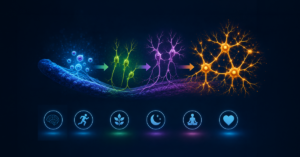
What Is Mild Cognitive Impairment?
Mild cognitive impairment (MCI) may not sound very serious. But this condition, which can affect memory and thinking skills, could be a stealthy danger to many Americans for a few reasons. First, many people are not very familiar with MCI. In fact, more than 80% of Americans know little about MCI or are not familiar with it at all, according to a 2022 report from the Alzheimer’s Association.
Simultaneously, with our country’s fast-growing senior population, it’s more important than ever to learn about MCI. The report estimates that 12% to 18% of Americans age 60 and older are living with MCI, which can be an early stage of Alzheimer’s disease.
Of those affected, approximately 10% to 15% develop dementia every year. Approximately 1 out of 3 people living with mild cognitive impairment will develop dementia related to Alzheimer’s disease within 5 years. Let’s look a little deeper into this condition, which can have potentially serious outcomes.
More than 80% of Americans know little about mild cognitive impairment (MCI) or are not familiar with it at all. But 12% to 18% of Americans age 60 and older are living with MCI, which affects memory and thinking skills.
MILD COGNITIVE IMPAIRMENT SYMPTOMS AND CAUSES
Many people believe that memory loss and cognitive impairment are simply side effects of normal aging. However those with MCI experience memory or thinking problems that are more pronounced than would be expected for their age. The National Institute on Aging (NIA) notes that there is no single cause of MCI, but there are factors that can increase risk, such as:- Aging
- Diabetes
- Depression
- Stroke
- Amnestic MCI mostly affects memory, leading to forgetfulness.
- Nonamnestic MCI impacts thinking skills. The person may have a compromised ability to make sound decisions, misunderstand timing or the steps needed to perform a complex task, or have trouble with visual perception.
MILD COGNITIVE IMPAIRMENT MAY LEAD TO DEMENTIA
Given that Alzheimer’s disease now affects an estimated 6.7 million Americans and is the most common form of dementia, understanding mild cognitive impairment can have widespread effects. As a reminder, dementia is an umbrella term that describes a variety of diseases and conditions that develop when nerve cells in the brain die off or no longer function normally. Being on the lookout for early symptoms of Alzheimer’s, such as MCI, can be crucial for starting possible interventions earlier. Certain steps can support and help preserve the memory, and the sooner they begin, the better the outcomes may be. As implied in the statistics above, not all MCI cases develop into dementia. The Alzheimer’s Association points out that MCI can reflect an early stage of neurodegenerative disease development—including Alzheimer’s—if the person experiences the hallmark changes in the brain associated with those diseases. However, some people with MCI can return back to their normal cognition or remain at the same level of impairment without worsening. Diagnosis guidelines for Alzheimer’s and MCI would ideally start at the preclinical stage, which means that noticeable symptoms such as memory loss have not yet occurred. However researchers are still working on identifying the internal biological changes (called biomarkers) that may signal a future issue. In the meantime, medical professionals utilize a variety of tactics to arrive at a diagnosis, such as:- Medical history
- Assessment of functioning
- Memory tests
- Mood evaluation
- Blood tests
PREVENTION AND TREATMENT FOR MILD COGNITIVE IMPAIRMENT
To get the full picture of a developing case of MCI, it can be helpful to screen for dementia with a brain scan. Functional brain scans are especially helpful in determining early signs of dementia—even before symptoms occur. These tools include:- SPECT (single-photon emission computerized tomography) scans
- QEEG (quantitative electroencephalogram) imaging
- PET (positron emission tomography) scans
- Depression, anxiety, or chronic stress
- Conditions that reduce blood flow to the brain
- Substance use disorders
- Sleep apnea
- Thyroid issues
- Nutritional deficiencies
- Infections
- Physical exercise
- Nutritional counseling and modification
- Cognitive and social stimulation
- Improved self-management of health