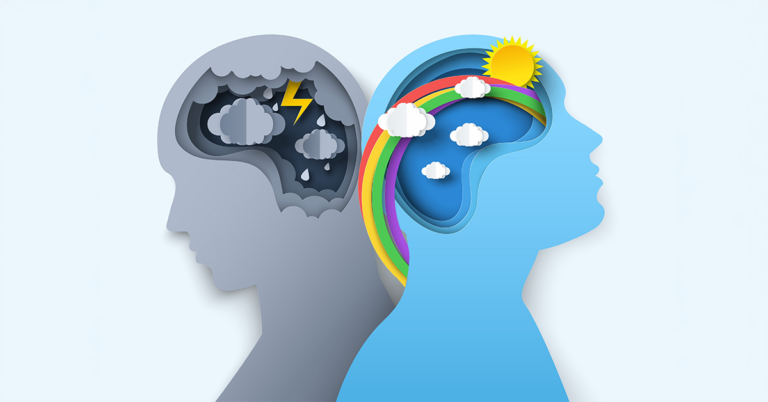

You see them every week.
The man in the third row who’s been slipping—forgetting names, losing his spark. The young mother running on four hours of sleep and pure adrenaline. The faithful servant who’s grown irritable and cynical and doesn’t know why. The elder whose memory is fading, and the family quietly terrified about what comes next.
As a pastor, counselor, or ministry leader, you carry these people in your heart. You pray for them. You counsel them. But sometimes you sense that something deeper is happening—something a sermon alone can’t reach.
Often, it’s their brain.
Dr. Daniel Amen has spent decades studying what damages the brain and steals people’s minds, memory, and joy. Through nearly 300,000 brain SPECT scans at Amen Clinics, he identified 11 major risk factors—and gave them a name that’s easy to remember: BRIGHT MINDS.
Understanding these risk factors won’t turn you into a physician. But it will help you see your people more clearly, love them more wisely, and point them toward hope that’s both spiritual and practical. Here’s what every faith leader should know.

Before we walk through the letters, consider the stakes. Roughly one in five U.S. adults lives with a mental illness—which means a significant portion of the people in your pews are struggling right now, many of them silently.
Here’s the hopeful part: many of these risk factors are modifiable. Dr. Amen has noted that a substantial share of Alzheimer’s cases could be prevented through lifestyle changes. These aren’t fixed fates. They’re areas where wisdom, community, and better choices can genuinely change someone’s future.
And this is squarely within your calling. You’re not diagnosing anyone. You’re doing what shepherds do: helping your people steward the body and mind God gave them.
Here they are, in plain language—and what each one might look like in your congregation.
Blood flow is life. Every brain cell depends on it, and Dr. Amen has called low blood flow the number one brain-imaging predictor of future Alzheimer’s disease. What hurts it: a sedentary lifestyle, high blood pressure, heart disease, smoking, and excess weight.
When you stop learning, your brain starts dying. New learning builds new connections; disengagement lets them wither.
Chronic inflammation is a quiet destroyer, and it’s been linked to higher rates of depression and cognitive decline. Common drivers include poor diet, low omega-3s, gut problems—even untreated gum disease.
Family history matters. But as Dr. Amen puts it, genetic risk is not a death sentence—it’s a wake-up call.
This may be the most overlooked factor of all. Concussions, falls, sports injuries, and car accidents—even ones without loss of consciousness—can affect mood, memory, and behavior for years. The CDC confirms that even a single concussion can change how a person thinks, feels, and behaves. Amen Clinics has found head trauma to be a major, frequently missed cause of psychiatric problems.
Alcohol, marijuana, and other drugs prematurely age the brain. So do less obvious toxins: mold, lead, mercury, and hormone-disrupting chemicals in everyday products.
Depression, anxiety, chronic stress, and trauma all damage the brain over time. Untreated, they compound.
Chronic infections and autoimmune conditions can profoundly affect brain function—and are often missed entirely.
Thyroid, testosterone, estrogen, cortisol—when hormones go out of balance, mood, energy, and memory follow.
The combination of diabetes and obesity is devastating to the brain, and it is epidemic in our churches.
Sleep is when the brain repairs itself and clears waste. Chronic sleep deprivation and untreated sleep apnea are brain-damaging, and can fuel vicious cycles of pain and exhaustion.
Read back over those 11 factors and notice something remarkable: most of them are things people can actually change.
That’s the hope at the center of Dr. Amen’s work, echoed in his brain health rules to live by. Thanks to neuroplasticity, the brain can heal, rewire, and strengthen. As he says: you are not stuck with the brain you have.
And that scientific truth has a familiar ring: “Be transformed by the renewing of your mind” (Romans 12:2). What Scripture called renewal, science calls plasticity.
Here’s what makes this so exciting: you already have what most health programs desperately lack.
You don’t need to become a doctor. You just need the knowledge to recognize what you’re seeing, the wisdom to refer when it’s needed, and a framework to lead your people toward health.
That framework exists, and it was built for exactly this. The Amen WHOLE-4 is a transformative program from Dr. Daniel Amen, offered through Amen University, that weaves together brain science and Scripture for churches, counseling centers, and faith communities.
In fact, the BRIGHT MINDS risk factors are the heart of the program’s second session—BRIGHT MINDS, Strong Bodies—where your people discover the key risks stealing their health and learn exactly how to overcome them. From there, the journey continues through renewing the mind, healing relationships, and deepening the walk with God, so transformation reaches every part of the person.
It’s fully turnkey, with ready-to-present sessions, a leader’s guide, small-group curriculum, and BRIGHT MINDS resources for your congregation—so you can lead this without building it from scratch.
You can explore the vision behind it in Where Brain Science Meets Scripture: Inside Amen WHOLE-4 and Find a New Path to Whole-Person Healing with Amen WHOLE-4.
The people you shepherd are struggling with things a sermon alone can’t fix. Now you have a way to help. Bring the Amen WHOLE-4 to your community today.