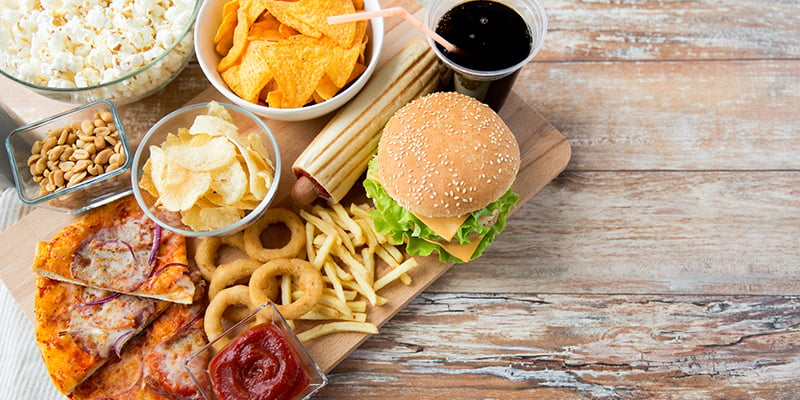
Losing your train of thought mid-sentence? Forgetting why you entered the room? Blanking out on the name of the show you watched last night on Netflix? You may think it’s just the normal aging process, but it could have something to do with the foods you eat. Your brain uses 20% to 30% of the calories you consume, making it is the most energy-hungry organ in your body. Everything you put on the end of your fork matters in terms of your cognitive function. And if you eat a fast-food diet, you’ll have a fast-food memory.
If you’re struggling with forgetfulness, take a hard look at your diet to see if you’re consuming any of these 7 foods that can contribute to memory problems.
7 Foods That Contribute to Memory Problems
1. Vegetable oils
Safflower oil, corn oil, sunflower oil, and canola oil may sound healthy, but they are all high in omega-6 fatty acids, a type of fat that can be harmful to your cognitive function if you eat them in excess. Consuming too many foods that are high in omega-6 can cancel out the brain benefits of omega-3 fatty acids (those found in foods like salmon, sardines, and walnuts). The optimal ratio is likely under 4-to-1 (omega-6 to omega-3). Most people who eat the standard American diet, which contains high levels of omega-6-rich foods, have an appalling ratio of 20-to-1 or higher. This is bad news for memory. According to a
review of 13 scientific studies, when the ratio is skewed too high in favor of omega-6, it’s associated with an increased risk of cognitive decline and
Alzheimer’s disease.
2. Sodas and energy drinks
Sodas and energy drinks claim to give you a quick boost, but they could be fueling forgetfulness. A
2013 study shows that sugary beverages have been linked to diabetes, which is associated with a greater risk of Alzheimer’s disease. In 2017, scientists reported new evidence in the
Journal of Alzheimer’s Disease linking abnormal insulin levels to Alzheimer’s disease and cognitive decline. The correlation is so strong, some researchers have labeled Alzheimer’s “Type 3” diabetes.
Research has also linked diabetes to decreased blood flow to the brain (the #1 predictor of future memory problems) on
brain SPECT imaging, as well as a smaller hippocampus. Even mildly elevated blood sugar levels are a significant problem and associated with brain atrophy, memory problems, and dementia, according to 2013 research in
The New England Journal of Medicine.
3. White carbs
White bread, pasta, potatoes, and rice are terrible foods for your memory. They are all high glycemic, which means they cause a quick surge in insulin and blood sugar levels. A 2015 review of the scientific evidence on food and cognitive deficits in
Nutrients found that a single high-glycemic meal impairs memory. People with a higher intake of refined carbs and fats have greater impairment on memory tasks. Refined carbs, such as these white foods, also contribute to
inflammation, which is recognized as a risk factor for Alzheimer’s disease and other dementias.
4. Fried foods
French fries, fried chicken, doughnuts, and other fried fare are not your friends when it comes to memory. A study of 18,080 people in
The Journal of Nutritional Science found that a diet high in fried foods (and processed meats) is associated with lower cognitive scores in memory and learning.
5. Artificial sweeteners
Consuming
artificial sweeteners, such as those found in diet sodas, on a regular basis is not a recipe for good recall. It can contribute to chronically high insulin, which increases your risk for Alzheimer’s disease. It also raises the risk of heart disease, diabetes, and
metabolic syndrome—all of which have been linked to negative impacts on cognitive function.
6. Excessive alcohol
Drinking too much
alcohol can give you a fuzzy memory. For example, alcohol lowers blood flow to the cerebellum, an amazing part of the brain that is associated with thought coordination. In a 43-year follow-up
study of more than 12,000 people, nondrinkers did not differ from light drinkers in dementia risk, while heavy and very heavy drinkers had an increased risk. Drinking more hard liquor (gin, rum, vodka, tequila, whiskey, brandy) increased the odds of dementia, whereas imbibing more wine was associated with a lower risk (although wine’s benefit was reversed at high amounts). Relative to non-drinkers and light drinkers, moderate-to-heavy drinkers had a 57% higher risk of dementia—and they got it earlier. A
study at Johns Hopkins found that people who drink every day have smaller brains, and when it comes to the brain, size matters!
7. Trans fats
These synthetic fats, or “Frankenfats,” are found in partially hydrogenated vegetable oils, and they have no place in your diet if you want to keep your mind. They are the
worst fats associated with memory problems, even in young adults, according to scientific findings in a 2015 issue of
Plos One. They are found in shortening and many processed foods, margarines, commercially prepared fried foods and packaged baked goods, including doughnuts, crackers, and snack foods. Research in the
Neurobiology of Aging shows that high consumption of these unhealthy fats is associated with reduced brain volume, cognitive decline, and increased risk of Alzheimer’s disease.
Memory problems can’t wait. At Amen Clinics, our Memory Rescue BRIGHT MINDS Program takes a whole-person approach to memory loss and dementia. In addition to brain SPECT imaging to identify any underlying brain health issues, we also look at the biological (including diet), psychological, social, and spiritual factors in your life that may be contributing to memory issues.
We are available for in-clinic brain scanning and appointments, as well as mental telehealth, remote clinical evaluations, and video therapy. Find out more by speaking to a specialist today at 888-288-9834 or visit our contact page here.