
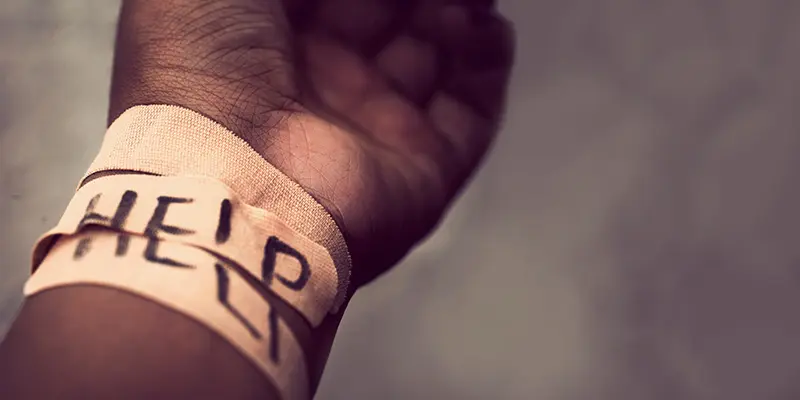
Why Are So Many Kids and Teens Cutting?
In March 2021, the independent nonprofit organization, FAIR Health, released a report about the staggering mental health challenges children and teens have experienced during the COVID-19 pandemic. Depression, anxiety, adjustment disorder, drug overdoses, obsessive compulsive disorder (OCD), and eating disorders have all been on the rise. The report also found a 334% increase in the rate of intentional self-harm for 13- to 18-year-olds in one section of the U.S.
The term self-harm refers to the intentional act of causing physical harm to oneself through a destructive means, but without the goal of suicide. In some cases, it can be an extreme measure such as crashing a car, but more often, self-harm involves burning, head-banging, hitting, severe scratching, skin picking, and hair-pulling, as well as cutting or carving the skin with a sharp object such as a razor blade, knife, or even a paperclip.
Cutting is the most common form of intentional self-harm and represents up to 80% of cases. In the Diagnostic and Statistical Manual of Psychiatric Disorders (DSM-V), it falls under the category of non-suicidal self-injury (NSSI). Even in a “normal” year, approximately 15% of teens engage in cutting, with a greater percentage found in college students, although some adults and children also cut. Females tend to self-injure somewhat more than males, and the highest rates appear to be in those who are bisexual, but the reasons for this are still not completely understood.
The Motivation for Cutting
While there are many reasons a young person might intentionally cut themselves, this behavior is largely a maladaptive coping mechanism for kids and teens who are not able—or don’t know how—to express their emotions in a safe and healthy way. Those who cut are often seeking a type of symbolic relief from bad feelings they have or that are difficult for them to manage. Cutting is a maladaptive coping mechanism for people, especially kids and teens, who aren’t able—or don’t know how—to express their emotions in a safe and healthy way. For example, someone who dissociates or feels emotionally numb may cut to “feel alive,” while depressed teens may cut to “release” some of their sadness. Among other causes, cutting may also come from feelings related to:- Anxiety or stress
- Loneliness and isolation
- Being bullied or rejected
- Past trauma
- Social pressure or interpersonal problems
- A sense of emptiness inside
- Drug or alcohol addiction
Who’s at Risk?
Self-injury is usually linked to underlying mental health conditions. In particular, it is strongly associated with a history of childhood abuse, especially sexual abuse. Self-injury is also seen in those with posttraumatic stress disorder (PTSD), anxiety, OCD, depression, bipolar disorder, schizophrenia, eating disorders, and addictions, as well as in borderline personality disorder (BPD)—a condition for which emotional regulation is very difficult. Research from the medical journal Encephale indicates that 50-80% of those with BPD engage in some form of self-mutilation, including cutting.Cutting Can Become Addictive
Because cutting provides a temporary sense of relief to the person doing it, it can become a form of self-medication. The actual pain from the cut induces a release of endorphins—the body’s natural pain killers—which can boost mood or feelings of calmness. However, by repeatedly engaging the brain’s opioid system in this way, tolerance to the pain can build up, thus leading to increased cutting to get the same level of relief from the endorphin response.Clues to Look For
While cutting can be done anywhere on the body, the most frequently targeted areas are the thighs, wrists, hands, and stomach. It is likely that a young person will try to hide the evidence of this behavior, so if you are concerned about your child or teen cutting, be aware of these clues:- Having frequent unexplained cuts and scars
- Patterns or repetitious marks cut closely together in the skin
- Wearing long sleeves or pants when it’s hot outside
- Concealing areas of injured skin with bandages or Band-Aids
- Having sharp objects in their room, backpack, or purse for unspecified reasons
Mental Health Treatment for Cutting
If you discover that your child has been cutting, it can be shocking—even frightening, but it’s important to understand that this behavior is treatable. Letting your child know that you care and want to help her or him find healthier ways to cope with their feelings is a great first step. In addition to possible medication for certain patients, some of the treatment modalities include:- Dialectical Behavior Therapy (DBT): This type of therapy helps improve coping skills and incorporates mindfulness strategies for managing stress and emotions.
- Cognitive Behavioral Therapy (CBT): Based on the premise that our thoughts control our emotions, CBT is used to identify and change the unhealthy thinking patterns that lead to distress.
- Art Therapy: This modality uses various forms of art, such as painting or drawing, to help clients express feelings they may otherwise have difficulty articulating.
- Self-Harm Support Groups: The connections made with others in a group who are healing from the same problem can help fortify the progress made through other types of therapy and prevent a relapse of cutting.