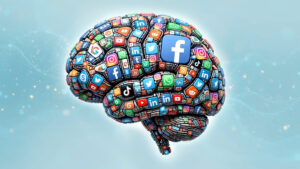

What is Digital Dementia and How to Overcome It
By Rishi Sood, MD
There’s a new type of dementia, and it’s got physicians and mental health professionals like me worried. It’s called “digital dementia” and although it isn’t officially recognized as a mental health disorder, it’s a very real problem that’s affecting more and more people.
It’s no secret that the use of digital devices has revolutionized the way we live. A few clicks on your smartphone and virtually anything you want can be delivered to your door. We rely heavily on our digital devices for news, education, business, directions, general information, social connections, and entertainment, too.
Perhaps that’s why an estimated 7 billion people around the world have smartphones, and we average about 7 hours of screen time a day here in the U.S., according to recent data.
Yet, as a board-certified pediatrician and psychiatrist, I’m concerned about technology overuse, and how it may be impacting brain function. A growing body of research is revealing some disturbing links between excessive use of digital media and increased risk of deficits in short-term memory, attention, and cognitive function.
Individuals who overuse digital devices may, over time, have trouble with forgetfulness, focusing, and multitasking—symptoms that are similar to early signs of dementia.
If you’re concerned about the effects of too much digital media use on your own cognition or a loved one’s, here’s what you need to know and what you can do to protect against digital dementia.
“Digital dementia” refers to individuals who overuse digital devices who may, over time, have trouble with forgetfulness, focusing, and multitasking—symptoms that are similar to early signs of dementia.
WHAT IS DIGITAL DEMENTIA?
Simply put, digital dementia describes the cognitive impairments that can result from excessive use of digital devices such as smartphones, tablets, smartwatches, computers, and TV. However, it is not a recognized medical condition. The term was first coined by German neuroscientist Manfred Spitzer with the publication of his book titled Digital Dementia in 2012. The book raised concerns about the overreliance on digital devices and computers having an atrophying effect on the brain. Today, we know that the constant distractions, rapid information processing, and incessant multitasking that heavy digital use typically involves can lead to the memory problems, difficulty with cognitive functions, and decreased attention span that define digital dementia.CAUSES OF DIGITAL DEMENTIA
There are three main causes that drive the development of digital dementia:-
Overreliance on Digital Devices
- Memory:Relying heavily on digital devices for information storage and retrieval can lead to a decline in memory skills. For instance, people may struggle to remember phone numbers, addresses, or other information because they rely on their devices to store this data.
- Attention Span: The constant notifications and multitasking encouraged by digital devices can lead to shorter attention spans and difficulties in maintaining focus on a single task. Smartphones have, on average, 18 different applications, and users receive an average of 46 notifications a day!
-
Reduced Mental Stimulation
- Problem Solving and Critical Thinking:When individuals use digital devices to solve problems quickly or find information easily, they may not engage in the deeper cognitive processes that strengthen problem-solving and critical thinking skills.
- Navigation Skills:Dependence on GPS and map applications can reduce spatial awareness and navigation skills, as individuals do not practice these cognitive functions as much.
-
Sleep Disruption
- Blue Light Exposure:Prolonged exposure to blue light from screens can disrupt sleep patterns by interfering with the production of melatonin, a hormone that regulates sleep. Poor sleep quality is associated with various cognitive impairments.
SIGNS AND SYMPTOMS OF DIGITAL DEMENTIA
Individuals who regularly engage in excessive use of digital dementia may show any of the following signs (which are also early symptoms of dementia):- Memory problems
- Attention deficits
- Reduced cognitive abilities
- Poor navigation skills
- Having trouble remembering details, events, or tasks
- Difficulty focusing on a task and getting easily distracted by digital notifications
- Experiencing a decrease in creativity and your ability to solve problems and think critically
- Difficulty finding your way without the assistance of GPS
RESEARCH ON DIGITAL USE AND BRAIN FUNCTION
Recent research on the link between heavy digital device use and impaired brain function present some alarming findings. For example, a 2022 study published in the Journal of Integrative Neuroscience suggests chronic sensory stimulation (via excessive screen time) during brain development may increase the risk of Alzheimer’s disease and other dementias later in adulthood. That means the problematic screen time overuse of adolescents and teens may impact their memory and brain function decades later. Based on emerging evidence, the study’s authors note that the effects from too much screen time are not unlike those seen in adults with symptoms of mild cognitive impairment in the beginning stages of dementia, including:- Impaired acquisition of recent memories
- Recall of past memories
- Concentration
- Orientation
- Social functioning
- Self-care
- Gray matter is essential for controlling movement, emotions, and memory.
- White matter allows for the exchange of information and communication between different areas of your brain.
4 WAYS TO PREVENT DIGITAL DEMENTIA
The research underscores how important it is to keep digital use in check. The great news is that you can protect your brain health while keeping up with our digital world. It requires taking the following measures. If you’re a parent, some of these practices can be used with your adolescent or teen.-
Strive for balanced device use.
- Set specific times for using digital devices.
- Practice taking regular breaks from your devices to reduce screen time.
- Use devices for productive purposes rather than constant entertainment or social media.
- Charge your smartphone or tablet in a separate room, apart from where you sleep.
-
Engage in mentally stimulating activities.
- Engage in activities that challenge the brain, such as puzzles, reading, or learning new skills.
- Practice memory exercises, such as recalling information without digital aid.
-
Lead a healthy lifestyle.
- Ensure adequate sleep by limiting screen time before bed and using blue light filters on devices.
- Maintain a balanced diet and regular physical exercise, both of which support cognitive health.
-
Practice mindfulness and focus.
- Practice mindfulness techniques to improve attention (such as yoga, meditation, or tai chi) and reduce stress.
- Focus on single tasks rather than multitasking to enhance concentration and productivity.
- Turn off app notifications on your smartphone to facilitate greater focus.