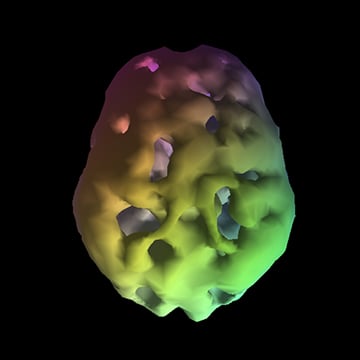
Many people associate sports concussions with football since it is widely publicized in the media. However, we tend to forget about the popular sport soccer, where frequent contact with the ball and head occur since players use their heads to propel the ball to score, at it is recognized as a skill in the game.
A study showed that players who headed an average of 125 balls over the course of two weeks were more prone to concussions than those who headed only four balls in that same period of time. Those players who headed more frequently were more prone to complain of concussion symptoms like unconsciousness, dizziness, headaches, and confusion.
One Sport, Multiple Risks
But heading is not the only way that soccer players can get a brain injury. There is also a lot of player to player contact that has not been accounted for on the field. For example, one study shows that player contact was to blame for 69 percent of concussions in boys and 51 percent of girls. While no sport is necessarily “safe” specialists believe that the takeaway is to enforce fair play and the rules of the game rather than put on a show for spectators.
The problem with the show aspect of the sport is that many times children try to emulate what they see on TV leading to aggressive behavior on the field. John O’Kane, a sports physician, and professor at the University of Washington Medical Center thinks that banning heading might not solve the whole problem. “Heading is part of the sport and while there is risk involved, no sport is completely safe,” he says via email. The question is how to make heading and soccer in general safer, especially for kids. I believe that we place an emphasis on winning over learning proper technique at too young an age,” he says, “The result is teams with big, fast aggressive players that win by running over people instead of playing good soccer.”
It is important to note that your child is always vulnerable to head injuries in sports. Discuss ways to avoid concussions when they aren’t necessary, like heading and aggressive play in soccer.
Unfortunately, sometime these can’t be avoided. Be prepared and follow our checklist below.
8 Ways to Recover From a Brain Injury:
1. Protect Your Brain
You do not want to retain any more damage if you’ve already suffered head trauma. You should protect your brain from further injury as best you can.
2. Have Brain Envy
As you move forward with a brain healthy life, it’s important to keep your brain health at the forefront of your daily actions and behaviors. Brain Envy is a term we use to describe the burning desire to have a better brain.
3. Avoid Things That Can Damage The Health Of Your Brain
Some examples include being overweight and toxic substances like alcohol.
4. Give Your Brain A Healthy Foundation With Brain-Directed Dietary Supplements
Some essential to start with include a great multiple vitamin and mineral to assure a broad spectrum of nutrients, and a higher-serving fish oil (3-4 grams for adults, 1-2 grams for children) to support a healthy response to inflammation, healthy levels of DHA in the brain, and healthy nerve cell fluidity.
5. Move Your Body!
Exercise boosts brain blood flow and improves mood, instantly! If exercise is new for you, start with “walking like you’re late” for 45 minutes, 4 days a week.
6. Eat Right So You Can Think Right
7. Get At Least 7-8 Hours Of Sleep Each Night
8. Consider Natural, Brain Healthy Treatments That Promote Healing
Depending on the severity, consider hyperbaric oxygen therapy (HBOT), and biofeedback or neurofeedback. These are great ways to support optimized brain function.
At Amen Clinics, we look for the least harmful, most effective way of healing the brain, which typically means treating patients naturally (supplements, nutrition, lifestyle recommendations) rather than with high-powered psychiatric medications.
Our Full Evaluation of your biological/psychological/social/spiritual history, coupled with two brain SPECT imaging scans (in concentrating and resting states), cognitive testing, and clinical assessment is designed to address unique needs and offer targeted treatment options.
If you would like to learn more about how brain imaging can provide customized solutions for you or a family member, call us today at 888-288-9834 or visit us online to schedule a visit.
The dangers of playing football, at any level, have been well documented. Though the sport has made modest attempts at protecting its players in recent years, such safeguards simply aren’t enough. The devastated lives of many former NFL players give testimony to this fact.
Eye-opening reports in the media and films like Concussion have served as a wake-up call to many who are now taking steps to protect their future. A recent trend in the NFL has seen several high-profile players retiring early over health concerns. Also raising eyebrows in the football community is the recent resignation of a prominent analyst who could no longer, in good conscience, support a sport that celebrates vicious hits that aren’t safe for the brain. However, these cases represent the faintest glimmer of reform in a sport that leaves its players with cognitive and memory issues so severe that it may become exceedingly difficult for many of them to navigate the challenges of life down the road.
And while the news headlines have focused primarily on professional athletes and veterans, concussions and traumatic brain injuries (TBI) are occurring every day among the general population. Falls, sport-related injuries, assaults, and accidents lead to nearly 2 million ER visits every year, on top of the hundreds of thousands of head traumas that are never reported, and therefore, never diagnosed.
Undiagnosed Concussions are a Serious Problem
Even mild TBI’s can have far-reaching health consequences. Head injuries are a major cause of psychiatric disorders including anxiety, depression, substance abuse and even memory issues and Alzheimer’s disease.
If you or someone you know has suffered a concussion or TBI, don’t delay in implementing these five brain healthy strategies:
Know the Symptoms
While some people display warning signs immediately following a TBI, others don’t develop symptoms until weeks or even months later. The result of this delay is that the underlying cause of the symptoms is often forgotten. Here are some of the most common symptoms of mild to moderate TBI and concussions:
Confusion
Difficulty with concentration and paying attention
Memory problems
Difficulty with word finding
Mental and/or physical fatigue
Sleep problems
Sensitivity to noise and/or light
Moodiness
Anger outbursts
Increased anxiety
Social isolation
Vision problems
Balance problems
Nausea
Ask the Right Questions
All too often concussions are not taken seriously unless a person has noticeable symptoms right after the head injury occurs. Many times, clinicians don’t know how to ask their patients about previous head injuries. However, it’s vitally important to ask patients multiple times and in multiple ways, because they often forget or dismiss such incidents as inconsequential. But every brain injury matters—even sub-concussive events. If you don’t already have a set of questions for assessing a head injury, consider using this list.
Seek Recovery
If you’ve had a concussion or TBI, the good news is that it is possible to rehabilitate your brain! You truly are not stuck with the brain you have—even if you’ve been bad to it. Here are some brain healthy ways to recover what you’ve lost.
Practice Brain Safety
Even though protecting your head should be a no-brainer, it’s useful to remind you of some practical brain safety tips that can reduce your risk for TBI and concussion:
Don’t do “headers” in soccer
Avoid high-risk sports and activities where you can hit your head
Always wear your seatbelt when in a vehicle
Always wear a helmet when on a motorcycle, bicycle, skateboard, snowboard, skis, or rollerblades.
Take a Look
How can you really know if you have a head injury unless you get an image of your brain? Brain SPECT imaging is the best tool for determining if your brain has suffered functional damage from a concussion or TBI—CT and MRI studies aren’t sensitive enough to do this.
Concussion SPECT scan from a 21-year-old football player.
Our Full Evaluation includes two SPECT images (concentrating and resting states), a detailed clinical history, neuropsychological testing and comprehensive evaluation with one of our doctors to target treatment specifically to your brain, using the least toxic, most effective means.
If you’ve had a concussion or TBI and are experiencing anxiety, depression, aggressive behaviors, or memory loss, call us today at 888-288-9834 or visit us online to schedule a visit
You may already know the sad story of Chris Brymer. Once a star football player with the University of Southern California Trojans, and after that, the Dallas Cowboys, he’s been living primarily on the street for almost a decade. He has repeatedly refused help from those who know and respect him, and whether or not he’ll ever want help, remains to be seen.
Unfortunately, Chris is one of a number of former NFL players whose careers at the pinnacle of American sports, left them with comprehension, memory and other cognitive problems that made it difficult to navigate the challenges of life down the road.
It wasn’t always this way for Chris. After he retired from professional football, he and his wife had a successful business in Southern California for several years. But eventually Chris’s behavioral changes (which had begun while he was still playing football), delusions and cognitive decline impaired his ability to run their business, and it subsequently collapsed. His wife divorced him when their son was two. Likely with little to no cognitive reserve from which to draw, his condition appeared to deteriorate even further after this.
Many people suspect that Chris has been suffering from CTE – chronic traumatic encephalopathy – the consequence of repeated impacts to the head that are so much a part of American football and other sports, including ice hockey and “heading” soccer balls.
And while the news headlines have focused primarily on professional athletes and veterans, concussions and traumatic brain injuries (TBI) are occurring every day among the general population. Falls, sport-related injuries, assaults, and accidents lead to nearly 2 million emergency room visits every year, on top of the hundreds of thousands of concussions and incidents of head trauma that are never reported, and therefore, never diagnosed.
Yet, whether they occur in childhood, adolescence or adulthood, undetected and untreated head injuries are a common contributing factor for homelessness, mental illness, substance abuse, school and work failure, and incarceration. Simply put, when the brain is hurt, it is harder to make good decisions and be successful in life.
The good news is that it is possible to rehabilitate the brain! You truly are not stuck with the brain you have – even if you’ve been bad to it. Just as we helped Anthony Davis (as in the video above) and many other NFL players improve the function of their brain after years of abuse from football, we can help you and your loved ones too.
If you are concerned about persistent symptoms of head trauma, a call to our Care Center can answer your questions and provide you with valuable information that can lead you to a better brain and a better life. Find out how. Call 888-288-9834 or schedule a visit today.
At Amen Clinics, we knew about the NFL concussion problem 25 years ago, simply because we were looking at brains. We quickly learned these tragic facts: even mild traumatic brain injury (TBI) can ruin someone’s life, and the underlying impact of TBI on mental health problems is missed because most doctors don’t look at the brain.
Undiagnosed concussions and TBIs are a very serious problem.
They are a major cause of psychiatric disorders including anxiety, depression, substance abuse, and panic disorder along with homelessness, domestic violence, divorce, and suicide. Furthermore, untreated brain injuries can lead to Alzheimer’s disease and other dementias.
Although we have heard about the NFL concussion crisis in the media over the past several years, this issue was brought into the spotlight when the movie, Concussion, starring Will Smith, was released. The story features the work of Dr. Bennet Omalu, who more than a decade ago, identified the physical brain pathology of Chronic Traumatic Encephalopathy (CTE). Dr. Daniel Amen was a consultant on this very important film and highly recommends seeing it because it will really help you understand the devastating, long-term impact that head trauma has on the individuals who suffer from its consequences.
How Do You Know Unless You Look?
Because we look at the brain using brain SPECT imaging, many people with a history of TBI come to Amen Clinics for evaluation, including professional athletes. In fact, Dr. Amen is the lead researcher on the first and largest brain imaging and rehabilitation study on NFL players. This research not only demonstrated high levels of brain damage in players, but also showed the possibility of significant recovery for many of them using the principles that underlie our work, including nutrition, supplementation, and exercise.
We apply these same principles for brain health to all patients with TBI. As inferred above, one of the most prevalent conditions we identify with SPECT is previously undiagnosed TBI. All too often concussions are not taken very seriously unless a person has noticeable symptoms shortly after one occurs. Many times, clinicians do not know to ask their patients about a past history of head injuries. However, we think it is very important to ask them multiple times in multiple ways because people often forget or dismiss such incidents as inconsequential, but they all matter – even sub-concussive events.
If you don’t already have your own set of questions for assessing a history of head injury, consider using ones like these:
Have you ever been knocked unconscious? If so, for how long?
Have you ever temporarily “blacked out?”
Have you ever gotten your “bell rung?”
Have you ever fallen down or been hit and felt disoriented, confused or nauseous afterward?
Did you play sports such as football, rugby, soccer, lacrosse or ice hockey?
Have you ever crashed while skiing, snowboarding, skateboarding, cycling, or skating?
When you were a child, did you ever fall out of a tree, off the jungle gym, off a porch, or out of a window?
Have you ever been in a car accident, even a minor one and even if you didn’t hit your head? If so, how many?
Given the magnitude of people suffering from known TBIs as well as undiagnosed concussions, it is really important to take the time to assess for them. With the proper treatment, people can get better and live more balanced and productive lives. Contact us today at 888-288-9834 to see how we may help, or schedule a visit today.
As the executive control center of the entire body, your brain drives your every thought, mood, emotion, reaction and memory. Since it’s so indispensable to everything you do, you need to protect your brain and the brains of those you love, especially your kids.
The prefrontal cortex (PFC), the part of the brain that’s involved with decision-making, judgment, forethought, focus and impulse control, isn’t fully developed until about age 25. For this reason, it’s crucial that you make decisions in the best interest of your children and help protect their brains during their rough-and-tumble years.
Avoid High-risk Sports
If a child or teen really wants to play a sport that’s known to be dangerous, should their parents just go along with it? To spin it a different way, if a child wanted to do cocaine, would a parent help them find a drug dealer? Of course not!
Unfortunately, too many parents allow their kids to engage in sports that put their brains at risk: tackle football, ice hockey, rugby, boxing, cheerleading, and bouncing soccer balls off their heads – to name a few. These sports all have a high risk of concussion.
Since the resulting impairment from a concussion often resembles what drugs do to the brain, how can parents allow their kids to play high-risk sports that can give them brain damage and negatively impact the rest of their lives? Regardless of what coaches, doctors or other “experts” say, the best advice is to keep your kid out of the game. The risk is far too great when it comes to punishing contact sports.
Take It from the Concussion Expert
The work of Dr. Bennet Omalu, who identified the physical brain pathology of Chronic Traumatic Encephalopathy (CTE), is featured in the movie “Concussion.” The film is a hard-hitting wakeup call that reveals the devastating, long-term ramifications of head trauma.
Regarding the impact of repeated blows to the head, Dr. Omalu says:
“If a child who plays football is subjected to advanced radiological and neurocognitive studies during the season and several months after the season, there can be evidence of brain damage at the cellular level of brain functioning, even if there were no documented concussions or reported symptoms. If that child continues to play over many seasons, these cellular injuries accumulate to cause irreversible brain damage.”
The Dangers of Undiagnosed Concussions
The dangers of playing football, at any level, have been well documented. Though the sport has made modest attempts at protecting players in recent years, such safeguards aren’t enough and represent minimal effort on the part of a sport that leaves players with cognitive and memory issues so severe many will have difficulties navigating the challenges of life down the road. The devastated lives of many former NFL players give testimony to this fact.
While news headlines have focused primarily on professional athletes and veterans, concussions and traumatic brain injuries (TBI) occur every day among the general population. Falls, sport-related injuries, assaults, and accidents lead to nearly 2 million ER visits every year, on top of the hundreds of thousands of head traumas that are never reported, and therefore, never diagnosed or treated.
Undiagnosed concussions are a serious problem since even mild TBI’s can have far-reaching health consequences. Head injuries are a major cause of psychiatric disorders including anxiety, depression, substance abuse and even memory issues and Alzheimer’s disease.
If you or a child has suffered a concussion or TBI, don’t delay in implementing these 3 recovery strategies:
Brain Healthy Sports
Instead of high-risk sports like football and hockey, encourage your kids to pursue brain healthy sports like cross-country running or swimming. There are many other sports that your kids can participate in that are safer and just as enjoyable. Learn what other interests your children have and help them shift to activities that will allow them to have healthy brains and healthy lives.
Seek Recovery
If you or a child have had a concussion or TBI, the good news is that it is possible to rehabilitate your brain. You aren’t stuck with the brain you have – even if you’ve had serious hits to the head. Here are some brain healthy ways to recover what you’ve lost.
Take a Look
How can you really know if you have a head injury unless you get an image of your brain? Brain SPECT imaging is the best tool for determining if your brain has suffered functional damage from a concussion or TBI.
Brain SPECT imaging can:
• Help identify if there has been brain trauma
• Show brain blood flow deficits NOT visible in anatomical studies, such as CT or MRI
• Identify affected brain systems
• Help determine if there could be co-occurring conditions that need treatment
• Increase treatment compliance by showing pictures of results
• Provide scientific documentation that may help with special services or legal issues
Our Full Evaluation includes two SPECT images (concentrating and resting states), a detailed clinical history, neuropsychological testing and comprehensive evaluation with one of our doctors to target treatment specifically to your brain, using the least toxic, most effective means.
If you or a loved one have suffered a concussion or TBI and are experiencing anxiety, depression, aggressive behaviors, or memory loss, call us today at 888-288-9834 or visit us online to schedule a visit. In May 2012, former all-star NFL linebacker Junior Seau tragically took his own life. This came as a shock to everybody as Seau was loved by family, friends and fans alike. The circumstances of his death at the young age of 43 also carry many questions surrounding his struggles with depression and its connection to playing football.
What Research Says
Researches from the National Institutes of Health sought to answer some of these questions in the report they release that confirmed that Junior Seau suffered from a degenerative brain disease often linked with repeated blows to the head.
Chronic traumatic encephalopathy, or CTE, is a neurodegenerative condition that can lead to memory loss, dementia and depression. Seau’s family donated his brain to the National Institutes of Health in Washington, D.C., to find out if he was one of many players whose time in the NFL led to CTE.
“It was important to us to get to the bottom of this, the truth,” Gina Seau added, “and now that it has been conclusively determined from every expert that he had obviously had CTE, we just hope it is taken more seriously. You can’t deny it exists, and it is hard to deny there is a link between head trauma and CTE. There’s such strong evidence correlating head trauma and collisions and CTE.” “It’s important that we take steps to help these players. We certainly don’t want to see anything like this happen again to any of our athletes.”
Junior Seau’s Diagnosis
Dr. Russell Lonser, the former Chief of Surgical Neurology at the NIH, said that because of the publicity surrounding Seau’s death, Seau’s brain was “blinded” during research so that nobody doing the diagnosis would know whose brain they were studying.
“The neuropathologists each examined tissue samples from three different unidentified brains. The official, unanimous diagnosis of Mr. Seau’s brain was a ‘multi-focal tauopathy consistent with a diagnosis of chronic traumatic encephalopathy,’ the NIH said in its statement. “In addition, there was a very small region in the left frontal lobe of the brain with evidence of scarring that is consistent with a small, old, traumatic brain injury.”
“Specifically, the neuropathologists found abnormal, small clusters called neurofibrillary tangles of a protein known as tau within multiple regions of Mr. Seau’s brain. Tau is a normal brain protein that folds into tangled masses in the brain cells of patients with Alzheimer’s disease and many other progressive neurological disorders. The regional brain distribution of the tau tangles observed in this case is unique to CTE and distinguishes it from other brain disorders.”
“The type of findings seen in Mr. Seau’s brain have been recently reported in autopsies of individuals with exposure to repetitive head injury, including professional and amateur athletes who played contact sports, individuals with multiple concussions, and veterans exposed to blast injury and other trauma.
Behavior Swings
In the final years of his life, Seau had wild behavioral swings, according to ex-wife, Gina, and 23-year-old son, Tyler, along with signs of irrationality, forgetfulness, insomnia and depression. He hid it well in public, they said, but not when he was with family or close friends.
Gina Seau said that the diagnosis was not a surprise. “We saw changes in his behavior and things that didn’t add up with him, but (CTE) was not something we considered or even were aware of. The difference with Junior … from an emotional standpoint [was] how detached he became emotionally,” she said. “It was so obvious to me because early, many, many years ago, he used to be such a phenomenal communicator. If there was a problem in any relationship, whether it was between us or a relationship with one of his coaches or teammates or somewhere in the business world, he would sit down and talk about it.”
Was CTE To Blame?
In his 20-year NFL career, Seau was never listed as having a concussion on any medical or injury report, but he joins a list of several dozen football players who were found to have CTE. Boston University’s center for study of the disease reported last month that 34 former pro players and, nine who played only college football, suffered from CTE.
Seau is not the first former NFL player who killed himself and later was found to have had CTE. Dave Duerson and Ray Easterling are others. Before shooting himself, Duerson, a former Chicago Bears defensive back, left a note asking that his brain be studied for signs of trauma. His family filed a wrongful-death suit against the NFL, claiming the league didn’t do enough to prevent or treat the concussions that severely damaged his brain. Easterling played safety for the Falcons in the 1970s. After his career, he suffered from dementia, depression and insomnia, according to his wife, Mary Ann. He committed suicide last April.
Your Brain on Football
Given how football is played, the problem the NFL is going to face is there is really no way to prevent these types of injuries. Helmets only prevent skull fractures. Your brain is very soft; composed of about 80 percent water and is the consistency of soft butter. Your brain is housed in a hard skull surrounded by fluid. When these hits happen on the football field, the head comes to an abrupt stop, but the brain which is suspended within the skull, continues in the path of motion where the head and helmet stopped. The brain then strikes that portion of the skull. Every time this happens neurons are being ripped and damaged. Over time these areas can lose function causing emotional, behavioral, and cognitive problems. It is imperative to bring this information to light so that more people understand the dangers of these contact sports and the detrimental effect it can have on their mental health.
We Can Help
If you are having suicidal thoughts, call the National Suicide Prevention Lifeline at 1-800-273-TALK (8255).
Amen Clinics has helped thousands of people heal their brains and we can help you, too. With targeted treatment, you can change your brain and change your life. If you or a loved one is struggling with behavior issues or want to learn more about the effects of brain injury, please call us today at 888-288-9834 or visit our website to schedule an appointment.