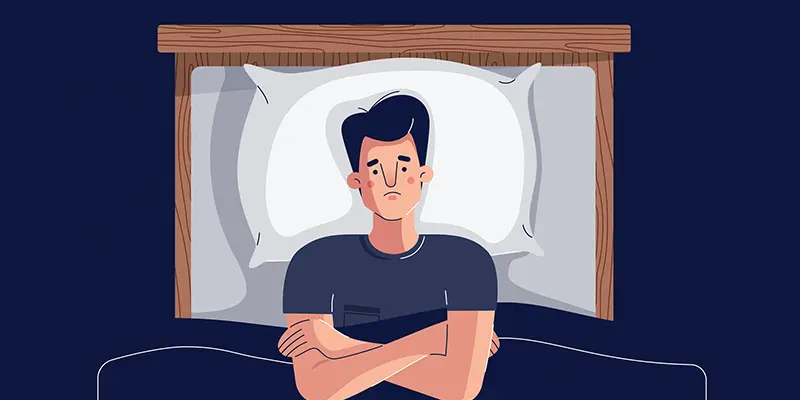
Sleepless nights—we’ve all had them. Whether you feel like you’re buzzing at night and can’t fall asleep, you toss and turn all night, or you wake up at 2 a.m. and can’t get back to sleep for hours, a lack of sleep can make you feel miserable. If you have chronic insomnia, which affects approximately 1 in 10 adults according to
statistics, it’s even worse. Any form of
sleep disorder can leave you with a bad mood, anxiety, and brain fog.
To get the quality sleep you need, you first have to find out what’s causing your sleep issues. Is it something related to your physical health? Is it due to emotional issues? For many people, sleep problems are connected to both biological issues and psychological conditions. Learn the most common physical and emotional sleep stealers so you can overcome them to sleep better.
PSYCHOLOGICAL CAUSES OF SLEEP PROBLEMS
Sleep issues are more common in people who have psychiatric disorders.
Research shows that in more than 50% of cases, insomnia is linked to anxiety, depression, or stress. Some of the more common mental health conditions that are associated with sleep problems include the following:
Depression
Sleep problems are one of the symptoms of major depressive disorder. Depressed people may have trouble falling asleep or staying asleep, or they may feel overly fatigued during the day.
Research shows that about 75% percent of people with
depression also have insomnia. In some cases, they may sleep too much.
Anxiety
When you’re filled with fear, anxiousness, and worry, it’s no wonder it’s hard to get restful sleep. In fact, a
2020 study in
Psychiatry Advisor shows that people with
anxiety are 5 times more likely to have sleep disorders or insomnia.
Bipolar Disorder
Sleep disturbances are extremely common in people with
bipolar disorder, a condition that is characterized by alternating periods of heightened moods and depressive symptoms. According to a
2016 study on the role of sleep in bipolar disorder, from 69% to 99% of people with the condition experience insomnia or feel a reduced need for sleep during manic episodes. During depressive episodes, disrupted sleep is more common as well as hypersomnia, which affects an estimated 38% to 78% of those with bipolar disorder.
ADD/ADHD
Having
attention-deficit disorder (ADD), or attention-deficit hyperactivity disorder (ADHD) as it is more commonly called, increases the likelihood of experiencing sleep issues. Findings from a
2018 study show that 25% to 50% of people with the condition report troubled sleep.
BIOLOGICAL CAUSES OF SLEEP ISSUES
Numerous physical conditions can interfere with a good night’s rest. Some of the most common biological causes of sleep disturbances include the following:
Sleep Apnea
Affecting an estimated 22 million Americans,
sleep apnea interrupts breathing for short periods throughout the night, robbing you of restful sleep and leaving you feeling fatigued, forgetful, and unfocused the following day.
Restless Leg Syndrome
One of the most common sleep and movement disorders, this condition causes uncomfortable feelings in the legs and an uncontrollable need to move them to calm those sensations. Affecting an estimated 5% to 10% of adults, this condition typically occurs while a person is at rest and becomes most severe at night during sleep. This makes it difficult to fall asleep and stay asleep.
Thyroid Imbalances
Having
thyroid imbalances such as hypothyroidism, which affects about 5% of the US population, or hyperthyroidism, which affects about 1% of Americans, can cause sleep problems. A
2021 study shows that over 66% of people with hyperthyroidism have trouble falling asleep, and those with hypothyroidism have lower sleep duration.
Hormonal Issues
Low levels of progesterone, often seen in women during
perimenopause and menopause, are associated with poor sleep. This is often attributed to the hot flashes and night sweats commonly experienced during this time of a woman’s life.
Congestive Heart Failure
Research shows that people with heart failure often experience sleep apnea, leg twitching, or orthopnea (paroxysmal nocturnal dyspnea), which is a shortness of breath that causes periodic awakenings during sleep.
Chronic Pain
When your body aches due to arthritis, headaches, or past injuries, it can lead to long-term sleep deprivation. Unfortunately, the lack of quality sleep increases pain susceptibility, creating a vicious cycle. An estimated 50% to 80% of people living with chronic
pain suffer from some form of sleep disruption, according to the
Psychiatric Times.
Dementia
Research shows that about 25% of people with
dementia experience sleep issues. For example, people with
Alzheimer’s disease “sundown,” or rev up at night and wander.
Acid Reflux
Gastroesophageal reflux disease (GERD), also known as acid reflux, affects an estimated 1 in 5 American adults and can interfere with sleep. Experiencing heartburn, indigestion, or vomit rising up in your throat can wake you during the night.
Enlarged Prostate Gland
Having an enlarged prostate gland, also known as benign prostatic hyperplasia, interrupts sleep due to an urgent need to use the restroom multiple times during the night.
Medications and Substances
Certain
medications—including stimulants, beta-blockers, and nasal decongestants—and foods, such as caffeine, can contribute to sleep disturbances.
TREATING BIOLOGICAL AND PSYCHOLOGICAL CAUSES OF SLEEP PROBLEMS
To get more restful sleep, it’s important to address any underlying physical or psychiatric issues. Taking care of your overall
health and well-being will enhance your sleep, which in turn, will improve your life.
Sleep disorders, as well as the mental health issues that contribute to them, can’t wait. At Amen Clinics, we’re here for you. We offer in-clinic brain scanning and appointments, as well as mental telehealth, clinical evaluations, and therapy for adults, teens, children, and couples. Find out more by speaking to a specialist today at 888-288-9834 or visit our contact page here.