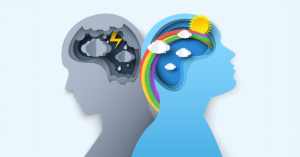
Americans are struggling with
depression in greater numbers than ever before—roughly one in three of U.S. adults are experiencing depressive symptoms, up nearly three-fold since before the pandemic. If you have been seeking treatment for depression unsuccessfully, it may be time to look at a surprising underlying cause: inflammation.
Most people are aware that
chronic inflammation has been linked to a host of serious physical ailments such as heart disease, cancer, arthritis, pain syndromes, and gastrointestinal disorders. However,
research is revealing that inflammation might be a contributing factor in a number of mental health disorders, including
anxiety and depression.
The word inflammation comes from the Latin word
inflammare, which means “to set on fire.” When inflammation is no longer a healthy immune response to an injury or foreign invaders, such as a splinter, virus, or bacterial infection, but instead becomes chronic, it’s like having a steady low-level fire throughout your body causing damage to organs and tissue—and that includes your brain.
In addition to depression, chronic inflammation has been shown to be associated with a wide range of neurological and psychiatric illnesses, such as
bipolar disorder, obsessive-compulsive disorder (
OCD),
schizophrenia,
personality disorders,
Alzheimer’s disease, and Parkinson’s disease.
WHAT IS CHRONIC INFLAMMATION?
Inflammation plays a critical role in your immune system. When your body detects an injury or invading microbe, your immune system sends out its “first responders” or inflammatory cells and cytokines (substances that stimulate more inflammatory cells). This inflammatory response traps microbial invaders and other offending agents or starts healing injured tissue. Usually, after a few hours or a few days, the immune response downshifts back to neutral, and the inflammation subsides.
In some people, however, the inflammatory response doesn’t turn off—or it mistakes healthy tissue for a foreign invader and begins attacking it (an autoimmune response). This can lead to chronic inflammation.
There are a host of diet and lifestyle factors that can stoke the flames of inflammation. For example, a pro-inflammatory diet with too much sugar, refined carbohydrates, processed foods, too much omega-6 fats and not enough omega-3s, alcohol consumption, artificial sweeteners, fried foods, and chemicals can lead to chronic inflammation. Also, low vitamin D, exposure to environmental toxins, sleeplessness, chronic stress, childhood trauma, obesity, gum disease, prediabetes and diabetes, too much strenuous exercise, and smoking are some additional contributing factors.
THE LINK BETWEEN INFLAMMATION AND DEPRESSION
The link between systemic inflammation and depression is not exactly new
.For example, it has been known for quite some time that
depression is a side effect of drugs that purposefully increase inflammation, such as vaccinations or interferon that is used to treat hepatitis or certain types of cancer.
Conversely, some anti-inflammatory medications, such as ibuprofen or aspirin, and nutraceuticals, such as omega-3 fatty acids and curcumin, have been found to decrease depression in people who have evidence of persistent inflammation.
That said, in recent years, compelling research is providing more insight into how inflammation interacts with the brain, affecting mood.
Lack of motivation and the inability to feel pleasure often go hand and hand with depression. Those with major depressive disorder may find it hard to feel motivated to do anything at all. Because biomarkers of inflammation are reliably elevated in depressed patients, one
study administered inflammatory stimuli in healthy subjects to see how it affected neural activity and dopamine release in the reward-related regions of the brain. The results showed reduced neural activity (low motivation) is associated with inflammatory biomarkers.
Similarly, another
study showed an association between inflammation and the activation of parts of the brain that feel social rejection, fear, and threats.
One review study titled “
Inflamed Moods: A Review of the Interactions Between Inflammation and Mood Disorders” found that pro-inflammatory cytokines had direct effects on levels of important mood neurotransmitters such as dopamine and serotonin, dysregulation of the hypothalamic-pituitary-adrenal (HPA) axis (typical in major depressive disorder), central nervous system function, impaired neuroplasticity, as well as structural and functional brain changes. Yet, more hopefully, the same review study noted that anti-inflammatory supplements (curcumin and omega-3 fatty acids) showed improved outcomes in mood disorder patients when used as an adjunct to conventional therapy, and it recommended further research.
HOW TO CALM INFLAMMATION AND BOOST MOOD
For many people who are experiencing depression, this link between inflammation and depression offers hope. Taking steps to ensure your body’s inflammation levels are in a healthy range could potentially help your mood. Here are 6 steps you can begin taking today.
1. Take a quality omega-3 supplement.
You can ask to get your omega-3 fatty acid levels checked at your next doctor’s visit with a simple blood test. Most people are deficient. A quality fish oil supplement will usually contain high levels of EPA and DHA.
Studies show that having low levels of the omega-3 fatty acids EPA and DHA in your bloodstream is associated with inflammation.
Research additionally shows that low levels of EPA and DHA are also linked to depression.
2. Improve your gut health.
Did you know that your gastrointestinal tract is lined with about 100 million neurons? It is, and they are in constant communication with your brain. It’s important to limit foods that disrupt your microbiome and cause inflammation as a result. Abstain from the inflammatory foods mentioned above and eat more fermented foods, which help to improve gut health and quell inflammation, as well as prebiotic foods (the foods that feed healthy gut microflora) such as garlic, leeks, onions, asparagus, bananas, and barley. Enjoy a diet filled with colorful organic fresh fruits (especially berries) and vegetables, lean antibiotic-free, grass-fed meats, healthy fats (from fish, avocado, nuts, and seeds), and low-glycemic carbs, such as sweet potatoes, legumes, and quinoa.
3. Reduce stress with relaxation.
Chronic
stress causes inflammation in the body. Exercise, yoga, diaphragmatic breathing, hypnosis, and meditation have all been shown to reduce stress levels. Find something you enjoy and will do regularly to help you relax.
4. Practice good dental hygiene.
Surprisingly, gum or periodontal disease, an inflammatory condition, is linked to depression, according to
research. Be sure you are brushing twice a day, flossing, and seeing the dentist for cleanings twice a year.
5. Get quality sleep.
Insomnia is linked to higher inflammation levels. Do everything you can to ensure you get 7-9 hours of quality sleep each night. Turn digital devices off an hour before bedtime, limit caffeine and alcohol intake (which can disrupt sleep), and have a calming routine before bed.
6. Reduce exposure to environmental toxins.
Environmental toxins are linked to inflammation. Avoid artificial sweeteners, dyes, and produce grown with pesticides. Use household cleaners that have fewer chemicals. Switch to personal care products without harsh chemicals, and that includes makeup!
Taking even a few of these steps can go a long way in calming the low-burning flame of inflammation, helping you to feel better mentally and emotionally.
Depression and other mental health issues can’t wait. At Amen Clinics, we’re here for you. We offer in-clinic brain scanning and appointments, as well as mental telehealth, clinical evaluations, and therapy for adults, teens, children, and couples. Find out more by speaking to a specialist today at 888-288-9834 or visit our contact page here.