

Food can be medicine or poison, contributing to illness or health. That’s why, when it comes to managing chronic pain, what you eat is just as important as how you move or think.
In his new book, Change Your Brain, Change Your Pain, Dr. Daniel Amen dives into the power of nutrition for managing and reducing chronic pain—whether it’s physical pain or emotional problems. You’ll learn how the foods you choose can either fuel the cycle of pain or help you break free from it.
Chronic pain is often driven by inflammation, and one of the most effective ways to combat that inflammation is through your diet.
When you’re in pain, it’s common to seek solace in food. You may think of food as a “friend” you can turn to when you need help coping with physical or emotional pain. When your back is aching or you’re feeling anxious, you may use food to cover up those uncomfortable feelings.
But trying to soothe your mind and body often involves eating unhealthy, high-calorie foods. While these foods may make you feel better in the short term, they end up making you feel worse in the long run. They harm your brain, mind, and body.
Eating foods you love that aren’t good for you—think fries, chips, and ice cream—sets you up for greater emotional and physical pain. Learning to love healing foods that serve your brain, mind, and body will decrease your pain.
At the core of Dr. Amen’s approach is the idea that food is medicine for the brain. Chronic pain is often driven by inflammation, and one of the most effective ways to combat that inflammation is through your diet.
Related: 10 Best Brain Foods
We know that the Standard American Diet (SAD) triggers inflammation and impairs brain function. On the other hand, by choosing anti-inflammatory foods that support brain health, you’re not just nourishing your body. You’re also calming the pathways in your brain that amplify pain.
Make sure to only love food that loves you back. If you follow just this one rule, it will go a long way to ending both physical and emotional pain, moving you toward the pain-free life you want.
Here are some key dietary principles from Change Your Brain, Change Your Pain:
Focus on whole foods that are rich in antioxidants and low in inflammation-promoting substances. Choose colorful vegetables, berries, leafy greens, nuts, seeds, and healthy fats like olive oil and avocados.
These foods help reduce inflammation throughout the body and brain, making it easier for you to manage pain.
Processed foods, refined sugars, and unhealthy fats are like throwing gasoline on the fire of inflammation. These foods spike your blood sugar and contribute to brain fog, mood swings, and increased pain sensitivity.
Dr. Amen recommends minimizing processed foods and opting for natural, whole-food alternatives whenever possible.
Related: Never Eat These 15 Foods
Omega-3 fatty acids found in fish like salmon, walnuts, and flaxseeds are powerful brain boosters. They help reduce inflammation in the brain and body, protect neurons, and even improve mood and mental health.
By increasing your intake of omega-3s, you can simultaneously support brain health and reduce pain.
Don’t underestimate the power of water. Proper hydration is essential for your brain to function at its best, and dehydration can exacerbate pain.
Aim to drink plenty of water throughout the day to keep your body and brain well-hydrated and functioning optimally.
Many people have hidden food sensitivities that contribute to inflammation and pain. Gluten, dairy, soy, corn, and sugar are common culprits.
Dr. Amen suggests experimenting with eliminating these foods from your diet to see if your pain levels improve.
| Foods That Fuel Pain | Foods That Fight Pain |
|---|---|
| Processed foods high in sugar, refined carbs, and unhealthy fats | Colorful veggies and fruits rich in antioxidants |
| Fried foods, chips, pastries, and sodas | Healthy fats: olive oil, avocados, nuts, seeds |
| Artificial sweeteners and preservatives | Omega-3s from salmon, sardines, flaxseed, and walnuts |
| Common triggers: gluten, dairy, soy, corn, and added sugar | Hydrating foods and plenty of water |
And the best part? These dietary changes don’t have to be overwhelming. Start with small steps, like adding an extra serving of veggies at dinner or swapping out sugary snacks for nuts or fruit. Over time, these changes will add up, helping you reduce pain and improve your overall well-being.
Yes. Many types of chronic pain are driven by inflammation, which is heavily influenced by what you eat. At Amen Clinics, we use brain SPECT imaging and integrative nutrition to identify how diet affects your brain and pain levels—then create a personalized plan to support healing from the inside out.
Anti-inflammatory foods like leafy greens, berries, avocados, salmon, and walnuts can calm pain pathways in the brain and body. These foods support healthy blood flow, stabilize mood, and promote recovery—key goals of our nutrition-based treatment programs at Amen Clinics.
Our team looks beyond symptoms to uncover the root causes of your pain—whether physical, emotional, or brain-based. Using advanced brain imaging, nutritional support, and lifestyle strategies, we create customized treatment plans that address both the body and the brain for long-term relief.

You probably brush off the small frustrations, rejections, and pressures you face each day—but your brain doesn’t.
A coworker’s curt comment. A traffic jam that makes you late. The endless stream of digital demands. These may seem insignificant, yet over time, these “microtraumas” can quietly chip away at your mental and emotional resilience.
Your brain perceives each of these moments as a tiny threat, activating stress responses meant to protect you—but when this happens repeatedly, it can keep your brain stuck in survival mode. The result? Chronic tension, irritability, fatigue, and even changes in mood, memory, and focus.
Understanding how microtraumas impact the brain can help you recognize the silent buildup of stress—and more importantly, learn how to interrupt it. With the right tools, you can retrain your brain toward resilience, calm, and healing.
Let’s take a closer look at the hidden effects of everyday stress—and how to recover from the toll it takes on your brain.
You probably brush off the small frustrations, rejections, and pressures you face each day—but your brain doesn’t.
Microtraumas are the minor but persistent psychological stress experiences or tiny emotional micro-wounds that quietly wear on your emotional and mental well-being.
Unlike major trauma, which often results from a single overwhelming event, microtraumas, according to research, are a slow but steady buildup of stress that your brain continues to record over time. They can stem from issues like:
Although they may seem insignificant, they can trigger stress responses and end up reshaping how your brain processes emotion, focus, and resilience.
Related: How Chronic Stress Rewires Your Brain and What to Do About It
Your brain is wired to keep you safe. So, every time you face these moments of stress, your brain’s emotional center, which is the limbic system, sounds an alarm. These constant “mini alerts” may not feel like a big deal on their own, but when they happen over and over, your brain stays on high alert.
Each of these micro-alerts triggers the surge of your body’s major stress hormone, cortisol.
Research shows that chronic exposure to high cortisol can shrink your hippocampus, the part of your brain responsible for memory, focus, and emotional balance. As a result, you may struggle to focus, remember details, and stay calm under pressure.
When your limbic system is overactive, calming down after minor stressors can become increasingly hard. It leaves you stuck in a cycle of anxiety, irritability, or even depression.
Studies have shown that daily micro-stressors keep your brain thinking that the world isn’t a safe place, even when nothing is wrong. That’s why it may be difficult for you to relax, connect, and think clearly.
Small stressors may seem minor while they are happening on their own. However, as they happen repeatedly, their effects compound, a process known as allostatic load.
This term, according to research, describes the wear and tear that your brain and body go through when your stress response is constantly activated without enough time to reset.
Understanding how these micro-stressors accumulate is the first step towards protecting your brain resilience and restoring emotional balance.
Think of it like drops of water falling on a rock. One drop cannot change much, but over time, those drops may wear down the rock. In the same way, microtraumas subtly reshape how your brain manages attention and emotion.
Your brain’s alarm system stays partially activated, where it floods your body with the hormone cortisol. As a result, you remain in a constant state of alert. As the quiet buildup continues, it becomes harder for you to focus, relax, and bounce back after moments of stress.
You can’t completely avoid life’s small stressors. Neither can you prevent them from happening. But you have the power to condition your brain and body to adapt and recover more effectively.
Resilience has nothing to do with brushing off difficult emotions. It is about learning how to recover, reset, and keep your inner balance even when things are tough.
Below are four tips to help you build resilience to microtrauma:
Awareness is the first step toward healing. Start by paying attention to the small triggers you normally ignore.
Take a minute to notice how your body feels when you are tense, frustrated, or rejected. That clenched jaw, quick sigh, or scrolling habit after a tough email. These are all clues that your brain is feeling overwhelmed.
Your brain can’t calm what it doesn’t recognize. Try mindfulness, brief journaling, or identifying Automatic Negative Thoughts (ANTs).
Writing them down can help your brain process emotions and reduce their impact on your mental wellness. The more you notice, the faster it is for you to react and respond calmly instead of reacting.
Taking short breaks during the course of your day can make a great difference. Whenever you feel overwhelmed, try a quick walk, take five slow breaths, or stretch gently. Even if you do 60 seconds of slow, steady breathing, research has shown that your brain will understand that it is safe to relax.
You may also consider tools like Heart Rate Viability (HRV) training or guided breathwork to strengthen your body’s ability to recover after stress. These are practices that help to regulate your heart and breathing patterns, signaling safety to your nervous system and restoring calmness.
Not all situations deserve your attention. Reduce your exposure to conversations that are toxic, relationships that drain you, or digital overload.
Here is what this might look like:
Such boundaries will help keep your brain from staying in constant alert mode.
At the core, it’s the basics that matter most. Sleep well, move your body, and eat nourishing foods. Regular exercise helps to regulate your hormones and mood.
A diet rich in antioxidants, omega-3s, and whole foods provides your brain with the nutrients it requires to stay strong amid cumulative stress and daily pressures. Good sleep helps in clearing out stress chemicals from your brain.
Healing from psychological microtrauma doesn’t require you to erase the past. It’s a journey of helping your brain recover from the quiet load of stress it’s been carrying.
Even though the “small hurts” have built up over time, your brain is capable of truly healing when you give it the right support.
You can consider therapies such as cognitive behavioral therapy (CBT), Eye Movement Desensitization and Reprocessing (EMDR), and neurofeedback.

How It Helps: Helps in identifying and reframing the negative thought patterns that form after repeated stress.

How It Helps: Often used to deal with emotional trauma, EMDR can also be powerful in handling cumulative stress. It can help your brain to process stored tension and ensure it no longer triggers emotional distress.

How It Helps: Helps people cope with emotional trauma by retraining the brain’s stress response. This non-invasive technique leads to improved emotional regulation.
What feels like “no big deal” in the moment can quietly build into real strain on your brain and emotional well-being.
The good news? No matter how long it’s been under pressure, your brain is not stuck.
You can begin to reverse the effects of microtraumas by nurturing your brain with awareness, compassion, and simple, healthy habits. Over time, you will experience a calmer mind, steadier emotions, and a renewed sense of balance.
Remember that healing doesn’t happen overnight, but every small act of care will help your brain rebuild strength and peace. It’s never too late to start healing from the small things that have been holding you back.
Major trauma comes from big, overwhelming incidents, but microtraumas are the small daily stressors that accumulate over time. At Amen Clinics, our imaging work shows how both can disrupt brain activity and emotional balance.
At Amen Clinics, brain SPECT imaging plays a special role in revealing how stress affects different areas of the brain, such as the prefrontal cortex and the limbic system.
When Amen Clinics physicians see these patterns on brain scans, we are able to personalize treatment combining nutrition, therapy, targeted supplements, and lifestyle changes to promote emotional balance and brain recovery.
We provide therapies like cognitive behavioral therapy (CBT), EMDR, neurofeedback, and more to reduce the cumulative impact of stress on your brain.
Yes. Many people with long-term anxiety or depression have brains overloaded by daily stress. Our clinicians create personalized plans to restore emotional balance and strengthen brain resilience.
When you hear the word “insulin,” you might think of it as the “diabetes hormone.” But it’s actually a key player in mental health too. This chemical messenger controls blood sugar and fuels how your brain cells communicate, regulate mood, and maintain focus.
When your body becomes resistant to insulin, it’s not only your metabolism that suffers. Your energy crashes, your concentration slips, and your emotions can become harder to manage.
Scientists are now discovering that insulin resistance may be the hidden thread connecting seven major mental health issues. Understanding this connection between insulin resistance and mental health could be the breakthrough you need to know why you feel the way you do and how to restore balance within your brain and body.
If you’ve been struggling with fatigue, mood changes, or difficulty concentrating, this one hormone, not just your habits, may be at the root of it.
If you’ve been struggling with fatigue, mood changes, or difficulty concentrating, this one hormone, not just your habits, may be at the root of it.
Insulin is a hormone produced by the pancreas that allows your body to use glucose from carbohydrates for energy. When you eat, your blood sugar rises, signaling the pancreas to release insulin so glucose can enter those cells, giving you sustainable energy.
However, when you have insulin resistance, your cells ignore these signals. The pancreas compensates by making more insulin, eventually exhausting itself.
Over time, this imbalance contributes to fatigue, weight gain, inflammation, brain fog, and metabolic syndrome—all of which impact brain health and mental wellness.
Insulin resistance and mental health are more intertwined than you might realize. Your nervous system and stress hormones play a major role in this process.
Chronic stress can spike cortisol, which in turn worsens insulin resistance, disrupts appetite, and drains energy. Because of this, you get a vicious cycle that causes imbalances in your body and brain.
Over time, this biochemical tug-of-war can contribute to depression, anxiety, and cognitive decline if left unaddressed. All of these are warning signs that your metabolism and mental health may be struggling.
Related: The Stress Hormone: How Cortisol Crushes Mental Health
There’s a growing body of evidence linking insulin resistance and depression as well as anxiety. Insulin directly influences neurotransmitters such as serotonin and dopamine, which regulate mood and motivation. When insulin signaling is disrupted, so is emotional regulation.
One study published in 2025 found a strong connection between insulin resistance and anxiety and depression. Rates were higher among those with both insulin resistance and diabetes but also present among nondiabetic people.
| Mental Health Conditions | Insulin Resistant + Diabetic | Insulin Resistant + Nondiabetic |
|---|---|---|
| Depression | 75% | 60% |
| Anxiety | 65% | 55% |
Another 2025 study published in Nature Mental Health found that young people with insulin resistance were more likely to develop mood disorders even without diabetes. The researchers noted that poor insulin sensitivity alters brain metabolism, particularly in regions involved in emotional control and stress response.
Emerging research suggests that insulin resistance and ADHD symptoms may share a biological connection. A 2021 study found that insulin resistance in the prefrontal cortex, which is your brain’s CEO for decision-making, can impair attention, planning, and impulse control.
At Amen Clinics, brain SPECT imaging has shown similar patterns: reduced blood flow and metabolism in the prefrontal cortex of people with ADHD and those with insulin resistance. Both conditions disrupt dopamine regulation, making focus and motivation harder to maintain.
Poor insulin signaling has been identified as a key contributor to Alzheimer’s disease, sometimes referred to as “Type 3 diabetes.”
When insulin can’t properly fuel brain cells, neurons struggle to communicate, leading to cognitive decline and memory loss. Over time, this can increase the risk of various types of dementia.
The reward centers of the brain depend on the neurotransmitter, dopamine, which is influenced by insulin. When insulin resistance develops, your dopamine signaling weakens, which increases cravings for sugar, alcohol, or other addictive substances.
Research in Frontiers in Psychology shows that this disruption makes it harder for the brain to feel pleasure naturally, pushing people toward unhealthy behaviors to get that same dopamine “hit.” Healing hormone imbalance and insulin resistance can therefore reduce compulsive eating and improve emotional self-regulation.
Related: Do You Need a Dopamine Detox?
If you’ve ever felt irritable or anxious after skipping a meal, there’s a reason. Low blood sugar, or hypoglycemia, causes your brain to release adrenaline and cortisol. These “fight-or-flight” hormones start to make you feel jittery, moody, or even panicked.
When insulin resistance causes your blood sugar to swing up and down, these emotional crashes can feel like mini anxiety attacks. This connection between blood sugar and mood explains why emotional stability often begins with metabolic balance.
The relationship between insulin resistance and mental health conditions goes far beyond mood. Psychiatrists have long known that many antipsychotic medications that are used to treat schizophrenia have side effects, such as glucose elevation, which may lead to diabetes, and in turn insulin resistance.
However, a pair of studies point to insulin resistance as a potential risk factor for schizophrenia.
| Insulin Resistance Is Linked To 7 Mental Health Issues: |
|---|
| 1. Depression |
| 2. Anxiety |
| 3. ADHD |
| 4. Dementia |
| 5. Addiction |
| 6. Anger |
| 7. Schizophrenia |
Food can be medicine or poison, depending on how it affects your hormones. Your diet plays one of the biggest roles in preventing and reversing insulin resistance symptoms.
Processed foods, refined sugars, and trans fats can inflame your body and worsen hormonal imbalances for a long time. In contrast, nutrient-dense foods help improve blood sugar levels and restore equilibrium.

Yerba mate, mulberry leaf, chamomile, mint, hibiscus, and cinnamon teas may improve insulin sensitivity and reduce inflammation. Although not considered an herbal tea, green tea produces the same effects.

Salmon, tuna, chicken, turkey, and tofu provide amino acids that stabilize blood sugar.

Broccoli, cauliflower, and asparagus are low in carbs but high in fiber and antioxidants.

Avocados, almonds, walnuts, chia seeds, and flaxseeds improve hormone balance and reduce cravings.

Berries, green apples, and pears deliver fiber that slows sugar absorption, keeping energy steady.
Do you want to address insulin resistance? Brain health support with the right interventions can improve insulin levels.
Healing begins with regulating the nervous system, because chronic stress is often the spark that ignites hormonal chaos. Simple lifestyle shifts can make a powerful difference:
Remember, the goal isn’t just to stabilize your blood sugar, but to restore energy and emotional balance to your mind and body.
When insulin levels stabilize, so does the mind. By addressing insulin resistance through nutrition, lifestyle, holistic care, and medication (when necessary), you’re not just preventing disease—you’re supporting a clearer mind, calmer mood, and longer life. Healing your metabolism is, quite literally, healing your brain.
At Amen Clinics, we use brain SPECT imaging along with lab tests to assess blood sugar, insulin, and other key biomarkers. This integrative approach helps uncover whether metabolic issues are contributing to symptoms like depression, anxiety, or focus problems.
Yes. Stabilizing blood sugar can reduce mood swings, improve memory, and decrease risks for conditions like dementia and schizophrenia. At Amen Clinics, we combine nutrition coaching, lifestyle strategies, and targeted therapies to support both brain and body.
Our team develops personalized treatment plans that may include dietary guidance, nutritional supplements, psychotherapy, and medical care when needed. We focus on the least toxic, most effective solutions to restore balance and improve mental health.
Freeman AM, Acevedo LA, Pennings N. Insulin Resistance. [Updated 2023 Aug 17]. In: StatPearls [Internet]. Treasure Island (FL): StatPearls Publishing; 2025 Jan-. Available from: https://www.ncbi.nlm.nih.gov/books/NBK507839/
Ma, X., Nan, F., Liang, H., Shu, P., Fan, X., Song, X., Hou, Y., & Zhang, D. (2022). Excessive intake of sugar: An accomplice of inflammation. Frontiers in immunology, 13, 988481. https://doi.org/10.3389/fimmu.2022.988481
Rahman, M. S., Hossain, K. S., Das, S., Kundu, S., Adegoke, E. O., Rahman, M. A., Hannan, M. A., Uddin, M. J., & Pang, M. G. (2021). Role of Insulin in Health and Disease: An Update. International journal of molecular sciences, 22(12), 6403. https://doi.org/10.3390/ijms22126403
Julian M Yabut, Justin D Crane, Alexander E Green, Damien J Keating, Waliul I Khan, Gregory R Steinberg, Emerging Roles for Serotonin in Regulating Metabolism: New Implications for an Ancient Molecule, Endocrine Reviews, Volume 40, Issue 4, August 2019, Pages 1092–1107, https://doi.org/10.1210/er.2018-00283
Abdelfattah, H.E., Bekhet, M.M.M., Tawfik, F.A. et al. The association between insulin resistance and risk of developing depression and anxiety disorders in a sample of Egyptian population. Egypt J Intern Med 37, 56 (2025). https://doi.org/10.1186/s43162-025-00434-9
Shin, M., Crouse, J.J., Weger, M. et al. Insulin resistance as an early marker in youth with mood disorders. Nat. Mental Health 3, 969–971 (2025). https://doi.org/10.1038/s44220-025-00472-w
Mathew P, Thoppil D. Hypoglycemia. [Updated 2022 Dec 26]. In: StatPearls [Internet]. Treasure Island (FL): StatPearls Publishing; 2025 Jan-. Available from: https://www.ncbi.nlm.nih.gov/books/NBK534841/
Berridge, K. C. (2018). Evolving concepts of emotion and motivation. Frontiers in Psychology, 9, 1647. https://doi.org/10.3389/fpsyg.2018.01647
Choi, S. E., Roy, B., Freeby, M., Mullur, R., Woo, M. A., & Kumar, R. (2020). Prefrontal cortex brain damage and glycemic control in patients with type 2 diabetes. Journal of diabetes, 12(6), 465–473. https://doi.org/10.1111/1753-0407.13019
Zhang, X., Zhang, L., Zhang, B., Liu, K., Sun, J., Li, Q., & Zhao, L. (2022). Herbal tea, a novel adjuvant therapy for treating type 2 diabetes mellitus: A review. Frontiers in Pharmacology, 13, 982387. https://doi.org/10.3389/fphar.2022.982387
American Diabetes Association. (n.d.). Non-starchy vegetables for blood glucose control. https://diabetes.org/food-nutrition/reading-food-labels/non-starchy-vegetables
Calvano, A., , Izuora, K., , Oh, E. C., , Ebersole, J. L., , Lyons, T. J., , & Basu, A., (2019). Dietary berries, insulin resistance and type 2 diabetes: an overview of human feeding trials. Food & function, 10(10), 6227–6243. https://doi.org/10.1039/c9fo01426h
Verkouter, I., Noordam, R., le Cessie, S., van Dam, R. M., Lamb, H. J., Rosendaal, F. R., van Heemst, D., & de Mutsert, R. (2019). The Association between Adult Weight Gain and Insulin Resistance at Middle Age: Mediation by Visceral Fat and Liver Fat. Journal of clinical medicine, 8(10), 1559. https://doi.org/10.3390/jcm8101559
Fritschi, C., Park, C., Quinn, L., & Collins, E. G. (2020). Real-Time Associations Between Glucose Levels and Fatigue in Type 2 Diabetes: Sex and Time Effects. Biological research for nursing, 22(2), 197–204. https://doi.org/10.1177/1099800419898002
Zhao, H., Zhang, J., Cheng, X. et al. Insulin resistance in polycystic ovary syndrome across various tissues: an updated review of pathogenesis, evaluation, and treatment. J Ovarian Res 16, 9 (2023). https://doi.org/10.1186/s13048-022-01091-0
Jiao, Y., Butoyi, C., Zhang, Q. et al. Sleep disorders impact hormonal regulation: unravelling the relationship among sleep disorders, hormones and metabolic diseases.Diabetol Metab Syndr 17, 305 (2025). https://doi.org/10.1186/s13098-025-01871-w
Mary C. Gannon, Frank Q. Nuttall; Effect of a High-Protein, Low-Carbohydrate Diet on Blood Glucose Control in People With Type 2 Diabetes. Diabetes 1 September 2004; 53 (9): 2375–2382. https://doi.org/10.2337/diabetes.53.9.2375
Sellami, M., Almuraikhy, S., Naja, K. et al. Eight weeks of aerobic exercise, but not four, improves insulin sensitivity and cardiovascular performance in young women. Sci Rep 15, 1991 (2025). https://doi.org/10.1038/s41598-025-86306-2
Amen, D. G., & Easton, M. (2021). A New Way Forward: How Brain SPECT Imaging Can Improve Outcomes and Transform Mental Health Care Into Brain Health Care. Frontiers in psychiatry, 12, 715315. https://doi.org/10.3389/fpsyt.2021.715315
Tomasik J, Lago SG, Vázquez-Bourgon J, et al. Association of Insulin Resistance With Schizophrenia Polygenic Risk Score and Response to Antipsychotic Treatment. JAMA Psychiatry. 2019;76(8):864–867. doi:10.1001/jamapsychiatry.2019.0304
Guest PC. Insulin Resistance in Schizophrenia. Adv Exp Med Biol. 2019;1134:1-16. doi: 10.1007/978-3-030-12668-1_1. PMID: 30919329.
In the journey to reduce chronic pain, your brain needs every advantage it can get. While lifestyle changes like diet, exercise, and stress management are essential, sometimes your brain requires an extra boost.
That’s where targeted supplements and nutraceuticals come in. In his new book, Change Your Brain, Change Your Pain, Dr. Daniel Amen shares research-backed recommendations for natural supplements that can enhance brain health and help calm the brain’s suffering pathways.
Certain mood-enhancing supplements have been shown to help both emotional and physical pain. They can work like antidepressants—with dramatically fewer side effects than most prescription medications.
We know that the brain, mind, and body are strongly connected. That’s why certain mood-enhancing nutraceuticals (supplements with pharmaceutical actions) have been shown to help both emotional and physical pain. They can work like antidepressants—with dramatically fewer side effects than most prescription medications.
These supplements work, in part, by boosting both serotonin and GABA, which have a calming effect on the medial pain “suffering” pathway. By targeting this pathway, you can manage physical and emotional pain more effectively.
Related: Try These 9 Natural Serotonin Boosters
In addition, when your brain is functioning at its best, it becomes more resilient to pain. Supplements help by supporting the brain’s ability to repair itself, reducing inflammation, and balancing neurotransmitters. All these benefits can have a profound impact on pain levels.
Here are a few of Dr. Amen’s top recommendations for targeted supplements and nutraceuticals:
Known for their powerful anti-inflammatory properties, omega-3s are critical for brain health and can help reduce pain by calming the brain’s inflammatory pathways.
You can get omega-3s from fish, such as salmon, or you can take a high-quality fish oil supplement. The recommended dosage is 1,000-3,000 mg per day.
The active compound in turmeric, curcumin is a potent anti-inflammatory and antioxidant. It helps protect the brain from damage, reduce pain caused by inflammation, and prevent the spread of pain.
Taking curcumin as a supplement is an easy way to harness its pain-relieving benefits. The recommended dosage is 500-2,000 mg per day, often divided into multiple doses.
This essential mineral is known for its ability to relax muscles and calm the nervous system. Magnesium can be especially helpful for reducing muscle tension and improving sleep, both of which are key factors in managing chronic pain. The typical dosage is 200-400 mg per day.
Gamma-aminobutyric acid (GABA) is a neurotransmitter that helps calm the brain. GABA supplements can reduce anxiety and stress, helping to quiet the brain’s suffering circuits and lower pain levels. An appropriate dosage ranges from 250-1,500 mg per day.
This spice is not only a mood enhancer but also has anti-inflammatory and pain-relieving properties. Studies have shown that saffron can help lift mood and reduce pain sensitivity.
Think of saffron as a gardener who tends to your emotional weeds, allowing the flowers of well-being to bloom. The usual dosage is 30 mg per day.
Adequate levels of vitamin D are crucial for brain and immune health. Low levels of vitamin D have been linked to increased pain sensitivity and mood disorders.
Conversely, supplementing with vitamin D can help support overall brain function and reduce pain. The recommended dosage is 1,000-2,000 IU per day, with higher doses often required for those with significant deficiency.
5-HTP helps boost serotonin levels, which can improve mood and reduce the perception of pain. It’s particularly helpful for emotional pain and the anxiety that often accompanies chronic physical pain. The usual dosage is 100-300 mg per day.
Supplements aren’t a cure-all. But, when used alongside brain-healthy habits, they can significantly enhance your body’s ability to heal and reduce pain. The numerous benefits of nutraceuticals, partnered with their minimal risks, make them useful additions to your well-being toolbox.
Dr. Amen emphasizes the importance of choosing high-quality, evidence-based supplements and consulting with a healthcare professional before starting any new regimen. It’s always crucial to use the least toxic, most effective, science-based treatments for optimal results.
In Change Your Brain, Change Your Pain, you’ll find more detailed guidance on which supplements might work best for your specific needs. You can then take an empowered, proactive role in managing your pain and boosting your brain health.


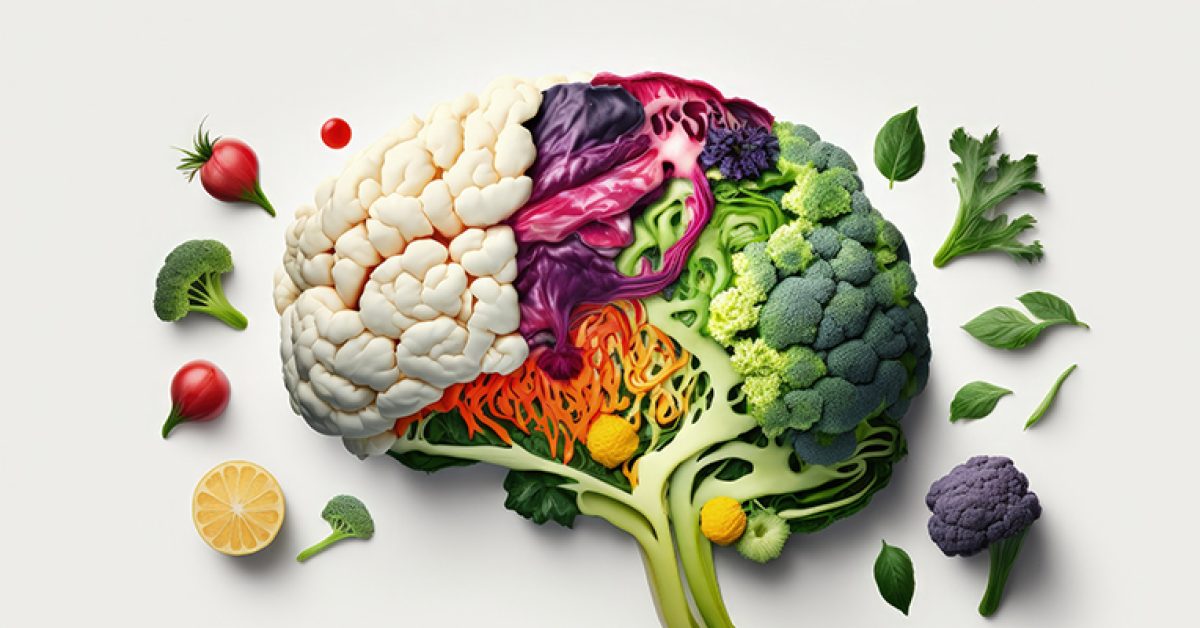
The brain is the most expensive real estate in the human body. But too many of us don’t treat it with the same respect we give to other precious commodities.
For example, would you feed a million-dollar racehorse junk food? Would you pour leaded gasoline in a million-dollar car? Of course not!
Your brain is far more valuable than a horse or a car, but how are you feeding your mind? Are you fueling your most valuable asset with junk food? If so, you may be setting yourself up for nutritional deficiencies. Mental health problems may be one of the consequences.
The nutrients you’re getting—or aren’t getting—play a critical role in your brain function and mental well-being. “Even minor gaps in your nutrition are enough to throw off your brain chemistry, deplete your energy, and intensify issues like depression, anxiety, or brain fog,” according to Karen Mayo, an Amen Clinics Integrative Nutritionist.
Deficiencies in key nutrients are linked to a range of symptoms of mental health disorders. Because some of these deficiencies can be subtle, their effects are often attributed to everyday stress.
It’s time to learn about five key nutrients that can make or break your mental health. In this blog, we look at some of the most common deficiencies linked to mental health, how they disrupt your brain function, and what it means for your mood and well-being.
Are you fueling your most valuable asset—your brain—with junk food? If so, you’re likely missing out on essential nutrients the brain needs for peak performance.
Mental health is a state of well-being that allows a person to realize their own potential, cope with everyday stresses, contribute to their community, work productively, enjoy strong relationships, and feel fulfilled in life. Having a healthy brain is the key to mental strength.
To have a healthy brain, you need a healthy diet. The brain is the fattest, most energy-hungry organ in the body. It uses 25-30 percent of all the calories you consume. And the gray matter contains 50 percent fatty acids that are polyunsaturated in nature and come from what we eat.
Food is medicine, or it’s poison. Without vitamins and essential nutrients, our cells—including our brain cells and enzymes—will not work optimally.
The Standard American Diet (SAD) with its reliance on processed fast foods has left a majority of Americans deficient in many nutrients, especially essential vitamins, minerals, and omega-3 fatty acids.
Related: What the Standard American Diet is Doing to Your Brain
About half the U.S. population isn’t getting enough dietary magnesium, according to research. That’s bad news considering this important mineral is essential for every human life function in the body.
Magnesium, also known as a relaxation mineral, helps to regulate your nervous system and support your body’s stress response. When your magnesium levels are low, your brain and body may become more reactive to stress, making it harder for you to remain calm under pressure.
Studies have linked magnesium deficiency to increased anxiety, irritation, agitation, insomnia, and in some cases depression. Lack of enough magnesium can also interfere with how your body regulates cortisol (the stress hormone), leaving you in a constant state of restlessness and tension.
Nutrient-dense foods to choose: Good sources of magnesium include pumpkin seeds, spinach, almonds, and dark organic chocolate (at least 72 percent).
Absolutely. Low B12 or folate isn’t just a lab value. It’s a red flag. Vitamin B12 and folate (B9) are essential for producing neurotransmitters like dopamine and serotonin, which are essential for mood regulation.
When you have low levels of these vitamins, your mood-regulating pathways weaken. Again, elevated homocysteine—an indicator of insufficient B12 and folate—can harm the blood vessels in your brain and disrupt your mood regulation.
In a study done in Ireland, older adults who had low B12 levels had a 51 percent greater chance of developing symptoms of depression over four years. Research also shows that patients diagnosed with depression are found to have lower levels of vitamin B12 compared to those who do not.
Additionally, trials of a combination of folate and B12 have achieved better cognitive function when used together with antidepressants. It’s important to understand that your brain needs these vitamins to build the chemicals required to stabilize your mood.
Nutrient-dense foods to choose: Natural sources of B vitamins include eggs, fatty fish such as salmon, and leafy greens. Additionally, folate is present in dark green vegetables, beans, peas, citrus fruits, and legumes (such as lentils and garbanzo beans).
Related: What is Nutritional Psychiatry?
Yes. Vitamin D functions more like a hormone than a typical vitamin. It influences the production of neurotransmitters like dopamine and serotonin, which are crucial for creating mood balance.
Low levels of vitamin D have been linked to higher rates of anxiety, depression, and even SAD (Seasonal Affective Disorder)—a form of depression that usually appears during the darker winter months when people have limited exposure to sunlight.
According to research, people with low vitamin D levels are more likely to report depressive symptoms. In such cases, supplementation has been seen to improve mood in certain individuals.
Vitamin D plays an important role in regulating how your body responds to stress, which explains why deficiency can leave you more vulnerable to irritability, anxiety, and fatigue.
Nutrient-dense foods to choose: Good sources of vitamin D include salmon, tuna, eggs, and mushrooms. Another natural way to boost vitamin D levels is to get 10-20 minutes of sun exposure on a daily basis.
Even though it doesn’t get as much attention as other nutrients, zinc is essential for your brain health. Research shows that it supports more than 100 enzymatic reactions in your body, many of which are connected to neurotransmitter activity, memory, and learning.
With low zinc levels, your brain may struggle to regulate the signals that affect your mood and cognition. That’s bad news for close to 12 percent of the US population who are at risk for zinc deficiency, according to research. That number is even higher among the elderly.
Zin deficiency occurs primarily in people who do not absorb nutrients well due to digestive disorders or who have undergone gastrointestinal surgery.
Studies have linked zinc deficiency to difficulties with concentration, higher rates of depression, impaired memory, and slow learning. Low levels of zinc can weaken your brain’s ability to manage stress, which can leave you more vulnerable to emotional instability and anxiety.
Biologically, zinc regulates glutamate and GABA, two neurotransmitters that help your brain to balance between alertness and calm.
Nutrient-dense foods to choose: Cashews, pumpkin seeds, oysters, beef, and beans are good sources of zinc.
Choline is a vital nutrient that your brain uses to make acetylcholine (a neurotransmitter essential for learning, memory, and attention). Choline also helps in the formation of the protective myelin sheaths found around nerve fibers that keep communication between your brain cells clear and efficient.
When you lack sufficient choline, these systems start to weaken. According to research, there is a close relationship between low choline intake and poorer cognitive performance.
In fact, a large community-based study found adults with higher choline intake performing better on memory and processing speed tests than those who consumed less. Low levels of choline can also put you at risk of developing neuropsychiatric conditions.
Again, choline plays a significant role in regulating homocysteine (a byproduct linked to depression, mood disturbances, and high risk of dementia when elevated). By keeping it in check, it supports your mental health and enhances long-term brain resilience.
Choline is the fuel your brain depends on. Low levels mean your memory can lag, your mood stability can waver, and your attention may wander.
Nutrient-dense foods to choose: Plenty of foods contain choline, such as meat, eggs, poultry, fish, dairy products, potatoes, Brussels sprouts, broccoli, cabbage, cauliflower, beans, nuts, seeds, and organic gluten-free whole oats.
Nutritional deficiencies do not always show up as obvious physical problems. Sometimes, the first red flags can be cognitive or emotional changes. Take note of the following symptoms:
Related: 9 Worst Foods for Depression
It can heighten your body’s stress response by increasing adrenaline and cortisol activity.
Symptoms of Magnesium Deficiency:
The two are important for the formation of red blood cells and the methylation process in your brain.
Symptoms of B12 and B9 Deficiency:
Adequate levels of vitamin D help in regulating serotonin, and as a result, it stabilizes your mood.
Symptoms of Vitamin D Deficiency:
Zinc plays an important role in supporting brain signaling and neuroplasticity. A Lack of adequate zinc can result in slower information processing, reduced stress resilience, memory difficulties, and impaired learning.
Symptoms of Zinc Deficiency:
As the precursor to acetylcholine, choline deficiency can weaken your memory recall, attention, and overall cognitive performance. Over time, you may start experiencing mood disturbances and cognitive decline.
Symptoms of Choline Deficiency:
Since these symptoms can overlap with sleep deprivation, stress, and other health conditions, nutritional deficiencies often go unnoticed. This is why lab work can be beneficial in identifying low levels of key nutrients.
How can you tell if you’re missing out on these vital nutrients? At Amen Clinics, key bloodwork tests can help detect any deficiencies. Then you can start to balance your levels by going from “low” to “normal” then into the “optimal” range, according to Mayo.
If you have any lingering mental, behavioral, or cognitive health issues that aren’t responding to traditional treatment, look into testing for nutritional deficiencies.
At Amen Clinics, we understand that every brain is unique, so there is no one-size-fits-all nutraceutical regimen. However, basic supplements that can benefit every brain include a broad-spectrum multivitamin/mineral, omega-3 fatty acids, vitamin D.
Learning more about your brain function through brain SPECT imaging at Amen Clinics can help you find a targeted supplement plan geared to your unique brain.

When you think of pain, chances are you imagine something physical—a strained back, a sore shoulder, or an old injury that still flares up. But what if the pain you feel isn’t just coming from your body? What if it’s your mind trying to send you a message?
In his book Change Your Brain, Change Your Pain, Dr. Daniel Amen reveals that chronic pain is often fueled by hidden forces we rarely consider: muscle tension and unresolved emotions. Stress, trauma, and repressed feelings like anger, fear, or grief don’t simply disappear when ignored. Instead, they can lodge themselves in your muscles, creating physical discomfort that lingers for months—or even years.
This means that the ache in your neck, the tightness in your back, or the unrelenting migraines may be less about wear and tear, and more about unexpressed emotions and your brain’s coping mechanisms. The good news? Once you understand how muscle tension and emotional repression feed into chronic pain, you can begin to break the cycle and find real relief.
The physical pain you feel might actually be your brain’s way of diverting your attention away from the emotions you don’t want to face. It’s a coping mechanism—but one that keeps you stuck in suffering.
Most of us have experienced emotional overwhelm, chronic stress, or emotional dysregulation—intense mood swings or overreactions to minor events. Some of us are harboring deep emotional trauma that has never been addressed. Science shows us that these issues can lead to a host of mental health issues—and can even rewire your brain.
But when you experience negative emotions like anger, fear, or sadness, those feelings don’t just live in your mind. The effects of these emotions can be physical, too. These chronic pain causes manifest in your body, often as tight muscles and physical discomfort.
Muscle tension is one of the biggest culprits behind chronic pain. When you’re stressed or anxious, your muscles contract.
If this happens occasionally, it’s no big deal. But when it becomes a chronic response to emotional stress, it can lead to persistent pain, especially in areas like your neck, shoulders, and lower back.
If these emotions aren’t expressed or dealt with, they get trapped in your body, creating a breeding ground for chronic pain. When the tension never releases, over time, this constant state of contraction can create a feedback loop in your brain.
Your brain starts to interpret the tension as pain. And, even more surprising, repressed emotions like unconscious anger, grief, or fear can cause your body to hold on to tension. Emotional repression and pain are tightly linked
The pain you feel might actually be your brain’s way of diverting your attention away from the emotions you don’t want to face. It’s a coping mechanism—but one that keeps you stuck in suffering.
The autonomic nervous system (ANS) is a critical player in the mind-body connection. The ANS controls involuntary bodily functions, including heart rate, digestion, respiratory rate, and muscle tension.
This system has two main components: the sympathetic nervous system (SNS) and the parasympathetic nervous system (PNS). The SNS is responsible for the “fight or flight” response, while the PNS promotes relaxation and recovery.
When we encounter a stressful situation or engage in negative thinking, the SNS is activated, which releases stress hormones such as cortisol and adrenaline. These hormones cause various physiological changes, including increased heart rate, elevated blood pressure, and tightened muscles.
When muscles remain tense for prolonged periods, it can lead to discomfort, stiffness, and pain. Chronic muscle tension can also result in the development of trigger points—localized areas of muscle that are painful when pressed and can refer pain to other parts of the body.
Catastrophic thinking is a significant source of stress. When we engage in thoughts like “I’m not going to kick this,” or “I’m in trouble for the rest of my life,” our bodies respond as if we are under threat. This perpetual state of perceived danger keeps our stress response activated, leading to chronic muscle tension.
Catastrophizing not only increases muscle tension, but it also increases the perception of pain, according to research in the journal Pain. The brain’s pain processing centers become more sensitive (known as central sensitization). Therefore, negative thinking and pain often create a vicious cycle.
When you experience pain, it’s natural to feel distressed. However, if this distress leads to unbridled negative thinking, it can increase muscle tension further and worsen the pain.
This increased pain then leads to more negative thoughts, which further amplify the muscle tension and pain. Breaking this cycle requires addressing both the physical and mental aspects of pain. As Dr. Amen puts it, heal your brain and chronic pain to dissipate.
Related: Catastrophic Thinking: How to Stop Worst-Case Scenario Syndrome
The good news is, once you begin to recognize and express these hidden emotions, the pain often starts to lift. Stress-relieving techniques outlined in Dr. Amen’s book—such as journaling, therapy, or even simply acknowledging what you’re feeling—can help release the tension that’s been trapped in your body.
Change Your Brain, Change Your Pain explains how your pain isn’t just about what’s happening in your body—it’s also about what’s happening in your mind. You’ll learn habits to help release emotional tension, express your feelings, and free yourself from the chronic pain that’s been holding you back.

Did you know that some people in their 80 years or older have the same memory ability as people 20 to 30 years younger?
It’s true.
These memory whizzes are called “superagers.” Scientists at the Northwestern University Super-Aging Research Program have been studying superagers for 25 years hoping to discover how they’ve avoided common age-related cognitive decline, as well as more serious neurodegenerative disorders like Alzheimer’s disease.
In a 2025 study published in Alzheimer’s and Dementia, the super-aging researchers disclosed a groundbreaking finding. It turns out that this diverse group of superagers has one unifying commonality: they’re super social.
Did you know that some individuals 80 years or older have the same memory ability as people 20 to 30 years younger? It’s true! These individuals are called “superagers” and they all share one common trait.
It appears that forming meaningful social connections and maintaining social relationships may play a key role in the lasting healthy cognitive function these superagers enjoy.
Here’s what you need to know about superagers and the steps you can take to become one yourself.
Superagers are a rarity, accounting for less than 10 percent of the older population. Experts define them as people who are 80 or over who have memory skills equal to those of individuals who are 20 to 30 years younger.
They also have younger-looking brains—less shrinkage and fewer Alzheimer’s disease–type changes in the brain.
Much more common among aging individuals is what is called cognitive decline. They experience some brain changes and cognitive deficits that occur as part of the aging process, but their ability to function in everyday life is not impaired.
Chiefly, researchers have found that brain aging impacts some cognitive abilities, such as processing speed and some memory functions, visuospatial, language, and executive function abilities.
Medical research has identified the following features as characteristic of normal cognitive aging:
Many health professionals refer to this as “normal cognitive decline.”
However, Dr. Daniel Amen and the brain health specialists at Amen Clinics have found that cognitive decline may be common, but it is not normal. In fact, the brain-imaging work at Amen Clinics shows that age-related deficits can be reduced with lifestyle interventions, according to research.
Related: How Old Is Your Brain (And How to Make It Younger)
Unfortunately, there are millions of individuals who have cognitive decline and structural changes in the brain that are more dramatic. These people may suffer from either mild cognitive impairment (MCI) or some type of dementia, such as Alzheimer’s disease.
When concerns with memory go beyond what’s considered normal cognitive changes, the symptoms may be due to mild cognitive impairment. Symptoms of MCI include trouble with memory, language, and judgment.
Yet, while the symptoms are more serious than normal cognitive aging, they still don’t impair daily functioning.
Related: What Is Mild Cognitive Impairment?
It’s estimated that roughly 8 million U.S. adults suffer from MCI—and about 90 percent of them are unaware they have it.
Some of the most common symptoms of mild cognitive impairment may include:
It’s not uncommon for people with MCI to also experience depression, anxiety, short temper/aggression, or a lack of interest in life. More people with MCI than without it will eventually develop dementia.
Dementia is an umbrella term for certain neurodegenerative diseases. There are four common types of dementia that damage important brain functions and lead to:
Dementia significantly interferes with a person’s ability to perform everyday activities like bathing, dressing, cooking, managing finances, driving, and social engagement. As dementia advances, the level of support needed for care and increases as well.
An estimated 55 million people around the world live with some form dementia. More than 6.5 million U.S. adults currently have Alzheimer’s disease, the most common form of dementia, and that number is expected to double by 2050.
Common signs and symptoms of dementia may include the following:
There’s no single cause of MCI and dementia, but rather a host of risk factors that contribute to its development, including:
Over two decades ago, researchers at the Cognitive Neurology and Alzheimer’s Disease Center at Northwestern University decided to study what is going right in the aging brain as opposed to studying pathology.
They became aware of certain individuals who appeared to defy normal brain aging, more serious memory deficits, and neurodegenerative issues. They sought to study these people in hopes that it might provide information helpful in treating Alzheimer’s disease and other forms of dementia and launched the SuperAging Program in the year 2000.
They coined the term superager and defined it as an individual 80 years or older with a demonstratable memory test score at or above the norm of 50- to 65-year-olds.
During initial recruitment, just 10 percent of the people screened who believed they had outstanding memories were included in the research. Since its inception, the program has studies 290 superagers. A total of 79 of these individuals donated their brains to the program for autopsy research after death.
In an initial study, published 12 years into the program, the researchers noted that superagers exhibit significantly greater cortical thickness and volume than their cognitively normal age-matched peers. In addition, they show no cortical atrophy.
Since this region is associated with attention, and attention supports memory, the finding reveals that keen attention may possibly be what supports the exceptional memory function in superagers.
In the 2025 study published in Alzheimer’s and Dementia mentioned earlier, the SuperAging Program researchers compiled new and revelatory observations based on over 20 years of data.
Here are some of the characteristic findings about superagers:
The importance superagers place on building and maintaining social connections was one of the most significant commonalities noted about them.
Their high sociability makes sense and even aligns with previous studies on aging populations. Indeed, social connections and aging well are closely linked.
Highly social people are more resistant to cognitive decline as they grow older, research shows. Studies also suggest a link between larger brain size and greater social connectedness.
On the other hand, loneliness, defined as having a lack of meaningful social connections, appears to have a detrimental impact on aging brains as it is associated with cognitive decline, memory loss, and increased dementia risk.
A 2024 review study on loneliness and aging analyzed data from more than 600,000 participants. It found that feeling lonely increases the risk for dementia by 31 percent.
Related: 7 Ways to Be Less Lonely
While other factors are at play in superagers, this finding alone speaks volumes in terms of the potential protections an aging brain may enjoy from an individual developing strong social connections.
Scientists have discovered that superagers’ brains have special features that help explain why they stay sharp and socially connected well into later life.
Here’s what makes their brains different:
Being more social may be one of the keys to achieving superager status. However, researchers believe what it’s probably a combination of behavior, as well as genetics and biology that makes superagers.
That said, building and maintaining meaningful social connections may help to protect your memory and brain function. Enjoying quality social connections, of course, will also add to your overall well-being.
Consider taking an art class, joining a singing group, pursuing a hobby, trying in-person recreational sports, volunteering, or getting involved at a church. New activities also boost neurogenesis and brain plasticity, which also helps to boost and protect your brain health.
Remember that a variety of relationships lead to greater well-being as they fulfill different types of needs.
While not everyone may reach superager status, research shows that brain-healthy habits—such as staying socially connected, eating well, exercising, and keeping your mind active—can protect memory and slow cognitive decline. At Amen Clinics, we use brain SPECT imaging and personalized treatment plans to help you strengthen your brain at any age.
At Amen Clinics, we don’t just treat symptoms—we look at the root causes of memory loss and cognitive decline. Using brain scans, lab testing, and a whole-person approach, we identify issues such as poor blood flow, inflammation, hormonal imbalances, or untreated head trauma that may be contributing to memory issues. Then we create targeted solutions to optimize brain health.
It’s never too late to take action. Amen Clinics offers advanced diagnostic tools and comprehensive care plans—including lifestyle strategies, nutritional support, and innovative therapies—that can help slow or even reverse decline. Many patients notice improvements in memory, focus, mood, and quality of life after treatment.
Memory loss, cognitive decline, and other mental health conditions can’t wait. At Amen Clinics, we provide personalized, science-backed treatment plans designed to target the root causes of your symptoms. Our 360-approach includes brain SPECT imaging, clinical evaluations, innovative therapeutic techniques, medications (when necessary), and holistic lifestyle recommendations to promote the health of your brain, body, and mind. Speak to a specialist today at 888-288-9834 or visit our contact page here.
Weintraub S, Gefen T, Geula C, Mesulam MM. The first 25 years of the Northwestern University SuperAging Program. Alzheimers Dement. 2025 Aug;21(8):e70312.
Harada CN, Natelson Love MC, Triebel KL. Normal cognitive aging. Clin Geriatr Med. 2013 Nov;29(4):737-52.
Amen DG, Wu JC, Taylor D, Willeumier K. Reversing brain damage in former NFL players: implications for traumatic brain injury and substance abuse rehabilitation. J Psychoactive Drugs. 2011 Jan-Mar;43(1):1-5. doi: 10.1080/02791072.2011.566489. PMID: 21615001.
Harrison TM, Weintraub S, Mesulam MM, Rogalski E. Superior memory and higher cortical volumes in unusually successful cognitive aging. J Int Neuropsychol Soc. 2012 Nov;18(6):1081-5.
James BD, Wilson RS, Barnes LL, Bennett DA. Late-life social activity and cognitive decline in old age. J Int Neuropsychol Soc. 2011 Nov;17(6):998-1005.
Kwak S, Joo WT, Youm Y, Chey J. Social brain volume is associated with in-degree social network size among older adults. Proc Biol Sci. 2018 Jan 31;285(1871):20172708.
Luchetti, M., Aschwanden, D., Sesker, A.A. et al. A meta-analysis of loneliness and risk of dementia using longitudinal data from >600,000 individuals. Nat. Mental Health 2, 1350–1361 (2024).

Have you ever wondered if the challenges you or someone you love faces every day might be more than just quirks or a personality trait?
Maybe social situations feel more overwhelming than it seems for other people? Do everyday tasks drain your energy to the point you need to recharge for days after? Have your relationships never “clicked” the way they do for others?
If you’ve spent years feeling different without knowing why, it’s possible that untreated autism could be part of your story. Understanding what happens when autism goes undiagnosed and untreated is the first step toward finding answers, support, and a path forward.
If you’ve spent years feeling different without knowing why, it’s possible that untreated autism could be part of your story.
Have you ever wondered if the challenges you or someone you love faces every day might be more than just quirks or a personality trait?
Maybe social situations feel more overwhelming than it seems for other people? Do everyday tasks drain your energy to the point you need to recharge for days after? Have your relationships never “clicked” the way they do for others?
If you’ve spent years feeling different without knowing why, it’s possible that untreated autism could be part of your story. Understanding what happens when autism goes undiagnosed and untreated is the first step toward finding answers, support, and a path forward.
Autism spectrum disorder (ASD) affects an estimated one in 31 children and one in 45 adults in the U.S., according to statistics. While autism awareness has grown in recent years, many people still face late detection or never receive a formal diagnosis.
This means countless people are living with untreated autism, often struggling in silence and pain.
The consequences of autism aren’t limited to childhood. They extend into adulthood, shaping mental health, physical health, relationships, and even life expectancy.
Understanding the effects of untreated autism is critical for individuals, families, and caregivers. Getting a diagnosis and treatment helps ensure that every person on the spectrum can reach their fullest potential and their healthiest life.
Related: 4 Challenges and 4 Strengths in High-Functioning Autism
Research has shown that untreated autism isn’t simply about behavioral symptoms—it’s rooted in differences in brain function.
At Amen Clinics, over 30 years of brain SPECT imaging has shown that there is not just one brain issue found in adults and children with autism. Brain scans of over 1,000 autistic children and adults reveal brain patterns with areas of high activity, low activity, or both in some cases.
On SPECT scans, abnormal activity is often seen in the following brain regions:
Knowing a person’s brain pattern can lead to more effective treatment options.
Other research supports these findings. A 2021 study found atypical connectivity in the brain networks of autistic individuals, impacting communication between regions responsible for social interaction, sensory processing, and executive function.
Another 2024 study showed that early intervention helps strengthen neural pathways associated with learning and adaptation, while autism without treatment often leads to entrenched difficulties that become harder to address over time.
When autism is left untreated, challenges in processing emotions, communication, and attention regulation can spill over into your personal and professional life. For adults, this may translate into difficulties maintaining employment, managing relationships, or coping with everyday stressors.
All of these are areas where untreated autism has ripple effects on long-term success and quality of life.
Autism without treatment often results in worsening symptoms because individuals often lack strategies to navigate their environment effectively. Without understanding the underlying cause, behaviors such as sensory overload, social withdrawal, or repetitive routines may intensify as coping mechanisms.
Over time, these unmanaged symptoms can contribute to isolation, anxiety, and frustration, creating a cycle that makes daily life increasingly difficult. Early recognition and supportive therapies can break this cycle for the better. However, without intervention, the consequences of untreated autism tend to compound.
One of the most concerning risks of untreated autism is its impact on mental health. Autistic children and adults without a diagnosis or treatment plan are more vulnerable to co-occurring mental health conditions.
According to one study, 78 percent of children with autism spectrum disorder have at least one co-existing mental health conditions and nearly half of them have two or more such issues. In this study, the most common mental health disorders were:
Brain imaging with SPECT can reveal the presence of other brain-based problems so that a targeted autism treatment plan can be developed to address all the issues affecting you or your child.
When these co-occurring disorders also go untreated, it can have devastating effects on a person’s life. A 2023 meta-analysis in Molecular Autism revealed that adults with autism have significantly higher rates of suicide attempts (around 35 percent) and suicidal ideation (about 66 percent) compared to the general population.
Without proper support, the weight of masking symptoms, navigating misunderstandings, and struggling with unmet needs can erode emotional well-being.
The effects of untreated autism also extend into your physical health. Many autistic adults and kids can experience:
When autism goes undiagnosed, these physical symptoms may be overlooked or misattributed, delaying proper medical care. Stress from unaddressed autism can also increase cortisol levels, contributing to long-term risks such as cardiovascular disease.
This highlights how untreated autism affects not just the mind but the entire body.
Living with autism left untreated can greatly impact your independence and relationships. Without tailored support, you may find daily tasks overwhelming. Ask yourself if you’ve ever struggled with…
Socially, difficulties with communication and understanding social cues can often lead to strained friendships, romantic challenges, and workplace misunderstandings.
For caregivers, this uncertainty can evoke something called caregiver burnout. When autism isn’t recognized, families may not know how to support their loved one effectively, leading to frustration, exhaustion, and emotional strain.
Families benefit when the right diagnosis and interventions are put in place, not only for the autistic person but for the health of the entire support system.
Yes! Research shows a direct connection between untreated autism and reduced life expectancy. A landmark 2023 study found that autistic people without intellectual disability die an average of 16 years earlier than the general population, primarily due to mental health conditions and suicide.
Those with intellectual disability face even greater health disparities, with life expectancy shortened by up to 30 years.
In everyday terms, this means untreated autism increases risks tied to unmanaged stress, missed medical conditions, and unhealthy lifestyle habits. Lack of diagnosis can prevent children and adults with ASD from accessing therapies, accommodations, and medical care that extend both quality of life and longevity.
Another hidden risk of untreated ASD is that medical conditions often go unnoticed. Autistic people may have difficulty communicating pain, discomfort, or changes in health, leading to misdiagnoses or delayed treatment.
For example, research shows that epilepsy, which is more common in autistic populations, can be overlooked if behaviors are mistaken for psychological rather than neurological symptoms.
Similarly, sensory sensitivities may mask sleep apnea, hearing issues, or dental pain. Without a diagnosis, the overlap between autism and medical problems can create serious gaps in healthcare.
Whether at age three or 30, proper intervention matters. Both early and late intervention can improve outcomes by teaching coping strategies, strengthening brain function, and reducing long-term health risks. Benefits include:
Even if autism has gone untreated for years, receiving a diagnosis and beginning supportive care can make life more manageable and fulfilling.
There is no one-size-fits-all treatment for autism. Each child and adult is unique and requires a personalized treatment plan to help mitigate the long-term effects of untreated autism. Autism treatment may include:
Related: 5 Foods That Make Autism Worse
These approaches support brain health, emotional regulation, and overall well-being. If you suspect that you or your child may have autism, getting an accurate diagnosis and a targeted treatment plan can greatly enhance quality of life.
At Amen Clinics, we use a comprehensive evaluation process that includes brain SPECT imaging, clinical interviews, and neuropsychological testing. Brain scans help us see where activity may be overactive, underactive, or misfiring—patterns often seen in autism spectrum disorder (ASD). This allows us to distinguish autism from other conditions that may look similar, such as ADHD, OCD, or anxiety, and create more precise treatment plans.
Yes. Many individuals with autism also experience co-existing conditions such as ADHD, anxiety, or depression. These additional challenges can worsen daily struggles with focus, mood, and relationships if left untreated. At Amen Clinics, we carefully evaluate for overlapping conditions so that no contributing factor is overlooked in your or your child’s care.
Our approach goes beyond symptom management. We design personalized, science-backed treatment plans that may include brain health strategies, targeted supplements, nutritional support, therapy, and when appropriate, medications. By addressing autism and co-occurring conditions together, we help improve focus, emotional balance, social functioning, and overall quality of life.

Pain isn’t just physical—it lives in your mind too. And the thoughts you think can either turn the volume of that pain up or reduce it to a whisper.
In Change Your Brain, Change Your Pain, Dr. Daniel Amen explains how negative thinking is one of the biggest culprits in keeping you trapped in a cycle of suffering.
Destructive thought patterns stir up feelings of anger, sadness, worry, loneliness, or being out of control. Over time, negativity can steal your peace, fuel anxiety, and lead to mental health issues like depression.
If you struggle with negative thinking and pain, you’re not alone. Research shows the human brain is hardwired for negativity.
But here’s the good news: Just as your brain can get stuck in negative thought patterns, it can also be retrained to think healthier, more positive thoughts for better pain control.
If you can correct negative thoughts, you take away their power. But when you think a negative thought without challenging it, your mind believes it—and your body reacts to it.
Automatic negative thoughts (ANTs) are the uninvited guests that swarm your mind whenever you’re in pain. They whisper things like, “This will never get better,” or “I’ll always be stuck like this.”
These negative thought patterns might seem harmless, but they’re not. They fuel chronic pain, adding anxiety, stress, and tension to an already overloaded system. ANTs amplify your suffering, turning a bad moment into an all-encompassing reality.
Related: Why Are We So Negative?
Here are the nine types of ANTs that Dr. Amen has outlined through his work with tens of thousands of patients:
| ANT Type | Description |
|---|---|
| All-or-Nothing | Thinking that things are either all good or all bad |
| Less-Than | Comparing yourself negatively to others |
| Just-the-Bad | Seeing only the bad in a situation |
| Guilt Beatings | Using “should,” “must,” or “ought to,” which triggers guilt and emotional pressure |
| Labeling | Assigning harsh or derogatory names to yourself or others, distorting reality and lowering self-esteem |
| Fortune Telling | Predicting the worst-case scenario without real evidence |
| Mind Reading | Assuming you know what other people are thinking even though they haven’t told you, which often damages relationships |
| If-Only and I’ll-Be-Happy-When | Arguing with the past and longing for the future |
| Blaming | Shifting responsibility onto others, which reinforces a victim mindset and powerlessness |
The key to breaking free is to recognize these ANTs and encourage healthier, more productive thoughts. This isn’t about blind optimism or unbridled positive thinking. It’s about building a positivity bias, the mental habit of predicting the best instead of the worst—a path to more honest thinking.
When you stop the ANTs in their tracks and replace them with positive, realistic thoughts, your brain begins to calm down. The suffering circuits that fuel pain start to quiet, allowing you to reclaim a sense of peace and control.
In Change Your Brain, Change Your Pain, Dr. Amen details how to eliminate automatic negative thoughts and replace them with more helpful thoughts. You’ll achieve a more accurate, fair assessment of any situation. This skill alone can completely change your life if you embrace and practice it.
One of Dr. Amen’s favorite techniques, which he learned from author Byron Katie, is to ask yourself, “Is this thought true?” and “Is this thought helping me?” When you notice your negative thoughts, write them down and talk back to them. Often, you’ll find that your negative thoughts are based on fear, not reality.
If you can correct negative thoughts, you take away their power. But when you think a negative thought without challenging it, your mind believes it—and your body reacts to it.
Related: 5 Physical Symptoms of Depression and Anxiety
Getting into the habit of questioning your thoughts puts some much-needed space between you and your thoughts. Remember that you don’t have to believe everything you think! Thoughts are automatic and often lie. Instead, you can learn to consciously choose healthier alternatives.
Choosing to think helpful thoughts makes you feel good, and choosing to think toxic thoughts leads to feeling lousy. With practice, you can learn how to change your thoughts and change the way you feel.
At Amen Clinics, people who score high on negativity bias have an increased risk of chronic pain—and also virtually every psychiatric symptom. Changing your thoughts helps you not only reduce your pain but also improve your overall well-being.
In the journey to pain relief, managing your thoughts is one of the most powerful tools you have. You will be more prepared to tackle problems with resilience and calm. Replace the ANTs with healthier thoughts, and watch as your pain begins to loosen its grip.
Hanson, Rick. Confronting the Negativity Bias, http://www.rickhanson.net/how-your-brain-makes-you-easily-intimidated/
Madhuleena Roy Chowdhury, “19 Best Positive Psychology Interventions + How to Apply Them,” Positivepsychology.com, March 19, 2021, https://positivepsychology.com/positive-psychology-interventions/

If you’re exhausted from trying every “happiness hack” only to end up disappointed, don’t give up just yet. Lasting happiness isn’t about forcing positivity or willpower—it starts with your brain.
When your brain is out of balance, even the best self-help strategies can fall flat. But with a healthy brain, it becomes easier to build better habits, lift your mood, and experience genuine, consistent joy. In fact, brain health is the often-overlooked foundation of happiness, strong relationships, and peak performance.
After more than 35 years of brain-imaging work at Amen Clinics, we’ve learned a powerful truth: If you want a happier life, you must first address the 11 major risk factors that damage the brain and steal your joy.
The encouraging news? Most of these factors are preventable or treatable—giving you the power to take control of your brain health and unlock lasting happiness. In this blog, you’ll discover the brain-based happiness hacks you need to know.
The foundational neuroscience secret to happiness that no one is talking about is that you must first optimize the physical functioning of your brain
Dr. Daniel Amen, the founder of Amen Clinics, outlines the 11 major risk factors in his book You, Happier: The 7 Neuroscience Secrets of Feeling Good. In this blog, you’ll get a peek at each of these risk factors, how they’re associated with low moods and depression, and how preventing or treating them can boost happiness.
What does blood flow have to do with the brain and happiness? Blood nourishes every cell in your brain and body and clears away toxins. With reduced blood flow, your brain doesn’t get the oxygen and nutrients it requires to function properly.
Based on the world’s largest brain-imaging database at Amen Clinics—nearly 300,000 brain SPECT scans—having low levels of blood flow is linked to mental health conditions, such as depression, attention deficit hyperactivity disorder (ADHD), and schizophrenia. All of these conditions steal your happiness.
Related: SPECT Made Ridiculously Simple
Improving circulation can directly enhance happiness and the brain’s function.
Consider the following:
The “Golden Years” aren’t always so happy. Unfortunately, depression is common in older adults.
The older you get, the more serious you need to be about taking care of your brain. Studies have revealed that your brain typically becomes less and less active with age, which can affect your mood, memory, and overall mental sharpness.
Consider the following tips to slow the aging process:
When inflammation runs high in your body, it becomes like a slow fire, damaging your brain and other bodily organs. A growing body of research shows that chronic inflammation is a potential key factor in the development of depression.
Experts suggest that anti-inflammatory strategies may help reduce that they call “inflamed depression.”
To reduce inflammation, follow these strategies:
Happiness killers like depression, anxiety, ADHD, and Alzheimer’s disease, often run in families, which shows that genetics play a role in mood and mental health. In fact, research suggests that your genes account for about one-third of your overall life satisfaction.
But here’s the encouraging news: genetics are not destiny. Just because a condition shows up in your family history doesn’t mean you’re doomed to experience it. Instead, think of it as a powerful signal to be proactive about protecting your brain and mental health.
Today, genetic testing and professional screenings can help you better understand your personal risk factors. More importantly, the majority of your happiness—roughly 60 percent or more—remains within your control.
Daily choices like nourishing your body with healthy foods, managing stress, exercising regularly, and keeping your mind engaged all work together to support a healthier brain and a brighter mood.
Experiencing head trauma can have an impact on your moods and happiness. Even mild head injuries that occurred decades ago can be a major cause of depression, memory problems, and addictions—all issues that steal happiness.
Even so, there is hope. With the right steps—such as taking targeted supplements, improving your diet, and using therapies like hyperbaric oxygen treatment (HBOT)—you can improve your brain function for a happier life. This can happen even years or decades after a head injury.
Your brain uses up to 30 percent of your calories, oxygen, and blood flow. This makes it highly vulnerable to toxins that can lead to depression, brain fog, and anxiety.
Hidden exposure to heavy metals, mold, cigarettes, chemicals in beauty products, pesticides, and smoke can silently cause damage to your brain and emotional health.
To reduce your exposure to toxins:
When it comes to happiness and the brain, you need to understand that untreated mental health conditions like anxiety, depression, ADHD, and chronic stress can cause physical damage to your brain and lower happiness levels.
Long-term stress can shrink the part of the brain tied to mood and memory. That said, effective treatment is not always about medicine.
Consider natural strategies like:
When your immune system is overactive or weak, it can drain your happiness. A weak immune system makes you prone to frequent infections. On the flip side, if your immune system is overactive, it can trigger autoimmune disorders, raising your risk of anxiety and depression.
Lingering infections—such as Lyme disease or long COVID—often cause fatigue, brain fog, and mood problems that steal your joy. Consider the following to boost immunity:
Healthy hormones keep your mood balanced and your energy high. When they are out of balance, you may feel tired, irritable, or foggy.
The brain-imaging work at Amen Clinics shows that some neurohormone problems, such as hypothyroidism (low thyroid), are associated with brain shrinkage. Having less brain volume is linked to a litany of issues that steal happiness.
Keeping key hormones like thyroid, testosterone, and estrogen balanced enhances happiness, motivation, and mental clarity.
Balance your neurohormones through the following ways:
One of the biggest threats to brain health today is diabesity—a combination of being obese or overweight and having high blood sugar (diabetes or prediabetes). According to research, as your body weight goes up, the size and function of your brain go down.
Related: Does Body Mass Index Impact Brain Health?
Excess body fat isn’t just extra weight. It stores toxins, disrupts your hormones, and triggers inflammation that harms your brain. When blood sugar is added to this, blood vessels get damaged even more, which increases the risk of mood problems.
To prevent diabetes and support a healthy weight, limit sugar, refined carbohydrates, and ultra-processed foods. To help balance blood sugar, eat small amounts of protein throughout the day.
Good sleep is critical for emotional health. Poor sleep is associated with bad moods, irritability, stress, and anxiety. It also zaps motivation and lowers positive emotions.
Surprisingly, research indicates that getting too little sleep or getting too much sleep are both linked to increased risk of depression. Experts typically recommend aiming for seven to nine hours of sleep each night.
Here are tips for better sleep:
If you want a happier life, you need to optimize your brain. Try the brain biohacking tips in this blog to get on the path to better moods.
At Amen Clinics, we use brain SPECT imaging, detailed clinical evaluations, and neuropsychological testing to uncover the root causes of mood problems. Whether it’s low blood flow, inflammation, head trauma, or hormonal imbalances, our personalized treatment plans are designed to target these risk factors and restore brain health—helping you feel happier and more resilient.
Yes. Genetics may load the gun, but your daily habits pull the trigger. Research shows that factors like diet, exercise, stress management, and sleep have a greater influence on your mood and long-term brain health than genetics alone. At Amen Clinics, we help patients create lifestyle strategies that protect and optimize their brain, even when family history puts them at higher risk.
Most mental health care provides never look at the brain—the very organ they treat. At Amen Clinics, we take a brain-based approach that combines advanced imaging, functional medicine, nutritional strategies, and targeted therapies. This comprehensive model allows us to create individualized treatment plans that don’t just mask symptoms but rather help heal the brain for lasting happiness and emotional balance.