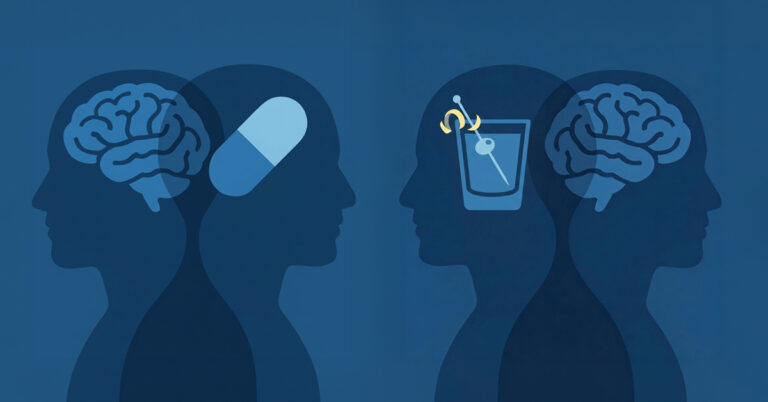

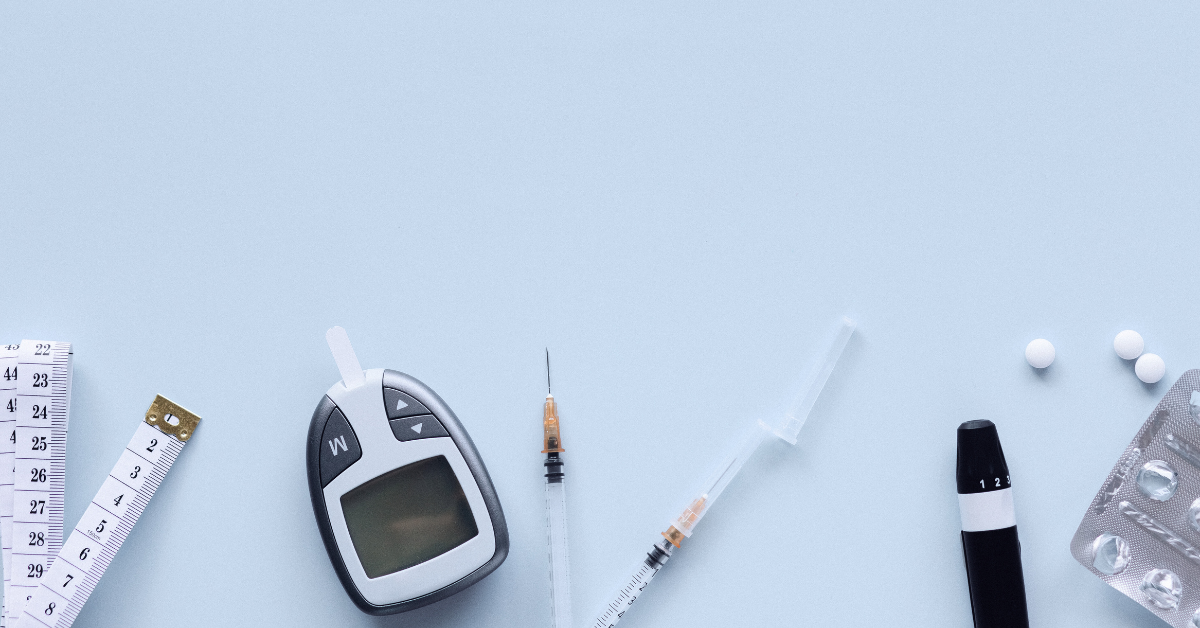
When you hear the word “insulin,” you might think of it as the “diabetes hormone.” But it’s actually a key player in mental health too. This chemical messenger controls blood sugar and fuels how your brain cells communicate, regulate mood, and maintain focus.
When your body becomes resistant to insulin, it’s not only your metabolism that suffers. Your energy crashes, your concentration slips, and your emotions can become harder to manage.
Scientists are now discovering that insulin resistance may be the hidden thread connecting seven major mental health issues. Understanding this connection between insulin resistance and mental health could be the breakthrough you need to know why you feel the way you do and how to restore balance within your brain and body.
If you’ve been struggling with fatigue, mood changes, or difficulty concentrating, this one hormone, not just your habits, may be at the root of it.
If you’ve been struggling with fatigue, mood changes, or difficulty concentrating, this one hormone, not just your habits, may be at the root of it.
Insulin is a hormone produced by the pancreas that allows your body to use glucose from carbohydrates for energy. When you eat, your blood sugar rises, signaling the pancreas to release insulin so glucose can enter those cells, giving you sustainable energy.
However, when you have insulin resistance, your cells ignore these signals. The pancreas compensates by making more insulin, eventually exhausting itself.
Over time, this imbalance contributes to fatigue, weight gain, inflammation, brain fog, and metabolic syndrome—all of which impact brain health and mental wellness.
Insulin resistance and mental health are more intertwined than you might realize. Your nervous system and stress hormones play a major role in this process.
Chronic stress can spike cortisol, which in turn worsens insulin resistance, disrupts appetite, and drains energy. Because of this, you get a vicious cycle that causes imbalances in your body and brain.
Over time, this biochemical tug-of-war can contribute to depression, anxiety, and cognitive decline if left unaddressed. All of these are warning signs that your metabolism and mental health may be struggling.
Related: The Stress Hormone: How Cortisol Crushes Mental Health
There’s a growing body of evidence linking insulin resistance and depression as well as anxiety. Insulin directly influences neurotransmitters such as serotonin and dopamine, which regulate mood and motivation. When insulin signaling is disrupted, so is emotional regulation.
One study published in 2025 found a strong connection between insulin resistance and anxiety and depression. Rates were higher among those with both insulin resistance and diabetes but also present among nondiabetic people.
| Mental Health Conditions | Insulin Resistant + Diabetic | Insulin Resistant + Nondiabetic |
|---|---|---|
| Depression | 75% | 60% |
| Anxiety | 65% | 55% |
Another 2025 study published in Nature Mental Health found that young people with insulin resistance were more likely to develop mood disorders even without diabetes. The researchers noted that poor insulin sensitivity alters brain metabolism, particularly in regions involved in emotional control and stress response.
Emerging research suggests that insulin resistance and ADHD symptoms may share a biological connection. A 2021 study found that insulin resistance in the prefrontal cortex, which is your brain’s CEO for decision-making, can impair attention, planning, and impulse control.
At Amen Clinics, brain SPECT imaging has shown similar patterns: reduced blood flow and metabolism in the prefrontal cortex of people with ADHD and those with insulin resistance. Both conditions disrupt dopamine regulation, making focus and motivation harder to maintain.
Poor insulin signaling has been identified as a key contributor to Alzheimer’s disease, sometimes referred to as “Type 3 diabetes.”
When insulin can’t properly fuel brain cells, neurons struggle to communicate, leading to cognitive decline and memory loss. Over time, this can increase the risk of various types of dementia.
The reward centers of the brain depend on the neurotransmitter, dopamine, which is influenced by insulin. When insulin resistance develops, your dopamine signaling weakens, which increases cravings for sugar, alcohol, or other addictive substances.
Research in Frontiers in Psychology shows that this disruption makes it harder for the brain to feel pleasure naturally, pushing people toward unhealthy behaviors to get that same dopamine “hit.” Healing hormone imbalance and insulin resistance can therefore reduce compulsive eating and improve emotional self-regulation.
Related: Do You Need a Dopamine Detox?
If you’ve ever felt irritable or anxious after skipping a meal, there’s a reason. Low blood sugar, or hypoglycemia, causes your brain to release adrenaline and cortisol. These “fight-or-flight” hormones start to make you feel jittery, moody, or even panicked.
When insulin resistance causes your blood sugar to swing up and down, these emotional crashes can feel like mini anxiety attacks. This connection between blood sugar and mood explains why emotional stability often begins with metabolic balance.
The relationship between insulin resistance and mental health conditions goes far beyond mood. Psychiatrists have long known that many antipsychotic medications that are used to treat schizophrenia have side effects, such as glucose elevation, which may lead to diabetes, and in turn insulin resistance.
However, a pair of studies point to insulin resistance as a potential risk factor for schizophrenia.
| Insulin Resistance Is Linked To 7 Mental Health Issues: |
|---|
| 1. Depression |
| 2. Anxiety |
| 3. ADHD |
| 4. Dementia |
| 5. Addiction |
| 6. Anger |
| 7. Schizophrenia |
Food can be medicine or poison, depending on how it affects your hormones. Your diet plays one of the biggest roles in preventing and reversing insulin resistance symptoms.
Processed foods, refined sugars, and trans fats can inflame your body and worsen hormonal imbalances for a long time. In contrast, nutrient-dense foods help improve blood sugar levels and restore equilibrium.

Yerba mate, mulberry leaf, chamomile, mint, hibiscus, and cinnamon teas may improve insulin sensitivity and reduce inflammation. Although not considered an herbal tea, green tea produces the same effects.

Salmon, tuna, chicken, turkey, and tofu provide amino acids that stabilize blood sugar.

Broccoli, cauliflower, and asparagus are low in carbs but high in fiber and antioxidants.

Avocados, almonds, walnuts, chia seeds, and flaxseeds improve hormone balance and reduce cravings.

Berries, green apples, and pears deliver fiber that slows sugar absorption, keeping energy steady.
Do you want to address insulin resistance? Brain health support with the right interventions can improve insulin levels.
Healing begins with regulating the nervous system, because chronic stress is often the spark that ignites hormonal chaos. Simple lifestyle shifts can make a powerful difference:
Remember, the goal isn’t just to stabilize your blood sugar, but to restore energy and emotional balance to your mind and body.
When insulin levels stabilize, so does the mind. By addressing insulin resistance through nutrition, lifestyle, holistic care, and medication (when necessary), you’re not just preventing disease—you’re supporting a clearer mind, calmer mood, and longer life. Healing your metabolism is, quite literally, healing your brain.
At Amen Clinics, we use brain SPECT imaging along with lab tests to assess blood sugar, insulin, and other key biomarkers. This integrative approach helps uncover whether metabolic issues are contributing to symptoms like depression, anxiety, or focus problems.
Yes. Stabilizing blood sugar can reduce mood swings, improve memory, and decrease risks for conditions like dementia and schizophrenia. At Amen Clinics, we combine nutrition coaching, lifestyle strategies, and targeted therapies to support both brain and body.
Our team develops personalized treatment plans that may include dietary guidance, nutritional supplements, psychotherapy, and medical care when needed. We focus on the least toxic, most effective solutions to restore balance and improve mental health.
Freeman AM, Acevedo LA, Pennings N. Insulin Resistance. [Updated 2023 Aug 17]. In: StatPearls [Internet]. Treasure Island (FL): StatPearls Publishing; 2025 Jan-. Available from: https://www.ncbi.nlm.nih.gov/books/NBK507839/
Ma, X., Nan, F., Liang, H., Shu, P., Fan, X., Song, X., Hou, Y., & Zhang, D. (2022). Excessive intake of sugar: An accomplice of inflammation. Frontiers in immunology, 13, 988481. https://doi.org/10.3389/fimmu.2022.988481
Rahman, M. S., Hossain, K. S., Das, S., Kundu, S., Adegoke, E. O., Rahman, M. A., Hannan, M. A., Uddin, M. J., & Pang, M. G. (2021). Role of Insulin in Health and Disease: An Update. International journal of molecular sciences, 22(12), 6403. https://doi.org/10.3390/ijms22126403
Julian M Yabut, Justin D Crane, Alexander E Green, Damien J Keating, Waliul I Khan, Gregory R Steinberg, Emerging Roles for Serotonin in Regulating Metabolism: New Implications for an Ancient Molecule, Endocrine Reviews, Volume 40, Issue 4, August 2019, Pages 1092–1107, https://doi.org/10.1210/er.2018-00283
Abdelfattah, H.E., Bekhet, M.M.M., Tawfik, F.A. et al. The association between insulin resistance and risk of developing depression and anxiety disorders in a sample of Egyptian population. Egypt J Intern Med 37, 56 (2025). https://doi.org/10.1186/s43162-025-00434-9
Shin, M., Crouse, J.J., Weger, M. et al. Insulin resistance as an early marker in youth with mood disorders. Nat. Mental Health 3, 969–971 (2025). https://doi.org/10.1038/s44220-025-00472-w
Mathew P, Thoppil D. Hypoglycemia. [Updated 2022 Dec 26]. In: StatPearls [Internet]. Treasure Island (FL): StatPearls Publishing; 2025 Jan-. Available from: https://www.ncbi.nlm.nih.gov/books/NBK534841/
Berridge, K. C. (2018). Evolving concepts of emotion and motivation. Frontiers in Psychology, 9, 1647. https://doi.org/10.3389/fpsyg.2018.01647
Choi, S. E., Roy, B., Freeby, M., Mullur, R., Woo, M. A., & Kumar, R. (2020). Prefrontal cortex brain damage and glycemic control in patients with type 2 diabetes. Journal of diabetes, 12(6), 465–473. https://doi.org/10.1111/1753-0407.13019
Zhang, X., Zhang, L., Zhang, B., Liu, K., Sun, J., Li, Q., & Zhao, L. (2022). Herbal tea, a novel adjuvant therapy for treating type 2 diabetes mellitus: A review. Frontiers in Pharmacology, 13, 982387. https://doi.org/10.3389/fphar.2022.982387
American Diabetes Association. (n.d.). Non-starchy vegetables for blood glucose control. https://diabetes.org/food-nutrition/reading-food-labels/non-starchy-vegetables
Calvano, A., , Izuora, K., , Oh, E. C., , Ebersole, J. L., , Lyons, T. J., , & Basu, A., (2019). Dietary berries, insulin resistance and type 2 diabetes: an overview of human feeding trials. Food & function, 10(10), 6227–6243. https://doi.org/10.1039/c9fo01426h
Verkouter, I., Noordam, R., le Cessie, S., van Dam, R. M., Lamb, H. J., Rosendaal, F. R., van Heemst, D., & de Mutsert, R. (2019). The Association between Adult Weight Gain and Insulin Resistance at Middle Age: Mediation by Visceral Fat and Liver Fat. Journal of clinical medicine, 8(10), 1559. https://doi.org/10.3390/jcm8101559
Fritschi, C., Park, C., Quinn, L., & Collins, E. G. (2020). Real-Time Associations Between Glucose Levels and Fatigue in Type 2 Diabetes: Sex and Time Effects. Biological research for nursing, 22(2), 197–204. https://doi.org/10.1177/1099800419898002
Zhao, H., Zhang, J., Cheng, X. et al. Insulin resistance in polycystic ovary syndrome across various tissues: an updated review of pathogenesis, evaluation, and treatment. J Ovarian Res 16, 9 (2023). https://doi.org/10.1186/s13048-022-01091-0
Jiao, Y., Butoyi, C., Zhang, Q. et al. Sleep disorders impact hormonal regulation: unravelling the relationship among sleep disorders, hormones and metabolic diseases.Diabetol Metab Syndr 17, 305 (2025). https://doi.org/10.1186/s13098-025-01871-w
Mary C. Gannon, Frank Q. Nuttall; Effect of a High-Protein, Low-Carbohydrate Diet on Blood Glucose Control in People With Type 2 Diabetes. Diabetes 1 September 2004; 53 (9): 2375–2382. https://doi.org/10.2337/diabetes.53.9.2375
Sellami, M., Almuraikhy, S., Naja, K. et al. Eight weeks of aerobic exercise, but not four, improves insulin sensitivity and cardiovascular performance in young women. Sci Rep 15, 1991 (2025). https://doi.org/10.1038/s41598-025-86306-2
Amen, D. G., & Easton, M. (2021). A New Way Forward: How Brain SPECT Imaging Can Improve Outcomes and Transform Mental Health Care Into Brain Health Care. Frontiers in psychiatry, 12, 715315. https://doi.org/10.3389/fpsyt.2021.715315
Tomasik J, Lago SG, Vázquez-Bourgon J, et al. Association of Insulin Resistance With Schizophrenia Polygenic Risk Score and Response to Antipsychotic Treatment. JAMA Psychiatry. 2019;76(8):864–867. doi:10.1001/jamapsychiatry.2019.0304
Guest PC. Insulin Resistance in Schizophrenia. Adv Exp Med Biol. 2019;1134:1-16. doi: 10.1007/978-3-030-12668-1_1. PMID: 30919329.