

For many people living with neurodevelopmental disorders such as ADD/ADHD or mental health conditions like anxiety or depression, treatment often begins with prescription medication or weekly talk therapy. While these approaches can be effective, they don’t work for everyone.
That’s why more patients—and the providers who care for them—are exploring alternative mental health therapies that take a more personalized, whole-brain approach. Decades of brain imaging at Amen Clinics have shown that there is no one-size-fits-all solution when it comes to conditions rooted in the brain.
Alternative mental health therapies are approaches that go beyond—or work alongside—medication and traditional talk therapy
Every brain functions differently, and effective treatment should reflect those individual patterns. By combining innovative technologies with targeted lifestyle strategies, alternative therapies can help address underlying brain imbalances and support lasting improvement—especially for those who haven’t found relief with standard care.
In this blog, we introduce 10 out-of-the-box therapies designed to help you move toward better mental health with greater clarity and confidence.
Sometimes, the decision to consider alternative mental health therapy stems from frustration. Not due to lack of effort, but because traditional treatments can fail to help. Here are some of the most common reasons why traditional treatment options may fall short:
Each type requires a tailored approach. For example, a medication that works wonderfully for one type of ADD/ADHD may exacerbate symptoms for another type of ADD/ADHD. Knowing type helps clinicians develop the right plan.
Alternative mental health therapies are treatment approaches that complement or go beyond talk therapy or medication. They are based on neuroscience and scientific evidence.
These therapies can improve your emotional regulation, enhance brain function and build resilience. When providers are able to understand the brain and treat it as a whole system, recovery can be faster and lasting.
Here are 10 of the most powerful therapies worth exploring:
This non-invasive treatment involves breathing concentrated oxygen in a special pressurized chamber to promote healing and reduce inflammation.
HBOT helps with brain health in several ways, including boosting blood flow and healing the brain after a concussion or other form of traumatic brain injury (TBI). Brain SPECT imaging shows that low blood flow and TBIs have been associated with depression, ADD/ADHD, substance abuse disorder, suicidality, and more.
Related: 11 Ways to Benefit from the Healing Power of Hyperbaric Oxygen Therapy
This psychotherapeutic technique can be especially helpful for post-traumatic stress disorder (PTSD) or people who have experienced emotional trauma.
According to research, EMDR involves the use of eye movements or other forms of alternate hemisphere stimulation to eliminate the emotional pain associated with traumatic memories.
Related: What is EMDR therapy
People who have ADD/ADHD, TBIs, learning disabilities, autism, or other mental health disorders may benefit from screening and treatment of Irlen Syndrome.
This condition is a visual processing problem in which certain colors irritate the brain. Treating this issue has been found to improve focus, reduce anxiety, and boost mood, among other benefits.
People who have ADD/ADHD, TBIs, learning disabilities, autism, or other mental health disorders may benefit from screening and treatment of Irlen Syndrome.
This condition is a visual processing problem in which certain colors irritate the brain. Treating this issue has been found to improve focus, reduce anxiety, and boost mood, among other benefits.
This interactive treatment uses biofeedback to help you strengthen and retrain your brain.
Using computer technology, the brain receives real-time feedback about its brain wave activity. This feedback essentially teaches the brain to strengthen patterns linked to focus, calm, and emotional control, and reduce patterns associated with stress, anxiety, or inattention.
Ongoing research suggests that therapies like neurofeedback may help regulate your brain activity and potentially reduce symptoms of stress, anxiety, and depression.
Related: Neurofeedback for ADHD and Anxiety: A Natural Brain-Based Approach That Lasts
This interactive treatment uses biofeedback to help you strengthen and retrain your brain.
Using computer technology, the brain receives real-time feedback about its brain wave activity. This feedback essentially teaches the brain to strengthen patterns linked to focus, calm, and emotional control, and reduce patterns associated with stress, anxiety, or inattention.
According to research, certain scents are known to have therapeutic effects, including lavender to help with calming anxiety and supporting mood. Additionally, studies show that ylang ylang promotes calmness and peppermint supports alertness and memory.
The stimulating effects of jasmine can be beneficial for mood, research suggests. And eucalyptus is well known for its invigorating and uplifting qualities, promoting relaxation, mental clarity, and stress relief, according to research.
Nutritional support can be instrumental in supporting better mental health with much fewer side effects than prescription medication. For example, one of the best supplements for mood is saffron, which has an abundance of research behind it. Knowing your brain type can help you find the supplements that are most beneficial for your needs.
Brain SPECT imaging reveals areas of the brain that are overactive or underactive and to identify your brain type. Nutraceuticals can be very instrumental in helping to support more balanced brain activity, which translates to better brain function and mental health.
Many psychiatrists and primary care physicians neglect to inform patients that food can be like medicine or a poison when it comes to mental health. The foods you consume can worsen your psychiatric symptoms or lessen them.
At Amen Clinics, some of the biggest success stories we have come from patients who have changed their diets based on the recommendations from our brain health nutrition coaches.
Generally, a diet low in refined sugar, processed foods and refined carbohydrates—and rich in fruits and vegetables, lean protein, whole grains, fermented foods, and healthy fats—supports healthy brain function and a stable mood.
Other beneficial dietary changes may include going gluten-free, avoiding pesticide-laden foods, and eliminating artificial food coloring like red dye 40.
Few professionals in the fields of psychology and psychiatry have made the connection between unhealthy weight issues, mental illness, and cognitive dysfunction.
However, an important brain imaging study on 20,000 patients at Amen Clinics shows that as your weight goes up, the physical size and functioning of your brain go down. Achieving and maintaining a healthy weight can be a powerful alternative to prescription medication.
Alternative mental health therapies can largely benefit the following categories of individuals:
At the start of your treatment at Amen Clinics, you can expect a thoughtful and well-structured approach that looks beyond your symptoms. Your experience begins with a comprehensive evaluation, as your clinician takes time to gather details about your symptoms, medical history, lifestyle habits, and past treatment experiences.
What follows is brain SPECT imaging, where the scan reveals the overactive or underactive areas of your brain. This is a highly personalized appointment that clearly explains what may be contributing to your challenges.
Next, you get a customized treatment plan from your clinician that may include alternative therapies, nutrition and supplement guidance, targeted lifestyle changes, and therapeutic support. You’ll also have ongoing check-ins, progress monitoring, and some adjustments to your treatment plans as your brain function improves.
There are choices you make that can enhance the effectiveness of alternative therapies and support your long-term wellness plan. Here are key lifestyle areas where you have the power to make a difference in your well-being:
Nutritional upgrades – Consume and abundance of brain-healthy foods mentioned already, and avoid processed foods, alcohol, and sugar. The goal is to have highly nutritious, balanced meals to support healthy blood sugar levels, which helps your brain function and mental health.
Manage stress effectively – Practice stress management techniques like meditation, deep breathing, journaling, and gratitude practices, as well as gentle daily routines that build calm and stability.
Better sleep habits – Prioritize healthy sleep by maintaining a consistent sleep schedule, limiting screens before bed, and addressing sleep disruptions and disorders.
Regular physical activity – Engage in exercises to boost your blood flow to the brain, improve your mood and focus, and support overall cognitive health.
Healthy daily structure – Aim to have a balanced daily routine. Take breaks to prevent burnout and overwhelm. Be sure to make time for rest, hobbies, and meaningful connections.
The brain has an incredible capacity to adapt and heal. The right alternative therapies geared to improving your brain health provide a path to improved mental health.
It’s critical to work in partnership with a qualified mental health professional or medical doctor before making any broad changes, especially to your medication or diet, and prior to starting with nutritional supplements.
Alternative mental health therapies are approaches that go beyond—or work alongside—medication and traditional talk therapy. Many are grounded in neuroscience and focus on improving brain function, reducing inflammation, and supporting emotional regulation, focus, and resilience in a more personalized way.
When used appropriately and guided by trained professionals, many alternative therapies are considered safe and evidence-based. It’s important that they’re chosen based on an individual’s health history, symptoms, and brain function rather than used randomly or without professional oversight.
These therapies can be especially helpful for people who haven’t found full relief with medication or psychotherapy, those with treatment-resistant conditions, individuals with a history of head injury, or anyone looking for a more holistic and personalized approach to mental health care.
Amen Clinics embraces both conventional and alternative approaches by first understanding how each person’s brain functions. Through brain SPECT imaging and comprehensive evaluations, clinicians create customized treatment plans that may include medication, therapy, alternative treatments, nutrition, supplements, and lifestyle strategies—ensuring care is tailored to the brain, not just symptoms.
Traumatic brain injuries, treatment-resistant disorders, and other mental health conditions can’t wait. At Amen Clinics, we provide personalized, science-backed treatment plans designed to target the root causes of your symptoms. Our 360-approach includes brain SPECT imaging, clinical evaluations, innovative therapeutic techniques, medications (when necessary), and holistic lifestyle recommendations to promote the health of your brain, body, and mind. Speak to a specialist today at 888-288-9834 or visit our contact page here.

Some people think that age-related brain changes are an inevitable part of life. But cognitive decline does not need to be part of anyone’s story. There are numerous ways to start protecting your brain health—and these should remain a priority at any age.
Maintaining a healthy brain encompasses more than just avoiding well-known neurodegenerative diseases such as Alzheimer’s and other types of dementia. A healthy brain supports mental health, improves focus and memory, and boosts overall well-being. Simply put, you can’t be healthy if your brain isn’t healthy.
Fortunately, regardless of your age, you can strive for lifelong brain health by taking certain helpful steps. Whether you’re raising small children or have reached your senior years, in this blog, you’ll find age-specific strategies that will help protect the body’s most complex and incredible organ: the brain.
New authoritative textbook—Diagnostic Imaging: Brain, Fifth Edition—establishes that functional neuroimaging tools, including SPECT, can detect telltale patterns of CTE in the brain while the individual is still living.
The possibility of early SPECT detection marks a major shift in how medical experts can evaluate and treat those with CTE.
In this blog, you will learn more about chronic traumatic encephalopathy, how it affects the brain, and how SPECT scans may help clinicians recognize and address the condition before irreversible damage occurs.
Chronic Traumatic Encephalopathy is a progressive brain disease caused by repeated head injuries or repeated blows to the head. This includes concussions and subconcussive impacts. The repeated head injuries that cause CTE are common among certain populations, such as athletes.
Over time, these repeated head injuries damage brain cells and disrupt healthy brain function. Concerningly, CTE is associated with abnormal buildup of tau protein, which impedes communication between brain cells and eventually leads to cell death.
Traumatic brain injuries (TBIs) should always be taken seriously. However, CTE describes an extremely dangerous type of brain damage. Indeed, CTE is different than damage caused by single traumatic brain injury (TBI).
Examining whether CTE affects individuals with other types of TBIs, a study published in 2025 further established the link between CTE and repeated head impacts. The study found that CTE does not typically affect people with a single brain injury.
In this study, researchers examined 47 donated brains from individuals who sustained brain injuries in their lifetimes. Of these, seven people (about 15 percent) had CTE. Five of them had a history of repeated head impacts, including:
One individual with CTE had not suffered repeated blows to the head, but they had experienced two very serious brain injuries, occurring decades apart, before their death.
On the other hand, subjects without CTE had mixed histories. Some played sports, and some sustained a few head injuries. Others had single brain injuries. These findings support earlier studies that associated CTE with extensive, repetitive head impacts.
There are no specific symptoms that have been directly linked to CTE. However, in people who were confirmed to have CTE at autopsy, symptoms included changes in behavior, cognition, movement and mood. They may have experienced any of the following:
Behavioral changes
Issues in Cognition
Changes to Mood
Movement Problems
CTE disproportionately affects certain groups. For example, one study determined that among 202 deceased former American football players, an astounding 177 of them—or 87 percent—had neuropathologically diagnosed CTE.
These repeated brain injuries and CTE are associated with numerous brain health challenges. A 2023 study noted that CTE often coincides with cognitive impairment and progression to dementia.
This study found that, among brain donors with high-stage CTE who died from neurodegenerative disease, approximately 75 percent had late-onset dementia (diagnosed at 65 years or older). They died within 10 years of their dementia diagnosis.
Furthermore, almost three-quarters of these subjects (73.1 percent) had co-occurring neurodegenerative diseases. These include Alzheimer’s disease (45.4 percent), Lewy body disease (31.2 percent), and frontotemporal lobar degeneration (15.1 percent), which affects behavior, personality, and language skills.
At Amen Clinics, football players with repeated brain injuries have reported symptoms such as:
Related: Persistent Post-Concussion Symptoms
The brain is an incredibly complex organ, with 200 billion neurons (brain cells) and trillions of connecting fibers. But it’s also very soft and delicate, like softened butter—and the skull is designed to protect it.
The skull holds the brain in place with many sharp bony ridges. When the head is hit by an external force (or in forceful movements such as whiplash), the brain can get injured as it slams into these ridges and other parts of the skull. The result is a concussion.
The brain also contains tau protein, an essential component that provides the lattice-like structure of brain cells. Think of tau proteins, found inside brain cells, like train tracks, providing structure to help the cells clear any unwanted and toxic proteins.
Brain damage that stems from repeated injuries leads to a breakdown of tau, which then pierces through cell membranes and interferes with cell functioning. The resulting inflammatory response damages the brain. Through repeated head injuries, CTE develops.
Experts identified CTE cases as early as the 1920s. In those days, people labeled boxers as “punch drunk” to describe the effects of the head injuries they sustained throughout their careers. The athletes developed personality changes, psychiatric symptoms, memory issues, and behavior problems.
CTE symptoms affect athletes in other sports too—such as soccer and hockey, as well as military personnel. Victims of ongoing domestic violence or childhood abuse can also develop CTE.
We know that CTE is a progressive, degenerative disease. But the exact underlying mechanisms that lead to abnormal tau proteins are still being researched. (Abnormal tau proteins are also a key marker of Alzheimer’s, but research has found that they differ in their structure.)
In the past, CTE has been conclusively diagnosed only through the examination of autopsied slices of brain tissue. CTE cannot be detected in a blood test or other diagnostic measure. In other words, it could be diagnosed only after an individual dies.
However, the new edition of Diagnostic Imaging: Brain has confirmed that brain neuroimaging tools, including SPECT, can help detect the changes that suggest CTE development—while the patient is still living.
Here at Amen Clinics, we understand that mental health is brain health. Yet, in the field of psychiatry, medical experts rarely look at the organ being treated: the brain. Instead of simply observing clusters of symptoms, SPECT serves as a functional brain imaging tool that enables clinicians at Amen Clinics to view the underlying brain activity patterns of their patients.
SPECT stands for single photon emission computed tomography. As a nuclear medicine study, SPECT has been proven to reliably evaluate the brain’s regional cerebral perfusion (blood flow) and activity.
SPECT therefore allows clinicians to determine:
Though it’s a state-of-the-art brain imaging tool, the research using SPECT is vast, and it has been safely used for decades. SPECT has helped study:
Amen Clinics has successfully used SPECT to help treat psychiatric patients with complex cases. In many instances, it can change a client’s diagnosis as well as their treatment plan, therefore optimizing results.
SPECT differs from MRI, fMRI, and PET scans. While an MRI shows the physical anatomy or structure of the brain, SPECT shows blood flow patterns, which indicate how an individual’s brain works. SPECT is also more easily accessible, affordable, and comfortable for the client, while being more reliable than other kinds of scans.
Brain SPECT imaging helps clients and clinicians pinpoint the underlying factors behind a wide variety of mental health conditions and cognitive issues. It can help detect problems that play a role in mental health, including:
Now, experts know that SPECT can also be helpful in detecting the early brain changes that point to cases of chronic traumatic encephalopathy (CTE).
Diagnostic Imaging: Brain, Fifth Edition covers the fast-changing field of brain imaging. As an authoritative neuroradiology reference, it serves as an invaluable resource for neuroradiologists, general radiologists, and trainees in the medical field. The book offers updated information on more than 300 brain and central nervous system conditions.
The textbook confirms that functional neuroimaging tools like SPECT can detect chronic traumatic encephalopathy-associated patterns during life. This marks a major shift in the evaluation of football-related or “punch-drunk” dementia stemming from repetitive blows to the head.
Of course, Amen Clinics has been using SPECT to help identify signs of traumatic brain injuries for years. It holds the world’s largest database of functional brain scans and conducted the first and largest brain imaging studies on active and retired NFL players.
The textbook notes that autopsy confirmation remains the gold standard for definitive CTE diagnosis. But its acknowledgment of imaging markers—particularly tau-binding PET, SPECT, and diffusion MRI tract abnormalities in living patients—signals a significant advancement in clinical capability.
For the first time, frontline psychiatrists, neurologists, sports physicians, and brain injury specialists have authoritative documentation that such imaging tools can help CTE patients. SPECT can identify characteristic changes strongly suggestive of CTE before death—and before severe neurological decline.
Clinical data mirror the textbook’s findings. For example, measurable metabolic, perfusion, and white-matter network changes often emerge decades before individuals show symptoms. This shift transforms CTE from a condition recognized only after a life is over into one that can be monitored and mitigated during life.
Traditional structural imaging (CT and MRI) frequently appears normal in people with extensive concussion histories. In contrast, the advanced methods outlined in Diagnostic Imaging: Brain, Fifth Edition can reveal:
These imaging signatures represent a critical step forward because they allow for:
Earlier diagnosis is critical for cases of CTE because outcomes can be vastly improved with treatment. Let’s take a look at research conducted at Amen Clinics as an example.
Previously, Amen Clinics joined with scientists from major universities to conduct an extensive study on reversing brain damage (not specifically CTE) in former NFL players.
Subjects underwent cognitive testing and quantitative EEG studies, along with brain SPECT imaging, to assess blood flow patterns in the brain. All tests were completed before the treatment started and again at the study’s end.
Before treatment, the participants’ brain scans showed that more than 90 percent of the players had damage to multiple areas of their brains, especially in:
Participants underwent lifestyle-related treatments, such as weight loss if needed. They also supplemented with omega-3 fatty acids, a high-potency multivitamin, and other aids designed to support the brain.
By the end of the study, four out of five of the former players (80 percent) showed improvements, evident through cognitive testing and brain imaging. Blood flow in certain areas of the brain vastly improved—poor blood flow, like head trauma, is a key factor in brain aging.
The research serves as evidence that individuals with brain damage, and perhaps with CTE, can take steps to boost their brain function now.
The following lifestyle recommendations offer a great place to start:
Related: Fun Ways to Stimulate the Brain
Amen Clinics will continue to advance research and clinical applications of neuroimaging for at-risk groups for CTE. These include professional athletes, military service members, and survivors of repetitive head trauma.
Thanks to cutting-edge tools and continued research, there is true hope for individuals concerned about CTE. The encouraging news that SPECT can assist in earlier diagnosis and treatment for CTE equips healthcare experts to change brain health for the better.
“Autopsy remains the gold standard for definitive CTE diagnosis,” says Dr. Daniel Amen, founder of Amen Clinics. “But this is a huge step forward. For the first time, one of the premier medical imaging textbooks acknowledges that we can see CTE-related changes in living patients. If we can see it, we can treat it sooner, and change outcomes.”
Chronic traumatic encephalopathy (CTE) happens to individuals who have sustained repeated head trauma. Any person who has increased risk factors for CTE is vulnerable. This includes anyone who plays contact sports, survivors of long-term abuse, or individuals in the military.
SPECT imaging, used at Amen Clinics, can show CTE markers in still-living clients. Clinicians can use imaging tools to evaluate the CTE brain, including tau-binding PET, SPECT, and diffusion MRI tract abnormalities. These characteristic changes strongly suggest CTE before death and before severe cognitive decline.
With SPECT imaging, clinicians can see CTE-related changes in living clients. When these changes are observed, targeted treatments can begin sooner—and potentially change the outcomes for these clients.

When depression—or even the medications meant to help your symptoms of depression—start to chip away at things that bring you pleasure, it can be deeply upsetting. Indeed, depression can steal the pleasure and well-being you previously found in certain hobbies, relationships, and even your sex life.
If you’re experiencing depression, and you’ve noticed your sexual desire shrinking or your body reacting differently, it may have to do with your mental health condition and its treatment.
If you’re experiencing depression, and you’ve noticed your sexual desire shrinking or your body reacting differently, it may have to do with your mental health condition and its treatment.
Understanding depression’s associated negative effects on your sexual function is the first step toward regaining control of your mind, body, and sexuality.
As antidepressants are usually a first line of treatment for moderate to severe major depressive disorder, it’s equally important to be aware of the sexual side effects of antidepressants as well.
When you learn how depression and antidepressants can disrupt sexual function, it helps you to be a better advocate for yourself when getting care. You’ll be more likely to find treatment that addresses your depression without affecting such a vital and important part of your life.
In this blog, you’ll discover how depression and medication impact sexual function, and what you can do to minimize their effects.
While depression is often rooted in general feelings of sadness, it impacts much more. Depression is associated with changes in your brain chemistry, energy levels, self-esteem, and motivation, too.
Cumulatively, these depression effects can blunt sexual desire and make intimacy feel like too much work. Research on mental health patients shows that those with more severe depression report significantly lower sexual drive.
In fact, a meta-analysis found a bidirectional relationship between depression and sexual dysfunction: depression raises the risk of sexual problems, and sexual dysfunction itself can increase the likelihood of depression.
So, if you’re experiencing low libido, difficulty becoming aroused, or trouble reaching orgasm, depression may be the culprit.
Sometimes trying to heal your mood can come with unintended costs. The sexual side effects of antidepressants may be more common than you think. People who take antidepressants may experience any of the following common side effects:
These challenges may persist while on the medication. In some instances, persistent sexual dysfunction lasts after stopping medication. Sexual side effects are largely determined by the type of antidepressant an individual takes.
For example, selective serotonin reuptake inhibitors (SSRIs) are commonly associated with sexual dysfunction, whereas bupropion (Wellbutrin) has low reported sexual side effects.
It’s important to discuss concerns about antidepressants and sexual side effects with your medical or mental health care provider. Of course, there are many natural treatments for depression to consider and discuss as well.
Unfortunately, sexual side effects can intensify symptoms of persistent low mood. What begins as a temporary dip in desire or arousal can turn into a repeating cycle: anxiety about sex, avoidance, relationship strain, and then guilt and shame—all of which can deepen depression.
Once this cycle begins, each factor feeds the others: depression saps desire; antidepressants blunt sexual function; avoidance and worry reduce intimacy; frustration damages self-esteem. And the loop continues.
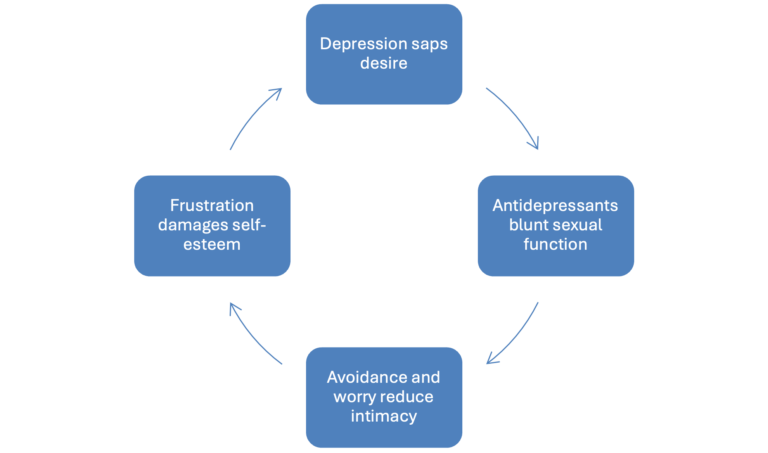
Understanding how depression and antidepressants each uniquely impact brain function can help clarify why changes in sexual function happen, and why they matter.
With depression, neurotransmitters like serotonin, dopamine, and norepinephrine often shift. These neurochemicals regulate mood, but they also influence sexual desire, arousal, and reward. Lowered dopamine and norepinephrine, and imbalanced serotonin, can decrease the desire for intimacy and make sex feel uninteresting or exhausting.
Studies in depressed women show significantly lower sexual desire and reduced overall sexual functioning compared with their non-depressed peers. Moreover, depression brings fatigue, low self-worth, and emotional numbness. All of that can contribute to loss of interest in sex, even when someone is physically capable.
Antidepressants, especially SSRIs, work by increasing serotonin levels in the brain. That increase improves mood, but it can also interfere with sexual response. Research shows serotonin has an inhibitory effect on the neural systems that drive arousal, orgasm, and desire.
In particular, higher serotonin levels may lead to reduced dopamine signaling (important for desire), altered norepinephrine levels, or direct impacts on the neurological circuits that regulate sexual function.
That difference, between what depression does to your brain and what the medication does, helps explain why even when the depression lifts, the sexual side effects associated with antidepressants may linger or even intensify.
Here’s a real-world example shared by a happily married woman and patient of Amen Clinics. This woman went to see a traditional psychiatrist, where she complained of depressive feelings and an inability to sleep.
In less than ten minutes, the woman was diagnosed with depression and anxiety and was prescribed an SSRI (fluoxetine/Prozac), anti-anxiety medication, and a strong sleep aid.
She was feeling much better within a few days of taking the medication when something unusual and alarming happened. She was at a stoplight in her car when a man in the car next to her winked at her. She smiled at him then unbuttoned her shirt and revealed her breasts to the man.
Right after doing this, she was shocked and mortified by her out-of-character behavior. That’s when she quit taking the medications and came to Amen Clinics to seek out answers to help her understand her unusual behavior.
A comprehensive evaluation at Amen Clinics, including brain SPECT imaging, showed that the woman had low activity in her prefrontal cortex, which is commonly seen in ADHD. The antidepressant she was prescribed further reduced brain activity, leading to her impulsive sexual behavior. On a more targeted treatment plan, her depression improved without the impulsivity.
This story illustrates how easily a hasty, one-size-for-all prescription for antidepressants can result in unexpected behavior.
In this case, it appears to have increased impulsivity and a lack of inhibitions, especially around sex and intimacy. It’s a vivid reminder that sexual side effects aren’t only about desire or performance. Sometimes they impact identity, impulse control, and relationships.
Instead of guessing based on reported symptoms, emerging research using brain imaging, including single photon emission computed tomography (SPECT), suggests that observing images of brain activity and blood flow might provide a greater understanding of an individual’s brain function. And this could lead to more effective, targeted treatment plans for patients.
Using SPECT imaging at Amen Clinics, our clinicians have observed that depression and medications physically alter brain function in areas tied to mood, arousal, reward, and decision-making.
Interestingly, research indicates SSRIs can broadly alter neural activity in brain regions regulating sexual desire and arousal. For instance, research reveals a strong correlation between the binding affinity of an antidepressant to the serotonin transporter and reported sexual side effects.
Although imaging research specifically linking SPECT findings to long-term sexual dysfunction remains limited, such methods highlight how antidepressants rewire brain chemistry and alter neurotransmitter pathways.
At the same time, these insights pave the way for more personalized, brain-based interventions. By understanding someone’s unique brain activity, clinicians may in the future tailor treatments to support both mood and sexual health, a central philosophy at Amen Clinics.
SSRIs come with more than sexual side effects. In addition to low libido and potential for hypersexuality, side effects associated with SSRIs may include:
Experiencing even one of these side effects could be debilitating, negating any benefit the medication offers.
The cost of sexual dysfunction is great. It can negatively impact self-esteem and lead to frustration, anxiety, and anger. Hypersexuality, on the other hand, can cause psychological, relational, and even physical harm with a higher risk of sexually transmitted diseases.
Given these risks, SSRIs may not be right for everyone. As depressive disorders are the most common mental health disorders after anxiety in the U.S., it’s critical to have other effective medications and holistic alternatives for treating depression.
Thankfully, there are effective ways to treat depression that don’t compromise your sexual well-being. Healing shouldn’t have to come at the cost of intimacy. Being open and honest with your doctor is essential to finding a treatment approach that truly works for you.
You can choose an antidepressant with fewer sexual side effects. For example, as noted above, studies show medications such as bupropion (which works more on dopamine and norepinephrine) show a lower risk for sexual side effects.
When appropriate and under careful supervision, other non-serotonergic treatments may also be considered to preserve sexual function while treating depressive symptoms.
Natural supplements are a great alternative or adjunctive therapy to antidepressants. Consult an integrative or functional medicine practitioner to learn more as they typically are knowledgeable about herbal and nutritional supplements known to boost mood with few side effects. (Of course, any change to a treatment plan should be discussed with a medical doctor first.)
Saffron has been studied in placebo-controlled trials and found to improve mood without causing sexual dysfunction. In some cases, it even enhanced arousal and satisfaction.
Psychotherapy, sex therapy, and lifestyle interventions remain cornerstones in healing sexual dysfunction caused by medication and lifestyle choices. Working with a mental health professional (ideally one trained to address sexual function) can help unpack how depression, medication, self-esteem, relationship dynamics, and brain chemistry are interacting.
Lifestyle changes such as improving sleep, reducing stress, exercising, and nurturing emotional intimacy, can also help rebuild desire, arousal, and satisfaction.
Related: Antidepressant Withdrawal: What You Need to Know to Quite Safely
When depression is treated thoughtfully and under the guidance of a qualified mental health professional, you can continue to enjoy sexual intimacy or start to enjoy it again.
Sometimes, the missing piece isn’t a one-size-fits-all antidepressant, but a more comprehensive brain-based, personalized treatment plan.
Whether that means exploring alternative medications, integrating natural therapies, working with a therapist, or adjusting lifestyle habits, there are paths that support both mood and sexual well-being.
If you’re struggling, reach out to a qualified mental health professional who understands the complex interplay between mood, brain function, and intimacy. With clarity, compassion, and the right guidance, you can rekindle desire, strengthen connection, and reclaim this essential part of your life.
Depression, sexual dysfunction, and other mental health conditions can’t wait. At Amen Clinics, we provide personalized, science-backed treatment plans designed to target the root causes of your symptoms. Our 360-approach includes brain SPECT imaging, clinical evaluations, innovative therapeutic techniques, medications (when necessary), and holistic lifestyle recommendations to promote the health of your brain, body, and mind. Speak to a specialist today at 888-288-9834 or visit our contact page here.
No. While many antidepressants (especially SSRIs and SNRIs) are associated with a high risk of sexual side effects, others like bupropion, mirtazapine, and certain newer agents tend to carry a lower risk.
Depression influences neurotransmitters and brain circuits tied to desire, energy, reward, and self-esteem. The mood disorder itself, even without medication, often leads to reduced libido, lower arousal, and less interest in intimacy.
Some people find relief through lifestyle changes, psychotherapy, stress management, and supplements like saffron. While natural alternatives won’t replace medication for everyone, they may offer mood support without compromising sexual health. Just be sure to use them under guidance of a licensed doctor or therapist.
Oftentimes, yes. Clinics that use brain-based assessments—such as SPECT imaging at Amen Clinics—can better understand how depression and medications may be affecting a person’s brain function.
These insights can help to guide a personalized treatment approach that supports mood and sexual well-being with fewer or no sexual side effects depending on the treatment.

From nonstop notifications and tight work deadlines to constant family demands, stress is a condition of modern life. Most people shrug it off as “normal.” But stress doesn’t just affect your mood, it can also quietly reshape how your brain functions and how your mental health holds up over time.
When stress is constant, it alters the brain’s ability to regulate impulses, process information, and recover from emotional strain. Left unchecked, it can erode focus, resilience, and emotional balance—often without obvious warning signs.
So, what are the key signs of stress affecting mental health? And more importantly, how does stress affect mental health before it reaches a breaking point?
Many people don’t realize how stress can affect your mental health until anxiety, irritability, burnout, or depression begin to interfere with daily life.
When stress is constant, it alters the brain’s ability to regulate impulses, process information, and recover from emotional strain. Left unchecked, it can erode focus, resilience, and emotional balance—often without obvious warning signs.
At Amen Clinics, we regularly see people whose symptoms worsen when chronic stress goes unaddressed. Their experiences reveal just how powerfully unmanaged stress can disrupt emotional well-being, cognitive performance, and overall quality of life.
The good news?
Stress-related mental health challenges are often preventable—and reversible. By recognizing early warning signs and understanding how stress impacts the brain, you can take meaningful steps to protect your mental wellness before the effects of stress escalate into more serious concerns. Here’s what you need to know.
You may be wondering, how does stress affect mental health? The mental health impact of stress begins immediately when you encounter a stressful situation. According to research, when a structure in the brain called the amygdala perceives a threat, it activates the fight-or-flight response.
Your brain’s hypothalamus then signals the release of hormones like cortisol to help you respond quickly to perceived threats. This is, of course, highly beneficial in short bursts—even lifesaving in some instances—but long term stress keeps cortisol levels elevated and the brain locked in a constant state of alert.
Brain SPECT imaging at Amen Clinics reveals that when stress becomes prolonged, it leads to overactivity in the limbic system (which houses the amygdala), your brain’s center for fear and emotional responses.
The prefrontal cortex, which is responsible for focus, decision-making, planning and impulse control becomes underactive under chronic stress. The hippocampus, which is crucial for learning and memory loses volume under continual stress and functions less effectively.
As a result of these stress-driven brain alterations, you begin to experience persistent worry, trouble concentrating, difficulty in regulating your emotions, and impulsive decision-making.
Chronic stress also has a negative impact on your overall nervous system. It can trigger brain inflammation further impairing your mental clarity and emotional resilience. Stress also significantly impacts the immune system, which affects your overall health (including brain and mental health) and your susceptibility to illness, studies note.
Related: 11 Reasons To Manage Your Stress
When stress starts to affect your mental health, you may begin noticing cognitive, emotional, physical, and behavioral changes.
Here are the common indicators to be aware of:
We all experience stress when faced with a challenge like getting ready to travel, taking an exam, or meeting a deadline. The stress is finite and passes when the challenge has been met.
But how does chronic stress affect your mental health over time?
For starters, chronic stress doesn’t just disappear on its own. Studies show that when it goes unchecked for a long period, it evolves from mild discomfort to patterns that appear similar to diagnosable mental health conditions.
Here’s what happens:
Prolonged stress can heighten your brain’s threat response, causing you to live in constant worry, restlessness, or hypervigilance even when there’s nothing wrong. Chronic stress can lead to the development of anxiety disorders too.
As stress continues to deplete your brain’s ability to regulate mood, you may begin to experience loss of motivation, persistent sadness, and emotional heaviness that you weren’t feeling before.
Chronic stress tends to lower your tolerance to frustration, making irritability and outbursts more common.
When stress becomes intense, people cope in different ways. For instance, some people numb out with social media use or binge watch tv, eat comforting foods, or consume alcohol to soothe the pressure.
Sometimes, prolonged stress comes with mental health symptoms similar to what one exhibits after a traumatic experience, such as avoidance, hypervigilance, and reactivity to small triggers.
When stress builds over time, it significantly diminishes your attention. Prolonged stress according to research can slow down your thinking and create a sense of mental exhaustion, making everyday tasks feel harder.
Through brain SPECT imaging, experts at Amen Clinics have observed that individuals with specific brain patterns can be more vulnerable to these changes.
For example, individuals with an overactive anterior cingulate gyrus (known to fuel inflexibility, rumination, and worry) are more likely to show these responses to stress, as do individuals who have poor activity in the prefrontal cortex (an area of the brain that governs judgment, decision-making, planning, and impulse control).
Below are groups of individuals who are more vulnerable to stress:
The ripple effects of being in a near constant state of stress are less obvious, but still alarming.
Stress can cause emotional exhaustion, leaving you drained even after engaging in small tasks. It can also deplete your motivation to a point that the activities you normally handled with ease feel less important or too hard to begin.
Research shows that chronic stress can disrupt your ability to do simple things like driving to a familiar place. Prolonged stress can also create tension in relationships, increasing your sensitivity and causing you to pull away from others.
In some cases, stress can lower your self-esteem, making you feel less capable than you really are. Additionally, you can develop a sense of pessimism as a result of prolonged stress, where nothing feels manageable for you.
It’s perfectly normal for you to feel stressed from time to time. However, some signs could be an indicator that stress may be interfering with your mental health. Consider reaching out for help if you encounter the following:
As mentioned earlier, Amen Clinics uses brain SPECT imaging to observe the effects of chronic stress on brain activity. Our clinicians use these scans to identify overactive worry networks as well as the underactive regions that regulate impulse control and focus.
With these insights, they can tailor customized treatment plans suitable for each patient’s unique brain patterns.
Treatment usually includes an integrative approach that combines nutrition, targeted supplements, lifestyle tools, therapy, and medication where appropriate.
For instance, one of our patients, a 32-year-old professional, was experiencing work-related worries that were causing tension and irritability.
Through structured distraction techniques like singing his favorite songs whenever the negative thoughts arose, he was able to gain control over his worries and calm his nervous system.
Related: 10 Natural Ways to Calm Stress
In today’s world, we all need methods for reducing stress before it becomes chronic. Taking these small steps at the earliest signs of stress will help you to restore calm in your mind and body:
Stress can affect anyone at any point, but it shouldn’t reach a point where it erodes your mental well-being.
Recognizing what is happening early enough can make a meaningful difference in how well you manage it. If symptoms persist despite your efforts, consider an assessment or brain imaging at Amen Clinics to gain clarity and guidance on what to do next.
Stress often begins affecting mental health quietly. Before anxiety or depression develop, people may notice irritability, mental fatigue, difficulty concentrating, sleep problems, or feeling emotionally drained.
These early changes reflect how stress disrupts brain regions involved in emotional regulation, focus, and resilience long before symptoms meet diagnostic criteria.
Yes. Chronic stress can alter brain activity and structure over time. Prolonged exposure to stress hormones like cortisol can overstimulate your brain’s centers for fear and emotion while weakening areas responsible for judgment, impulse control, and memory.
These changes can make it harder to manage emotions, think clearly, and cope with everyday life challenges.
When stress becomes ongoing, the brain stays in a heightened state of alert. This constant activation drains mental energy and reduces the brain’s ability to recover.
Over time, stress can lower frustration tolerance, increase negative thinking patterns, and make even small tasks feel overwhelming, creating a cycle that reinforces emotional exhaustion.
At Amen Clinics, as part of a comprehensive mental health evaluation, our clinicians look at how stress is affecting the brain using SPECT imaging to identify overactive and underactive brain areas. This allows them to create personalized treatment plans that address each person’s unique brain patterns.
Care often includes targeted lifestyle strategies, nutrition, supplements, therapy, and medication (when appropriate) to help restore balance and resilience.
Chu, B., Marwaha, K., Sanvictores, T., Awosika, A. O., & Ayers, D. (2024). Physiology, stress reaction. In StatPearls [Internet]. StatPearls Publishing. https://www.ncbi.nlm.nih.gov/books/NBK541120/
Alotiby A. Immunology of Stress: A Review Article. J Clin Med. 2024 Oct 25;13(21):6394. doi: 10.3390/jcm13216394. PMID: 39518533; PMCID: PMC11546738.
Mariotti, A. (2015). The effects of chronic stress on health: new insights into the molecular mechanisms of brain–body communication. Future science OA, 1(3), FSO23. doi: 10.4155/fso.15.21
Brown TI, Gagnon SA, Wagner AD. Stress Disrupts Human Hippocampal-Prefrontal Function during Prospective Spatial Navigation and Hinders Flexible Behavior. Curr Biol. 2020 May 18;30(10):1821-1833.e8. doi: 10.1016/j.cub.2020.03.006. Epub 2020 Apr 2. PMID: 32243859; PMCID: PMC7331937.

Facebook-f X-twitter Youtube Table of Contents 5 Common Traits of Adult Children of Alcoholics + How to Heal Growing up in a home with an
Growing up in a home with an alcoholic parent often means growing up without stability. Chaos, unpredictability, and emotional neglect become the norm—forcing children to adapt in order to survive. Over time, these adaptations can turn into deeply ingrained coping patterns.
While these survival strategies may protect children in the moment, they can quietly undermine mental health, relationships, and self-esteem in adulthood. Many adult children of alcoholics (ACoAs) carry these patterns forward, even if they never develop alcohol use disorder themselves.
Adult children of alcoholics (ACoA) traits describe the lasting psychological and brain-health effects of growing up in an alcoholic home. In this blog, you’ll learn five common ACoA traits—and the science-backed paths that can help foster healing and long-term well-being.
Adult children of alcoholics may have an increased risk of mental health conditions like anxiety, depression, ADHD, and complex PTSD. They may also lack trust or relationship building skills.
The presence of substance use disorder (SUD) in American homes is growing. In 2019, the American Academy of Child & Adolescent Psychology reported that one in five adult Americans lived with an alcoholic relative while growing up.
Related: Alcoholic Parents: What Does It Do to a Child’s Brain?
Sadly, stats from the 2023 National Survey on Drug Use and Health found that almost 19 million U.S. children—now one in four—lived with at least one SUD-affected parent or primary caregiver.
When one or both parents struggle with alcoholism (or other dangerous drug use), the home environment can be highly disruptive for a child of an alcoholic. Alcoholic behavior from a parent may lead to:
At the same time, children observe their parent’s faulty coping strategies as they reach for numbing substances. They may never witness their parent modeling healthy emotional regulation. All of the household members therefore suffer from high levels of stress.
These children then grow up to face complex issues as adults. For example, ACoAs may have an increased risk of mental health conditions like anxiety, depression, attention deficit hyperactivity disorder (ADHD), and complex post-traumatic stress disorder (CPTSD). They may also lack trust or relationship building skills.
Adult children of alcoholics are more likely to develop issues with substance abuse (or other impulsive behaviors) or enter into partnerships with addicted individuals. They may exhibit perfectionism, codependency, or people-pleasing. They may fear conflict or abandonment, leading to hypervigilance.
We now know, from research about adverse childhood experiences (ACEs), how much childhood development can impact adult outcomes—in terms of both mental and physical health. Various studies have found that a child’s brain development is very sensitive to its environment.
A loving, predictable home helps foster healthy brain development in children. Conversely, brain development is often compromised in households with trauma, instability, abuse, or neglect.
Chronic exposure to adverse and traumatic experiences constantly sends the brain’s stress activation system into overdrive. This stress impacts the functions of the body’s immune, metabolic, and cardiovascular systems.
The constant flood of stress hormones also disrupts the delicate balance of neurotransmitters (brain chemicals) that are necessary for healthy brain function. These processes are especially important as the brain develops in childhood.
As a result, certain areas of the brain may be stunted, such as the hippocampus (important for memory formation). Moreover, when a child’s brain is so often stuck in fight-or-flight mode, they may experience difficulties with:
Finally, research has noted the increased likelihood of ACoAs developing oppositional defiant disorder (ODD), conduct disorder (CD), and eating disorders. They may be hyperactive or inattentive in school, have personality problems, or struggle with finding a job, among other difficulties.
The field of epigenetics illustrates how these issues can be passed along from one generation to the next. This fuels the cycle of generational trauma. That’s why even the grandchildren of alcoholics can feel the effects of an alcoholic home.
If you grew up in a family with SUD, you’re not alone. Here are five common traits of adult children of alcoholics, which may also occur within a dysfunctional family of any kind:
Growing up around adults with volatile and unpredictable moods leads to fear of criticism, distrust of and fear of authority figures, and often isolation or withdrawal.
Chronic fear can physically change the brain. The amygdala, or fear center of the brain, becomes overactive. At the same time, studies have shown that stress impacts the hippocampus in numerous ways, including reducing its volume.
Together, these changes can make people perceive threats even when none are present. As a result, the individual experiences excess anxiety and fear, interfering with everyday tasks and well-being.
When a child has not witnessed or learned from a healthy caretaker, many types of toxic relationship patterns can follow them into adulthood. These issues can take many forms, including:
We know that unhappy relationships take a significant toll on mental and physical health. In fact, one Harvard study, spanning more than 80 years, found that positive relationships, more than any other metric, were the factor most likely to boost a person’s longevity and quality of life.
Low self-esteem can manifest in multiple ways and negatively impact virtually every area of life. This trait may emerge in behaviors such as:
These habits erode relationships and interfere with performance at school, work, or in the home as a parent. Low self-esteem is associated with underachieving, fear of trying, and feelings of anxiety and depression.
For many adult children of alcoholics, accepting that their childhood was dysfunctional, unhealthy, or damaging may be very difficult. These children have often learned to suppress their emotions and, even as adults, refuse to acknowledge how they have been affected.
Or they may simply minimize the impact of their alcoholic home. They might say, “It could have been worse” or “No one’s parents are perfect.”
While these statements may be accurate, not facing up to the damages wrought by alcoholic parents can lead to unresolved issues building up. Eventually, without a safe way to process them, they create behavioral or emotional eruptions and harm mental and physical health over time.
Growing up in a chaotic home teaches children to be on constant alert. As adults, if this habit continues, they remain on guard and tend to be “jumpy.”
Similarly, they may be unable to relax or fully trust a person or situation. Early exposure to trauma conditions the nervous system to constantly scan for threats rather than rest. This hypervigilance is draining, exhausting the body and mind.
Related: The Generational Impact of Addiction
Because this population is more likely to develop mental health issues, it’s crucial to monitor, maintain, and maximize ACoA brain health. Several brain-healthy strategies help to repair the damaging effects of an alcoholic parent.
That’s the good news. Although people who grew up with alcoholic parents face unique challenges, they absolutely can heal and thrive, provided they are willing to seek help.
Here are several ways to heal adult children of alcoholics traits, improve their mental health, and embrace a new freedom:
Various therapeutic approaches can help with the effects of trauma, negative thinking patterns, and problematic behaviors. These include:
Assessment, including brain SPECT imaging, helps determine how well your brain is functioning. It can assist in distinguishing between conditions with overlapping symptoms.
Scans are also useful to increase awareness of any co-occurring brain patterns of ACoAs. For example, results may point to an ADD subtype, such as overfocused ADD. This knowledge can decrease stigma and guide more effective treatment plans.
Stay aware of your family history and be proactive in terms of prevention for the next generations. As we touched on earlier, even grandchildren of alcoholics can feel the reverberations of an alcoholic home, and kids should be educated on their unique risks.
Learn healthy coping and emotional regulation skills to deal with stressors—and model them for your own children. Changing these patterns will ensure that the lineage of dysfunction doesn’t need to infect future generations.
There are 12-step recovery groups, such as Adult Children of Alcoholics & Dysfunctional Families (known as ACA or ACoA), that offer meetings and literature to help survivors heal. Similar programs, such as Codependents Anonymous (CoDA) support groups, can also be instrumental in healing adult children of alcoholics.
Meditation, mindfulness, deep breathing, and journaling or writing a daily gratitude list can all help to keep stress levels down and to process difficult emotions. Healthy lifestyle habits can help minimize stress as well, including regular exercise, following a nutritious diet, spending time in nature, and ensuring good sleep hygiene.
Adults impacted by an alcoholic can absolutely find healing. While childhood makes lasting imprints on all of us, it doesn’t have to sentence anyone to a lifetime of struggle and unhappiness. Thanks to the powers of neuroplasticity, the brain can repair itself, even from deep-seated emotional trauma.
With increased awareness of your challenges, patterns, and family dynamics—and by using the tools above—you can recover well-being. Remember that the cycle of generational family trauma can end with you.
Common traits of adult children of alcoholics include fear of others and authority figures, relationship problems (such as codependency and rescuing), low self-esteem, denial of their childhood’s impact, and hypervigilance or constant alertness.
Exposure to unpredictable moods, emotional neglect, inconsistent care, and trauma in childhood can lead to a variety of negative effects. These include anxiety, depression, attention issues, complex PTSD, low self-worth, relational difficulties, and brain-health impacts in adulthood.
Yes. Some ACoAs show brain patterns such as a subtype of ADHD known as “overfocused.” This brain pattern is associated with rigid thinking, worry, and inflexibility. These individuals may require more tailored brain-health approaches beyond standard treatments.
Potentially successful approaches include trauma-informed therapy (such as EMDR, CBT, and DBT) and brain-health evaluation (including SPECT scans and lifestyle changes).
In addition, it’s important for an adult child to make healthy relational choices, such as setting boundaries and avoiding rescuing roles. Be sure to educate next-generation children about their family history and associated risks.
No. Although early childhood shapes the brain and behavior, adults can still change their patterns. With a personalized, brain-based treatment program, such as what Amen Clinics offers, they can build self-esteem, improve relationships, and address brain-health issues. As a result, they can prevent these traits from affecting their children or grandchildren.
The brain and mental health challenges adult children of alcoholics experience can’t wait. At Amen Clinics, we provide personalized, science-backed treatment plans designed to target the root causes of your symptoms. Our 360-approach includes brain SPECT imaging, clinical evaluations, innovative therapeutic techniques, medications (when necessary), and holistic lifestyle recommendations to promote the health of your brain, body, and mind. Speak to a specialist today at 888-288-9834 or visit our contact page here.

Some people think that age-related brain changes are an inevitable part of life. But cognitive decline does not need to be part of anyone’s story. There are numerous ways to start protecting your brain health—and these should remain a priority at any age.
Maintaining a healthy brain encompasses more than just avoiding well-known neurodegenerative diseases such as Alzheimer’s and other types of dementia. A healthy brain supports mental health, improves focus and memory, and boosts overall well-being. Simply put, you can’t be healthy if your brain isn’t healthy.
Fortunately, regardless of your age, you can strive for lifelong brain health by taking certain helpful steps. Whether you’re raising small children or have reached your senior years, in this blog, you’ll find age-specific strategies that will help protect the body’s most complex and incredible organ: the brain.
At any age, scheduling regular brain health check-ups is key in preventing, diagnosing, and treating any potential problems. Brain imaging tools, such as SPECT scans, are instrumental in identifying issues early before they progress.
Brain health begins even before birth. Studies have noted that nutrition, both for an expecting mother and the child after birth, greatly impacts early brain development—a process that occurs most rapidly in a child’s first three years.
Babies brains receive neurocognitive benefits from breastfeeding. Research shows that any amount of breastfeeding supports healthy brain development, longer durations of 12 months or more is associated with higher grey matter surface area up to 10 years into a child’s life. This correlates to better performance on cognitive tasks
Adequate protein is a vital macronutrient for a child’s healthy brain development. A 2017 article in The Journal of Pediatrics explains, for example, that low protein in a child’s diet “results in smaller brains with reduced RNA and DNA contents, fewer neurons, simpler dendritic and synaptic head architecture, and reduced concentrations of neurotransmitters and growth factors.”
Related: To be Mentally Srong, Children Need a Healthy Brain
It’s also important for children to engage in play, learning, and curiosity for their optimal cognitive growth. A 2018 clinical report in Pediatrics points out many benefits of playtime, including:
Sleep is another important factor for a child’s brain health. A 2022 study showed that lack of sleep among children 9-10 years old (less than 9 hours per night) was associated with less gray matter or smaller volume in certain areas of the brain.
These affected areas impact important processes like attention, memory, and inhibition control. And the detrimental effects persisted even after 2 years, indicating long-term health impacts as a result of insufficient sleep.
Finally, in this age group, it’s important to identify and address early signs of mental health conditions. Diagnosing ADHD, learning disabilities, or other neurodevelopmental challenges as soon as possible will enable proper treatment and can promote better health outcomes over a child’s entire lifetime.
According to stats from the CDC:
Evaluating the mental health of teens, the same CDC stats reflect an increase in 2 of the 3 conditions listed above. Among adolescents ages 12-17, anxiety rates rise to 15.3 percent and depression to 8.9 percent—though behavior disorders reduce slightly, to 7.5 percent.
Just as with younger children, quality nutrition, exercise, and sleep habits support brain development during puberty. A 2024 study in Nutrients established that these three factors are linked: Physical activity and a healthy diet with plenty of vegetables, plus regular meal times, contribute to better sleep. A poor diet with ultra-processed foods is associated with less and lower-quality sleep.
Social connection and emotional health are also critical for teenage brain development. This is especially noteworthy in the technological age, which finds teens routinely logging several hours of screen time per day.
Too much screen time is a problematic trend for multiple reasons. First, online entities like social media have been engineered to be addictive, so usage can persist or increase over time even despite negative consequences. Social media (which can invite online bullying) may also be damaging to users, particularly teen girls.
Screen time, especially in large doses, has been shown to negatively impact brain development among youth. And technological devices can interfere with sleep—which is another significant factor in teens’ rising mental health problems.
Meanwhile, the adolescent brain is especially vulnerable to risk-taking behaviors. Teens are increasingly asserting their independence and seeking approval from peers. That’s why parents need to act as their teen’s prefrontal cortex (the part of the brain in charge of forethought, judgment, and impulse control) until theirs fully develops.
Young adulthood is an ideal time to solidify (or establish) healthy habits to optimize an individual’s later years. Building a strong brain foundation during the early adult years will help stave off everything from mental health issues to later cognitive decline.
Unfortunately, while they’ve moved out of their most impressionable teen years, many young adults still engage in risky behavior, such as substance use and abuse. Alcohol and cannabis—widely legal and socially approved—can wreak havoc on young people’s brains, which are still developing until their mid- to late 20s.
These substances can lead to psychosis, memory issues, impaired brain development, and increased risk of injury or other outcomes like unwanted pregnancies. Over time, usage can develop into substance use disorder, which destroys the brain and further raises risk for mental health conditions.
At the same time, attending college, establishing their careers, and starting families can all add to stress levels in younger adults. Managing stress while obtaining proper sleep and nutrition can help prevent mental health issues like anxiety or depression.
Finally, as young adults enjoy higher energy levels to fuel their achievements, they can further boost focus, productivity, and memory with these recommendations:
A 2024 study published in Trends in Neurosciences noted that the middle-age brain (40-59 years old) is an emerging area of interest for researchers. At this key stage, the brain may offer a glimpse of future cognitive health while still being open to intervention if necessary.
The study added that these decades tend to introduce “accelerating changes in gait, reaction time, memory, functional connectivity, white matter integrity, and neuroinflammation, as well as in gene and protein expression.” Meanwhile, poor functioning in other systems of the body, such as circulation, can speed up brain aging during this stage of life.
Hormonal changes, associated with menopause in females or andropause in males, can also affect the brain in these decades. While they describe different processes, both can negatively impact mood, memory, and cognitive function. HRT and maintaining a healthy weight, continuing to engage in learning and managing stress.
The loss of estrogen in a woman’s body can have a major impact on brain health. Estrogen plays numerous vital roles in healthy brain functioning, including promoting synaptic growth, quelling neuroinflammation, boosting the brain’s antioxidant defenses, and maintaining healthy brain metabolism and plasticity. On a brighter note, hormone replacement therapy is associated with more than a 60 percent reduction in cognitive decline, and more than a 30 percent reduction in dementia risk, studies show.
Therefore, in middle age, it’s important to recognize any early signs of cognitive decline. It’s also helpful to engage in habits that will help fend it off—such as brain exercises, learning new skills, staying mentally active, and maintaining strong relationships and social activities.
Make sure to help prevent memory issues by focusing on diet, exercise, and sleep. These foundations of well-being can help counteract or reduce the effects of hormonal changes. They also lower risk of chronic illness, setting the stage for better health and longevity as you enter your senior years.
Preserving cognitive function and preventing age-related memory loss are key focal points of optimal brain health as you reach your 60s and beyond. Major life changes like retirement, the death of loved ones, and physical health challenges can all take a toll on mental health and the brain.
Overall, Amen Clinics has identified 11 risk factors that contribute to memory problems. These inform the BRIGHT MINDS Program, designed to identify and treat all of them:
B – Blood Flow
R – Retirement/Aging
I – Inflammation
G – Genetics
H – Head Trauma
T – Toxins
M – Mental Health
I – Immunity/Infection Issues
N – Neurohormone Deficiencies
D – Diabesity
S – Sleep Issues
Among older people, social connection and staying physically and mentally active are crucial steps. A decades-long Harvard study famously found that relationships, more than any other factor, were the #1 contributor to a happy, healthy, longer life. And working the body and brain boosts blood flow—the “B” in BRIGHT MINDS—while helping reduce “I” (inflammation) and risk of “D” (diabesity).
Meanwhile, to reduce the risk of Alzheimer’s and dementia among those over 60, proper nutrition is a must. If you haven’t already, eliminate foods that destroy memory. These include trans fats, sodas, artificial sweeteners, alcohol, white carbs, vegetable oils, and fried foods.
Limit high-glycemic, low-fiber, wheat (including whole-wheat), and processed foods. Instead, choose a diet rich in “smart carbohydrates,” which describes foods high in fiber and low on the glycemic index. A high-fiber diet has been associated with reduced risk of dementia.
Ultimately, cognitive health tips for seniors should always include taking care of both mental and physical health. Incorporate mindfulness and meditation practices for better mental clarity. Be sure to address any chronic health conditions that may be affecting brain health, such as diabetes or heart disease.
No matter how old you are, certain brain-boosting strategies are a good idea to adopt at any age. Try these general recommendations for optimal brain health:
Finally, don’t forget to schedule brain health assessments and seek personalized care. At any age, scheduling regular brain health check-ups is key in preventing, diagnosing, and treating any potential problems.
Brain imaging tools, such as SPECT scans, are instrumental in identifying issues early before they develop further. SPECT measures blood flow and activity in your brain, which allows for a more targeted and effective treatment plan. That’s because no brain, individual, or mental health condition is exactly the same. SPECT can also help to pinpoint personalized recommendations to improve brain health at different life stages.
Related: Make Brain Healthy Habits Automatic
Remember, it’s never too early or late to make your brain better. The brain is remarkably adaptable at every age thanks to neuroplasticity—the ability to form new neural pathways.
As you begin applying these brain-healthy practices, progress happens step by step. Each choice you make—fueling your body well, staying mentally active, nurturing emotional well-being, and checking in on your brain through assessments or SPECT imaging—works together to support clearer thinking and stronger mental health.
As you adopt these habits consistently, your brain, mental well-being, and body will benefit immediately and continue to improve over time.
Children’s brains develop rapidly, especially in the first decade of life, so proper support during this time is essential. Kids need nutrient-rich foods (including protein, healthy fats, and omega-3s), consistent sleep routines, and plenty of unstructured play, which strengthens cognitive, emotional, and social development.
They also need opportunities to learn and explore, positive caregiver relationships, and early identification of learning, attention, or emotional challenges. Together, these factors lay the foundation for lifelong brain health.
Some habits benefit every brain, regardless of age.
These include eating a brain-healthy diet rich in antioxidants, fiber, healthy fats, and lean proteins; engaging in regular physical activity to boost blood flow; getting high-quality sleep; stimulating your mind through reading, learning, and problem-solving; and nurturing emotional well-being through mindfulness, healthy relationships, and stress management.
These universal habits support memory, mood, focus, and long-term cognitive resilience.
If you’re experiencing persistent forgetfulness, confusion, or other changes in thinking, it’s important to seek an evaluation rather than assume it’s “just aging.” Amen Clinics specializes in brain-based assessments that identify the root causes of memory issues.
Using tools such as brain SPECT imaging, cognitive testing, and comprehensive medical and psychiatric evaluation, the clinicians at Amen Clinics create personalized treatment plans to address memory concerns and support long-term brain health. Early intervention makes a meaningful difference.
Never. The brain is remarkably adaptable thanks to neuroplasticity—the ability to form new neural pathways at any age.
Whether you’re 20, 40, 60, or older, adopting brain-healthy habits can improve clarity, memory, mood, and overall cognitive performance.
Seniors, in particular, often see meaningful improvements when they address risk factors, optimize nutrition, stay socially engaged, and receive personalized care. It’s always the right time to support your brain.
Cusick SE, Georgieff MK. The Role of Nutrition in Brain Development: The Golden Opportunity of the “First 1000 Days”. J Pediatr. 2016 Aug;175:16-21. doi: 10.1016/j.jpeds.2016.05.013. Epub 2016 Jun 3. PMID: 27266965; PMCID: PMC4981537.
Rajagopalan V, Hsu E, Luo S. Breastfeeding duration and brain-body development in 9-10-year-olds: modulating effect of socioeconomic levels. Pediatr Res. 2025 Jan;97(1):378-386. doi: 10.1038/s41390-024-03330-0. Epub 2024 Jun 15. PMID: 38879625; PMCID: PMC11798855.
From the American Academy of Pediatrics| Clinical Report| September 01 2018, The Power of Play: A Pediatric Role in Enhancing Development in Young Children, Michael Yogman, MD; Andrew Garner, MD; Jeffrey Hutchinson, MD; Kathy Hirsh-Pasek, PhD; Roberta Michnick Golinkoff, PhD; COMMITTEE ON PSYCHOSOCIAL ASPECTS OF CHILD AND FAMILY HEALTH; COUNCIL ON COMMUNICATIONS AND MEDIA, Pediatrics (2018) 142 (3): e20182058. https://doi.org/10.1542/peds.2018-2058
Children Who Lack Sleep May Experience Detrimental Impact on Brain and Cognitive Development That Persists Over Time, UM School of Medicine Study Finds, July 29, 2022, by Deborah Kotz, https://www.medschool.umaryland.edu/news/2022/children-who-lack-sleep-may-experience-detrimental-impact-on-brain-and-cognitive-development-that-persists-over-time-um-school-of-medicine-study-finds.html
CDC, Data and Statistics on Children’s Mental Health, https://www.cdc.gov/children-mental-health/data-research/index.html
Cruz, J., Llodio, I., Iturricastillo, A., Yanci, J., Sánchez-Díaz, S., & Romaratezabala, E. (2024). Association of Physical Activity and/or Diet with Sleep Quality and Duration in Adolescents: A Scoping Review. Nutrients, 16(19), 3345. https://doi.org/10.3390/nu16193345
https://jamanetwork.com/journals/jama/fullarticle/2841321#google_vignette
Sebastian Dohm-Hansen, Jane A. English, Aonghus Lavelle, Carlos P. Fitzsimons, Paul J. Lucassen, Yvonne M. Nolan, The ‘middle-aging’ brain, Trends in Neurosciences, Volume 47, Issue 4, 2024, Pages 259-272, ISSN 0166-2236, https://doi.org/10.1016/j.tins.2024.02.001.(https://www.sciencedirect.com/science/article/pii/S0166223624000171)
Good genes are nice, but joy is better, The Harvard Gazette, by Liz Mineo, Harvard Staff Writer. April 11, 2017. https://news.harvard.edu/gazette/story/2017/04/over-nearly-80-years-harvard-study-has-been-showing-how-to-live-a-healthy-and-happy-life/

Petty disagreements—like dishes in the sink, whose turn it is to take out the trash, or a simple eyebrow raise in response to a tense tone—may seem trivial in the moment. But when small fights occur day after day, they can quietly erode the closeness in a relationship.
This kind of everyday friction is easy to dismiss as “nothing serious,” yet it often hints at deeper relationship problems simmering beneath the surface.
Relationship bickering often has little to do with the dishes or the garbage; it’s a quiet alarm alerting you to unmet needs, communication breakdown, chronic stress, or long-standing resentment.
In this post, we’ll look at what’s actually behind these common fights, why couples fall into repetitive cycles of bickering, and how healthier brain habits and simple communication shifts can interrupt the pattern. The goal: to help couples move away from patterns that negatively impact the relationship and back toward emotional connection.
Relationship bickering often has little to do with the dishes or the garbage; it’s a quiet alarm alerting you to unmet needs, communication breakdown, chronic stress, or long-standing resentment.
Petty bickering refers to frequent, low-intensity arguments about everyday issues. While constructive conflict aims to solve real problems through respectful communication, petty bickering rarely leads to resolution or deeper understanding.
Typical examples include:
Although these arguments may feel small and almost trivial, their impact is often emotional rather than logical. Research in couples therapy suggests that unmet needs, such as feeling unseen or undervalued, can fuel negative feelings like sadness or shame.
These causes of bickering in relationships can later morph into anger or irritability and spark conflict. Over time, this emotional residue accumulates, making even the smallest trigger feel loaded.
Those recurring causes of bickering in relationships often stem from deeper issues. Below are five common underlying causes, each backed by research or clinical insight, and often more complex than the surface issue might suggest.
1. Unmet Emotional Needs / Feeling Unseen
When emotional needs for connection, validation, or understanding go ignored, resentment builds quietly in the background. Instead of voicing those needs directly, one partner may lash out over a trivial matter, in effect using small fights as a way to demand attention or express their pain.
According to research grounded in attachment theory, unmet needs and feelings of rejection or invalidation can easily escalate to relationship conflict causes that deteriorate relationship satisfaction. Think about it this way: the fight over “who forgot to pay the bill” might mask a deeper longing for acceptance, being seen, or emotional safety.
2. Poor Communication and Making Assumptions
Couples bicker when they lack communication skills. A lack of clarity, silent resentments, or the assumption that “my partner should already know what I need” often leads to a host of misunderstandings.
You or your loved one’s tone, body language, or subtle inflections (things like sarcasm, eye rolls, raised voice, and so on) can trigger defensiveness even when the actual words are mild.
A 2022 YouGov research survey revealed that tone or attitude is among the most common triggers for fights, often acting as a silent undercurrent of contempt. In these moments, effective conflict resolution becomes nearly impossible.
Moreover, research has noted that the quality of communication between couples can vary widely, depending on the topic. They may communicate well about some areas (like parenting) but struggle completely over others (like finances or chores), which often leads to repeated conflict cycles.
When communication is shallow, vague, or emotionally loaded, small misunderstandings can spiral into emotional arguments rather than solutions.
3. Stress Spillover from External Pressures
Work demands, financial pressures, parenting struggles, health issues and many other life stressors can seep into a relationship, making partners more irritable and reactive.
According to a 2018 daily-diary study examining married couples, days with high stress correlated strongly with more same-day marital conflict.
When both partners are under pressure, it’s the small irritations that feel magnified. If you’re honest with yourself, most of the time, neither of you have the emotional bandwidth for patience or compassion. In that weary space, a forgotten dish or a casual remark can feel like betrayal and kindle those couples’ petty fights more often.
4. Personality Traits and Conflict Styles
We all come into relationships with our own temperament, conflict style, and emotional wiring. Some people are quick to anger while others withdraw or shut down under pressure. Some crave structure and control while others prefer fluidity.
These differences can seem minor at first; however, if not understood and respected within one another, they can spark friction.
As interpersonal-relationships research shows, relationship conflict causes stem from personality mismatches or differing emotional styles. This is especially true when partners avoid discussing their underlying differences.
Differences in emotional regulation, sensitivity, and communication style can be overcome. Problems occur when those things fester without awareness and effort, which can become a persistent stressor.
5. Accumulated Resentment and Unresolved Relationship Issues
Perhaps the most insidious cause of repeated bickering is past hurt. Think about the impact when small disappointments, unmet expectations, or avoided accumulate over time. It chips away at trust and emotional safety, making a relationship perpetually fragile.
When partners continue to bottle up frustration or ignore tender spots, even minor current events can trigger major reactions. The recurring arguments are seldom about the surface issue, but about a history of emotional neglect, disregard, or perceived unfairness.
In fact, many longstanding couples who fight over the smallest issues may be grappling with a deeper legacy of unresolved pain, according to research.
HOW THESE CAUSES ESCALATE INTO RECURRING PATTERNS
Petty fights couples have may seem to randomly erupt. Realistically, over time, the underlying causes above can form a negative feedback loop, turning those causes of bickering in relationships into a habitual pattern.
When arguments begin to feel normal, partners may respond with defensiveness, criticism, or withdrawal rather than curiosity or openness. Over time, this becomes the default mode: a cycle of blame, guilt, and emotional shutdown…and repeat. Patterns like criticism, contempt, defensiveness, and stonewalling often precede deeper relationship breakdowns, according research conducted by psychologist John Gottman of the Gottman Institute..
Once entrenched, these patterns make it harder to trust each other and harder to be vulnerable. That means those small complaints escalate because emotional defensiveness is the go-to response.
During conflict, one partner may experience “emotional flooding,” research has noted. That’s when the individual feels an overwhelming surge of anger, fear, or hurt that shuts down their brain’s rational centers and hijacks calm communication. This flooding often leads to reactive statements, harsh tone, or nonverbal cues like eyerolls, contempt, or withdrawal. Often, when this happens, the real issue that needs attention gets ignored.
Emotional reactivity can then fuel more resentment, repeating the cycle. While this exact mechanism has been widely cited in relationship-conflict literature, the effects resonate broadly: flooding reduces empathy, lowers inhibitions, and narrows understanding to immediate emotional pain, rather than underlying needs.
When stress levels (external or internal) are high and emotional needs are unmet, the threshold for frustration becomes far lower. Something that would normally pass goes from “small annoyance” to “significant offense.”
Related: 9 Ways to Ruin Your Relationship
Over time, with repeated patterns and unresolved emotional layers, tiny incidents can quickly ignite major arguments because the issue is no longer surface behavior and instead the cumulative load of stress, unmet needs, and emotional volatility.
Understanding what drives relationship bickering gives you the power to change the pattern. Here are practical, brain- and relationship-friendly strategies to reduce conflict and build deeper connections with your loved ones now:
1. Pause when tempers flare
When voices rise or emotions spike, take a break from the issue at hand. Stepping away to calm down helps prevent emotional flooding and allows you to return with a clearer mind rather than reactive anger.
2. Use “I” statements to express needs rather than criticisms
Instead of saying “You never help with the dishes,” try “I feel overwhelmed when the dishes pile up. Could you help me tonight?” This helps reduce defensiveness and open space for collaboration without resentment.
3. Schedule regular check-ins
Research shows that setting aside time to check in with your partner about your relationship fosters deeper intimacy and greater acceptance of each other. Schedule regular times to discuss your relationship, each week, month, or season. Don’t frame it around chores or finances. Instead, discuss your feelings, stresses, hopes, and what you’ve appreciated or need from each other.
4. Practice empathy, active listening, validating partner’s feelings
Actively listen to each other without being defensive. Reflecting back what your partner shares and validating emotions (even if you don’t fully agree) fosters trust and reduces emotional reactivity.
5. Address deeper needs (intimacy, acknowledgment)
Sharing affection, seeking connection, and nurturing safety with a positive emotional tone is associated with greater relationship satisfaction, research shows. Ask what your partner needs emotionally and communicate your own needs honestly keeping this in mind.
6. Repair rituals: apology, affection, resetting tone
When a fight ends (or even better, before it escalates), intentional acts of repairing your communication through an apology, hug, tone reset, or calm conversation can stop a spiral. These rituals reinforce safety and show willingness to reconnect rather than continue hurting each other.
7. Establish boundaries for repeated triggers or recurring issues
If certain behaviors consistently spark bickering (this can include phone distraction, chore imbalance, financial stress, etc.), set boundaries and clear expectations rather than expecting change without clarity.
These strategies embody expert recommendations and practical ways to stop arguing with your partner. They encourage more compassionate communication and emotional regulation.
But don’t overlook tending to any potential brain-health or stress-related contributors as well. And it is quality time spent together that counts the most. Having the ability to hear and understand your partner’s point of view will go a long way in promoting a more loving, healthier relationship.
Recognizing what really fuels relationship bickering is no less than transformative. Once you understand that fights over dishes or clutter may reflect other issues—such as unmet emotional needs, stress spillover, communication breakdown, or unresolved pain—you get more interested in understanding and addressing root causes.
By applying strategies like time-outs, empathetic listening, safe check-ins, emotional repair, and conscious communication, you can rebuild trust, deepen connection, and reduce destructive patterns. The mental health professionals at Amen Clinics can also help illuminate brain-based factors (like emotional regulation difficulties or stress sensitivity) and provide tailored guidance for healing.
Understanding the real drivers of conflict gives you the power not only to stop the bickering but to grow together more compassionately, intentionally, and lovingly than before.
Yes. Occasional small disagreements are a normal part of daily life together. However, when bickering happens repeatedly or leaves lingering tension, it may signal unmet emotional needs, communication issues, or stress affecting how each partner responds.
Petty arguments may indicate deeper issues when they:
When small triggers spark big reactions, it often means the conflict is about more than the surface issue.
At Amen Clinics, we recognize that chronic arguing may start as a “relationship issue” but is often a brain issue. Using brain SPECT imaging, we can identify patterns of overactivity or underactivity that contribute to irritability, impulsivity, and poor emotional control.
Understanding how each partner’s brain works allows our clinicians to design personalized treatment plans that improve communication, empathy, and connection.
Yes. When certain brain regions like the prefrontal cortex or limbic system aren’t functioning optimally, people may become more reactive, defensive, or withdrawn during conflict.
Improving brain function through targeted therapies, nutrition, and lifestyle strategies can help calm emotional reactivity and make it easier to resolve disagreements with kindness and clarity.
Amen Clinics provides a comprehensive, brain-based approach that includes SPECT imaging, psychological and behavioral assessments, relationship counseling, and integrative treatments to strengthen emotional balance.
Whether bickering stems from stress, anxiety, trauma, or ADHD, our specialists help couples identify the root causes and build healthier communication habits for lasting harmony.
Vanhee, G., Lemmens, G. M. D., Stas, L., Loeys, T., & Verhofstadt, L. L. (2016). Why are couples fighting? A need frustration perspective on relationship conflict and dissatisfaction. Journal of Family Therapy, 40(3), 443–461. https://doi.org/10.1111/1467-6427.12126
Bretaña, I., Alonso-Arbiol, I., Recio, P., & Molero, F. (2022). Avoidant Attachment, Withdrawal-Aggression Conflict Pattern, and Relationship Satisfaction: A Mediational Dyadic Model. Frontiers in Psychology, 12, 794942. https://doi.org/10.3389/fpsyg.2021.794942
YouGov. (2022, May 28). Relationship arguments | YouGov poll. https://today.yougov.com/society/articles/42666-relationship-arguments-yougov-poll-april-29-2022
Weber, D. M., Lavner, J. A., & Beach, S. R. H. (2023). Couples’ communication quality differs by topic. Journal of Family Psychology, 37(6), 909–919. https://doi.org/10.1037/fam0001111
Timmons, A. C., Arbel, R., & Margolin, G. (2017). Daily patterns of stress and conflict in couples: Associations with marital aggression and family-of-origin aggression. Journal of Family Psychology), 31(1), 93–104. https://doi.org/10.1037/fam0000227
Kansky, J., & Allen, J. P. (2018). Making Sense and Moving On: The Potential for Individual and Interpersonal Growth Following Emerging Adult Breakups. Emerging Adulthood (Print), 6(3), 172–190. https://doi.org/10.1177/2167696817711766
Shrout, M. R., Renna, M. E., Madison, A. A., Malarkey, W. B., & Kiecolt-Glaser, J. K. (2023). Marital negativity’s festering wounds: The emotional, immunological, and relational toll of couples’ negative communication patterns. Psychoneuroendocrinology, 149, 105989. https://doi.org/10.1016/j.psyneuen.2022.105989
Helland, M. S., von Soest, T., Gustavson, K., Røysamb, E., & Mathiesen, K. S. (2014). Long shadows: a prospective study of predictors of relationship dissolution over 17 child-rearing years. BMC Psychology, 2(1), 40. https://doi.org/10.1186/s40359-014-0040-5
Malik, J., Heyman, R. E., & Smith Slep, A. M. (2020). Emotional flooding in response to negative affect in couple conflicts: Individual differences and correlates. Journal of Family Psychology: 34(2), 145–154. https://doi.org/10.1037/fam0000584
Cordova, J. V., Fleming, C. J., Morrill, M. I., Hawrilenko, M., Sollenberger, J. W., Harp, A. G., Gray, T. D., Darling, E. V., Blair, J. M., Meade, A. E., & Wachs, K. (2014). The Marriage Checkup: a randomized controlled trial of annual relationship health checkups. Journal of Consulting and Clinical Psychology, 82(4), 592–604. https://doi.org/10.1037/a0037097
Meier, T., Otero, M., Su, S. X., Stephens, J. E., Yu, C. W., & Haase, C. M. (2024). Unraveling the Experience of Affection Across Marital and Friendship Interactions. Affective Science, 6(1), 104–116. https://doi.org/10.1007/s42761-024-00277-7
Jiao, C., Yun, HJ., Turner, K. et al. Strengthening Relationships: The Role of Quality Time and Perceived Perspective-Taking in Resolving Conflicts Among Married Couples.Contemp Fam Ther (2025). https://doi.org/10.1007/s10591-025-09760-0
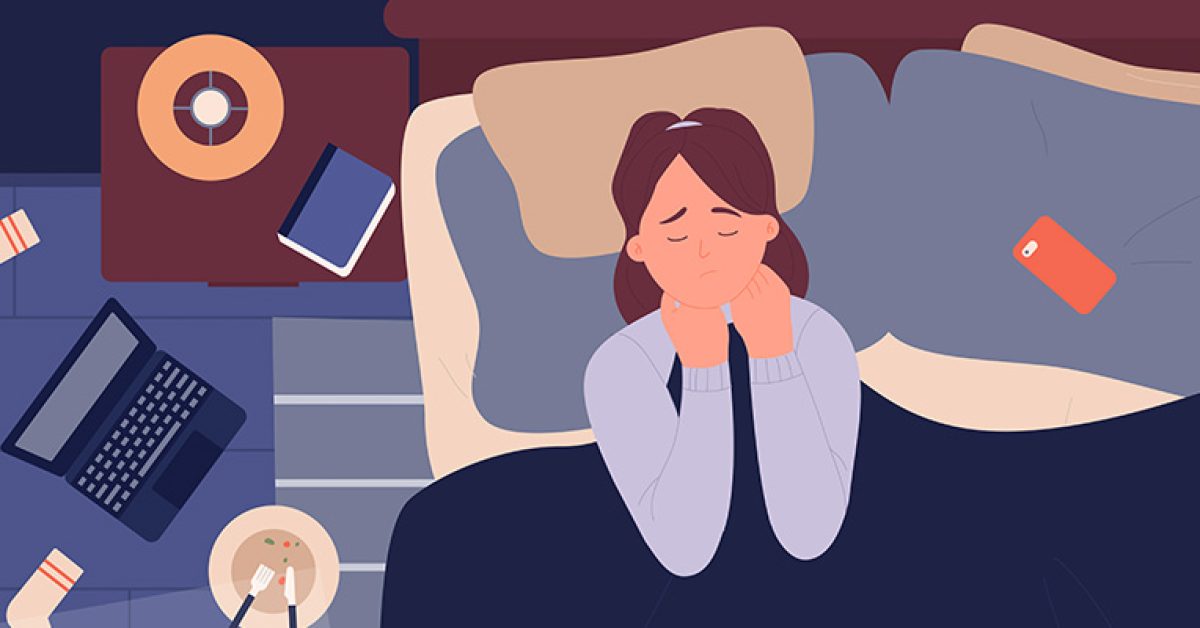
Feeling blue? You’re not alone.
Millions of people struggle to balance life’s demands while learning how to cope with depression. According to a 2025 Gallup poll, about 18.3 percent of U.S. adults—roughly 47.8 million people—report currently having or being treated for depression.
And an even higher percentage of young people struggle with low mood. About 19.2 percent of adolescents (age 12-19) experience depression as well, according to figures from the CDC.
Depression’s constant feeling of fatigue, emotional stress, and low mood can make life feel heavy. In these moments, it’s easy to fall into habits that can unintentionally make symptoms worse.
Depression’s constant feeling of fatigue, emotional stress, and low mood can make life feel heavy. Even the simplest parts of daily life can feel overwhelming.
Over time, you may slip into survival mode—doing just enough to get through the day. In these moments, it’s easy to fall into habits that can unintentionally make symptoms worse.
The good news? With the right support and strategies, you can avoid these painful patterns and begin making choices that help you regain a sense of control.
In this blog, we’ll explore practical structures and guidance to help you feel supported—not alone—as you work toward reducing emotional overwhelm and feeling better.
When dealing with depression, it’s natural for you to want to do what feels easiest and most comforting.
Sadly, even well-intended choices can sometimes work against you. Understanding what not to do in depression is just as important as knowing what to do.
For instance, you may decide to protect yourself by withdrawing from others, avoiding difficult emotions, or pushing through with negative self-talk. Unfortunately, such patterns cause more harm than good.
While coping with depression, it’s important to steer away from behaviors that can make recovery harder without you even realizing it. Here’s how:
Too much loneliness and isolation are highly associated with depression, according to research. That’s because humans are social beings. Satisfying social relationships are the antidote to low mood.
When you don’t get enough sleep, the regions responsible for focus, emotional control, and mood regulation in your brain become less efficient. This can cause you to become easily irritable and moody.
Alcohol or marijuana may provide temporary relief, but ultimately, they can depress brain function and make you feel worse.
Studies have shown that heavy alcohol use can worsen anxiety and depression. Brain SPECT imaging at Amen Clinics shows reduced cerebral blood flow in both marijuana and alcohol users. Lowered blood flow to the brain can negatively impact your brain function and mood.
Related: Alcohol or Marijuana: Which is Worse for Your Brain?
Research has shown that automatic negative thoughts (ANTs) are a hallmark feature of depression. Our thoughts lie to us a lot when we are experiencing low mood. Don’t believe them. Learn to question their accuracy and correct or reframe them.
Staying sedentary when depressed can worsen fatigue, low mood, and rumination. Light movement, like stretching, gentle yoga, or short walks, can help regulate your mood and boost your energy.
If you eat a poor diet, you are adding insult to injury. Research shows that a diet high in red and/or processed meat, refined carbohydrates and sweets, saturated fats, and low in fruits and vegetables is associated with an increased risk of depression.
During depressive episodes, you can easily assume that no one will understand your feelings. You might also worry that sharing your struggles will burden others. The truth is that shutting out support will only intensify the feeling of hopelessness and loneliness. Sharing your challenges with a trusted friend, family member, or therapist is a critical step in finding relief.
Another common depression pitfall is not seeking help early enough. Don’t get tempted to wait it out, hope it passes, or convince yourself that you can handle it. Delaying support often deepens the symptoms, making recovery feel even harder.
During depression, you begin to replay situations, feel guilty for things that aren’t your fault, or criticize yourself harshly. Guilt spiral and self-blame will only make you feel worthless and cause you to feel pain that you don’t deserve.
Beware of taking too much on when dealing with depression. It can drain the little energy you have. Accept your limits and avoid pushing yourself beyond your capacity, as it can lead to guilt, overwhelm, and deeper exhaustion.
Getting out of bed or taking a shower is a sign of resilience, not weakness. Don’t dismiss them as insignificant. That can make you feel stuck and hopeless. Take note of the small things you manage to do.
Related: Why are we so negative
Biologically, these behaviors disrupt your brain’s ability to produce, release, and use serotonin and dopamine, the neurotransmitters that regulate your mood and motivation.
Psychologically, patterns like isolation, self-blame, or avoidance can reinforce the negative thought circuits, which can make the low moods feel permanent.
Behaviorally, overcommitting, staying sedentary, or skipping sleep can increase your stress and fatigue. For example, someone who prefers to isolate themselves and stops engaging in small daily tasks may feel temporary relief but will likely end up stuck in deeper sadness and low energy.
The main goal when it comes to depression self-help is acknowledging how you feel at any given time and choosing gentle ways to support yourself. Here are steps you can take:
Reach out to support groups, family, or friends. Connecting with people will provide emotional relief, reduce loneliness, and strengthen your brain’s resilience to stress and anxiety.
Eat a brain-healthy diet, full of vegetables, fruits, whole grains, healthy fats, and lean protein. The right nutrition will balance your blood sugar and support your overall physical health, mood, and cognitive function.
Take a short walk, engage in light yoga, or stretch a little. Incorporating gentle movement in your day will help increase serotonin and dopamine, improve your motivation, and break cycles of rumination. Manage the difficult emotions with tools like deep grounding exercises and deep breathing.
Challenge negative self-talk and practice self-compassion. Treat yourself as you would a friend and rephrase the thoughts that reinforce blame, guilt, or hopelessness.
Establish a calming bedtime routine that will help you get consistent sleep. Minimize the time you spend on the screen and create a restful environment. Adequate sleep will help you support your neurotransmitter balance and, consequently, regulate your mood and energy.
Seek professional help early instead of waiting. Clinical evaluations, telehealth appointments, and therapy can help identify the underlying causes, guide treatment, and provide the tools you need to manage depression effectively.
Acknowledge your small wins and celebrate incremental progress. Tiny steps like getting out of bed and completing even a single task are all signs of resilience. Those are critical building blocks in your recovery path.
The following strategies will help you move forward in a steady, manageable way, even when depression feels strongest.
Start With Tiny, Doable Steps
Aim at accomplishing micro actions. Sit outside for two minutes, drink a glass of water, or stretch for 30 minutes. When you are operating on low energy, even the smallest step is still progress.
Lean on Accountability and Support
Share your goals with a friend who understands your journey or someone you trust. You could also join a support group or schedule regular check-ins with a professional. External support will help you stay grounded when motivation fades.
Choose Consistency Over Intensity
Focus on doing a little bit every day. Gentle, repeatable habits will help to strengthen your coping skills. Forget about the big, dramatic changes or the occasional bursts of effort.
Track Your Progress and Adjust Gently
Track how you feel and what habits you’re managing to keep. Adjust your expectations without judgment. Understand that progress isn’t linear, but noticing the patterns is what will help you stay on course.
READY TO BUILD HABITS THAT LIFT YOUR MOOD?
Focus on the small, manageable shifts and allow them to build over time. That one healthier choice, singular routine change, or moment of kindness is what you need to lift your mood.
While you’re avoiding the harmful habits, you’re creating room for healing in your mind and body to begin. Remember, progress in depression is slow, but absolutely achievable.
Yes. Without action, your symptoms can intensify, which can make your daily functioning harder and slow down the recovery process.
Start with one manageable action. You can get out of bed, go for a short walk, or reach out to a friend. Small, consistent steps will build momentum. Progress varies from one individual to another. However, many notice small improvements within days to a few weeks. Improvement is gradual. Consistency matters more than speed.
Seek treatment for depression if symptoms persist, worsen, or interfere with your daily life. Reach out for help if you experience thoughts of self-harm. Early guidance from a clinician will help improve the outcome.
Amen Clinics uses brain-based evaluations, including functional brain SPECT imaging, along with detailed clinical assessments to identify the specific type of depression you may be experiencing. This personalized approach helps guide more targeted and effective treatment.
Gallup website
“U.S. Depression Rate Remains Historically High,” September 9, 2025
https://news.gallup.com/poll/694199/u.s.-depression-rate-remains-historically-high.aspx
Accessed December 1, 2025
Centers for Disease Control and Prevention website
National Center for Health Statistics
https://www.cdc.gov/nchs/products/databriefs/db527.htm#section_1
Accessed December 2, 2015
Mushtaq, R., Shoib, S., Shah, T., & Mushtaq, S. (2014). Relationship between loneliness, psychiatric disorders and physical health? A review on the psychological aspects of loneliness. Journal of clinical and diagnostic research: JCDR, 8(9), WE01. doi: 10.7860/JCDR/2014/10077.4828
Schuckit, M. A. (2016). Alcohol, anxiety, and depressive disorders. Alcohol health and research world, 20(2), 81. https://pmc.ncbi.nlm.nih.gov/articles/PMC6876499/
Chahar Mahali, S., Beshai, S., Feeney, J. R., & Mishra, S. (2020). Associations of negative cognitions, emotional regulation, and depression symptoms across four continents: International support for the cognitive model of depression. BMC psychiatry, 20(1), 18. https://link.springer.com/article/10.1186/s12888-019-2423-x
Li, Y., Lv, M. R., Wei, Y. J., Sun, L., Zhang, J. X., Zhang, H. G., & Li, B. (2017). Dietary patterns and depression risk: a meta-analysis. Psychiatry research, 253, 373-382. https://doi.org/10.1016/j.psychres.2017.04.020

Infidelity evokes strong emotions, and few examples have captured public attention as vividly as last summer’s viral scandal.
The married former CEO of tech company Astronomer was seen on a Coldplay concert screen. He was leaning close to his mistress, who was also the company’s HR chief. The moment the couple recognized themselves on the giant kiss cam, they quickly pulled away. But not before Chris Martin, the band’s lead singer, quipped, “Either they’re having an affair or they’re just really shy.”
It was, of course, an extramarital affair. The moment spread across social media and news outlets within hours, giving the world a front-row seat to the betrayal. Watching it unfold in real time sparked intense and wide-ranging reactions.
Share on X: Neurotransmitters, reward systems, emotional regulation, and overall brain function can strongly influence decision-making and behavior—and this influence can increase an individual’s risk of cheating.
Yet, shocking as it may be, infidelity is far from rare. A 2022 survey found that 20 percent of men and 13 percent of women said they had an affair while married. When so many men and women step outside their committed relationships, it begs the question, why do people cheat? And more pertinent to the work of Amen clinics, could brain chemistry play a role in infidelity?
Infidelity is complex, and many reasons exist for why a person cheats. However, there is a neuroscience of infidelity. Neurotransmitters, reward systems, emotional regulation, and overall brain function can strongly influence decision-making and behavior—and this influence can increase an individual’s risk of cheating.
In this article, you will learn what causes infidelity, including how brain chemistry plays a role. You will also discover the varied reasons people cheat. Finally, we will explore how couples can heal after cheating.
Mother Nature knew what she was doing when she made the strong mix of brain chemicals that cause love and infatuation.
It appears that romantic love and infatuation are not so much an emotion as they are motivational drives. They are built into the brain’s reward system. These feelings intensify and compel lovers to seek mating partners.
The chemicals that stimulate the motivation and drive system in the brain are the neurotransmitters epinephrine, dopamine, serotonin, and phenylethylamine (PEA).
Here’s a closer look at these neurotransmitters of love:
| Neurotransmitter | What It Does |
|---|---|
| Epinephrine | Causes an adrenaline rush that increases heart rate, raises blood pressure, and quickens breathing. |
| Dopamine | Associated with pleasure, motivation, and concentration; activates the brain’s reward centers. High levels are linked to attraction and feeling sexy. |
| Serotonin | Known as the “feel-good” neurotransmitter, yet drops sharply during new love, likely causing obsession, anxiousness, and constant thoughts about a new partner. |
| PEA | An adrenaline-like substance that speeds communication between nerve cells. Triggered by attraction and known as the “love molecule,” it initiates surges of norepinephrine and dopamine that produce euphoria and infatuation. |
The enjoyable feelings and motivations behind romantic love come mainly from a mix of strong neurohormones in your brain. That may be why some neuroscientists say that love “blooms” in the brain!
But blossoms do not last forever, and neither does the high of new love. Neuroscientists have determined that after a period of anywhere from 6 months to 2 years, the brain downshifts its response, and the production of stimulating chemicals and levels of neurotransmitters like PEA start to drop off. It is the body’s innate wisdom to turn down the volume because it cannot maintain the lust-crazed state forever, or people would eventually collapse with exhaustion!
When the amazing high and trance-like bliss of falling in love and being infatuated with each other eventually fades, couples generally either progress into deeper love and commitment or make the decision to break apart and detach.
Many couples therapists say that many unnecessary divorces and breakups happen during this time. People often mistake the lack of intensity and excitement as a sign that they have fallen out of love.
For individuals vulnerable to addiction, falling in love can be a tricky business. The intoxicating neurochemicals of love have drug-like effects. Recent research on love and addiction shows that brain scans reveal both romantic love and drugs activate the brain’s reward pathway.
The rush of dopamine makes you want to see the person you care about all the time. You crave their presence and attention, which drives you to find them. The “wanting” loop is the same circuitry found in substance abuse.
Related: 9 Natural Ways to Balance Dopamine in the Brain
Hence, the withdrawal from the chemicals of infatuation can drive some individuals to look for other sex partners to try to re-create that high.
But that’s not the only brain-based factor that can drive infidelity.
Problems in the brain’s self-control network can also lead a person to cheat on their significant other. The self-control circuit balances different parts of the brain. The deep limbic system pushes you to seek pleasure. Meanwhile, the prefrontal cortex (PFC) helps you think twice before risky actions, like having an affair.
When the self-control circuit is balanced, it gives you adequate impulse control to stop you from having an affair with a coworker or with your significant other’s best friend. However, when the PFC is low in activity, it can create an imbalance that causes you to give in to your impulsive desires without thinking about the consequences.
Interestingly, low activity in the PFC is a hallmark feature of ADD/ADHD. A survey of 3,000 individuals with ADHD found that 39 percent of men and 40 percent of women with this condition had at least one physical affair – much higher numbers than in the general population.
The hormone testosterone might affect how likely a man is to look for a sexual partner outside his relationship. A 2019 study found that men with high testosterone levels were more likely to have extramarital affairs than men with lower levels.
Testosterone is involved in mood, motivation, and sexuality. High testosterone levels are linked to lower empathy and a strong sex drive. This combination may lead to having an affair. The negative results can include divorce, losing half your money, and seeing your children every other weekend.
Of course, cheating is not all about brain biology; there are other psychological factors at play. A recent study in the Journal of Sex Research looked at why nearly 500 young adults cheat. These adults admitted to being unfaithful while in a committed relationship.
The researchers identified eight common reasons people cheat:
The survey responses also provided a number of insights about infidelity. Here are some of the highlights:
Men were more likely to say they cheated for physical reasons. These reasons included sexual desire, wanting variety, and certain situations. On the other hand, women were more likely to cheat for emotional reasons, and mainly because of neglect.
People who cheated because of anger, revenge, lack of love, or a desire for variety had longer affairs. In contrast, affairs that happened due to situational infidelity, like being drunk or overwhelmed, ended sooner. Women tended to have longer affairs than men on average.
By nature, infidelity is secretive. That said, some cheaters were less careful than others—and maybe intentionally so.
People who cheated due to a lack of love or low self-esteem were more likely to go on public dates. They also showed more public displays of affection toward their partner. To the contrary, situational cheaters were more private, which may be because they hoped to keep their primary relationship and not get caught.
When cheaters felt less connected to their main partner, they felt more emotional closeness in the affair. This may show that they were trying to meet that need. When lack of love was the motivation, individuals found the experience more intellectually and emotionally satisfying as well.
Ultimately, the survey showed that infidelity is complex and unpredictable. When infidelity arose from anger, lack of love, low commitment, or neglect, it was more likely to end. It was less likely to end when the infidelity was circumstantial. The varying motivations associated with infidelity indicate it can happen to anyone – even among individuals in seemingly contented relationships.
An individual’s past actions, personality traits, attachment style, and genetics can also increase the risk of infidelity.
Past infidelity increases the risk of future infidelity, according to a longitudinal study. The study found that people who cheated in their first relationship were three times more likely to cheat again. This was compared to those who did not cheat in their first relationship.
An individual’s personality type and attachment style can indicate a higher risk of infidelity. For example, people who cheat in romantic relationships tend to score higher in neuroticism. This means they may feel more anxious, unstable, and moody. They also score higher in openness to experience and extraversion. However, they score lower in conscientiousness. studies show.
Individuals who have subclinical levels of psychopathy, narcissism, and Machiavellianism – called Dark Triad traits – are well-known to have higher risk of infidelity. Research indicates that people with insecure attachment styles are more likely to cheat in marriages. This is especially true for those who are very anxious or avoidant.
Incredibly, there appears to be a potential genetic link to infidelity in some individuals. Researchers found that differences in dopamine signaling may make cheating more likely. This is especially true for people with lower dopamine levels. Specifically, research links genetic differences in dopamine receptor D4 to infidelity and unfaithfulness. It’s possible that this genetic makeup magnifies the brain’s response to novel and exciting experiences, making cheating more compelling.
Even though many factors contribute to infidelity, one cannot overlook the role of the relationship itself. Longitudinal research shows that decreased satisfaction in a present relationship is closely related to infidelity among married people.
There are a host of factors that lead to relationship dissatisfaction. Psychologist John Gottman, cofounder of the Gottman Institute, studied marriage. He found that one of the worst things in a marriage is when a person ignores their partner’s attempt to connect. (A bid is any gesture, verbal or nonverbal, that asks for your partner’s support, affection, or attention.)
Rejected bids can cause emotional neglect, little to no effective communication, and sexual dissatisfaction, ultimately making infidelity more likely to happen.
Big stressors, like losing a job, money problems, illness, or caring for aging parents, can affect how we feel. Life changes, such as moving, starting a new job, or becoming a parent, can also play a role.
These factors can lead to more conflict in relationships. People may seek understanding and affection outside their relationships when this happens. Of course, stress also impairs self-control, which raises the odds of turning to an outside partner.
Substance abuse harms relationships. It breaks trust through lies and secrecy. It also replaces emotional closeness with selfishness and neglect. It promotes infidelity by lowering inhibitions and judgment, making risky behaviors like cheating more probable.
Being close to coworkers can lead to emotional or sexual affairs. This can happen when you interact with them often, either in the office or during business trips. This also applies to virtual contact through social media and dating apps.
Infidelity causes many emotions in both the cheater and the betrayed. These feelings include anger, sadness, loss, anxiety, and depression. It can also lead to low self-esteem and sometimes PTSD. The emotions can be overwhelming.
To reduce blame and encourage healing, it is important to understand why a person cheats. This includes looking at their brain motivations, personality traits, attachment styles, and relationship dynamics. Addressing these underlying factors that contribute to infidelity is an essential part of healing.
Couples therapy can provide a safe place to express difficult feelings and begin to address underlying issues. With help and guidance, two willing partners can grow closer again by becoming more aware of patterns, learning to communicate needs, and taking care of brain issues. Slowly, over time, they can rebuild trust together.
No, but brain biology can play a role. For example, some individuals have brains with low activity in the prefrontal cortex, which can impair their ability to control impulses and make sound judgments, increasing cheating risk.
Or the feel-good neurochemicals released with new love can be like a drug for some individuals, motivating them to seek the excitement and novelty of a new partner in order to feel that euphoria again.
No. There are many factors that lead to infidelity. Brain chemistry is one of them.
In some cases, it is about sex. Numerous studies indicate that men are more likely than women to cheat for purely sexual reasons or opportunism.
But more often, for both men and women, cheating results from a combination of factors including brain function, personality traits, and relational issues (emotional neglect, poor communication, resentment, etc.), to name a few.
Yes, Amen Clinics uses brain SPECT imaging and detailed clinical evaluations to identify patterns of brain activity that may increase vulnerability to cheating, such as low prefrontal cortex activity (linked to impulsivity), overactive emotional centers, or brain patterns associated with addiction-like behaviors.
By understanding how a person’s brain functions, clinicians can create a personalized plan to strengthen impulse control, improve emotional regulation, and support healthier relationship choices.
Infidelity, hormonal imbalances, relationship problems, and related mental health conditions can’t wait. At Amen Clinics, we provide personalized, science-backed treatment plans designed to target the root causes of your symptoms. Our 360-approach includes brain SPECT imaging, clinical evaluations, innovative therapeutic techniques, medications (when necessary), and holistic lifestyle recommendations to promote the health of your brain, body, and mind. Speak to a specialist today at 888-288-9834 or visit our contact page here.

During this stage, you begin to navigate major life transitions, including choosing a career or education path, managing your finances, shifting relationships, and exploring personal identity.
Remember, at this stage, the brain regions responsible for stress management, decision-making, and emotional regulation are still developing. These overlapping demands could easily result in stress that is difficult to handle without the right support.
The good news? It doesn’t have to be so daunting. You only need to have the right tools and mindset to turn these challenges into opportunities for growth. So, let’s explore these challenges, and how you can overcome them to make adulting easier to mange.
While your early stages of adulthood may feel exciting and liberating, they can also overwhelm you with pressures you never saw coming.
From time to time, you’ll find yourself asking, “But why is adulting so hard?” This is because early adulthood is less about having all the answers and more about learning how to navigate challenges.
Here are common issues you’re likely to encounter:
Young adulthood mental health has become a growing concern. Research shows that about 50 percent of all mental disorders begin by age 14, and 75 percent take root by age 24.
Many young people are experiencing heightened stress, anxiety, and depression as they navigate work, school, and relationships.
According to research, some engage in self-harm, underage drinking, or cannabis use to cope. Studies show that teen girls are suffering from record rates of sadness and suicidality, but it doesn’t have to be this way.
If you experience the following signs, seek professional help before the challenges escalate.
Related: Why are Teen Girls Suffering from Record Levels of Sadness and Suicidality?
Among other adulting challenges, young people often have the added stressor of balancing student loans with rising rents and other bills. Or they may be unable to leave their parents’ home because they can’t afford to strike out on their own.
In recent years, studies have shown that young adults today are further disadvantaged by a lack of financial literacy, money management skills, and income stability.
In past generations, a college degree might have been seen as a surefire path to employment. Or landing a job would be considered a decades-long commitment, providing stability for a lifetime.
Choosing a career path or job is one of the many obstacles in young adulthood today. You are more likely to switch roles many times over the course of your life, or you hold multiple jobs at once to make ends meet.
As priorities shift in a young adult’s life, building and maintaining relationships can prove challenging. Other young adult challenges involve navigating friendships that may fall away as you move from high school to college or enter the workforce.
Dating and forming romantic relationships can be an intense testing ground for interpersonal skills that are still under development.
While teens and young adults are often eager to exert independence, they may be unfamiliar with how to tackle typical adult tasks. Managing household chores and responsibilities, such as cooking, grocery shopping, and maintaining a home, can feel mysterious or difficult.
These are common problems in early adulthood, especially if you are also balancing school and work. We all know what it’s like to feel pulled in a hundred directions, and young adults feel the strain, too.
Young people today are shaping their identity in a rapidly changing world that seems to shift by the minute, due to factors like technology and social media.
With these advancements comes a new pressure to conform to societal expectations and to make unfavorable comparisons with others online.
Such pressures can contribute to young adult mental health issues, as constant comparison can affect self-esteem, mood, and overall well-being. Not surprisingly, social media use has been studied for its link to mental health problems, including eating disorders, attention issues, addictive behavior, depression, and more.
Related: Is Social Media Causing the Youth Mental Health Crisis?
As life evolves for teenagers and young adults, they might experience a feeling of being disconnected from their childhood friends. This shift can negatively impact early adulthood mental health as loneliness increases emotional strain.
Because young people are now accustomed to connecting online versus in-person, a reality further accelerated by the pandemic, they might feel lonely or unsupported.
According to a report published in 2022, only a small portion (27 percent-33 percent) of children and adolescents aged 5-17 years are getting the recommended 60 minutes or more per day of moderate-to-vigorous-intensity exercise.
Researchers hypothesize that factors like pandemics, war/conflicts, and climate or economic changes might decrease these numbers further in the future. Because physical health has such a profound impact on mental health, it’s crucial to prioritize a healthy diet and exercise.
Balancing all aspects of health is challenging for everyone in our fast-paced society. As young people juggle school, work, relationships, self-development, and more, they face a greater risk of burnout and overcommitment.
In addition, as a result of the increased job competition mentioned above, they may feel an even more intense pressure to perform and succeed. Therefore, it’s important that they learn strategies for effective time management and allow themselves to take regular breaks for self-care.
Challenges in young adulthood tend to overlap instead of unfolding one after another. As a result, they intensify each other, creating a compounding effect that can impact their emotions and relationships.
For instance, having financial stress can activate your brain’s fear and alarm centers, raising your anxiety levels. When anxiety spills into your relationships, it can cause irritability, misunderstandings, and withdrawal.
Relational strain can drain your energy and worsen underlying mental health symptoms.
It’s normal to get stressed during your late teens and early twenties. However, research shows that it can be harmful when it begins to turn into chronic anxiety, depression, avoidance, or noticeable impairment in your daily life.
Watch out for warning signs like:
To manage young adulthood, you’ll need to build practical skills and habits that will support your emotional, mental, and financial well-being. Below are key strategies that can help you navigate this stage:
As a young adult, you may be dealing with unique stressors, but it’s important to understand that this is a time full of opportunities to discover yourself, learn, and grow. The pressures you’re facing aren’t signs that you are failing. They are a natural part of developing resilience, independence, and life skills.
Learn to approach challenges as opportunities rather than setbacks. Focus on small practical steps such as seeking support, exploring your values, and building healthy habits.
They will make adulthood manageable. Every challenge you navigate boosts your confidence, strengthens your ability to thrive in the coming years.
If stress starts affecting your mood, relationships, school, work, or daily functioning, it’s no longer “normal.” Persistent anxiety, sadness, burnout, or using substances to cope are signs to get support.
Your brain is still developing in areas tied to decision-making, emotional regulation, and stress control. Pair that with big life transitions and overwhelm is common, not a character flaw.
Often, yes. Changes in sleep, diet, exercise, therapy, and thought patterns can help. But if symptoms persist, a personalized treatment approach may be needed..
Feeling unsure is normal. Start small: explore interests, reflect on your values, try new experiences, and seek guidance from mentors or a therapist to gain clarity.
Amen Clinics uses brain SPECT imaging and whole-person evaluations to uncover the root causes of anxiety, depression, burnout, attention issues, and more. This leads to personalized, science-backed treatment plans designed to help young adults feel better faster.