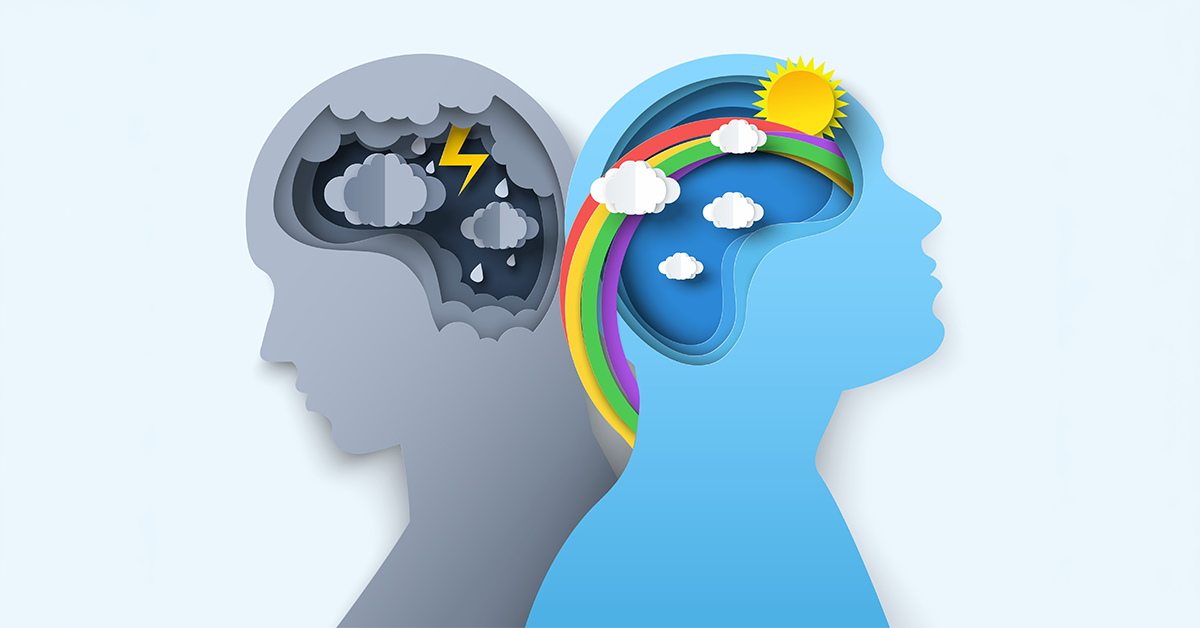
Learn how what you eat affects your mood, energy, and motivation. Discover mood-boosting eating habits from the experts at Amen Clinics.
Table of Contents
Is Your Diet Making You Depressed?
What if the key to lifting your mood isn’t found in a pill bottle, but on your plate? The sadness, low energy, or brain fog you’ve been struggling with may not be “all in your head”—it may be fueled by what you eat.
A growing body of research reveals a strong connection between diet and depression. The foods you choose every day don’t just fuel your body, they also influence your brain chemistry, impact your gut health, drive inflammation, and affect your mental clarity.
At Amen Clinics, where we’ve studied nearly 300,000 brain scans, we’ve seen firsthand how poor nutrition can impair brain function and contribute to mood disorders. That’s why our approach combines nutritional psychiatry, brain imaging, and functional medicine to uncover hidden causes of depression—and empower you with food and lifestyle strategies that support long-term healing and emotional resilience.
Here’s what you need to know about diet and depression.
The foods you choose every day don’t just fuel your body, they also influence your brain chemistry, impact your gut health, drive inflammation, and affect your mental clarity.
HOW DOES DIET INFLUENCE DEPRESSION AND MOOD DISORDERS?
According to research, a poor diet not only starves your brain of the nutrients it requires to function optimally, but it also increases your vulnerability to anxiety, depression, and other mood disorders.
What’s the Gut-Brain Connection to Depression?
If you want to truly understand the link between diet and depression, you need to look beyond the brain and into the gut. Studies show that your digestive system isn’t just breaking down food—it’s constantly sending and receiving messages from your brain through what’s known as the gut-brain axis.
A healthy gut microbiome produces key neurotransmitters like serotonin and dopamine, which play an essential role in stabilizing mood, regulating sleep, and supporting focus. In fact, about 90 percent of the body’s serotonin is made in the gut, not the brain.
But when your gut is out of balance—due to a poor diet, chronic stress, infections, or even overuse of antibiotics—it can disrupt this delicate communication. An unhealthy microbiome can trigger nutrient deficiencies, increase systemic inflammation, and send distress signals to the brain. The result? Greater risk for symptoms of anxiety and depression.
In other words: when your gut isn’t happy, your brain often isn’t either.
How Do Food Choices Impact Neurotransmitters?
Your brain depends on certain nutrients from food to produce neurotransmitters. These chemical messengers—such as dopamine, serotonin, and GABA—regulate your mood, motivation, relaxation, and more.
For instance, amino acids from protein help to build dopamine and serotonin, while vitamin B6 and magnesium help support the production of GABA. A diet overloaded with sugar and processed food lacks these nutrients and therefore can throw off the balance of mood-regulating chemicals.
This may make you feel demotivated, anxious, or emotionally unstable. Choosing nutrient-rich, whole foods will help to keep you maintain balance in your brain chemistry and keep your mood steady.
Some everyday foods may be the reason behind your low moods and brain fog. Understanding the link between diet and depressive disorders can help you make choices that support better mental health.
Are Processed and Sugary Foods Affecting Your Mood?
Refined sugars and processed foods like candy, white rice, bread, pasta, and soda may give you a quick boost, but they often lead to sharp spikes and crashes in blood sugar. The highs and lows can leave you feeling irritable, unfocused, anxious, and emotionally drained.
With time, these diets can contribute to chronic inflammation, insulin resistance and oxidative stress, all of which negatively impact your brain function and are linked to depression.
Could Gluten or Dairy be Hidden Triggers?
Some of the so-called “healthy” foods, such as whole wheat bread or yogurt, can cause problems for some people. Food sensitivities, particularly to gluten, which is a protein found in wheat, and casein, the protein in dairy, can trigger inflammation in your brain.
For sensitive individuals, the inflammation may lead to symptoms like fatigue, brain fog, headaches, bloating, irritability, and low mood. Since these reactions may be subtle and are often delayed, most people don’t realize that what they ate a day or two earlier could be contributing to their emotional distress.
Why Do Artificial Additives Matter?
Food dyes, sweeteners, and preservatives are some of the artificial additives that may seem harmless. However, growing research suggests that they can have a negative impact on brain health and emotional wellbeing, particularly in individuals who are sensitive.
Some of the synthetic dyes and preservatives offer no nutritional value but have been associated with irritability, hyperactivity, and mood swings, especially in children.
Aspartame and sucrose are some of the artificial sweeteners that may interfere with the production of neurotransmitters, contributing to depression and anxiety in some people.
WHAT NUTRIENTS ARE YOU MISSING THAT COULD BE IMPACTING YOUR MENTAL HEALTH?
Surprisingly, you could be eating regularly but not supplying your brain with the nutrients it needs to thrive. Changing your eating habits can be a powerful tool in managing diet and depression effectively.
How Do Nutrient Deficiencies Contribute to Depression?
As mentioned earlier, your brain depends on certain nutrients to regulate energy, mood, and cognitive function. When you are low in key minerals and vitamins, it can have a direct impact on how you think and feel. It’s also important to look out for the mild deficiencies as they can also erode your emotional resilience silently.
Consider this:
Vitamin D plays a significant role in the production of your brain’s feel-good chemical, serotonin. Deficiencies here are associated with fatigue, low mood, and Seasonal Affective Disorder (SAD).
Omega-3 fatty acids are important for brain structure and communication between nerve cells. Low levels are associated with mood disorders, including depression.
B Vitamins, especially folate (B9) and B12, help in the production of brain chemicals that influence mental performance and mood. Without enough of these vitamins, you may end up experiencing brain fog, prolonged sadness, and irritability.
Zinc supports the immune system and brain signaling. When you have inadequate levels, your ability to cope with stress can be weakened. Research shows that low levels of zinc can also be associated with treatment-resistant depression.
Magnesium aids in regulating the nervous system and can calm the stress response. Insufficient levels of magnesium can cause you to suffer from sleep disturbances, anxiety, and depressive symptoms.
WHAT DOES A DEPRESSION DIET LOOK LIKE?
Studies indicate that a diet for depression can help balance moods and protect mental health. Knowing the foods that fight depression is key to eating right.
What Foods Support Emotional and Cognitive Well-being?
Prioritize nutrient-dense foods that support both your emotional stability and cognitive sharpness. Anti-inflammatory foods, wild-caught fish, leafy greens, berries, avocados, legumes, and clean proteins offer essential vitamins, minerals, and healthy fats to fuel your brain.
Eating these brain foods will improve your mood, mental clarity, and protect you against age-related cognitive decline. Look at the chart for Happy Foods to consume and Sad Foods to avoid.
Happy Foods
Sad Foods
Foods that spark endorphins: Spicy foods (jalapeño, habanera, chili, and other peppers) and dark chocolate
Fruits and vegetables: Eat up to eight servings a day to boost levels of happiness; tomatoes have been shown to lift mood
Serotonin-rich foods: Combine tryptophan-containing foods (eggs, turkey, seafood, chickpeas, nuts, and seeds) with healthy carbohydrates like sweet potatoes and quinoa to drive insulin into the brain
Prebiotic-rich foods: Dandelion greens, psyllium, artichokes, asparagus, beans, cabbage, raw garlic, onions, leeks, and root vegetables (carrots, jicama, beets, turnips and more)
MACA: A root vegetable native to Peru
Simple carbs, such as bread, rice, pasta, and potatoes, which increase inflammation and the risk of depression and negativity
How Does Balanced Eating Improve Brain Performance?
Balanced eating provides steady energy and essential nutrients. Including fiber-rich foods, healthy fats, and clean protein consistently in your diet helps to stabilize your blood sugar levels and prevent the energy crashes that can trigger fatigue, mood swings, and poor concentration.
Omega-3s support your brain cell structure and communication, protein supplies the amino acids that help produce neurotransmitters, and fiber promotes your gut health. Together, they sustain your mental stamina.
WHAT SHOULD YOU DO IF YOU SUSPECT YOUR DIET IS AFFECTING YOUR MOOD?
Take action. Start by understanding the connection between low moods and food. Track your food intake on a daily basis and note how it affects your emotions. With time, you may begin to see patterns emerge.
If your symptoms don’t improve, seek help from a mental health professional who understands that treating depression needs to involve a whole-person approach.
At Amen Clinics, we understand that what you eat largely affects your moods, motivation, and energy. Our clinicians create targeted nutrition plans for depression that will help you improve moods and enhance brain function.
Amen Clinics takes a whole-person approach to healing that involves four key aspects of life: biological, psychological, social, and spiritual. Nutritional psychiatry falls within the biological circle as one part of a comprehensive healing plan.
Through comprehensive lab testing, Amen Clinics can uncover nutrient deficiencies that could be affecting your brain health and mood. By identifying low levels of vital nutrients like vitamin D, magnesium, zinc, omega-3s, and B vitamins, we can create a personalized supplement plan tailored to meet your brain’s specific needs.
Our clinicians at Amen Clinics create personalized brain-healthy meal plans tailored to your unique needs. Targeted nutraceuticals may also be recommended as nutritional support to help optimize brain function. Most depressed patients report improvements in depression symptoms when they follow a brain-healthy diet.
Absolutely! At Amen Clinics, we’ve seen tens of thousands of people with depression experience great improvements in mood, emotional stability, and overall wellbeing when they switch to eating the best brain foods.
Nourishing your body with the right foods gives it the tools it needs to heal and function better, helping you to feel more like yourself again.
Depression, mood disorders, and other mental health conditions can’t wait. At Amen Clinics, we provide personalized, science-backed treatment plans designed to target the root causes of your symptoms. Our 360-approach includes brain SPECT imaging, clinical evaluations, innovative therapeutic techniques, medications (when necessary), and holistic lifestyle recommendations to promote the health of your brain, body, and mind. Speak to a specialist today at 888-288-9834 or visit our contact page here.
Amen Clinics
Founded in 1989 by double-board certified psychiatrist and neuroscientist Daniel G. Amen, MD, Amen Clinics Inc. (ACI) is known as the best brain and mental health company in the world. Our clinical staff includes over 50 healthcare specialists, including adult and child psychiatrists, integrative (functional) medicine physicians, naturopaths, addiction specialists, forensic psychiatrists, geriatric psychiatrists, nutritionists, licensed therapists, and more. Our clinicians have all been hand-selected and personally trained by Dr. Amen, whose mission is to end mental illness by creating a revolution in brain health. Over the last 35-plus years, ACI has built the world’s largest database of functional brain scans—over 250,000 SPECT scans on patients from 155 countries—related to how people think, feel, and behave.
Wu, H., Gu, Y., Meng, G., Zhang, Q., Liu, L., Wu, H., Zhang, T., Wang, X., Sun, S., Wang, X., Zhou, M., Jia, Q., Song, K., Chang, H., Tao, H., & Niu, K. (2023). Relationship between dietary pattern and depressive symptoms: an international multicohort study. International Journal of Behavioral Nutrition and Physical Activity. Published June 20, 2023.
Menniti G, Meshkat S, Lin Q, Lou W, Reichelt A, Bhat V, et al. Mental health consequences of dietary restriction: increased depressive symptoms in biological men and populations with elevated BMI. BMJ Nutrition, Prevention & Health. 2025; DOI: 10.1136/bmjnph‑2025‑001167.
Osadchiy, V., Martin, C. R., & Mayer, E. A. (2019). The Gut–Brain Axis and the Microbiome: Mechanisms and Clinical Implications. Clinical Gastroenterology and Hepatology, 17(2), 322–332. PMID: 30292888; PMCID: PMC6999848.
Gómez-Pinilla, F. (2008). Brain foods: the effects of nutrients on brain function. Nature Reviews Neuroscience, 9(7), 568-578.
Center for Science in the Public Interest (CSPI). Synthetic Food Dyes and California’s OEHHA Assessment: Fact Sheet. March 2022. California Office of Environmental Health Hazard Assessment (OEHHA) concluded that the scientific literature indicates synthetic food dyes can impact neurobehavior in some children.
Petrilli, Matthew A et al. “The Emerging Role for Zinc in Depression and Psychosis.” Frontiers in pharmacology vol. 8 414. 30 Jun. 2017, doi:10.3389/fphar.2017.00414
Many Americans Are Seeking A “Magic Bullet,” Such As Ozempic, For Weight Loss. But What Are the Mental Health Side Effects?
You may have already heard about some of the newest weight-loss drugs’ unwanted physical side effects, such as “Ozempic butt” and “Ozempic face.” But, as usage of these medications grows, even more possible downsides are being put under the microscope.
Most disturbingly, people who are using Ozempic-style drugs are reporting concerning mental health changes that have led experts to coin the term “Ozempic personality.” Here, we’ll explore the growing popularity of these drugs and their potentially serious side effects, including how they may manipulate your mind.
THE RISE OF OZEMPIC
The medications known broadly as Ozempic actually include various drugs, such as Wegovy, Mounjaro, and Zepbound. These are all glucagon-like peptide-1 receptor agonists (GLP-1 RAs).
Back in 2015, a review of clinical studies reported that this category of drugs offered “attractive options for the treatment of type 2 diabetes,” due to their abilities to lower both A1C (blood sugar levels) and weight.
At that time—now nearly a decade ago—the review noted that this class of drugs had grown over the previous decade. Several types were already available in the U.S. and Europe, and several more were being developed.
The researchers explained that GLP-1 RAs provide the body with GLP-1, a peptide hormone, with the ultimate effect of reducing glucose and weight through several mechanisms:
Increasing glucose-dependent insulin secretion
Decreasing glucagon secretion
Delaying gastric emptying
Increasing feelings of satiety
However, while these drugs have existed for years, 2023 ushered in such a widespread awareness of them that publications like TheNew Yorker called it “The Year of Ozempic.”
Also in 2023, Science named GLP-1 RAs as its Breakthrough of the Year. The journal praised these drugs’ potential for lowering obesity (and its associated chronic diseases), heart attack and stroke risk, and the symptoms of heart failure.
It’s important to note that Ozempic, designed to fight type 2 diabetes, is not advertised as a weight-loss drug. Others in the category—like Wegovy, made by the same manufacturer—are. But these drugs have in common the side effect of weight loss, which was seized upon by an American public that notoriously struggles with weight issues.
According to data from the 2017-18 National Health and Nutrition Examination Survey (NHANES), nearly 1 in 3 adults (30.7%) are overweight, and more than 2 in 5 (42.4%) are obese. Among children ages 2-19, 16.1% are overweight and 19.3% are obese.
It’s no surprise that so many people are seeking a “magic bullet,” such as Ozempic, to help them with their weight-loss goals. But drugs like Ozempic, Saxenda, Wegovy, Mounjaro, and Zepbound do not come without side effects.
Since these drugs have surged in popularity (even triggering availability shortages), both the media and users have reported on a few of their downsides. “Ozempic face” describes a hollowed, sunken, or sagging facial appearance. “Ozempic butt” refers to a similar type of sagging in the buttocks area.
But more concerning than any physical side effects are the reports of users experiencing mental health problems and personality changes as a result of taking these drugs.
WHAT IS OZEMPIC PERSONALITY?
“Ozempic personality” refers to mood and behavior changes in people taking the drugs. According to numerous reports, GLP-1 RAs are causing mental health disorders like anxiety, depression, and suicidal thoughts in users. Medical experts told the New York Post that there could be several reasons for these changes, including:
Suppressed dopamine systems
Lack of proper nutrients due to reduced hunger
Losing eating as a stress coping mechanism
Disappointment with quality of life after weight loss
The New York Post also pointed out that drugs advertised for weight loss, like Wegovy and Saxenda, are required to warn users about the possibility of suicidal thoughts. But Ozempic, the treatment targeting diabetes, doesn’t need to carry the same warning.
Similarly, a report by NPR in September 2023 warned of the “possible mental health side effects” that users were increasingly reporting after taking these medications. The article noted that the FDA had fielded nearly 500 complaints through its adverse event reporting system.
These patients complained of side effects like anxiety and depression, as well as suicidal thoughts, while taking semaglutide drugs (a category that describes Ozempic, Wegovy, and Rybelsus). NPR adds that suicidal thoughts were reported in 96 of the complaints—and 5 of the patients died as a result, though it’s not known whether these drugs were the cause.
In another less-serious, but still disruptive, side effect, some patients have experienced a lack of interest in sex or loss of libido. This can be related to the anhedonia (a common symptom in people with depression) that some Ozempic users have also reported.
Anhedonia describes a loss of interest in usually pleasurable activities, and a lack of ability to feel pleasure. In fact, the way that these weight-loss drugs impact dopamine, desire, and cravings has led experts to explore their potential for treatment of other addictions.
Side effects may also occur due to the lifestyle changes that these weight-loss drugs inspire. We know that ultra-processed foods and sugar are addictive substances, and it’s not unusual for people to struggle with mental health issues or mood changes due to addiction withdrawal.
Patients who have undergone bariatric surgery, for example, have also shown an increased risk for mental health conditions like clinical depression, anxiety disorders, eating disorders, psychotic syndromes, and suicide.
Others may be simply reckoning with themselves in a new way after losing weight. While maintaining a healthy weight is crucial for better health overall, it’s not a cure-all that guarantees quality of life or optimal mental health. This can trigger feelings of demoralization or disillusionment, and even symptoms of depression.
ADDITIONAL PITFALLS OF OZEMPIC
While we can only speculate on the future of GLP-1 RAs, there appear to be no shortcuts to permanently enjoying better health. A 2022 study of nearly 2,000 adults found that, within 1 year after taking semaglutide drugs weekly for 68 weeks, participants regained two-thirds of the weight they had lost. Their cardiometabolic improvements reflected similar results.
In addition, semaglutide GLP-1 RAs have been studied for their potential for abuse, misuse, and withdrawal effects. One study published in 2022 warned that non-obese patients who simply desired minor weight loss could be prone to abusing these drugs as “image- and performance-enhancing” substances.
Despite these drugs’ growing popularity among Americans, the safest way to lose weight is still through the tried-and-true methods versus quick fixes. Instead of reaching for an injection that may harm your body and brain, aim for a healthy diet that eliminates ultra-processed foods, a regular exercise routine, proper sleep, and stress reduction.
WHEN WEIGHT-LOSS DRUGS BECOME DANGEROUS
If you or a loved one is experiencing symptoms of the “Ozempic personality,” such as depressed mood, increased anxiousness, or suicidal ideation, reach out for help from a mental health professional immediately. (In cases of emergency, contact 911 or 988, the Suicide & Crisis Lifeline.)
The long-term effects of drugs like Ozempic, Wegovy, Mounjaro, and Zepbound will only be revealed in the years and decades to come. But even the short-term downsides for mental health can be devastating—or possibly even deadly.
Educate yourself before starting any new medication, and always remain on the lookout for mental health changes that may signal a serious issue.
Reviewed by Amen Clinics Inc. Clinicians
We Are Here For You
Depression, anxiety, suicidal thoughts, and other mental health issues can’t wait. At Amen Clinics, we’re here for you. We offer in-clinic brain scanning and appointments, as well as mental telehealth, clinical evaluations, and therapy for adults, teens, children, and couples. Find out more by speaking to a specialist today at 877-596-0699 or visit our contact page here.
Founded in 1989 by double-board certified psychiatrist and neuroscientist Daniel G. Amen, MD, Amen Clinics Inc. (ACI) is known as the best brain and mental health company in the world. Our clinical staff includes over 50 healthcare specialists, including adult and child psychiatrists, integrative (functional) medicine physicians, naturopaths, addiction specialists, forensic psychiatrists, geriatric psychiatrists, nutritionists, licensed therapists, and more. Our clinicians have all been hand-selected and personally trained by Dr. Amen, whose mission is to end mental illness by creating a revolution in brain health. Over the last 35-plus years, ACI has built the world’s largest database of functional brain scans—over 250,000 SPECT scans on patients from 155 countries—related to how people think, feel, and behave.
Vox, “Is Ozempic an anti-desire drug?” by Brian Resnick, https://www.vox.com/science/24086968/glp-1-ozempic-semaglutide-craving-desire-science-wanting-liking-opioids-alcohol
Francois Z, Rizvi A. Psychiatric Complications of Bariatric Surgery. [Updated 2024 May 17]. In: StatPearls [Internet]. Treasure Island (FL): StatPearls Publishing; 2024 Jan-. Available from: https://www.ncbi.nlm.nih.gov/books/NBK604208/
Wilding JPH, Batterham RL, Davies M, Van Gaal LF, Kandler K, Konakli K, Lingvay I, McGowan BM, Oral TK, Rosenstock J, Wadden TA, Wharton S, Yokote K, Kushner RF; STEP 1 Study Group. Weight regain and cardiometabolic effects after withdrawal of semaglutide: The STEP 1 trial extension. Diabetes Obes Metab. 2022 Aug;24(8):1553-1564. doi: 10.1111/dom.14725. Epub 2022 May 19. PMID: 35441470; PMCID: PMC9542252.
Chiappini S, Vickers-Smith R, Harris D, Papanti Pelletier GD, Corkery JM, Guirguis A, Martinotti G, Sensi SL, Schifano F. Is There a Risk for Semaglutide Misuse? Focus on the Food and Drug Administration’s FDA Adverse Events Reporting System (FAERS) Pharmacovigilance Dataset. Pharmaceuticals (Basel). 2023 Jul 11;16(7):994. doi: 10.3390/ph16070994. PMID: 37513906; PMCID: PMC10384093.
Facebook-f X-twitter Youtube TL;DRNegative thinking isn’t just a habit. New study shows it may be linked to changes in brain function. Strong negativity bias is associated
Facebook-f X-twitter Youtube TL;DRKatie Jolly struggled with mental health challenges for most of her life, often feeling ashamed and without clear answers.Her breakthrough came after
Content updated from previous publish date.
Are you one of those people who can’t resist ordering dessert when the restaurant staff brings the dessert tray to your table? Do you get intense urges to snack on something sweet or salty when the clock hits 3 p.m.? Do you reflexively grab a candy bar while in the checkout line at the grocery store? Why is it so hard for some of us to resist cravings? It depends on how your brain functions.
Low blood sugar levels can make you feel hungry, irritable, or anxious—all of which make you more likely to make poor food choices.
Cravings involve several brain circuits and neurotransmitters, including:
Prefrontal cortex (PFC): The PFC acts as the brain’s brake and is involved in impulse control and judgment. When it is healthy, it helps you say no to the cookies, chips, or candy that is calling out to you.
Pleasure and reward centers: This brain region, called the nucleus accumbens, provides the passion and motivation to drive behavior. When activity in this region is balanced, it helps you choose the apple instead of the apple pie. When the pleasure centers are worn out from overuse, it makes you want more sugary, fatty concoctions.
Emotional centers: The deep limbic system ties emotional memories to foods and can increase the value of certain foods that are linked to good memories.
Dopamine: Eating triggers the release of dopamine, which is involved in motivation and salience. Consuming sweet, salty, scrumptious snacks increases the amount of dopamine released.
When activity in the PFC is healthy, these brain systems and neurotransmitters work together to help you fight off cravings. However, if there is low activity in the PFC, it can allow the pleasure and emotional centers to hijack your brain and drive you to cave to cravings. If you routinely give in to your urges to snack on unhealthy fare, you can learn to fight back and regain control of your brain with the following 5 tips.
5 BRAIN-BASED TIPS TO CONQUER CRAVINGS
1. Keep your blood sugar balanced.
Low blood sugar levels are associated with lower overall brain activity, including lower activity in the prefrontal cortex (PFC), the brain’s brake. Low brain activity here means more cravings and more bad decisions. Low blood sugar levels can make you feel hungry, irritable, or anxious—all of which make you more likely to make poor food choices. A study in the Journal of Personality and Social Psychology outlines the critical nature of blood sugar levels and self-control. They write that self-control failures are more likely to occur when glucose is low. Restoring glucose to a sufficient level typically improves impulse control.
Conquer Cravings: To balance blood sugar levels, eat smaller meals with protein throughout the day. In addition, avoid alcohol because it reduces glucose throughout the brain and body and impairs many forms of self-control.
2. Decrease consumption of artificial sweeteners.
If you really want to decrease your cravings, you must get rid of the artificial sweeteners in your diet. You may think of these sweeteners as “free” because they have no calories, but they can be up to 600 times sweeter than sugar, which means they may activate the appetite centers of the brain making you crave even more food and more sugar.
Conquer Cravings: Ditch the diet sodas that are full of artificial sweeteners and stick with water infused with lemons, limes, or cucumbers. In addition, eliminate packaged sugar-free snacks, yogurt, and other fare that are usually made with artificial sweeteners and other no-good-for-you stuff.
3. Manage your stress.
Chronic stress has been associated with increased appetite and cravings for sugary, fatty fare. It is also linked to abdominal obesity, low energy, poor concentration, elevated cholesterol levels, heart disease, and hypertension, as well as an increased risk for anxiety and depression.
Conquer Cravings: To decrease your cravings, get on a daily stress-management program that includes meditation or prayer, deep-breathing exercises, and calming supplements (such as GABA and magnesium).
4. Get moving.
Scientific research has found that physical activity can cut cravings whether you crave sugary or salty snacks. A study in the journal Appetite showed that cravings for chocolate decreased following a 15-minute brisk walk. And findings from a 2022 animal study show that acute high-intensity interval training curbs cravings for high-fat foods. In this study, rats on a month-long diet that did intense exercise were better able to resist cues for yummy high-fat food pellets. Think of it as the equivalent of being able to drive past a doughnut shop or pizza parlor without being tempted to pull the car over and indulge.
Conquer Cravings: Instead of immediately giving in to your cravings or focusing on how much you want something, get moving if possible. Go for a brisk walk outside. And consider starting an exercise routine that includes high-intensity interval training. However, be sure to check with your physician before starting any exercise program.
5. Get adequate sleep.
Have you ever noticed that after a night with almost no sleep, you wake up ravenously hungry and want to eat anything and everything in sight? That is because lack of sleep increases food cravings. Research shows that lack of sleep causes changes in the brain associated with an increased desire for high-calorie foods. An expanding body of scientific evidence has shown that the less sleep you get, the more cravings you have, the more calories you eat, the more belly fat you have, and the higher your BMI.
Conquer Cravings: Make sleep a priority and aim for 7-8 hours each night. If you have trouble sleeping, develop a nightly routine that promotes rest. For example, turn off all tech devices at least an hour before bedtime, sip a cup of warm chamomile tea, and consider supplements such as melatonin, magnesium, GABA, l-theanine, 5-HTP, and vitamin B6.
CALMING CRAVINGS
With these tips, you can learn to calm cravings. The more times you say no to them, the easier it will become to resist the temptation to give in.
Anxiety, depression, and other mental health issues can’t wait. At Amen Clinics, we’re here for you. We offer in-clinic brain scanning and appointments, as well as mental telehealth, clinical evaluations, and therapy for adults, teens, children, and couples.Find out more by speaking to a specialist today at 888-288-9834or visit our contact page here. It’s no secret that the standard American diet can have a devastating impact on the brain. For example, research has linked high-glycemic, high-fat foods with impaired function in the brain’s hippocampus, a region associated with both memory and appetite control—which explains why eating junk food so easily becomes an addiction that fuels itself.
Convenience foods like chips, crackers, pretzels, cookies, and muffins are obvious offenders, but other common culprits—including white and wheat bread, pasta, white potatoes, and rice—are also considered high-glycemic and low-fiber, while sugar, offering zero nutritional value, depletes chromium and other valuable vitamins and minerals from the body. These foods are concerning for a variety of reasons, considering their links to mental health issues, such as ADD/ADHD and depression. But there is another, lesser-known reason to avoid them: They could be eroding your memory and even increasing the chances of developing dementia later in life.
High-glycemic, low-fiber foods could be eroding your memory and even increasing the chances of developing dementia later in life.
With research linking abnormal insulin levels to Alzheimer’s disease and cognitive decline, some experts have questioned whether Alzheimer’s should be considered “type 3 diabetes.” A 2013 study in The New England Journal of Medicine suggested that higher glucose levels may be a risk factor for dementia, even among those without diabetes. And the higher the blood sugar level, the more the odds of getting dementia increases—with diabetes linked to decreased blood flow to the brain (the No. 1 predictor of future memory problems on brain SPECT imaging), as well as a smaller hippocampus.
That’s a major concern when diabetes and pre-diabetes now affect nearly half of the U.S. population, according to the National Institute of Diabetes and Digestive and Kidney Diseases. Luckily, a majority of these cases are preventable through lifestyle changes that can help prevent diabetes—and thus the associated memory loss that accompanies it.
One example of preventative measures is maintaining a healthy weight. In a study in Current Alzheimer’s Research that examined more than 10,000 people over 36 years, being overweight or obese in midlife was shown to be strongly associated with memory problems and dementia in later life. And another study of 408 healthy adults showed that as BMI went up, cognitive scores decreased, especially in the category of decision making (i.e., the executive function of the brain)—helping explain why an unhealthy diet propels further unhealthy choices.
More recently, a study published in 2021 found that eating high-glycemic, processed foods may increase the risk for dementia. After only 4 weeks of consuming a highly processed food diet, aging rats demonstrated both signs of inflammation in the brain and signs of memory loss in behavioral experiments. This indicated that the hippocampus and amygdala regions of the brain were negatively affected by this type of diet in a surprisingly short amount of time.
FOLLOW A FIBER-RICH DIET FOR BRAIN HEALTH AND MEMORY PROTECTION
While some foods are notorious for contributing to memory problems, others can help rescue memory as part of a healthy diet. In addition to limiting high-glycemic, low-fiber foods, wheat (including whole wheat), and processed foods, it’s recommended to eat a diet high in “smart carbohydrates,” which are high in fiber and low on the glycemic index.
That’s because fiber is a significant dietary weapon in the fight against memory loss. A 2022 study published in Nutritional Neuroscience found that those who choose a high-fiber diet—specifically, one rich in soluble fiber—may have a lower risk of developing dementia. Those who ate the most fiber showed a roughly 25% lower risk of later-life dementia.
As the study indicates, there are two types of fiber—soluble and insoluble. Soluble fiber provides “food” (commonly known as prebiotics) to health-promoting bacteria in the gut, which improves digestive health and helps reduce the bad bacteria that generate disease and hamper immunity. These friendly bacteria are also responsible for making certain vitamins, such as vitamin K and some B vitamins. You can find soluble fiber in foods such as apples, berries, flax seeds, and fiber supplements.
On the other hand, insoluble fiber works like a broom, helping to sweep the intestines clean, and ensuring that the fermented byproducts of soluble fiber are distributed throughout the colon. Because short-chain fatty acids, responsible for regulating cholesterol and insulin responses, are created in the colon, maintaining colon health is critical to proper metabolic function.
Fiber is a special type of carbohydrate because it can’t be digested by humans—and most Americans are not getting enough in their daily diet. Though women should aim for 25 to 30 grams per day, and men should eat 30 to 38 grams, the average American consumes less than 15 grams per day, an alarmingly low number.
Fiber offers myriad benefits for the body, improving the function of the bowels, reducing colon cancer risk, and helping stabilize blood sugar. It also contributes to feeling full faster, and stay full for a longer period of time, compared to high-glycemic, low-fiber foods. Fiber-rich foods can even help balance cholesterol and blood pressure.
Try adding these high-fiber foods to your diet: broccoli, berries, onions, flax seeds, nuts, green beans, cauliflower, celery, sweet potatoes, psyllium husk, navy beans, raspberries, broccoli, spinach, lentils, green peas, pears, winter squash, cabbage, green beans, avocados, coconut, figs, artichokes, chickpeas, and hemp and chia seeds. In general, prioritizing vegetables will contribute to getting the recommended daily amounts of both soluble and insoluble fiber, but those with insulin resistance or high cholesterol may choose to add fiber supplements to their morning glass of water or smoothie—an easy way to ensure intake of this brain-boosting nutrient.
Memory loss, dementia, and other mental health issues can’t wait. At Amen Clinics, we’re here for you. We offer in-clinic brain scanning and appointments, as well as mental telehealth, remote clinical evaluations, and video therapy for adults, children, and couples. Find out more by speaking to a specialist today at 888-288-9834 or visit our contact page here. Short attention span, distractibility, disorganization, procrastination, impulsivity—these are the hallmark symptoms of attention-deficit disorder (ADD), also known as attention-deficit hyperactivity disorder (ADHD). But having untreated ADD/ADHD can also wreak havoc on your body, setting you up for a host of physical health problems. You may develop physical health issues because you put off routine health checks, develop poor health habits due to impulsivity, have trouble following medical advice, or misplace critical prescription medications. There are many other ways ADD/ADHD can negatively impact your overall well-being.
Having untreated ADD/ADHD can wreak havoc on your body, setting you up for a host of physical health problems.
Here are 8 physical consequences associated with ADD/ADHD and the lasting complications they can bring.
1. Weight gain.
People with untreated ADD/ADHD often don’t plan out meals and are prone to impulsively reach for unhealthy foods that can lead to weight gain or obesity. The prevalence of obesity is 70% higher in adults with ADD/ADHD and 40% higher in children with ADHD compared with those who don’t have the condition, according to a review in the American Journal of Psychiatry. Compulsive eating, which fuels weight gain, is also seen in people with this mental health issue. And a report from Duke University shows that 30% of people with binge eating disorder, a type of eating disorder, also have ADD/ADHD. Being obese comes with a litany of troublesome health consequences, including a greater chance of heart disease, stroke, and arthritis.
2. Type 2 diabetes.
Research has found that having ADD/ADHD increases the likelihood of developing type 2 diabetes. A 2018 study in the Journal of Clinical Psychiatry shows that kids and adolescents with the common disorder are at a higher risk of developing type 2 diabetes later in life compared with their peers who don’t have attention problems. Complications of diabetes include heart attack, stroke, and vision problems, among others.
3. Hypertension.
If you have ADD/ADHD, you may want to get your blood pressure checked frequently. A Swedish study from 2018 in Plos One found that people with attention deficit disorder are twice as likely to have hypertension. Elevated blood pressure puts you at increased risk of heart disease, stroke, and dementia.
4. Broken bones.
Children and adults with ADD/ADHD tend to be risk takers who like excitement and need stimulation. This means you may engage in dangerous activities, such as free climbing, bungee jumping, skydiving, or riding a motorcycle without a helmet, which puts you at increased risk of bodily harm. In some people, ADD/ADHD is also linked to anger, irritability, and aggression, which can lead to violent behavior that results in physical harm.
5. Traumatic brain injuries.
Having ADD/ADHD can have serious implications on brain health as researchers have noted higher rates of traumatic brain injuries (TBI) in children with ADHD compared with the general population. A 2021 study in JAMA Pediatrics on TBI and ADHD found that the rate of kids diagnosed with ADD/ADHD prior to having a head injury was 16%. When it comes to ADD/ADHD and TBIs, it’s a two-way street, as this same study points to the development of attention-deficit symptoms following severe TBI. Among the many consequences associated with concussions and TBIs are substance abuse, aggression, and suicide.
6. Sexually transmitted infections.
People with ADD/ADHD are 3 times as likely to get an STI, according to a 2018 study in the Journal of the American Academy of Child & Adolescent Psychiatry. A lack of forethought or impulsively giving in to spur-of-the-moment desire can lead to unsafe sexual behavior. Engaging in unprotected sex raises the likelihood of developing sexually transmitted diseases (STDs) and infections, such as chlamydia, HPV, or gonorrhea.
7. Unplanned pregnancy.
A 2019 study in JAMA reports that women and girls with ADD/ADHD are over 6 times more likely to give birth before reaching age 20 compared with their non-ADD peers. Other research shows that 38% of young adults with unmedicated ADD/ADHD have either caused an unplanned pregnancy or become pregnant compared with 4% of their peers who don’t have the condition. Unplanned pregnancies have been associated with heightened stress and mental health consequences in women and girls.
8. Early death.
Sadly, having ADD/ADHD doubles the risk of dying early, according to research from 2018 in The Lancet. This study points to accidents as the main cause for the high incidence of premature death in individuals with ADD/ADHD. Even more alarming is the study’s findings that people who are not diagnosed until adulthood are at more than 4 times the risk of dying an early death. Undiagnosed or untreated ADD/ADHD can kill you early.
Overcoming ADD/ADHD to Boost Your Health
As you can see, leaving ADD/ADHD untreated can have devastating consequences on your physical health. To ward off these potential problems, it’s essential to seek treatment. Be aware that when it comes to treatment, one size does NOT fit all. Brain imaging work at Amen Clinics has helped identify 7 types of ADD/ADHD and knowing your type is foundational to getting the right treatment plan. Plus, there are many natural solutions for ADD/ADHD that can be effective alternatives to prescription stimulants. And it’s important to recognize that it’s never too late to seek help.
ADD/ADHD and other mental health issues can’t wait. During these uncertain times, your mental well-being is more important than ever and waiting until life gets back to “normal” is likely to make your symptoms worsen over time. At Amen Clinics, we’re here for you. At Amen Clinics, we’re here for you. We offer in-clinic brain scanning and appointments, as well as mental telehealth, clinical evaluations, and therapy for adults, children, and couples.Find out more by speaking to a specialist today at 888-288-9834or visit our contact page here.
Advanced age, obesity, smoking—these are some of the biggest risk factors that make you more likely to develop a severe illness or to die from COVID-19, according to emerging research. They are also many of the same risk factors that attack brain health and contribute to mental illness and memory problems. BRIGHT MINDS is a mnemonic for the 11 major risk factors that steal your mind, and as researchers are discovering, they may also raise the risk for more severe illness or death from the coronavirus.
Know how many of these risk factors you have and follow the tips to minimize your risk.
B is for Blood flow.
The World Health Organization reports that people with high blood pressure or cardiovascular disease are among those at highest risk for severe illness and death from COVID-19. Statistics compiled by the state of New York show that hypertension, coronary artery disease, and high cholesterol are among the top 10 co-morbidities among patients who died from COVID-19.
BRIGHT MINDS Tip: Even though you may be sheltering at home, it’s still critical to exercise to get your blood pumping.
R is for Retirement/Aging.
Research in Clinical Infectious Diseases shows that people of old age are at the greatest risk for poor outcomes from COVID-19. Having dementia, which is typically seen in older people, was listed as one of the top 10 co-existing conditions in people who died from COVID-19, according to statistics from the state of New York.
BRIGHT MINDS Tip: New learning keeps your brain young. When quarantined or self-isolating, keep your mind active.
I is for Inflammation.
A study in Clinical Infectious Diseases found that people with high levels of C-reactive protein—a marker for inflammation—are more likely to have severe coronavirus illness.
BRIGHT MINDS Tip: Avoid pro-inflammatory foods, such as sugar and refined carbohydrates, that drive inflammation.
G is for Genetics.
Researchers suggest the reason why some younger people with no underlying health conditions become seriously ill from COVID-19 may have to do with their genes.
BRIGHT MINDS Tip: Know your genetic risks and be proactive about minimizing them.
H is for Head Trauma.
Although research has yet to show a direct connection between head trauma and coronavirus outcomes, having a head injury increases the likelihood of mental health issues, such as depression, which has been linked to inflammation and immune system dysfunction. In addition, people who have had a traumatic brain injury (TBI) are also more likely to suffer from addictions to toxic substances that may impact pulmonary health. (See T is for Toxins below.)
BRIGHT MINDS Tip: Protect your brain—wear a helmet while biking, avoid climbing ladders, hold the handrail when you walk down stairs.
T is for Toxins.
Smoking anything—cigarettes, marijuana, or methamphetamine—poses a greater risk for severe COVID-19 illness. According to a release from the National Institute on Drug Abuse (NIDA), “Because it attacks the lungs, the coronavirus that causes COVID-19 could be an especially serious threat to those who smoke tobacco or marijuana or who vape.” NIDA also suggests that people with addictions who abuse opioids or methamphetamine may also be at increased risk because these substances negatively affect respiratory and pulmonary health. In addition, kidney disease ranked among the top 10 co-occurring conditions in people who died from COVID-19 in New York state. The kidneys are one of the body’s 4 organs of detoxification—the other 3 are the skin, gut, and liver. Environmental toxins can harm these organs. This damage reduces your detoxification system’s ability to do its job, creating an even greater buildup of toxins.
BRIGHT MINDS Tip: During highly stressful times like during a pandemic, eliminate alcohol and drugs and support your 4 organs of detoxification—liver, kidneys, gut, and skin—by minimizing your exposure to environmental toxins.
M is for Mental Health.
Having depression, anxiety, or other mental health conditions can interfere with immune system function and make you more susceptible to viral infections.
BRIGHT MINDS Tip: Seek treatment for mental health issues but be sure to see a healthcare provider who looks at the brain and treats the root causes of mental illness, rather than just treating symptoms.
I is for Immunity and Infections.
Having a chronic infection, such as Lyme disease, may increase vulnerability to COVID-19 and may worsen outcomes, according to Mark Filidei, D.O., the director of integrative and functional medicine at Amen Clinics in Costa Mesa, California.
BRIGHT MINDS Tip: Shore up immunity with vitamin D, zinc, therapeutic mushrooms, and garlic.
N is for Neurohormones.
A recent report in The New York Times shows that men are dying from COVID-19 at nearly twice the rate as women. Science suggests it may be due, in part, to hormones. Research shows the female sex hormone estrogen stimulates the immune system, giving women more robust immunity, while the male sex hormone testosterone inhibits the immune system.
BRIGHT MINDS Tip: As a general rule, it’s a good idea to check your hormone levels regularly and optimize them if necessary.
D is for Diabesity.
The word “diabesity” combine diabetes and obesity, both of which are associated with poorer outcomes from COVID-19. Obesity is one of the biggest risk factors for hospitalization and critical illness, according to a pre-print study (which means it is not yet peer-reviewed) of over 4,000 people in New York who had tested positive for COVID-19. Having diabetes doesn’t increase the risk of becoming ill from COVID-19, but an analysis in the Journal of Endocrinological Investigationreports that people with diabetes could be up to twice as likely to die from coronavirus.
BRIGHT MINDS Tip: Eat healthy foods—lean protein, colorful vegetables and fruits, and smart carbs (ones that don’t spike your blood sugar)—not just what’s left on the store shelves during the pandemic.
S is for Sleep.
Even though sleep has not been directly associated with worse outcomes from coronavirus, it is tightly linked to immunity. Research on identical twins in the journal Sleepshows that chronic sleep deprivation lowers immune system function.
BRIGHT MINDS Tip: Sleep is often the most affected during a crisis, but you need to make sleep a priority. Aim for 7 hours a night.
If you’re struggling with anxiety, panic attacks, depression, or other mental health issues, you aren’t alone—45% of Americans say the coronavirus pandemic has impacted their mental health. Just because you’re sheltering at home doesn’t mean you have to wait for the pandemic to be over before seeking help. In fact, during these uncertain times, your mental well-being is more important than ever, and waiting to get treatment is likely to make your symptoms worsen over time.
At Amen Clinics, we’re here for you. We offer mental telehealth, remote clinical evaluations, and video therapy for adults, children, and couples, as well as in-clinic brain scanning to help our patients. Find out more by speaking to a specialist today at 888-288-9834. If all our specialists are busy helping others, you can also schedule a time to talk.
When you think about hypnosis, what’s the first thing that
comes to your mind? A stage act where some celebrity hypnotist makes you do
stupid and embarrassing things in front of the audience just for laughs? You’re
not alone.
Many people are unaware of what
hypnosis can do for you, especially when it comes to using it as a mental health
treatment or for medical conditions. The American Medical Association
recognized hypnotherapy as a standard medical treatment back in 1958, and the
American Psychological Association followed suit by endorsing it as a branch of
psychology in 1960. Since then, it has been used to help people overcome a variety
of symptoms and conditions, including:
1. Soothe
anxiety
If you’re suffering from anxiety, hypnosis can help. Think of
hypnosis as your body’s natural soothing power source. It can help you change
your state of mind from anxious to calm.
2. Lose weight
Hypnosis can help you change the
way you think, feel, and react to food. It can also alter the way you view
exercise and other lifestyle habits that can contribute to achieving and
maintaining a healthy weight.
3. Stop smoking
Smoking is highly addictive, but hypnosis can help you break the
habit. Even people who have tried quitting several times without success have
given up cigarettes through hypnosis.
4. Conquer chronic pain
Research shows that hypnosis can help you take control of
your thought patterns and breathing methods to manage and overcome chronic
pain.
5. Get better sleep
Hypnosis and self-hypnosis can calm a busy brain, so you can
fall asleep faster and get a better night’s rest.
In a 4-part series on The Brain Warrior’s Way
Podcast with special guest Dr. Jeffrey Zeig, the founder and director of the Milton H.
Erickson Foundation, who has studied with one of the world’s most famous
hypnotists, you’ll discover more about the many benefits of hypnosis.
In this remarkable series, you’ll learn:
What hypnosis does in the brain (hint: it doesn’t decrease brain activity)
The many ways hypnosis is used in the medical field for pain relief
At Amen Clinics, we have used hypnosis as part of a comprehensive treatment plan to help thousands of people with mental health issues so you can minimize your symptoms and stick with a brain-healthy program. If you or a loved one might benefit from a brain-body approach to healing, call 888-288-9834 or schedule a visit online.
A diet that works well for one person may be completely wrong for another person.
Why? Different brain systems drive different tendencies and behaviors. Most diets fail because they take a one-size-fits-all approach. Our work with SPECT imaging has shown us that there are multiple types of overeaters:
• Some are compulsive
• Some are impulsive
• Some are compulsive AND impulsive
• Some eat to improve their mood
• And, some eat to calm their worries
Introducing Type 5: Anxious Overeater
People with this type tend to use food to medicate their feelings of
• Anxiety
• Tension
• Nervousness
• Fear
They may be plagued by feelings of panic and self-doubt, and suffer physical symptoms of anxiety, such as:
1. Muscle tension
2. Nail biting
3. Headaches
4. Abdominal pain
5. Heart palpitations
6. Shortness of breath
7. Sore muscles
It is as if anxious overeaters have an overload of tension and emotion. They tend to predict the worst and often complain of waiting for something bad to happen. They may be excessively shy, easily startled, and freeze in emotionally charged situations.
Certain behaviors and substances can exacerbate feelings of anxiety and make anxious overeaters more likely to eat in an attempt to make those feelings go away.
For example:
• Focusing on the negative
• Believing every negative thought they have
• Too much caffeine or other stimulating substances
• Drinking alcohol
What SPECT Tells Us
The SPECT scans of anxious overeaters often show increased activity in the basal ganglia, which is commonly caused by low levels of the calming neurotransmitter GABA.
Interventions to boost GABA combined with relaxation techniques that calm the brain are generally the most helpful.
We Can Help Today
If you would like to learn more about how Amen Clinics can help you with the stress, anxiety, or panic or overeating in your life, call us today at 877-335-8941 or visit our website. You CAN change your brain and change your life! Corporate America is highly skilled at getting you to eat and drink things that are not good for you. Every day, we’re bombarded with the wrong messages: TV commercials, billboards and radio ads show us misleading images of happy, attractive people enjoying greasy fast food and dehydrating caffeinated drinks that decrease brain function and lower your self-control.
Unfortunately, the more overweight you are, the greater the stress on your physiology—particularly the increased inflammation in your body—which affects the volume of the grey matter between your ears, in addition to putting you at risk for serious medical problems.
Introducing Type 4 Overeater: Sad/Emotional
People with this type tend to use food to medicate underlying feelings of sadness and to calm the emotional storms in their brains.
They often struggle with:
1. Boredom
2. Loneliness
3. Depression
4. Low self-esteem
5. Pain issues
6. Decreased libido
7. Periods of crying
8. Low energy levels
9. Suicidal thoughts
10. Lack of interest in usually pleasurable activities
11. Feelings of guilt, helplessness, hopelessness, or worthlessness
For some people, these feelings come and go with the seasons and tend to worsen in winter. Others experience mild feelings of chronic sadness, called dysthymia. Still others suffer from more serious depressions. This type is more frequently seen in women.
What SPECT Findings Tell Us
The SPECT findings of sad or emotional overeaters typically reveal markedly increased activity in the deep limbic areas of the brain—commonly seen in mood disorders and in people who have had emotional trauma—and decreased activity in the prefrontal cortex.
Treating mood disorders with behavioral interventions, natural supplements, and medication when needed, can be the key to weight loss.
We Can Help
At Amen Clinics, we know that food addiction issues are not a function of not trying hard enough, being lazy, or not having enough willpower. We will work with you to address your specific brain type so that you can eliminate food addiction, reach your weight loss goals and feel amazing every day. Click here to learn more about how Amen Clinics can help, or call today at 888-288-9834.
To lose weight, the only body part you need to be most concerned with isn’t your belly, butt or thighs, it’s your BRAIN.
The brain is your command and control center. It’s how you make good or bad decisions about behavior and food and tells you:
• What, when and how much to eat.
• What to buy at the grocery store or order in a restaurant.
• When and how often to exercise.
The Problem
Most diets fail because they take a one-size-fits-all approach. Our work with SPECT imaging has shown us that there are multiple types of overeaters:
Introducing the Type 3 Overeater: Impulsive-Compulsive
People with this type have a combination of both impulsive and compulsive features. On the surface it seems almost contradictory, but people can be both impulsive and compulsive at the same time (think of the compulsive gambler, who cannot stop focusing on placing a bet and has no restraint to prevent him from doing it).
• These people often think about food all day long
• Many people with bulimia have this type
• This type is particularly common in children and grandchildren of alcoholics or people who have a significant family history of alcoholism
SPECT scans of impulsive – compulsive overeaters tend to show:
• Too much activity in the anterior cingulate gyrus, so people get stuck on their thoughts.
• Too little activity in the prefrontal cortex, so they have trouble putting on the brakes and saying, “no.”
The high activity in the anterior cingulate gyrus is associated with low serotonin levels while the low activity in the prefrontal cortex is likely due to low dopamine levels.
People with impulsive – compulsive overeating therefore, do best with treatments that raise both serotonin and dopamine (using serotonin or dopamine interventions by themselves usually makes the problem worse). It is also very important to strengthen the prefrontal cortex and practice strategies to increase mental flexibility and “get unstuck.”
Keep the Weight Off for Good
The Amen Clinics Method—developed through 26 years of clinical practice—uses a detailed clinical history, SPECT imaging to understand brain function, neuropsychological testing and laboratory studies to target treatment specifically to your brain using the least toxic, most effective means.
If you, or someone you love, could benefit from an evaluation at Amen Clinics, call our brain health advisors today at 888-288-9834 or tell us more online.