
ARCHIVE
Post-traumatic stress disorder (PTSD) gets a lot of press, especially regarding military veterans who return from combat. For example, it’s estimated that 11-20% of veterans who served in the recent wars in Iraq and Afghanistan have PTSD in a given year.
However, you don’t have to see combat in the military to be vulnerable to PTSD, a potentially debilitating condition that can lead to intrusive thoughts and flashbacks, avoidance of reminders of the traumatic event, feelings of guilt, a sense of being on edge at all times, being easily startled, anxiety or depression, problems sleeping, as well as other symptoms.
You may be surprised to discover that PTSD can affect anyone—any ethnicity, nationality, or age—although women are 2-3 times more likely to develop the condition than men. Approximately 3.5% of adults in the U.S. are affected by the condition, and about 7-8 people out of 100 will have PTSD in their lifetime.
What’s even more surprising is that in some cases, you don’t even have to be involved first-hand in a traumatic event. Simply hearing about a traumatic event or repetitive viewing of violent news stories on television can increase the risk of PTSD.
10 Types of Traumatic Events That Can Lead to PTSD
- Military combat
- Rape or other physical assault
- Childhood abuse
- Natural disasters
- Automobile accidents
- Sudden death of a loved one
- Seeing someone get seriously hurt or killed
- Being held at gunpoint
- Terrorist attack
- Mass shooting
Not everybody who is exposed to a traumatic event will develop PTSD. Certain things can make you more vulnerable to the condition, including having little or no social support in the wake of a traumatic event, as well as coping with additional stresses due to injuries, the death of a loved one, or the loss of your home.
What the Media Gets Wrong About PTSD
Most media articles talk about PTSD as a psychological problem, but that isn’t accurate. Although it does cause psychological consequences, PTSD is, in fact, a brain disorder. Brain imaging studies using a technology called SPECT show PTSD is associated with changes in the brain. Without brain imaging, PTSD is often misdiagnosed because symptoms overlap with other conditions, such as traumatic brain injury. Research shows that brain scans help differentiate PTSD from TBI to help you get an accurate diagnosis and more effective treatment.
If you or a loved one has experienced a traumatic event and is experiencing symptoms of PTSD, it’s important to seek help. At Amen Clinics, we perform brain scans using a technology called SPECT as part of a complete evaluation to diagnose and treat PTSD with the least toxic, most effective solutions.
Don’t let PTSD steal your life. Call one of our brain health advisors at 888-288-9834 to see how Amen Clinics can help you or schedule a visit online.
In a week-long series of the Brain Warrior’s Way Podcast, Dr. Daniel Amen and Tana Amen talk about sleep with Dr. Shane Creado, a psychiatrist at Amen Clinics and an expert in sleep medicine. Dr. Creado completed a sleep medicine fellowship at the University of Wisconsin and has created a 21-lesson online course to help you get the restful sleep you need.
In this remarkable series, you’ll discover:
- What your brain is doing why you sleep and why it’s critical to survival
- The surprising ways sleep affects our memory, moods, and overall brain function
- How many nights of sleep deprivation it takes to make you go psychotic (hint: it’s less than you think)
- The effects of losing a single hour of shuteye
- The sleep-related issue that raises your risk for sudden death and heart attack
- How many extra calories your body thinks it needs for every 4 hours of sleep deprivation
- The medications that may be messing with your rest
- Why it’s so hard for kids with ADD/ADHD to get the ZZZ’s they need
- Why sleep aids and medications may be doing more harm than good
- The truth about what you should do if you can’t fall asleep or if you wake up in the middle of the night
- The real deal about CBD oil and sleep
- At least 10 things you can do before resorting to taking Ambien
- The best supplements for more restful sleep
Listen to the 4-part series on sleep with Dr. Shane Creado on the Brain Warrior’s Way Podcast.
At Amen Clinics, we understand how important sleep is to overall brain health and we evaluate all the biological, psychological, social, and spiritual factors that can be contributing to sleep issues and mental health problems. If you’re having trouble sleeping and it is affecting your life, make an appointment with Dr. Creado by calling 888-288-9834 or schedule a visit online.
When it comes to mental health/brain health, your family history matters. Scientific research has shown that having family members with depression, anxiety, ADD/ADHD, bipolar disorder, obsessive compulsive disorder, schizophrenia, addictions, or dementia, increases your risk.
5 ways psychiatric issues in your family make you more susceptible to mental health issues.
1. Genetic makeup
Your genetic makeup can increase your vulnerability. For Celina, 36, compulsiveness and other issues seemed to run in the family. She was a perfectionist, had repetitive negative thoughts, and had to have all the shirts in her drawer buttoned a certain way or she’d get very upset. Her 8-year-old daughter Lisa had a locking compulsion—every time someone left the house, Lisa would be right behind them to lock the door. Then there was Celina’s 10-year-old son Samuel. Once he got a thought in his head, he couldn’t get it out and he would follow his mom around the house asking her the same questions for hours.
All three of them underwent brain SPECT imaging studies to see if there might be a genetic component to their problems. The brain scans showed that all three of them had overactivity in an area called the anterior cingulate gyrus.
2. Added stress
When there are mental health challenges in your family, it’s likely that you were exposed to stressful situations throughout your lifetime. Growing up in a stressful home life or being subjected to abuse from a parent or relative increases the likelihood of developing depression or anxiety.
3. Epigenetics
A new field of genetics called epigenetics shows that our habits and emotions can impact our biology so deeply it actually causes changes in the genes that are transmitted to the next several generations. This means the stress associated with mental health challenges in your parents, grandparents, or great-grandparents actually altered your genes to become more susceptible to trouble. In addition, if your ancestors ate poor diets, were exposed to environmental toxins, lived with chronic stress, or didn’t get eat healthy prenatal nutrition, it changed their genes—and subsequently, yours—to be more likely to express mental health problems.
4. When family members self-medicate
If the members of your family self-medicate with harmful substances—think alcohol, cigarettes, drugs, marijuana—or by engaging in bad habits, you are more likely to adopt some of these same behaviors. After all, exposure equals preference. These habits contribute to mental health/brain health issues. In addition, in children and grandchildren of alcoholics, childhood trauma resets the activity in their brains to a higher-than-normal level, setting them up for emotional problems later in life.
5. Lack of love for the brain
When your family members don’t love themselves and don’t love their brain enough to change their behavior, you may also find it hard to learn to love yourself enough to engage in a brain-healthy lifestyle. This puts your brain and mental wellbeing at risk.
How to Overcome Genetic Risk for Mental Health
Having a genetic risk is not a death sentence; it should be a wakeup call for you to know your vulnerabilities and get serious about taking care of your brain.
Think of it this way. Your genes load the gun, but it’s your behavior and environment that pull the trigger. Engaging in a brain healthy lifestyle can help “turn off” or “turn down” the genes that make you more vulnerable to mental health issues.
And remember, it’s not just about you, it is about generations of you. By reducing your risk, you also alter the genes of your children, grandchildren, and beyond to make them less susceptible to problems.
If your family history has put you at risk or is contributing to mental health/brain health issues, understand that at Amen Clinics, we treat the whole person. In addition to our leading-edge brain imaging work, we also assess the biological, psychological, social, and spiritual factors that influence your life and either contribute to psychiatric disorders or help heal them.
For more information about how we can help, reach out today to speak with a specialist at 888-288-9834 or schedule a visit online.
The relationship a child has with their father is extremely important to their early development. Do you have “daddy issues” because your dad wasn’t the best parent? Fathers are so important to your development and to your self-esteem, and when that bond isn’t as strong as it could be, it can affect your life in powerful ways.
In a week-long series of the Brain Warrior’s Way Podcast, Dr. Daniel Amen and Tana Amen share personal and enlightening insights about their own issues with their dads. And they explore how your primary relationship with your father plays a major role in how you think and how you behave in your day-to-day life.
In this eye-opening series, you’ll discover:
- How to understand the way your relationship with your father has affected your life
- Why birth order matters in your relationship with your father
- How your dad’s mental health/brain health impacts your own life
- Why one of the major themes in Dr. Amen’s psychiatric practice is how patients got along with their dad
- How a girl’s bond with her father greatly affects her relationships with other men
- How an unpredictable or unstable father impacts your emotional brain even years later
- What it means for you if your dad had mental health problems
- How having a dad with obsessive compulsive disorder affects you
- How stepfathers can make a big difference in your life
- Why your memories about your dad may not be completely accurate
- How seeing your own brain scan can dramatically change your perception of your father
- How to reframe the way you think about your dad
- Simple strategies to prevent daddy issues in your own children
Listen to the 4-part series on Daddy Issues on the Brain Warrior’s Way Podcast.
At Amen Clinics, we have helped thousands of people overcome family and mental health issues so you can mend relationships and heal past hurts that stem from your upbringing. If you or a family member needs help, call 888-288-9834 or schedule a visit online.
For years, people have been speculating as to why as many as 9 in 10 people with autism have gut issues. Exciting new research from 2019 has confirmed the gut-brain link in autism. The study, which appeared in the journal Autism Research, found that the same gene mutation that disrupts neuron communication in the brain also contributes to gut dysfunction.
This new research opens up the possibilities for future treatments targeting the gut to improve the quality of life for people with autism, a condition also known as autism spectrum disorder (ASD). ASD is characterized by developmental delays, learning disabilities, abnormal social and communication skills, and other behavioral issues.
5 Steps to Better Gut Health
In the meantime, here are 5 ways to promote better gut health that have already been linked to an improvement in autism symptoms.
1. Go gluten-free.
Research shows that people with autism are more sensitive to gluten, a protein in wheat, rye, barley, and other grains that can also be found in everyday food items like ketchup, salad dressing, and soy sauce. Gluten is known to disrupt the balance of gut bacteria and contributes to inflammation and an increased risk of leaky gut. This also leads to the malabsorption of nutrients and interferes with the synthesis of neurotransmitters, which can raise the risk of issues like anxiety, mood problems, and mental difficulties. Some parents who have eliminated gluten from their autistic child’s diet have noticed improvements in behavior and communication symptoms.
2. Skip the dairy.
Remember this old ad: “Milk: It does a body good”? The truth is milk does NOT do an autistic body (or brain) good! Milk, cottage cheese, yogurt, and other dairy foods contain a protein known as casein. As dairy foods are digested, casein contributes to the release of substances called exorphins that bind to the brain’s opiate receptors. The result? Brain fog, problems concentrating, and a spacy feeling. Eliminating dairy from the diet has decreased hyperactivity and increased communication in some people with autism.
3. Ditch all food dyes and artificial additives.
Nacho Cheese Doritos, M&M’s, Powerade Orange—these “food-like” products all have something in common. They all contain red dye #40, which has been linked to hyperactivity, nervousness, trouble concentrating, and more. A growing body of evidence has found that other food additives can alter gut bacteria and are linked to mood problems, behavioral issues, and other neuropsychological issues. Getting them out of the diet is important for anyone with autism.
4. Shake the sugar habit.
Consuming simple carbohydrates—think cookies, pretzels, and pasta—can reduce the levels of good bacteria in the gut. Imbalances in gut bacteria have been linked to inflammation as well as mood problems, impulsivity, and other issues. Sugar also raises the risk for the erratic firing of neurons. Avoiding sugar is critical for people with ASD.
5. Prime the gut with probiotics and prebiotics.
Probiotic and prebiotic foods and supplements help with restore the balance of healthy gut bacteria. Probiotic-rich foods include fermented foods that contain live bacteria, such as sauerkraut, kimchi, unsweetened yogurt, kefir, kombucha tea, and miso soup. Prebiotics support and promote the growth of probiotics. Look for products that contain both Lactobacillus and Bifidobacterium strains.
At Amen Clinics, we have seen over 1,000 patients with Autism Spectrum Disorder and have discovered that autism is not just one thing. There are 8-10 different factors that influence abnormal brain function. We utilize brain imaging technology called SPECT to help identify brain patterns, which can be either dramatically overactive or underactive in people with ASD. With this information, we can more effectively personalize treatment, including nutritional coaching, to help decrease symptoms of autism. If you would like help finding integrative solutions for autism, call 888-288-9834 today to speak to a specialist or schedule a visit online.
Even though we all worry at times, some of us aren’t able to turn off bothersome, intrusive thoughts. Although it may not warrant a visit to a therapist, having repetitive negative concerns circling through your mind can cause tension, stress, stomachaches, headaches, and irritability. Your day-to-day thoughts and behaviors also have a powerful effect on your brain chemistry. They can affect your moods, motivation, and ability to focus and follow through on things.
Maurie, 32, worried incessantly about his job and despite getting good performance reviews, he was sure his boss didn’t like him. The constant worry frequently upset him. He couldn’t get the thoughts out of his head—they looped over and over and over. No amount of rational inner dialog could get them to stop. The swirling thoughts filled Maurie with tension, gave him headaches, and made him feel irritable. He wanted help to make his mind stop spinning.
The Brain’s Gear Shifter at Work
People like Maurie, who get stuck on negative thoughts, often have too much activity in the brain’s frontal lobes, especially in an area called the anterior cingulate gyrus (ACG). The ACG is like the brain’s gear shifter. It helps you go from thought to thought or from action to action. It is involved with being mentally flexible and going with the flow.
When ACG activity is heightened, usually due to lower serotonin levels, people can have trouble shifting attention. They are also prone to worry and hold on to hurts from the past and tend to have cognitive inflexibility and rigidity. In severe cases, it is associated with obsessive compulsive disorder.

A brain scan using a technology called SPECT showed that Maurie had an overactive ACG. Here are some of the strategies Maurie used to help him balance his brain and gain control of those racing thoughts.
5 Strategies to Stop Getting Stuck on Negative Thoughts
1. Practice Thought Stopping
Whenever you notice thoughts looping or getting stuck in your head, imagine seeing a traffic stop sign in your head and silently say to yourself, “STOP. THIS IS MY ACG GETTING STUCK!” Some people have had success by wearing a rubber band around on their wrists and snapping it when they notice thoughts starting to loop.
2. Notice When You’re Stuck, Distract Yourself, and Come Back to the Problem Later
A primary way to overcome a busy ACG is to notice when you’re stuck on a thought and do something to distract yourself. For Maurie, every time one of these negative thoughts came into his mind, he would sing a song. This worked for him. He liked the music, and he felt that it gave him a measure of control over his bothersome thoughts.
You may find it helpful to make a list of a variety of things you can do to distract yourself when you get hit by harassing thoughts. Here are some examples:
• Sing a favorite song.
• Listen to music that makes you feel positive.
• Take a walk.
• Do a chore.
• Play with a pet.
• Do structured meditation.
• Focus on a word and do not allow any other thoughts to enter your mind (imagine a broom that sweeps out all other thoughts).
3. Write Out Options and Solutions
When you’re stuck on a thought, write it down. This helps to get it out of your head. Seeing a thought on paper makes it easier to deal with it in a rational way. After you write out a thought that has “gotten stuck,” generate a list of things you can do about it and things you can’t do about it. For example, if you’re worried about possible layoffs at work, do the following:
Write out the thought:
“I’m worried that I will get laid off and will be out of work.”
Make a list of the things you can do to offset the worry:
“I can do the best job I can at work to make myself indispensable.”
“I can make sure the boss knows I am willing to learn new skills.”
“I can update my résumé and skills just in case I do get laid off.”
Make a list of the things you can’t do about the worry:
“I can’t make the decisions about layoffs for the boss.”
“I can’t control the timing of when layoffs might occur.”
“Worrying about it will not help.”
4. Seek the Counsel of Others
When all of your efforts to get rid of repetitive thoughts are unsuccessful, it’s often helpful to seek the counsel of others. Finding someone with whom you can discuss your worries can be very helpful. Often just talking about feeling stuck will open new options.
5. Boost Serotonin to Calm Your Busy Brain
People with an overactive ACG who get stuck on negative thoughts often do better when they boost serotonin. Some helpful ways to do it include:
- Eating complex carbohydrates, such as sweet potatoes and garbanzo beans are a healthy way to boost serotonin.
- Exercising can be very helpful in calming worries because it increases brain levels of l-tryptophan, which can boost serotonin.
- Omega-3 fatty acids (the kind that are higher in DHA), 5-HTP, inositol, tryptophan, and St. John’s Wort are the most helpful supplements to raise serotonin and calm this part of the brain.
If your negative thinking patterns are impacting your performance at work or school, causing problems in your relationships, or keeping you from living the life you want, it’s time to seek help. At Amen Clinics, we have helped thousands of people change their thinking patterns and change their brain so they can feel better, perform better, and interact better.
To find out how we can help, call 888-288-9834 to speak to a specialist or schedule a visit online.
Alecia, 22, was a very bright young college student, but she was no longer performing up to her potential. She was having trouble thinking clearly, problems with goal setting, and difficulty staying organized. She also felt like she didn’t have enough energy, was prone to angry outbursts, and spent money foolishly. It got so bad she had to drop out of school.
What was Alecia’s problem?
To find out, Alecia’s parents took their daughter for a brain scan, which revealed marked decreased activity in her prefrontal cortex and temporal lobes. The problems, it turned out, stemmed from an accident she’d had a year earlier when she tripped and fell face first on a slick, rain-soaked ramp at college. The fall had caused a traumatic brain injury even though she never passed out. Based on the brain scan, Alecia was given a treatment plan targeted to help heal and balance her brain and eventually returned to school where she excelled.


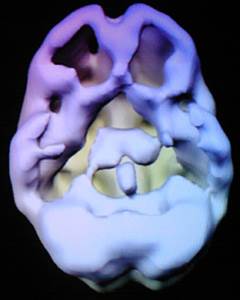
But what would have happened if she hadn’t gotten that brain scan?
The #1 Key to Optimal Performance—Your Brain
If you want to perform at your peak level at work, in school, or on the playing field, you need a healthy brain. Your brain is involved in everything you do and everything you are, including how you think, feel, act, and interact with others. Your brain is the organ of learning, communicating, personality, character, and every decision you make.
When your brain works right, you work right—whether we’re talking about work, school, sports, relationships, money, health, or anything else. Likewise, when your brain is troubled for whatever reason, you are much more likely to have trouble in your life.
How Can You Know Unless You Look?
The problem is no one ever looks at your brain. If you go to the doctor with crushing chest pain, they’ll scan your heart. But if you have crushing sadness, no one will scan your brain.
This needs to change. Brain imaging technology called SPECT measures blood flow and activity in the brain and can reveal areas of the brain with healthy activity, too much activity, or not enough activity. With this knowledge, you can get personalized strategies to balance brain activity for next-level performance.
Here’s what SPECT brain scans show about some of the most common issues that could be impacting your performance.
Acting Impulsively
Routinely acting impulsively without considering the consequences or taking uncalculated risks can get you into hot water and cause losses for you and your organization.
SPECT findings: Impulsivity is often associated with low activity in the brain’s frontal lobes. In some people, it is associated with ADD/ADHD.
Getting Stuck in Your Ways
Falling into a rut can prevent you from staying up to date in terms of skills and trends. When you’re stuck in outdated thinking patterns, it stunts creativity and innovation.
SPECT findings: Too much activity in the brain’s frontal lobes is commonly seen in people who tend to get stuck, have looping thoughts, or compulsive behaviors. In severe cases, it is linked to obsessive compulsive disorder.
Anger/Mood Issues
How can you expect to perform your best when you feel mad, sad, or anxious? These issues can rob your motivation, drain your energy, and sideline your ability to focus on your goals.
SPECT findings: Anger and aggression are often linked to damage in the temporal lobes. People who have low moods or depression often have increased activity in the brain’s limbic system, and those with high anxiety tend to have too much activity in the basal ganglia, insular cortex, and amygdala.
Relationship Problems
There’s no way to be operating at full capacity if you’re constantly butting heads with your colleagues, classmates, or teammates. And relationship problems at home can spill over into the mindset you take to the office, classroom, or playing field and throw you off your game.
SPECT findings: Having trouble getting along with others can be associated with a variety of brain issues. Low activity in the frontal lobes can make you blurt out hurtful things. Too much activity in this area can make you argumentative and prone to pointing out what you don’t like about others. Abnormal activity in the temporal lobes can make you tend to have temper problems. All of these things can make it hard for you to maintain personal and professional relationships.
Disorganization
How can you hit your deadlines and do your best work when you can’t find your files, lose your phone with all your contacts, and miss important meetings because you put a reminder on a sticky note that’s now under a pile of stuff?
SPECT findings: Decreased activity in the frontal lobes is commonly seen in people who are disorganized and those who have ADD/ADHD.
Memory Issues
You can’t be your best if you can’t remember due dates, upcoming appointments, people’s names, or your team’s playbook.
SPECT findings: A number of brain issues can be associated with memory problems, including overall low blood flow, a toxic-looking brain, or damage from a traumatic brain injury.
Seeing is believing. When you see on SPECT scans that your brain is troubled, it gives you a blueprint to finding the right strategies to balance it. And when you optimize your brain function, you optimize your ability to perform at your very best. Get your brain right and it will be much easier for you to be at the top of your game in every area of your life.
At Amen Clinics, we utilize brain SPECT imaging to help people see what’s happening in their brain that is keeping them from performing at peak levels. We have helped thousands of CEOs, executives, entertainers, influencers, professional and college athletes, and students optimize their brain health and enhance their performance in everything they do.
If your performance at work, in school, or on the field is holding you back, finding the root cause is the first step to turning things around. Call 888-288-9834 today to speak to a specialist about getting a brain scan as part of a complete evaluation or schedule a visit online.
Does your child get irritable and upset if they don’t get their Fortnite fix? Are you worried they might be addicted to video games? You could be right.
In a landmark 2019 decision, the World Health Organization (WHO) has declared that video game addiction is officially a mental health disorder. “Gaming disorder” has been added to the WHO’s International Classification of Diseases, putting it on a par with depression, anxiety disorders, bipolar disorder, and other mental illnesses.
Gaming Disorder Can Steal Your Life
Research shows that 97% of Americans 12 to 17 years old play video games, and as many as 23% of gamers of all ages show signs of addictive behavior. According to the WHO, these signs include impaired control over gaming and “continuation or escalation of gaming despite the occurrence of negative consequences.” And these repercussions can be seen in a person’s personal relationships, career, schoolwork, or daily life.
Gaming disorder also puts people at greater risk for other detrimental issues, including:
- Depression
- Anxiety
- ADD/ADHD
- Sleep disturbances
- Irritability
- Bad moods
- Fatigue
- Fearfulness
- Suicidal thoughts
The link between gaming and ADD/ADHD goes both ways. In addition to gaming contributing to the condition, a 2019 study shows that people who have ADD/ADHD may be at increased risk for developing a gaming addiction.
The Risk for Addiction Lies in the Brain
It’s important to understand that gaming addiction is not a character flaw or personal failure. Brain imaging studies using a technology called SPECT show that addiction is, in fact, a brain disorder. The health of your brain plays a major role in your risk for addiction—whether it’s to alcohol, drugs, or video games.
In particular, it is your brain’s self-control circuit that helps you rein in your behaviors or that drives you to addiction.
The brain’s self-control circuit includes:
- Neurotransmitters: These chemical messengers, including dopamine, drive you to pursue your passions.
- Nucleus accumbens: The pleasure and motivation center of the brain, the nucleus accumbens is one of the primary drivers of behavior.
- Deep limbic system: Housing your brain’s emotional memory centers, the deep limbic system can push you to repeat pleasurable actions and gives you motivation so you can plan and follow through on your goals.
- Prefrontal cortex (PFC): The prefrontal cortex (PFC) is responsible for impulse control and judgment and is intended to keep the brain’s drivers in check. It acts as the brain’s brake, making you think twice before doing something you might regret.
When this self-control circuit is in balance, you can be motivated, focused, goal-oriented, and have control over your gaming and other behaviors. In the addicted brain, the PFC is weakened, allowing the drive systems to take control.

Not All Gaming Addicts are the Same
Designating video game addiction as a mental health disorder is a powerful first step in encouraging people to seek treatment. But most healthcare professionals will view it as a single or simple disorder and will treat everyone the same way. This will never work because not all people with gaming addictions are the same. In fact, SPECT brain scans reveal that there are 6 types of addicts.
Type 1: Compulsive Addicts
Type 2: Impulsive Addicts
Type 3: Impulsive-Compulsive Addicts
Type 4: Sad or Emotional Addicts
Type 5: Anxious Addicts
Type 6: Temporal Lobe Addicts
Knowing your type is essential to getting the right treatment plan to help you regain control of your life.
4 Key Ways to Break Free from Addiction
The brain is the ultimate key to overcoming gaming addiction and other bad behaviors. Strengthening your PFC is one of the best ways to balance your brain’s self-control circuit. Here are 4 ways to boost your PFC.
1. Get your heart pumping.
Regular aerobic exercise boosts blood flow to the PFC and has been shown to improve focus and impulse control. Aim for 30-45 minutes a day of fast walking (walk like you are late for an important appointment.)
2. Practice saying no.
Every time you say no to extra gaming time, you train your PFC and help create new neural pathways that strengthen your control. Eventually, saying no to unhealthy gaming behavior becomes easier and can even feel automatic.
3. Eat a brain healthy diet.
Did you know that a sugar-filled junk-food diet can fuel your addiction? Getting a quick sugar rush from soda, cookies, or candy weakens the PFC and can make you more impulsive. Eating lean protein throughout the day and eliminating sugar can help stabilize blood sugar levels, which is beneficial for your PFC, moods, and impulse control.
4. Supplement your diet.
Nutritional supplements, such as omega-3 fatty acids, green tea, and Rhodiola can boost blood flow to the PFC and help you stay focused on your goals.
If you or your child is struggling with addiction to video games or any other substance, we’re here for you. At Amen Clinics, we have helped thousands of people overcome bad behaviors and improve every aspect of their life. We use brain SPECT imaging to help identify your addiction type in addition to assessing the biological, psychological, social, and spiritual factors that may be contributing to addiction. With this comprehensive evaluation, we are able to personalize treatment solutions for your needs.
Don’t let addiction steal your life. Speak to a specialist today at 888-288-9834 or schedule a visit online.
The artificial sweeteners used in diet sodas—and thousands of other processed foods—are anything but sweet. In fact, they can be toxic to the brain. Consuming these sugar substitutes on a regular basis is not a recipe for a healthy memory.
Sherry, who weighed over 200 pounds on her 5’5” frame, guzzled diet soda thinking it would help her lose weight. It didn’t. Even worse, she started experiencing a host of symptoms—digestive issues, arthritis, forgetfulness, and confusion. In fact, Sherry’s diet soda habit was hurting her brain and putting her memory at risk.
That’s what a growing body of evidence shows. For example, a study in the journal Stroke found that drinking diet soda was linked to an increased risk of Alzheimer’s disease and other forms of dementia.
4 Ways Artificial Sweeteners Steal Your Mind
1. Aspartame overstimulates neurotransmitters.
One of the most commonly used artificial sweeteners in diet sodas, aspartame is particularly damaging to the brain. Consider how it impacts aspartate, an excitatory neurotransmitter associated with memory as well as learning and pain perception. Aspartame stimulates this neurotransmitter. This may sound like a good thing, but in excessive amounts it overstimulates it, turning it into a potent neurotoxin that damages neurons, causes cell death, and is associated with a host of issues including memory problems and dementia.
2. Artificial sweeteners contribute to chronically high insulin.
Elevated insulin levels increase your risk for Alzheimer’s disease and also raises the risk of heart disease, diabetes, metabolic syndrome, and other health problems.
3. The artificial sweeteners in diet sodas may lower metabolism.
For anyone who thinks diet sodas help with weight loss, the reality is that artificial sweeteners can lead to weight gain. Studies of rats fed artificially sweetened foods have found they have slower metabolisms and greater weight gain than those given sugar-sweetened foods—despite the fact that the rats that ate sugary foods consumed more calories than those that ate artificially sweetened foods. Both diabetes and obesity are considered independent risk factors for memory problems and several forms of dementia.
4. Artificial sugar substitutes mess with gut health.
A 2018 study in Molecules found that six artificial sweeteners (aspartame, sucralose, saccharine, neotame, advantame, and acesulfame potassium-k) had toxic effects on gut bacteria. Compromised gut bacteria can lead to issues such as leaky gut, a condition in which the lining of the gut becomes excessively permeable. Leaky gut has been linked to the development of Alzheimer’s disease and other dementias.
Sweeter Alternatives
If you want to avoid sugar and don’t want the damage that comes from artificial sweeteners, here are two options.
- Erythritol, a sugar alcohol that comes in crystals or powder form, is calorie-free and doesn’t cause blood sugar or insulin levels to spike. (Note: Be aware that sugar alcohols, such as Xylitol and Maltitol, may cause GI distress.)
- Stevia, a natural plant extract, is 200-300 times sweeter than sugar, but it does not impact blood sugar levels the way sugar does. Some evidence suggests stevia may stabilize blood sugar, but more research is needed. (Note: If you take medication for blood pressure or diabetes, talk to a healthcare provider before using stevia.)
It is critical for any changes in memory or cognitive function to be investigated. Research shows that changes in the brain from Alzheimer’s disease can start decades before any symptoms arise. Amen Clinics uses brain SPECT imaging to see what is happening in the brain as part of a comprehensive evaluation that also includes cognitive testing and a detailed look at the biological, psychological, social, and spiritual factors that may be contributing to memory issues.
At Amen Clinics, we have helped thousands of people reverse memory problems. To speak to a specialist about how we can help you, call 888-288-9834 or schedule a visit online.
Have you ever plopped your preschooler on the couch with a tablet, gaming device, or smartphone to keep them occupied while you get a few chores done around the house? If so, you could be putting them at increased risk for attention problems and hyperactivity.
Kids with more than two hours a day of screen time by the age of 5 are almost eight times more likely to meet the criteria for ADD/ADHD than youngsters who spend less than 30 minutes a day looking at a screen, according to a 2019 Canadian study in Plos One.
Having untreated ADD/ADHD as a child can have lasting impacts into adulthood. Research shows that adults diagnosed with the condition as a child tend to:
- do more poorly in school
- have more trouble getting and keeping a job
- don’t make as much money financially
- are more likely to get divorced
- are at higher risk for substance abuse
This is why it is so important to get diagnosed and to get the right treatment. Brain imaging shows there are 7 types of ADD/ADHD and each type needs its own treatment plan.
Decreasing your child’s risk for the condition can help. The next time you’re tempted to use screen time as a sort of babysitter, think twice. You could be setting up your child for a lifetime of struggle. It’s best to limit your preschooler’s screen time to no more than 30 minutes a day. Here are three ways to do it.
3 Tips to Limit Your Preschooler’s Screen Time
1. Use parental controls.
Tablets and smartphones come equipped with control options that allow parents to monitor and limit screen time.
2. Set and enforce screen rules.
No screens at the dinner table. No screens in the car. No screens before bedtime. Whatever rules you set, be sure to enforce them. This will help preschoolers develop a healthier relationship with their tech gadgets.
3. Encourage physical activity.
Take your child to the park, swimming pool, or activity center or sign them up for group sports so they can burn off energy while having fun and learning new skills. Exercise increases blood flow to all parts of the body, including the brain, and it boosts focus and attention. In the Canadian study mentioned above, kids who spent at least two hours a week playing organized sports were less likely to have behavioral issues. When ADD patients play sports, such as basketball, which involves intense aerobic exercise, they tend to do better in school.
At Amen Clinics, we have helped thousands of children overcome ADD/ADHD. With the world’s largest database or function brain scans, we can accurately diagnose which of the 7 types of ADD/ADHD a child has and target treatment to their needs. We believe in taking a whole brain-body approach to healing that may include nutrition coaching, supplements, medication when needed, and other therapies.
If your child is struggling with inattention, lack of focus, or hyperactivity, reach out today to speak to a specialist at 888-288-9834 or schedule a visit online.