

We are knee-deep in the holiday season. For some, this is great news, but for others, a dreadful, stressful time. The stress of family gatherings with toxic relatives, the financial pressure of buying gifts, and navigating busy crowds can wreak havoc on our brains and bodies, mentally, emotionally, and physically.
For some people, even so much as anticipating get-togethers, gift-giving, or company parties can change body chemistry and raise stress hormones, such as cortisol levels. Holiday stress can cause your brain and body to fall out of sync, leaving you emotionally drained and tense.
Even so, awareness is the beginning of change. Can you tell when holiday stress is starting to take a toll on your mind? What can you do to keep your balance through it all? And how can a brain-body approach help you rediscover calm and joy this season? Let’s help you find your calm amid this holiday’s chaos.
The stress of family gatherings with toxic relatives, the financial pressure of buying gifts, and navigating busy crowds can wreak havoc on our brains and bodies. A brain-based approach can help you rediscover calm and joy.
Holiday stress can sneak up on you, but as the pressure builds, your body will start sending subtle warning signs. You may be asking, what are the signs of holiday stress and toxicity? Here is what to watch out for:
If you are not clinically diagnosed with an anxiety disorder or depression, you might find that you feel some of the symptoms of one or both during this hectic and possibly toxic time.
Strained relationships can stir up unresolved emotions, making gatherings exhausting instead of joyful. Constant busyness, from planning, shopping, and social events can drain your mental energy. Again, overstimulation from lights, noise, and activity overwhelms your senses and raises stress hormones like cortisol.
As holiday anxiety mounts, your brain releases stress hormones like cortisol and adrenaline. High levels of cortisol can disrupt your brain’s communication pathways, affect your concentration, and impair your memory.
When elevated, cortisol can also shrink the areas of your brain responsible for emotional regulation. Physically, this can increase inflammation and weaken your immune system.
Financial worry, family conflicts and overcrowding can keep your brain constantly on alert. The combination of physical exhaustion and emotional strain can make it harder for you to stay calm, think clearly and experience genuine joy.
Communicate your needs with kindness and honesty. Use statements like “I’d like to have some quiet time tonight” to help others understand your limits without guilt. Say no when you feel drained or overwhelmed.
Saying yes to every request, can cause resentment or force you to spread yourself too thin and cancel your commitment at the last minute.
Effective boundary setting isn’t about shutting people out. It’s an important part of learning how to avoid holiday stress that helps protect your energy. Effective boundaries help you connect more meaningfully with those you love.
Related: 6 People-Pleasing Behaviors to Avoid During the Holidays
One of the most effective holiday stress tips is embracing meditation. A 2017 study showed that practicing mindfulness meditation can significantly improve your mood. Use a guided meditation to help you focus and stay present if needed.
Make a daily routine of closing your eyes, focusing on your breath, and being still for even a few minutes throughout your day. It can calm your nervous system by lowering your cortisol levels. Meditation can also increase your dopamine and serotonin levels, which are needed to boost your focus.
Gentle forms of movement allow your body to release tension without adding physical strain. If your schedule feels packed, try a ten-minute morning walk, dancing while you cook, or just a few minutes of yoga.
Exercise during a stressful holiday season can cause a decrease in depression and anxiety according to research. It stimulates a release of feel-good chemicals in your brain that help clear your mind and calm your nervous system.
During a toxic holiday season, compassion can help you stay grounded. While it might not seem easy or even possible, try to accept and feel love for the people in your life.
If someone is particularly toxic or your dynamic is unhealthy, then it could be time to sever ties, but in less extreme cases and with the public at large, take a breath and remember that people are sometimes difficult to communicate with and other times loving, funny, and thoughtful
Let the small stuff go as best you can. Beware of toxic perfectionism, where you might set unrealistic goals, be very hard on yourself, or feel underlying shame about past behavior that motivates you to be “good” all of the time.
Related: The Trouble with Toxic Perfectionism
A study examining the effects of chronic alcohol consumption at low to moderate amounts showed decreases in grey and white matter in the brain and brain shrinkage.
Additionally, alcohol lowers the ability to think clearly and make sound choices and can lead to more toxic interactions with others. Find new mocktails or infused water to make, and remember, it’s always OK to stay hydrated by sipping on water at a holiday party!
Neutral conversation and asking people question about themselves can help you manage holiday stress and keep get-togethers non-toxic.
If someone else brings up a contentious political topic, set a boundary such as “I’m going to keep our conversation to things other than politics” and ask about their children, pets, job, favorite sports team, hobby, or next vacation.
Financial stress can directly affect your brain health as it triggers the release of stress hormones like cortisol. This can impair your focus, emotional regulation, and memory. Offer loving acts such as babysitting, dog sitting, or making healthy treats. Plan a special day outdoors, go to a museum, make a music playlist, or write a meaningful letter to those you love.
Whether you’re an introvert or an extrovert, solitude is an important way to recharge and get quiet. Solitude can increase self-connection, a sense of autonomy, and self-reliance.
Quiet time during holidays can reduce your sensory overload and the stress hormone levels, which is crucial for the recovery of your brain and nervous system.
Diaphragmatic breathing is a great breathing exercise to try, as it’s breathing from your belly, through your nose, and out through your mouth. Getting more oxygen into our bloodstream is extremely beneficial to slow down racing thoughts, regulate mood, and reset an overall state of being from stressed to relaxed.
A truly healthy holiday requires balance. Nurture a compassionate mindset, practice mindfulness, set clear boundaries and stay active.
Reflect on the ideas that resonate most with you, then pick 1 or 2 strategies to start today. If your holiday stress becomes too heavy to handle, remember, professional support is always available.
The holiday season doesn’t have to drain you. With a few intentional practices like setting healthy boundaries, you can move through this season with resilience.
If the stress becomes unbearable or you find yourself feeling stuck, just remember that Amen Clinics offers a compassionate, brain-based approach, meant to help you understand what’s really going on in your brain and guide you toward lasting emotional wellbeing and balance.
The great news is that you don’t have to dread the holidays. Give yourself the gift of prioritizing your mental well-being. By caring for your brain and reaching out for professional support, if needed, you can protect your mood, enjoy more peace, and create meaningful moments that truly matter.
Holiday stress often comes from unrealistic expectations, family conflicts, financial strain, and overscheduling.
The brain’s stress response (including elevated cortisol levels) can be triggered by too many commitments, unresolved emotions, or sensory overload. Learning to set boundaries and simplify your schedule can significantly reduce this stress.
Start by taking slow, deep breaths to activate your body’s relaxation response. Short mindfulness breaks, walks outdoors, or brief meditations can also reset your nervous system. Focusing on gratitude and using positive self-talk helps your brain shift away from stress and anxiety.
If your stress feels unmanageable causing sleep issues, persistent sadness, irritability, or physical symptoms it may be time to reach out for professional support. A brain-based evaluation at Amen Clinics can help uncover underlying causes of stress or mood changes and create a personalized plan to restore balance.

The holidays are meant to be a time of joy and connection, and for many, they are. Yet for others, the season stretching from Thanksgiving to New Year’s Day can bring an undercurrent of stress, loneliness, and grief that leads to holiday depression.
In this post, you’ll discover 12 brain-based strategies to protect your mental health and stay emotionally resilient throughout the holidays.
The season stretching from Thanksgiving to New Year’s Day can bring an undercurrent of stress, loneliness, and grief that leads to holiday depression.,81wsAXZC
If you typically have trouble with your mental health during the holidays, you’re not alone. In an American Psychological Association survey, 89 percent of U.S. adults reported feeling holiday stress, with 41 percent experiencing more stress than usual, which can contribute to depression, holiday anxiety, and other issues.
If you have a mental health disorder, the holidays can be particularly challenging. Another holiday survey from the National Alliance of Mental Illness (NAMI) found that 64 percent of respondents with a mental illness reported their conditions worsen at this time of year.
There are a number of conditions unique to the holidays that, together, create a perfect storm of mental health challenges, including the following:
If left unaddressed, these conditions can steal your joy, undermine your well-being, and trigger self-defeating behaviors that can spoil the season. However, the great news is that you can learn to manage or avoid holiday depression by following these easy-to-implement strategies.
Related: 4 Ways to Beat the Seasonal Blues
Think about your brain health and holidays together. When your brain is healthy, your holiday is happy.
Foundational to brain health and beating holiday depression is making sleep, diet, and exercise a priority. Consistent practice of these fundamental tenets of good health, plus routine, are linked to healthy brain function and improved mental health.
In a published study, researchers propose the trifecta of healthy eating, physical activity, and sleep hygiene (HEPAS) as a viable intervention to reduce the risk of developing depression and other mental health disorders. HEPAS is even presented as an essential part of treatment for depression and other mental health disorders.
Additionally, research shows how important a healthy routine is to mental wellness. The brain thrives with routine as your daily habits with respect to rest, diet, and exercise help to minimize uncertainty. This calms the brain’s anxiety control center and allows the frontal cortex to focus on consequential tasks like decision-making.
Our bodies synthesize vitamin D when our skin is exposed to the sun. During the fall and winter when there are fewer hours of daylight and more time is spent indoors, vitamin D levels tend to go down, along with your mood. Low vitamin D levels are linked to depression, research shows.
But that’s not all. Sunlight impacts certain key hormones too. Less sunlight can cause an overproduction of melatonin and reduced levels of serotonin, which may contribute to depression as well.
These conditions can put you at risk of seasonal affective disorder (SAD), which is a form of depression believed to come about when brain biology is impacted by too little (or sometimes too much) exposure to sunlight.
You can protect against seasonal depression and support a balanced mood by ensuring you get morning sunlight on your skin for 10-15 minutes (sans sunscreen). If you can’t get sunlight, bright light therapy (BLT) has been a first-line treatment for SAD for several decades. With BLT, patients sit in front of a special light box for a set amount of time each day, often in the morning at home.
BLT can help other types of depression, too. A recent study published in JAMA Psychiatry found BLT to be an effective supplementary treatment for depressive disorders other than seasonal depression.
You can also supplement with a quality vitamin D3, shown to be the most effective form of vitamin D in helping to relieve depressive symptoms. Many health experts suggest 2,000-5,000 IUs of vitamin D3 per day for optimal health.
Related: How Bright Light Therapy Improves Moods, Focus, and Sleep
If you want to avoid depression during the holidays, alcohol and sugar are not your friends.
Both substances impact your brain function negatively, which can worsen anxiety, mood swings, and fatigue.
Both provide a temporary rush of good feelings (both trigger a release of the feel-good neurohormone dopamine), but the cost to your mental well-being is high.
High sugar consumption is linked to depression due to its effects on blood sugar, brain inflammation, and neurotransmitter balance. Sugar causes blood sugar spikes and crashes that can lead to irritability and fatigue, while longer term high-sugar intake increases chronic inflammation, oxidative stress, and insulin resistance.
These all negatively impact brain function and are linked to an elevated risk of depression and anxiety. A 2024 BMJ study involving more than 18,000 U.S. adults found that 100 g/day of dietary sugar intake was associated with a 28% higher prevalence of depression!
When you consume alcohol, initially, it increases serotonin and dopamine levels, creating a temporary euphoric feeling. However, when the alcohol wears off, these levels drop below normal, resulting in a depressed mood.
To maintain a balanced mood, keep your sugar and alcohol intake to a minimum during the holiday season.
Do you typically have high expectations for the holidays? Are you perfectionistic about things being a certain way? If so, you ‘re not alone. A Harris Poll found that 44 percent of more than 2,000 U.S. adults surveyed reported that they strive for perfection during the holidays and 32 percent say their high expectations are usually met with disappointment.
Despite what ads, movies, and social media posts depict, there is no such thing as a perfect, Hallmark holiday, although there may be moments that feel like it. Adjust your expectations to what is real.
The APA survey research noted earlier clearly shows that the holidays are a mixed bag. More than 40 percent of U.S. adults used both positive and negative words to describe the holidays, and more than 70 percent said the holiday season can feel bittersweet.
Let go of perfectionism by letting go of what you cannot control. Base your happiness on your own attitude and actions, not on other people’s moods.
Embrace a “good enough” mindset instead of perfection. Focus your energy on meaningful time spent with loved ones over perfect gifts, decor, or appearances that break the bank and increase stress.
When mishaps happen, such as weather delays, canceled plans, a burnt pot roast, or Uncle Fred drinking too much, take it as an opportunity to be flexible (or maybe fodder for a funny story!).
Did you know that every thought you have triggers the release of neurochemicals, which are involved in rewiring your brain? It’s true.
Negative thoughts can cause your brain to immediately release chemicals that affect your body’s cells and make you feel bad. Conversely, a pleasant or positive thought triggers the release of chemicals that make you feel good.
If you are a perfectionist or struggle with depression, it’s likely you have a lot of automatic negative thoughts (ANTs), particularly the “all-or-nothing” type of ANTs (thinking that things are either all good or all bad) and “just the bad” ANTs (seeing only the bad in a situation).
Research indicates that reframing negative thoughts can reduce depressive symptoms. You can start exterminating your ANTs by challenging them with these four questions based on the work of Byron Katie:
Eliminating ANTs reduces overwhelm, lifts mood, strengthens relationships, and creates lasting emotional resilience. It’s one of the keys to rewiring the brain for greater positivity and happiness.
If you want a near immediate mood lift, exercise is your best bet as it boosts feel-good neurotransmitters serotonin, dopamine, and endorphins. It also helps to regulate the stress hormone cortisol keeping anxiety in check, improve sleep, boost self-esteem, provide a positive distraction from life’s troubles, and offer opportunities to socialize.
In fact, research shows that exercise is as effective at reducing depressive symptoms as an antidepressant! It’s no wonder mental health experts suggest it as an alternative or adjuvant treatment for non-severe depression in adults.
There’s a strong connection between disrupted sleep and depression. Roughly 75 percent of people with depression also have insomnia, research shows – and the association is bi-directional, meaning it goes both ways.
During the hectic holiday season, it’s easy to skimp on sleep or get dysregulated with sleep when traveling through time zones, which can worsen your mood and make you more irritable.
Training your mind to look for gratitude will increase your sense of well-being during the holidays. People who express gratitude regularly are more positive, healthier, better at working towards goals, and more helpful to others.
Focusing on the things you’re thankful for helps to calm the deep limbic or emotional areas of your brain, research has found. To cultivate gratitude, simply write down three things that you’re grateful for every day.
People attend an average of three holiday events between Thanksgiving and New Year’s Day. While you may have a second helping of stuffing or an extra slice of pie at these holiday gatherings, don’t abandon healthy eating on all the other days of the season!
To protect against depression, aim for balanced eating that provides steady energy and essential nutrients. That means consistently eating power-packed meals and snacks with plenty of the following:
This will help to stabilize your blood sugar levels and prevent the energy crashes that can trigger fatigue, mood swings, and poor concentration.
Of course, limit or bypass foods associated with increased risk of depression such as sugary foods, refined carbohydrates, processed foods, artificial sweeteners, and foods high in saturated fats.
Spreading yourself too thin doing things you don’t really want to do will harm your mental well-being. Be vigilant with your boundaries, especially if you tend to be a people-pleaser. People-pleasing puts you at higher risk for anxiety and depression.
Protect yourself by planning ahead and saying “no” to commitments that drain your energy this holiday season. Although it can be momentarily difficult, setting boundaries by saying no will help your mental well-being in the long run.
If you tend to be a people pleaser, consider abstaining from accepting invitations or volunteering your help for anything without discussing it first with another person, preferably someone who understands your people-pleasing tendencies.
Related: 6 People-Pleasing Behaviors to Avoid During the Holidays
As humans, we have a fundamental need for social interaction. Dealing with loneliness during the holidays is essential to your mental health.
It’s important to reach out to individuals who can offer you encouragement and support, whether that is trusted friends, family members, or community or religious leaders. Spending time in a positive community or fellowship of like-minded people is a wonderful way to boost your bliss hormones, such as oxytocin.
Be careful about being too isolated over the holiday period, even if you are feeling vulnerable.
Though isolating yourself during tough times may feel like the safest option when you are feeling blue or anxious, closing yourself off from the world can make your mental health worse.
Indeed, researchers note that social isolation is a risk factor for worsening anxiety and depression. Reach out to your support network. If your mood dips alarmingly low, do not hesitate to reach out to a mental health professional or go to your local emergency room.
The holidays are typically filled with a mix of emotions. Statistics from the APA holiday stress survey mentioned earlier also found that even though 80 percent of respondents think of the holidays as fun, joyous and exciting, 63 percent describe it with negative words such as stressful, overwhelming, or exhausting. Let yourself feel it all.
We all may get a bout of low mood during the season, but if you find you’re having trouble coping with the holiday blues, it may be clinical depression. It’s important to get professional help as soon as possible if you experience any of the following signs of depression most of the day, nearly every day for two weeks or longer:
If you recognize any of these signs, reach out to a qualified mental health professional as soon as possible. Early and appropriate treatment based on accurate diagnosis is critical to successful treatment.
The great news is that you don’t have to dread the holidays. Give yourself the gift of prioritizing your mental well-being. By caring for your brain and reaching out for professional support, if needed, you can protect your mood, enjoy more peace, and create meaningful moments that truly matter.
Here’s how to discern whether you are experiencing a temporary bout of low mood or if you might have holiday depression.
Temporary Low Mood/Stress
Holiday Depression
Yes, holiday depression can be managed or prevented by ensuring consistent adequate sleep, brain-healthy nutrition, enjoying social connections, exercising, and recognizing and eliminating negative thinking.
At Amen Clinics, we understand that depression is a brain disorder. Our clinics use brain SPECT imaging, which measures blood flow patterns, to help our clinicians identify and treat underlying causes.
Our brain-imaging studies have revealed that there are different types of depression, each requiring a tailored approach for treatment. This data, plus additional diagnostic testing, allows our clinicians to customize an effective treatment plan for you.
Treatment for holiday depression may involve lifestyle interventions, nutritional supplements, innovative therapies, and medication (when necessary) geared to balance your brain and brighten your mood.

When 7-year-old Bryce’s mother read Alice’s Adventures in Wonderland to him, he became very upset. The visual distortions described in the book by Lewis Carroll felt too familiar to him. He said that he felt like Alice.
“I have weird things happen to me,” he told her. “I see things.”
During the day, Bryce saw objects change shapes, often getting smaller. He also saw green, shadowy ghosts at night. The young boy also had a lot of anxiety symptoms.
Some moms might chalk this up to a “childish imagination,” but Bryce’s mom could see the fear in her child’s eyes and believed him. Frightened that Bryce was losing his mind (a cousin had already been diagnosed with a “schizophrenic-like” illness), she realized she needed to seek help for her son.
A brain SPECT scan at Amen Clinics, doctors discovered the real culprit behind the “ghosts” Bryce was seeing. Bryce wasn’t “haunted.” He had temporal lobe epilepsy, a brain condition that can cause intense visual hallucinations, emotional swings, and déjà vu experiences.
Bryce could have been headed down a very dark path and a future of psychiatric medications and treatments. But what looked supernatural was actually related to brain function and completely treatable.
“I have weird things happen to me. I see things,” said a 7-year-old boy who was seeing ghost-like figures. His mom, worried that he might be losing his mind, took him to Amen Clinics for a brain SPECT scan, which revealed the real culprit.
The temporal lobes are situated behind the ears on each side of the brain and play a key role in memory, emotion, and sensory processing. When abnormal electrical activity occurs here, it can lead to temporal lobe epilepsy (TLE), a form of focal epilepsy that often goes unrecognized.
Children, in particular, may describe “seeing things,” “time stopping,” or “hearing music that isn’t there.” Just remember that these are classic childhood epilepsy symptoms, not signs of imagination or misbehavior.
Related: Jason’s Story: From Hallucinations to Happy and Healthy
Because symptoms of temporal lobe epilepsy overlap with mental disorders, misdiagnosis is common. A child describing “ghosts” or “voices” may be thought to have schizophrenia, anxiety, or just a vivid imagination. Additionally, adults may be treated for depression or panic attacks instead of epilepsy.
The consequences of ignoring temporal lobe problems can have a profound impact like emotional instability, cognitive changes, and distress that worsens over time. Many people spend years in therapy before learning their symptoms stem from electrical misfires in the brain, not emotional weakness or spiritual experiences.
Without looking at the brain, even well-intentioned professionals may miss the true cause.
Traditional tools like MRI or EEG (electroencephalogram) and can reveal structural or electrical abnormalities in the brain, but they don’t always show the full picture. MRI scans show anatomy, while EEG measures surface brain waves. Both can miss subtle activity patterns deep in the brain.
That’s where brain SPECT imaging, which is what we use at Amen Clinics, comes in. A brain SPECT scan for temporal lobe epilepsy measures blood flow and activity patterns, helping clinicians see the origins of seizures.
In Bryce’s case, his brain scan revealed increased activity in his right temporal lobe, confirming that his “ghost sightings” were brain-based events. With this insight, his doctors could target the root cause rather than just the symptoms.
Bryce’s comprehensive evaluation also included a clinical history and neuropsychological testing to ensure an accurate diagnosis and a treatment plan.
Traditional tools like MRI or EEG (electroencephalogram) and can reveal structural or electrical abnormalities in the brain, but they don’t always show the full picture. MRI scans show anatomy, while EEG measures surface brain waves. Both can miss subtle activity patterns deep in the brain.
That’s where brain SPECT imaging, which is what we use at Amen Clinics, comes in. A brain SPECT scan for temporal lobe epilepsy measures blood flow and activity patterns, helping clinicians see the origins of seizures.
In Bryce’s case, his brain scan revealed increased activity in his right temporal lobe, confirming that his “ghost sightings” were brain-based events. With this insight, his doctors could target the root cause rather than just the symptoms.
Bryce’s comprehensive evaluation also included a clinical history and neuropsychological testing to ensure an accurate diagnosis and a treatment plan.
When temporal lobe epilepsy is left untreated, symptoms can intensify and evolve. Research shows that ongoing seizures or abnormal brain activity can lead to changes in brain structure and emotional regulation.
According to multiple studies, long-term consequences can include:
Early diagnosis and treatment are essential for healing and preventing lasting brain changes, especially in children whose brains are still developing.
Related: Breaking From Reality: The Complexity of Psychotic Disorders
The good news? Healing temporal lobe epilepsy is possible. With proper diagnosis, most people experience major improvements in symptoms and overall brain function. Some common treatment options may include:
Once Bryce began treatment, everything changed. The hallucinations that had terrified him disappeared. His anxiety calmed down, his focus improved, and his confidence returned. His family finally understood that he wasn’t “seeing ghosts” but instead experiencing a medical condition that could be treated and managed.
Bryce’s story illustrates the power of seeing brain health through a compassionate, scientific lens. When parents and clinicians look beyond surface symptoms, children like Bryce can reclaim their health, peace, joy, and potential.
If you or your child experiences unexplained hallucinations, fear, or memory lapses, there is hope. Here’s how to start healing:
At Amen Clinics, our experts have helped thousands of people uncover the root causes of mysterious symptoms and begin their journey to healing.
Hallucinations, confusion, or emotional swings that don’t respond to traditional treatment can be signs of a troubled brain. With science, compassion, and the right tools, temporal lobe epilepsy can be understood, managed, and healed.
Just like Bryce, countless others have learned that the “ghosts” they see are not spirits rather signals from the brain asking for help.
Amen Clinics uses brain SPECT imaging to measure blood flow and activity patterns. This allows clinicians to see areas of the brain like the temporal lobes that may be overactive or underactive, leading to more accurate diagnoses and better outcomes.
McIntosh WC, Das JM. Temporal Seizure. [Updated 2023 Jul 4]. In: StatPearls [Internet]. Treasure Island (FL): StatPearls Publishing; 2025 Jan-. Available from: https://www.ncbi.nlm.nih.gov/books/NBK549852/
Mostafavi S, Bidaki R, Farzan A. Reporting a Remarkable Visual Illusion Due to Temporal Lobe Epilepsy and an Unusual Response to Lamotrigine.Thrita J Neu.2016;5(2):e29061.https://doi.org/10.5812/thrita.29061
Martin CB, Mirsattari SM, Pruessner JC, Burneo JG, Hayman-Abello B, Köhler S. Relationship between déjà vu experiences and recognition-memory impairments in temporal-lobe epilepsy. Memory. 2021 Aug;29(7):884-894. doi: 10.1080/09658211.2019.1643891. Epub 2019 Jul 24. PMID: 31339436.
Garcia-Santibanez, R., & Sarva, H. (2015). Isolated Hyperreligiosity in a Patient with Temporal Lobe Epilepsy. Case reports in neurological medicine, 2015, 235856. https://doi.org/10.1155/2015/235856
Feraco, P., Donner, D., Picori, L., & Rozzanigo, U. (2020). Unusual diagnostic findings in temporal lobe epilepsy: A combined MRI and 18F-dopa case study. European journal of radiology open, 7, 100241. https://doi.org/10.1016/j.ejro.2020.100241
Szałwińska, K., Cyuńczyk, M., Kochanowicz, J., & Witkowska, A. M. (2021). Dietary and lifestyle behavior in adults with epilepsy needs improvement: a case-control study from northeastern Poland. Nutrition journal, 20(1), 62. https://doi.org/10.1186/s12937-021-00704-6
Bjørke, A. B., Nome, C. G., Falk, R. S., Gjerstad, L., Taubøll, E., & Heuser, K. (2018). Evaluation of long-term antiepileptic drug use in patients with temporal lobe epilepsy: Assessment of risk factors for drug resistance and polypharmacy. Seizure, 61, 63–70. https://doi.org/10.1016/j.seizure.2018.07.011
Vinti, V., Dell’Isola, G. B., Tascini, G., Mencaroni, E., Cara, G. D., Striano, P., & Verrotti, A. (2021). Temporal Lobe Epilepsy and Psychiatric Comorbidity. Frontiers in neurology, 12, 775781. https://doi.org/10.3389/fneur.2021.775781
Xu S, Zhu Q, Zhou J, Ye L, Ye H, Shen C, Zheng Z, Jiang H, Wang S, Ding Y, Chen C, Guo Y, Wang Z, Wang S. Ictal scalp EEG patterns are shaped by seizure etiology in temporal lobe epilepsy. Epilepsia Open. 2025 Apr;10(2):466-476. doi: 10.1002/epi4.13134. Epub 2025 Feb 7. PMID: 39918427; PMCID: PMC12014931.
Salpekar J. (2016). Mood Disorders in Epilepsy. Focus (American Psychiatric Publishing), 14(4), 465–472. https://doi.org/10.1176/appi.focus.20160017

When it comes to battling chronic pain, you may not realize you already have access to one of the most powerful forces we have at our disposal: hope. Hope isn’t just the antidote to physical and emotional pain. It’s the fuel for creating a life filled with possibility, healing, and lasting relief.
Hope rewires the brain, literally. When you feel hopeful, your brain lights up, activating regions responsible for goal-setting, motivation, and even pain reduction. You stop seeing pain as an endless Doom Loop and begin to glimpse a path forward.
In Dr. Daniel Amen’s new book, Change Your Brain, Change Your Pain, you’ll learn how to cultivate hope, build resilience, and, most importantly, keep the Healing Loop going.
Can hope heal chronic pain? Emerging research shows that hope can reduce inflammation, improve immune function, and even enhance neuroplasticity (the brain’s ability to rewire itself).
In recent years, neuroscience has begun to shed light on how hope affects the brain, offering concrete evidence that hope has the power to transform the mind and body. Increasing hope can literally change how we perceive pain, process emotions, and recover from trauma.
Related: Healing Emotional Trauma: The Brain-Based Approach
What happens in the brain when we feel hopeful? The answer lies in several key areas, most notably the prefrontal cortex, amygdala, and the brain’s dopamine pathways.
When we set a hopeful goal and take steps toward it, dopamine is released, creating a feedback loop that encourages us to keep moving forward. Hope fuels this loop, helping us stay motivated even in the face of adversity.
Related: 9 Natural Ways to Balance Dopamine in the Brain
But the benefits of hope go beyond just motivation and goal setting. Emerging research shows that hope can also reduce inflammation, improve immune function, and even enhance neuroplasticity—the brain’s ability to rewire itself.
In one study, patients with chronic pain were given a placebo while undergoing brain scans. Astonishingly, these patients showed increased production of endorphins, the brain’s natural opioids, and reported a significant decrease in their pain. The brain, fueled by hope, decided it didn’t need an external drug to feel better. It could generate its own relief.
This means that hope can help repair the damage caused by chronic pain and trauma. It allows the brain to heal and adapt in ways that were previously thought impossible.
So how do we cultivate hope in a way that supports healing and resilience? Here are some practical strategies, supported by research, that can help you foster a mindset of hope and reduce both physical and emotional pain:
Start with small, manageable goals that you can accomplish within a short period of time.
For each goal, brainstorm several ways you could achieve it.
One of the most effective ways to build agency is through positive self-talk.
Mindfulness is the practice of staying present and aware in the moment, without judgment. Start with simple breath awareness exercises or body scans.
Keep a gratitude journal and write down three things you’re grateful for each day.
Reach out to friends, family members, or support groups who can offer encouragement and understanding.
Instead of viewing setbacks as failures, reframe them as opportunities for growth and learning.
Create a vision board or practice daily visualization exercises.
Try therapies like cognitive-behavioral therapy (CBT), mindfulness-based stress reduction (MBSR), and hope-based interventions. These have been shown to be effective in reducing pain and fostering hope.
Cultivating hope is a journey, and it requires intentional effort, patience, and persistence. But the rewards are immense.
By setting goals, practicing gratitude, embracing mindfulness, and seeking support, you can foster a mindset of hope that reduces pain and improves your overall quality of life. Remember, hope isn’t just about wishing for a better future. It’s about creating it.
At Amen Clinics, we view pain through a brain-based lens. Using SPECT imaging, we identify areas of the brain linked to emotional distress, trauma, or chronic pain.
With this insight, we design personalized treatment plans, including neurofeedback, cognitive-behavioral therapy (CBT), and lifestyle interventions, that strengthen hope circuits, reduce overactivity in pain networks, and help patients reclaim a sense of control and optimism.
Yes. Brain SPECT imaging reveals how emotional states like hope, gratitude, or despair activate different neural pathways. When hope increases, we often see improved blood flow and activity in regions that regulate mood, motivation, and resilience.
These insights help guide targeted therapies that promote both emotional healing and physical recovery.
Our integrative approach combines brain-based therapies, nutritional psychiatry, and innovative tools like hyperbaric oxygen therapy (HBOT), neurofeedback, and psychotherapy to address pain at its root—within the brain.
When we treat emotional pain, our patients often find that their physical pain also subsides.
understanding its connection to your brain is the first step toward relief. Dr. Amen’s latest book, Change Your Brain, Change Your Pain, will teach you how to achieve lasting physical and emotional pain relief.
Brain Injury Association of America. Incidence of Traumatic Brain Injury in Military Service Members Receives Widespread Media Coverage. Dec. 17, 2024.
Morgan, K. Why childhood concussion diagnoses have skyrocketed. USA Today. Jan. 24, 2019. https://www.usatoday.com/story/sponsor-story/blue-cross-blue-shield-association/2019/01/24/why-childhood-concussion-diagnoses-have-skyrocketed/2658679002/
Fann, Jesse R et al. “Treatment for depression after traumatic brain injury: a systematic review.” Journal of neurotrauma vol. 26,12 (2009): 2383-402. doi:10.1089/neu.2009.1091
American Association of Anesthesiologist. Women at much higher risk of depression after traumatic brain injury, analysis finds. Oct. 15, 2023. https://www.asahq.org/about-asa/newsroom/news-releases/2023/10/women-at-much-higher-risk-of-depression
Dehbozorgi, M., Maghsoudi, M.R., Mohammadi, I. et al. Incidence of anxiety after traumatic brain injury: a systematic review and meta-analysis. BMC Neurol 24, 293 (2024). https://doi.org/10.1186/s12883-024-03791-0
Schachar RJ, Park LS, Dennis M. Mental Health Implications of Traumatic Brain Injury (TBI) in Children and Youth. J Can Acad Child Adolesc Psychiatry. 2015 Fall;24(2):100-8. Epub 2015 Aug 31. PMID: 26379721; PMCID: PMC4558980.
Bjork, James M, and Steven J Grant. “Does traumatic brain injury increase risk for substance abuse?.” Journal of neurotrauma vol. 26,7 (2009): 1077-82. doi:10.1089/neu.2008.0849
Rao, Vani et al. “Aggression after traumatic brain injury: prevalence and correlates.” The Journal of neuropsychiatry and clinical neurosciences vol. 21,4 (2009): 420-9. doi:10.1176/jnp.2009.21.4.420
It’s a harsh truth, but a single blow to the head can have a lasting impact on your life. After experiencing head trauma, a person who once enjoyed a lifetime of emotional stability, healthy energy levels, and mental clarity can sink into depression, addiction, brain fog, and more.
What’s especially troubling is the fact they many people don’t realize that a head injury is the source of their mental health issues. When they seek help for their problems, traditional treatments often fail because the underlying brain injury isn’t being treated.
This can lead to months, years, or even decades of emotional, behavioral, and cognitive problems that can sabotage your career, relationships, and health.
In this blog, you’ll discover just how common mild head injuries are, how to recognize persistent post-concussion symptoms, and what you can do about it.
Millions of people suffer from persistent post-concussion symptoms, which includes a wide range of cognitive and psychological issues. But most of them don’t realize that their mental health issues may be related to a mild head injury.
Every year, over 2 million new head injuries are diagnosed in the U.S., and millions more go undetected. Traumatic brain injuries (TBI) are increasingly common among military personnel, with an estimated 67 percent of veterans experiencing at least one TBI.
The number of concussions is on the rise. Research shows that from 2010 to 2015, concussion diagnoses jumped 43 percent among the general population. among people ages 10 to 19 years of age, concussion diagnoses skyrocketed 71 percent.
Among Amen Clinics patients, mild head injuries are common. Based on the Amen Clinics database of nearly 300,000 brain SPECT scans, 40 percent of patients have suffered a brain injury. However, most of them don’t realize that their mental health issues may be related to a mild traumatic brain injury (mTBI) they suffered in the past.
Many people who sustain a concussion recover from their symptoms, but an alarming number of them may develop mental health issues that ruin their life and steal their happiness. There’s a strong connection between concussion and mental health issues.
In fact, millions of people struggle with persistent post-concussion symptoms (PPCS), formerly known as post-concussion syndrome.
Are you one of them? How can you know if you have lingering concussion symptoms? Look for these 10 common signs of post-concussion syndrome.
Following a head injury, you may feel confused or mentally fuzzy. Difficulties with problem-solving and reasoning are common complaints of post-concussion brain fog.
Some people experience a feeling that everything is “slowed down.” It may take you longer to read an article or book or to understand the content. You may find it hard to follow conversations, television shows, or directions.
Memory loss can arise after experiencing a head injury. For example, you may have difficulty remembering new information.
It is also quite common to have trouble recalling the time period prior to the concussion. Some people experience memory lapses, forgetting parts of conversations or events.
It’s common to experience emotional symptoms after concussion. In fact, depression is one of the most prevalent mental disorders associated with head injuries.
Research in the Journal of Neurotrauma shows that depression affects about 33 to 42 percent of people within the first year of experiencing a TBI.
The number of people developing major depressive disorder jumps to 61 percent within the first seven years after a TBI, according to the study’s findings.
Women are especially vulnerable to post-concussion depression. According to an analysis of nine studies, women are nearly 50 percent more likely than their male counterparts to develop depression after experiencing a concussion or other TBI.
If you’re experiencing depressive symptoms that don’t respond to traditional treatment, it’s worth investigating if an underlying concussion or TBI may be contributing to these issues.
Research shows that TBI patients are 1.9 times more likely to have anxiety than people who haven’t experienced a brain injury. Post-concussion anxiety issues may include:
Any anxiousness, nervousness, panic, obsessions, or compulsions that arise post-concussion deserve attention.
If you have experienced a head injury, even if you don’t remember hitting your head, you may have difficulty paying attention, concentrating, of staying focused.
Completing projects, multitasking, or engaging in long conversations may be challenging. You may find yourself feeling restless or being easily distracted. Research shows there is an increased likelihood of developing attention deficit hyperactivity disorder (ADHD) after a TBI.
Findings in the Journal of Neurotrauma show that TBI can increase the use of alcohol or drugs in people who had no previous substance abuse. Drug or alcohol addictions also impede the recovery process after a head injury.
One of the most common personality changes following a head injury is an increase in aggression. According to a study in The Journal of Neuropsychiatry and Clinical Neurosciences, nearly 30 percent of people with a first-time TBI experience post-concussion aggression.
Any increases in irritability, anger, or aggressive behavior could be a lingering symptom related to prior head trauma.
Being chronically tired and having a lack of energy are frequent complaints heard from people who have experienced concussions.
Many people assume their fatigue is related to stress, age, or other issues, so they don’t make the connection to a past brain injury.
Having trouble sleeping, whether it’s difficulty falling asleep or staying asleep, is a common post-concussion symptom. Poor quality sleep is often tied to the fatigue people experience.
Along with a lack of energy, people who have suffered a TBI often notice a decline in motivation. Even if they had previously been a go-getter, they no longer have the get-up-and-go to actively pursue their goals at work or in life.
Patients at Amen Clinics whose brain scans show damage from head trauma often say they have been labeled as “lazy.”
If you have some of these symptoms, and especially if they aren’t responding to standard treatment, it’s critical to dig deeper to find the root cause.
One of the biggest challenges with post-concussion symptoms is that they’re often invisible. You can look perfectly fine on the outside while struggling with brain fog, mood swings, headaches, or fatigue on the inside.
Traditional imaging tools like MRI or CT scans typically only show structural damage, such as bleeding or swelling, but they can miss the subtle functional changes that cause lingering symptoms.
At Amen Clinics, we use brain SPECT imaging to see how your brain is actually working. SPECT measures blood flow and activity patterns, revealing areas that are underactive (often linked to concentration problems and memory loss) or overactive (commonly tied to anxiety, depression, and irritability).
These scans frequently uncover hidden brain injuries that standard imaging cannot detect.
With this deeper level of insight, specialists can design a personalized post-concussion treatment plan to target your brain’s specific needs. This may include therapies that improve circulation and oxygenation, such as hyperbaric oxygen therapy (HBOT), along with neurofeedback, nutritional support, and strategies to calm overactive regions.
By addressing the precise areas of dysfunction, brain imaging helps guide healing, restore balance, and reduce persistent post-concussion symptoms.
You need a well-structured evening routine to help you prime both your body and brain for uninterrupted rest.
Align your mindset, habits, and environment so you can reduce stimulation and signal to your nervous system that it’s time to wind down. If you take small, intentional steps consistently, you can make a major difference.
Studies show that ideally, a sleep-supportive routine should start about two hours before bedtime. It will train your brain to associate these cues with rest and make it easier for you to fall and stay asleep. Below is a sample flow you can consider adapting:
At Amen Clinics, we go beyond symptom checklists. Using brain SPECT imaging, we can identify areas with abnormal activity caused by head trauma. These scans often reveal brain injury patterns that traditional MRI or CT scans miss, helping our clinicians link your emotional, cognitive, and behavioral symptoms to underlying brain changes.
We create personalized, brain-based treatment plans that promote healing from the inside out. Depending on your scan results and full assessment, your plan may include hyperbaric oxygen therapy (HBOT) to improve blood flow, neurofeedback to retrain brain activity, nutritional and lifestyle support, targeted supplements, and psychotherapy to restore cognitive and emotional function.
Yes. Healing is possible, even years after a concussion. Many Amen Clinics patients who struggled with fatigue, brain fog, mood changes, or focus problems for years have seen significant improvement after receiving proper diagnosis and targeted treatment. By addressing the brain directly, we help you regain clarity, energy, and emotional balance.
At Amen Clinics, we’re here for you. We offer a comprehensive Concussion Rescue treatment program, in-clinic brain scanning and appointments, as well as mental telehealth, clinical evaluations, and therapy for adults, teens, children, and couples.
Speak to a specialist today at 888-288-9834 or visit our contact page here.
Brain Injury Association of America. Incidence of Traumatic Brain Injury in Military Service Members Receives Widespread Media Coverage. Dec. 17, 2024.
Morgan, K. Why childhood concussion diagnoses have skyrocketed. USA Today. Jan. 24, 2019. https://www.usatoday.com/story/sponsor-story/blue-cross-blue-shield-association/2019/01/24/why-childhood-concussion-diagnoses-have-skyrocketed/2658679002/
Fann, Jesse R et al. “Treatment for depression after traumatic brain injury: a systematic review.” Journal of neurotrauma vol. 26,12 (2009): 2383-402. doi:10.1089/neu.2009.1091
American Association of Anesthesiologist. Women at much higher risk of depression after traumatic brain injury, analysis finds. Oct. 15, 2023. https://www.asahq.org/about-asa/newsroom/news-releases/2023/10/women-at-much-higher-risk-of-depression
Dehbozorgi, M., Maghsoudi, M.R., Mohammadi, I. et al. Incidence of anxiety after traumatic brain injury: a systematic review and meta-analysis. BMC Neurol 24, 293 (2024). https://doi.org/10.1186/s12883-024-03791-0
Schachar RJ, Park LS, Dennis M. Mental Health Implications of Traumatic Brain Injury (TBI) in Children and Youth. J Can Acad Child Adolesc Psychiatry. 2015 Fall;24(2):100-8. Epub 2015 Aug 31. PMID: 26379721; PMCID: PMC4558980.
Bjork, James M, and Steven J Grant. “Does traumatic brain injury increase risk for substance abuse?.” Journal of neurotrauma vol. 26,7 (2009): 1077-82. doi:10.1089/neu.2008.0849
Rao, Vani et al. “Aggression after traumatic brain injury: prevalence and correlates.” The Journal of neuropsychiatry and clinical neurosciences vol. 21,4 (2009): 420-9. doi:10.1176/jnp.2009.21.4.420
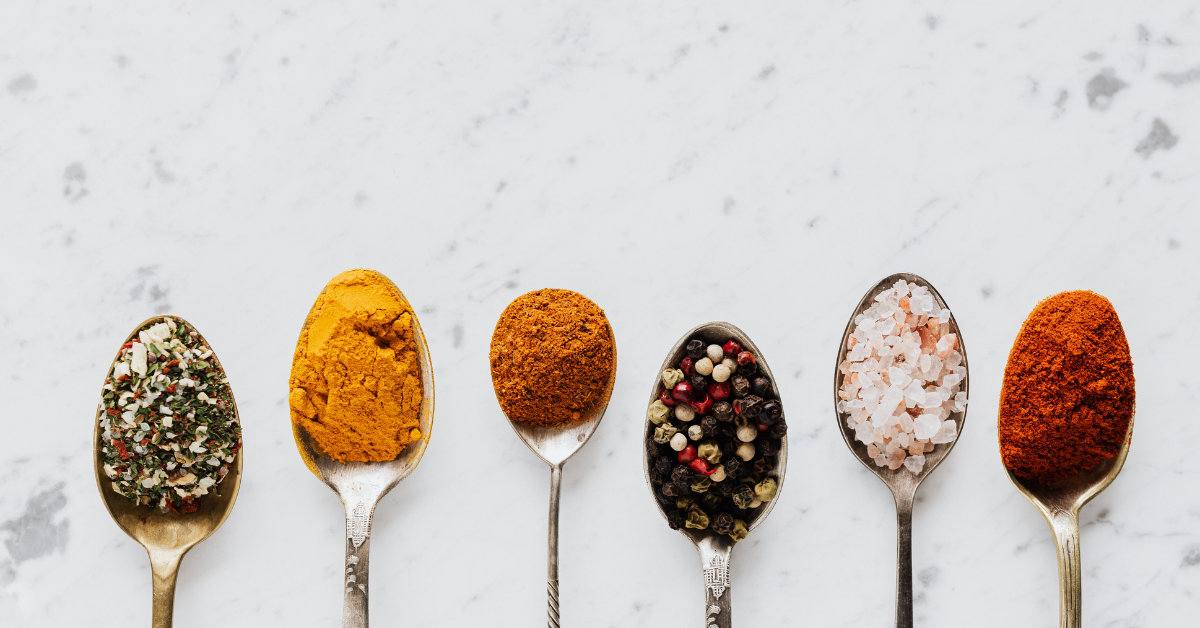
If you’re worried about forgetfulness, you might want to take a look in your kitchen cupboards. Why? Because some of the most common herbs and spices that people use to add flavor to foods may also fight memory loss.
According to research, there’s a growing body of evidence suggesting that spices may prevent or even halt neurodegenerative disorders commonly seen in aging, such as Alzheimer’s disease.
The following nine kitchen staples have solid scientific evidence showing neuroprotective and memory-enhancing properties. Be sure to stock up on them the next time you go to the market.
In this blog, you’ll discover the best herbs for memory loss, tasty ways to consume them, and more.
Is your spice rack stronger than your medicine cabinet? When it comes to memory, your spice rack is a great place to start. Herbs and spices that support memory include cinnamon, curcumin (from turmeric), saffron, sage, and more.
Is your spice rack stronger than your medicine cabinet? When it comes to memory, your spice rack is a great place to start. Common herbs and spices that support memory function and brain health include cinnamon, curcumin (from turmeric), ginger, mint, nutmeg, rosemary, saffron, sage, and thyme.
Cinnamon promotes greater blood flow to the brain. Increased cerebral blood flow is associated with better memory, particularly in older adults and individuals with cognitive impairment. Cinnamon additionally has properties that help to inhibit tau aggregation, a hallmark pathology of Alzheimer’s disease.
It has also been shown to lower cholesterol, fasting glucose, and HbA1c levels and improve insulin sensitivity.
Try This: Cinnamon makes a wonderful addition to hot beverages, smoothies, baked goods, hot cereal, and even some chicken dishes. Sprinkle 1 teaspoon of cinnamon in your morning shake for a brain healthy way to start your day.
A polyphenol mix from turmeric root that is used in curry, curcumin contains at least three curcumoinoids that have been shown to decrease beta-amyloid plaques and inflammation.
In a double-blind, placebo-controlled study, a special curcumin preparation with enhanced absorption (Longvida) improved memory and attention after just 1 hour. After 4 weeks, working memory, energy levels, calmness and contentedness (as measures of mood) and even fatigue induced by psychological stress were all significantly improved.
Try This: Curcumin comes from the turmeric root. Sprinkle 1-2 teaspoons of turmeric spice in soups, stew, or curries.
An anti-inflammatory agent, ginger may protect against neurodegenerative diseases by reducing the oxidative stress that causes brain cells to age and die.
Try This: To make a fragrant ginger tea, grate three teaspoons of fresh ginger root, place it in one cup of boiled water, cover and steep for 10 to 15 minutes. Strain before drinking.
When most of us think of mint, we typically think of toothpaste, gum, or breath fresheners. But mint leaves possess other powerful health benefits. According to a study published in the International Journal of Neuroscience, the scent of peppermint improves memory and focus.
Try This: Add mint leaves to water or smoothies, or chop and add to any salad to give it a fresh, summery twist.
This aromatic spice contains myristicin, which helps to prevent the formation of beta amyloid plaques (the plaques seen in Alzheimer’s disease). It also contains eugenol, a compound thought to be cardioprotective.
Try This: Though commonly used in baking, nutmeg adds a delicious twist to lamb stew.
This well-known herb contains compounds that offer protection from the cognitive decline associated with dementia. Research suggests that rosemary may also provide new hope in the treatment of Parkinson’s disease. Just the smell of rosemary has been shown to help memory.
Try This: Probably one of the most versatile herbs for creating marinades and salad dressings, rosemary adds great flavor to salads, poultry, and meat.
As depression is associated with memory problems and forgetfulness, mood-boosting saffron can help to improve memory in people with memory loss issues.
One study found that saffron may improve memory in people with Alzheimer’s disease. In addition, multiple studies at the University of Teheran in Iran show that saffron is as effective as antidepressant medication in treating people with mild to moderate depression.
Try This: Add about ½ teaspoon of saffron to two cups of quinoa while cooking for a mood-boosting side dish.
This herb helps memory by inhibiting an enzyme that breaks down acetylcholine, which makes more acetylcholine available. Acetylcholine plays a critical role in memory, learning, and attention.
A 2017 review of the existing scientific evidence on sage shows that the aptly named spice revs up memory in both the younger and older generations, and it also minimizes the cognitive decline associated with Alzheimer’s disease.
Try This: Add two tablespoons of chopped fresh sage leaves to enhance the flavor of winter soups.
This flavorful herb helps to protect neurons from premature aging, as well as to increase the amount of active DHA (docosahexaenoic acid) in the brain. These effects support working memory, executive function, and mood, as well as protect against brain atrophy.
Related: 10 Best Brain Foods for Mood, Memory, Focus and Cognitive Health
Try This: The next time you roast a turkey, rub it with two tablespoons of chopped fresh thyme leaves in addition to your other favorite herbs before cooking.
Start to view herbs and spices through the prism of brain health. A great way to enjoy their brain-protective benefits is to begin to use them to enhance foods you already enjoy. Sprinkle them into them into your food daily.
You can also let them inspire you to prepare new types of dishes. They can bring a splash of creativity into your meals! You may even want to consider planting some fresh herbs in your garden or in a planter on your patio or windowsill to have fresh herbs on the ready.
Saffron appears to be the most effective herb in helping to reduce dementia-related symptoms, research has shown.
In a human study, saffron supplementation of 30 mg a day for 16 weeks showed better outcome on cognitive performance than placebo in patients with mild to moderate Alzheimer’s disease (AD).
Additionally, in an extension of the study (a 22-week double-blind, randomized, controlled trial) saffron extract boosted cognitive improvement to the same level as the Alzheimer’s disease medication donepezil in patients with mild to moderate AD, but with fewer side effects.
A later one-year study comparing the effects of saffron supplementation and the Alzheimer’s disease medication memantine showed that saffron performed equally as well as memantine in supporting cognitive improvement, again with fewer side effects.
Researchers believe that saffron’s effects in treating mild-to-moderate AD may possibly be attributed to its ability to inhibit the aggregation and deposition of beta-amyloid plaques.
Typical culinary use of these herbs and spices is generally safe for most people. However, used in larger amounts or over prolonged periods, there’s a greater chance of side effects. Some caution is needed if consuming these herbs with other medications or during pregnancy.
Take note of the following precautions:
Cinnamon
When used in larger amounts or for long periods of time, cinnamon is sometimes associated with side effects, most commonly gastrointestinal problems or allergic reactions. Cassia cinnamon contains a chemical called coumarin, which can be harmful to your liver in high amounts or prolonged use. Ceylon cinnamon in larger amounts during pregnancy is considered unsafe.
Curcumin (from turmeric)
In high amounts, turmeric can cause abdominal pain, nausea, and diarrhea.
Ginger
Ginger can have side effects such as abdominal discomfort, diarrhea, heartburn, and mouth and throat irritation in some people. Additionally, it can act as a blood thinner, and high doses can increase the risk of bleeding, especially for individuals on anticoagulant medication.
Mint
Mint can exacerbate heartburn and gastrointestinal symptoms in some individuals.
Nutmeg
High doses or long-term consumption of nutmeg can be neurotoxic and cause delirium, hallucinogenic effects, and other side effects. Nutmeg can interact with medications that increase acetylcholine levels, such as those for Alzheimer’s and glaucoma, which may increase their side effects.
Rosemary
Taking very large or medicinal amounts of rosemary leaf is considered unsafe and can cause side effects like vomiting, sun sensitivity, and skin redness.
Saffron
Consuming large amounts of saffron can cause nausea, vomiting, dizziness, dry mouth, appetite changes, and stomach problems. Saffron can also trigger allergic reactions and may interact with blood pressure and blood thinner medications. It may be unsafe for pregnant women and people with bipolar disorder or heart conditions.
Sage
Some species of sage, including common sage (S. officinalis), contain a chemical called thujone that can be toxic if consumed in large amounts. It may be unsafe to use sage during pregnancy.
Thyme
Thyme may interact with Alzheimer’s disease medication by affecting levels of certain brain chemicals. It can also interact with the effects of estrogen-based medications.
Research shows that certain herbs and spices like turmeric, rosemary, and saffron contain powerful compounds that reduce inflammation, increase blood flow, and protect brain cells from oxidative stress.
These effects can improve memory, focus, and mood while lowering your risk of age-related cognitive decline.
While natural herbs and spices can support brain health, they shouldn’t replace prescribed treatments without medical supervision.
At Amen Clinics, we use brain SPECT imaging to identify underlying causes of memory loss and then personalize treatment, which may include nutritional support, lifestyle changes, supplements, or medications when needed.
At Amen Clinics, we look at your brain to find the root causes of forgetfulness or cognitive decline.
Using advanced brain SPECT imaging, lab testing, and clinical evaluation, we create a customized plan that may include targeted nutrients, dietary recommendations, cognitive training, and other brain-boosting therapies to optimize memory and slow or prevent further decline.
Like with any mental health concern, it’s important to take a holistic approach when treating attention deficit hyperactivity disorder (ADHD), also known as attention deficit disorder (ADD). While medication is a frequent strategy for this condition, natural ADHD treatments can help by addressing the entire person.
Fortunately, various natural remedies for ADHD have been studied for their efficacy. From sleep and exercise to dietary changes and therapeutic interventions, incorporating non-pharmacological approaches can maximize results, even when medication is also prescribed.
This blog will explore the best natural ADHD treatments, the science behind them, and how they can help.
From sleep and exercise to dietary changes and therapeutic interventions, incorporating non-pharmacological approaches to ADHD treatment can maximize results, even when medication is also prescribed.
According to CDC stats, an estimated 15.5 million (6 percent) U.S. adults had a current ADHD diagnosis in 2023. About one-third of them were not receiving any ADHD treatment. And among those who were receiving stimulant pharmacotherapy, 71.5 percent reported difficulty obtaining their ADHD medication.
While medicine may be prescribed, it should never be the only form of treatment. Natural alternatives to ADHD medication have been found to reduce a number of ADHD symptoms, including:
When you’re seeking complementary ADHD treatments, there are a range of options available, including:
Remove potential allergens: sugar, gluten, dairy, corn, soy, and artificial dyes and sweeteners. Add them back, one at a time (except artificial dyes and sweeteners, which should be avoided) and monitor your response. Avoid any ingredient that aggravates symptoms.
such as ketogenic or paleo, for one month. Evaluate its effects on your focus.
Even simple movements will help, like brisk walking for 45 minutes 4 times a week.
Maintain good sleep hygiene practices.
to check ferritin, vitamin D, magnesium, zinc, and thyroid levels. Balance any that are not optimal.
Each day, take 1,000 mg of EPA and DHA omega-3 fatty acids, 200-300 mg of phosphatidylserine, and 100-500 mg of magnesium glycinate, citrate, or malate.
Natural ADHD strategies can improve ADHD symptoms, often with few to no dangers or downsides. When used safely and under a clinician’s care, they can have a small to moderate impact on overall well-being and act as helpful adjuncts to medication and therapy.
Related: Natural Ways to Help ADD
Here are answers to frequently asked questions about natural ADHD treatments—plus the current scientific findings behind them.
The best-supported natural options for ADHD include:
In addition, omega-3s and addressing deficiencies in iron, zinc, and magnesium may help some individuals. You may also consider short, supervised trials of dye-reduction or elimination diets. Any of these may be combined with medication when needed.
A 2015 systematic review and meta-analysis examined the effects of physical exercise in children with ADHD. Findings suggested that aerobic exercise had a moderate to large effect on core symptoms in children with ADHD, including:
In this analysis, yoga exercise was also associated with an improvement in ADHD’s core symptoms. And another meta-analysis in 2022 concluded that physical exercise helped alleviate the symptoms of ADHD in children—specifically, attention, executive function, and motor skills.
How does exercise help ADHD focus? Movement helps with brain blood flow, which can be compromised in those with ADHD. According to SPECT science, the ADHD brain often shows low blood flow and activity in the prefrontal cortex (PFC). This tends to affect key functions like attention span, organization, and impulse control.
Proper sleep is crucial for anyone—and especially those with ADHD. In one study published in 2023, 27 ADHD-diagnosed children and adolescents (7-15 years old) were found to benefit from low doses of melatonin (1 mg) to assist their sleep.
After one month of treatment, participants experienced a significant increase in their sleep duration. They also had small improvements in the categories of falling asleep, nighttime awakenings, and sleep efficiency. Only minor adverse gastrointestinal effects were reported in some subjects.
A 2023 review in Current Nutrition Reports noted that those with ADHD often have deficiencies in copper, magnesium, manganese, chrome, iron, and zinc. Therefore, proper levels of minerals might have beneficial effects on ADHD symptoms.
Omega-3 and ADHD have also been studied in children. A 2020 study in the Journal of Dietary Supplements found that children ages 6-12 with behavioral disorders improved significantly by taking omega-3 dietary supplements. They reported better health status, quality of life, and scores on Strengths and Difficulties Questionnaires.
Meanwhile, an analysis of 10 studies in the Journal of the American Academy of Child and Adolescent Psychiatry found that omega-3 fatty acid supplements had a small but significant effect in improving ADD/ADHD symptoms. A higher EPA dose in the supplements was significantly correlated with efficacy.
Finally, a 2017 review of 16 studies found that omega-3 fatty acids improved symptoms associated with ADHD. These included impulsivity, hyperactivity, attention, visual learning, and working/short-term memory.
While these effects may be small, it’s a good idea to test levels of ferritin, zinc, magnesium, and vitamin D. Deficiencies should be addressed with supplements.
A 2023 review in Current Nutrition Reports noted that those with ADHD often have deficiencies in copper, magnesium, manganese, chrome, iron, and zinc. Therefore, proper levels of minerals might have beneficial effects on ADHD symptoms.
Omega-3 and ADHD have also been studied in children. A 2020 study in the Journal of Dietary Supplements found that children ages 6-12 with behavioral disorders improved significantly by taking omega-3 dietary supplements. They reported better health status, quality of life, and scores on Strengths and Difficulties Questionnaires.
Meanwhile, an analysis of 10 studies in the Journal of the American Academy of Child and Adolescent Psychiatry found that omega-3 fatty acid supplements had a small but significant effect in improving ADD/ADHD symptoms. A higher EPA dose in the supplements was significantly correlated with efficacy.
Finally, a 2017 review of 16 studies found that omega-3 fatty acids improved symptoms associated with ADHD. These included impulsivity, hyperactivity, attention, visual learning, and working/short-term memory.
While these effects may be small, it’s a good idea to test levels of ferritin, zinc, magnesium, and vitamin D. Deficiencies should be addressed with supplements.
In a 2025 review, researchers found that neurofeedback “demonstrated medium to large effect sizes in improving attention and reducing hyperactivity.” And the long-term effects lasted up to 12 months after treatment, with fewer negative side effects than medications.
Neurofeedback, the authors added, may offer potential long-term savings compared to the costs of ongoing medications. Still, they concluded that integrative approaches involving neurofeedback as well as standard treatments could optimize outcomes.
Meanwhile, a 2015 review explained that mindfulness can be integrated with cognitive behavioral therapy (CBT) for adults with ADHD. Mindfulness for ADHD was found to be a well-accepted intervention.
Related: Neurofeedback for ADHD and Anxiety: A Natural Brain-Based Approach That Lasts
Whenever adding a new treatment to your mental health toolkit, it’s important to work with a qualified clinician. First, they can evaluate when to combine natural ADHD treatments with medications. This includes testing before recommending supplements like melatonin, iron, zinc, and magnesium.
Then the clinician should monitor the patient’s sleep and their adherence to interventions, as well as any side effects or interactions. Setting and tracking goals will help determine how well these treatments are working.
Finally, it’s important for clinicians and patients alike to balance their expectations. Natural treatments may not be miracle cures or able to completely replace medications. But the appropriate individualized plan will create a holistic approach to treatment—and therefore optimal results.
ADHD and other mental health conditions can’t wait. At Amen Clinics, we provide personalized, science-backed treatment plans designed to target the root causes of your symptoms. Our 360-approach includes brain SPECT imaging, clinical evaluations, innovative therapeutic techniques, medications (when necessary), and holistic lifestyle recommendations to promote the health of your brain, body, and mind. Speak to a specialist today at 888-288-9834 or visit our contact page here.