

Have you been feeling lonely even when you’re not alone? Loneliness isn’t just a heavy feeling or an uncomfortable emotion that weighs on your heart. It’s a serious threat to your brain and mental health.
Research highlights the strong link between loneliness and mental health, showing that prolonged isolation can alter brain function, raise the risk of depression, and accelerate cognitive decline.
Whenever you’re feeling isolated, your brain goes into a state of high alert. It reduces the feel-good chemicals and increases the production of stress hormones. This tension wears down areas of the brain involved in focus, memory, and emotional control.
Interestingly, loneliness doesn’t necessarily mean being alone or not having friends. It’s a feeling of distress that comes from the gap between the social connections you have and the ones you desire. So, how far-reaching is the damage, and what can you do to reconnect?
Loneliness is worse for your health than alcohol abuse, obesity, or even smoking 15 cigarettes a day. Plus, it can alter brain function, raise the risk of depression, and accelerate cognitive decline.
Loneliness in adults is more common than you may think, even among the people who appear to be thriving. Take former Today show host Kathie Lee Gifford, for instance. She struggled when both her husband and her mother died, and then her adult children moved out of the family home. “I was dying of loneliness,” she told The Tennessean in an interview.
You don’t have to be suffering from grief to experience feelings of loneliness. Sports Illustrated model Georgia Gibbs recently took to Instagram in a revealing post, saying: “Until a couple of years ago I spent most of my life feeling lonely…” Loneliness can strike anyone at any age.
Loneliness is not just a state of solitude. It’s a distressing experience that occurs when the connections you have at the moment don’t meet the emotional depth your brain is craving. The truth is that you can be surrounded by people who love and care about you but still feel painfully isolated inside.
Sadly, your brain interprets emotional disconnection as a threat, which makes loneliness and mental health struggles more than just emotional states. They become physical realities. Understanding the nature of loneliness is essential to protecting your mental well-being.
Many people assume that loneliness kicks in during old age. However, research paints a very different picture. A 2019 study in International Psychogeriatrics found that it peaks at three periods in life:
Each of these periods comes with increased responsibilities, identity shifts, or loss of purpose, all of which can quietly fuel these feelings of isolation.
For instance, during your 20s, you’re trying to navigate adult life, and that’s when you mostly compare yourself to others. Your 50s may require a lot of balancing, where you’re dealing with career pressure, empty nests, and aging parents. Then, in your late 80s, you’re more likely to experience deep emotional disconnection due to physical decline and the loss of loved ones.
During these transitions, your brain becomes more sensitive to emotional disconnection, making it easier for loneliness and mental health challenges to quietly intensify. Being aware of these stages can help you stay proactive about your emotional and brain health.
Related: Is It a Midlife Crisis or Depression?
We’re living in the middle of a growing epidemic, and although it doesn’t make headlines daily, it’s quietly affecting millions.
About one in three U.S. adults age 45 or over say they feel lonely, according to research by the AARP Foundation. Baby Boomers are aging alone more than any generation in U.S. history.
About 10 percent of Americans who are 50 or older don’t have a spouse, partner, or living child. And other sad statistics from a 2017 survey show that more than one in eight people report having no close friends.
Former Surgeon General Dr. Vivek Murthy calls the rising number of lonely people a silent epidemic. The impact of loneliness on health is far-reaching, contributing to everything from chronic inflammation to early death. Yet it’s still overlooked as a serious medical risk. These statistics reveal just how widespread and quietly damaging loneliness has become.
Humans are social animals whose brains are hardwired for connection. Loneliness or social isolation isn’t good for you, and it certainly isn’t good for your brain. Loneliness and the brain form a feedback loop where emotional isolation triggers biological changes that weaken mental resilience over time.
Mounting evidence, including research in the Journal of Neurology, Neurosurgery, and Psychiatry, shows that when we’re lonely and/or disconnected from others, it can have negative consequences for us cognitively, emotionally, and physically.
The loneliest among us experience cognitive decline 20 percent faster than people who are connected to others, and loneliness has been associated with depression, social anxiety, addictions, even hoarding. Again, loneliness is a recognized risk factor for Alzheimer’s disease.
The impact of loneliness on health isn’t just emotional, it’s physical and measurable. Alarming results from a 2024 study in the Journal of the American Geriatrics Association show that loneliness is worse for your health than alcohol abuse, obesity, or even smoking 15 cigarettes a day.
Loneliness weakens the immune system and puts serious strain on both the heart and the brain.
Social isolation and depression are deeply intertwined, with one often making the other worse, creating a cycle that can quietly impair your emotional and cognitive well-being.
Loneliness can cause a range of mental health conditions, including:
According to a report in The Wall Street Journal, lonely baby boomers have the highest rate of suicide.
When it comes to social media and loneliness, what seems like connection can easily deepen disconnection. Checking in with people online through quick messages or likes doesn’t provide us with the same benefits as socializing face-to-face.
In fact, in a 2018 study, there was a clear, causal link between depression and loneliness, and platforms like Facebook, TikTok, and Instagram, especially in teenage girls.
A 2019 study found that, sadly, these sites also make vulnerable people feel worse about their bodies. Excessive digital interaction can undermine your brain’s sense of belonging, safety, and emotional balance.
In his book, The End of Mental Illness, Dr. Amen explained that what we call mental illness is actually a brain health problem. If we want to truly heal the mind, we must start by caring for the brain.
Human connection is one of the most powerful forms of treatment. Having meaningful relationships can increase activity in the brain regions tied to memory, mood, and decision-making.
Connection and brain health are profoundly linked. When you feel genuinely seen, supported, and emotionally secure, your brain activates its highest potential for healing, clarity, and resilience.
Healing from loneliness and mental health struggles requires a whole-person approach. At Amen Clinics, the physicians teach that true healing comes from strengthening four key areas of life: social, biological, psychological, and spiritual. When these circles are nourished together, your brain becomes more resilient, connected, and balanced.
Related: 7 Ways to Be Less Lonely
Healing begins with simple actions that reconnect you to others and nourish your brain. Taking small, intentional steps like reaching out to a friend or joining a group can have a powerful impact on loneliness and mental health alike.
You could also engage in creative activities or volunteer your time or skills. Over time, these meaningful interactions help rewire your brain for greater resilience, joy, and emotional balance.
At Amen Clinics, we know that loneliness doesn’t just hurt emotionally it physically changes the brain. Chronic isolation can increase activity in areas related to fear, stress, and sadness, while reducing healthy activity in the prefrontal cortex. Over time, this can lead to depression, memory problems, and even increased risk for Alzheimer’s disease.
Yes. While it may appear that we’re more connected than ever, platforms like Instagram, Facebook, and TikTok often replace meaningful in-person interaction. At Amen Clinics, we see how constant comparison and digital overstimulation can fuel anxiety, lower self-esteem, and deepen the emotional isolation that contributes to brain dysfunction.
Loneliness is a brain health issue, and healing starts by strengthening what Amen Clinics calls your Four Circles of Health and Wellness: biological, psychological, social, and spiritual. That might mean joining a group, volunteering, repairing strained relationships, or working with a professional to reframe negative thinking. Our team uses brain imaging and integrative tools to guide personalized paths to reconnection and emotional healing.
Anxiety, depression, and other mental health conditions can’t wait. At Amen Clinics, we provide personalized, science-backed treatment plans designed to target the root causes of your symptoms. Our 360-approach includes brain SPECT imaging, clinical evaluations, innovative therapeutic techniques, medications (when necessary), and holistic lifestyle recommendations to promote the health of your brain, body, and mind. Speak to a specialist today at 888-288-9834 or visit our contact page here.
Lee, E. E., Depp, C., Palmer, B. W., Glorioso, D., Daly, R., Liu, J., Tu, X. M., Kim, H. C., Tarr, P., Yamada, Y., & Jeste, D. V. (2019). High prevalence and adverse health effects of loneliness in community-dwelling adults across the lifespan: Role of wisdom as a protective factor. International Psychogeriatrics, 31(10), 1447–1462. https://doi.org/10.1017/S
Anderson, G. O., & Thayer, C. E. (2018, September). Loneliness and Social Connections: A National Survey of Adults 45 and Older. AARP Research. https://doi.org/10.26419/res.00859.001
Express.co.uk. (2017, March 1). One in eight people are lonely and have no close friends to turn to. https://www.express.co.uk/news/uk/773002/One-in-eight-people-faced-with-loneliness
Murthy, V. (2017, October 19). Former surgeon general sounds the alarm on the loneliness epidemic. CBS News. https://www.cbsnews.com/news/loneliness-epidemic-former-surgeon-general-dr-vivek-murthy/
Holwerda, T. J., Deeg, D. J. H., Beekman, A. T. F., van Tilburg, T. G., Stek, M. L., Jonker, C., & Schoevers, R. A. (2014). Feelings of loneliness, but not social isolation, predict dementia onset: Results from the Amsterdam Study of the Elderly (AMSTEL). Journal of Neurology, Neurosurgery & Psychiatry, 85(2), 135–142. https://doi.org/10.1136/jnnp-2012-302755
Hogue, J. V., & Mills, J. S. (2019). The effects of active social media engagement with peers on body image in young women. Body Image, 28, 1–5. https://doi.org/10.1016/j.bodyim.2018.11.002
Williams-Farrelly MM, et al. (2024) Loneliness in older primary care patients and its relationship to physical and mental health-related quality of life. Journal of the American Geriatrics Society, 72(3): 811-821. https://doi.org/10.1111/jgs.18762
If you’ve ever sworn off sugar in the morning, only to start craving a sweet fix by 3 p.m., you’re in good company. Beyond the obvious candy and desserts, sugar hides in pasta, bread, yogurt, sauces, fruit juices, and even ketchup.
Sugar addiction isn’t a failure of willpower; it’s a brain-based issue. Sugar stimulates the brain’s reward system, which gives it a sneaky way of keeping you coming back for more. Beyond weight gain, this addiction leads to serious consequences like anxiety, depression, brain fog, and fatigue.
If you’ve been trying to figure out how to quit sugar, you don’t have to do it alone. The breakthrough you’re seeking begins in your brain, not your pantry. Take advantage of advances in nutritional psychiatry to target the root causes of your cravings, so you can regain control and feel your best.
Your brain uses about 20% of the calories you consume. But not all calories are created equal when it comes to brain health.
Sugar overstimulates the pleasure pathways in the brain, making it harder to resist. According to recent data, American adults consume, on average, about 17 teaspoons of added sugar every day, well above the American Heart Association’s recommended limit.
Related: Is Your Sugar Addiction Stressing You Out?
Whenever you eat sugar, your brain experiences a sudden surge of dopamine, the feel-good hormone tied to reward, motivation and pleasure. This rush of dopamine lights up your brain’s reward system, which is the same area activated by drugs and substances like cocaine and alcohol.
Surprisingly, according to research, sugar can be more addictive than cocaine. The more sugar you eat, the more your brain craves that spike in dopamine.
Over time, your brain begins to need more sugar to feel the same pleasure. This becomes a cycle of intense cravings and emotional dependency. In some cases, you may start experiencing withdrawal-like symptoms when you try to cut back.
Sugar gets absorbed so quickly in your body, causing a rapid boost in mood and energy due to the spike in glucose levels. However, that is short-lived. Your body releases insulin to lower the blood sugar, which leads to an energy crash.
These sharp fluctuations destabilize your brain chemistry, worsening symptoms like irritability, fatigue, anxiety, low mood, and brain fog.
Related: How To Eliminate Sugar Cravings for Good
Protein helps stabilize your brain chemistry and blood sugar, reducing the brain’s reliance on sugar for quick energy.
Unlike refined carbs and sugar, protein is digested more slowly, which results in a gradual release of glucose into your bloodstream. That helps to maintain a stable level of blood sugar throughout the day and prevents sharp spikes and crashes. Such stability ensures that there are low chances of fatigue, mood swings, and the urge to eat sugary snacks.
Protein fuels the production of neurotransmitters like serotonin and dopamine, which are essential for motivation, mood, and focus. With a steady supply of these hormones, your brain is less likely to crave sugar to experience the quick mental or emotional lift.
The right protein sources support your body and brain without the inflammatory effects caused by processed foods. They include:
To experience the best results, aim to include protein with your breakfast and afternoon snack. These are the times when blood sugar tends to drop and the sugar cravings spike.
Related: 5 Tips to Conquer Your Cravings
Studies indicate that that sudden urge for food or a sugary snack could be a sign that your body needs a drink and not food. Consider this:
Your brain is more likely to misinterpret mild dehydration as hunger, causing you to crave quick energy sources like sugar. That is because as the fluid levels are dropping, it can lead to lower energy availability at the cellular level.
Consequently, your brain may start feeling sluggish. This can cause the brain to send signals to eat, especially foods rich in carbohydrates, since they can raise the levels of your blood glucose quickly.
When you swap sugary drinks for brain-healthy alternatives, you can significantly improve your focus, energy and emotional stability. Below are smart, nourishing options to consider when trying to detox from sugar.
Beating sugar addiction doesn’t mean that you have to give up all carbohydrates. According to research, essential carbohydrates help you maintain balanced energy, healthy brain function and a stable mood.
Carbs fall into two main categories. Simple carbs and complex carbs, each affecting your body differently.
Simple carbs are like those you find in white bread, candy, or sugary drinks. They are quickly broken down by your body, causing you to have a rapid rise and fall in blood sugar. They cause a rollercoaster effect, leading to more cravings, fatigue and irritability.
On the other hand, complex carbohydrates are rich in fiber and nutrients, which slow down your digestion. Examples of these foods include oats, sweet potatoes, lentils, and berries.
Because they digest more gradually, complex carbs provide your brain with a steady stream of glucose. They support more stable levels of blood sugar, helping to prevent energy crashes. They also support the production of serotonin, the neurotransmitter responsible for the regulation of mood and appetite.
It’s important to time your carbohydrate intake while trying to quit sugar. Aim to include small portions of complex carbs throughout the day, especially during meal time, or during those times when cravings hit hardest. For example, swap complex carbs for after-dinner desserts in the evening.
At Amen Clinics, we are well aware of the fact that sugar addiction is mainly about brain function, neurochemistry, and emotional health. We focus on helping people like you get to the root of your cravings.
Most people struggling with sugar addiction are never aware that their brain could be driving the challenge. At Amen Clinics, we conduct a comprehensive evaluation of your brain to find out the cause of the cravings.
Here are the key tools we use in our approach:
A sugar-free brain health plan to reduce cravings involves five core components:
Start by gradually replacing refined sugars with nutrient-dense foods that support your brain chemistry, such as clean proteins, healthy fats, and complex carbohydrates. This helps stabilize blood sugar and reduce cravings, making the transition easier and more sustainable.
We use brain SPECT imaging to assess areas of overactivity or underactivity that can drive cravings, along with nutritional and psychological evaluations. This comprehensive approach reveals whether your sugar dependence is linked to mood regulation issues, low dopamine, trauma, or other brain-based factors—so we can address the problem at its source.
Your personalized plan may combine clean, protein-rich nutrition, targeted supplements, cognitive retraining to break automatic negative thought patterns, and emotional therapies such as EMDR to address stress or trauma triggers. We also provide strategies like continuous glucose monitoring to help you make food choices that keep your brain and body balanced.
Emotional overeating, anxiety, depression, and other mental health conditions can’t wait. At Amen Clinics, we provide personalized, science-backed treatment plans designed to target the root causes of your symptoms. Our 360-approach includes brain SPECT imaging, clinical evaluations, innovative therapeutic techniques, medications (when necessary), and holistic lifestyle recommendations to promote the health of your brain, body, and mind. Speak to a specialist today at 888-288-9834 or visit our contact page here.
Lee, S. H., Park, S., & Blanck, H. M. (2023). Consumption of Added Sugars by States and Factors Associated with Added Sugars Intake among US Adults in 50 States and the District of Columbia—2010 and 2015. Nutrients, 15(2), 357. https://doi.org/10.3390/nu15020357
American Heart Association. (2024). Added sugars: How much is too much? https://www.heart.org/en/healthy-living/healthy-eating/eat-smart/sugar/how-much-sugar-is-too-much
Benton, D. (2002). Carbohydrate ingestion, blood glucose and mood. Neuroscience & Biobehavioral Reviews, 26(3), 293–308. https://doi.org/10.1016/S0149-7634(02)00004-3
Mattes, R. D. (2010). Hunger and thirst: Issues in measurement and prediction of eating and drinking. Physiology & Behavior, 100(1), 22–32. https://doi.org/10.1016/j.physbeh.2009.12.026
Tay, Z. H., Chojnacki, C., Wachsmuth, N., & Muth, E. R. (2023). Role of dietary carbohydrates in cognitive function: A review. Nutrients, 15(2), 357. https://doi.org/10.3390/nu15020357
Brownley KA et al. A double-blind, randomized pilot trial of chromium picolinate for binge eating disorder: results of the Binge Eating and Chromium (BEACh) study. J Psychosom Res. 2013 Jul;75(1):36-42. DOI: 10.1016/j.jpsychores.2013.03.092
Suksomboon N et al. Systematic review and meta-analysis of the efficacy and safety of chromium supplementation in diabetes. J Clin Parm Ther. 2014; 39:292-306. DOI: 10.1111/jcpt.12147
Rabinovitz H et al. Effect of chromium supplementation on blood glucose and lipid levels in type 2 diabetes mellitus elderly patients. Int J Vitam Nutr Res. 2004; 74(3):178-82. DOI: 10.1024/0300-9831.74.3.178
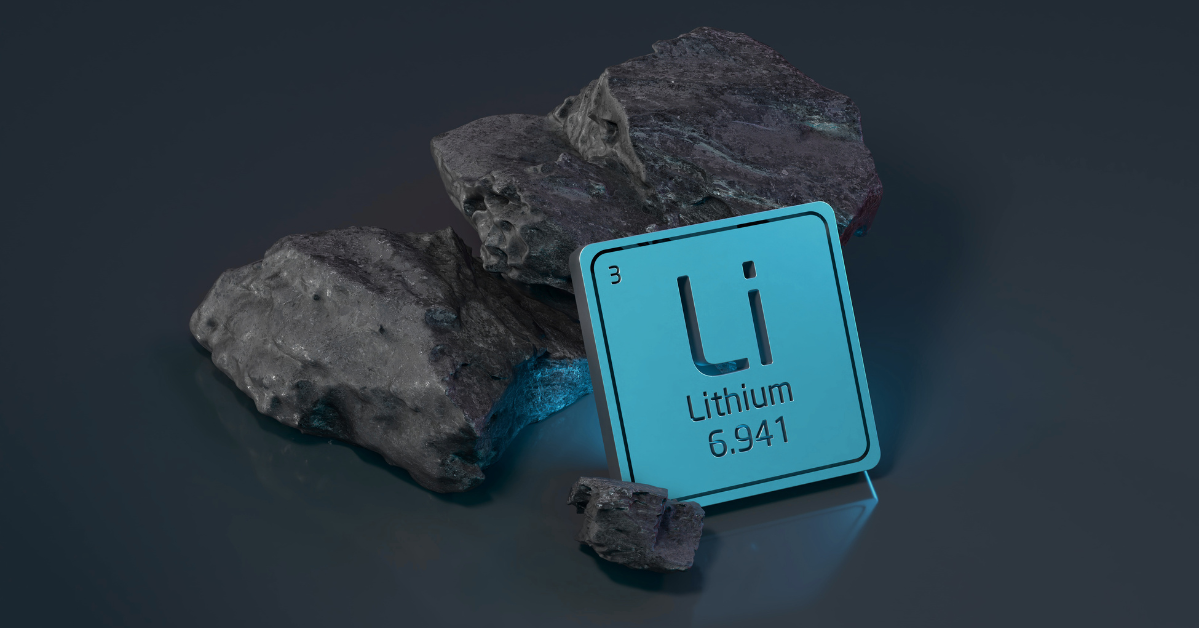
Could a naturally occurring metal used in mental health treatment hold the key to preventing—or even reversing—Alzheimer’s disease? A groundbreaking 2025 study published in Nature suggests it just might.
In their research, scientists from Harvard Medical School and Rush University discovered a striking link between low levels of brain lithium and Alzheimer’s disease (AD). By restoring this naturally occurring metal to healthy levels, they found it may be possible to protect the brain from damage—and, in some cases, even reverse cognitive decline.
This breakthrough points to a future where a safe, natural element could transform how we treat one of the most devastating brain disorders of our time.
A new study from researchers at Harvard Medical School and Rush University suggests that replenishing the brain’s natural stores of lithium may protect against—and potentially even reverse—Alzheimer’s disease.
The researchers’ analyses of human brain tissues and multiple mouse experiments indicate that lithium deficiency in the brain and cognitive decline are closely linked. Specifically, low levels of natural lithium in the brain are associated with the development of memory loss and the buildup of amyloid plaques and tau tangles—hallmarks of Alzheimer’s disease.
Additionally, the researchers found evidence in mice that lithium orotate—a specific type of lithium supplement—undoes memory loss and reverses neurological changes, helping to restore the brain to a healthier and younger state in subjects with AD.
The groundbreaking study adds to a growing body of research pointing to lithium’s neuroprotective effects. However, the implications of this latest finding are profound. With clinical study, it could potentially lead to new and effective treatments for Alzheimer’s disease—and perhaps even Alzheimer’s prevention supplements of lithium orotate.
Here’s a basic overview of Alzheimer’s disease and details on this groundbreaking research.
Dementia is the umbrella term that refers to a category of progressive neurodegenerative diseases that compromise important brain functions and lead to cognitive impairment, memory loss, difficulty with language, and changes in behavior and personality.
Alzheimer’s disease (AD) is the most common and well-known form of dementia, representing about 60-80 percent of all cases. AD affects about 6.7 million Americans, according to data from the Centers for Disease Control and Prevention (CDC) and, concerningly, that figure is expected to double by 2060.
AD painfully and slowly destroys memory, thinking skills and, over time, the ability to carry out simple everyday tasks, robbing individuals of their independence. Even though it affects mostly older adults, AD is not a normal part of aging.
Some of the most common signs and symptoms of Alzheimer’s disease include the following:
According to decades of research, the underlying pathology of AD is believed to be a buildup of beta amyloid plaques that occurs between neurons (brain cells), which interferes with communication from one neuron to the next, and an accumulation of tangles of abnormal tau protein inside the neurons, called “tau tangles.”
However, this theory has been increasingly called into question. For example, a 2023 article in the Journal of Alzheimer’s Disease asked: “The Amyloid Hypothesis: The Greatest Invention or the Biggest Blunder in Biomedical Science Ever?”
Brain-imaging research shows that changes suggestive of mild cognitive impairment (MCI) can begin more than a decade before the clinical diagnosis of AD.
Brain SPECT imaging studies at Amen Clinics, which has the world’s largest database of functional brain scans related to behavior, show that changes associated with Alzheimer’s can be seen on SPECT scans over 20 years before cognitive symptoms develop.
Most individuals with the disease have what’s called late-onset Alzheimer’s disease, where symptoms first appear in their mid-60s. Early-onset AD occurs between one’s mid-30s and mid-60s.
Currently, there are two immunotherapy drugs that have been approved for the treatment of early stage-Alzheimer’s, which target the reduction of amyloid plaques to slow deterioration. Unfortunately, the benefits of these treatments are modest, and they can have serious brain-damaging side effects.
This doesn’t mean there is nothing we can do to prevent Alzheimer’s disease or slow its progression. Understanding what causes Alzheimer’s disease is key to prevention and treatment.
The exact cause of AD is unclear, but scientists believe a combination of genetic, lifestyle, and environmental factors play into its development. Psychiatrist and brain health expert Dr. Daniel Amen has identified 11 major risk factors for Alzheimer’s disease. He details these risks as well as strategies to address them and reduce the risk for AD in his book Memory Rescue.
In terms of genetics, a variant of the apolipoprotein E (Apo E) gene, called ApoE4, is the number-one risk factor for late-onset Alzheimer’s disease, but having it does not necessarily mean an individual will develop AD.
When it comes to lifestyle factors, diet, exercise, sleep, social isolation, and a lack of new learning all have an influence on AD risk. Other contributors to memory loss include exposure to environmental toxins, head trauma, inflammation, low blood flow, infections, neurohormone imbalances, and mental health issues.
Related: Alzheimer’s Is a Lifestyle Disease
Research shows that treating these risk factors can improve memory and cognitive function. A study performed at Amen Clinics on 30 retired NFL players with cognitive impairment and brain damage found that following a brain-healthy protocol resulted in improvements in memory, attention, and reasoning.
Brain scans showed that the former players also benefited from improved blood flow and activity in several key regions of the brain, including:
In recent years, scientists have also studied the environmental impact of trace metals on Alzheimer’s, which, in part, led to the new study examining lithium deficiency.
Lithium is a natural trace element found in the environment and present in certain foods and water. In the nineteenth and early twentieth centuries, lithium was valued for its various health and mood benefits.
Natural springs with higher lithium content became destinations for health as “lithia water” was thought to be a curative for many ailments. Lithia water was bottled and sold as a health beverage. In fact, an early formulation for 7-Up contained lithium with a lemon-lime flavoring and was marketed as a health tonic.
However, the US Food and Drug Administration (FDA) banned it due to its potential negative side effects in the 1950s.
In the field of psychiatry, the first successful clinical trial on lithium treatment for manic-depression (now referred to as bipolar disorder) was published in 1954, and by 1970, the FDA had approved the use of lithium carbonate as a mood stabilizer, according to published documentation.
Today, carefully prescribed levels of lithium carbonate—a pharmaceutical form of the element—is considered the gold standard treatment for bipolar disorder. Yet, this prescribed lithium can have serious negative side effects, including risk of toxicity, if not monitored properly.
A number of key studies in recent years have pointed to lithium’s protective action against dementia and, specifically, Alzheimer’s disease.
One study, published in the British Journal of Psychiatry in 2007, examined risk of Alzheimer’s disease in elderly patients with bipolar disorder. Based on an established association between bipolar disorder and higher risk of dementia, Brazilian researchers compared bipolar patients treated with chronic lithium therapy and those without recent lithium therapy.
It turned out that the bipolar patients who had lithium treatment showed reduced prevalence of Alzheimer’s disease to levels in the general elderly population.
The findings appeared to provide further evidence that lithium inhibits processes that factor into the pathogenesis of Alzheimer’s disease.
Other significant epidemiological research examined the effects of trace lithium in drinking water and how very low doses of lithium, over time, might help to prevent dementia.
A large 2017 Danish study published in JAMA Psychiatry noted an association between long-term increased lithium exposure in drinking water and lower incidence of dementia.
More recently, in 2024, Brazilian researchers examined five studies that reported a link between trace lithium in water and dementia and mortality from dementia. The published review study found associations between trace lithium levels and a lower risk of dementia or mortality from dementia.
The study concluded that evidence shows that trace lithium levels in drinking water are sufficient to lower the incidence or mortality from dementia and recommended future clinical trials focusing on long-term use of low or even microdoses of lithium for dementia treatment and prevention.
As mentioned, the overall grand-arching finding of the new study published in Nature suggests that replenishing the brain’s natural stores of lithium can protect against and even reverse Alzheimer’s disease.
The research results presented in the published study offer many significant discoveries, serving to advance the scientific community’s understanding of lithium’s role in both the pathogenesis and potential treatment of AD.
Here’s a look at some of those discoveries.
Scientists have been looking closely at metals in the brain, since imbalances may play a role in Alzheimer’s disease (AD). In one study, researchers measured 27 different metals in the brain and blood of older adults—some healthy, some with mild cognitive impairment (MCI), and some with Alzheimer’s.
Here’s what they discovered:
Researchers have tested lithium in mice with Alzheimer’s disease (AD), and the results are promising—though they still need to be confirmed in human studies. Here’s what they found:
These are truly extraordinary results. Treatment for Alzheimer’s disease has previously only targeted the reduction of plaques and tau tangles, but never so many pathologies underlying AD. If these findings are confirmed in clinical trials, it could have substantial implications for AD treatment and prevention.
You may be wondering how lithium orotate differs from high-dose, pharmaceutical lithium carbonate commonly used in the treatment of bipolar disorder.
Related: Understanding the Differences Between Lithium and Lithium Orotate
For starters, lithium orotate is a low-dose, over-the-counter nutritional supplement that consists of orotic acid (a compound produced naturally in the body) and lithium. It is not a medicine. Some people refer to lithium orotate as “nutritional lithium.”
There are no official guidelines for lithium orotate dosage levels but they are much closer to the generally safe amounts of lithium found in foods such as grains and vegetables. (The average human consumption of lithium from food sources and water has been estimated to be approximately 0.5 to 3 mg/day, according to research.)
Supplemental suggested dosages are usually between 5 to 10mg, and sometimes up to 20mg with little to no adverse effects noted. By comparison, lithium carbonate may be prescribed at 1,800 mg therapeutically with significant risk of side effects unless monitored closely.
Some research has been conducted using lithium orotate in the treatment of alcoholism, migraines, and depression associated with bipolar disorder. However, experts suggest that more research is needed.
Until now, the potential benefits of low-dose lithium have been underappreciated largely due the stigma linked to lithium carbonate. Thanks to the new research, however, the tides may now be turning for low-dose lithium orotate.
If future clinical research confirms these findings, lithium orotate may become a common strategy for the prevention and treatment of Alzheimer’s disease.
Memory loss, dementia, and other mental health conditions can’t wait. At Amen Clinics, we provide personalized, science-backed treatment plans designed to target the root causes of your symptoms. Our 360-approach includes brain SPECT imaging, clinical evaluations, innovative therapeutic techniques, medications (when necessary), and holistic lifestyle recommendations to promote the health of your brain, body, and mind. Speak to a specialist today at 888-288-9834 or visit our contact page here.
Aron L, Ngian ZK, Qiu C, Choi J, Liang M, Drake DM, Hamplova SE, Lacey EK, Roche P, Yuan M, Hazaveh SS, Lee EA, Bennett DA, Yankner BA. Lithium deficiency and the onset of Alzheimer’s disease. Nature. 2025 Aug 6.
CDC Website
Accessed August 12, 2025
Younes L, Albert M, Moghekar A, Soldan A, Pettigrew C, Miller MI. Identifying Changepoints in Biomarkers During the Preclinical Phase of Alzheimer’s Disease. Front Aging Neurosci. 2019 Apr 2;11:74.
Shorter E. The history of lithium therapy. Bipolar Disord. 2009 Jun;11 Suppl 2(Suppl 2):4-9.
Nunes PV, Forlenza OV, Gattaz WF. Lithium and risk for Alzheimer’s disease in elderly patients with bipolar disorder. Br J Psychiatry. 2007 Apr;190:359-60.
Kessing LV, Gerds TA, Knudsen NN, Jørgensen LF, Kristiansen SM, Voutchkova D, Ernstsen V, Schullehner J, Hansen B, Andersen PK, Ersbøll AK. Association of Lithium in Drinking Water With the Incidence of Dementia. JAMA Psychiatry. 2017 Oct 1;74(10):1005-1010.
Fraiha-Pegado J, de Paula VJR, Alotaibi T, Forlenza O, Hajek T. Trace lithium levels in drinking water and risk of dementia: a systematic review. Int J Bipolar Disord. 2024 Aug 30;12(1):32.
Hamstra SI, Roy BD, Tiidus P, MacNeil AJ, Klentrou P, MacPherson REK, Fajardo VA. Beyond its Psychiatric Use: The Benefits of Low-dose Lithium Supplementation. Curr Neuropharmacol. 2023;21(4):891-910.
Kurkinen M. The Amyloid Hypothesis: The Greatest Invention or the Biggest Blunder in Biomedical Science Ever? 2023. https://www.j-alz.com/content/amyloid-hypothesis-greatest-invention-or-biggest-blunder-biomedical-science-ever
Amen, D. G., Wu, J. C., Taylor, D., & Willeumier, K. (2011). Reversing Brain Damage in Former NFL Players: Implications for Traumatic Brain Injury and Substance Abuse Rehabilitation. Journal of Psychoactive Drugs, 43(1), 1–5. https://doi.org/10.1080/02791072.2011.566489

You wake up with a pounding headache, a queasy stomach, and an overwhelming sense of dread after a night (or day) of drinking. Though it may seem common, this feeling isn’t just a simple hangover. It’s hangover anxiety, or “hangxiety” as it’s commonly dubbed.
This next-day panic often follows drinking and can leave you feeling shaky, emotionally fragile, and wracked with regret. What causes hangxiety?
Hangover anxiety is deeply rooted in brain chemistry, neurotransmitter imbalances, and increased inflammation. These post-alcohol mood swings are a sign that your brain needs support to heal, not shame.
This blog will explore why hangxiety happens and what you can do about it starting today.
Pounding headache? Queasy stomach? Overwhelming sense of dread after a night of drinking? Welcome to hangover anxiety—“hangxiety”—which is deeply rooted in brain chemistry. It’s a sign your brain is in need of support.
Alcohol may seem like a simple social lubricant, but it also quietly rewires your brain chemistry while you’re sipping away. It disrupts the balance of the calming neurotransmitter called gamma-aminobutyric acid (GABA) and dopamine, which is the brain’s reward chemical.
That initial buzz? It’s your dopamine on overdrive.
But the morning after? That’s the dreaded withdrawal.
Essentially, your GABA levels crash, leaving your nervous system overstimulated and anxious. Your dopamine levels drop too, dragging your mood down with it. On top of that, alcohol fuels inflammation in the brain, impairs blood flow, and disrupts the delicate web of your emotional regulation system.
So, when you wake up the next morning with racing thoughts, a low mood, and physical symptoms like shakiness, it’s not your imagination. This is your brain’s distress call.
Related: 5 Scary Ways Alcohol Damages the Brain
One night of drinking can impair the brain’s natural calming mechanisms. Alcohol initially acts as a depressant, slowing down your central nervous system. However, once the alcohol wears off, the brain rebounds by releasing excitatory neurotransmitters like glutamate to restore balance. This overcorrection causes the classic hangxiety symptoms:
Alcohol also messes with balancing serotonin signals and cortisol levels, which are crucial for regulating mood and stress. And that post-drinking unease is your brain trying to regain equilibrium after being chemically hijacked.
Foods that may trigger anxiety are plentiful on grocery store shelves. Ultra-processed “Frankenfoods” are obvious culprits. But keep in mind that even foods marketed as healthy can disrupt brain chemistry and increase feelings of anxiety and stress.
Can healthy foods cause anxiety? You may be surprised to know that what you’re eating may have a lot to do with what’s eating you! Did you know that the very foods and beverages we seek out to soothe anxious feelings, although providing temporary relief, may make anxiety worse in the long run?
When you’re struggling with anxiety disorders and you’re trying to eat a healthy diet, you might reach for fat-free foods like yogurt or granola bars. But consuming them may make anxiety worse.
Many fat-free foods are filled with sugar and refined carbohydrates that spike blood sugar, which increases anxiety and contributes to mood crashes. Unstable blood sugar can trigger irritability, restlessness, and panic-like symptoms.
When you eat something high in added sugar or refined carbs, it causes your blood sugar to spike and then drop faster than it would if you had a more balanced meal with protein, carbs, fiber, and fat.
Science confirms it. Researchers observed increased symptoms of anxiety in a 2018 animal study where subjects were fed a diet high in refined carbohydrates.
Remember that added sugars can come in many forms and hide in all kinds of “healthy” fat-free foods. You can even find added sugar in fat-free sauces, dressings, and condiments.
Choose smarter carbs that support calm and are naturally low in fat. Reach for complex carbs like sweet potatoes, berries, and quinoa to stabilize your energy and mood.
Packaged juices may seem healthy, but they deliver sugar without fiber, impacting mood regulation due to the blood sugar-anxiety connection explained above. Juice-induced glucose spikes even affect serotonin and cortisol levels.
Conversely, studies on diabetes have established that high anxiety levels can result in the release of sympathetic hormones, which can:
Rather than sip high-sugar fruit juices, try infused water, herbal teas, or whole-fruit smoothies that offer the benefits of added protein and fiber.
While often a go-to for “healthy eating,” wheat products can negatively affect sensitive individuals such as those with gluten sensitivity or leaky gut.
As a reminder, gluten is the general name used for the proteins found in wheat, rye, barley, and triticale (a cross between wheat and rye). But this ingredient is increasingly a problem for those who have a sensitivity to it.
Researchers have estimated that while 1 percent of the US population has been diagnosed with celiac disease, “non-celiac gluten sensitivity” affects up to 6 percent of people in the U.S.
In these people, studies have found, gluten triggers gut dysbiosis, neuroinflammation, and gut-brain axis dysfunction. It even increases vulnerability for dementia.
Another review study found that gluten sensitivity and celiac disease are related to numerous brain health and mental health issues, including:
However, evidence shows that a gluten-free diet has been associated with improvements in mental health conditions. Going gluten-free produced a decrease in symptoms in some people in a study on autism, research on ADHD, and a review study on depression.
For healthier bread alternatives, reach for sprouted grains, gluten-free options made with seeds and legumes, or gluten-free coconut wraps.
Fruit sounds healthy, but non-organic produce may contain pesticide residues linked to mood and brain issues. A 2023 systematic review of 57 studies found that farm workers exposed to pesticides had increased depressive disorders and a higher suicide risk.
Meanwhile, a 2024 study of pesticide-exposed farmers also drew a link between exposure and mental health symptoms. The researchers hypothesized that pesticide exposure “compromises antioxidant defense mechanisms and induces inflammatory processes that may compromise neural circuits.”
These changes may be associated with the development of anxiety disorders and major depressive disorder in the pesticide-exposed farmers who were studied. Considering the neurotoxic effects of these chemicals on the brain, it’s important to reduce or eliminate exposure as much as possible.
Certain types of produce are notorious for having more pesticides than others. Strawberries, apples, and blueberries, for example, consistently appear on the “Dirty Dozen” list created by the Environmental Working Group (EWG).
Choose clean, mood-safe produce by looking for organic apples and other fruits and vegetables on the “Dirty Dozen” list. Also refer to the EWG’s “Clean 15” list to find which produce has the least pesticides.
Many people view chicken as a preferred alternative to red meat—and it can, in fact, be a healthier choice. But factory-farmed versions may contain added hormones, antibiotics, or inflammatory fats.
That’s why quality of meat matters. Additives in low-quality meats may contribute to systemic inflammation and anxiety.
A report by The College of Natural Sciences at the University of Massachusetts Amherst warned that modern industrial chicken farming exposes both chickens and humans to many health dangers. These include infectious diseases, antibiotics, and arsenical drugs.
To reduce exposure, choose local, pasture-raised and/or organic poultry rich in omega-3s that are grown without harmful chemicals.
Check your labels! “Sugar-free,” yogurt may contain artificial sweeteners like aspartame. Because artificial sweeteners affect the gut-brain axis, they are known to disrupt gut health and mood stability.
As known neurotoxins, artificial sweeteners can also disrupt normal nervous system function, leading to increased symptoms of anxiety.
One study focusing on nutrition as a metabolic treatment of anxiety suggested that increased anxiousness from artificial sweeteners may be a result of the adverse impacts they have on the microbiome and inflammation.
Another study in Nutrition Neuroscience suggested that aspartame (in brands such as Equal and Nutrasweet) can inhibit the transport of dopamine and serotonin precursors into the brain. They may increase the levels of excitatory neurotransmitters, shifting brain chemistry to be more anxiety prone.
To protect your mental health, make better dairy and dairy-free choices. Choose full-fat plain yogurt with live cultures, or dairy-free yogurts made from coconut or almond milk, enriched with probiotics for better gut health.
Absolutely! Your brain runs on nutrients, glucose, and hydration like a high-performance engine. After drinking alcohol, dehydration and blood sugar crashes add fuel to the anxiety fire. Rehydrating with electrolytes and replenishing nutrients can calm hangxiety symptoms faster than you think.
A good tip is to skip the coffee as caffeine often worsens dehydration and jitteriness. There is research showing that nutrient dense foods can help alleviate signs of hangover anxiety. To feel better faster, opt for:
Fueling your body well is one of the fastest ways to help your brain reset and keep anxiety low.
Quality sleep is your brain’s housekeeping system, but research shows that alcohol severely disrupts it. While it might knock you out at first, alcohol suppresses REM sleep, which is the most restorative sleep phase tied to emotional processing and memory.
That’s why many people wake up after drinking feeling foggy, wired, and more anxious than before. Poor sleep also increases stress hormones like cortisol leaving your brain extra vulnerable to anxiety.
To bounce back from a hangxiety-fueled night, create a soothing sleep-conducive environment using the following:
Research shows that even partial sleep recovery helps lower anxiety levels by stabilizing your nervous system to help you heal, especially when you’re stressed.
Yes. When your brain is inflamed and your stress circuits are activated, calming your nervous system is key. Deep breathing and mindfulness exercises help disengage the fight-or-flight response and re-engage the brain’s parasympathetic, or “rest and digest,” mode.
To calm your brain quickly and effectively, you can try these hangxiety-soothing methods:
These tools can short-circuit anxious and negative thoughts and give your brain space to reset.
Related: Automatic Negative Thoughts (ANTs): How to Stop Toxic Thinking and Rewire Your Brain
Honestly, it depends. While intense workouts can overstimulate an already anxious brain, gentle movement can boost circulation, detox your system, and increase feel-good endorphins without overwhelming you.
Start with low-impact, slow-paced activities you’ll actually enjoy doing like:
Just 20–30 minutes of mindful movement can reduce anxiety and inflammation while supporting brain recovery.
If your hangxiety lasts beyond the typical post-drinking window or begins to impact your daily life, it may signal deeper mental health or brain function concerns. Occasional worry is normal; however, persistent anxiety deserves attention.
Please seek support from a mental health professional if you notice symptoms including but not limited to:
It’s not just about the alcohol consumption. Your brain may be trying to tell you it’s overwhelmed, inflamed, or operating under chronic stress pointing to more serious problems long-term.
At Amen Clinics, we don’t just treat hangxiety. We can help you understand the root cause. Our brain-centered method goes beyond talk therapy or symptom-chasing.
We use advanced tools like brain SPECT imaging to evaluate blood flow and activity patterns that may be affecting your mood, memory, and stress response.
It’s important to realize that it may be necessary to reduce or eliminate alcohol to avoid hangxiety. For many Amen Clinics patients, seeing their brain scans shows how alcohol has affected their brain function and inspires them to cut back on drinking.
At Amen Clinics, customized recovery protocols may include:
With these strategies, you can build resilience and heal your hangxiety from the inside out.
When you take care of your brain, it improves every aspect of your life, including:
Brain health isn’t just a one-time fix. If you want lasting results, think of it as a daily practice.
Anxiety, addiction, and other mental health conditions can’t wait. At Amen Clinics, we provide personalized, science-backed treatment plans designed to target the root causes of your symptoms. Our 360-approach includes brain SPECT imaging, clinical evaluations, innovative therapeutic techniques, medications (when necessary), and holistic lifestyle recommendations to promote the health of your brain, body, and mind. Speak to a specialist today at 888-288-9834 or visit our contact page here.
Anand, S. K., Ahmad, M. H., Sahu, M. R., Subba, R., & Mondal, A. C. (2023). Detrimental Effects of Alcohol-Induced Inflammation on Brain Health: From Neurogenesis to Neurodegeneration. Cellular and molecular neurobiology, 43(5), 1885–1904. https://doi.org/10.1007/s10571-022-01308-2
Naik, D. R., Pina-Leblanc, C., Tang, V. M., Sloan, M. E., Nikolova, Y. S., Pangarov, P., Ruocco, A. C., Shield, K., Voineskos, D., Blumberger, D. M., Boileau, I., Bozinoff, N., Gerretsen, P., Vieira, E., Melamed, O. C., Sibille, E., Quilty, L. C., & Prevot, T. D. (2023). GABAergic signaling in alcohol use disorder and withdrawal: Pathological involvement and therapeutic potential. Frontiers in Neural Circuits, 17. https://doi.org/10.3389/fncir.2023.1218737
Tellez-Monnery, K., Berghoff, C. R., & McDermott, M. J. (2023). Investigating the effects of emotion dysregulation and repetitive negative thinking on alcohol hangover anxiety and depression. Addictive Behaviors, 140, 107619. https://doi.org/10.1016/j.addbeh.2023.107619
Rosdeitcher, L. (2018, February 12). IU-led study finds neurotransmitter glutamate may play a role in alcohol relapse, addiction. Indiana University News. https://news.iu.edu/live/news/24679-iu-led-study-finds-neurotransmitter-glutamate-may
Castle, M. E., & Flanigan, M. E. (2024). The role of brain serotonin signaling in excessive alcohol consumption and withdrawal: A call for more research in females. Neurobiology of Stress, 30, 100618. https://doi.org/10.1016/j.ynstr.2024.100618
Moslemi, M., Jannat, B., Mahmoudzadeh, M., Ghasemlou, M., & Abedi, A. S. (2023). Detoxification activity of bioactive food compounds against ethanol-induced injuries and hangover symptoms: A review. Food science & nutrition, 11(9), 5028–5040. https://doi.org/10.1002/fsn3.3520
Colrain, I. M., Nicholas, C. L., & Baker, F. C. (2014). Alcohol and the sleeping brain. Handbook of clinical neurology, 125, 415–431. https://doi.org/10.1016/B978-0-444-62619-6.00024-0
Meyrel, M., Rolland, B., & Geoffroy, P. A. (2020). Alterations in circadian rhythms following alcohol use: A systematic review. Progress in Neuro-Psychopharmacology and Biological Psychiatry, 99, 109831. https://doi.org/10.1016/j.pnpbp.2019.109831
Sudimac, Sonja & Sale, Vera & Kühn, Simone. (2022). How nature nurtures: Amygdala activity decreases as the result of a one-hour walk in nature. Molecular Psychiatry. 27. 1-7. 10.1038/s41380-022-01720-6.
Wang, Y., Tian, J., & Yang, Q. (2023). Tai Chi exercise improves working memory capacity and emotion regulation ability. Frontiers in psychology, 14, 1047544. https://doi.org/10.3389/fpsyg.2023.1047544
Kim, Y., Kim, J., Oh, J.W. et al. Association between drinking behaviors, sleep duration, and depressive symptoms. Sci Rep 14, 5992 (2024). https://doi.org/10.1038/s41598-024-56625-x
Amen, D. G., Trujillo, M., Newberg, A., Willeumier, K., Tarzwell, R., Wu, J. C., & Chaitin, B. (2011). Brain SPECT Imaging in Complex Psychiatric Cases: An Evidence-Based, Underutilized Tool. The open neuroimaging journal, 5, 40–48. https://doi.org/10.2174/1874440001105010040
Sleep and the recovery from stress. Yu, X., Nollet, M., Franks, N.P., Wisden, W. Neuron (2025). DOI: 10.1016/j.neuron.2025.04.028, https://www.cell.com/neuron/fulltext/S0896-6273(25)00311-3

If you’re struggling with an anxiety disorder, you probably know it’s important to eat a healthy diet. What you may not know is that some so-called healthy foods may actually increase anxiety. You need to know which ones to watch out for.
Anxiety continues to be a growing mental health concern in America. According to 2022 statistics from the Centers for Disease Control (CDC), almost one in five U.S. adults (18.2 percent) had experienced symptoms of anxiety in the previous two weeks.
Unfortunately, the Standard American Diet is only contributing to this trend. Even “feel-good” or so-called “healthy” foods can deteriorate brain function and contribute to mental health symptoms.
This blog will explain which common foods increase anxiety—and what you can choose instead to calm your brain and soothe feelings of anxiousness.
Even foods marketed as healthy can disrupt brain chemistry and increase feelings of anxiety and stress.
In a 2021 review published in Nutrients, more than 1,500 articles were evaluated to better understand the links between anxiety and diet. Researchers found that certain dietary habits were associated with less anxiety while other eating habits raised anxiety levels.
| Dietary Habits Linked to Less Anxiety |
|---|
| Eating more fruits and vegetables |
| Consuming omega-3 fatty acids |
| Following healthy dietary patterns |
| Caloric restriction |
| Eating breakfast |
| Eating a ketogenic diet |
| Taking broad-spectrum micronutrient supplementation |
| Consuming adequate amounts of zinc, magnesium, and selenium |
| Consuming probiotics |
| Consuming a range of phytochemicals |
| Dietary Habits Linked to Higher Levels of Anxiety |
|---|
| Eating a high-fat diet |
| Inadequate intake of tryptophan and dietary protein |
| High intake of sugar and refined carbohydrates |
| Following unhealthy dietary patterns |
Foods that may trigger anxiety are plentiful on grocery store shelves. Ultra-processed “Frankenfoods” are obvious culprits. But keep in mind that even foods marketed as healthy can disrupt brain chemistry and increase feelings of anxiety and stress.
Can healthy foods cause anxiety? You may be surprised to know that what you’re eating may have a lot to do with what’s eating you! Did you know that the very foods and beverages we seek out to soothe anxious feelings, although providing temporary relief, may make anxiety worse in the long run?
When you’re struggling with anxiety disorders and you’re trying to eat a healthy diet, you might reach for fat-free foods like yogurt or granola bars. But consuming them may make anxiety worse.
Many fat-free foods are filled with sugar and refined carbohydrates that spike blood sugar, which increases anxiety and contributes to mood crashes. Unstable blood sugar can trigger irritability, restlessness, and panic-like symptoms.
When you eat something high in added sugar or refined carbs, it causes your blood sugar to spike and then drop faster than it would if you had a more balanced meal with protein, carbs, fiber, and fat.
Science confirms it. Researchers observed increased symptoms of anxiety in a 2018 animal study where subjects were fed a diet high in refined carbohydrates.
Remember that added sugars can come in many forms and hide in all kinds of “healthy” fat-free foods. You can even find added sugar in fat-free sauces, dressings, and condiments.
Choose smarter carbs that support calm and are naturally low in fat. Reach for complex carbs like sweet potatoes, berries, and quinoa to stabilize your energy and mood.
Packaged juices may seem healthy, but they deliver sugar without fiber, impacting mood regulation due to the blood sugar-anxiety connection explained above. Juice-induced glucose spikes even affect serotonin and cortisol levels.
Conversely, studies on diabetes have established that high anxiety levels can result in the release of sympathetic hormones, which can:
Rather than sip high-sugar fruit juices, try infused water, herbal teas, or whole-fruit smoothies that offer the benefits of added protein and fiber.
While often a go-to for “healthy eating,” wheat products can negatively affect sensitive individuals such as those with gluten sensitivity or leaky gut.
As a reminder, gluten is the general name used for the proteins found in wheat, rye, barley, and triticale (a cross between wheat and rye). But this ingredient is increasingly a problem for those who have a sensitivity to it.
Researchers have estimated that while 1 percent of the US population has been diagnosed with celiac disease, “non-celiac gluten sensitivity” affects up to 6 percent of people in the U.S.
In these people, studies have found, gluten triggers gut dysbiosis, neuroinflammation, and gut-brain axis dysfunction. It even increases vulnerability for dementia.
Another review study found that gluten sensitivity and celiac disease are related to numerous brain health and mental health issues, including:
However, evidence shows that a gluten-free diet has been associated with improvements in mental health conditions. Going gluten-free produced a decrease in symptoms in some people in a study on autism, research on ADHD, and a review study on depression.
For healthier bread alternatives, reach for sprouted grains, gluten-free options made with seeds and legumes, or gluten-free coconut wraps.
Fruit sounds healthy, but non-organic produce may contain pesticide residues linked to mood and brain issues. A 2023 systematic review of 57 studies found that farm workers exposed to pesticides had increased depressive disorders and a higher suicide risk.
Meanwhile, a 2024 study of pesticide-exposed farmers also drew a link between exposure and mental health symptoms. The researchers hypothesized that pesticide exposure “compromises antioxidant defense mechanisms and induces inflammatory processes that may compromise neural circuits.”
These changes may be associated with the development of anxiety disorders and major depressive disorder in the pesticide-exposed farmers who were studied. Considering the neurotoxic effects of these chemicals on the brain, it’s important to reduce or eliminate exposure as much as possible.
Certain types of produce are notorious for having more pesticides than others. Strawberries, apples, and blueberries, for example, consistently appear on the “Dirty Dozen” list created by the Environmental Working Group (EWG).
Choose clean, mood-safe produce by looking for organic apples and other fruits and vegetables on the “Dirty Dozen” list. Also refer to the EWG’s “Clean 15” list to find which produce has the least pesticides.
Many people view chicken as a preferred alternative to red meat—and it can, in fact, be a healthier choice. But factory-farmed versions may contain added hormones, antibiotics, or inflammatory fats.
That’s why quality of meat matters. Additives in low-quality meats may contribute to systemic inflammation and anxiety.
A report by The College of Natural Sciences at the University of Massachusetts Amherst warned that modern industrial chicken farming exposes both chickens and humans to many health dangers. These include infectious diseases, antibiotics, and arsenical drugs.
To reduce exposure, choose local, pasture-raised and/or organic poultry rich in omega-3s that are grown without harmful chemicals.
Check your labels! “Sugar-free,” yogurt may contain artificial sweeteners like aspartame. Because artificial sweeteners affect the gut-brain axis, they are known to disrupt gut health and mood stability.
As known neurotoxins, artificial sweeteners can also disrupt normal nervous system function, leading to increased symptoms of anxiety.
One study focusing on nutrition as a metabolic treatment of anxiety suggested that increased anxiousness from artificial sweeteners may be a result of the adverse impacts they have on the microbiome and inflammation.
Another study in Nutrition Neuroscience suggested that aspartame (in brands such as Equal and Nutrasweet) can inhibit the transport of dopamine and serotonin precursors into the brain. They may increase the levels of excitatory neurotransmitters, shifting brain chemistry to be more anxiety prone.
To protect your mental health, make better dairy and dairy-free choices. Choose full-fat plain yogurt with live cultures, or dairy-free yogurts made from coconut or almond milk, enriched with probiotics for better gut health.
When you replace anxiety-triggering foods with nutrient-dense choices, you’ll help reduce inflammation and improve mood. In fact, numerous foods can help reduce anxiety naturally, including foods rich in GABA, vitamin B6, magnesium, omega-3s, probiotics, and L-theanine.
| GABA-rich foods | Green, black, or Oolong teas, lentils, berries, grass-fed beef, wild-caught fish, seaweed, noni fruits, potatoes, and tomatoes |
| Vitamin B6-rich foods | Spinach, garlic, broccoli, brussels sprouts, and bananas |
| Magnesium-rich foods | Pumpkin and sunflower seeds, almonds, spinach, Swiss chard, sesame seeds, beet greens, summer squash, quinoa, black beans, and cashews |
| Omega-3-rich foods | Flaxseeds, walnuts, salmon, sardines, beef, shrimp, walnut oil, chia seeds, avocados, and avocado oil |
| Probiotic-rich foods | Brined vegetables, kimchi, sauerkraut, kefir, miso soup, pickles, spirulina, chlorella, and kombucha tea |
| L-theanine | Drink green tea |
Also ensure that you plan your meals to stabilize mood. Include sufficient protein, fiber, and healthy fats in every meal to prevent blood sugar crashes and brain fog. Remember, when it comes to your mood and your overall health, you are what you eat!
Anxiety, depression, and other mental health conditions can’t wait. At Amen Clinics, we provide personalized, science-backed treatment plans designed to target the root causes of your symptoms. Our 360-approach includes brain SPECT imaging, clinical evaluations, innovative therapeutic techniques, medications (when necessary), and holistic lifestyle recommendations to promote the health of your brain, body, and mind. Speak to a specialist today at 888-288-9834 or visit our contact page here.
Terlizzi EP, Zablotsky B. Symptoms of anxiety and depression among adults: United States, 2019 and 2022. National Health Statistics Reports; no 213. Hyattsville, MD: National Center for Health Statistics. 2024. DOI: https:// dx.doi.org/10.15620/cdc/64018.
Aucoin M, LaChance L, Naidoo U, Remy D, Shekdar T, Sayar N, Cardozo V, Rawana T, Chan I, Cooley K. Diet and Anxiety: A Scoping Review. Nutrients. 2021 Dec 10;13(12):4418. doi: 10.3390/nu13124418. PMID: 34959972; PMCID: PMC8706568.
Masana MF, Tyrovolas S, Kolia N, Chrysohoou C, Skoumas J, Haro JM, Tousoulis D, Papageorgiou C, Pitsavos C, Panagiotakos DB. Dietary Patterns and Their Association with Anxiety Symptoms among Older Adults: The ATTICA Study. Nutrients. 2019 May 31;11(6):1250. doi: 10.3390/nu11061250. PMID: 31159322; PMCID: PMC6627391.
Santos CJ, Ferreira AVM, Oliveira AL, Oliveira MC, Gomes JS, Aguiar DC. Carbohydrate-enriched diet predispose to anxiety and depression-like behavior after stress in mice. Nutr Neurosci. 2018 Jan;21(1):33-39. doi: 10.1080/1028415X.2016.1213529. Epub 2016 Jul 29. PMID: 27472404.
Wong H, Singh J, Go RM, Ahluwalia N, Guerrero-Go MA. The Effects of Mental Stress on Non-insulin-dependent Diabetes: Determining the Relationship Between Catecholamine and Adrenergic Signals from Stress, Anxiety, and Depression on the Physiological Changes in the Pancreatic Hormone Secretion. Cureus. 2019 Aug 24;11(8):e5474. doi: 10.7759/cureus.5474. PMID: 31485387; PMCID: PMC6710489.
Igbinedion SO, Ansari J, Vasikaran A, Gavins FN, Jordan P, Boktor M, Alexander JS. Non-celiac gluten sensitivity: All wheat attack is not celiac. World J Gastroenterol. 2017 Oct 28;23(40):7201-7210. doi: 10.3748/wjg.v23.i40.7201. PMID: 29142467; PMCID: PMC5677194.
Daulatzai MA. Non-celiac gluten sensitivity triggers gut dysbiosis, neuroinflammation, gut-brain axis dysfunction, and vulnerability for dementia. CNS Neurol Disord Drug Targets. 2015;14(1):110-31. doi: 10.2174/1871527314666150202152436. PMID: 25642988.
Jackson JR, Eaton WW, Cascella NG, Fasano A, Kelly DL. Neurologic and psychiatric manifestations of celiac disease and gluten sensitivity. Psychiatr Q. 2012 Mar;83(1):91-102. doi: 10.1007/s11126-011-9186-y. PMID: 21877216; PMCID: PMC3641836.
Whiteley P, Haracopos D, Knivsberg AM, Reichelt KL, Parlar S, Jacobsen J, Seim A, Pedersen L, Schondel M, Shattock P. The ScanBrit randomised, controlled, single-blind study of a gluten- and casein-free dietary intervention for children with autism spectrum disorders. Nutr Neurosci. 2010 Apr;13(2):87-100. doi: 10.1179/147683010X12611460763922. PMID: 20406576.
Niederhofer H. Association of attention-deficit/hyperactivity disorder and celiac disease: a brief report. Prim Care Companion CNS Disord. 2011;13(3):PCC.10br01104. doi: 10.4088/PCC.10br01104. PMID: 21977364; PMCID: PMC3184556.
Busby E, Bold J, Fellows L, Rostami K. Mood Disorders and Gluten: It’s Not All in Your Mind! A Systematic Review with Meta-Analysis. Nutrients. 2018 Nov 8;10(11):1708. doi: 10.3390/nu10111708. PMID: 30413036; PMCID: PMC6266949.
Mariane Magalhães Zanchi, Katiuska Marins, Ariane Zamoner, Could pesticide exposure be implicated in the high incidence rates of depression, anxiety and suicide in farmers? A systematic review, Environmental Pollution, Volume 331, Part 2, 2023, 121888, ISSN 0269-7491, https://doi.org/10.1016/j.envpol.2023.121888.
Mariane Magalhães Zanchi, Filomena Marafon, Katiuska Marins, Margarete Dulce Bagatini, Ariane Zamoner, Redox imbalance and inflammation: A link to depression risk in Brazilian pesticide-exposed farmers, Toxicology, Volume 501, 2024, 153706, ISSN 0300-483X, https://doi.org/10.1016/j.tox.2023.153706.(https://www.sciencedirect.com/science/article/pii/S0300483X23002937)
EWG’s 2025 Shopper’s Guide to Pesticides in Produce, By EWG Science Team. JUNE 11, 2025, https://www.ewg.org/foodnews/summary.php
Effects of Poultry Management Systems on Consumer Health, December 5, 2013. https://websites.umass.edu/natsci397a-eross/effects-of-poultry-management-systems-on-consumer-health-3/
Norwitz NG and Naidoo U (2021) Nutrition as Metabolic Treatment for Anxiety. Front. Psychiatry 12:598119. doi: 10.3389/fpsyt.2021.598119
Choudhary AK, Lee YY. Neurophysiological symptoms and aspartame: What is the connection? Nutr Neurosci. 2018 Jun;21(5):306-316. doi: 10.1080/1028415X.2017.1288340. Epub 2017 Feb 15. PMID: 28198207.

Have trouble focusing? Can’t keep your mind from wandering? Get easily distracted? These are common symptoms of ADHD. And if you have this mental health condition, you may find it challenging to learn and study effectively.
Figuring out how to study with ADHD can feel like chasing butterflies in a hurricane. It’s equally frustrating and exhausting as it is aimless and unproductive. But it doesn’t have to be that way.
Based on over 30 years of clinical practice and tens of thousands of brain scans on people with attention deficit hyperactivity disorder (ADHD), also called attention deficit disorder (ADD), Amen Clinics has developed strategies that help you boost focus and study more effectively.
In this blog, you’ll find answers to the most common questions people with ADHD ask about improving concentration and the ability to study. Whether you’re a student, professional, or lifelong learner, these simple shifts can transform your ability to focus, retain information, and actually enjoy learning again.
Based on over 30 years of clinical practice and nearly 300,000 brain scans on people with ADHD and other mental health issues, Amen Clinics has developed strategies that help you boost focus and study more effectively.
Your environment plays an important role in your ability to concentrate. Research shows that people with ADHD have brains that are more sensitive to sensory input, making the right setup essential for studying success.
Visual imagery, color choices, mental clutter can overstimulate the ADHD brain. Choose calming colors like soft blues, muted greens, or neutral tones to help quiet mental noise. Organize your space so everything has a place that feels balanced—think minimal but not sterile.
Some research suggests that studying outdoors or by a window with natural sunlight may reduce inattention while improving mood and alertness. When your brain knows what to expect visually, it has more energy to focus internally.
Essentially, yes, you should. Here’s why: proximity equals presence. Sitting front and center has been shown to minimize your field of distractions and maximize your chances of staying locked in.
When you’re physically closer to the action, your brain’s attentional networks light up more efficiently. You hear and see better, plus, your brain doesn’t have to filter out as many competing sounds or movements.
It’s a simple shift with a powerful payoff, especially for lectures, Zoom meetings, or group discussions in school or at work.
Absolutely! ADHD brains tend to hyper-process stimuli, which means even low background chatter can pull you off task. Silence is golden and strategic in this case.
Research shows that even moderate noise (like a ticking clock or hallway footsteps) can disrupt working memory and task persistence in people with ADHD.
Noise-canceling headphones, white noise machines, or focus-enhancing soundtracks like binaural beats can help. Silence is ideal, but if that’s not possible, choose consistent, neutral sounds over unpredictable noise.
Your brain needs a bit of breathing room to reset and refocus. Cramming floods your prefrontal cortex, the part responsible for decision-making, organization, and concentration. These three functions are already challenged in ADHD brains, so give yourself space to reset.
Do about 15 to 20 minutes of focused work followed by a 5- to 10-minute break. After about four rounds, take a longer break of about 15 to 30 minutes.
Use your short breaks to stretch, hydrate, move, or look out the window. This will help your brain shift gears and reset for alertness.
Movement is like a natural medicine for the ADHD brain. Exercise increases the release of dopamine and norepinephrine, two neurotransmitters that are typically low in people who are struggling with ADHD.
These neurotransmitters are involved in attention, motivation, and mood. Keeping them balanced is one of the key ways to boost focus and attention.
Related: 7 Natural ADHD Treatments You Can Start Today
Any form of aerobic activity can work. A brisk five-minute walk, a dance break, or a few jumping jacks can improve focus for up to an hour. Even a walk around the block before studying can prepare your brain for better retention. Findings in a 2021 study show that the benefits of regular exercise increase over time.
Yes, creativity can be a powerful reset button. Creative activities stimulate different brain regions, giving your executive function networks a well-deserved break.
Sketching, doodling, journaling, or playing music engages the brain’s default mode network, which allows ideas to settle and consolidate. These creative breaks recharge your mental battery so you return to study tasks with sharper focus and more stamina.
Yes! Cramming is like sprinting a marathon. You might finish, but you’ll forget most of it tomorrow. Instead, let your brain breathe and build lasting connections to retain the information, not just memorize it.
Break down your learning into smaller chunks over multiple days. For example, study 30 minutes a day for a week instead of two hours in one sitting.
Spaced repetition improves long-term memory and reduces burnout. Use study apps or set simple reminders to review flashcards or notes over time without the anxiety of forgetting.
Podcast: Stop Believing These ADHD Myths: Get the Real Deal, with Dr. Steven Storage
Yes. ADHD brains that are sleep-deprived struggle even more with attention, mood regulation, and impulse control.
That’s bad news for the estimated 25 to 50 percent of people with ADHD who experience sleep problems, according to research. And the nearly 70 percent of children with ADHD who don’t get enough sleep.
Aim for seven to nine hours of sleep each night and stick to a consistent bedtime. If you feel like you’re dragging midday, a 10–20 minute power nap can improve alertness without grogginess.
Poor sleep can exacerbate ADHD in children, so be intentional about making sleep a priority.
Food is fuel, but not all fuel is created equal. The ADHD brain thrives on consistent, nutrient-dense meals that stabilize blood sugar and support neurotransmitter production.
You can start by filling your refrigerator and pantry with foods like the following:
You can create a brain-healthy nutrition plan that can help you get a boost when you’re learning how to study with ADHD.
Related: Foods That Help With ADHD
Yes! Also, ditch the highlighters for better outcomes. Rewriting activates multiple senses, improves recall, and reinforces what you’ve learned more effectively than passive review.
Research shows writing by hand strengthens neural encoding by engaging motor memory, visual processing, and language centers simultaneously. Try summarizing your notes in your own words after each study session. For added benefit, say them out loud for even deeper retention.
Learning how to study with ADHD is about finding a rhythm that works for you outside of the typical rigid routines. A well-rounded study plan weaves together your environment, energy, and creativity in a way that feels sustainable.
Here’s a sample study routine that you can tailor to your schedule.
| Time Block | Activity |
|---|---|
| 2:30 PM – 2:40 PM | 10‑minute walk to wake up your brain |
| 2:40 PM – 2:50 PM | Have a healthy snack and a glass of water |
| 2:50 PM – 3:00 PM | Set up a clutter‑free space, play calming music or silence |
| 3:00 PM – 3:20 PM | First study block |
| 3:20 PM – 3:30 PM | Quick break (dance, look out the window, go outside) |
| 3:30 PM – 3:50 PM | Second study block |
| 3:50 PM – 4:00 PM | Creative break (doodle, journal, play an instrument) |
| 4:00 PM – 4:20 PM | Third study block |
| 4:20 PM – 4:30 PM | 10‑minute walk |
| 4:30 PM – 4:50 PM | Review and rewrite notes (by hand, if possible) |
| 4:50 PM – 5:00 PM | Clean up space |
Adjust the timing to your own energy peaks and lows. Make sure to include physical activity, creative rest, healthy food and hydration, and active study techniques.
ADHD and other mental health conditions can’t wait. At Amen Clinics, we provide personalized, science-backed treatment plans designed to target the root causes of your symptoms. Our 360-approach includes brain SPECT imaging, clinical evaluations, innovative therapeutic techniques, medications (when necessary), and holistic lifestyle recommendations to promote the health of your brain, body, and mind. Speak to a specialist today at 888-288-9834 or visit our contact page here.
Ghanizadeh, Ahmad. “Sensory processing problems in children with ADHD, a systematic review.” Psychiatry investigation vol. 8,2 (2011): 89-94. doi:10.4306/pi.2011.8.2.89
Kuo, Frances E, and Andrea Faber Taylor. “A potential natural treatment for attention-deficit/hyperactivity disorder: evidence from a national study.” American journal of public health vol. 94,9 (2004): 1580-6. doi:10.2105/ajph.94.9.1580
Schramm M, et al. Electrophysiological evidence for increased auditory crossmodal activity in adult ADHD. Frontiers in Neuroscience. Volume 17 (2023) https://doi.org/10.3389/fnins.2023.1227767
Wajszilber, Dafna et al. “Sleep disorders in patients with ADHD: impact and management challenges.” Nature and science of sleep vol. 10 453-480. 14 Dec. 2018, doi:10.2147/NSS.S163074
Larssen I, et al. Sleep interventions for children with attention deficit hyperactivity disorder (ADHD): A systematic literature review. Sleep Medicine. Volume 102, February 2023, Pages 64-75. https://doi.org/10.1016/j.sleep.2022.12.021
Chan, Y. S., Jang, J. T., & Ho, C. S. (2022). Effects of physical exercise on children with attention deficit hyperactivity disorder. Biomedical journal, 45(2), 265–270. https://doi.org/10.1016/j.bj.2021.11.011
Girard-Joyal, O., & Gauthier, B. (2022). Creativity in the Predominantly Inattentive and Combined Presentations of ADHD in Adults. Journal of attention disorders, 26(9), 1187–1198. https://doi.org/10.1177/10870547211060547
Chillemi, K., & Frye, D. (2022, September 21). Preventing autistic burnout and ADHD burnout. Psychology Today. https://www.psychologytoday.com/us/blog/functional-legacy-mindset/202209/preventing-autistic-burnout-and-adhd-burnout
Marano, G., Kotzalidis, G. D., Lisci, F. M., Anesini, M. B., Rossi, S., Barbonetti, S., Cangini, A., Ronsisvalle, A., Artuso, L., Falsini, C., Caso, R., Mandracchia, G., Brisi, C., Traversi, G., Mazza, O., Pola, R., Sani, G., Mercuri, E. M., Gaetani, E., & Mazza, M. (2025). The Neuroscience Behind Writing: Handwriting vs. Typing-Who Wins the Battle?. Life (Basel, Switzerland), 15(3), 345. https://doi.org/10.3390/life15030345

Do you tend to see the glass as half-empty? When a new opportunity arrives, are you focused on everything that could go wrong, rather than imagining what could go right? Are you often paralyzed by fear, anxiety, helplessness, or hopelessness?
We know that negativity bias in the brain is hardwired in human beings. This feature has been instrumental in our survival as a species. But in our modern world, constant negative thoughts can trigger excess stress, burnout, and chronic health conditions (both mental and physical).
Fortunately, there are ways you can train your brain to latch on to more positive thoughts rather than stew in negative ones. It’s called positivity bias training, and it can generate more happiness, calm, and gratitude in your life–even when you’re facing difficulties.
Happiness doesn’t have to come from something “big” or “off the charts.” Small moments can actually be more valuable than significant milestones.
We all have bad moments and bad memories. But we also know that being negative won’t help. Wallowing in negativity can fuel a victim mentality and, over time, lead to anxiety, depression, and suicidal thoughts.
However, thanks to the brain’s powers of neuroplasticity, you can train your brain to be positive by using positive psychology techniques. Keep in mind that positivity bias training is not the same as “toxic positivity”–persistently ignoring anything negative.
According to a history of the subject in The Journal of Positive Psychology, positive psychology was pioneered by Martin E. P. Seligman. He introduced the concept at his 1998 Presidential Address to the American Psychological Association.
The history points to an early definition from a report by Seligman and fellow positive psychology pioneer Mihaly Csikszentmihalyi: “The aim of positive psychology is to begin to catalyze a change in the focus of psychology from preoccupation only with repairing the worst things in life to also building positive qualities.”
Ultimately, mental health and positivity bias work hand in hand. If you want to know how to overcome negativity bias and retrain your thoughts in a more positive direction, try the following nine strategies.
Related: Why Are We So Negative?
Where you place your attention determines how you feel. Use these nine tips to start thinking more positively:
Start the day by directing your attention to what you are excited about, what you like, what you want, what you hope for, and what makes you happy.
Families can do this together at the breakfast table in the morning. By saying, “Today is going to be a great day,” you will focus your mind on what is going right, not just what is wrong. It plants seeds of optimism into the soil of everyday life.
Optimists know that things don’t always go their way, so when life knocks them down, they get back up and try again. A sense of optimism lifts the immune system, helps prevent chronic disease, and helps you cope with bad news.
Happiness doesn’t have to come from something “big” or “off the charts.” Small moments can actually be more valuable than significant milestones.
By getting into the habit of looking for and finding the micro-moments of happiness throughout your day, you train your brain to have a positivity bias.
Keep a written journal or use the notes section of your phone to record these moments as they happen. Then refer to them at the end of your day to make sure you don’t miss out on the little things that help you feel happy.
Paying attention to these micro-moments can have a big impact on your chemicals of happiness and overall positivity.
When you express gratitude, you’ll feel more positive, as will anyone you’re recognizing. Focusing on gratitude boosts your happiness, health, appearance, and relationships.
Appreciation also builds bridges between people. Write down three things you’re grateful for each day and try to find one person to appreciate. This simple exercise can make a significant difference in your level of happiness in just a few short weeks.
Gratitude can make your life more satisfying by solidifying a pleasant memory of a positive event. Also, when we express our gratitude to others, we strengthen our relationships.
When we seek to understand another person’s perspective, we better understand their feelings.
Self-love meditations and mindfulness practices are two exercises that promote empathy and positive feelings toward ourselves and others. Effective communication and more informed perceptions help us create meaningful connections.
Research shows that kindness leads to happiness. Research shows that gestures of altruism have been shown to increase both the giver’s and receiver’s well-being.
There are dozens of ways to show kindness, but here are a few ideas:
An essential virtue of positive psychology techniques is focusing on what’s right rather than what is wrong. Therefore, focusing on your strengths rather than your weaknesses is essential. And studies show that putting those strengths to use on a regular basis reinforces the positive effects.
Ask yourself: What are five things you’re good at? If you aren’t sure, what are five things your friends say you do well? Write them down. Then think of ways to use those attributes in your everyday life.
Another key is having the right expectations and aspirations. Set expectations that make sense for your current situation. Take into consideration what you’ve learned about yourself through your strengths-based assessment.
Likewise, focus on your accomplishments. Write them down and review them. Keep a file on your phone of positive events you’ve participated in and look at it whenever you feel down.
Happy people who focus on the present are not preoccupied with past hurts, stressed by regret, or wrapped up in what might happen in the future.
Instead, their attention is focused on the present moment, meaning they are aware and mindful of what is happening right now. Being present-minded is critical to health and happiness. It will ground you and ensure you remain connected to the world around you.
This doesn’t mean you empty your mind of all thoughts. Instead, your attention is focused on savoring what you’re doing, who you’re with, and what you’re experiencing.
As much as we want to think positively, our brains love to camp out in negative territories. So many people complain about negative thoughts that seem to arrive on autopilot.
These automatic negative thoughts, or ANTs, can infest the mind, just like those miniscule critters that can invade your home. And negative thoughts erode mental health over time.
Positive and negative thoughts release different chemicals in the brain. Whenever you have a happy thought, a bright idea, or a loving feeling, your brain releases the chemicals of happiness, such as dopamine, serotonin, and endorphins, which calm the body.
Related: 9 Natural Ways to Boost Dopamine in the Brain
Whenever you have a negative thought, the brain releases or decreases chemicals, leaving you angry, sad, or stressed out. The release of stress hormones, including cortisol and adrenaline, combines with the depletion of feel-good neurotransmitters, like dopamine and serotonin, to change your body’s chemistry and brain’s focus. This leads to feelings of unhappiness.
Challenge your ANTs to achieve a more positive outlook. Remember that you don’t have to believe every thought you have, especially the negative ones.
Want to inject a little positivity into your life? Laugh more.
Every time you chuckle, your brain releases the chemicals of happiness—dopamine, oxytocin, and endorphins—while lowering the stress hormone cortisol. A hearty laugh is like a drug, changing your brain chemistry to make you feel happier almost instantly.
Laughter starts in the brain. We know that the left side of the brain is responsible for interpreting words, including jokes. The brain’s right side is responsible for identifying what makes the joke, observation, or situation funny.
The brain’s PFC is responsible for emotional responses, while the basal ganglia—the area of the brain that integrates movement and emotion—becomes active when we’re watching a funny movie or sitcom on TV. These areas produce the physical actions of laughing.
Find ways to laugh more. Laughter is contagious, so go with friends to a comedy movie, a local comedy club, or a funny play. Laughing together will even strengthen your friendships.
Any family can do this exercise around the dinner table. Consider it the end-of-day counterpart to #1.
Looking for the good things that happened during your waking hours will train your brain to search for highlights in the day. It doesn’t matter if those highlights are spectacular, good, average, or routine—they are yours.
Thinking about the good things that happened to you sets up your dreams to be more positive. You’ll sleep better, enhance your mood, boost your energy levels, and put a smile on your face. When you fall asleep happier, you wake up happier, ready to embrace the day with a positive bias.
Remember that positive psychology techniques aren’t about ignoring the negative. It’s important to remain present and face difficult moments, grief, and hardships head-on. But it’s also crucial to question your thoughts and guide them to positive places.
What we focus on has a major impact on how we feel over the long term. With practice, persistence, and time, focusing on the positive creates the conditions for better health—both mental and physical.
Depression, anxiety, and other mental health conditions can’t wait. At Amen Clinics, we provide personalized, science-backed treatment plans designed to target the root causes of your symptoms. Our 360-approach includes brain SPECT imaging, clinical evaluations, innovative therapeutic techniques, medications (when necessary), and holistic lifestyle recommendations to promote the health of your brain, body, and mind. Speak to a specialist today at 888-288-9834 or visit our contact page here.
The Journal of Positive Psychology, January 2006; 1(1): 3–16 Positive psychology: Past, present, and (possible) future P. ALEX LINLEY1 , STEPHEN JOSEPH2 , SUSAN HARRINGTON1 , & ALEX M. WOOD. https://www.researchgate.net/profile/Stephen-Joseph-11/publication/233304144_Positive_Psychology_Past_Present_and_Possible_Future/links/00b4952530dde2bd8d000000/Positive-Psychology-Past-Present-and-Possible-Future.pdf?origin=journalDetail&_tp=eyJwYWdlIjoiam91cm5hbERldGFpbCJ9
Timothy D. Windsor, Kaarin J. Anstey, and Bryan Rodgers, “Volunteering and Psychological Well-Being among Young-Old Adults: How Much Is Too Much?” Gerontologist 48, no. 1 (February 2008): 59–70, https://pubmed.ncbi.nlm.nih.gov/18381833/
Bryant M. Stone and Acacia C. Parks, “Cultivating Subjective Well-Being through Positive Psychological Interventions,” in Handbook of Well-Being, ed. Ed Diener, Shigehiro Oishi, and Louis Tay (Salt Lake City: DEF Publishers, 2018), https://www.nobascholar.com/chapters/59/download.pdf
Struggling with focus, procrastination, or feeling overwhelmed in today’s world is not uncommon. However, if you—or your child or teen—is unable to focus, learn, or perform daily tasks due to ADHD or anxiety, you may need help.
While stimulant medications are the most common treatment for attention deficit hyperactivity disorder (ADHD), also called attention deficit disorder (ADD), and anti-anxiety pills are often a first-line treatment for anxiety disorders, they aren’t the only options. Many people are now turning to neurofeedback for ADHD and anxiety for a natural, brain-based approach that trains the brain to function better.
Studies have shown that neurofeedback can improve focus and emotional regulation, especially in kids and teens.
At Amen Clinics, we’ve seen amazing results in people of all ages who’ve used this technique to overcome restlessness, impulsive behaviors, and anxiety without relying on medication. Here’s a closer look at how neurofeedback works and why it can lead to lasting positive change.
Many families are now turning to neurofeedback for ADHD and anxiety for a natural, brain-based approach that trains the brain to function better.
There is real-world proof that neurofeedback for ADHD works. Look at Joey, for example. At age 9, he was struggling with hyperactivity, impulsive behavior, and difficulty paying attention in class. After his doctor suggested stimulant medication, his mom made the decision to explore other options.
That’s when she decided to visit Amen Clinics and learned about neurofeedback therapy as a natural ADHD treatment for children and adults. After just a few weeks of sessions, Joey’s focus improved, and his restlessness calmed. Best of all, the changes stuck after he finished his sessions.
Then there’s 17-year-old Monica, who was dealing with anxiety, mood swings, and trouble in school. Traditional therapy helped a little, but not enough to be consistent. And when she was on medications, she tried didn’t feel right.
Once she visited Amen Clinics and started neurofeedback, everything began to shift. Within a month, she felt less anxious. After six months, Monica was more focused and emotionally balanced. Even her family noticed how much calmer and cooperative she had become.
Related: 10 Ways to Overcome Impulse Disorders
Think of neurofeedback as a workout for your brain. It’s a safe, non-invasive way to help the brain learn how to self-regulate better using real-time feedback.
During a session, your (or your child’s) brain waves are monitored using sensors placed on the scalp. When the brain is in a focused, calm state, you get a reward—like a sound, a graphic on the screen, or points in a game.
Most people wonder what to expect from neurofeedback and if it’ll be a fast or obvious result. The reality is that, over time, this “training” helps the brain recognize what calm and focus feel like and how to return to that state more easily on its own.
That’s the big difference. It doesn’t just temporarily treat symptoms. Studies show promising results in teaching the brain to function better long-term.
Press Play for Natural Ways to Heal ADHD
In this video, Amen Clinics psychiatrist and ADHD specialist Dr. Steven Storage reveals non-drug ADHD treatments that work.
Click below to tune in:
ADHD medications can be helpful for some people, but they’re not for everyone. Some individuals experience side effects like appetite changes, mood swings, or trouble sleeping. Others don’t respond well to meds at all.
That’s why many parents are seeking natural ADHD treatments for kids that don’t involve altering brain chemistry with drugs. Neurofeedback therapy offers a way to teach the brain to function better—without any unwanted side effects.
Related: 7 Natural ADHD Treatments You Can Start Today
One of the best parts of neurofeedback? It helps anxious people feel empowered and confident. Instead of feeling like they’re “broken,” they learn that they can change their brain and calm nervousness.
For kids like Monica, who struggled with anxiety, that sense of control can be life changing. Neurofeedback becomes a non-medication treatment for anxiety to overcome fearfulness increase a sense of peace.
People who have ADHD or anxiety are often filled with ANTs—automatic negative thoughts—that pop up and create stress or self-doubt. At Amen Clinics, we also teach people how to identify and stop those ANTs.
When used alongside neurofeedback as a natural ADHD treatment for kids or adults, this strategy helps people take charge of their thoughts and their brain health. Think of it as a way to build lasting mental strength.
Related: Negative Thinking: Do You Have an ANT Infestation in Your Head?
If you or your child is struggling with ADHD or anxiety, know that lasting change is possible—without relying solely on medication. Neurofeedback therapy offers a safe, non-invasive way to retrain the brain for better focus, emotional regulation, and overall mental wellness.
Just look at Joey, who went from restless and distracted to focused and calm after just a few weeks of neurofeedback sessions. Or Monica, whose anxiety and mood swings improved so much that even her family noticed a transformation. Their stories aren’t rare—at Amen Clinics, we’ve seen thousands of individuals benefit from this science-backed, brain-based therapy.
Whether you’re exploring options for your child, your teen, or yourself, neurofeedback could be the missing piece in your mental health journey. With the right tools and support, you can build a brain that works better—and a life that feels better.
Yes! At Amen Clinics, we’ve seen amazing results using neurofeedback for ADHD and anxiety. People become calmer, more focused, and more in control. It’s also recognized by the American Academy of Pediatrics as a top-level treatment for ADHD.
Unlike medication, which often only manages symptoms short-term, neurofeedback helps train the brain to function better long-term. It’s a great option for people looking for drug-free solutions or for kids or adults who don’t respond well to medications.
You (or your child) will play fun, brain-based games while wearing small sensors that read brain activity. When their brain is in a focused or calm state, you get instant feedback. Over time, this helps the brain repeat those healthy patterns more often.
ADHD, anxiety, and other mental health conditions can’t wait. At Amen Clinics, we provide personalized, science-backed treatment plans designed to target the root causes of your symptoms. Our 360-approach includes brain SPECT imaging, clinical evaluations, innovative therapeutic techniques, medications (when necessary), and holistic lifestyle recommendations to promote the health of your brain, body, and mind. Speak to a specialist today at 888-288-9834 or visit our contact page here.
Nguyen GH, Oh S, Schneider C, Teoh JY, Engstrom M, Santana-Gonzalez C, Porter D, Quevedo K. Neurofeedback and Affect Regulation Circuitry in Depressed and Healthy Adolescents. Biology (Basel). 2023 Nov 3;12(11):1399. doi: 10.3390/biology12111399. PMID: 37997998; PMCID: PMC10669603.
Van Doren J, Arns M, Heinrich H, Vollebregt MA, Strehl U, K Loo S. Sustained effects of neurofeedback in ADHD: a systematic review and meta-analysis. Eur Child Adolesc Psychiatry. 2019 Mar;28(3):293-305. doi: 10.1007/s00787-018-1121-4. Epub 2018 Feb 14. PMID: 29445867; PMCID: PMC6404655.
Trambaiolli, L. R., Kohl, S. H., Linden, D. E. J., & Mehler, D. M. A. (2021). Neurofeedback training in major depressive disorder: A systematic review of clinical efficacy, study quality and reporting practices. Neuroscience & Biobehavioral Reviews, 125, 33–56. https://doi.org/10.1016/j.neubiorev.2021.02.015
Gray SN. An Overview of the Use of Neurofeedback Biofeedback for the Treatment of Symptoms of Traumatic Brain Injury in Military and Civilian Populations. Med Acupunct. 2017 Aug 1;29(4):215-219. doi: 10.1089/acu.2017.1220. PMID: 28874922; PMCID: PMC5580369.
Chen C, Xiao X, Belkacem AN, Lu L, Wang X, Yi W, Li P, Wang C, Sha S, Zhao X, Ming D. Efficacy Evaluation of Neurofeedback-Based Anxiety Relief. Front Neurosci. 2021 Oct 28;15:758068. doi: 10.3389/fnins.2021.758068. PMID: 34776855; PMCID: PMC8581142.
Cueli, M., Rodríguez, C., Cabaleiro, P., García, T., & González-Castro, P. (2019). Differential Efficacy of Neurofeedback in Children with ADHD Presentations. Journal of clinical medicine, 8(2), 204. https://doi.org/10.3390/jcm8020204
Patil, A. U., Madathil, D., Fan, Y. T., Tzeng, O. J. L., Huang, C. M., & Huang, H. W. (2022). Neurofeedback for the Education of Children with ADHD and Specific Learning Disorders: A Review. Brain sciences, 12(9), 1238. https://doi.org/10.3390/brainsci12091238

If you’ve been feeling like your mental health is a rollercoaster, one day you’re OK, and the next day you’re off the rails, take a deep breath. You’re not broken. You’re not lazy. And it’s not your fault.
Here’s the truth. In the rush of modern life, stress can build up faster than you think. Before you know it, you’re running on empty, and even then, carving out time to take care of your mind can feel like just another task on an already full plate.
But have you ever thought of how tiny habits for mental health can create the shift you desire? Major interventions like taking a sabbatical leave, signing up for therapy, or a complete overhaul of your routine can be powerful, but they may feel out of reach when you’re just trying to get through the day.
Sometimes it’s the smallest steps that can make the biggest difference. Tiny Habits is a concept created by Professor B. J. Fogg, director of the Persuasive Tech Lab at Stanford University, and his sister, Linda Fogg-Phillips. These habits are anchored to something you do (or think or feel) so that they are more likely to become automatic.
In this blog, you’ll discover eight of these tiny but powerful habits. They takes just a few minutes to complete, but they can lead to lasting changes.
When it comes to improving mental health, sometimes it’s the smallest steps that can make the biggest difference.
When your feet hit the floor first thing in the morning, say these words out loud: “Today is going to be a great day!” How you start the first few moments of your morning sets the tone for your day. Your morning is your brain’s prime time. It is the best time to shape your mindset.
As you say those words, you are activating the prefrontal cortex—the region of your brain that is responsible for hope, focus, goal setting, decision making, and motivation. Though it may seem small, this is one of those powerful mental health habits you need to gently retrain your brain over time.
Even if the day may not go perfectly, this habit trains your mind to look out for the good rather than scanning for stress and negativity. This is not about pretending that everything is perfect. It’s about telling your brain where to focus.
Press Play to Learn Dr. Amen’s Favorite Brain Health Habit
In this video, Dr. Daniel Amen reveals a simple habit that can change your brain and change your life.
Click below to tune in:
In a day, your brain produces thousands of thoughts. Sadly, not all are true or helpful. Some are automatic negative thoughts (ANTs) that keep crawling in without a warning.
Research shows that ANTs steal your peace, and over time, increase your risk of depression. They trigger the fear circuits in your brain, especially the amygdala, causing you to feel hopeless, anxious, and stuck.
The good news is, you don’t have to believe every thought that comes to your mind. The next time a negative thought comes to your mind, for instance, “I am not good enough,” pause and write it down.
Ask yourself, is it true? This is a simple healthy habit, but it helps you challenge distorted thinking and shift your focus to more accurate and balanced thinking.
Think of this as mental hygiene. Just like brushing your teeth, questioning your negative thoughts is a brain health habit that will steer your mindset in the right direction. This rewiring builds resilience with time and improves your mood, giving you greater control over how you feel or react.
Related: 9 Natural Ways to Help Depression
Your brain depends on cues to transition smoothly from a state of activity or busyness to calm. After putting away your computer and keys, engage in a calming ritual.
You could press play on a meditation audio or soothing music. It helps signal your brain that the working day is done.
Studies show that it also lowers the levels of cortisol, the stress hormone, and quiets the amygdala, which is like your brain’s alarm system. Consequently, this ritual activates your prefrontal cortex and strengthens your ability to relax and focus, as it prepares you for restful sleep.
Anchor this habit to an action you already do, like taking off your shoes when you get home from work or switching off your phone, so it can be easier to give your mind a break every evening.
Your brain craves consistency, particularly in the quiet moments that lead to sleep. Taking a moment every evening to ask yourself, “What went well today?” isn’t just a practice of gratitude. It’s also a powerful way to rewire your brain to seek out or recognize the good.
This habit helps redirect your focus from the chaos of the day to a calm and purposeful reflection. You don’t have to come up with major accomplishments. It could be something as small as a few kind words you heard from someone you admire, finishing a challenging task at work, or just making it through a hectic day.
So tonight, before you drift off to sleep, take a moment and reflect on what went well. As you fall asleep, your mind will be more settled. You will also wake up more prepared to handle the next day.
When life gets overwhelming, pausing to focus on your breath is the quickest way back to calm. Incorporating this into your daily mental health practices can make a significant difference in how you handle stress.
Research shows that deep, intentional breathing sends a signal to your nervous system that you’re safe. It helps to slow your heart rate and quiets the racing thoughts. Stop just for a moment, even if things feel urgent.
While at it, stay focused on the rhythm of your breath. As you do this, you will notice a shift. Your thoughts will slow down, you’ll feel your shoulders drop, and your heart rate will settle. Use this as a reset button to center your mind anytime, whether you’re having a chaotic morning or an anxious evening.
Life presents us with difficult moments from time to time. But how you respond to them can shift everything.
Develop the habit of always asking yourself, “What’s there to be glad about in this situation?” This simple practice builds positive thinking habits that train your brain to focus on resilience rather than defeat.
It could be a supportive friend, a lesson learned, or simply the fact that you’re still standing despite the ordeal you’re going through. It isn’t about denying the struggle. This is about expanding your point of view to appreciate the good during hard moments.
With time, this habit will help to rewire your mindset and make you more grounded emotionally, even when life is throwing curveballs.
When gratitude is shared, it grows. Simple habits to improve mental health, like reaching out to someone you appreciate with a quick text or voice note after breakfast, can brighten their day and deepen your connection.
Other than lifting the person you care about, such gestures also boost your mood and sense of belonging. While you practice these habits, you’ll be training your brain to notice the positive.
Studies show that gratitude can help reduce stress and enhance your emotional resilience. As you deepen these relationships, you are also creating a ripple effect of kindness and connection that will benefit your mental health and the well-being of those around you.
If you’re looking for the best tiny habits to reduce anxiety, consider prayer or meditation. These practices can ground you and shift your perspective. In situations where your thoughts spiral or your heart starts racing, a short pause for stillness can invite calm and clarity.
When you pray, you release control and find comfort in faith. You realize that you are not alone in that struggle. On the other hand, meditation grounds you in the present. It allows you to gently observe your thoughts and prevents you from getting caught up in them.
According to research, meditation can significantly lower anxiety symptoms, in the same way that anti-anxiety medications can help a patient over eight weeks.
You don’t need to do it in a perfect setting. Just a few minutes in stillness, whether in reflection or spiritual connection, and you will feel more centered and capable.
With time, these habits will become powerful tools that will steady your emotions and strengthen you as you handle the daily pressures of life.
Related: 11 Natural Ways to Help Anxiety
Your brain is more adaptable than you may think. As you take one small, manageable step at a time, you will be amazed at the quiet strength that will begin to rise within you. Resilience that is not rooted in hustle, but in intention, awareness, and peace.
Life’s demands can tempt you to skip your rituals, meaning you might face moments of forgetfulness or doubt, and that’s very normal. However, bit by bit, these tiny habits will carve new pathways in your brain, build resilience, and reveal a more grounded version of your everyday life.
Eating disorders and other mental health conditions can’t wait. At Amen Clinics, we provide personalized, science-backed treatment plans designed to target the root causes of your symptoms. Our 360-approach includes brain SPECT imaging, clinical evaluations, innovative therapeutic techniques, medications (when necessary), and holistic lifestyle recommendations to promote the health of your brain, body, and mind. Speak to a specialist today at 888-288-9834 or visit our contact page here.
Yes! Research shows that small, consistent actions can rewire the brain over time—a concept known as neuroplasticity. Tiny habits, especially those that engage the prefrontal cortex and calm the amygdala, help reduce stress, improve mood, and build emotional resilience. It’s not about doing everything at once—it’s about creating sustainable change, one small shift at a time.
Everyone’s brain is different, but the physicians at Amen Clinics have found that building a new habit can take anywhere from one to three months for go-getters and up to six months for slow-and-steady types. The good news? Some brain-based habits—like deep breathing, gratitude, or positive morning affirmations—can provide benefits almost immediately, such as a calmer nervous system or a shift in mindset. The key is consistency over perfection.
Absolutely. These habits are not a replacement for professional mental health treatment but can be a powerful complement. Many people find that adding daily brain-healthy routines supports and enhances the benefits of therapy, medication, or other holistic interventions. Always speak with your healthcare provider when making changes to your mental health plan.
Goldberg, S. B., Rojas, R., Kintziger, K. W., Forman, E. M., & Whitfield-Gabrieli, S. (2022). Can mindfulness meditation really reduce stress and anxiety? A meta-review of randomized controlled trials. Journal of Affective Disorders, 299, 22–31. https://doi.org/10.1016/j.jad.2021.10.129
Lally, P., van Jaarsveld, C. H., Potts, H. W., & Wardle, J. (2010). How are habits formed: Modelling habit formation in the real world. European Journal of Social Psychology, 40(6), 998–1009. https://www.ncbi.nlm.nih.gov/pmc/articles/PMC3505409/
Nguyen, L. H., Wu, J., Koenen, K. C., & Greden, J. F. (2024). Strengthening mental health care through prevention science: Opportunities for clinical practice and health systems. Frontiers in Psychiatry, 14, Article 10741869. https://doi.org/10.3389/fpsyt.2023.10741869
Zhao, Y., Yang, L., Sahakian, B. J., Langley, C., Zhang, W., Kuo, K., Li, Z., Gan, Y., Li, Y., Zhao, Y., Yu, J., Feng, J., & Cheng, W. (2023). The brain structure, immunometabolic and genetic mechanisms underlying the association between lifestyle and depression. Nature Mental Health, 1(11), 736–750. https://doi.org/10.1038/s44220-023-00120-1
Emmons, R. A., & McCullough, M. E. (2003). Counting blessings versus burdens: An experimental investigation of gratitude and subjective well-being in daily life. Journal of Personality and Social Psychology, 84(2), 377–389. https://doi.org/10.1037/0022-3514.84.2.377

Your brain is a remarkable supercomputer. Every day it performs numerous functions: thinking, planning, organizing, problem-solving, storing memories, sensory processing, focusing, and feeling, to name a few. But that’s not all.
Your brain also controls your motor skills, breath, body temperature, appetite, sleep, and virtually every other process that regulates your body!
All of that activity requires a lot of fuel. Indeed, your brain uses about 20 percent of the calories you consume. But not all calories are created equal when it comes to brain health.
Your brain needs quality calories made up of an abundance of colorful fruits and vegetables, legumes, lean proteins, healthy fats, and fiber. Among these brain healthy food groups, there are specific items that stand out as the best brain foods.
Scientists now recognize that food is medicine when it comes to maintaining brain health and improving brain function. Yet it’s not just about cognition. Research is revealing that consuming targeted foods may even help to protect against or treat mental health conditions.
Here are some of the best foods for brain function as well as foods to boost mental health, according to science.
Your brain uses about 20% of the calories you consume. But not all calories are created equal when it comes to brain health.
If you want to boost your brain, improve mental health, and enhance cognitive function, be sure to include the best brain foods in your daily diet. These nutrient-dense choices can help support memory, mood, and energy—while also reducing your risk for cognitive decline. Small changes to what you eat each day can make a big difference in how you think, feel, and function.
Your brain is a high-energy organ that uses about 20 percent of your daily calorie intake. It needs nutrient-dense foods—like those rich in omega-3s, antioxidants, and vitamins—to support memory, mood, focus, and long-term cognitive health. The right foods help reduce inflammation, improve blood flow, and protect brain cells from damage.
Key brain-boosting nutrients include:
Yes, research shows that diets rich in specific brain-healthy foods can slow brain aging, reduce the risk of dementia, and improve mental clarity. For example, leafy greens have been linked to brain function that appears up to 11 years younger, and omega-3-rich salmon is associated with lower Alzheimer’s risk. Consistency over time matters, so making daily brain-smart choices can have powerful long-term effects.
Depression, anxiety, ADHD, memory loss, and other mental health issues can’t wait. At Amen Clinics, we provide personalized, science-backed treatment plans designed to target the root causes of your symptoms. Our 360-approach includes brain SPECT imaging, clinical evaluations, innovative therapeutic techniques, medications (when necessary), and holistic lifestyle recommendations to promote the health of your brain, body, and mind. Speak to a specialist today at 888-288-9834 or visit our contact page here.
Rao TS, et al. Understanding nutrition, depression and mental illnesses. Indian J Psychiatry. 2008 Apr;50(2):77-82.
Weiser MJ, et al. Docosahexaenoic Acid and Cognition throughout the Lifespan. Nutrients. 2016 Feb 17;8(2):99.
Liao Y, et al. Efficacy of omega-3 PUFAs in depression: A meta-analysis. Transl Psychiatry. 2019 Aug 5;9(1):190.
Poly C, et al. The relation of dietary choline to cognitive performance and white-matter hyperintensity in the Framingham Offspring Cohort. Am J Clin Nutr. 2011 Dec;94(6):1584-91.
Yuan J, et al. Is dietary choline intake related to dementia and Alzheimer’s disease risks? Results from the Framingham Heart Study. Am J Clin Nutr. 2022 Nov;116(5):1201-1207.
Li, J, et al. Dietary choline is inversely associated with depressive symptoms: A cross-sectional study of the National Health and Nutrition Examination Survey (NHANES) 2011 to 2018. Journal of Affective Disorders. 2022 Jan. 301.
Clapp M, et al. Gut microbiota’s effect on mental health: The gut-brain axis. Clin Pract. 2017 Sep 15;7(4):987.
Kaczmarek JL, et al. Broccoli consumption affects the human gastrointestinal microbiota. J Nutr Biochem. 2019 Jan;63:27-34.
Clapp M, et al. Gut microbiota’s effect on mental health: The gut-brain axis. Clin Pract. 2017 Sep 15;7(4):987.
Vauzour D. Dietary polyphenols as modulators of brain functions: biological actions and molecular mechanisms underpinning their beneficial effects. Oxid Med Cell Longev. 2012;2012:914273.
Liu F, et al. Effects of sulforaphane on cognitive function in patients with frontal brain damage: study protocol for a randomised controlled trial. BMJ Open. 2020 Oct 16;10(10):e037543.
Theodore LE, et al. R. Nut Consumption for Cognitive Performance: A Systematic Review. Adv Nutr. 2021 Jun 1;12(3):777-792.
Chauhan A, Chauhan V. Beneficial Effects of Walnuts on Cognition and Brain Health. Nutrients. 2020 Feb 20;12(2):550.
Kim, Young Ock et al. “Neuroprotective and therapeutic effect of Cordyceps militaris on ischemia-induced neuronal death and cognitive impairments.” Saudi journal of biological sciences vol. 26,7 (2019): 1352-1357. doi:10.1016/j.sjbs.2018.08.011
Docherty, Sarah et al. “The Acute and Chronic Effects of Lion’s Mane Mushroom Supplementation on Cognitive Function, Stress and Mood in Young Adults: A Double-Blind, Parallel Groups, Pilot Study.” Nutrients vol. 15,22 4842. 20 Nov. 2023, doi:10.3390/nu15224842
Khan, Haroon et al. “Neuroprotective Effects of Quercetin in Alzheimer’s Disease.” Biomolecules vol. 10,1 59. 30 Dec. 2019, doi:10.3390/biom10010059