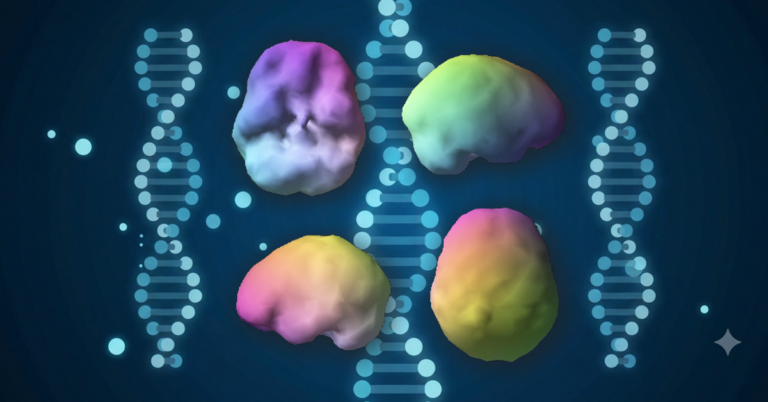

TLDR; ADHD is a brain-based disorder that is frequently misdiagnosed or undetected for years because its symptoms overlap with dozens of other conditions.
Analysis of nearly 300,000 brain scans at Amen Clinics shows ADHD is not a single condition — it has multiple distinct types, each requiring a different treatment approach. Brain SPECT imaging, when used as part of a comprehensive evaluation, can improve diagnostic accuracy and help identify which type of ADHD is present.
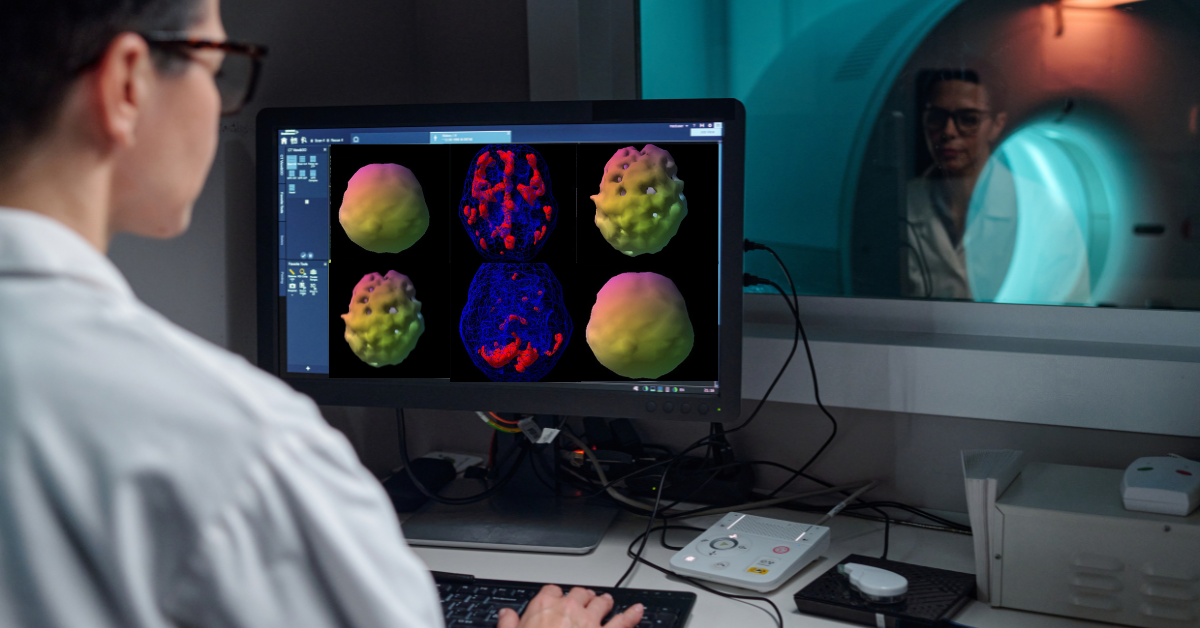
ADHD is being diagnosed more frequently than ever in both children and adults. However, despite increased awareness, it remains widely misunderstood, frequently misdiagnosed, and often treated incorrectly.
Plus, it can go undetected for decades. Among the millions of adults with ADHD, about half were not diagnosed until adulthood. And in one survey, 25 percent of adults said they suspected they may be struggling with undiagnosed ADHD.
One major challenge is that in traditional healthcare, ADHD is diagnosed primarily on symptoms. But ADHD is a brain-based disorder, and diagnosis should involve evaluating the brain itself. This is where brain imaging comes in.
Can brain SPECT imaging help identify ADHD?
While SPECT is not used as a standalone diagnostic tool, it plays an important role as part of a comprehensive evaluation. Brain SPECT imaging measures blood flow and activity in the brain, helping clinicians identify activity patterns associated with ADHD.
This brain-based approach provides deeper insights that improve ADHD diagnostic accuracy and guide more targeted, effective treatment.
Brain scans are beneficial for numerous reasons.
For example, attention deficit hyperactivity disorder (ADHD), also called attention deficit disorder (ADD), shares overlapping symptoms with other mental health conditions, developmental disorders, and medical issues. Research has found that a majority of children with ADHD have at least one co-occurring condition, which can make diagnosis more challenging.
Brain imaging helps rule out other causes of ADHD symptoms and can help identify co-existing conditions.
In addition, the brain-imaging database at Amen Clinics—nearly 300,000 brain scans and growing—has shown there are at least seven types of ADD, each affecting the brain in unique ways and requiring different types of treatment. Brain scans help identify ADHD subtypes for more targeted treatment.
In this blog, you’ll learn how critical it is to get an accurate ADHD diagnosis, and how brain SPECT imaging is often the missing piece in the puzzle.
SPECT imaging identifies underlying brain patterns and helps to pinpoint an individual’s specific subtype of ADHD. Because the treatment for one type could be unhelpful or even harmful to another type, this differentiation is crucial.
While these steps can be helpful in determining diagnosis, this approach has limitations. First, ADHD often involves symptoms that overlap with other conditions, such as anxiety, depression, and trauma.
According to CDC statistics, nearly 78 percent of children with ADHD have at least one other co-occurring condition, including:
One study found that nearly one million children in the U.S. may be misdiagnosed with ADHD.
There are many reasons for this but one major factor is immature behavior being misinterpreted as ADHD symptoms. The study found that the youngest kindergarteners are approximately 60 percent more likely to be diagnosed with ADHD than the oldest children in the same grade.
In addition, the standard model of ADHD diagnosis doesn’t include any biological testing.
Most patients and doctors wouldn’t imagine treating the heart without fully examining it, but modern psychiatry often avoids looking at the very organ it aims to treat: the brain.
This traditional model can lead to misdiagnosis or incomplete understanding of the individual’s ADHD and any co-occurring conditions. It also fails to recognize that ADHD is not a straightforward, single condition.
Research suggests that less than 20 percent of adults with the condition are appropriately diagnosed and treated for their symptoms.
On a brighter note, informed by decades of performing SPECT brain scans, Amen Clinics has identified seven subtypes of ADHD. Understanding what types of brain function issues are associated with specific symptoms has helped our clinicians in making precise diagnoses and targeted, effective treatment plans associated with better outcomes.
SPECT stands for single photon emission computed tomography. It is a state-of-the-art nuclear medicine study that measures blood flow and activity levels in different regions of the brain.
Unlike structural imaging tools such as MRI or CT scans, which show the brain’s anatomy, SPECT provides functional information. It allows clinicians to see how the brain is working by identifying areas with healthy activity, as well as areas that are overactive or underactive.
SPECT imaging does not diagnose ADHD on its own, but it can reveal patterns of brain activity often associated with attention difficulties. It may also help distinguish ADHD from other conditions with similar symptoms.
By adding objective data beyond symptom reports, SPECT gives clinicians a clearer understanding of what may be happening in the brain, helping guide more accurate diagnosis and targeted treatment.
The brain’s executive center, the prefrontal cortex, is a key region in tasks such as attention, focus, and impulse control. In individuals with ADHD, this area often shows underactivity in SPECT imaging. There is also irregular activity observed in attention networks.
Variations can occur within the brain patterns, depending on the subtype, and different brain patterns may correspond to different symptom clusters. Looking at the brain with SPECT gives a clearer picture of the brain activity behind the symptoms.
The brain SPECT imaging work conducted at Amen Clinics has revealed seven types of ADHD, each with a distinct pattern of blood flow and brain activity. They are as follows:
1. Classic ADD: In this type, which is the most common of the seven types, there is normal activity at rest, but during concentration there tends to be decreased activity in the prefrontal cortex, cerebellum, and basal ganglia. This type may “act out” more and is associated with hyperactivity.
2. Inattentive ADD: The second most common ADD type, this involves normal activity at rest, but during concentration there tends to be decreased activity in the prefrontal cortex, cerebellum, and basal ganglia. This type is not hyperactive and tends to be perceived as daydreaming, spacy, or slow.
3. Overfocused ADD: This type has increased activity at rest and during concentration in the anterior cingulate gyrus, as well as decreased activity in the prefrontal cortex, cerebellum, and basal ganglia. People with this type tend to get stuck in negative thinking patterns, get hyper-focused, and have difficulty shifting attention. They may or may not be hyperactive.
4. Temporal Lobe ADD: This type shares the hallmark findings of reduced activity in the prefrontal cortex, cerebellum, and basal ganglia during concentration in addition to decreased or increased activity in the temporal lobes. This type may occur with a head injury and often involves issues with learning, memory, mood instability, and aggression. Hyperactivity may or may not be present.
5. Limbic ADD: This type shows the same underactivity during concentration as types 1-4. However, there is overactivity in the deep limbic system (involved in emotions). There is a tendency toward low energy, moodiness, and negativity. Some, but not all, people with this type display hyperactivity.
6. Ring of Fire ADD: Unlike the other types, this type is characterized by a pattern of too much activity in several areas of the brain. These individuals may experience irritability, impulsivity, and insensitive behavior, and there are some similarities with bipolar disorder. Stimulant medication tends to make this type worse.
7. Anxious ADD: This type combines low activity in the prefrontal cortex and overactivity in the basal ganglia. People with this type are frequently anxious, tense, and conflict avoidant. They fear being judged, predict the worst, and may or may not be hyperactive.
As you can see, not all ADHD looks the same. Some individuals have low activity in specific brain regions, while others have too much activity throughout the brain. Others have mixed patterns. Each type requires a personalized treatment plan although they may have some of the same symptoms.
Brain SPECT imaging helps differentiate between these types. This is especially important to assess, because a one-size-fits-all treatment may not work. In fact, a helpful treatment for one type may actually worsen the symptoms of another.
ADHD symptoms can overlap with many other conditions and symptoms, including:
ADHD is frequently misdiagnosed as other mental health conditions, such as insomnia, dyslexia, anxiety, depression, autism, OCD, and more. In addition, ADHD often co-occurs with other mental health conditions, including depression, anxiety, bipolar disorder, substance use disorder, and behavioral disorders. This is called complex ADHD.
Related: Not Just ADHD: How to Spot the Signs of Complex ADHD
It is critical to rule out any medical, biological, and lifestyle-related causes before diagnosis. Many factors, such as traumatic brain injury, infections such as Lyme disease, or poor diet can have a strong impact on both mental health and behavior.
At Amen Clinics, we take a brain-based method to diagnosing and treating ADHD. SPECT brain scans are used as part of a comprehensive evaluation that includes:
The data our clinicians collect, including your SPECT scan, helps them gain a clear understanding of what is really happening in your brain. Using precision medicine, they can design a treatment plan tailored to your brain and body’s needs.
Your SPECT scan and personalized treatment plan are then reviewed with you in detail. One of the most powerful aspects of this process is seeing your own brain. For many people, it creates a shift in understanding. ADHD is not a character flaw or a lack of effort, but a condition rooted in brain function.
This perspective helps individuals and their loved ones move away from blame and toward a more scientific and compassionate understanding. As a result, shame decreases, and motivation to make meaningful lifestyle changes often increases.
Because the brain and body are so closely intertwined, Amen Clinics’ targeted treatment takes a whole-body approach. Our clinicians are trained in holistic psychiatry, which combines cutting-edge neuroscience with natural ways to treat mental health conditions, including ADHD.
An ADHD treatment plan usually includes a combination of the following:
Prescribing medication is not the first or only line of treatment for ADHD, but it can be a helpful aspect of a whole-body approach in some cases.
Treatment includes follow-up appointments to evaluate progress and make adjustments if needed.
Related: 7 Natural ADHD Treatments You Can Start Today
SPECT imaging identifies underlying brain patterns and helps to pinpoint an individual’s specific subtype of ADHD. Because the treatment for one type could be unhelpful or even harmful to another type, this differentiation is crucial.
For example, traditional treatment will typically call for stimulant medication, such as Adderall or Ritalin, for most individuals with ADHD.
However, at Amen Clinics, with data from brain SPECT imaging, we’ve found that stimulant medications can worsen symptoms for some subtypes of ADHD, including:
The valuable insights that come from SPECT combined with data from taking a detailed personal history, clinical assessments, and lab work, if needed, supply our clinicians with the information they need to make treatment choices that make sense for your brain. This kind of tailored care often improves outcomes.
ADHD is complex and varied. Successful treatment protocols should be personalized, not one-size-fits-all.
Do you suspect that you or a loved one has ADHD? Consider a brain-based ADHD evaluation if:
Thoughtful evaluation can help better address these complex factors and supply you with an effective treatment plan.
While brain SPECT imaging plays an important role in accurate ADHD diagnosis, it is not a standalone diagnostic tool. Imaging results must be interpreted by trained professionals. Scans provide nuanced insight alongside clinical evaluation which give Amen Clinics’ clinicians a complete picture of the condition.
ADHD is complex and often misunderstood. Relying on symptoms alone can lead to misdiagnosis, missed diagnoses, or treatment that does not fully work.
A more accurate diagnosis requires a comprehensive evaluation that looks at the whole picture, including brain function, lifestyle, and underlying biological factors.
Advanced tools like SPECT imaging can provide valuable insight into brain function, helping guide more targeted and personalized treatment. When ADHD is properly treated based on brain science and a whole-body approach, lives are transformed.
If you are still searching for answers, consider an evaluation that looks beyond symptoms to better understand your brain and what it needs to perform at its best.
A SPECT brain scan is helpful for looking at underlying brain activity and patterns, which can provide valuable insight to inform ADHD diagnosis. It offers critical data that is used in combination with a comprehensive evaluation (such as a detailed personal history, clinical assessments, and lab work when needed) for the most accurate diagnosis and treatment.
SPECT imaging allows clinicians to see what areas of the brain are working well, working too hard, or not working hard enough. Based on nearly 300,000 brain scans and decades of treating tens of thousands of patients, Amen Clinics has determined there are seven subtypes of ADHD. Each has its own brain patterns and requires targeted treatment plans.
At Amen Clinics, brain scans help identify ADHD types, so people can get a personalized treatment plan for better results.
Many psychiatrists diagnose ADHD without brain imaging. However, a symptom-only approach to diagnosis fails to look at the very organ it purports to treat: the brain. This can create a trial-and-error method of treatment, which can lead to years or even decades of unnecessary struggles. In some cases, it can make symptoms worse.
Brain imaging allows for more targeted treatment for ADHD, which accelerates the healing process.
Many medical professionals diagnose ADHD based on clinical interviews, behavioral history, and symptom checklists as outlined in the Diagnostic and Statistical Manual of Mental Disorders (DSM-5-TR). Most traditional medical and mental health professionals never look at any biological data in the ADHD diagnosis process.
At Amen Clinics, our comprehensive evaluation incorporates brain SPECT imaging, a detailed personal history that considers lifestyle factors, additional clinical assessments, and lab work, if necessary. This level of data collection allows our clinicians to practice precision medicine and diagnose with greater accuracy. This leads to more effective, targeted treatment plans.
Common symptoms of ADHD—such as short attention span, distractibility, and impulsivity—may be due to other mental health conditions, brain health problems, or medical issues. For example, depression, anxiety disorders, PTSD, traumatic brain injuries, and thyroid dysfunction have overlapping symptoms and may be misdiagnosed as ADHD.
These shared symptoms make diagnosis more challenging. Brain-based tools like SPECT are particularly helpful in obtaining an accurate diagnosis, especially with complex ADHD cases.
ADHD, ADD, and other mental health conditions can’t wait. At Amen Clinics, we practice precision medicine—using brain SPECT imaging and comprehensive evaluations to understand what’s really happening in your brain, not just your symptoms.
Our whole-body approach to holistic psychiatry combines cutting-edge neuroscience with natural ways to treat mental health conditions, including targeted nutrition, supplements, lifestyle strategies, therapy, and medications (when necessary). Every treatment plan is personalized to address the root causes of your struggles and support the health of your brain, body, and mind.

Dr. Storage is a dual board-certified child, adolescent, and adult psychiatrist at Amen Clinics in Southern California. Trained at UC Berkeley, UCLA, Stanford, and USC — where he remains Adjunct Clinical Professor of Psychiatry — he brings academic excellence and deep clinical expertise to every patient. He specializes in ADHD, anxiety, depression, autism, OCD, PTSD, and more, using a comprehensive, integrative approach to help patients become the best version of themselves.
The Ohio State University Wexler Medical Center. “Survey finds 25% of adults suspect they have undiagnosed ADHD.” Oct. 14, 2024. https://wexnermedical.osu.edu/mediaroom/pressreleaselisting/survey-finds-25-percent-of-adults-suspect-they-have-undiagnosed-adhd
Centers for Disease Control and Prevention. Facts About ADHD in Adults. Accessed April 1, 2026. https://www.cdc.gov/adhd/php/adults/index.html
Centers for Disease Control and Prevention. Data and Statistics on ADHD. Accessed March 31, 2026. https://www.cdc.gov/adhd/data/index.html
Danielson, Melissa L et al. “ADHD Prevalence Among U.S. Children and Adolescents in 2022: Diagnosis, Severity, Co-Occurring Disorders, and Treatment.” Journal of clinical child and adolescent psychology : the official journal for the Society of Clinical Child and Adolescent Psychology, American Psychological Association, Division 53 vol. 53,3 (2024): 343-360. doi:10.1080/15374416.2024.2335625
Elder TE. The importance of relative standards in ADHD diagnoses: evidence based on exact birth dates. J Health Econ. 2010 Sep;29(5):641-56. doi: 10.1016/j.jhealeco.2010.06.003. Epub 2010 Jun 17. PMID: 20638739; PMCID: PMC2933294.
Rivas-Vazquez RA, Diaz SG, Visser MM, Rivas-Vazquez AA. Adult ADHD: Underdiagnosis of a Treatable Condition. J Health Serv Psychol. 2023;49(1):11-19. doi: 10.1007/s42843-023-00077-w. Epub 2023 Jan 28. PMID: 36743427; PMCID: PMC9884156.

Most people believe that if you didn’t hit your head, you didn’t injure your brain. But that assumption can do more harm than good. A traumatic brain injury from a car accident, even a so-called “fender bender,” can occur without your head ever striking the steering wheel or window.
In the days or weeks after a crash, you might notice brain fog, headaches, irritability, or unusual fatigue and brush it off at first. Some people may tell you it’s just stress or that you need more sleep. Yet research shows that rapid acceleration and deceleration alone, like what happens to your brain even in a low-speed collision, can disrupt normal brain function.
Unfortunately, when it comes to brain injuries, sometimes big problems really do come in small packages.
According to the Centers for Disease Control and Prevention, millions of Americans sustain traumatic brain injuries (TBIs) each year, with motor vehicle crashes among the leading causes. But most people don’t know that even minor accidents and whiplash can compound your risk of brain damage.
Your brain is powerful and remarkably resilient, but it is also made up of soft tissue housed in a hard, rigid skull. That protective shell is mostly a guardian but can be a liability. This is why understanding head injuries is so important. Essentially, when forces move faster than the brain can adapt, even subtle injuries can occur and sometimes without immediate warning signs.
A traumatic brain injury from a car accident, even a so-called “fender bender,” can occur without your head ever striking the steering wheel or window.
A traumatic brain injury is a disruption in normal brain function caused by an external force. This can range from a severe injury with internal bleeding or skull fracture to a mild traumatic brain injury (mTBI), which is often called a concussion.
Severe TBIs typically involve structural damage that’s visible on brain imaging scans and may include prolonged unconsciousness or neurological deficits. A 2022 study published in The Lancet Neurology highlights the long-term disability risks associated with moderate to severe TBI. Additional epidemiological studies in the Journal of Neurotrauma confirm increased mortality and cognitive decline in more serious cases.
Mild TBIs are more common but less understood when it comes to negative effects. Studies have found that even mTBI can lead to persistent cognitive issues that affect memory and concentration. Research also shows that an increase in anxiety and depression symptoms is associated with mTBI.
“Mild” does not mean the effects are insignificant. The term refers to the initial clinical presentation of the symptoms, not necessarily the potential impact on your daily life. For some people, symptoms resolve quickly. For others, they linger in a slower effect. The reality is that brain injuries, big or small, do not follow a predictable path of healing.
Related: Emotional Concussions The Silent Brain Injury You Might Have
When we talk about a traumatic brain injury from car accidents, we’re often referring to forces known as rapid acceleration and deceleration. In the simplest terms, when your car stops and your brain keeps moving forward or backward, even for a fraction of a second, it can cause damage.
Inside the skull, which is a hard protective case, your brain is soft and malleable with a gelatinous texture. During a car crash, it can shift, rotate, or twist around. This movement may strain nerve fibers (called axons), leading to what research deems diffuse axonal injury. This type of injury can still happen, even when brain scans initially appear normal.
Whiplash adds another layer. Whiplash is a neck injury caused by a sudden, forceful back-and-forth movement of the head (like a snapping whip), common in car accidents. A 2020 study found that people with whiplash-associated disorders demonstrated measurable changes in brain connectivity and function. This suggests that neck injury and brain changes can and often do co-occur.
Standard safety measures such as helmets, airbags, and seatbelts can dramatically reduce the risk of severe or fatal brain injury. In fact, the National Highway Traffic Safety Administration reports that seatbelt use reduces serious injury and death risk by nearly 45 percent to 50 percent, respectively. However, while these measures can save lives, they cannot eliminate all the forces that transmit to the brain in a sudden collision.
Your neck and brain work in tandem to keep you in motion. The brainstem extends into the spinal cord through the neck, forming a communication highway between your brain and the rest of your body. When the neck snaps forward and back, that same force can transmit along this pathway.
This matters because your nervous system is highly interconnected. The force of whiplash and sudden strain it causes can influence your balance, coordination, and even mood regulation. The symptoms are often delayed to the following conditions:
A study published in Frontiers in Neurology found that in patients with whiplash injury, advanced imaging detected signs of white matter tract disruption, such as thinning or partial tearing. In the multiple documented whiplash cases studied, even standard CT and MRI scans sometimes appeared normal.
The brain is powerful, but also incredibly fragile. One low-impact crash might seem manageable at first, but repeated minor collisions can create cumulative stress on the brain. Research on repetitive mild TBI shows that even sub-concussive events may contribute to long-term neurological changes.
The good news is that your brain adapts through neuroplasticity. The bad news is that repeated strain without adequate recovery can overwhelm that adaptive capacity to heal well.
Symptoms may worsen over time depending on age, genetics, previous injury history, stress levels, sleep quality, and overall health. A 2023 study found that mental health problems following mTBI is very common. An individual may experience issues with anxiety, depression, post-traumatic stress disorder, ADHD-like symptoms (impulsivity and attention issues), or chronic pain following a mTBI. But the root cause, the traumatic brain injury, can be missed. Without comprehensive evaluation that looks at the brain, the underlying patterns driving mental health conditions goes unnoticed, and your injury can go untreated.
Oftentimes, people don’t connect their current mental health symptoms to past accidents. The effects can appear weeks, months, or even years later and, with memory gaps added to the mix, that connection can become even harder to trace. That delay is precisely why early, comprehensive evaluation matters.
Any symptoms of a traumatic brain injury from a car accident should be addressed, even if they seem subtle or like they’ll heal with rest.
Here are common symptoms to be aware of:
A 2025 review and meta-analysis found that headaches, trouble sleeping, and difficulty concentrating are among the most common and persistent symptoms after a concussion. Symptoms vary widely, but they can also overlap with stress, anxiety, or even burnout. That overlap is why careful evaluation is key.
If you’ve ever been told “everything looks normal” following a car accident, you’re not alone. After experiencing an accident-related TBI, you might feel “off” while scans like CTs or MRIs come back with no clear signs of damage. That’s because standard imaging is designed to detect structural damage, not the subtle functional changes that can occur in your brain after a collision.
CT scans and MRIs are designed to detect structural abnormalities like bleeding, swelling, and fractures. These are essential in emergency care, but mild TBIs often involve microscopic or functional changes that standard imaging cannot detect.
When imaging is clear, clinicians may conclude there is no visible injury. That doesn’t invalidate your symptoms. Studies show about 15 to 30 percent of people with persistent post-concussion symptoms show normal CT or MRI scans, highlighting how standard imaging can miss subtle brain changes.
It’s important to know that emergency providers and first responders focus on life-threatening injuries first. Their tools are not designed to measure subtle functional changes. Understanding this distinction can empower patients without creating distrust in the medical system.
When talking about structural damage, we’re referring to visible injury. Functional change refers to how the brain works, including blood flow, nerve connectivity, and brain activity patterns. Imaging that looks at brain function, rather than structure, can clarify whether or not a brain function issue is driving your symptoms. Mild traumatic brain injury often affects function. Thus, the right kind of brain imaging can be helpful in identifying potential areas of the brain that are functionally impaired by injury.
Thankfully, issues with mTBI-related brain function can be improved.
Evidence suggests that individualized rehabilitation strategies targeting sleep, nutrition, stress regulation, and cognitive behavioral therapy improve potential outcomes in persistent post-concussive symptoms.
It’s important not to dismiss the effects of a fender bender, even if you did not hit your head. The brain can still be affected by the rapid acceleration and deceleration forces that occur in a crash. After any accident, it’s wise to see a medical doctor and keep an eye on how you feel in the days and weeks that follow.
If symptoms persist, especially those affecting thinking, mood, or energy levels, a brain-focused evaluation can be helpful. Looking at the brain more closely can uncover issues that might otherwise go unnoticed and guide the right path toward recovery.
A good rule of thumb is that symptoms lingering beyond several weeks deserve further attention. Research suggests that most concussion symptoms improve within about 10 to 14 days.
However, headaches, fatigue, brain fog, or cognitive problems that continue for three months or longer may indicate persistent post-concussive symptoms. These ongoing issues can affect concentration, learning, and executive function, making a thorough evaluation especially important.
Look to those you trust that are closest to you, like your family members and friends, as they may observe irritability, forgetfulness, or personality shifts. Behavioral and cognitive changes, such as mood swings, irritability, and increased symptom burden, are well documented in people with persistent post-concussion symptoms.
Research shows that people with persistent post-concussive symptoms often experience a decreased quality of life. This especially includes challenges when returning to work or maintaining their previous workload and lifestyle standards, even months after injury.
If your concentration, productivity, or social interactions are suffering after a head injury, it’s a clear indication that your brain may need help.
Related: 10 Ways to Help Your Brain Heal After Head Trauma
Finding clinicians experienced in TBIs is critical as brain injuries do not follow one predictable path to full healing. Research published in the Journal of Rehabilitation Medicine shows that effective options for TBI recovery may include cognitive rehabilitation, sleep optimization, anti-inflammatory nutrition, stress management, physical therapy for neck injury, and psychological support.
At Amen Clinics, we take a similar whole-body approach. That means we treat brain and mental health issues by addressing the whole person, mind, body, and spirit, rather than just masking symptoms.
Our comprehensive evaluation includes brain SPECT imaging that specifically measures brain function based on blood flow activity before and after treatment. The evaluation also includes a detailed personal history, clinical assessments, and diagnostic labs as needed. Collecting this critical data helps our clinicians practice precision medicine to create a highly effective, personalized treatment plan that addresses your unique issues.
Plans often include a combination of recommended lifestyle interventions (including nutritional guidance and supplementation, stress reduction, gentle movement, etc.), therapy, natural ways to treat mental health conditions related to your TBI, and medication if necessary. We call it holistic psychiatry.
Whatever care you seek, be sure to always ask questions as you listen to informed medical guidance. The great news is that evidence-based care exists for TBI.
The most important thing to remember is that even a minor car accident can disrupt critical parts of the brain. Rapid deceleration, whiplash, and repeated impacts can affect cognitive function, mood, emotional regulation, and sleep quality, even if your head never directly struck anything.
Brain injuries are complex and require nuanced treatment. If symptoms linger or interfere with your daily life, consider learning more about comprehensive brain assessments like those offered through Amen Clinics.
Traumatic brain injuries and other mental health conditions can’t wait. At Amen Clinics, we practice Precision Medicine—using brain SPECT imaging and comprehensive evaluations to understand what’s really happening in your brain, not just your symptoms.
Our whole-body approach to Holistic Psychiatry combines cutting-edge neuroscience with natural ways to treat mental health conditions, including targeted nutrition, supplements, lifestyle strategies, therapy, and medications (when necessary). Every treatment plan is personalized to address the root causes of your struggles and support the health of your brain, body, and mind.
Don’t settle for guesswork. You deserve answers—and a plan built specifically for you. Speak with a Brain Health Advisor today at 888-288-9834 or visit our contact page to get started.
Yes. Sudden acceleration and deceleration can disrupt your brain’s cognitive function even without direct head impact.
Whiplash and rapid stopping can cause the brain to shift within the skull, straining or even shredding critical neural connections. Additionally, issues come from neuroinflammation, internal bleeding, and a host of other issues that can affect your behavior and personality.
Yes. Repeated low-impact collisions can have cumulative effects, especially without proper recovery and treatment plans. Take care to use preventative measures to reduce your risk, including seatbelts and airbags when driving as well as helmets during sporting activities.
Common symptoms include headaches, brain fog, irritability, memory problems, and sleep changes. It’s important to track any major and minor shifts in mood, emotions, and physical ability.
Standard scans detect structural damage, which can be helpful for certain ailments. However, many mild TBIs involve functional changes that are not always visible on routine imaging.
Centers for Disease Control and Prevention. (2023, September 22). Health equity and traumatic brain injury (TBI). U.S. Department of Health & Human Services. https://www.cdc.gov/traumatic-brain-injury/health-equity/index.html
Maas, A. I. R., Menon, D. K., Manley, G. T., Abrams, M., Akerlund, C., Andelic, N., … Zemek, R. (2022). Traumatic brain injury: Progress and challenges in prevention, clinical care, and research. Lancet Neurology, 21(11), 1004–1060. https://doi.org/10.1016/S1474‑4422(22)00309‑X
Haarbauer-Krupa, J., Pugh, M. J., Prager, E. M., Harmon, N., Wolfe, J., & Yaffe, K. (2021). Epidemiology of Chronic Effects of Traumatic Brain Injury. Journal of neurotrauma, 38(23), 3235–3247. https://doi.org/10.1089/neu.2021.0062
McCrea MA, Giacino JT, Barber J, et al. Functional Outcomes Over the First Year After Moderate to Severe Traumatic Brain Injury in the Prospective, Longitudinal TRACK-TBI Study. JAMA Neurol. 2021;78(8):982–992. doi: 10.1001/jamaneurol.2021.2043
Mesfin, F. B., Gupta, N., Hays Shapshak, A., & StatPearls. (2025, July 7). Diffuse axonal injury. In StatPearls. StatPearls Publishing. https://www.ncbi.nlm.nih.gov/books/NBK448102/
Higgins, J. P., Elliott, J. M., & Parrish, T. B. (2020). Brain Network Disruption in Whiplash. AJNR. American journal of neuroradiology, 41(6), 994–1000. https://doi.org/10.3174/ajnr.A6569
National Center for Statistics and Analysis. (2025, October, Revised). Seat belt use in 2024 – overall results (Traffic Safety Facts Research Note. Report No. DOT HS 813 682). National Highway Traffic Safety Administration. doi:10.21949/t29h-qq38
Jang, S. H., & Kwon, Y. H. (2018). A review of traumatic axonal injury following whiplash injury as demonstrated by diffusion tensor tractography. Frontiers in Neurology, 9, 57. https://doi.org/10.3389/fneur.2018.00057
Khan, S., & Talley, L. (2025). Beyond the Hit: The Hidden Costs of Repetitive Head Trauma. Neuroscience insights, 20, 26331055251316315. https://doi.org/10.1177/26331055251316315
Howlett, J. R., Nelson, L. D., & Stein, M. B. (2022). Mental Health Consequences of Traumatic Brain Injury. Biological psychiatry, 91(5), 413–420. https://doi.org/10.1016/j.biopsych.2021.09.024
McIntosh SJ, Vergeer MH, Galarneau J, Eliason PH, Debert CT. Factors Associated With Persisting Symptoms After Concussion in Adults With Mild TBI: A Systematic Review and Meta-Analysis. JAMA Netw Open.2025;8(6):e2516619. doi:10.1001/jamanetworkopen.2025.16619
Rabinowitz AR, Levin HS. Cognitive sequelae of traumatic brain injury. Psychiatr Clin North Am. 2014 Mar;37(1):1-11. doi: 10.1016/j.psc.2013.11.004. Epub 2014 Jan 14. PMID: 24529420; PMCID: PMC3927143. https://pmc.ncbi.nlm.nih.gov/articles/PMC3927143/
Al-Kader DA, Onyechi CI, Ikedum IV, Fattah A, Zafar S, Bhat S, Malik MA, Bheesham N, Qadar LT, Sajjad Cheema M. Depression and Anxiety in Patients With a History of Traumatic Brain Injury: A Case-Control Study. Cureus. 2022 Aug 13;14(8):e27971. doi: 10.7759/cureus.27971. PMID: 36134081; PMCID: PMC9481205. https://pubmed.ncbi.nlm.nih.gov/36134081/
Koerte, I. K., Lin, A. P., Willems, A., Muehlmann, M., Hufschmidt, J., Coleman, M. J., Green, I., Liao, H., Tate, D. F., Wilde, E. A., Pasternak, O., Bouix, S., Rathi, Y., Bigler, E. D., Stern, R. A., & Shenton, M. E. (2015). A review of neuroimaging findings in repetitive brain trauma. Brain pathology (Zurich, Switzerland), 25(3), 318–349. https://doi.org/10.1111/bpa.12249
Ryan, T., Nagle, S., Daly, E., Pearce, A. J., & Ryan, L. (2023). A Potential Role Exists for Nutritional Interventions in the Chronic Phase of Mild Traumatic Brain Injury, Concussion and Sports-Related Concussion: A Systematic Review. Nutrients, 15(17), 3726. https://doi.org/10.3390/nu15173726
Permenter, C. M., Fernández-de Thomas, R. J., & Sherman, A. L. (2023). Postconcussive Syndrome. In StatPearls. StatPearls Publishing. https://pubmed.ncbi.nlm.nih.gov/30521207/
Torregrossa, W., Raciti, L., Rifici, C., Rizzo, G., Raciti, G., Casella, C., Naro, A., & Calabrò, R. S. (2023). Behavioral and Psychiatric Symptoms in Patients with Severe Traumatic Brain Injury: A Comprehensive Overview. Biomedicines, 11(5), 1449. https://doi.org/10.3390/biomedicines11051449
Karmali, S., Beaton, M. D., & Babul, S. (2022). Outlining the Invisible: Experiences and Perspectives Regarding Concussion Recovery, Return-to-Work, and Resource Gaps. International journal of environmental research and public health, 19(13), 8204. https://doi.org/10.3390/ijerph19138204
Möller, M. C., Lexell, J., & Wilbe Ramsay, K. (2021). Effectiveness of specialized rehabilitation after mild traumatic brain injury: A systematic review and meta-analysis. Journal of rehabilitation medicine, 53(2), jrm00149. https://doi.org/10.2340/16501977-2791

When you finally decide to get help for your mental health, or for someone you love, you may not know where to begin. The various terms describing levels of care can be confusing.
Should you start with therapy? Is medication the right choice? What if symptoms are severe? Does your child need outpatient care or something more intensive?
Trying to choose the right level of care can feel overwhelming, especially when you are already stressed.
Here is the truth. Mental health treatment is not one size fits all. The right support depends on symptom severity, safety concerns, daily functioning, and underlying brain health.
Mental health care exists on a continuum with seven distinct levels of care. These range from weekly outpatient therapy to intensive inpatient treatment. Each level is designed to meet you where you are and provide the structure, support, and medical oversight you need at that moment.
Understanding the seven levels of mental health treatment can remove uncertainty and help you make informed, confident decisions. When you match the level of care to the situation, outcomes improve and hope becomes more tangible.
In this blog, we will walk you through each level and explain how to determine which option may be most appropriate for you or your loved one.
Related: How to Do a Mental Health Checkup
In practice, people who move to levels of treatment that are more appropriate when symptoms escalate usually stabilize faster and experience progress that is more consistent than those who remain at an insufficient level of care.
The term “levels of mental health care” describes a range of psychiatric services designed to meet different needs, each varying in intensity, duration, and frequency.
Mental health care exists on a spectrum in which patients can move either up or down depending on the situation they are in currently. Through this approach, patients are in a position to receive the least restrictive but most effective form of care.
One of the most common misconceptions is that treatment for mental health can only include hospitalization or outpatient therapy. The truth is that with the multiple levels of care, the most appropriate level is determined by several factors that include safety concerns, the severity of the symptoms, previous response to treatment, and daily functioning ability.
If you or someone you love is in a severe crisis, you may wonder, “What is the highest level of mental health care?” The answer is inpatient hospitalization. This allows patients to receive 24/7 structured care in a safe environment. Though, even with hospitalization, patients can find care at lower levels, stepping up only when needed.
As mentioned earlier, the levels of mental health treatment range from the least intensive to the highly structured, depending on daily functioning, safety concerns, symptom severity, and response to past treatment.
Here’s what you need to know about the seven levels of care:
Outpatient treatment is the least intensive in mental healthcare, and it is usually the first step for patients seeking mental health care. Outpatient treatment involves scheduled sessions with either a licensed psychologist, therapist, or psychiatrist. It doesn’t require an overnight stay.
Frequency: Patients participate in therapy sessions that take place weekly or bi-weekly. If medication is deemed necessary, appointments for medication management can occur monthly or quarterly.
Duration: Outpatient care can be short- or long-term. They either last for a few months, addressing a particular concern, or continue long-term, for many months or even years, offering ongoing support for mental health and personal growth.
Who is it for: This level is most effective for people whose symptoms are mild to moderate and are still functioning well in their day-to-day lives. Outpatient treatment works well for individuals who are navigating certain life transitions, anxiety, stress, or relationship challenges as well.
A naturalistic study of outpatient group psychotherapy found significant improvements in depression, anxiety, and overall functioning, supporting the value of outpatient care for these symptom levels.
Treatment may be via telehealth or in an office or clinic, which allows individuals to continue with their work, family responsibilities, and school. Therapy sessions typically last for 45 minutes to one hour. They focus on particular goals like emotional regulation, symptom management, behavioral change, and personal development. Modalities can include:
An intensive outpatient program is a structured multidisciplinary mental health care level that can provide more support than the standard outpatient therapy without the need for full-time treatment. Typically, an IOP is group-based and can combine therapeutic services to help deal with cognitive, emotional, and behavioral challenges in a more comprehensive way.
Frequency: An IOP normally meets 3 to 5 days a week. It typically goes for about 3 hours per day, although it can vary depending on the needs and progress of an individual.
Who is it for: This level is most suitable for people who are experiencing moderate to severe symptoms and need more support than weekly individual therapy. It is for individuals who still want to maintain work, school, or family responsibilities.
Studies show that IOPs are an effective level of care for treating mental health and substance use disorders, often producing outcomes comparable to inpatient treatment while allowing individuals to continue with daily responsibilities.
Treatment is offered by a coordinated team of individual therapists, group therapists, nurses, psychiatrists, and specialty staff to ensure different aspects of mental health are well addressed. IOPs allow the participants to continue with their daily routines as they receive comprehensive care, which makes it possible for them to practice emotional regulation and coping skills in real-world situations.
Modalities here include:
Some people may worry that group therapy can be less effective compared to individual therapy. With group-based treatment, there are powerful benefits that include peer support, opportunities to learn, shared experiences, and opportunities as well as practical skills acquired in a supportive environment.
Even though it bears the word hospitalization, a partial hospitalization program (PHP) doesn’t involve overnight stays. Rather, this is a highly structured program for day treatment that offers intensive care to individuals while allowing them to go back home every evening.
On the mental health support continuum, PHP comes between inpatient hospitalization and intensive outpatient programs. It gives a higher level of support for patients who need help stabilizing, but don’t need 24/7 supervision.
Research shows that PHPs are effective in reducing psychiatric symptoms and improving functioning, often serving as a successful alternative to inpatient hospitalization for individuals with acute mental health needs. However, they do not generally provide the right support for severe psychotic patients and manic patients.
Frequency: Typically, PHP programs run 5 days a week, about 5 to 6 hours each day. They last anywhere from 1 to 6 weeks, depending on the severity of symptoms and rate of progress.
Who is it for: PHPs are designed to benefit patients with more severe symptoms that interfere with their daily functioning, individuals who require more intensive treatment than an IOP, or those who are stepping down from the inpatient hospitalization program as they transition into their daily lives.
Modalities may include:
A PHP can help prevent someone from being fully hospitalized when experiencing a mental health crisis. It provides structured and timely support in a safe environment.
Common specialty tracks include:
An emergency room (ER) evaluation is crucial when an individual is experiencing a mental health crisis, particularly when they are at risk of harming themselves or others. This can look like suicidal thoughts, emotional distress, or behaviors that could pose immediate safety risks.
If the situation is urgent but without immediate safety threats, the patient can be transported to the ER by an ambulance. If the patient is calm, they can be taken by a trusted person. However, if an individual appears to have a psychotic break or is threatening harm to themselves or anyone else, emergency services should be called immediately.
Inside the emergency room, a clinician conducts a mental health assessment to help them evaluate symptoms, functioning, and safety concerns. The main goal is to identify the next appropriate step of support and not offer ongoing treatment.
Depending on the findings of the evaluation, a patient may be admitted to the hospital if they need intensive round-the-clock care, or safely discharged, and referred to a PHP or IOP for continued care.
An ER is not a mental health treatment itself. Rather, it’s a decision point that serves as a gateway to the most appropriate care level.
Often referred to as level three care in mental health, acute inpatient psychiatric hospitalization is the highest level. It is used in case of emergencies, when an individual needs immediate and full-time attention.
Inpatient psychiatric hospitalization offers 24/7 medical supervision for individuals in a secure, hospital psychiatric unit. This is the most restrictive and structured environment that is designed to ensure safety when an individual is having a severe mental health crisis.
Normally, inpatient psychiatric hospitalization is short-term, lasting 3 to 5 days. However, the stay may extend longer, depending on the individual’s clinical needs and considerations for safety.
This level of care is the most appropriate for actively suicidal individuals, people who are experiencing manic or psychotic episodes, or those who are facing immediate safety risks that may be challenging to manage at a lower level of care.
Here, the primary goal is safety and stabilization, not resolving underlying issues or long-term therapy. Clinicians aim at stabilizing emotions, reducing immediate risk and preparing patients for the next phase of support.
Modalities for inpatient care are:
After they are stable, patients are taken to a PHP or residential treatment program for deeper therapeutic work. Although inpatient care is effective in crisis intervention, deeper healing can only happen through continued treatment after the patient has been discharged.
Residential care is offered in a therapeutic, community setting, where it provides 24/7 care for individuals who require ongoing support on a higher level compared to what outpatient or day programs may offer.
This program is long-term, and it focuses on sustained healing instead of short-term crisis stabilization. It takes place in a residential facility, and it lasts for 30 to 90 days, depending on how the individuals respond to treatment.
Residential treatment programs are appropriate for people dealing with severe or persistent mental health challenges and have had multiple unsuccessful suicide attempts. It is also suitable for individuals who need a structured and supportive living environment to help them make progress.
It is less restrictive compared to inpatient hospitalization and can allow for longer stays. Residential treatment emphasizes routine, life skills development, and a therapeutic community.
Components of treatment may include:
Some people require a placement consultant who can help them identify a residential program that can best align with their preferences, clinical needs, and goals. After this treatment, patients step down to a PHP or IOP to gradually return to their daily life while they continue with the care.
Some people largely benefit from specialized levels of mental health treatment created to increase flexibility, access, or long-term stability.
Virtual / Telehealth PHP and IOP
Virtual / telehealth PHP and IOP are structured like in-person PHP or IOP, but they are delivered through HIPAA-compliant platforms. These programs are most suitable for individuals who have mobility challenges, geographical barriers, or people who would prefer to have home-based care while they maintain their daily routines.
Psychiatric Assertive Community Treatment (PACT)
PACT is usually described as a hospital without walls, whereby providers give care directly in an individual’s home. Here, the main goal is to prevent repeated hospitalizations, although availability is normally limited to major cities.
Community Integration / Extended Care Programs
Individuals in community integration or extended care programs live in therapeutic apartments while they receive their treatment at a completely separate location. The main purpose of these programs is to build community integration and independence, whereby they serve as a bridge between fully independent living and residential treatment.
Related: How to Take Charge of Your Mental Health Journey
Making the right choice of mental health treatment requires a thoughtful evaluation of your symptoms, current needs, and circumstances. The goal should be to choose the level that will benefit you the most with the least restriction.
Key Factors to Consider:
Getting a comprehensive psychiatric evaluation from a qualified mental health professional provides a reliable way to determine the most appropriate level of care. They usually consider your current symptoms, clinical history, and safety needs for treatment planning.
Keep these factors in mind when seeking a professional assessment:
1. The Importance of Honest Self-evaluation
It’s important to be open about how you are feeling. Talking honestly about the struggles is the best way to ensure you an appropriate level of support.
2. Knowing When to Step Up
Experiencing increased emotional distress, worsening symptoms, emerging safety concerns, or difficulty functioning is an indication that you may need a higher level of care.
3. Knowing When to Step Down
If your symptoms and coping skills have improved, it may be appropriate for you to transition to a level of care that is lower and supports independence and continued progress.
4. Collaborative Decision-making
It’s more effective to collaborate with your treatment team to determine the most appropriate level of treatment. It ensures care evolves as your needs change.
5. A Flexible Approach
Treatment levels for mental health are not fixed. You can either move up the continuum or down as required, allowing support to adapt to your journey for recovery.
Recognizing the different levels of mental health treatment helps reduce shame and self-blame when outpatient therapy is not enough. It empowers both individuals and families to make informed decisions. It also helps loved ones to provide more effective support and recognize when there’s a need to adjust care.
Acknowledging when to step up treatment helps prevent crises, addresses the feeling of being stuck in care, and improves the outcomes of the program. In practice, people who move to levels that are more appropriate when symptoms escalate usually stabilize faster and experience progress that is more consistent than those who remain at an insufficient level of care.
Seeking the appropriate level of support is a sign of strength, not weakness. If you’re unsure about your progress, discuss concerns with your provider or pursue a comprehensive evaluation, which offers a more accurate diagnosis and helps match you to the most appropriate level of care.
At Amen Clinics, we take a whole-person approach that starts with a comprehensive evaluation. It combines brain SPECT imaging, a detailed personal history, clinical assessments, and additional diagnostics when needed. Our clinicians consider underlying brain and biological factors that standard evaluations may miss.
This type of precision medicine allows our clinicians to develop a highly personalized, effective treatment plan. Our clinicians practice holistic psychiatry, using natural ways to treat mental health conditions combined with more traditional approaches as necessary. A plan may include therapy, nutrition, targeted supplements, lifestyle strategies, and medication when needed, to address root causes and support the right level of care.
Remember, if you or a loved one’s mental health symptoms are worsening or daily functioning is declining, don’t delay stepping up care. Getting the right level of support at the right time can make all the difference. It changes lives.
Inpatient psychiatric hospitalization is the highest level of mental health care. It’s provided in a secure hospital setting, offering 24/7 medical supervision during acute mental health emergencies, when there’s an immediate safety risk.
Yes. You can start your treatment at the partial hospitalization program (PHP) or intensive outpatient program (IOP) if you need more structured care. A comprehensive evaluation, such as what Amen Clinics offers, can help guide the most appropriate beginning level, depending on the symptoms, safety, severity, and daily functioning.
This experience is common, and it doesn’t mean that your treatment has failed. It is a sign that you might need a different level of care. Just discuss your concerns with your treatment team for the right guidance.
This is determined by the level of care. Outpatient treatment allows you to fully participate in your school or work; IOP can allow you to modify your schedules, while inpatient, residential treatment, and PHP require full-time participation.
Depression, anxiety, severe mental health disorders, and other mental health conditions can’t wait. At Amen Clinics, we provide personalized, science-backed treatment plans designed to target the root causes of your symptoms. Our 360-approach includes brain SPECT imaging, clinical evaluations, innovative therapeutic techniques, medications (when necessary), and holistic lifestyle recommendations to promote the health of your brain, body, and mind. Speak to a specialist today at 888-288-9834 or visit our contact page here.

Have you ever heard someone claim that stress causes cancer?
It’s a frightening thought. And if you have been under prolonged pressure, grieving, overwhelmed, or living with chronic anxiety, the idea can feel personal. You may even wonder whether elevated cortisol or years of stress have harmed your body in ways you cannot see.
Let’s start with something important: cancer is complex. It isn’t caused simply by being stressed. Suggesting that someone developed cancer because they were anxious or overwhelmed is not only scientifically inaccurate, it can also create unnecessary guilt and, ironically, even more stress.
Yet, chronic stress does affect the body. When your stress response stays activated for long periods, it can influence immune function, inflammation, hormone balance, and overall resilience. These systems matter when it comes to how your body detects and responds to abnormal cells.
So what does the research actually say about stress and cancer? And more importantly, how can managing stress support a healthier immune system and stronger recovery?
In this blog, we’ll separate fact from fiction and explore what you can do to protect your brain, body, and long-term health.
There is no conclusive scientific evidence that psychological stress directly causes cancer.
Cancer develops through a complex interplay of genetic mutations, environmental exposures such as smoking or ultraviolet radiation, biological vulnerabilities, and lifestyle factors that accumulate over time. It is not triggered by stress alone.
Large reviews examining decades of research have found no consistent evidence that stress directly initiates cancer. However, chronic stress can affect overall health. It may influence immune surveillance, inflammation, and hormone regulation, which are important factors in how the body responds to disease.
In other words, stress is not a root cause of cancer. But managing chronic stress remains important for supporting immune strength, resilience, and overall well-being.
Related: Cancer and Mental Health: Everything You Need to Know
There is no conclusive, direct evidence that stress causes cancer. However, research from animal models and human cancer cells grown in lab settings suggest that chronic stress may cause cancer to worsen and spread when it is present.
While ongoing stress isn’t the direct villain in cancer development, it is not harmless. Chronic stress and anxiety can indirectly influence your cancer risk in these ways:
Apart from affecting your mood, chronic stress can cause changes in your nervous system. Research has shown that prolonged stress can dysregulate your nervous system, causing your body to stay in a prolonged state of alert.
Key brain regions are involved in this stress response. The amygdala, which senses fear, becomes overactive, while the prefrontal cortex, responsible for planning and decision-making, can become less effective. This imbalance can make it harder to regulate emotions, think clearly, make good decisions, and recover from daily challenges.
Related: Anxiety Doubles Cancer Mortality in Men
Let’s clear up some of the most common myths about stress, anxiety, and cancer:
Although stress can take a toll on your body, there’s no conclusive evidence that it directly causes cancer. That said, chronic stress has been associated with cancer progression, and it may indirectly influence risk by affecting hormones, immune function, inflammation, and health behaviors.
While staying positive can help regulate the body from stress and be helpful when undergoing cancer treatment, it does not prevent a complex disease like cancer.
Anxious symptoms like a racing heart, sleeplessness, or headache, are certainly real. But they’re usually signs of stress and anxiety, not necessarily evidence of a serious disease like cancer.
While managing anxiety is important for well-being, there’s no evidence that feeling anxious makes cancer grow faster. However, there is evidence suggesting that chronic stress may indeed lead to increased metastasis, according to the NCI and a 2020 study, although scientists are still discovering why.
Although stress is not a direct cause of cancer, managing it is important for your overall health right now.
Here are five meaningful benefits that come from managing stress levels:
You can absolutely reduce your stress levels by incorporating any of the following, proven techniques. Try one and see how you feel.
If you get a headache and immediately think it’s a brain tumor, it’s possible you have health anxiety. Unchecked health anxiety can be very stressful. But the good news is that it is very common and treatable.
There are techniques you can practice to reduce anxious symptoms related to health, including the following:
Here are signs that it may be time to talk to a mental health professional about your stress or anxiety:
Therapy (particularly cognitive behavioral therapy) has been shown to be effective in reducing stress and anxiety, research shows.
Amen Clinics takes a comprehensive, brain-based approach to understanding stress and emotional health. Evaluations consider brain function alongside lifestyle, mental health history, and physical factors that may contribute to chronic stress or anxiety.
By identifying patterns linked to stress and emotional regulation, care plans are personalized to support resilience, healthier behaviors, and improved coping skills. This approach is especially helpful for individuals dealing with long-term stress, anxiety, or ongoing health-related fears.
Although there’s no direct link to cancer, chronic stress indirectly contributes to conditions that can increase your cancer risk or make cancer worse. Ongoing stress is harmful to your brain and body in numerous ways.
Managing your stress is a helpful and positive choice for your overall well-being. You can start right now. Choose one small step: take a deep breath, go for a short walk, call a friend, or reach out for help from a qualified mental health professional.
Stress is often present during major life challenges, including illness. Because stress affects the body and immune system, it’s easy to assume a direct cause-and-effect relationship. Media headlines and oversimplified explanations have also contributed to this belief.
Yes. Persistent worry about developing cancer can increase health anxiety, which may intensify physical symptoms such as muscle tension, fatigue, or stomach discomfort. These symptoms can feel alarming but are often stress-related rather than signs of disease.
Chronic anxiety may influence immune function by keeping stress hormones elevated over time. While this does not mean anxiety causes cancer, it can affect how the body responds to illness and recovery, making stress management an important part of overall health.
Yes. Evidence from animal research and human cancer cells grown in lab settings suggest that chronic stress may cause cancer to worsen and spread. Stress does not directly determine cancer outcomes, but high stress levels can affect sleep, mood, treatment adherence, and quality of life. Managing stress may help individuals cope better during treatment and recovery.
Amen Clinics addresses chronic stress and anxiety with precision medicine. Through comprehensive evaluations that may include brain SPECT imaging, a detailed personal history, and assessments, clinicians identify brain patterns involved in an overactive stress response. Using a whole-body approach to holistic psychiatry, treatment plans are developed to balance brain activity and may include therapy (such as CBT), targeted nutrition, supplements, lifestyle strategies, and medication (when necessary), as well as other natural ways to treat mental health conditions. Each plan is personalized to treat the root causes of your stress symptoms and calm your mind and body.
Chronic stress, health anxiety, and other mental health conditions can’t wait. At Amen Clinics, we practice precision medicine—using brain SPECT imaging and comprehensive evaluations to understand what’s really happening in your brain, not just your symptoms.
Our whole-body approach to holistic psychiatry combines cutting-edge neuroscience with natural ways to treat mental health conditions, including targeted nutrition, supplements, lifestyle strategies, therapy, and medications (when necessary). Every treatment plan is personalized to address the root causes of your struggles and support the health of your brain, body, and mind.
Don’t settle for guesswork. You deserve answers—and a plan built specifically for you. Speak with a Brain Health Advisor today at 888-288-9834 or visit our contact page to get started.
You have probably heard the terms mental health and behavioral health used interchangeably. They are connected, but they are not identical. That confusion can make it harder to understand what kind of struggle you or someone you love might be dealing with and what kind of help will actually work.
Mental health focuses on your thoughts, moods, and overall psychological well-being. Behavioral health looks at your actions, habits, coping patterns, and the choices you make under stress. Both are rooted in how your brain functions. Both shape how you think, feel, and show up in your daily life.
Understanding the differences between the two terms is not just a matter of wording. Knowing the distinction can help you get a more accurate diagnosis, a more targeted treatment plan, and better results.
In this blog, you will discover how mental health and behavioral health overlap, where they differ, and why recognizing both is essential for lasting change.
Addressing both behavioral health and mental health ensures that the recommended treatment targets not only the troublesome symptoms, but also the brain-based mechanisms that drive them.
When it comes to behavioral health vs mental health, understanding the distinction can make a meaningful difference in the kind of care you or your loved one receives.
Mental health describes the psychological, emotional, and cognitive well-being of an individual. It refers to how the brain manages internal experiences, thoughts, and moods. Mental health focuses on clinical conditions (like anxiety, stress, and depression) that affect how we feel and think.
Behavioral health refers to the choices, actions, and habits that can influence both the physical and emotional well-being of an individual. This entails behaviors like exercise, sleep, coping strategies, eating habits, substance use, and impulsivity.
Mental health is focused on clinical conditions and internal experiences. According to the Centers for Disease Control and Prevention (CDC), behavioral health is about examining how daily habits and actions will affect an individual’s overall well-being.
Research shows that mental health conditions are deeply rooted in how the brain works, guiding how individuals feel, think, and process their internal experiences.
In the context of mental health vs behavioral health, those who understand this distinction and what constitutes a mental health condition are in a better position to recognize symptoms and access the care that targets both emotional patterns and brain mechanisms.
Depression affects mood, motivation, and energy. Research shows that it is connected to changes in the brain circuits that regulate reward and emotion. These changes influence how individuals experience hopelessness, sadness, or low motivation internally.
Anxiety disorders are characterized by fear or persistent worry that affects daily life. The condition affects brain pathways that control cognitive processing and stress responses, shaping internal experiences such as racing thoughts, tension, and heightened alertness.
Bipolar spectrum conditions feature extreme mood swings, from mania or hypomania (highs) to depression (lows). The shifts are linked to brain activity that affects energy, emotional regulation, and thought patterns. These changes alter the internal states of individuals over time.
Related: 10 Out of the Box Therapies for Mental Health Issues
PTSD is a condition that develops after an individual has gone through a traumatic experience. It changes how someone’s brain processes safety cues, stress, and memory. PTSD can produce heightened emotional reactivity, internal distress, and intrusive thoughts that may affect an individual’s daily functioning.
Obsessive-Compulsive Disorder is characterized by obsessions (unwanted thoughts) and compulsions (repetitive behaviors). The brain circuits that are responsible for emotional regulation and the formation of habits underlie these patterns, which shape both internal emotional experiences and thinking.
ADHD, also called attention deficit disorder (ADD), affects impulse control, emotional regulation, and attention. This condition causes differences in brain function that influence emotional responses, cognitive patterns, and internal thought processes. ADHD impacts planning, focus, and daily routines.
These conditions are therefore rooted in internal experiences, brain function, and thought patterns. Acknowledging them as brain-based challenges ensures that treatment targets the underlying causes, not just managing surface-level symptoms.
As mentioned earlier, behavioral health conditions are connected to the actions, habits, and coping behaviors that influence both physical and emotional well-being.
While mental health is about internal states, behavioral health looks at how an individual’s daily choices and behaviors impact their overall health. That said, many behavioral patterns can also reflect underlying mental health challenges, which makes it important to consider both areas in treatment.
Substance misuse or substance abuse disorder (SUD), which includes prescription medications, drugs, and alcohol, may affect the brain and can alter judgment, coping patterns, and mood. The behaviors are usually an indicator that an individual has underlying emotional or mental health struggles.
One of the most common behavioral expressions of internal distress is engaging in self-harm. Usually, such actions signal that the individual involved is experiencing unresolved mental health issues and needs support in emotional regulation.
Compulsive actions like repetitive rituals or habits may reflect OCD, anxiety, or other internal challenges. These actions demonstrate how the brain’s impulse regulation can shape behavior.
Patterns such as emotional eating, overeating, or restrictive habits are behavioral indicators that may be connected to mood, stress, or other mental health conditions. Such behaviors impact both physical health and emotional well-being.
Irregular or disrupted sleeping habits can have an impact on brain function, cognitive performance, or mood. Sleep behaviors are usually connected to anxiety and stress among other mental health conditions.
This could be insufficient, excessive, or inconsistent activity levels. They can influence your energy, brain function, and emotional health. These patterns are usually a reflection of underlying emotional or mental challenges.
Avoidance behaviors include avoiding social interactions, tasks, or responsibilities. These can be behavioral responses to challenges like depression, anxiety, or trauma. Such actions reveal how internal experiences can drive behaviors that are observable.
Compulsive use of technology or excessive screen time can disrupt sleep, emotional regulation, or routines according to research. Those behaviors can indicate that someone is going through underlying anxiety, stress, or other mental health conditions.
After observing these behaviors, clinicians can identify the patterns that reflect underlying mental health conditions. Addressing both behavioral health and mental health ensures that the recommended treatment targets not only the troublesome symptoms but also the brain-based mechanisms that are driving them.
Mental health and behavioral health are closely interconnected. Gaining insight into how they are interlinked can empower individuals to have a better understanding of their behavior and emotions, as well as identify the most effective care.
Your thoughts and emotions can affect your behavior, while your habits and daily actions can shape your mental state. For instance, if you think negatively persistently, you may develop avoidance behaviors. On the other hand, having consistent healthy routines supports your mood and emotional regulation.
A lot of mental health disorders have behavioral components. For example, ADHD can cause impulsive actions, anxiety can cause avoidance when it comes to certain situations, and depression can reduce motivation or activity. Those behaviors are not separate from mental health. They are usually visible indicators of what is going on in the brain.
Sometimes, behavioral changes serve as a warning of a developing mental health concern. Sudden changes in sleep, activity levels, eating, or daily habits can indicate depression, stress, or anxiety. Recognizing problematic behavior as a sign of a potential mental health issue makes it possible for clinicians and caregivers to intervene sooner and address both external behavior and internal mental states.
In other words, mental and behavioral health have a cycle of influencing each other. Emotions and thoughts affect actions, while actions affect emotions and thoughts. Addressing the two issues together helps create a more comprehensive approach to brain-based care and long-lasting wellbeing.
It is important to understand the difference between mental health and behavioral health because different symptoms require distinct kinds of treatment.
Some of the challenges you may encounter are primarily behavioral, others are emotional or cognitive, and many fall under both categories. Being able to identify the genesis of the symptoms can help clinicians choose the approaches that will address the actual origin of the problem.
In most cases, behavioral concerns are not just choices but coping attempts. Behaviors like substance use, avoidance, or emotional eating can develop as ways of managing depression, anxiety, stress, or trauma. When you treat these behaviors without addressing underlying mental health struggles, the likelihood of experiencing lasting improvement decreases.
Sometimes, people mislabel behaviors as “bad choices,” which can result in a clinical issue being overlooked. What might appear as impulsivity, resistance, lack of motivation, or motivation can reflect ADHD, depression, anxiety, or trauma-related changes in the brain. These disorders are associated with brain activity patterns that can be identified and treated.
On the other hand, concentrating solely on internal symptoms can overlook the harmful behaviors that sustain the cycle. Avoidance, poor sleep, substance use, or inactivity can worsen emotional distress and slow down mental health recovery.
Effective care focuses on both mental and behavioral health at the same time to ensure treatment has addressed thinking patterns, emotions, and daily behaviors that contribute to long-term well-being.
Both behavioral health and mental health are shaped by how the brain operates. Brain function influences how you respond to stress, regulate your emotions, think, and act in your daily life.
When some of your brain systems are underactive or overactive, it can affect your impulse control, mood stability, emotional resilience, focus, and coping skills. That can shape both your internal experiences and outward behaviors.
Brain SPECT imaging at Amen Clinics reveals brain activity patterns that may be connected to challenges like mood struggles, impulsivity, trauma reactivity, addictive behaviors, or anxiety. Although brain imaging alone may not diagnose any mental health or behavioral health condition, it can offer valuable insights into how different areas of your brain are working and have been contributing to symptoms.
These insights plus a detailed personal history, and clinical assessments allow our clinicians to practice precision medicine by developing a customized treatment plan that more accurately targets the underlying brain health issues an individual may have.
The plan addresses not just what an individual is doing or feeling but also why those patterns could be occurring by taking a whole-person approach.
In some instances, it can be difficult to tell whether someone is experiencing mental health or behavioral health challenges. Here are examples of real-world contrasts that can illustrate the difference:
Various kinds of challenges are managed through different approaches. Some may target emotions and thoughts while others focus on behaviors and daily habits.
Therapy – This approach helps to address emotions, thoughts, and internal experiences. It equips individuals with strategies and ways to process difficult feelings.
Medication management – Medication helps support brain function when it is needed to balance attention, mood, or other mental health symptoms.
Trauma-informed care – This form of treatment tries to understand how the trauma experienced in the past has been affecting the brain, thoughts, and emotions.
Brain-based interventions – Brain-based interventions use knowledge on brain function to guide personalized treatment. This one targets the neuro patterns that influence mental health.
Lifestyle interventions – Diet, nutritional supplements, relaxation techniques, movement, sleep, and social connections are among the many lifestyle factors that can impact mental health. Eliminating harmful lifestyle habits and replacing them with brain-healthy habits can dramatically boost brain health and reduce unwanted mental health symptoms.
Skills building – It equips individuals with coping techniques and emotional regulation practices to help them respond to triggers or stress in healthier ways.
Habit change strategies – These are strategies that help modify the behaviors that can contribute to challenges in emotional or physical health.
Addiction recovery support – The kind of support that gives guidance and provides structure that can help address addictive behavior or substance use.
Lifestyle adjustments – Lifestyle adjustments help to improve behavior too. Adequate sleep, a balanced diet, regular exercise, stress reduction, and social connections support better behavior because they help to support executive function in the brain (better blood flow and balanced blood sugar), hormonal balance, increase calm, reduce cravings, and boost mood.
Structured behavioral plans – This is a form of treatment that provides step-by-step guidance that helps maintain healthy habits and reduce the behaviors that can worsen distress.
Most people benefit from a combination of mental and behavioral health treatments because they address both the outward behaviors and internal experiences to create a comprehensive brain-based approach to lasting wellbeing.
While you explore behavioral vs mental health, it’s easy to wonder which to focus on first. Some individuals tend to benefit more when they first get emotional support. Therapy may help them manage anxiety, stress, or mood. Other people may need their behavioral habits stabilized first, before making progress in the deeper mental health work. For example, they abstain from substances like alcohol or marijuana first. Or they work on regulating their sleep or reducing avoidance patterns.
Of course, a combined approach that addresses both emotions and behaviors may offer the most effective path toward long term well-being.
Since every situation is unique, it may be difficult for you to know where to begin. This is why it’s important for you to seek professional evaluation. It can help you identify the best starting point as well as guide a treatment plan that will address both mental and behavioral patterns.
While behavioral health and mental health are closely tied to each other, they are not the same. One focuses more on how you think and feel, while the other looks at the habits and behaviors that show up in everyday life. Most of the time, they influence each other.
That is why it’s best not to self-diagnose. These challenges often overlap, and both deserve attention, even when it’s hard to tell where one ends and the other begins.
If symptoms are starting to interfere with your daily life, reaching out for professional support can be a helpful step toward clarity and meaningful change.
Behavioral health problems like substance use disorder or eating disorders, mental health disorders like anxiety or depression, and other mental health conditions can’t wait. At Amen Clinics, we provide personalized, science-backed treatment plans designed to target the root causes of your symptoms. Our 360-approach includes brain SPECT imaging, clinical evaluations, innovative therapeutic techniques, medications (when necessary), and holistic lifestyle recommendations to promote the health of your brain, body, and mind. Speak to a specialist today at 888-288-9834 or visit our contact page here.
Mental health focuses on emotional, psychological, and cognitive well-being, including mood, thoughts, and internal experiences. Behavioral health focuses on habits, actions, and daily behaviors that influence overall health, such as sleep, coping behaviors, and substance use. While related, they are not the same.
Yes, changes in behavior can sometimes reflect underlying mental health concerns. For example, avoidance, poor sleep, or substance use may signal anxiety, depression, or stress-related challenges.
Treatment approaches can differ depending on whether symptoms are emotional, behavioral, or both. Many individuals benefit from a combination of mental health treatments, such as therapy or medication, and behavioral health strategies, like skills-building and habit change.
Professionals such as psychiatrists, psychologists, and licensed therapists often address mental health concerns. Behavioral health concerns may also involve therapists, counselors, addiction specialists, and care teams focused on behavior change and daily functioning.
Yes, brain function plays a key role in shaping thoughts, emotions, and behaviors. Differences in brain activity can affect mood, impulse control, coping patterns, and daily habits, influencing both mental and behavioral health. At Amen Clinics, we take a whole-body approach approach and look at optimizing the brain and body as a method for improving both mental and behavioral health.

When was the last time your stomach reacted before your mind caught up?
Maybe anxiety made you feel nauseated. Maybe excitement gave you butterflies. Or maybe stress tied your gut in knots.
Those sensations are not imaginary. They are biological.
Science is increasingly confirming what you have likely felt for years: gut health and mental health are deeply connected. Your digestive system and your brain are in constant communication through what researchers call the gut-brain axis. This two-way messaging system helps explain why digestive problems often show up alongside anxiety, depression, brain fog, and mood swings.
In this blog, we’ll break down what the gut-brain axis is, how the gut microbiome influences mental health, signs of a healthy versus unhealthy gut, and practical ways to improve gut health to support better mood, focus, and emotional resilience.
A diverse, balanced gut microbiome supports emotional resilience. But disruptions caused by poor diet, stress, antibiotics, or illness can negatively impact mood, sleep, and focus, leading to emotional and cognitive challenges.
In simple terms, the gut-brain axis is the communication system between the gut and the brain. These two areas of the body are connected through:
These areas engage in bidirectional communication, from the brain to the gut, and from the gut to the brain. It’s no surprise that researchers are increasingly finding that the gut microbiome health and mental health are closely linked.
A diverse, balanced gut microbiome supports emotional resilience and reduces inflammation. But disruptions, which can be caused by poor diet, stress, antibiotics, or illness, can negatively impact mood, sleep, and focus, leading to emotional and cognitive challenges.
Related: Gut Health and Mental Stability
With the gut constantly “talking” to your brain, maintaining a healthy gut is critical for healthy brain function and a sound mind. For optimal health, the gut needs an abundance of healthy bacteria. Specifically, the gut needs roughly 85 percent beneficial bacteria, with harmful bacteria making up no more than about 15 percent in order to maintain good health overall. For years, research has noted the strong link between microbiota, mood, and mental health.
Your brain relies on an intricate system of chemical messengers that affect everything from mood to memory: neurotransmitters.
Neurotransmitters play a key role in both gut and mental health. Interestingly, your gut microflora have a key part in synthesizing neurotransmitters and influencing critical hormones. For example, certain beneficial gut bacteria produce calming neurotransmitters, such as GABA, while others influence cortisol levels and the body’s stress response.
Neurotransmitters may serve several roles, including ones tied to your mental health. For example, serotonin (often called the “feel-good” neurotransmitter) influences mood, digestion, sleep, and cardiovascular function. Higher serotonin levels are linked to happiness and emotional well-being.
Meanwhile, the neurotransmitter dopamine is involved in about 65 percent of the brain’s decision-making process, thanks to its important role in motivation and achieving goals. This neurochemical helps control behavior, cognition, and emotion, specifically regarding pleasure and reward.
What is the gut microbiome? The term describes the ecosystem of bacteria, fungi, and other microorganisms that live in the digestive tract. Gut microbiome health is dependent on bacterial diversity, while imbalances in the gut’s bacteria are associated with a variety of physical and mental health symptoms.
When there’s a microbiome imbalance, it can set off a host of problems. Chronic gut inflammation can contribute to physical health issues such as leaky gut syndrome and toxins entering the bloodstream. But it can also impact cognitive function, leading to:
Gut inflammation is linked to chronic stress and several mental health conditions, including anxiety, depression, major depressive disorder, bipolar disorder, and obsessive-compulsive disorder (OCD), along with neurodevelopmental disorders such as ADHD and autism.
If you have an unhealthy gut, a variety of symptoms may affect both your physical and mental health.
The following warning signs may point to gut health issues:
Persistent and/or severe symptoms, especially if they are affecting your quality of life, are clear indicators that you need to consult a medical doctor.
Thanks to the gut-brain axis, gut health issues are often connected to brain health (and therefore mental health) and vice versa.
Research from 2023 noted that disruption of the gut’s microbiota (known as dysbiosis) is associated with schizophrenia, depression, and other psychiatric disorders. Because gut microbiota are involved in modulating neurotransmitters like dopamine, GABA, and glutamate, they have implications for both neuropsychological disorders and GI conditions.
Additional research published in 2023 pointed to significant evidence linking anxiety and depression disorders to gastrointestinal microbes. Stress-related conditions can also affect gut health, while GI conditions such as irritable bowel syndrome (IBS) carry their own stigma and social impact. Any of these issues can diminish an individual’s quality of life.
Here are five psychiatric conditions that have been linked to the microbiome:
A growing body of evidence suggests that symptoms of anxiety are related to gut dysbiosis. A 2025 review determined that individuals with anxiety disorders often exhibit alterations in gut microbiota. These include reduced microbial diversity and fewer short-chain fatty acid-producing bacteria.
A study published in 2022 analyzed microbiome diversity and depressive symptoms in more than 1,000 subjects. Findings suggested that gut microbiome composition may play a key role in the development of depression.
Increasingly, science points to a link between attention deficit hyperactivity disorder (ADHD), also called attention deficit disorder (ADD), and gut dysbiosis. A 2025 review established that differences important to key gut-brain axis pathways may contribute to the inflammation, brain functioning differences, and symptoms associated with ADHD.
A growing number of researchers are finding that the microbes that live in our gastrointestinal tract may play a role in schizophrenia. A 2022 review noted that studies have found significant differences in the gut microbiome of schizophrenic subjects compared to healthy controls. An altered microbiome is believed to contribute to the development, symptom severity, and prognosis of psychosis.
Problems in the gut are also linked to memory loss and Alzheimer’s disease, the most common form of dementia. Several studies have explored the links between gut health, the microbiome, and Alzheimer’s.
Related: Fermented Foods: Nature’s Mental Health Booster
With so much research connecting mental health to the gut microbiome, experts are calling for more investigation into how the gut can offer a pathway to more effective treatment options.
Here are some ways to promote gut health in support of your mental well-being.
Following these recommendations may help to improve your gut health:
Of course, before making any changes to your diet, it is best to consult your primary care physician.
Movement improves digestion and encourages beneficial gut bacteria production. Any type of exercise helps, from walking and yoga to strength training and cycling. Exercise helps create a positive cycle between the gut and the rest of the body while boosting brain and mental health.
If you’ve ever felt an “upset stomach” as a result of stress, you have experienced firsthand the stress-gut connection. Research shows that stress can have short- and long-term effects on the functions of the gastrointestinal tract and alter the gut-brain axis.
To prevent the damaging effects of severe or chronic stress, implement stress management techniques such as:
Probiotic and prebiotic foods and supplements help restore the balance of healthy gut bacteria.
For example, fermented foods, such as sauerkraut, kimchi, unsweetened yogurt, kefir, kombucha tea, and miso soup, contain live bacteria. You can also get a quality probiotic supplement. However, keep in mind that more research is needed to understand the impact of probiotic supplements on gut and mental health, and the FDA does not regulate dietary supplements.
Prebiotics are fiber-rich, non-digestible carbohydrates that fuel beneficial gut bacteria. Some key sources include onions, garlic, leeks, asparagus, apples, bananas (slightly unripe are even better), oats, flaxseeds, chicory root, dandelion greens, and Jerusalem artichokes. If you choose to take a prebiotic supplement, it should target Bifidobacterium and Lactobacillus strains of bacteria.
Be sure to choose reputable sources for probiotic or prebiotic supplements. Consult a healthcare provider to find the best options for you.
Water plays a significant role in digestion as well as brain health. Even mild dehydration can have numerous effects on your well-being, including:
Your recommended daily water intake varies depending on your age, physical activity level, and even the weather. As a general rule, aim for eight to ten 8-ounce glasses of water per day.
Antibiotics can disrupt your balance of gut bacteria. A 2022 study established that antibiotic-induced changes in microbial composition can have negative impacts.
These effects include reduced microbial diversity, changes in functional attributes of the microbiota, and the formation of antibiotic-resistant strains, which increases susceptibility to infection. Follow medical advice regarding antibiotic use to minimize risk.
Reduce or eliminate factors that can detract from your gut health, including:
When you notice gut-health symptoms, especially if they are interfering with your daily life, it’s important to pay attention.
Having regular digestive health screenings, such as receiving a regular colonoscopy starting at age 45, is a great way to protect against colorectal cancer and other digestive health issues. Early-onset colorectal cancer is rising dramatically among people under 50, believed to be driven by diet and lifestyle.
You may need to work with specialists, such as a gastrointestinal doctor, a nutritional psychiatrist, or a brain health nutritional coach, to optimize gut health.
A whole-body approach, like the one practiced at Amen Clinics, offers precision medicine with targeted, personalized care for your specific gut and mental health symptoms. Our clinicians practice holistic psychiatry, using natural ways to treat mental health conditions and digestive issues, and medication only when necessary.
An absence of gut health problems is your best indicator that your gut is healthy. But there are other signs too.
Here are some markers of good gut health:
When it comes to gut health, no news is good news. In other words, not thinking about your gut constantly, because it isn’t causing you significant issues, is a positive sign!
The gut-brain axis is a highly complex, intricate system allowing for constant communication between your brain and your gut. That’s why a whole-body approach is so important, as all systems and parts of the body work together and affect the others.
Taking action to promote gut health now, rather than waiting for mental or physical symptoms or conditions to arise, is easy. Start with one small change. Whether it’s adding more fiber and water to your diet or introducing a new stress-relieving practice, you can take steps to promote better health of the gut, mind, and entire body.
And, if needed, consult a healthcare professional to investigate persistent gut or mental health issues. Clinicians at Amen Clinics are trained in offering holistic support that will promote optimal gut-brain health, reducing the chance of GI or mental health issues interfering with your everyday life.
The gut-brain axis describes the constant communication that takes place between the gut and the brain. When the gut’s microbiome (the vast collection of microorganisms in the digestive tract) is out of balance, it directly impacts brain chemistry. This can lead to emotional and cognitive challenges.
Diet, exercise, stress-relieving practices, probiotics, prebiotics, and staying hydrated are some easy steps you can take every day to boost gut health. Also be aware of outside influences that can disrupt the gut microbiome, such as antibiotics or alcohol, and monitor their effects.
If you have persistent or severe gastrointestinal symptoms, seek help from a medical doctor as soon as possible. Likewise, seek help for mental health symptoms such as mood changes, depression, and anxiety, especially if they are impacting your daily life. Amen Clinics offers a whole-body approach and is staffed with qualified medical professionals to help with both digestive health and mental health issues.
Gut health issues and other mental health conditions can’t wait. At Amen Clinics, we provide personalized, science-backed treatment plans designed to target the root causes of your symptoms. Our 360-approach includes brain SPECT imaging, clinical evaluations, innovative therapeutic techniques, medications (when necessary), and holistic lifestyle recommendations to promote the health of your brain, body, and mind. Speak to a specialist today at 888-288-9834 or visit our contact page here.