There are many reasons children struggle and misbehave. It is important to try to understand because if you know the reasons they are having trouble with their behavior you’re more likely to use the right interventions.
Sometimes children or teens misbehave because of other reasons, such as underlying emotional or neurological problems (ADD, depression, anxiety, learning disabilities, etc.)
Between 10-20% of kids have an emotional or learning problem that interferes with their ability to manage their behavior. It is very common for parents who take my course to have one of these children. Clearly, they are more difficult to parent. For that reason, I will go into depth on this issue. For those parents whose children do not have any of these problems, it is a good time to light candles at church and be thankful (or be thankful in any way that best fits).
Here are some common reasons:
ATTENTION
When a child gets little positive attention they will seek negative attention. Any attention is better than no attention at all. Attention from parents is critical to the development of a child’s sense of themselves and their self-esteem. Without significant attention from parents, they flounder.
CONTROL
Some children misbehave as a way to rule the nest. When parents are too controlling or they allow the child to be too manipulative power issues come into play. Overcontrolling parents breed oppositional behavior in kids. At the same time, if you are a wimp and the child can get his or her way by whining, yelling or screaming you give them power they are more than willing to take. When in doubt, firm and kind is the rule to follow.
HELPLESSNESS
Some kids misbehave as a way to get out of doing things. If they can appear helpless (to clean their room or do the dishes) and the parent buys into it, the helplessness gives them a powerful tool to escape work. Try to never allow a child to get out of doing their responsibilities through feigning helplessness.
LACK OF GOOD TEACHING
Some kids are never taught to behave in an acceptable way. Their parents have the idea that their child is born knowing how to be socially appropriate and they abdicate their parental role as a teacher.
Depression is a common emotional problem in children and teenagers. It is characterized by:
feelings of helplessness, hopelessness or worthlessness,
a tendency to only think negative thoughts, and
suicidal thoughts (often not expressed to anyone)
Attention Deficit Disorders (ADD) are also often overlooked in children and teens and may cause lifelong problems when it is overlooked or misdiagnosed. Many people still think that ADD is just a fad or something that kids outgrow. Yet, when ADD is left untreated it causes serious life problems. For example:
35% of people with ADD never finish high school
43% of boys with ADD will be arrested for a felony by the time they’re 16
52% of people with ADD will have drug or alcohol problems
75% of people with ADD have relationship problems as children and adults
Many people think that ADD is just an excuse for poor grades or bad behavior. Teachers and parents often tell kids with ADD that if only they would try harder they’d do better. Unfortunately, that is not true. In fact, the harder people with ADD try, the worse it gets. Attention Deficit Disorder (ADD) is the most common learning problem among children, teens, and adults. It affects more than 17 million Americans.
At Amen Clinics, we can help you and children loved ones suffering from behavioral issues. If you are ready to help a loved one, give us a call at 1-888-288-9834 or click here to ask a question. Do you have ADD or ADHD? If so, do you know which of the 7 types you have? There is a way to know for sure.
Here are the signs and symptoms of ADD Type 6 (also known as Ring of Fire ADD):
ADD Core Symptoms
Though each of the ADD subtypes has its own set of symptoms, they all share the same core symptoms.
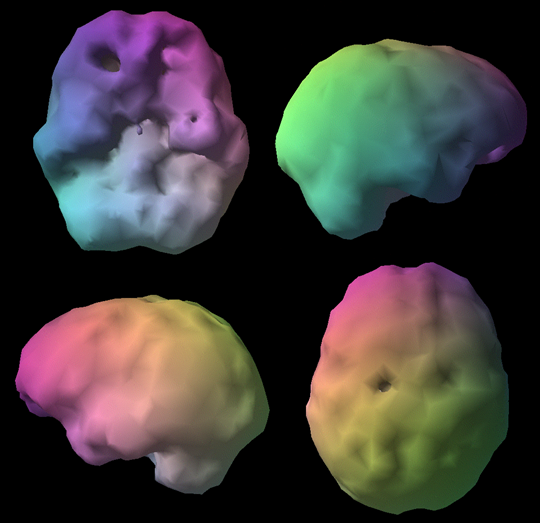
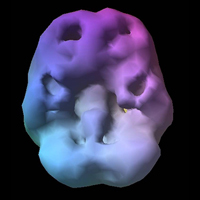
Ring of Fire ADD has an overall hyperactive brain activity, which is a stark contrast to the other 7 types of ADD. When seen on a SPECT scan, there is a ring of hyperactivity around the brain, hence the term “Ring of Fire.”
Possibly correlated with allergies or inflammation, Ring of Fire ADD has many symptoms, including distractibility, oppositional behavior, worrying and obsessiveness, hypersensitivity to the environment, and mood instability.
Because of its status as the most intense of the 7 types of ADD, Ring of Fire ADD can sometimes be referred to as “ADD Plus.”
Those with Type 6 ADD tend to have difficulty “turning off” their brains and typically feel overwhelmed with thoughts and emotions.
People with Ring of Fire ADD often see, think, feel, and sense too much—anxiety can be especially heightened.
Type 6 ADD is made worse with stimulant and serotonergic (serotonin-enhancing) medications alone.
People can have both Ring of Fire ADD and bipolar disorder, and some studies suggest that as many as half of the people with bipolar disorder also meet the criteria for ADD.
Implementing these six tips will help you manage the symptoms of ADD Type 6:
Ring of Fire ADD as seen on SPECT brain scan
Elimination Diet:
One of the treatment options for Ring of Fire ADD is to start an elimination diet. Through the process of elimination, and focusing on dietary factors, this short-term eating plan can help to identify certain foods that are causing allergies and other digestive reactions.
Decrease Hyperactivity with Physical Activity
Exercise accelerates blood flow to all parts of the body, including the brain. Physical activity also increases the availability of serotonin in the brain, which tends to calm hyperactivity. It’s recommended that those with Type 6 ADD get 30 to 45 minutes of exercise daily.
Train Your Second Brain:
Since the gut is often referred to as the second brain, reducing inflammation and restoring balance in the GI tract can not only help to regulate mood, but also lower risk factors for cardiovascular disease, obesity, and autoimmune issues. Mood-boosting foods include berries, beans, fish, leafy greens, dark chocolate and whole fruits.
Only as Needed:
Although natural interventions are recommended for treating Type 6 ADD, medications may be necessary in certain cases. Anticonvulsants and blood pressure drugs tend to calm overall hyperactivity.
Become an ANT Killer:
ANTs are the Automatic Negative Thoughts that pop into your head, causing you to get upset or depressed. Once you identify an ANT, jot it down, identify it and then kill it by writing a more realistic version of the same thought.
Get a Customized Solution:
Like many other mental health conditions, ADD is not just a single and simple disorder; therefore, treatment is not a one-size-fits-all solution. Each of the seven types of ADD requires a different treatment plan. What works for one person with ADD may not work for another—or could even make the symptoms worse!
ADD is a neurobiological disorder with serious psychological and social consequences. Amen Clinics is here to help you understand your brain and provide treatment options that address more than just symptoms.
Want more information? Download Amen Clinics’ free Getting to Know the 7 ADD Types eBook.
Healing ADD starts with knowing if you have it and then finding out which type you have. We’ve helped tens of thousands of people with ADD from all over the world. If you suspect that you or a loved one might have ADD, don’t wait to get help. Call us today at 888-288-9834 or visit us online to schedule a visit. Do you have ADD or ADHD? If so, do you know which of the 7 types you have? There is a way to know for sure.
Here are the signs and symptoms of ADD Type 5 (also known as Limbic ADD):
Core Symptoms of ADD
Though each of the ADD subtypes has its own set of symptoms, they all share the same core symptoms.
A short attention span for regular, routine, everyday tasks (homework, chores, etc.)
Chronic low-grade sadness or negativity (“glass half empty” syndrome)
May or may not be hyperactive
ADD Quick Facts
The limbic system can affect motivation, drive, and the bonding mechanism that enables a person to connect emotionally with others.
Main symptoms of Limbic ADD include low self-esteem, chronic mood problems, decreased interest in activities previously considered fun, feelings of hopelessness, and being easily distracted.
Limbic ADD is frequently misdiagnosed as depression. However, when individuals with Limbic ADD are given antidepressants it can increase their moodiness and negative symptoms.
High-stress levels are a major trigger for depression in Type 5 individuals.
People with Limbic ADD often suffer from low energy, short attention spans, and get stuck on negative thoughts and guilty feelings.
Stimulant medications alone frequently make people with Limbic ADD more negative and moody.
Implementing these six tips will help you manage the symptoms of ADD Type 5:
Boost Your Mood With Food:
A balanced diet of high-quality proteins, healthy fats, and fewer carbohydrates will help reduce negative symptoms and balance your mood. A healthy diet can also be paired with supplements, like DL-phenylalanine and SAMe, to boost and stabilize the mood.
Avoid Absolutes:
Alleviating the symptoms of Limbic ADD includes learning how to structure your thoughts and actions. For example, an “all or nothing” approach automatically sets you up for failure which, in turn, will cause emotional distress.
Get Back to the Essentials:
Create strategies that will allow you to calm yourself down when you are triggered. Essential oils, such as lavender, bergamot, grapefruit, and peppermint, can help boost your mood.
Collect Happy Memories:
Build a library of positive memories from happy experiences in your life. Sad people tend to dwell on negative memories. When you’re suffering from the negative symptoms of Type 5 ADD, you can bring yourself to a better place by collecting and reflecting on happy memories.
Build Strong Relationships:
One way to curb negative thinking patterns is to surround yourself with people who encourage positive cognitive processes and support conversational bonding. Build strong relationships with them and with those closest to you.
Get a Customized Solution:
Like many other mental health conditions, ADD is not just a single and simple disorder; therefore, treatment is not a one-size-fits-all solution. Each of the seven types of ADD requires a different treatment plan. What works for one person with ADD may not work for another—or could even make the symptoms worse!
ADD is a neurobiological disorder with serious psychological and social consequences. Amen Clinics is here to help you understand your brain and provide treatment options that address more than just symptoms.
Want more information? Download Amen Clinics’ free Getting to Know the 7 ADD Types eBook.
Healing ADD starts with knowing if you have it and then finding out which type you have. We’ve helped tens of thousands of people with ADD from all over the world. If you suspect that you or a loved one might have ADD, don’t wait to get help. Call us today at 888-288-9834 or visit us online to schedule a visit. Do you have ADD or ADHD? If so, do you know which of the 7 types you have? There is a way to know for sure.
Here are the signs and symptoms of ADD Type 4 (also known as Temporal Lobe ADD):
Core Symptoms of ADD
Though each of the ADD subtypes has its own set of symptoms, they all share the same core symptoms.
A short attention span for regular, routine, everyday tasks (homework, chores, etc.)
Distractibility
Organization problems (like having a messy room, always running late, etc.)
Procrastination
Forgetfulness
Problems with follow-through
Poor impulse control (saying or doing something before thinking it through)
ADD Type 4 Symptoms
In addition to the core symptoms, the unique characteristics of Type 4/Temporal Lobe ADD include:
People with Temporal Lobe ADD have memory challenges and behavioral problems, such as sudden bursts of anger and mild paranoia.
Type 4 ADD has been correlated with previous head injuries (TBI) and toxic or infectious exposure.
A person with Temporal Lobe ADD can experience periods of mood instability and often misinterpret comments in a conversation.
During aggressive periods, Type 4 individuals may be defiant towards parents or authority figures.
People with Temporal Lobe ADD may have difficulties controlling negative thoughts.
Some people with Type 4 ADD experience déjà vu, see shadows or objects changing shape, and may hear sounds that nobody else hears.
Implementing these six tips will help you manage the symptoms of ADD Type 4:
Natural Remedies:
Individuals with Temporal Lobe ADD should consider natural remedies, such as making changes to diet and lifestyle, to help control their symptoms. When it comes to diet, those with Temporal Lobe ADD should eat more protein, healthy fats, and fewer carbohydrates.
Brain Healthy Supplements:
For Type 4 ADD, supplements that promote calmness, like GABA, theanine, and magnesium, are ideal. Stimulating supplements such as green tea can also increase focus.
Aerobic Exercise:
Aerobic exercise increases blood flow to the brain and releases endorphins which improve overall well-being. Those with Temporal Lobe ADD should get 30-45 minutes of intense aerobic activity each day.
Action Plan:
Individuals with Type 4 ADD should have an action plan in place to deal with aggressive tendencies. The first step involves tracking mood shifts and identifying triggers. Next, try the 5x3x8 breathing technique. Breathe in for 5 seconds, hold it for 5 seconds, and breathe out for 5 seconds. Repeat this process 8 times. This will help to reduce irritability and increase a sense of control over the situation.
Behavioral Programs:
Behavioral programs are available for children suffering from Temporal Lobe ADD. These programs provide an opportunity for children with Temporal Lobe ADD to meet each other, learn coping mechanisms, and work towards improving behavior. These groups are also an excellent way for parents to meet each other and find support.
Get a Customized Solution:
Like many other mental health conditions, ADD is not just a single and simple disorder; therefore, treatment is not a one-size-fits-all solution. Each of the seven types of ADD requires a different treatment plan. What works for one person with ADD may not work for another—or could even make the symptoms worse!
ADD is a neurobiological disorder with serious psychological and social consequences. Amen Clinics is here to help you understand your brain and provide treatment options that address more than just symptoms.
Want more information? Download Amen Clinics’ free Getting to Know the 7 ADD Types eBook.
Healing ADD starts with knowing if you have it and then finding out which type you have. We’ve helped tens of thousands of people with ADD from all over the world. If you suspect that you or a loved one might have ADD, don’t wait to get help. Call us today at 888-288-9834 or visit us online to schedule a visit. Eating healthy during pregnancy is one of the most important things to take into consideration for the health of your baby’s growth and development. After all, if you are eating brain-healthy foods, so is your baby. An ideal diet for a pregnant woman is one that incorporates a variety of vegetables, fruits, grains, and lean proteins like fish.
h
Fish is one of the healthiest forms of lean protein you can eat, but you need to make sure the fish you are eating is wild caught high-quality fish that is contaminant free. Pregnant women need to be especially careful because eating fish that contain even low levels of mercury can increase the risk for attention-deficit/hyperactivity disorder (ADHD) in offspring. This can be confusing for mothers to be because there are also several other types of fish during pregnancy may protect against the disorder.
Is There An ADHD Risk in Children From Their Mother’s Fish Consumption?
A cohort study of almost 400 children showed that the risk for inattention and impulsivity at the age of 8 years was significantly associated with maternal mercury levels and as the mercury levels increased, so did risk. The study was conducted between 1993 and 1998. 788 infants from Massachusetts were enrolled in the study which was designed to assess a possible link between exposure to polychlorinated biphenyls (PCBs) and neurodevelopment.
Soon after birth, hair samples were collected from the mothers and analyzed for mercury levels. The mothers also filled out a questionnaire regarding fish consumption during pregnancy.
At 8-year follow-up, 421 of these children were assessed for possible ADHD behaviors and the results showed that not only was mercury exposure associated with inattention and impulsivity/hyperactivity, but the risk for these behaviors increased with maternal hair mercury levels. The threshold for first association with ADHD symptoms appeared to be at least 1 μg/g or more of mercury. In addition, these associations were more notable in boys than girls.
This research does not mean that pregnant women should avoid eating all types of fish because the study also found offspring of mothers who consumed at least 2 servings of fish a week (which is currently more than the current recommended amounts from the FDA and EPA) had a decrease in ADHD-related behaviors — especially in impulsivity/hyperactivity. “These findings underscore the difficulties of balancing the benefits of fish intake with the detriments of low-level mercury exposure in developing dietary recommendations in pregnancy,” write the investigators.
Although the researchers did not assess which fish are worst and best to consume while pregnant, they noted in a release that previous studies have shown that shark, fresh tuna, and swordfish should be avoided by pregnant women, whereas fish such as haddock, salmon, and flounder are good because of their low levels of mercury and their nutritional value. “Women need to know that nutrients in fish are good for the brain of a developing fetus, but women also need to be aware that high mercury levels in some fish pose a risk,” said lead author Sharon Sagiv, Ph.D., MPH, from Boston University School of Public Health in Massachusetts.
Brain Healthy Pregnancy Tips
The FDA provides three recommendations for young children, pregnant women, and women of child-bearing age:
Do not eat shark, swordfish, king mackerel, or tilefish because they might contain high levels of mercury.
Eat up to 12 ounces (2 average meals) a week of a variety of fish and shellfish that are lower in mercury. Five of the most commonly eaten fish and shellfish that are low in mercury are: shrimp, canned light tuna, salmon, pollock, and catfish. Another commonly eaten fish, albacore or big eye (“white”) tuna depending on its origin might have more mercury than canned light tuna. So, when choosing your two meals of fish and shellfish, it is recommended that you should not eat more than up to 6 ounces (one average meal) of albacore tuna per week.
Check local advisories about the safety of fish caught by family and friends in your local lakes, rivers, and coastal areas. If no advice is available, eat up to 6 ounces (one average meal) per week of fish you catch from local waters, but consume no other fish during that week.
A diet rich in omega-3’s can help boost mom and baby’s brain and neurological development. Incorporate a DHA supplement, flaxseed oil, walnuts, and fatty fish to avoid getting DHA from high mercury foods. Benefits include better memory, vision, and better language comprehension during their early childhood. Mom’s can reap all these benefits and reduce the risk of post-partum depression. Recognizing how important it is to make sure the fish you consume comes from high-quality wild caught sources is a must. The National Institutes of Health recommend that pregnant and nursing women get at least 300 milligrams of DHA in their daily diet.
Amen Clinics wants to help support brain health of all women including the health of our future generations. If you or someone you know is struggling with brain health contact us today at 888-288-9834 or schedule a visit today. For daily brain health updates, follow us on Facebook. It’s back to school time already, which can mean helping your child adjust to a new classroom, new teachers, and for many—new distractions. Getting through this transition can be a challenge for those with undiagnosed or untreated ADD, and can wreak havoc on their lives – and yours! But, it doesn’t have to; learning more about the symptoms and treatment for ADD can lead you and your loved ones to healthier and more productive lives.
One of Dr. Amen’s scientific contributions is, through the use of brain SPECT imaging, he uncovered the 7 subtypes of ADD, each involving a unique pattern of activity in the brain. And, not surprisingly, that each of the ADD types requires a different treatment—not a one-size-fits-all ADD solution.
While each of the 7 types of ADD has its own unique set of symptoms, they generally share the same core symptoms:
This first type of ADD – what is known as ADHD (H = Hyperactive), is usually evident early in life. As babies, they tend to be colicky, active and wiggly, growing into children who tend to be restless, noisy, talkative, impulsive and demanding. Their hyperactivity and sometimes conflict-driven behavior gets everyone’s attention early on. Classic ADD tends to be more frequently seen in boys.
Those with this type are usually quiet, more introverted and appear to daydream a lot. They may be labeled as unmotivated—even slow or lazy. Inattentive ADD is common in girls and boys but is often missed because children with this type tend to have fewer behavioral problems and don’t draw the negative attention to themselves as do those with Classic ADD. Nonetheless, left untreated they may live life below their true potential.
People suffering from this type have most of the ADD features, but rather than not being able to pay attention, they become hyper-focused on certain things while tuning everything else out. These folks tend to get stuck or locked into negative thought patterns and behaviors. This type of ADD is often found in substance abusers as well as the children and grandchildren of alcoholics.
In addition to the core features of ADD, people with this type have symptoms associated with temporal lobe problems, such as problems with learning, memory, mood instability, aggression, temper outbursts, and sometimes, even violence. It is not unusual to see this type of ADD in people who have had head injuries.
In Limbic ADD, the core symptoms of ADD intersect with mood issues and are present over a long period of time. Commonly, people with this type suffer from not only the symptoms of ADD, but also with low self-esteem, sadness, low energy and motivation, and a loss of interest in fun activities.
With this type, people often have difficulty “turning off” their brains, typically feeling overwhelmed with thoughts and emotions, in addition to problems with inattention, distractibility and other core ADD symptoms. Ring of Fire ADD can also be related to some form of allergy, infection or inflammation in the brain, or to bipolar disorder.
With Type 7, the core symptoms of ADD are compounded by symptoms of anxiety such as worry, nervousness, tension and fear of being judged. Furthermore, the ADD symptoms in people suffering from this type tend to be magnified by their anxiety.
ADD is a neurobiological disorder with serious psychological and social consequences. Children, teens, adults, and parents need to know that it’s not their fault, they didn’t cause it, and there is hope. Amen Clinics is here to help you understand the ADD brain and provide treatment options that address more than just symptoms. Call us today at 888-288-9834 or visit us online to schedule a visit. For daily brain health updates, follow us onFacebook. Attention Deficit Hyperactivity Disorder (ADHD or ADD), is one of the most common psychiatric challenges among adults. Symptoms vary widely, from inattentiveness and procrastination to outbursts and impulsiveness, resulting in a condition that can be challenging to treat. Shedding light on that complexity, Daniel G. Amen, M.D. has successfully defined seven sub-types of ADHD and for four of them, typical stimulant medications make symptoms worse. This is where the cycle of unsuccessful treatment, stress, and despair often begins.
There is hope: Amen Clinics has pioneered innovative ADHD treatments that are highly successful. A recent six-month Outcome Study of 500 Amen Clinics’ patients of varying ages revealed that 75% showed significant improvement in their condition, and 85% reported improved quality of life after implementing their personalized protocols.
The statistics are impressive. But every ADHD case is unique; it’s the individual success stories that are really inspiring. Just ask Adam, who was diagnosed with ADHD and learning disabilities as a teen. Treatment with Ritalin made no significant improvements for Adam, but he found ways to cope. Then a tragedy happened that made his symptoms much worse.
Adam’s Story
When Adam was 18 he was in a motorcycle accident. He survived, but things were not the same afterward; his ADD symptoms got much worse. “I had bad impulse control and anger problems. I lost control of my emotions. I just didn’t know what was wrong with me,” relates Adam. “I would be okay and then all of a sudden lash out in anger…I couldn’t let go of an argument. I was impulsive and bought three cars in two weeks.”
Adam’s wife couldn’t ignore how ADD was limiting his everyday life. It was clear he was struggling with focus and attention, impulse control and anger. The couple went through a list of psychiatrists—and medications. But sometimes they made things worse! It was exhausting, but Adam’s wife kept looking for answers. Finally, she found Amen Clinics.
“I did the Full Evaluation with a brain SPECT scan and entire personal history,” Adam said. A brain SPECT scan (Single-Photon Emission Computerized Tomography) is a vivid image of the brain’s activity, which helps us better understand how it works and what is going on inside it. Adam’s Amen Clinic psychiatrist showed him a SPECT scan of a healthy brain and compared it to the SPECT scan of Adam’s brain.
The comparison was a shock but Adam was grateful for the comprehensive evaluation of his condition. There was no more need for “trial and error meds”. The Amen Clinics Method offered targeted treatment for Adam’s unique brain and defined exactly what was needed in terms of medication and nutrition. “After starting my treatment plan at Amen Clinics, it changed my life dramatically. I was able to regain focus and get my anger under control.”
“I had a follow-up brain SPECT scan after one year. We could see how my brain improved!” Adam said. He has continued to have additional scans to follow the progress. Today, Adam regularly refers others to Amen Clinics. He regards his experience as nothing short of life-changing. “I know if my wife hadn’t found Amen Clinics, we would not be married today,” he said. “Now she’s able to rely on me. I’m able to sustain a fairly normal life. Thank God my wife found Amen Clinics.”
Amen Clinics Can Help
The Amen Clinics Method of integrative psychiatric care has brought hope to Adam and many others dealing with a wide range of conditions. Using innovative and personal care, our outcomes consistently demonstrate improvement for patients – including many who have tried other unsuccessful treatment approaches in the past. Amen Clinics utilizes a highly unique whole-person clinical intake and strategic brain-focused nutrition alongside conventional treatment options. Leading edge brain SPECT technology literally provides inside information needed to guide treatment strategies and confirm results.
What can a Full Evaluation do for you or a loved one?
It’s time to stop guessing. Amen Clinics Full Evaluation of your biological-psychological-social-spiritual history including two brain SPECT imaging scans at rest and at concentration, cognitive testing, and clinical assessment is designed to address your unique needs and offer targeted treatment options. For more information, call us at 888-288-9834 or schedule a visit today.
How many times have you heard to put the burger and french fries down? A study from Australia suggests there may be good reasoning for this, warning about the effects of a typical Western diet and the rise of ADHD in adolescents. The good news is that eating a “healthy pattern diet,” more common in Asia and many Mediterranean countries, lessens the reported diagnosis of ADHD.
“We found a diet high in the Western pattern of foods was associated with more than double the risk of having an ADHD diagnosis compared with a diet low in the Western pattern, after adjusting for numerous other social and family influences,” says Dr. Wendy Oddy, a lead researcher for the Western ADHD study. After looking at the dietary patterns amongst the adolescents they then compared the diet information against whether or not the child had received an ADHD diagnosis by the age of 14 years. Their findings were that 115 adolescents had been diagnosed with ADHD, 91 boys and 24 girls.
A Western pattern is a diet with a trend towards convenience and fast foods, sweets, processed, fried and refined foods. These diets tend to be higher in total fat, saturated fat, refined sugar, and sodium. Whereas a “healthy” pattern is a diet high in fresh fruit and vegetables, whole grains, and fish. It tends to be higher in omega-3 fatty acids, folate, and fiber.
The specific foods that are most associated with those who received an ADHD diagnosis are processed meats, red meat, high-fat dairy products and sweets.
The findings of the study suggested that a Western dietary pattern may indicate the adolescent has a less optimal fatty acid profile, whereas a diet higher in omega-3 fatty acids is thought to hold benefits for mental health and optimal brain function.
When you incorporate more foods rich in Omega-3’s it turns out you are doing your brain a great deal of service. Not only can it help improve mood, memory loss, inflammation, and help lower your risk of chronic diseases.
In addition, she added that the Western dietary pattern does not provide enough essential micronutrients that are needed for brain function, particularly attention and concentration. Another concern is that the Western diet might contain more additives that have been linked to an increase in ADHD symptoms. There may also be a link between impulsivity, characteristic of ADHD, leading to poor food choices when hungry.
We have found that a healthy diet, along with targeted supplements with high-quality fish oil can be of tremendous help in healing the symptoms of ADD and ADHD. At Amen Clinics, we understand the pain and frustration that ADHD can cause for families and adults. We approach each individual with a sense of compassion and respect. Our experienced clinical staff will take a full history of each patient using The 4 Circles Approach before beginning treatment with SPECT imaging or making other recommendations. Connect with us today by calling 888-288-9834 to learn more – we are waiting to help you, or schedule a visit today!
While ADD is most often thought of as a disorder for children and adolescent boys with behavioral issues, 4.1% of all US adults have ADD, and 41% of those adults have cases the National Institute of Mental Health classify as severe.
However, those are just those adults who are diagnosed with ADD.
When left untreated, ADD can be incredibly debilitating for not only the people struggling with it but their loved ones as well. They may have trouble focusing, but that isn’t all, patients with untreated ADD often suffer from other disorders as well, from social isolation to depression and anxiety. And those who love them may not know what makes them act so differently.
One of our patients named Larry was 62 when he came in to see us. He was experiencing a great deal of marital conflict and was on the brink of divorce. His wife complained that he never talked to her, was unreliable, never finished projects that he started, and that he was very negative. He tended to be moody, tired, and disinterested in sex.
As a child, Larry had mediocre to poor grades in school, and as an adult he went from job to job, complaining of boredom. But, he was never diagnosed with ADD.
After his marital specialist referred him to Amen Clinics, and we had a chance to scan his brain, Larry’s SPECT scan showed decreased prefrontal cortex activity and increased activity in the deep limbic system of his brain. Larry had Limbic ADD, with problems that looked like a combination of ADD and mild, chronic depression.
That’s right, Larry had suffered from limbic ADD, one of the seven types of ADD, for his whole life, and he had never been diagnosed. Luckily for Larry, after getting him on a personalized treatment program, his ADD is under control. Last time we spoke, they told me that he and his wife were happier than when they first were married!
ADD is a neurobiological disorder with serious psychological and social consequences. Children, teens, adults and parents need to know that it’s not their fault, they didn’t cause it, and there is hope.
Amen Clinics is here to help you understand the ADD brain and provide treatment options that address more than just symptoms. Call us today at 888-288-9834 or visit us online to schedule a visit. Jeremy was a bright student who worked hard and succeeded academically. He loved to learn and had done exceptionally well at a prestigious university, but he had a tendency to get bored easily. As a result of his hard work, Jeremy attained his dream of being accepted to medical school. He expected that medical studies would be an extension of the smorgasbord of intellectual challenges he had experienced in college. But Jeremy was soon disappointed when he discovered how much rote memorization was involved.
Having to memorize a seemingly endless number of uninteresting facts made Jeremy and his brain feel half asleep. He resorted to simultaneously listening to both the television and the radio to remain awake enough and have sufficient attention to commit to memory what he needed for his exams. The fact that Jeremy’s brain began to fall asleep when faced with uninteresting information was an important sign that he had attention deficit disorder, also known as attention deficit hyperactivity disorder (ADD/ADHD).
People with adult ADD, which affects an estimated 4.4% of Americans, have a high susceptibility to boredom, have difficulty tolerating boredom, and are easily distracted. They’re the ones who tend to look around the room, drift off, appear bored, forget where the conversation is going, or interrupt with extraneous information. Why is boredom associated with this condition? It starts in the brain.
Your Brain’s Role in Boredom
ADD/ADHD is a brain disorder that results in problems with low stimulation and increased boredom. Brain SPECT imaging shows that in people with ADD/ADHD, there is low activity in the prefrontal cortex, a region of the brain that is involved with focus, attention, concentration, goal-setting, planning, organization, and impulse control. Underactivity in this part of the brain can contribute to problems in these areas and feelings of boredom.
How ADD/ADHD Boredom Interferes with Everyday Life
Because of the way the ADD/ADHD brain functions, people with this disorder have trouble completing everyday activities, such as paying bills, doing household chores, or organizing their files at work. If you have ADD/ADHD, this means you may fall behind on payments, neglect cleaning the house, or have a messy desk at work. This can cause a host of problems in your life—financial issues, relationship trouble, and problems holding a job.
Some people with ADD/ADHD also have trouble maintaining everyday relationships. They often quickly become bored with their romantic partner. When the rush of new love wears off, boredom sets in, they end the relationship and seek out someone new.
Why People with ADD/ADHD Need Stimulation
Because people with ADD/ADHD need stimulation or excitement in order to stay engaged. They can pay attention just fine to things that are new, novel, interesting, highly stimulating, or frightening. For example, they can easily lose themselves for many consecutive hours playing exciting video games. And activities that would make most of us tremble with anxiety—such as motorcycle racing, free climbing, or skydiving—seem to calm these individuals.
Take a look at an Amen Clinics patient who was an airplane wing walker. This man required an extreme amount of stimulation in order to feel calm and comfortable. Most of us would be paralyzed by anxiety walking on the wing of an airplane mid-flight, but this man, who normally experienced boring situations as remarkably intolerable, was optimally stimulated when engaging in his hobby. He stopped being distracted and became mindful, alert, and fully aware in the present moment. Why? The excitement boosted adrenaline, which is often low in those with ADD/ADHD due to adrenal gland disorders and stimulated his frontal lobes. This allowed him to feel calm and focused while walking on wings instead of rattled by his normal state of intense boredom.
Unhealthy Ways to Stimulate the ADD/ADHD Brain
Many people with this condition unconsciously—based on brain-driven mechanisms (not will-driven)—play ADD/ADHD games as a way to boost adrenaline and stimulate their frontal lobes. These games just seem to happen. No one plans for them to happen. Most ADD/ADHD people deny that they engage in these behaviors, but they are common in the patients at Amen Clinics.
Here are 3 unhealthy ways that people with ADD/ADHD create stimulation:
“Let’s have a problem.” Without enough stimulation, the brain looks for ways to increase its own activity. Being mad, upset, angry, or negative has an immediate stimulating effect on the brain. Whenever you get upset your body produces increasing amounts of adrenaline stimulating heart rate, blood pressure, muscle tension, and, yes, brain activity. Many people with ADD/ADHD pick on others to get a rise out of them, get them upset, or make them crazy.
“Fighting as foreplay.” Many couples where one or both partners have ADD/ADHD have intense fights followed by a period of making up and making love. One minute you’re fighting and talking about divorce, and the next moment you’re making wild passionate love. It’s confusing, but the arguing provides the stimulation that gets you ready for love.
“Let’s get addicted.” People with ADD/ADHD have a higher incidence of addiction, whether it’s to drugs and alcohol, food, video games, social media, or even work. Think of those who are addicted to their iPhones and other mobile devices. It’s the constant pings alerting them to new information and novelty that stimulates their brain and relieves their boredom.
Healthy Ways to Stimulate the ADD/ADHD Brain
There are better ways to support and stimulate the brain, including:
Intense exercise
Goal setting
A diet that is higher in high-quality proteins and fats and lower in simple carbs
Omega-3 fatty acids that are higher in EPA
Supplements that support focus, such as green tea, rhodiola, ginseng, and tyrosine
If ADD/ADHD is interfering with your life, finances, work, or relationships, it’s time to seek professional help.
ADD/ADHDand other mental health issues can’t wait. During these uncertain times, your mental well-being is more important than ever and waiting until life gets back to “normal” is likely to make your symptoms worsen over time. At Amen Clinics, we’re here for you. We offer in-clinic brain scanning and appointments, as well as mental telehealth, remote clinical evaluations, and video therapy for adults, children, and couples. Find out more by speaking to a specialist today at 888-288-9834or visit our contact page here.