ARCHIVE
When the TV remote goes on the fritz, do you throw it
against the wall in anger? If someone cuts you off on the highway, do you want
to chase after that person and run them off the road? When someone looks at you
funny, is your first instinct to yell at them or punch them in the face?
Reacting with anger, aggression, or violence can get you
into trouble. Temper flare-ups can cause strife in your relationships. Getting
into fights can lead to physical harm. And if you go too far, a violent nature
can eventually lead to trouble with the law.
For many people, episodes of anger or aggression are often
followed by feelings of guilt and shame. Even though you know that shoving
someone and throwing things isn’t desirable behavior, you can’t help yourself.
Does it mean you’re a bad person?
Are Angry People Bad People?
Take a look at these individuals who struggle with anger.
Blaine: As a schoolboy, Blaine had a terrible time
learning to read and frequently got into fights.
At age 60, he was still aggressive and moody. His temper
outbursts just seemed to come out of the blue. “The littlest things set me off.
Then I feel terribly guilty,” says Blaine.
Jason: This 30-something business executive admits he
has frequent, intense violent thoughts. “I can be walking down the street and
someone accidentally brushes against me, and I get the thought of wanting to
shoot him or club him to death,” says Jason. “These thoughts frighten me.”
Misty: At age 45, Misty was besieged by angry outbursts. One day, someone had inadvertently bumped into her in the grocery store and she had started screaming at the woman. “I just don’t understand where my anger comes from,” she says. “I’ve had 16 years of therapy, and it is still there. Out of the blue, I’ll go off. I get the most horrid thoughts. You’d hate me if you knew.”
What Brain Imaging Reveals About Anger and Violence
Are Blaine, Jason, and Misty bad people? Do they lack a moral compass? Is there a reason why they act the way they do? Brain imaging studies show that anger, aggression, and violent behavior—often diagnosed as intermittent explosive disorder—are often signs of abnormalities in an area of the brain called the left temporal lobe.
The temporal lobes are located on either side of the brain behind the eyes and underneath the temples. On the dominant side of the brain (the left side in most people), the temporal lobe is intimately involved with emotional stability, as well as memory, language comprehension, and visual and auditory processing. Research has shown that emotional stability is heavily influenced by the temporal lobe. Optimum activity in the temporal lobes enhances mood stability, while increased or decreased activity in this part of the brain leads to fluctuating, inconsistent, or unpredictable moods and behaviors. Problems associated with abnormal activity in the dominant (usually left) left temporal lobe include:
- Aggression—internally or externally directed
- Dark or violent thoughts
- Sensitivity to slights
- Mild paranoia
- Emotional instability
- Word-finding problems
- Auditory processing problems
- Reading difficulties
The symptoms above are typically thought of as psychological, but in reality, they have a biological basis. Temporal abnormalities occur much more frequently than previously recognized. This is because the temporal lobes sit in a vulnerable area of the skull that makes them prone to damage even in mild traumatic brain injuries and concussions. Head injuries aren’t the only source of temporal lobe problems. They can also stem from genetics or exposure to toxins or infections.
What’s Behind Their Anger?
What caused Blaine, Jason, and Misty to develop such an aggressive nature? Brain SPECT imaging studies, which show healthy and abnormal brain activity, helped shine a light on their behavior.
Blaine: When Blaine was 5 years old, he fell off the porch headfirst into a pile of bricks. His SPECT scans showed significantly low activity in his prefrontal cortex and left temporal lobe, likely due to that childhood head injury.
Jason: Because Jason’s father was also a “rageaholic” it is likely that there was a genetic component involved and Jason inherited his temporal lobe dysfunction. His SPECT scan confirmed left temporal lobe abnormalities, but he had good prefrontal cortex activity, so he was able to supervise his behavior and maintain impulse control over his terrible thoughts.
Misty: At the age of 4, Misty fell off the top of a bunk bed and had been unconscious for only 1-2 minutes. Her brain scan revealed damage to the front and back parts of her left temporal lobe.
Can Violent People Change?
Is there any hope for people like Blaine, Jason, and Misty
to change? Is there hope for you if you’re filled with anger or have violent
thoughts and behavior?
Blaine: On a comprehensive treatment plan intended to
stabilize temporal lobe activity and enhance prefrontal cortex activity, Blaine
got a grip on his anger. And it happened quickly. Just 3 weeks after starting
treatment, he said he hadn’t lost his temper a single time since getting on the
new regimen. “That was the first time in my life I can remember going 3 weeks
and not screaming at someone,” he says. Four years later, his temper was still
under control.
Jason: With treatment, Jason had far fewer violent
thoughts. And after seeing that his aggressive nature was related to biological
abnormalities in his left temporal lobe, he no longer felt ashamed.
Misty: When Misty began a treatment program that included both medication, supplements, and other natural therapies, she found it very helpful in calming the “monster” within.
As these 3 individuals show, people who have a tendency to
explode in anger can change. Seeking an evaluation and looking at the brain to
understand the root causes of unwanted aggressive behavior is an important
first step.
If you want to feel more in control of your temper, or you want a
loved one to stop violent behavior, the Amen Clinics can help. We’ve helped
thousands of people, including Blaine, Jason, and Misty, rein in their anger.
We use brain SPECT imaging as part of a
comprehensive evaluation to find underlying patterns of brain dysfunction associated
with aggression and violent behavior. Based on this information, we are better able to personalize treatment
using the least toxic, most effective solutions for a better outcome.
For more information, call 888-288-9834 to talk to a specialist today or schedule a visit.
When a loved one attempts suicide or dies by suicide, it may make you desperate to find the reason why. But suicide is incredibly complex, and there are no simple answers.
Consider Jesse, who was just 14 when she was admitted to the hospital after a suicide attempt. On the surface, it seemed that she had tried to take her own life because she had a terrible fight with her mother that night. Jesse had been doing poorly in school and couldn’t keep up academically with her friends, and her mother had berated her for it. But the real story went much deeper.
Jesse had a family history of depression on her father’s side, and her mother had many ADD/ADHD symptoms (although she refused to be evaluated and treated for it). Jesse felt sad and had a tendency to look at the negative side of things. She was also disorganized, had lifelong trouble focusing on her schoolwork, and was impulsive. She was diagnosed with depression and ADD/ADHD.
A brain imaging study showed that Jesse had increased activity in the brain’s limbic system (an area involved in setting a person’s emotional tone) as well as decreased activity in her prefrontal cortex (an area involved in impulse control and judgment). This brain pattern made her more vulnerable to suicide.
Suicide in the Brain
Brain SPECT imaging studies reveal underlying brain abnormalities in people who have suicidal thoughts or attempts. Amen Clinics has performed brain scans on more than 300 people who have made a suicide attempt and on far more who have considered taking their own life. Most of these individuals possessed some combination of the following traits—impulsiveness, negative thinking patterns, flashes of irritability or anger, and a lack of good judgment. For Jesse, it was the swirling negative thoughts, impulsivity, and poor judgment combined with life stressors that put her at increased risk.
Imaging studies reveal that people with suicidal thoughts and behavior often have the following brain abnormalities:
Concussions and traumatic brain injuries (TBIs)—even mild ones that don’t cause you to blackout—increase the risk of suicide. Falling off a bike, getting in a car accident, or falling off a ladder can cause dramatic changes in brain function that increase anxiety, depression, impulsivity, anger, poor decision-making, and substance abuse—all of which make a person more likely to contemplate suicide. At Amen Clinics, 40% of patients have experienced head trauma, but many of them don’t remember it.
Temporal Lobes
Brain SPECT imaging studies show that abnormalities in the temporal lobes—and especially in the left temporal lobe—are common in people with suicidal thoughts and behavior. In a study performed at Amen Clinics, left temporal lobe problems were present in 62% of people who seriously thought about taking their own life or who made a suicide attempt.
Prefrontal Cortex (PFC)
Low blood flow in the PFC, which is associated with impaired decision-making, impulse control, and judgment, is commonly seen in suicidal people. Anything that lowers PFC activity can increase the risk of suicide in those who are already vulnerable. For example, alcohol lowers activity in the PFC, and a study in BMJ found that22% of suicide victims were drunk at the time of their death.
Anterior Cingulate Gyrus (ACG)
The ACG is the brain’s gear shifter and helps you go from thought to thought. When there is too much activity in this area, however, people have a tendency to get stuck on negative thoughts, which is one of the traits seen in people with suicidal thoughts and behavior.
Healing the Brain, Saving Lives
To help prevent suicide, it’s critical to healing underlying brain dysfunction. For Jesse, that included medication for her impulsivity and poor judgment, and psychotherapy to help her learn to change her negative thinking patterns. Over several months, her condition improved significantly. Her mood was better. School was easier for her. She had better frustration tolerance and impulse control. Her initial weekly visits after she left the hospital turned into every 2 weeks and then monthly by the end of the first year, and she maintained good stability.
Healing her brain helped save her life. The best way to prevent suicide or help someone after a suicide attempt is to help them heal their brain.
If you are having suicidal thoughts, call the National Suicide Prevention Lifeline at 1-800-273-TALK (8255).
At Amen Clinics, we have treated hundreds of people who have attempted suicide, including Jesse. We use brain SPECT imaging to help identify underlying brain abnormalities that increase the risk of suicide and offer personalized treatment plans to optimize the brain and lead to a happier, healthier outlook on life.
If you or a loved one is experiencing suicidal tendencies and would like more information on how to heal your brain and save a life, call us at 888-288-9834 or schedule a visit online.
Your kindergartner shoved another kid at a birthday party—and
it wasn’t the first time. Your second-grader threw a temper tantrum in
class—again. Your adolescent child is getting into fights at school—on
a regular basis.
What’s a parent supposed to do? If you’ve tried all the most
trusted parenting strategies and nothing is working to calm the intense rage in
your child, it’s time to look for the underlying cause behind the behavior. Uncontrollable
anger is usually a sign of abnormal brain activity and can be associated with a
range of mental health conditions and other issues.
1. ADD/ADHD
Children with ADD/ADHD often experience frequent angry outbursts. In part, this is due to the impulsivity that is one of the hallmarks of the condition. Many youngsters with ADD/ADHD have low activity in the prefrontal cortex of the brain. This area is involved with impulse control, judgment, and decision-making. When activity is low in this region, kids tend to speak and act without considering the consequences of their actions. So, they are more likely to throw a temper tantrum when it is inappropriate or cause physical harm to a classmate or themselves.
2. Anxiety Disorders
In some kids, tantrums, meltdowns, and aggressive behavior are signs of anxiety. Anxiety is associated with increased activity in a number of areas of the brain, including the basal ganglia (involved in setting the body’s anxiety level) and the amygdala (the brain’s fear center). Being in a heightened state of alert can cause the body’s fight-or-flight stress response to kick into gear. For some kids, this results in going for the “fight” option rather than avoiding conflict.
3. Obsessive Compulsive Disorder
Research shows that about half of all people, including kids, with obsessive compulsive disorder (OCD), experience intense bouts of rage and anger. People with OCD tend to have excessive activity in the anterior cingulate gyrus (ACG), which is the brain’s gear shifter. Too much activity here can make people get stuck on obsessive thoughts and get locked into actions. Children with OCD may have compulsions that help them cope with the distressing thoughts that loop inside their head. When OCD is left untreated and there is interference with those compulsions, it can cause kids to panic and react with anger.
4. Traumatic Brain Injury (TBI)
If your child has ever taken a tumble off a bike or fallen down the stairs and hit their head, it can lead to lasting consequences, such as problems with anger and aggression. Even a mild head injury where they don’t blackout or get a concussion can cause problems. No amount of talk therapy will help a child overcome these issues unless the underlying brain injury is treated.
5. Temporal Lobe Abnormalities
Aggression is often associated with abnormalities in the left temporal lobes. Located on either side of the brain behind the eyes and underneath the temples, the temporal lobes are involved in mood stability, memory, and learning. Brain imaging research shows that emotional stability is heavily influenced by the left temporal lobes. Problems with this area of the brain are associated with anger, dark or violent thoughts, and emotional instability. Temporal lobe problems are commonly due to genetics, head injuries, exposure to toxins (such as toxic mold, drugs, or alcohol), or infections (such as Lyme disease).
At Amen Clinics, we use brain SPECT imaging as part
of a comprehensive evaluation to diagnose
and treat children. This helps our Child & Adolescent Psychiatrists
identify any dysfunction or damage in the brain, as well as any co-existing
conditions, that need to be addressed. Based on this information, we are better
able to personalize treatment for your child using the least toxic, most
effective solutions for a better outcome.
To find out more about how we can help your child, call 888-288-9834 or schedule a visit.
Do you have ADD or ADHD? If so, do you know which of the 7 types you have? There is a way to know for sure.
Here are the signs and symptoms of ADD Type 4 (also known as Temporal Lobe ADD):
Core Symptoms of ADD
Though each of the ADD subtypes has its own set of symptoms, they all share the same core symptoms.
- A short attention span for regular, routine, everyday tasks (homework, chores, etc.)
- Distractibility
- Organization problems (like having a messy room, always running late, etc.)
- Procrastination
- Forgetfulness
- Problems with follow-through
- Poor impulse control (saying or doing something before thinking it through)
ADD Type 4 Symptoms
In addition to the core symptoms, the unique characteristics of Type 4/Temporal Lobe ADD include:
ADD Quick Facts
- People with Temporal Lobe ADD have memory challenges and behavioral problems, such as sudden bursts of anger and mild paranoia.
- Type 4 ADD has been correlated with previous head injuries (TBI) and toxic or infectious exposure.
- A person with Temporal Lobe ADD can experience periods of mood instability and often misinterpret comments in a conversation.
- During aggressive periods, Type 4 individuals may be defiant towards parents or authority figures.
- People with Temporal Lobe ADD may have difficulties controlling negative thoughts.
- Some people with Type 4 ADD experience déjà vu, see shadows or objects changing shape, and may hear sounds that nobody else hears.
Implementing these six tips will help you manage the symptoms of ADD Type 4:
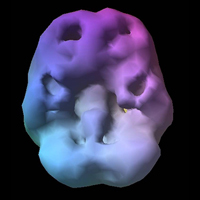
Natural Remedies:
Individuals with Temporal Lobe ADD should consider natural remedies, such as making changes to diet and lifestyle, to help control their symptoms. When it comes to diet, those with Temporal Lobe ADD should eat more protein, healthy fats, and fewer carbohydrates.
Brain Healthy Supplements:
For Type 4 ADD, supplements that promote calmness, like GABA, theanine, and magnesium, are ideal. Stimulating supplements such as green tea can also increase focus.
Aerobic Exercise:
Aerobic exercise increases blood flow to the brain and releases endorphins which improve overall well-being. Those with Temporal Lobe ADD should get 30-45 minutes of intense aerobic activity each day.
Action Plan:
Individuals with Type 4 ADD should have an action plan in place to deal with aggressive tendencies. The first step involves tracking mood shifts and identifying triggers. Next, try the 5x3x8 breathing technique. Breathe in for 5 seconds, hold it for 5 seconds, and breathe out for 5 seconds. Repeat this process 8 times. This will help to reduce irritability and increase a sense of control over the situation.
Behavioral Programs:
Behavioral programs are available for children suffering from Temporal Lobe ADD. These programs provide an opportunity for children with Temporal Lobe ADD to meet each other, learn coping mechanisms, and work towards improving behavior. These groups are also an excellent way for parents to meet each other and find support.
Get a Customized Solution:
Like many other mental health conditions, ADD is not just a single and simple disorder; therefore, treatment is not a one-size-fits-all solution. Each of the seven types of ADD requires a different treatment plan. What works for one person with ADD may not work for another—or could even make the symptoms worse!
ADD is a neurobiological disorder with serious psychological and social consequences. Amen Clinics is here to help you understand your brain and provide treatment options that address more than just symptoms.
Want more information? Download Amen Clinics’ free Getting to Know the 7 ADD Types eBook.
Healing ADD starts with knowing if you have it and then finding out which type you have. We’ve helped tens of thousands of people with ADD from all over the world. If you suspect that you or a loved one might have ADD, don’t wait to get help. Call us today at 888-288-9834 or visit us online to schedule a visit.
