

Toxic Mold Exposure & Other Toxins
Toxic mold exposure can trigger a range of neuropsychiatric symptoms that are often overlooked or misdiagnosed. Unlike traditional mental health care, Amen Clinics uses advanced brain imaging to detect patterns of brain dysfunction related to environmental toxins—leading to more accurate diagnoses and personalized, effective treatment plans.
What is Toxic Exposure?
We’re all familiar with mold. You may have wiped it off your bathroom sink, found it on an old leather coat in the back of your closet, or seen it in your shower. But there’s another type of mold—one that lurks behind the walls, in air ducts, and in crawl spaces that can wreak havoc with your brain health. This type of black mold (Stachybotrys) is actually a toxin that releases toxic gas and spores into the air. When the toxins are inhaled or enter your body through your skin’s pores, the toxic gases can disrupt healthy brain function and impact behavior.
WHO IS AT RISK FOR TOXIC EXPOSURE?
Exposure to toxic mold is becoming more common, in part due to construction trends. Homes in America are typically constructed using wood and drywall, where mold thrives. Even worse, did you know that half of the buildings in the United States—schools, hotels, and more—may be water damaged? This makes them prime breeding grounds for mold. However, not everybody is susceptible to developing symptoms from toxic mold exposure. It is estimated that only about 25 percent of people are vulnerable to mold toxicity due to a genetic predisposition. For example, mold in a home may affect only one family member even though the whole family is exposed to it.

COMMON SYMTPOMS OF TOXIC EXPOSURE
Exposure to toxic mold and other toxins can produce a variety of symptoms and neuropsychological issues, including:
- Depression
- Anxiety disorders
- Mood swings
- Memory problems
- Brain fog
- Irritability
- Confusion
- Sleep disorders
- Exhaustion
- Psychological distress
- Headaches
- Vertigo
- Coordination problems
- Digestive issues
- Numbness
- Pins and needles feeling

WHICH TOXINS AFFECT BRAIN FUNCTION?
- Fuels
- Asbestos
- Paint thinner
- Carbon monoxide
- Cleaning products
- Pesticides and herbicides
- Nail polish remover & perfumes
- Mercury, lead, and other heavy metals
- Drugs and alcohol
- General anesthesia
- Chemotherapy

Why Choose Amen Clinics for treating exposure to toxic mold and other toxins?
Because exposure to toxic mold and other environmental toxins can produce such a wide range of symptoms, it is often misdiagnosed. The problems may be mistaken for a traumatic brain injury, the first signs of dementia, or Lyme disease, or your symptoms may be written off as depression or anxiety. At Amen Clinics, we have diagnosed and treated brain toxicity and the associated neuropsychiatric symptoms in hundreds of people. We use brain SPECT imaging to take the guesswork out of psychiatry. With a comprehensive evaluation, you can get an accurate diagnosis and a treatment plan that is personalized for your needs.
BRAINS EXPOSED TO TOXINS WORK DIFFERENTLY
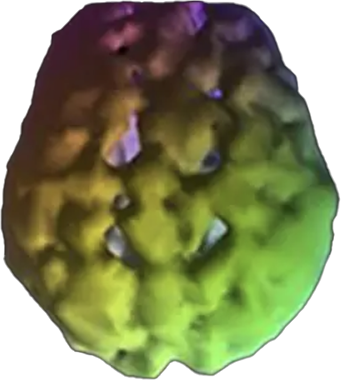
Based on our brain-imaging work—nearly 300,000 functional brain scans and growing—we can identify patterns in the brain that indicate brain toxicity may be the root cause of symptoms. Toxic exposure is associated with low overall blood flow in the brain and leads to a pattern we call scalloping. When brain toxicity patterns are visible, we perform additional testing and assess your personal history to confirm if mold or other toxins are the underlying problem.
SPECT (single photon emission computed tomography) is a nuclear medicine study that evaluates blood flow and activity in the brain. Basically, it shows three things: healthy activity, too little activity, or too much activity. The healthy surface brain SPECT scan on the top right shows full, even symmetrical activity. The toxic brain scan below it shows overall decreased activity.
Healthy Brain Scan

Toxic Brain Scan
THE CONSEQUENCES OF INCORRECT DIAGNOSIS AND TREATMENT
Unfortunately, traditional psychiatry remains the only medical field that rarely looks at the organ it treats, so physicians typically do not look at your brain to see if there are signs of toxicity. And most likely no one will even consider that your symptoms might be due to exposure to mold or other toxins. If you visit a healthcare professional for symptoms of depression or memory loss, chances are they will never ask you if you had a water leak at home, if you are a house painter, or if you are a hair stylist.
Because of this, mold toxicity and other types of brain toxicity remain underdiagnosed. The medical community has been slow to acknowledge the association between exposure to mold and other toxins as a cause for psychiatric symptoms. Sadly, when people with undetected exposure to mold or other toxins are misdiagnosed, treatments often don’t work. And in some cases, they can make symptoms worse. Without the appropriate treatment and with continued exposure to the toxin, your brain can be subjected to further injury.
This can eventually lead to a worsening of your symptoms and can impact other areas of your life, including your career and relationships. Without the appropriate treatment, brain toxicity can steal your mind and steal your life.
If you are experiencing psychiatric symptoms and you aren’t responding to treatment, it’s worth investigating if exposure to mold or other toxins may be the root cause.
“With A Better Brain Comes A Better Life”
– Daniel G. Amen, M.D.
toxic mold exposure and other toxins testimonials


Pamela’s Story