
ARCHIVE
Dave and Bonnie were getting frustrated with marital therapy. They had been going to an experienced therapist for three years and had spent a lot of money trying to save their marriage, but they weren’t making any progress. Despite the strategies and relationship tools the therapist had taught them, they were still bickering and feeling unhappy in their marriage. Dave was admittedly a big part of the problem. He had been a nice, thoughtful guy when they first married, but now he would explode with anger, was narcissistic, and antisocial, and he wasn’t getting any better from the psychotherapy sessions.
After much consideration, the therapist finally gave the couple an “F” in marital therapy and told them it was time to get divorced… unless they wanted to try one last option—getting brain scans to see if there might be some other underlying issue.
What Brain Scans Can Reveal About Psychotherapy Patients
Bonnie and Dave agreed and underwent brain imaging tests called SPECT, which measures blood flow and activity in the brain. The results changed everything. All of a sudden, it became clear why they weren’t having any success with marital therapy despite having a great therapist. And they realized why therapy probably never would have worked for them no matter how many years they devoted to it.
Bonnie’s brain scan looked healthy. Dave’s, however, looked very unhealthy—shriveled and full of holes. Dave’s brain pattern is one that is commonly seen in people who abuse drugs or alcohol. But Dave swore he didn’t drink or use drugs, and Bonnie confirmed it. “That is not his problem,” Bonnie said. “He’s just a jerk.”
Why Did Dave’s Brain Look so Toxic?
Other than drug or alcohol abuse, there are many things that can contribute to a toxic-looking brain, including brain infections, hypothyroidism, and environmental toxins. The problem became clear when Dave said he worked in a factory finishing furniture. The chemicals and solvents Dave was using every day at work were eating away at his brain.
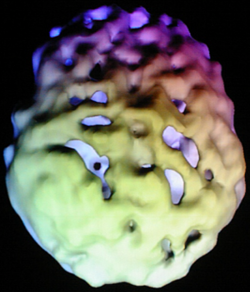
No wonder he was acting like such a jerk. And no wonder he was incapable of following through on any of the proven strategies the therapist had taught him. No amount of psychotherapy was going to heal Dave’s brain.
Healing Dave’s Brain
Dave took a medical leave of absence and eventually returned to a job at the factory that didn’t involve exposure to harmful chemicals. With a treatment plan focused on healing his brain, Dave made great strides.
For Bonnie, understanding that her husband’s problem was biological in nature made her more willing to support him as he went through treatment. When Dave’s brain was healthier, he was finally able to put the relationship tools and strategies from therapy into practice, and their marriage improved. Divorce was no longer on the table.
5 Ways Brain Imaging Can Help Psychotherapy
1. Like with Dave, getting a SPECT brain scan can reveal underlying biological factors, such as abnormal blood flow or activity, that may be contributing to behavioral issues that prevent you from getting what you need out of therapy.
2. Brain imaging helps you get a more accurate diagnosis, so you can get more effective treatment for any brain-related issues.
3. By healing the brain, it makes it easier to follow through with the strategies and tools provided in psychotherapy—whether it’s couples therapy, family therapy, individual therapy, cognitive behavioral therapy, or some other form.
4. When your brain is working right, you can take full advantage of psychotherapy, which can be a very powerful piece of a treatment plan.
5. Brain scans eliminate the guesswork involved with psychotherapy, which helps you get the benefits faster.
Dave was scanned, diagnosed, and treated at the Amen Clinics, where brain imaging and lab work are essential components of the evaluation process. If you aren’t making the progress you’d like to in psychotherapy and would like to investigate potential causes, speak to a specialist today by calling 888-288-9834. You can also schedule a visit online.
Pop quiz!
- In which organ are 75% of the neurotransmitters in your body produced?
- Which organ contains 2/3 of your immune tissue?
- Which organ has 10 times more cells than the total number in the rest of your body?
- Which organ houses an army to protect your body from harmful invaders?
- About 70% of people have problems with which organ?
The answer to all these questions?
Your gut.
The health of your gastrointestinal tract is directly tied to the health of your brain, which is why it is so important to feed it high-quality fuel. The food you eat has a major impact on your overall health as well as your mental wellbeing.
Just look at Victor. He had been depressed for 30 years and tried multiple treatments without relief. He even had electroconvulsive therapy, but it didn’t help. Finally, he went for a full brain-body assessment that included brain health nutrition coaching and was put on an elimination diet, which meant he gave up eating foods that are common allergens, such as gluten, dairy, sugar, soy, and corn.
After he stopped eating these foods, his mood improved dramatically. Then he re-introduced each food one-by-one. When he ate gluten, nothing happened. When he ate dairy, nothing happened. It was the same with sugar and soy. But when he ate corn, it was a different story. Within 20 minutes, he had a vision of putting a gun in his mouth with his hand on the trigger.
By giving up corn, he helped heal his GI tract, decrease his depression, and regain his life.
In a special 4-part series of the Brain Warrior’s Way Podcast, Dr. Daniel Amen and Tana Amen explore the importance of nutrition and gut health. Here’s just some of what you’ll discover:
- What your gut has to do with anxiety, depression, and ADHD
- The connection between the bacteria in your gut and autoimmune diseases
- How your gut can impact your asthma and allergies
- The common “healthy” foods you eat that could be harming your GI tract
- The popular medications that mess with your good gut bacteria
- What stress does to your digestive tract
- Why “leaky gut” is becoming more common
- The simple strategies to restore gut health
Listen to the Brain Warrior’s Way Podcast series on nutrition and gut health.
If you think gut problems may be contributing to your own mood issues, focus problems, or brain fog, understand that Amen Clinics has helped thousands of patients, including Victor, to heal their GI tract as part of a targeted treatment plan to heal their symptoms. Amen Clinics takes the guesswork out of psychiatry by performing comprehensive brain-body evaluations that include looking at biological issues that contribute to mental health issues. Schedule a visit online or call 888-288-9834 to speak to a specialist.
After his mother died of Alzheimer’s disease, the most common form of dementia, 52-year-old Bud started worrying that he would eventually get the disease too. He had one copy of the APOE4 gene, a gene variant known to increase the risk for Alzheimer’s. That was strike one. Cognitive testing showed that he was already experiencing some memory problems as well as attention issues. Strike two. Bud also had high blood pressure, high LDL cholesterol, pre-diabetes, untreated sleep apnea, and about 30 pounds too many around his midsection—all of which have been found to contribute to increased risk. Strike three, strike four, strike five… You get the picture.
Bud was so concerned, he made an appointment for a brain scan using SPECT technology. The brain scans showed decreased activity in the frontal and temporal lobes—a clear sign he was headed for serious trouble. Was he doomed to follow in his mother’s path?

Your Genes Can Increase Your Risk for Dementia
Having a family member—especially a first-degree relative like your mother, father, sister, or brother—with severe memory problems, Alzheimer’s disease, or another form of dementia makes you 3.5 times more likely to develop symptoms. Similarly, if you have one or two copies of the APOE4 gene, you have a greater chance of memory problems.
Many people in the medical community contend that there is nothing anyone can do to mitigate genetic risk. They’re wrong. There are many things you can do to reduce your risk even if you have a genetic predisposition for the disease. Just look at Bud.
Your Genes are not Your Destiny
Studies show that our genetics predict only about 20-30% of our longevity. The rest is up to our lifestyle choices. It’s similar for dementia risk. When Bud saw his brain scans and his cognitive testing results, he got serious about his physical health and his brain health. He completely overhauled his diet—dramatically reducing his sugar consumption, increasing his intake of protein and healthy fats, decreasing the number of processed carbohydrates, and adding important nutritional supplements. He also started exercising and began using a CPAP machine to help his sleep apnea.
Within a year, he dropped 30 pounds and was happy to see blood pressure and blood sugar levels fall into a healthy range. Even better, he said his memory and focus were better than when he was in his 20s. With these lifestyle changes, Bud had lowered his risk for the dreaded disease. You can do it too.
5 Strategies to Reduce Your Risk for Dementia
Go for early screening.
If you have a family member with any form of dementia, get screened around age 40. Getting a brain scan can show early signs of a problem, and cognitive testing can set a baseline for future comparisons.
Get serious about keeping your brain sharp.
Engage in new learning throughout your lifetime. Studies show that learning new things lowers the risk for dementia in people with one or two copies of the ApoE4 gene.
Eat a brain-healthy diet.
To work at optimal levels, your brain needs high-quality nutrition. Don’t overeat as studies show that obesity—and in particular belly fat—increases the risk for Alzheimer’s.
Get moving.
Research shows that exercise can reduce some of the brain changes seen in people with the ApoE4 gene.
Protect your head.
Head injuries can increase the risk for the buildup of abnormal proteins in the brain that is seen in people with Alzheimer’s. Avoid risky sports and practice balance exercises to prevent falls.
If you’re concerned about dementia or if a loved one is showing signs of the disease, don’t hesitate to speak to a specialist. At Amen Clinics, our multi-faceted brain-body approach, which uses the least toxic most effective treatments, has helped thousands of people improve their overall brain health and prevent or reverse memory problems. Find out more by calling 888-288-9834 or schedule a visit online.
Erin was just 9 years old, but she had already been plagued by depression and other issues for years. She had taken antidepressants and other medications, but they hadn’t helped her. In fact, they made her worse. When Erin started talking about suicide, her parents knew they had to do more for their daughter. They took her for a brain imaging test called SPECT that looks at activity and blood flow in the brain.

Erin’s brain scan did not look healthy. It showed notable overactivity, which can be an indicator of inflammation. Blood tests and lab work revealed that the young girl had Lyme disease as well as other issues. Antidepressants would never heal the underlying infection.
Lyme Disease in the Brain
Lyme disease is a bacterial infection that is transmitted through the bite of an infected deer tick. Untreated, Lyme disease and other infections can interfere with the immune system and lead to inflammation. They can also cause changes in the brain that impact moods, learning, and more.
On SPECT brain scans, infectious diseases like Lyme disease can make the brain look like it has been exposed to toxins. A toxic appearance is a sign of a troubled brain.
The Lyme-Mental Health Link
Many people are surprised to learn that infectious diseases, including Lyme disease, are a major contributor to mental illnesses and cognitive issues. Research shows that children who have had an infectious disease are significantly more likely to have mental health problems as they grow up. In a study that followed over 3.5 million people, scientists found a 62% increase in the risk for mood disorders if a person had been hospitalized for any type of infection.
Why Don’t Most Doctors Test for Lyme?
Unfortunately, few healthcare professionals are aware of the connection between infections like Lyme disease and psychiatric problems like depression. If you go to your doctor and tell them you have symptoms of depression, you’re likely to walk out of the appointment with a prescription for antidepressants. But it is unlikely that they will do testing for infectious diseases or brain imaging. Because of this, Lyme disease often goes undiagnosed or misdiagnosed, allowing the immune system disruption, systemic inflammation, and brain changes to worsen.
This needs to change.
Getting a comprehensive evaluation that includes brain imaging and lab screening tests helps provide a more accurate diagnosis, which is key for zeroing in on the proper treatment. As more people in the medical community become aware of the problem, infectious disease psychiatry is likely to emerge within the next 30 years as a major discipline of psychiatry.
Targeting the Infection to Help Treat the Depression
When it is caught early, Lyme disease can usually be treated effectively with antibiotics. When it has been present in your system for months or years and is accompanied by depression or other psychiatric or cognitive problems, additional treatments may be necessary. A comprehensive treatment program worked for 9-year-old Erin, who went from having depression and suicidal thoughts to experiencing a remarkable turnaround.
At Amen Clinics we have treated hundreds of patients with treatment-resistant psychiatric symptoms like depression who tested positive for Lyme disease. When their treatment plan included targeted solutions for the infection, they finally got the help they needed. If you or a loved one has symptoms of depression that aren’t responding to treatment, speak to a specialist about getting a full brain-body evaluation to discover if infection like Lyme disease might be the root cause. For more information, call 888-288-9834 or schedule a visit online.
Veterans with PTSD are over four times more likely to have suicidal thoughts as those who don’t suffer from the condition. And those who have suffered multiple traumatic brain injuries are twice as likely to consider suicide compared with those who have experienced a single TBI or no brain trauma. These conditions also increase their risk of homelessness, incarceration, and substance abuse.
In 2008 Capt. Patrick Caffrey was deployed in Afghanistan with the Second Battalion, Seventh Marines (2/7) Combat Engineer Platoon. The combat engineer officer was tasked with an intense mission—detect and clear mines and Improvised Explosive Devices (IEDs) from roads so the infantry and convoys could pass through safely. Helping protect Caffrey and his platoon were new, specially armored vehicles. “They could take an enormous blast, and you’d be able to walk away unscathed—or so we thought,” he says.
While in Afghanistan, Caffrey experienced three blasts and sustained three concussions, but he walked away each time. He was no stranger to concussions; he had already had five or six of them from playing sports and other injuries. But he felt okay, so he thought everything was fine.
It wasn’t.
Over time, Caffrey’s personality began to change. “I was more irritable than ever, I had intense headaches, trouble focusing and concentrating (particularly listening to what people were saying), trouble with memory, and an inability to sleep,” he says. “I was rude and nasty to people and the worst part was that I didn’t really know just how much I had changed.”
When he sought help, the diagnosis wasn’t clear-cut. His symptoms pointed to two possibilities: posttraumatic stress disorder (PTSD) or traumatic brain injury (TBI).
The Problem with Overlapping Symptoms
Caffrey isn’t alone. Since 2000, more than 500,000 veterans and active military personnel have been diagnosed with PTSD, TBI, or both. Unfortunately, these debilitating brain issues can be difficult to distinguish because they share many of the same symptoms, including:
- Increased or excessive anxiety
- Feeling emotionally numb
- Problems with sleep
- Anger and irritability
- Depressive symptoms
- Social isolation
In the field of psychiatry, diagnoses are typically made by looking for symptom clusters. For this reason, PTSD and TBI can be misdiagnosed, which can have dire consequences.
The Consequences of Guesswork
Although the symptoms are similar, the treatments for PTSD and TBI are vastly different. More importantly, the treatments for PTSD can be harmful to those with TBI and, likewise, remedies for TBI could be detrimental to those with PTSD.
Misdiagnoses and treatment failures mean our nation’s veterans can spend years trying to get relief for their symptoms. In the meantime, haunting memories and debilitating symptoms can hold them captive and get in the way of work, relationships, family life, and life itself.
Although our society has engineered advanced robotics that is helping troops heal from the physical damages of war, we as a nation are failing our veterans on the mental health front.
The Veterans Administration, like most in the field of psychiatry, continues to diagnose and treat people based on symptom clusters, the same way mental health professionals have been practicing for over 100 years. In terms of treatment, they are basically throwing darts in the dark at the problem.
The current administration has established a task force on veteran suicide that will research ways to prevent and treat the problem. This sounds promising, but if we continue to throw money at an outdated treatment model, we will lose the battle.
We can do better.
Brain Imaging Offers a New Model
“The traditional model isn’t working. The system that is supposed to be supporting our veterans is failing them,” according to Dr. Jomar Suarez at Amen Clinics Northern California, who is involved in research that is looking at how brain imaging technology called SPECT can help reverse these devastating trends.
A study led by Amen Clinics that appeared in 2015 issue of PLOS One found that SPECT brain imaging technology, which measures blood flow and activity in the brain, could effectively distinguish PTSD from TBI with a 94% accuracy rate. By comparison, MRI and CT scans often show “normal” results, which makes veterans think they are imagining their symptoms.
According to the SPECT research study, which was ranked #19 on Discover Magazine’s Top 100 discoveries of the year in 2015, patients with TBI show decreased activity in certain areas of the brain. In PTSD patients, however, there is increased activity in some brain regions.
In an effort to get an accurate diagnosis and the right treatment, Caffrey decided to undergo the brain imaging test. His SPECT brain scan revealed damage to his right temporal lobe, which explained his behavioral and cognitive changes, headaches, decrease in ability to focus and concentrate, and memory issues. There was also too much activity in some regions. The SPECT findings, combined with his personal history and symptoms, indicated that he had both PTSD and TBI.
“Boy, did I underestimate the value of actually looking at the brain when you have a brain problem!” he said.
Capt. Caffrey’s Brain Scans
TBI: damage to right temporal lobe and decreased activity.

PTSD: Increased activity.

Hope for Suicide Prevention
Additional research is currently underway to investigate if adding SPECT brain imaging to the traditional model practiced at the VA could improve diagnostic accuracy and treatment effectiveness within the veteran population for other conditions, such as depression, as well as suicide prevention.
Preliminary data from a 2019 SPECT research project being undertaken by Amen Clinics and No Vet Alone on a small group of veterans showed promising results. Among the participants who were taking medication and still experiencing disabling symptoms, “75% had SPECT scans that suggested a different medication might be more effective,” says Suarez. “This suggests that with SPECT, we can avoid a lot of the trial-and-error involved in the traditional model and target and treat brain imbalances more effectively.”
This most recent project, which Suarez hopes to expand to a larger research study, showed other potential benefits of brain imaging. For example, among the veterans who were opposed to taking medications due to past treatment failure, seeing their brain scans opened their mind to taking medication targeted to their needs.
In addition, in 100% of the veterans involved, SPECT brain scans suggested additional therapies beyond medications that might help, including hyperbaric oxygen therapy, neuromodulation, EMDR, nutritional supplements, and more.
Suarez says one of the overarching goals of the project is to identify brain imaging biomarkers that may help predict veterans who are suicidal and ultimately prevent suicide.
A Path to More Effective Treatment
In Caffrey’s case, the brain scan helped create a rehabilitation program that was targeted to treat both conditions. “I felt a dramatic difference right away,” he says. “I felt more mentally sharp and focused than ever.” Caffrey has continued to improve and says, “Ultimately, the scan was my gateway tool to a set of brain healthy strategies that I still use to have a better brain and a better life.”
Capt. Caffrey’s brain scan was performed at Amen Clinics, which has the world’s largest database of functional brain scans and is where the 2015 PLOS One brain imaging study was conducted. Amen Clinics has treated hundreds of people, including veterans, with TBI, PTSD, and other co-existing conditions and is able to tailor more effective treatment plans based on SPECT brain imaging technology.
If symptoms of PTSD, TBI, or co-existing conditions are impacting your life or you aren’t responding to treatment, call 888-288-9834 to speak to a specialist or schedule a visit online.
Unfortunately, we hear news stories every day about another young person who has taken their life. To most people it is unfathomable someone who has so much to live for would feel such despair to want to die. But often we hear that the person who has taken their own life had head trauma.
Could a concussion make a person want to commit suicide?
After Dr. Daniel Amen, Founder and CEO of Amen Clinics, wrote a column on head trauma in a Northern California newspaper, he was contacted by a woman who told him a very sad story. The woman said her daughter had been a model child up until the time she had a bike accident when she was about 18. She hit a branch, flew over the handlebars, landed face-first on the street, and momentarily lost consciousness. Since then, everything changed. The young woman went from being happy and cooperative to angry and moody. Therapy didn’t help, and the young woman eventually took her own life when she was just 20 years old. Her mother was heartbroken, especially when she discovered the connection between concussions and suicide and that there are things you can do to help heal the brain after a concussion. If only she had known earlier, she said.
What is a Concussion?
Concussions are a type of traumatic brain injury that temporarily interferes with normal brain function. Most people think that concussions always cause a person to black out or lose consciousness, but this isn’t the case. Many people who experience a concussion are never diagnosed and don’t even realize they’ve experienced one.
Concussions on the Rise
More than 2 million people each year suffer a head injury. And the number of concussions in the U.S. is rising, especially among younger people. The number of Americans diagnosed with a concussion rose 43% from 2010 to 2015. But among people between the ages of 10 and 19, it jumped up by 71 percent.
Some of the most common causes of concussions include:
- Motor vehicle accidents
- Falls
- Sports injuries
- Explosive blasts and other combat injuries
- Violence
The Hidden Dangers of Concussions
Concussions often cause headaches, nausea, confusion, fatigue, or amnesia about the event. These symptoms may last days, weeks, or even longer. But there are many other symptoms tied to concussions that may not appear until weeks or months after the incident.
Healthy Surface SPECT brain scan:

Surface SPECT brain scan of a Traumatic Brain Injury (TBI):

For example, head injuries often damage the pituitary gland, an area within the brain that is involved in the production of hormones, including thyroid, estrogen, testosterone, progesterone, and more. When the pituitary gland is damaged, it can result in hormonal imbalances that cause mood and energy problems, as well as other issues.
Having a head injury also increases the risk of many mental health conditions, including:
- Depression
- Anxiety and panic disorders
- ADHD
- Drug and alcohol abuse
- PTSD
- Psychosis
- Suicide
Sadly, many people do not associate new symptoms of mental illness or suicidal thoughts with a head injury they suffered months or years earlier. Because of this, they may receive treatment for depression and anxiety, for example, but they often do not get the help they need to heal the underlying traumatic brain injury. Too often, this results in someone taking their own life like the woman’s daughter you read about at the beginning of this blog.
Healing Concussions
To complement other treatments, there are ways to help heal the brain after a head injury or concussion, including:
- Neurofeedback: This computer-based interactive therapy involves the use of video games to help people control their brainwaves. More than 1,000 scientific studies show that this non-invasive technology can help with TBI, depression, ADHD, addiction, and more.
- Hyperbaric oxygen therapy (HBOT): This non-invasive treatment uses concentrated oxygen to promote faster healing. Research shows it enhances brain repair, as well as cognitive and emotional functioning after a concussion or traumatic brain injury.
If you are having suicidal thoughts, call the National Suicide Prevention Lifeline at 1-800-273-TALK (8255).
At Amen Clinics, we have helped thousands of people with traumatic brain injuries or concussions to heal their brain and improve their quality of life. We use a combination of the least toxic, most effective therapies, which may include neurofeedback, HBOT, talk therapy, and medications, in addition to small lifestyle changes that can make a big difference. If you or someone you love has suffered a concussion or head injury, find out how we can help. Talk to a specialist today by calling 888-288-9834 or schedule a visit online.
At the age of 5, Jim Kwik got into a bad accident that left him with a traumatic brain injury and learning challenges. It was hard for him to focus, hard to memorize things, and hard to read. His teachers had to repeat things to him numerous times before he caught on. His troubles continued until he was 18 when he fell down a flight of stairs and hit his head again.
When he woke up in the hospital, it dawned on him that schools teach us what to learn and what to remember, but they don’t teach us how to learn.
He thought there has to be a better way and became determined to learn more about how the brain works so he could improve his ability to learn and boost his memory. Jim made such a dramatic turnaround that he has become widely recognized as a world expert in speed reading, memory improvement, brain performance, and accelerated learning. He took all the tools he discovered and started the company Kwik Learning, which helps others take advantage of the strategies he discovered.
Jim Kwik on the Brain Warrior’s Way Podcast
Jim joined Dr. Daniel Amen and Tana Amen on the Brain Warrior’s Way Podcast to share some of the tools he uses, how information overload in our digital world is making it harder to learn, and how to overcome this.
In this unforgettable session, they explore:
- How much of your memory is predetermined by genetics versus how much is within your own control
- How our digital world is threatening your ability to remember anything and how to fight back
- How digital distraction is making it harder to learn and what you can do about it
- How your tech gadgets could be hiding symptoms of dementia
- The secret to learning anything faster—even when digital distractions are looming
- The one stumbling block that prevents you from learning new things
- The simplest way to turn basic knowledge into creative power
- What your emotional state has to do with your ability to learn and remember
- The secret to stop procrastinating
Listen to the 4-part series with Jim Kwik on the Brain Warrior’s Way Podcast:
Part 1: http://brainwarriorswaypodcast.com/is-information-overload-making-us-less-smart-with-jim-kwik/
Part 2: http://brainwarriorswaypodcast.com/how-to-train-your-brain-to-learn-faster-with-jim-kwik/
Part 3: http://brainwarriorswaypodcast.com/motivation-are-you-not-meeting-your-full-potential-with-jim-kwik/
The Amen Clinics has helped thousands of people improve their memory, improve their school performance, and learn to love learning. If you or a family member is experiencing learning or memory issues, call 888-288-9834 or schedule a visit online.
At age 8, Sara was kind of spacey. She ignored other kids and was generally preoccupied with her own world. Homework that should have taken 10 minutes took her three to four hours to complete. And when she turned it in, it often came back with a lot of red marks indicating careless mistakes. Her teacher said Sara seemed like a smart child but added that she was definitely underperforming at school. Her mind wandered and the teacher often had to remind Sara to pay attention.
When a healthcare professional suggested Sara might have ADHD, Sara’s parents didn’t believe it. They thought ADHD kids were loud, impulsive, and bouncing off the walls all the time. After all, the “H” in ADHD stands for “hyperactive.” That didn’t describe Sara at all. They didn’t want to start treatment on their daughter until they had a more complete evaluation, so they had Sara get a brain scan using SPECT brain imaging technology.
The scans showed that Sara had an “inattentive” type of the disorder. This is actually a common type of the condition—especially in girls and women—but it is often undiagnosed or misdiagnosed as a learning disability.
Is it ADD or ADHD?
Did Sara have ADHD or ADD? ADHD is simply the official medical term for the disorder. However, despite that term, it’s important to remember that many people with the condition do not suffer from hyperactivity. As you saw with Sara, there isn’t just one type of this condition. In fact, brain imaging shows that there are 7 types of ADD/ADHD:
Type 4: Temporal Lobe ADD/ADHD
Knowing which type you or your child have is critical to getting the most effective treatment plan.
ADD Type 1: Classic ADD SPECT Scan

ADD Type 2: Inattentive ADD SPECT Scan

Symptoms of Inattentive ADD/ADHD
The symptoms of Inattentive ADD/ADHD can be very different from those of Classic ADD/ADHD or the other types of the condition. Children (or adults) who suffer from Inattentive ADD/ADHD:
- Are easily distracted
- Have difficulty paying attention
- Have trouble listening
- Have problems with follow-through
- Are disorganized and messy
- Are often late
- Have a tendency to lose things
- Make careless mistakes
- Are forgetful
- Are daydreamers
- Are frequently bored
- Appear unmotivated
- Seem tired or sluggish
- Seem spacey
Ways to Help Inattentive ADD/ADHD
When most people think about treating ADD/ADHD, they often assume stimulant medications are the only option. Although stimulants can be effective, it is wiser to take a broader brain-body approach to healing that involves lifestyle changes. For example, people with this type of the condition tend to do better with regular exercise, a high-protein low-carbohydrate diet, and targeted nutritional supplements.
That’s exactly what happened to 8-year-old Sara. Within the first week of starting her treatment program, her behavior and performance at school improved. Whenever Sara veered away from her new regimen, she became spacey, inattentive, and forgetful again.
If you or your child have symptoms of inattentive ADD/ADHD, it’s important to get a complete evaluation to make sure you’re getting the targeted solutions you need. At Amen Clinics, we have helped tens of thousands of people with all 7 types of ADD/ADHD overcome their symptoms, improve their behavior at home, and boost their performance at school or work.
For more information or to speak with a specialist, call 888-288-9834 or schedule a visit online.
Ever wonder if the media your tweens and teens are watching influences their moods and mental health? Consider this. In the month following the release of the critically acclaimed but controversial Netflix show “13 Reasons Why” the suicide rate among Americans ages 10-17 jumped by nearly 30 percent! The series, which began streaming on Netflix in 2017, follows the story of a teenage girl who took her own life and left behind 13 audiocassettes for her friends that unravel the reasons why she did it.
The study, which was funded by the National Institute of Mental Health (NIMH) and appeared in the Journal of the American Academy of Child and Adolescent Psychiatry, analyzed five years of suicide rates among people between the ages of 10 to 64. Although there was no change in suicide rates for adults in the month after the show’s release, the rate among those under 18 rose dramatically. And it was particularly evident among boys.
These findings are troubling and should be a wake-up call for parents.
Young Brains Still Under Construction
Young people’s brains are still developing until their mid-20s, with girls’ brains typically developing faster than boys’ brains. In particular, the prefrontal cortex is the last area of the brain to mature at about age 25.
This brain region is involved in judgment, planning, forethought, and impulse control. So, you can understand why teens—and especially male teens—are more likely to make rash decisions. Even car insurance companies know this. It’s why they charge more until a driver reaches their mid-20s.
Troubled Teen Brains
Sadly, suicide is a growing problem in our society. The overall rate of suicide has increased 33 percent since 1999. It is the second leading cause of death among people ages 10 to 34. And teens today are more likely to have suicidal thoughts or to suffer from depression compared with Millennials when they were the same age.
Reducing the Teen Suicide Risk
There are many things parents can do to help protect their kids from falling victim to suicide.
1. Monitor their media consumption.
Parents need to understand that what your kids and teens watch on television, online, and on social media can play a role in the development of their brain. Set limits, use parental controls, and talk to your kids about what they’re watching.
2. Don’t let adolescents smoke marijuana.
Research shows that using cannabis as an adolescent raises the risk of depression and increases suicidal thoughts and suicide attempts when they become young adults.
3. Encourage healthy sleep habits.
Did you know that teenagers who average just one hour less of sleep at night are 38 percent more likely to feel sad and hopeless, 42 percent more likely to consider suicide, and 58 percent more likely to attempt suicide?
4. Protect their brain.
Head injuries and concussions—even mild ones that are never diagnosed—increase the risk for suicide. Make sure young people always wear a helmet when riding a bike and don’t let your kids hit soccer balls with their heads.
5. Seek help for mental health issues.
If your child is experiencing symptoms of depression, anxiety, or ADD/ADHD, it’s critical to seek help for those issues. Be aware that medications don’t always work, and in some cases, they can make a teen worse. Getting a comprehensive evaluation is key to finding solutions that work.
If you are having suicidal thoughts, call the National Suicide Prevention Lifeline at 1-800-273-TALK (8255).
At Amen Clinics, we have helped thousands of teens and tweens overcome feelings of anxiety, depression, and suicidal thoughts, as well as to gain control over impulse control issues. We believe in using the least toxic, most effective treatments based on comprehensive evaluations that include brain imaging, lab work, and cognitive testing. If you have concerns about your teen, reach out today by calling 888-288-9834 or schedule a visit online.
Did you know that Abraham Lincoln suffered from depression? Historians discovered that our 16th president actually considered suicide and couldn’t even get out of bed on some days. Does this sound like you or someone you love? You may take heart in knowing that as Lincoln aged, he learned to use laughter to help overcome his dark moods. He found that when he told jokes and laughed, it helped him keep the bad feelings at bay. It turns out that new science shows Lincoln was right. Laughter alters neurotransmitters dopamine and serotonin, which can help people with depressed moods. And like Lincoln, you can take advantage of simple ways to push sadness and negativity away.
Simple Ways to Push Sadness and Negativity Away
1. Eliminate foods that drag you down.
Although the term “nutritional psychiatry” is only recently becoming more common as experts in the psychiatry field realize the power of food on mental health, the team of neuropsychiatrists at Amen Clinics has been incorporating food and diet recommendations in treatment plans for over 30 years. One patient at Amen Clinics named Jeff, 53, had spent years suffering from depression as well as other issues. After attempting suicide, he went to several healthcare professionals and was put on a variety of medications, but they weren’t helping. On the advice of his Amen Clinics physician, he eventually eliminated potential allergens—such as gluten, soy, corn, dairy, sugar, and MSG–from his diet.
When he added the foods back one by one, he realized that one of them was triggering his suicidal thoughts. When he ate corn—popcorn, tortilla chips, corn chips—he almost immediately got an image of putting a gun in his mouth and pulling the trigger, something that had not happened since before he went on the diet. By kicking corn out of his life, he greatly improved his moods.
Beat the Blues: To fight depression, do an elimination diet for 3 weeks, eliminating sugary food, gluten, dairy, corn, soy, and other categories of potentially allergenic foods. Then add these back one at a time and be alert for reactions to them, which would indicate that you should permanently avoid that food. In general, it’s advisable to keep the sugar out of your diet on a permanent basis.
2. Eat foods that boost your moods.
On the flip side, getting your diet right can help you feel better. For example, omega-3 fatty acids—found in foods like wild salmon or in nutritional supplements— have been found to reduce symptoms of depression. Similarly, over a decade of studies—including a randomized controlled trial in the Journal of Affective Disorders—have found that a saffron extract is as effective as antidepressant medication in treating people with mild to moderate depression.
Beat the Blues: Consider brain health nutrition coaching to improve your diet and focus on eating mood foods that promote more positive feelings.
3. Start every day by saying, “Today is going to be a great day” and end every day with “What went well today?”
Where you direct your attention matters. Your mind makes happen what it visualizes. When you start the day by saying “Today is going to be a great day,” your brain will find the reasons it will be a great day. This is a simple way to start training your brain to focus on things that are going right in your life rather than on things that are going wrong in your life. It also sets a positive tone for the remainder of the day.
When you start the day by saying “Today is going to be a great day,” your brain will find the reasons it will be a great day.At the end of the day, ask yourself, “What went well today?” This helps you end the day on a positive note. Research in The American Psychologist has shown that people who did this exercise were happier and less depressed at 1-month and 6-month follow-ups than at the study’s outset. Right before bed, write down 3 things that went well that day; then ask yourself, “Why did this happen?” In a 2017 study in BMJ Open, this simple exercise was found to help people in stressful jobs develop more positive emotions.
Beat the Blues: Practice starting and ending your day with these strategies, which will take only about 3 minutes out of your day.
4. Check for biological issues.
Did you know that there are many biological issues—such as hormonal imbalances and blood flow problems—that can cause mood issues? One of the most common hidden causes of depression is a past traumatic brain injury. Evidence in Frontiers in Psychiatry shows that head trauma increases the risk of depression. At Amen Clinics, brain SPECT imaging shows that 40% of patients have experienced a significant head injury.
One of the most common hidden causes of depression is a past traumatic brain injury.Beat the Blues: Seeing an integrative (or functional) medicine physician for a complete evaluation that includes lab work is one of the keys to determining the root cause of your depression. With this important information, you are more likely to find the right treatment for your specific needs. Taking care of underlying physical issues can decrease depression symptoms.
5. Tailor interventions to your depression type.
Things that help one person feel less depressed may not work for someone else. To find what works best for you, you need to know which type of depression you have. The brain imaging work at Amen Clinics shows that depression is not a simple or single disorder. Giving everyone with depression the same treatment plan will never work.
Giving everyone with depression the same treatment plan will never work.Beat the Blues: Get to know the 7 types of depression. When you know your type, you are much more likely to find the targeted solutions that will work for your specific needs.
Depression, as well as anxiety, bipolar disorder, and other mental and cognitive issues can’t wait. During these uncertain times, your mental well-being is more important than ever and waiting until life gets back to “normal” is likely to make your symptoms worsen over time.
At Amen Clinics, we’re here for you. We offer in-clinic brain scanning and appointments, as well as mental telehealth, remote clinical evaluations, and video therapy for adults, children, and couples. Find out more by speaking to a specialist today at 888-288-9834. If all our specialists are busy helping others, you can also schedule a time to talk.