

TL;DR
When Melinda Oschmann’s outgoing, high-functioning husband suddenly became withdrawn and unrecognizable after a mental breakdown, she feared something was seriously wrong.
In her husband Mark’s case, what started as stress led to a serious mental health crisis that worsened with a one-size-fits-all approach. Real healing began when clinicians looked at his brain, identified underlying issues like PTSD, and created a personalized treatment plan. With targeted care and lifestyle changes, recovery was not only possible, it was life-changing.
Medically reviewed by Mona Karimpour, DO, Amen Clinics

Have you ever watched someone you love experience a mental breakdown and felt completely powerless to help?
For Melinda Oschmann, that moment came when her husband, Mark, suddenly changed. Once “the world’s greatest extrovert,” as she described him, he could connect with anyone, anywhere. But under intense stress, he began to shut down.
“I saw him freeze up and stop talking,” she said, a shocking shift from the confident, high-functioning man she had always known.
At first, she hoped it was temporary. But as his condition worsened, it became clear this was something far more serious. Was mental breakdown recovery even possible, she wondered?
In this story, you’ll learn how a devastating mental health crisis became a turning point and how a brain-based approach helped Mark find his way back.
Once “the world’s greatest extrovert,” her husband began to shut down under intense stress. Doctors gave him antipsychotics and sedatives, but they made him worse. Was mental breakdown recovery even possible, she wondered?
Before everything changed, Mark was known for his energy, confidence, and ability to connect with anyone he met.
His wife, Melinda, said he was one of those guys who could walk into any room and strike up a conversation, navigate challenges with ease, and build relationships wherever he went. Whether in work or daily life, he was someone who thrived on interaction and problem-solving.
He wasn’t just social, he was highly capable. Mark had a natural ability to function under pressure, think on his feet, and work through difficult situations. To those around him, he seemed resilient and adaptable, the kind of person who could handle whatever life threw his way.
That’s why what happened next felt so unexpected and so deeply unsettling.
At first, the changes were easy to dismiss. Mark had been under a great deal of stress, and like many people, it seemed reasonable to assume he was just going through a difficult season.
Melinda hoped it would pass. But instead of improving, his condition worsened. And then came the moment everything changed. She witnessed a sudden shift when he became silent and withdrawn.
For a man who had always been outgoing, articulate, and engaged, the shift was shocking. It wasn’t just stress anymore. It was as if something in his brain had shut down.
By March 2024, Melinda recognized the severity of what was happening. What she initially thought was temporary had become something far more serious, a full mental breakdown.
Video: How an Extrovert Completely Shut Down (and How He Recovered)
A mental breakdown isn’t an official medical diagnosis, but it is a brain health crisis. Most experts define it as a period of intense stress that makes it difficult to function in daily life. An estimated one in 10 people experience a mental health crisis at some point in their lifetime.
Mental breakdown symptoms include:
Related: 4 Steps to Breaking an Anxiety Attack
Like many families facing a mental health crisis, Melinda did everything she could to get Mark help. She sought help through a mental health organization, hoping a thorough evaluation would bring clarity and a path forward. Mark was admitted for three days of examinations.
Melinda said, “They told me, ‘Don’t worry, we’ll test him. We’ll evaluate him. We’ll tell you what’s happened.’”
But instead of relief, the experience left her with even more concern. He was quickly placed on antipsychotics and sedatives.
While these medications are sometimes necessary, in his case, they appeared to make things worse. His cognitive function declined, and the vibrant, capable man Melinda knew seemed to fade even further.
For Melinda, it was heartbreaking. She had trusted that this approach would help, but instead, it deepened her fear. There was no clear explanation for what was happening in his brain, no personalized roadmap for recovery, and no real sense of progress.
“I didn’t see a lot of light at the end of the tunnel,” she said.
That’s when she realized they needed a different kind of answer, one that looked deeper at the brain itself.
At one of their lowest points, Melinda remembered something that would change everything.
Years earlier, she had seen a public television special featuring Dr. Daniel Amen, the founder of Amen Clinics. One message had stayed with her: a balanced brain is the foundation for a life that is happier, healthier, wealthier, and wiser.
In that moment of uncertainty, she knew what she had to do. “I have to get him there,” she thought.
Walking into Amen Clinics felt different right away. Instead of fear and confusion, “There was just an element of hope when you walked through the door that you could feel,” she said.
The environment itself felt positive, and for the first time since Mark’s mental health crisis, she began to believe that recovery from Mark’s brain health crisis might actually be possible.
What stood out most was the approach.
Rather than relying on guesswork alone, the Amen Clinics team looked directly at Mark’s brain. Using detailed brain SPECT imaging, along with a thorough history and assessments, they worked to understand what was really happening beneath the surface.
For Melinda, this was a turning point. After so much time with uncertainty and setbacks, they were finally getting answers.
For the first time since Mark’s brain health crisis started, things began to make sense.
During their initial visit, the Amen Clinics psychiatrist, Mona Karimpour, DO, carefully reviewed his brain scans and walked them through the findings, explaining how specific patterns in brain activity were connected to his symptoms.
Dr. Karimpour pointed out areas linked to anxiety and mood challenges, helping them see that Mark’s struggles weren’t a mystery or a personal failing, but rooted in how his brain was functioning.
Then came a crucial insight.
By combining the brain SPECT imaging results with Mark’s history and detailed assessments, the clinician identified something that had previously been missed: signs of post-traumatic stress disorder (PTSD).
For Melinda, it was a moment of clarity. “I thought, that makes sense to me,” she recalled.
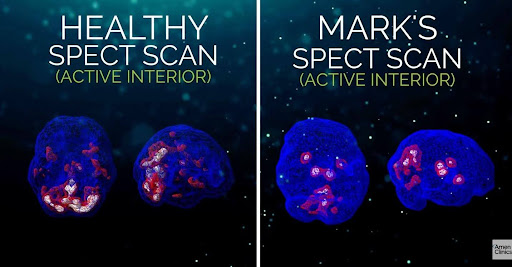
In a healthy “active” SPECT scan, blue represents average activity and red and white represent increasingly higher levels of activity. In the healthy scan on the left, the most active area is in the cerebellum, located in the back/bottom part of the brain. In Mark’s SPECT scan, there are patterns of overactivity associated with anxiety, mood disorders, and post-traumatic stress disorder (PTSD).
Just as important, they learned that the medications he had been given earlier were likely contributing to his cognitive decline. The antipsychotics, in particular, were interfering with his ability to think clearly and process information.
This is common with antipsychotic medications. According to a 2025 study in JAMA Psychiatry, “Antipsychotics are not procognitive drugs.”
Instead of a one-size-fits-all diagnosis, they finally had a personalized, brain-based explanation. And with it, they had a new sense of direction.
When Melinda asked the question that had been weighing on her mind, “Is there hope?”, the answer was immediate and reassuring: yes, mental breakdown recovery is possible.
With a clear diagnosis in place, the focus shifted to something Melinda had been longing for: a clear path forward.
Instead of a one-size-fits-all approach, the team at Amen Clinics created a personalized treatment plan designed to support Mark’s brain as it healed. This included carefully changing his medications, along with targeted lifestyle strategies such as nutrition, exercise, and key supplements to support brain function.
One of the most important elements was restoring brain balance.
They learned that it would take time for the previous medications to leave his system, and that healing wouldn’t happen overnight. But for the first time, the plan made sense. It addressed the root causes of his symptoms and gave his brain what it needed to recover.
So, they committed fully.
Melinda and Mark followed the recommendations closely, improving his diet, prioritizing exercise, and staying consistent with the treatment plan. Each step was designed to support brain health and gradually rebuild his cognitive and emotional strength.
Then something remarkable happened.
“At one point, it was like someone flipped a switch,” Melinda said. “I call it a miracle.”
After months of fear and uncertainty, Mark began to come back.
As Mark’s brain began to heal, the changes were undeniable. Slowly but steadily, he started to return to the person Melinda had always known. He was engaged, capable, and full of life.
The progress wasn’t just noticeable; it was meaningful. By January, he was able to go back to work, a milestone that once felt out of reach.
But the transformation went beyond functioning.
Melinda noticed something even more powerful: joy. As Mark improved, that sense of lightness and happiness began to return, not just for him, but for her as well. After so much fear and uncertainty, life started to feel hopeful again.
And Mark could feel the difference.
“He always says every day, ‘Oh my gosh, I’m better every day,’” Melinda shared.
It became a daily reminder of how far he had come and how much further he could go. What once felt like a devastating mental breakdown had turned into a story of healing, growth, and renewed possibility.

Mental health challenges can feel overwhelming, especially when they seem to come out of nowhere and turn your life upside down.
For Mark and Melinda, what began as a frightening mental breakdown became a journey toward understanding, healing, and renewed hope.
Their story is a powerful reminder that when you look at the brain—the organ behind your thoughts, feelings, and behaviors—you can begin to uncover real answers. And with the right, personalized approach, mental breakdown recovery is possible.
Today, Mark continues to improve, embracing each day with gratitude and progress. And perhaps the most meaningful part of their journey is what comes next.
“I want to see other people have that joy too,” Melinda shared.
If you or someone you love is struggling, know this: you are not alone. With the right support and a brain-based approach, there is hope and a path forward.
A mental breakdown is a period of intense emotional or psychological distress that makes it difficult to function in daily life. While not a formal diagnosis, it often includes symptoms like anxiety, depression, confusion, or withdrawal. It’s a sign your brain is overwhelmed and needs support.
Mental breakdowns are a brain health crisis often caused by prolonged stress, trauma, major life changes, or untreated mental health conditions. These factors can disrupt brain function, affecting mood, thinking, and behavior. Whether biological, psychological, or environmental, identifying the root cause is key to effective treatment and recovery.
Yes, PTSD can contribute to a mental breakdown. Post-traumatic stress disorder affects how the brain processes fear and stress, which can lead to emotional overwhelm, shutdown, or impaired functioning. Without proper diagnosis, PTSD symptoms may worsen and appear as a sudden mental health crisis.
Functional brain scans, such as the SPECT scans used at Amen Clinics, show blood flow and activity patterns in the brain. This helps identify areas that may be overactive or underactive. When combined with a clinical history and cognitive assessments, brain scans can improve diagnostic accuracy and guide personalized treatment for conditions like anxiety, depression, and PTSD.
Yes, you can recover from a mental breakdown with the right support. Effective treatment often includes a combination of therapy, lifestyle changes, and sometimes medication. A brain-based approach that targets underlying causes can help restore function, improve mood, and support long-term mental wellness.
About the Reviewer
Dr. Mona Karimpour is a board-certified psychiatrist at Amen Clinics in the Orange County Metro Area who treats adolescents and adults ages 13 and older. After earning her medical degree from Western University, she completed her psychiatry residency at UT Southwestern Medical Center in Dallas. Dr. Karimpour has special training in psychodynamic psychotherapy, family therapy, and couples therapy. She is passionate about serving the Persian community in Southern California and enjoys working with college students while also supervising medical students and psychiatry residents.
References
National Institute of Mental Health. Mental Illness. Accessed April 13, 2026. https://www.nimh.nih.gov/health/statistics/mental-illness#:~:text=collection%20in%202022.-,Prevalence%20of%20Serious%20Mental%20Illness%20(SMI),AN)%20adults%20(7.3%25)
Feber L, Peter NL, Chiocchia V, et al. Antipsychotic Drugs and Cognitive Function: A Systematic Review and Network Meta-Analysis. JAMA Psychiatry. 2025;82(1):47–56. doi:10.1001/jamapsychiatry.2024.2890
TL;DR
Medically reviewed by Kabran Chapek, ND, Amen Clinics
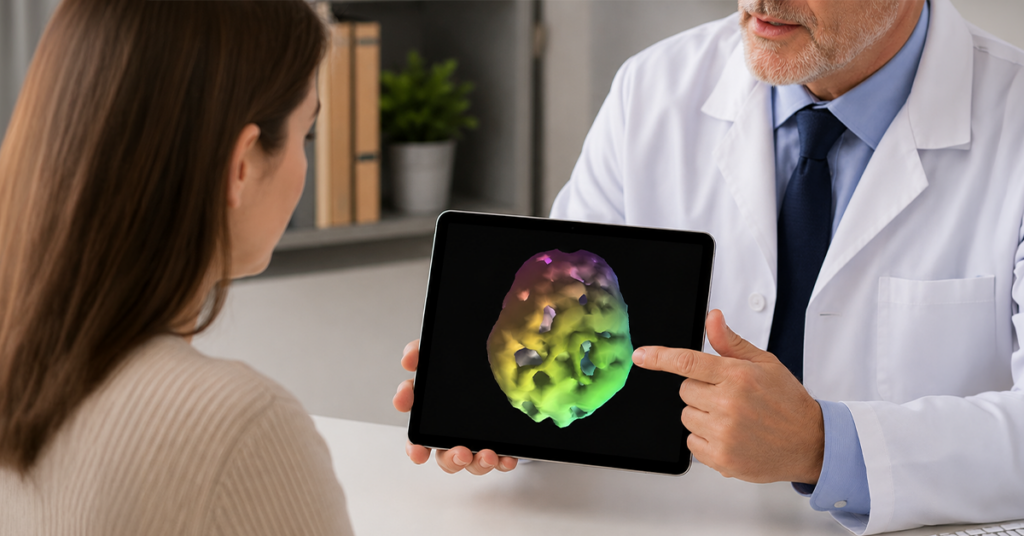
You hit your head. Maybe it was a car accident, a fall, or a collision during a game. You get checked out, even have a scan, and you’re told everything looks normal.
But months later, something still isn’t right.
You wonder, if my brain scan was normal, why do I still feel this way?
As it turns out, conventional imaging tools are designed to look at the structure of the brain, but they can miss functional changes that result from mild traumatic brain injury.
Researchers are now exploring functional imaging and asking can a SPECT scan detect a concussion?
New research (in preparation for publication) by Dr. Daniel Amen and colleagues suggests that brain SPECT imaging measures patterns of brain blood flow and activity, detecting “hidden fingerprints” associated with concussions. It appears that mild traumatic brain injuries may leave behind distinct patterns of brain activity that standard scans can’t detect. This finding may help explain why some people continue to struggle with concussion symptoms long after they’ve been told they’re fine.
In this blog, we’ll explore how brain imaging is changing what we know about concussions, and why getting the right kind of information could make all the difference in recovery.
New research suggests that concussions may leave behind ‘hidden fingerprints’ in the brain. These patterns can help explain why some people continue to struggle long after they’ve been told they’re fine.
The word “mild” can be one of the most misleading terms in brain-injury medicine. It refers to the classification of the injury at the time it occurs, and not necessarily about the severity or duration of what follows. That distinction matters more than most people realize. For a meaningful percentage of people, a mild TBI can set off weeks, months, or even years of life disruption.
Research suggests that approximately 69 million traumatic brain injuries occur globally each year, with around 80 percent classified as “mild”, making this one of the most widespread and underappreciated neurological concerns in public health today. Interestingly, there’s a reason for that.
“Mild” refers to the severity of the initial injury, not the intensity of recovery. Someone can walk away from a concussion without losing consciousness and still experience weeks, months, or years of cognitive and emotional disruption.
According to clinical research, a mild TBI is defined by the following terms:
What that criteria cannot predict is whether your brain will recover seamlessly or whether functional disruptions will last long after the initial injury window closes. For many people, “mild” describes the event instead of the experience that follows.
Post-concussion symptoms can impact virtually every area of your daily life.
Common lingering issues can include:
These symptoms don’t just fade for everyone either. A 2025 systematic review published in JAMA Network Open found that up to 30 percent of adults with mild traumatic brain injury continue to experience symptoms well beyond the initial recovery period. Another study found that nearly 50 percent of patients with mild TBI were still experiencing symptoms one year after injury.
Early factors like thinking and memory problems, a history of anxiety or depression, having a sleep disorder, or losing consciousness at the time of injury can increase the risk of ongoing issues at one, three, and six months.
A 2022 scoping review found a two-way connection between lingering concussion symptoms and mental health challenges, including depression, anxiety, and difficulty regulating emotions.
Unfortunately, many people with mild TBI are told their scans look normal and that their symptoms will resolve with time, only to find themselves still struggling months later.
The brain is impacted by deeper issues that can be hard to understand or articulate, or detect with traditional scans.
It’s easy to overlook just how delicate your brain is. Although it’s powerful and remarkably resilient, it is comprised of soft tissue the consistency of soft butter and housed in a protective hard, rigid skull. But this protective “shell” is filled with sharp bony ridges. In mild traumatic brain injuries, your brain sloshes against the hard, rigid skull, causing bruising, tearing, and functional damage that traditional scans generally do not pick up.
It’s a leading clinical problem that researchers who specialize in brain health are actively working to address. When it comes to non-traditional, functional brain imaging for mild TBI, clinicians are more frequently asking, can SPECT detect mild traumatic brain injury?
It appears that SPECT (single photon emission computerized tomography) is uniquely suited to detect mild brain injuries that structural imaging misses.
CT and MRI scans are powerful tools, but they’re designed to detect structural damage like bleeding, swelling, or fractures. In many mild TBI cases, these scans come back normal because the injury is not structural but functional. Research confirms that conventional imaging can often fail to detect subtle brain changes in mTBI.
SPECT imaging measures blood flow in the brain, helping show which areas are more active and which may be underperforming. Because brain cells rely on a steady supply of oxygen-rich blood to function, changes in blood flow can reflect how well different parts of the brain are working. Healthy cerebral blood flow is also important for healing following a brain injury.
A 2021 study showed that regional blood flow is closely linked to brain activity and can reveal functional problems even when standard scans look normal.
At Amen Clinics, this functional perspective is central. While structural scans may miss post-concussion abnormalities, SPECT can highlight patterns of overactivity or underactivity that align with symptoms.
If your scan looks “normal,” but your brain doesn’t feel normal, the disconnect can be frustrating and feel invalidating. Functional SPECT imaging offers another lens that focuses on how the brain works, not just how it looks.
When your brain is struggling on a functional level and the reason behind your struggle goes undiagnosed, you’re left without a roadmap. A functional scan like SPECT may provide different information that could change the conversation and your treatment plan entirely. So, what does a concussion look like on a SPECT scan?
The evidence that SPECT can detect meaningful functional changes after mild TBI has been building for years. SPECT imaging of mild TBI reveals replicated blood flow (perfusion) patterns that match specific symptom clusters, even months or years later. These ‘hidden fingerprints’ explain why some people never fully recover. Early detection could change everything.
In the new study mentioned earlier, Dr. Amen and researchers analyzed SPECT scans from 169 adults with mild TBI and found widespread, reproducible differences in brain activity across brain regions compared to healthy individuals. These findings point to a clear and measurable “signature” of concussion in the brain that may offer deeper insight into lingering symptoms and more personalized paths to care.
Studies have identified recurring abnormalities in cerebral blood flow related to mild TBI, particularly in frontal, temporal, parietal, and occipital regions. These findings suggest that mild TBI is not random and often follows recognizable patterns.
Importantly, these abnormalities aren’t limited to the immediate aftermath. Research shows that altered blood flow can persist months or years after the injury, even when CT scans are normal.
Longitudinal research shows that positive predictive value actually increased from 59 percent shortly after trauma to 95 percent at one-year follow-up. Positive predictive value describes how likely it is that a positive test result accurately reflects the presence of a condition. Essentially, this means SPECT can become more diagnostically reliable over time.
A 2022 study in Frontiers in Neurology examined patients with chronic mTBI symptoms lasting longer than three months and found that SPECT imaging identified hypoperfused brain regions that corroborated their functional limitations, even in cases where CT and MRI had shown no changes.
Most think of concussion as a visible bruise. However, it is more accurate to think of the injury as having left a signature pattern of how the brain communicates and processes information. The signature patterns or “hidden fingerprints” are the recognizable patterns of altered blood flow that correspond to brain function and where it struggles with daily life tasks. These changes may be invisible on structural imaging, but measurable on functional imaging.
Brain imaging findings often mirror real-life symptoms and can give you and your doctor a place to start creating a personalized treatment plan with your brain in mind.
The brain is not homogenous but rather an intricate network of interconnected regions, each contributing to different aspects of cognition, emotion, and physical function. When critical blood flow is disrupted in one region versus another, the downstream effects on your daily life can vary dramatically.
Understanding these connections is part of what makes functional imaging so valuable and why Amen Clinics’ whole-body approach to concussion care begins by looking at the brain directly rather than guessing from symptoms alone.
The region of the brain where blood flow is disrupted may line up with the specific cluster of symptoms a person is experiencing.
Research supports region-specific dysfunction in mTBIs and poor functional outcomes over time. Your brain is highly interconnected and unique variation is significant, but it offers a useful clinical framework to guide you. Here’s what that could look like:
A review of brain regions and associated post-concussion symptoms published in Frontiers in Neurology noted that specific structures play distinct roles in the symptom profiles experienced after concussion. It referred to regions ranging from the amygdala and hippocampus to the insula, frontal lobes, and vestibular pathways.
No two brains are identical. Your brain is unique to you, which makes your healing unique too. This might explain why one person can bounce back quickly while another struggles for months.
Here are some factors that affect resilience:
Meta-analysis research on persistent symptoms after concussion confirmed that factors such as premorbid anxiety, prior depression, and acute cognitive symptoms all interact to shape the recovery timeline, independently of how severe the initial injury appeared.
Too often individuals can feel like persistent symptoms mark some sort of personal failure in their healing, or they ignore them thinking they’ll resolve over time. A more accurate assessment is to interpret ongoing issues as a need for professional attention and proactively respond by seeking the right care.
Leaving symptoms unaddressed can worsen your mental health. A 2022 systematic review found that people with persistent post-concussion symptoms had fourfold higher odds of experiencing depressive symptoms, underscoring the real mental health burden that unresolved brain dysfunction shares.
Addressing symptoms as a brain-health issue rather than a behavioral or psychological one can lead to better outcomes as it treats root causes. Research on treatments for post-concussion syndrome has found that cognitive training, psychoeducation, and cognitive behavioral therapy all show some effectiveness, particularly when treatment is targeted to your specific symptom profile.
Structural scans are not misleading; in many cases, there is no visible structural damage to detect. However, even thorough evaluations may overlook meaningful changes in brain function. This highlights a critical distinction: the absence of structural abnormalities does not necessarily indicate normal brain function.
A normal CT or MRI after a mild TBI does not rule out functional problems, and it does not predict a symptom-free recovery.
A 2022 study in Frontiers in Neurology noted specifically that conventional imaging frequently shows no changes after mTBI, even in patients with chronic symptoms lasting more than three months. It also showed that functional imaging tools like SPECT can add clinically meaningful information precisely in those cases.
From a clinical standpoint, a negative structural scan is reassuring that there is no emergency, but it should not be interpreted as a clean bill of functional brain health.
One of the most difficult experiences for people living with post-concussion syndrome is feeling invisible.
The injury may not show on a standard scan or may not be an obvious physical disability.
Oftentimes, people are expected to function normally while their brain is still struggling in ways that are completely real but not detectable like a broken arm or other injury.
As research has noted, some patients with mTBI may go a full year before symptoms appear. Others appear recovered to others, while experiencing cognitive dysfunction. The invisibility of the injury can compound the burden as well.
Struggling to focus during meetings. Forgetting simple tasks. Feeling emotionally reactive or disconnected from your friends and family. These aren’t small inconveniences. One concussion can reshape your entire life and that of those around you.
Cognitive and behavioral difficulties after TBI have been documented to interfere with participation in meaningful activities and create significant challenges at work, in school, and in interpersonal relationships.
A 2020 review published in Frontiers in Psychology noted that the effects of a single TBI may persist for years and can limit patients through somatic complaints, cognitive impairment, and affective sequelae. Patients with mild TBI may also struggle with social cognition disturbances, attention deficits, memory problems, and emotional instability.
Knowing what to pay attention to in the weeks and months after a head injury can be confusing. You might assume that if the emergency room cleared you, that means you’re fine; but the days and weeks following a concussion are when a great deal of functional recovery (or disruption) unfolds.
Here are a few common symptoms that deserve closer monitoring and follow-up if they don’t resolve within the expected 14-day window:
If these symptoms linger, especially past the three-month mark, professional follow-up care is essential for healing.
If you’re still experiencing post-concussion symptoms weeks or months after your injury, the most important step is also the most straightforward: take it seriously and get help from a qualified medical professional.
Persistent symptoms after mild TBI are not rare, and they are not something to simply “push through.”
Your experience is valid. Symptoms can reflect real brain dysfunction and it’s best to listen to your brain health doctor when it comes to a brain injury.
To provide a clearer picture of what you need, a comprehensive assessment may include history, cognitive testing, and potentially imaging.
At Amen Clinics, brain health is viewed through a whole-body approach, integrating biology, psychology, lifestyle, and environment with precision medicine.
Related: Emotional Concussions The Silent Brain Injury You Might Have
Traditional approaches to concussion often rely heavily on reported symptoms, which can leave important questions unanswered about what is happening in the brain. At Amen Clinics, the focus shifts to understanding brain function directly, offering a more complete picture of why symptoms may persist.
With more than 30 years of clinical experience and the world’s largest database of brain SPECT scans, this approach is grounded in objective data. By identifying patterns of brain activity, clinicians can better connect symptoms to underlying changes and develop more targeted, individualized care plans.
Amen Clinics emphasizes a holistic approach to psychiatry that looks at optimizing the brain. Care is guided by brain imaging and a comprehensive evaluation, including personal history, lifestyle factors, and overall health.
Rather than relying on medication as the only solution, treatment plans may incorporate targeted lifestyle interventions such as nutrition, exercise, sleep optimization, stress management, and other therapeutic strategies.
Medication is used when appropriate, but always as part of a broader, individualized plan. This approach helps identify patterns and connections that may be missed in symptom-based care alone, leading to more personalized and effective treatment.
SPECT imaging provides a view of how the brain is functioning by measuring blood flow and activity patterns. This functional perspective can reveal changes that are not visible on structural scans like MRI or CT.
A 2024 study found that individuals with mild traumatic brain injury may have normal MRI findings while still experiencing measurable disruptions in brain activity, particularly in regions involved in attention, memory, and emotional regulation. By identifying these patterns, SPECT imaging can help explain persistent symptoms and support more targeted clinical decision-making.
Using precision medicine, treatment is tailored to the individual instead of only the diagnosis. This may include natural ways to treat mental health conditions alongside medical care.
When it comes to mild traumatic brain injury, one of the biggest challenges isn’t just the injury itself, it’s the delay in understanding what’s really happening.
When symptoms are dismissed or scans appear normal, people are often left without answers, and that can lead to months of confusion, frustration, and ineffective treatment.
Early detection can provide clarity and better outcomes. With clearer insight into how the brain is functioning, clinicians can make more informed decisions and patients can move forward with a more targeted, thoughtful plan for recovery.
Identifying functional changes early may help clinicians tailor support more effectively with a more accurate picture of what they’re dealing with and a more rational foundation for the decisions that follow. While this can make a better outcome more likely, it’s important to note that it does not guarantee it.
Without clear answers, many patients cycle through providers and treatments without resolution. Functional SPECT imaging can help clinicians identify areas of brain dysfunction and develop more targeted clinical interventions. That’s the kind of precision medicine approach that Amen Clinics has long championed.
It’s an unfortunate truth that people often downplay head injuries. But when a patient can see the brain dysfunction associated with their symptoms on a scan, there’s a sense of validation, a reduction in shame, and an increase of motivation to do what it takes to heal.
The research on post-concussion syndrome consistently highlights that early management of physical, cognitive, and emotional symptoms may reduce long-term morbidity.
A concussion does not have to look dramatic to disrupt brain health. Even mild traumatic brain injury can lead to lasting changes in how the brain functions, particularly in blood flow patterns that may correspond to real, ongoing symptoms.
Dr. Amen’s new research helps illustrate this more clearly. The findings show that mild TBI can leave behind consistent patterns of altered brain activity that are linked to specific symptom clusters, even months or years after the injury.
This growing body of work reinforces an important point: persistent symptoms following a mild TBI are not random or imagined. They may reflect measurable changes in brain function, which are often missed by traditional imaging but can be seen through functional approaches like SPECT.
Sometimes it can. CT and MRI may miss subtle functional problems in mild TBI, while SPECT may detect abnormal blood-flow patterns that align with symptoms.
Different scans serve different purposes. CT and MRI evaluate structure, while SPECT focuses on function and activity patterns in the brain. Sometimes functional brain imaging such as SPECT can catch non-structural brain dysfunction, which tends to be more common with concussions.
Yes. Research shows that some people continue to exhibit brain changes and symptoms long after the initial injury for longer periods of time.
Recovery varies due to factors like brain region involvement, prior injuries, inflammation, and overall brain health. A treatment plan that addresses root causes may lead to better outcomes.
SPECT highlights blood flow and activity, revealing areas of underactivity or imbalance that may explain lingering symptoms.
About the Reviewer
Dr. Kabran Chapek has been a staff physician at Amen Clinics Seattle Metro Area since 2013. A graduate of Bastyr University, he specializes in functional and integrative medicine, with particular expertise in Alzheimer’s disease, dementia, traumatic brain injury (TBI), PTSD, and anxiety disorders. He is the founding president of the Psychiatric Association of Naturopathic Physicians and author of Concussion Rescue: A Comprehensive Program to Heal Traumatic Brain Injury, which shares the brain-health strategies he uses to help patients recover and thrive.
Norris S, Salgado F, Murray S, Amen D, Keator DB. Replicated Regional Perfusion Signatures of Mild Traumatic Brain Injury and Their Association With Symptom Domains. 2026. [In preparation for publication.]
Abstract:
Mild traumatic brain injury is a prevalent global health concern, often resulting in persistent cognitive and affective symptoms despite normal structural imaging.
We examined resting-state Single Photon Emission Computed Tomography scans from 169 adults with isolated mild traumatic brain injury (divided into two independent samples, N = 84 and 85) and 76 healthy controls to characterize regional perfusion differences, evaluate their reproducibility, and assess relationships with patient-reported symptoms.
Voxelwise whole-brain analyses identified widespread hypoperfusion across frontal, temporal, parietal, occipital, subcortical, and cerebellar regions, along with hyperperfusion in anterior cingulate, cerebellar, sensorimotor, and visual areas, with replicated patterns across both samples. Random Forest classifiers trained on replicated regions distinguished mild traumatic brain injury from controls with accuracies up to 88% (AUC = 0.81-0.95). Symptom-specific analyses revealed that anhedonia corresponded to altered perfusion in affective, reward, and sensorimotor regions; attention and executive deficits mapped to posterior cerebellar hypoactivation; and impaired cognitive flexibility was associated with reduced activity in right cerebellar Crus I, right inferior frontal gyrus, and right middle temporal gyrus.
These results indicate that post-mild traumatic brain injury symptoms arise from distributed dysfunction across multiple brain regions, reflecting a combination of hypo- and hyperperfusion, and highlight the value of functional imaging for mapping symptom-brain relationships that may inform more targeted clinical interventions.
Naumenko, Y., Yuryshinetz, I., Zabenko, Y., & Pivneva, T. (2023). Mild traumatic brain injury as a pathological process. Heliyon, 9(7), e18342. https://doi.org/10.1016/j.heliyon.2023.e18342
Ginsburg J, Smith T. Traumatic Brain Injury. [Updated 2025 Feb 17]. In: StatPearls [Internet]. Treasure Island (FL): StatPearls Publishing; 2026 Jan-. Available from: https://www.ncbi.nlm.nih.gov/books/NBK557861/
McIntosh, S. J., Vergeer, M. H., Galarneau, J. M., Eliason, P. H., & Debert, C. T. (2025). Factors Associated With Persisting Symptoms After Concussion in Adults With Mild TBI: A Systematic Review and Meta-Analysis. JAMA network open, 8(6), e2516619. https://doi.org/10.1001/jamanetworkopen.2025.16619
Theadom A, Parag V, Dowell T, McPherson K, Starkey N, Barker-Collo S, Jones K, Ameratunga S, Feigin VL; BIONIC Research Group. Persistent problems 1 year after mild traumatic brain injury: a longitudinal population study in New Zealand. Br J Gen Pract. 2016 Jan;66(642):e16-23. doi: 10.3399/bjgp16X683161. PMID: 26719482; PMCID: PMC4684031.
Sheldrake, E., Al-Hakeem, H., Lam, B., Goldstein, B. I., Wheeler, A. L., Burke, M., Dunkley, B. T., Reed, N., & Scratch, S. E. (2022). Mental Health Outcomes Across the Lifespan in Individuals With Persistent Post-Concussion Symptoms: A Scoping Review. Frontiers in neurology, 13, 850590. https://doi.org/10.3389/fneur.2022.850590
Koerte IK, Hufschmidt J, Muehlmann M, et al. Advanced Neuroimaging of Mild Traumatic Brain Injury. In: Laskowitz D, Grant G, editors. Translational Research in Traumatic Brain Injury. Boca Raton (FL): CRC Press/Taylor and Francis Group; 2016. Chapter 13. Available from: https://www.ncbi.nlm.nih.gov/books/NBK326714/
Kim, C. M., Alvarado, R. L., Stephens, K., Wey, H. Y., Wang, D. J. J., Leritz, E. C., & Salat, D. H. (2020). Associations between cerebral blood flow and structural and functional brain imaging measures in individuals with neuropsychologically defined mild cognitive impairment. Neurobiology of aging, 86, 64–74. https://doi.org/10.1016/j.neurobiolaging.2019.10.023
Rauchman, S. H., Albert, J., Pinkhasov, A., & Reiss, A. B. (2022). Mild-to-Moderate Traumatic Brain Injury: A Review with Focus on the Visual System. Neurology international, 14(2), 453–470. https://doi.org/10.3390/neurolint14020038
Raji, C. A., Tarzwell, R., Pavel, D., Schneider, H., Uszler, M., Thornton, J., van Lierop, M., Cohen, P., Amen, D. G., & Henderson, T. (2014). Clinical utility of SPECT neuroimaging in the diagnosis and treatment of traumatic brain injury: a systematic review. PloS one, 9(3), e91088. https://doi.org/10.1371/journal.pone.0091088
Gosset A, Wagman H, Pavel D, Cohen PF, Tarzwell R, Bruin S, Siow YH, Numerow L, Uszler J, Rossiter-Thornton JF, McLean M, Lierop M, Waisman Z, Brown S, Mansouri B, Basile VS, Chaudhary N and Mehdiratta M (2022) Using Single-Photon Emission Computerized Tomography on Patients With Positive Quantitative Electroencephalogram to Evaluate Chronic Mild Traumatic Brain Injury With Persistent Symptoms. Front. Neurol. 13:704844. doi: 10.3389/fneur.2022.704844
Hayes, J. P., Bigler, E. D., & Verfaellie, M. (2016). Traumatic Brain Injury as a Disorder of Brain Connectivity. Journal of the International Neuropsychological Society : JINS, 22(2), 120–137. https://doi.org/10.1017/S1355617715000740
Danielli, E., Simard, N., DeMatteo, C. A., Kumbhare, D., Ulmer, S., & Noseworthy, M. D. (2023). A review of brain regions and associated post-concussion symptoms. Frontiers in neurology, 14, 1136367. https://doi.org/10.3389/fneur.2023.1136367
McIntosh, S. J., Vergeer, M. H., Galarneau, J. M., Eliason, P. H., & Debert, C. T. (2025). Factors Associated With Persisting Symptoms After Concussion in Adults With Mild TBI: A Systematic Review and Meta-Analysis. JAMA network open, 8(6), e2516619. https://doi.org/10.1001/jamanetworkopen.2025.16619
Lambert, M., Sheldrake, E., Deneault, A. A., Wheeler, A., Burke, M., & Scratch, S. (2022). Depressive Symptoms in Individuals With Persistent Postconcussion Symptoms: A Systematic Review and Meta-Analysis. JAMA network open, 5(12), e2248453. https://doi.org/10.1001/jamanetworkopen.2022.48453
Heslot, C., Azouvi, P., Perdrieau, V., Granger, A., Lefèvre-Dognin, C., & Cogné, M. (2022). A Systematic Review of Treatments of Post-Concussion Symptoms. Journal of clinical medicine, 11(20), 6224. https://doi.org/10.3390/jcm11206224
De Koning ME, Scheenen ME, Van Der Horn HJ, Spikman JM, Van Der Naalt J. From ‘miserable minority’ to the ‘fortunate few’: the other end of the mild traumatic brain injury spectrum. Brain Inj. 2018;32(5):540-543. doi: 10.1080/02699052.2018.1431844. Epub 2018 Feb 1. PMID: 29388851.
Calvillo M and Irimia A (2020) Neuroimaging and Psychometric Assessment of Mild Cognitive Impairment After Traumatic Brain Injury. Front. Psychol. 11:1423. doi: 10.3389/fpsyg.2020.01423
Koziarz, Alex & Koziarz, Frank & Shen, Rui & Gopee-Ramanan, Prasaanthan & Black, Sandra & Worsley, Daniel & Chan, Ian & Streiner, David & Zukotynski, Katherine. (2024). Diagnostic Accuracy of SPECT for Mild Traumatic Brain Injury: A Systematic Review and Meta-analysis. Clinical nuclear medicine. 49. 10.1097/RLU.0000000000005328.
Norris, S., Salgado, F., Murray, S., Amen, D., & Keator, D. B. (in preparation). Replicated regional perfusion signatures of mild traumatic brain injury and their association with symptom domains.
TL;DR
Hope is not just a feeling. New research suggests it may be linked to measurable patterns in brain function, particularly in areas related to resilience, motivation, and emotional regulation.
Brain SPECT imaging helps reveal how these patterns show up in real time, offering insight into how the brain supports hopeful thinking. While hope is not a treatment on its own, strengthening it through daily habits and mindset shifts can support better mental health and how the brain is working overall.
Medically reviewed by Rishi Sood, MD, Amen Clinics
Being hopeful is more than just a positive mindset. Research suggests that hope and the brain are powerfully connected, influencing both success and resilience in life.
Hope plays a key role in healing. It helps people stay strong during difficult times, keep moving forward, and take meaningful steps toward feeling better.
But what is hope, and where does it come from?
Preliminary research suggests that hope may be built into your brain’s wiring. The findings from recent research led by Dr. Daniel Amen indicate that hope is not just emotional. It may also be biological and connected to measurable patterns of brain function.
Using brain imaging tools like SPECT, which measure blood flow and activity, researchers are beginning to see how hope is linked to activity in key brain regions. This is changing how we think about mental health. Instead of viewing hope as abstract or optional, it may be an essential part of how the brain supports resilience, motivation, and recovery.
In this blog, you’ll learn what hope means from a brain health perspective, what SPECT imaging can reveal, and how a simple shift in thinking can help support hope and resilience in your brain.
Hope and brain function are closely linked – Hope may be an essential part of how the brain supports resilience, motivation, and recovery.
In recent years, mental health experts started seeing hope as a psychological strength that shapes how individuals cope, adapt, and move forward in life. Now, researchers are trying to find the link between hope and the brain, exploring if measurable brain activity can be observed through this mindset. This new focus is bridging the gap between neuroscience and emotional experience.
Studies show that stronger resilience and better well-being are closely connected to higher levels of hope. People with greater hope tend to manage their stress better, bounce back from their difficulties quickly, and stay focused on their future.
Higher hope also helps in reducing levels of distress and anxiety. This shows that hope plays a big role in how individuals handle challenges and maintain mental health.
This raises an important question in neuroscience and mental health research: Can hope be measured in the brain?
Dr. Amen’s new research suggests the answer may be yes. The 2026 study, currently in preparation, examined psychological hope in more than 6,000 adults using brain SPECT imaging and cognitive assessments. The scans suggest that hope may be linked to measurable patterns of brain blood flow and activity in key areas of the brain.
Rather than being tied to a single brain region, hope appears to reflect activity across multiple interconnected systems. Lower levels of hope were associated with reduced blood flow in key areas involved in cognitive control, emotional regulation, motivation, and decision-making, including the anterior cingulate cortex, insula, and prefrontal regions.
These findings suggest that hope is supported by coordinated brain activity across large-scale networks responsible for self-control, resilience, and future-oriented thinking. In other words, hope may be a biologically grounded capacity that plays a meaningful role in mental health and recovery.
Different types of medical brain imaging provide specific kinds of data depending on what information a medical doctor needs. While some types of imaging look at brain structure (anatomy), others reveal how the brain is working (function) at any given time.
SPECT (single photon emission computed tomography) imaging is designed to focus on how an individual’s brain functions. It captures patterns of blood flow and observes activity in different regions of the brain in real time.
Alternatively, imaging such as computed tomography (CT) and magnetic resonance imaging (MRI) mainly focus on the structure of the brain. These forms of imaging are effective for discovering physical issues like tumors, abnormalities, or injuries. But they do not capture how the brain is working day to day.
When it comes to understanding complex mental health conditions, imaging like SPECT becomes critically important. It shows what is actually happening in the brain, which can be linked to mental health symptoms.
Brain perfusion refers the passage of blood through the circulatory system to the brain, providing essential oxygen and nutrients. SPECT imaging reveals the patterns of brain perfusion. Perfusion is important because of the close relationship between brain activity and blood flow. There is need for more blood in more active brain regions and on the contrary, less active areas receive less blood.
When SPECT scans measure perfusion, they provide clues on which regions of the brain are functioning properly, regions that may be overactive, and areas of underactivity. That helps to create clarity on overall brain health.
SPECT imaging provides another layer of important data beyond noting symptoms. When combined with a patient’s results from neurobiological testing, and their detailed personal health history (accounting for lifestyle factors, prior brain injuries, and biological factors), it serves as a critical component in making more accurate diagnoses and informing tailored treatment plans.
A cornerstone of using brain SPECT imaging in the context of mental health is the understanding that mental health is brain health.
At Amen Clinics, healthy perfusion or dysfunction in certain regions of the brain, observed in SPECT scans, has been linked to mental well-being or mental health symptoms. These associations are based on our clinicians’ experience over decades treating more than 100,000 patients and performing close to 300,000 SPECT scans.
When care is based on symptoms only, it can involve trial and error. In some cases, it can lead to misdiagnosis and inappropriate treatment.
However, looking at the patterns SPECT reveals, in addition to symptoms and clinical assessments, provides another layer of insights that allows clinicians to better understand what could be contributing to an individual’s symptoms. This can make a huge difference in diagnosis and outcomes.
Preliminary research found that the addition of brain SPECT imaging in complex mental health cases was associated with significantly improved patient outcomes. In another study, adding SPECT to traditional psychiatric evaluations changed the diagnosis and/or treatment plan in 79 percent of cases.
When a psychologist talks to you about hope, they generally are not referring to blind optimism or wishful thinking. More often, they speak of hope as a structured mental concept that is essential for motivation and growth.
This concept shapes how you respond to challenges, think about the future, and also stay engaged even when things become difficult. Psychological hope may be quiet, but it plays a powerful role in the way people navigate setbacks, stress, and recovery.
Many people think hope simply means “staying positive,” but it’s much more than that. In psychology, hope is built on two key components: agency and pathways.
Agency is the belief that you can move forward. It reflects the idea that your actions matter and can create real change. Pathways refer to your ability to find ways to reach your goals, even when challenges or setbacks arise.
Together, these elements create a mindset that is both motivated and grounded in reality. Hope is not about pretending everything will work out or ignoring what is difficult. It is about believing there is a way forward and trusting that you can take the steps to find it.
One of the key reasons why it’s important to be hopeful is that hope is considered transdiagnostic, meaning it influences a variety of mental health issues and not just a single diagnosis.
Whether you are dealing with depression, chronic stress, or anxiety, hope can influence how you cope or respond.
Lower levels of hope can make it difficult for you to manage your emotions, stay motivated, and maintain a sense of connection. On the other hand, higher levels of hope are connected to better emotional regulation, stronger resilience, and a greater ability to persist through difficulties.
Similar to associations found between brain dysfunction and mental health symptoms, these recent findings are showing clearly how measurable brain functions are related to psychological hope. The research looks at how this hope connects to brain activity patterns and what it might mean for mental health and thinking abilities.
The new research study found that higher levels of hope were associated with healthier perfusion in brain networks involved in motivation, emotional regulation, and decision-making. This suggests that individuals with greater hope may have visible healthy brain activity in areas supporting emotional balance, goal-driven behavior, and focus. Lower hope, in contrast, was linked to reduced activity in these same systems and poorer outcomes in mood, thinking, and self-control.
Psychological hope may be a measurable marker of brain activity patterns linked to resilience and cognitive performance across psychiatric conditions.
These findings suggest that hope is something greater than an optimistic mindset. It may reflect how well key brain systems are working together, offering new insight into how mindset and brain health are connected.
It is important to interpret these findings carefully. Hope alone cannot replace treatment or resolve mental health problems. These findings suggest that hope reflects brain processes that can be supported in established care.
It’s possible that mental health treatment plans may benefit from supporting the brain systems linked to hope, alongside addressing areas of dysfunction associated with mental health symptoms.
Hope does not only shape how you feel. It also influences your way of thinking, how you respond to challenges, and how you stay engaged in difficult times. Research has suggested that hope is connected with patterns of thinking and behavior that support both emotional resilience and cognitive health.
A key feature of hope is that it allows individuals to see possible routes forward. People who are feeling hopeful are more likely to perceive challenges as problems they can work through, instead of challenges with no solution.
That is a reflection of what psychologists refer to as pathways thinking. Research identifies it as the ability to see possible routes toward a given goal, even as the obstacles arise, especially in the context of making positive, lifestyle-related behavior changes.
On the other hand, when there is low or no hope, the thinking of the affected individual becomes more rigid and narrow, which makes it harder for them to identify next steps or alternatives. This can lead to getting “stuck.”
Usually, a person with high levels of hope is more likely to remain engaged, adjust their approach, and keep moving forward even in the midst of setbacks. That pattern is connected to the ability to recover and adapt (resilience).
Better Hope May Support Better Mental Performance
According to research, hope may be closely connected to better emotional regulation, self-control, and overall mental functioning. Although it’s not a quick fix, hope can offer support to the brain systems that are involved in focus, decision-making, and managing emotions every day.

We can all use more hope. The question is, how do you build hope?
The easiest way to strengthen hope is to flip the way you respond to thoughts that are difficult. For example, try asking yourself, “What next step can I take to support my brain today?” rather than “What if nothing happens?”
This shifts attention away from uncertainty and fear to action that seems doable in the moment.
It also matches the physiologic theory of hope discussed earlier about pathways and agency. Again, pathway is the ability to move forward in different ways, while agency means that you believe you can take action.
The practical mindset described above works because it divides hope into workable steps that are simple.
All that involves is first identifying a realistic and clear goal. This is followed by considering one path that is possible for that goal. Last, it requires taking an action that will move you forward, even if it is small.
When this is done, hope becomes more about activating your brain to work through difficulties and less about holding on to circumstances to change.
Over time, this mindset and action help support more flexible thinking in stressful times, build confidence, and reinforce motivation. This makes hope an active habit your brain can use each day.
Here’s a recap of the three-step hope practice:
Here’s the great news: hope is not something a person either has or doesn’t have. You can strengthen hope through daily habits meant to support your daily function.
Here are seven reliable ways to strengthen hope:
These are not quick fixes. Hope is built slowly with these practices, step by step, day after day, over time.
We can all have moments of feeling hopeless. However, if you are persistently feeling hopeless for more than a week or two, it’s an indicator that you may need more support.
In many cases, hopelessness is linked to issues like depression, trauma, anxiety, ongoing stress, burnout, and even other brain-related problems. These conditions may affect how your brain handles motivation, mood, and outlook.
It’s important to note that struggling with feeling hopeful is not a personal weakness; it’s usually a sign that something deeper needs attention and care. If you are feeling hopeless, it can be helpful to ask yourself what might be influencing your physical and mental well-being.
Poor sleep, past experiences, underlying health issues, and high stress are factors that may affect you. Understanding this can help you to stop blaming yourself and seek the right support.
Discussions about mental health usually begin with how someone feels. An individual might report symptoms such as anxiety, trouble concentrating, low mood, mood swings, or unexplained aches.
However, at Amen Clinics, we believe there’s more happening beneath the surface that can be explored. Our clinicians take a whole-body approach to care. In a comprehensive evaluation, they collect a full range of data to get a clear sense of what is happening in your brain and body.
Data from brain SPECT imaging, neuropsychological testing, and a detailed personal history help our clinicians identify underlying causes of symptoms, such as hopelessness, and provide more effective and personalized treatment.
If you are a patient who receives care for symptoms like low mood, difficulty focusing, or anxiety, these common symptoms overlap across several different mental health conditions. They can also stem from a variety of underlying causes. Through the lens of brain health, SPECT imaging shows that these similar symptoms can be a reflection of many types of underlying brain dysfunction.
SPECT imaging helps clinicians to examine brain function by measuring blood flow and activity patterns. It reveals areas that may be working well and other areas that show dysfunction and may require support. SPECT scans help clinicians to understand the potential contributing factors better.
Clinicians who have a clearer picture of the way the brain is working are better able to make accurate diagnoses and provide more personalized care. Instead of using a one-size-fits-all method, care can be tailored to meet the needs of the individual. That aligns with a broader focus on whole-person care and precision.
Hope is a vital part of how the brain responds to life challenges and stress naturally. When individuals feel hopeful, it can show that the brain is working in ways that help it solve problems, keep moving forward, and stay steady even in hard circumstances.
While hope won’t solve a mental health condition, it can play a significant role in supporting your overall well-being. If hope is stronger, it can help your brain be adaptable and better able to cope with problems. This makes strengthening hope one helpful and important part of mental balance and healing.
At Amen Clinics, clinicians examine how the brain works alongside overall physical health. They use tools like SPECT scans to get a deeper comprehension of what might be affecting your behavior, thinking patterns, and mood. If you’ve been experiencing a hard time without an obvious explanation, then examining brain activity with imaging like SPECT may help reveal root causes.
Studies suggest that hope can be linked with measurable brain function patterns. However, the research is evolving, and there’s a need for more studies to fully understand how hope is represented in the brain.
Hope is about being motivated to move forward and also being able to see the possible pathways toward a goal. On the other hand, optimism is a more general expectation that things might turn out well.
SPECT scans (Single-Photon Emission Computed Tomography) show patterns of blood flow and activity in the brain. They differ from scans such as the MRI (Magnetic Resonance Imaging) or CT (Computed Tomography), which focus more on brain structure.
Building hope can support coping, resilience, and engagement with treatment. That said, it’s not a replacement for professional support, particularly if someone is undergoing significant mental health issues.
If the feelings of hopelessness become overwhelming, persistent, or start to interfere with your daily life, it might be time to seek professional help. Early help may provide support, guidance, and strategies to move forward.e.
Feelings of hopelessness, anxiety, depression, and other mental health conditions can’t wait. At Amen Clinics, we provide personalized, science-backed treatment plans designed to target the root causes of your symptoms. Our 360-approach includes brain SPECT imaging, clinical evaluations, innovative therapeutic techniques, medications (when necessary), and holistic lifestyle recommendations to promote the health of your brain, body, and mind. Speak to a specialist today at 888-288-9834 or visit our contact page here.
Keator, D. B., Salgado, F., Imbre, N., Murray, S., & Amen, D. (2026). Psychological hope as a transdiagnostic marker of brain function and cognitive capacity in psychiatry. (In preparation for publication.)
Abstract: Psychological hope is a core cognitive–motivational construct associated with resilience, treatment engagement, and long-term mental health outcomes. Despite its clinical relevance, the neurobiological systems supporting hope remain poorly characterized, particularly in large and clinically diverse populations. Here, we examined neural and cognitive–emotional correlates of dispositional hope in 6,408 adults undergoing clinical neuroimaging and assessment.
Participants completed the Adult Hope Scale as part of routine clinical evaluation, underwent perfusion-based single-photon emission computed tomography (SPECT) during rest and a sustained attention task, and completed a comprehensive computerized cognitive–emotional assessment battery. Whole-brain analyses evaluated associations between hope and cerebral perfusion while controlling for demographic and clinical factors, alongside behavioral analyses of cognitive–emotional functioning.
Lower psychological hope was associated with widespread reductions in cerebral perfusion across salience, valuation, and cognitive control networks, including bilateral insula, anterior cingulate cortex, inferior frontal gyrus, and ventromedial orbitofrontal regions. These effects were present across both resting and task conditions and were more pronounced during cognitive engagement. Lower hope was also associated with reduced self-control, diminished resilience capacity, poorer cognitive performance, impaired mood regulation, and weaker social connectivity.
Together, these findings indicate that hope is associated with a coherent neurocognitive profile reflecting engagement of large-scale brain systems critical for motivation, regulation, and future-oriented cognition. The results support hope as a biologically grounded, transdiagnostic construct with potential utility for clinical assessment, treatment planning, and intervention development in psychiatry.
Duggal, D., Sacks-Zimmerman, A., & Liberta, T. (2016). The impact of hope and resilience on multiple factors in neurosurgical patients. Cureus, 8(10). doi: 10.7759/cureus.849
Amen DG, Jourdain M, Taylor DV, Pigott HE, Willeumier K. Multi-site six month outcome study of complex psychiatric patients evaluated with addition of brain SPECT imaging. Adv Mind Body Med. 2013 Spring;27(2):6-16. PMID: 23709407.
Amen DG, Highum D, Licata R, Annibali JA, Somner L, Pigott HE, Taylor DV, Trujillo M, Newberg A, Henderson T, Willeumier K. Specific ways brain SPECT imaging enhances clinical psychiatric practice. J Psychoactive Drugs. 2012 Apr-Jun;44(2):96-106. doi: 10.1080/02791072.2012.684615. PMID: 22880537.
José Antônio Spencer Hartmann, J., de Farias Fernandes, A. L. A., de Medeiros, A. G. A. P., de Vasconcelos, C. A. C., Pinheiro, K. S. C. B., de Amorim, L. L. L., … & Neto, M. L. R. (2018). Hope as a behavior and cognitive process: A new clinical strategy about mental health’s prevention. Medicine, 97(36), e12130. https://doi.org/10.1097/MD.0000000000012130
Duncan, A. R., Jaini, P. A., & Hellman, C. M. (2021). Positive psychology and hope as lifestyle medicine modalities in the therapeutic encounter: a narrative review. American Journal of Lifestyle Medicine, 15(1), 6-13. doi: 10.1177/1559827620908255
Eugene, A. R., & Masiak, J. (2015). The neuroprotective aspects of sleep. MEDtube science, 3(1), 35. https://pmc.ncbi.nlm.nih.gov/articles/PMC4651462/
Hossain, M. N., Lee, J., Choi, H., Kwak, Y. S., & Kim, J. (2024). The impact of exercise on depression: how moving makes your brain and body feel better. Physical activity and nutrition, 28(2), 43. https://doi.org/10.20463/pan.2024.0015
Dasgupta, J., Furlano, J. A., Bandler, Z., Fittipaldi, S., Canty, A. J., Yasoda-Mohan, A., … & Nogueira Haas, A. (2023). Hope for brain health: impacting the life course and society. Frontiers in Psychology, 14, 1214014. doi: 10.3389/fpsyg.2023.1214014
TL;DR
Many adults live with untreated ADHD without realizing it, often mistaking symptoms like disorganization, lateness, and relationship struggles for personality flaws. One man’s story shows how a symptom-only approach didn’t work, but a brain-based evaluation with SPECT imaging revealed the underlying issue. With a personalized, whole-body treatment plan, he was able to better understand his brain, reduce self-blame, and make meaningful, lasting changes in his life.
Medically reviewed by Steven Storage, MD, Amen Clinics.

For years, John Miranda struggled with things that seemed simple to everyone else. He was often late. Staying organized felt like an uphill battle. Even being fully present in conversations with loved ones could be difficult.
Like many adults with undiagnosed ADHD, John began to wonder if something deeper was going on. While watching a PBS special hosted by Dr. Daniel Amen, John recognized himself in the ADHD symptoms being discussed. “I was like, ‘Oh my gosh, he’s describing me,’” he recalls.
John’s experience is far from uncommon. Experts estimate that about 6 percent of U.S. adults, roughly 15.5 million people, have attention deficit hyperactivity disorder (ADHD), also known as attention deficit disorder (ADD), and nearly half are diagnosed in adulthood. In one national survey, 25 percent of adults said they suspected they may be struggling with undiagnosed ADHD.
Yet recognition is only the first step. For many, including John, understanding what’s going on doesn’t immediately lead to answers or relief. His path to getting the right help was anything but straightforward.
The initial diagnostic process and treatment plan from his primary care provider didn’t sit right with him, so he decided to forego their recommendation. And he continued to have trouble at work and in his relationship for the next decade.
What ultimately changed things was not just a diagnosis, but a new way of understanding ADHD as a brain health issue.
Here is John’s story. You’ll learn how gaining insight into his brain helped him move from frustration, underachievement at work, and relationship issues to clarity, confidence, and real, lasting change.
While watching a PBS special hosted by Dr. Daniel Amen, John Miranda recognized himself in the ADHD symptoms being discussed. “I was like, ‘Oh my gosh, he’s describing me,’” he recalls.
Related: 10 Signs You May Have Adult ADD
After recognizing himself in the symptoms of ADHD, John decided to take the next step and seek help. Like many adults, he turned to a traditional healthcare provider, hoping for clarity and direction.
What he experienced instead was a familiar path for many people struggling with attention and focus issues. The evaluation focused primarily on symptoms. He was given a basic diagnostic exam and quickly offered medication as the primary solution.
“They basically gave me a computer test and wanted to offer some stimulants,” John recounts. He thought, “If that’s the only thing that can help me, I didn’t feel comfortable doing that.”
Without a deeper understanding of what was happening in his brain, John didn’t yet know that there were other options available to him. And like many people in similar situations, John stepped away from the process altogether.
Over time, the challenges continued. As a teacher, he noticed it was taking him much longer than others to complete everyday tasks like grading papers. Staying organized felt nearly impossible, and small responsibilities began to pile up.
“It was taking me longer to do my work… my lack of organization, not picking up things,” he says. “It’s one of those things where it’s like I’m not purposely doing it.”
Without answers, it was easy to internalize these challenges as personal shortcomings rather than signs of something in his brain. “It was just kind of my personality trait at this point,” John explains.
But the impact didn’t stop at work. Over time, these patterns began to affect his relationship as well. As frustration grew, he and his wife turned to marriage counseling, searching for solutions without yet realizing the root cause.
John’s turning point didn’t come from a diagnosis. It came from a shift in perspective.
While in marriage counseling, his counselor mentioned Dr. Amen’s book, Change Your Brain, Change Your Life. That was the same name of the public television special that John had seen a decade before.
“I was like, ‘Oh wait, I remember I watched that PBS show 10 years ago,’” John says. “I was so fascinated by everything that I was listening to.”
This time, the ideas landed differently. Instead of seeing his difficulties as personality flaws or relationship problems, John began to understand them through a new lens, one rooted in brain function.
One example stood out to him in a powerful way. He learned about couples who found themselves in repeated conflict, not because of the relationship itself, but because of untreated ADHD.
“One couple wanted to fight so that they could get an adrenaline rush,” John recalls. “I thought that was so interesting… you’re purposely picking a fight so that you can get your chemicals released that you need to function.”
Many people with ADHD have low activity in the front part of their brains, due to lower levels of the neurotransmitter dopamine. As a way to feel more alert, they are often conflict or excitement seeking. They can be masterful at making other people mad or angry at them.
That insight helped him connect the dots in his own life. Behavior that once seemed confusing or frustrating began to make more sense when viewed through the lens of brain chemistry and regulation.
“I just thought it was so interesting and profound how behavior was impacted… by vitamins or by medication,” he says.
For the first time, John began to grasp a few key concepts: ADHD is not simply about willpower, habits, or personality. It is deeply connected to how the brain functions. And without addressing the brain directly, real and lasting change can be difficult to achieve.
That realization led him to an important decision.
“At some point I was like, ‘I think I just need to get a scan and get a doctor to tell me what it is that I’ve got,’” John says.
It marked a major shift, one that would begin to move him from confusion and frustration toward clarity and targeted support.
Related: Not Just ADHD: How to Spot the Signs of Complex ADHD
When John finally decided to move forward, he booked an appointment at Amen Clinics in Costa Mesa, California. Immediately, what stood out to him was how different the approach felt.
“I was pretty close using all of the tools,” he says. “But now the actual treatment implementation… that’s what shifted.” Instead of a one-size-fits-all solution, he was introduced to a more nuanced understanding of ADHD.
“It wasn’t like, ‘Oh, you have ADHD, take this stimulant,’” John explains. “It was like, ‘Whoa, wait a minute. This stimulant is going to increase your anxiety. It’s like putting gas on a fire.’”
That insight helped explain why traditional treatment hadn’t felt right for him. This reinforced what he had already experienced. Treatment needs to go beyond symptoms.
For John, this was a key moment. His challenges were not random or personal failures. They were connected to how his brain was working.
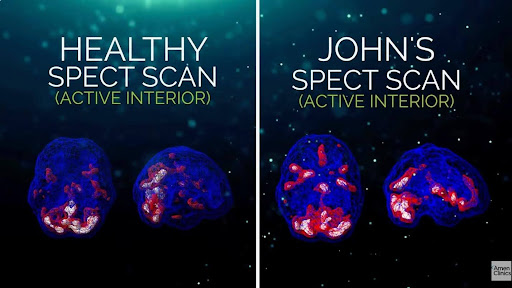
A key part of this deeper understanding comes from brain SPECT imaging. This specialized scan measures blood flow and activity patterns across different regions of the brain, providing insights that cannot be seen through symptom checklists alone.
Rather than guessing based on behavior, SPECT imaging allows clinicians to observe how specific areas of the brain are functioning. This can reveal patterns related to focus, mood regulation, impulse control, and anxiety.
In addition, at Amen Clinics, our brain-imaging research has identified seven distinct types of ADD, each with its own pattern of brain activity. This helps explain why treatment that works for one person may not work for another. It’s why stimulant medication, while helpful for some people with ADHD, can worsen symptoms in others.
For someone like John, this kind of insight can be life-changing. “Having awareness, looking at the scan, seeing the symptoms… it’s no longer like I’m a bad husband, or a bad person,” he says.
Instead, the focus shifts from blame to understanding, and from frustration to targeted solutions.
ADHD is often misunderstood as simply a problem with attention or hyperactivity, but it is more complex than that.
At its core, ADHD can involve challenges with:
For many adults, these symptoms show up in everyday life as chronic lateness, difficulty completing tasks, forgetfulness, or relationship strain, just as John experienced.
Without proper understanding, these behaviors are often misinterpreted as laziness, lack of effort, or personality flaws. In reality, they are frequently rooted in underlying brain dysfunction.
One of the biggest shifts for John was realizing that effective treatment needed to address more than just one symptom.
“It’s multifaceted,” he says. Rather than focusing on a single intervention, he was given support and strategies tailored to how his brain works. This included setting reminders and developing structured routines, as well as targeted interventions designed to improve function over time.
“It gives me the tools to help be successful,” John explains. He describes the experience with a powerful analogy: “It’s like someone that’s not wearing their glasses… it’s not that they’re being defiant, they just can’t see.”
With the right solutions, things that once felt overwhelming became manageable.
At Amen Clinics, ADHD is approached as a brain health issue. For John and others with mental health issues, the process begins with a comprehensive evaluation that includes brain SPECT imaging, a detailed personal history, and clinical assessments. This allows clinicians to understand not just the symptoms, but the underlying brain patterns driving them.
Using this information, clinicians apply precision medicine to develop a targeted treatment plan. With holistic psychiatry, we combine cutting-edge neuroscience with natural ways to treat mental health conditions and neurodevelopmental disorders.
Rather than relying solely on medication, ADHD treatment plans may include:
This whole-body approach helps ensure that treatment addresses the full picture, not just isolated symptoms.
For John, this approach made all the difference, not only for him, but for his relationships as well. Now that he’s gained the skills to help manage his ADHD, he wants to spread the word about this advanced approach. “I would love to share that to help other people,” he says.
Here are some of the most common ADHD symptoms in adults:
Yes, ADHD often looks different in adults. While children may show more hyperactivity and impulsivity, adults are more likely to experience challenges with focus, organization, time management, and emotional regulation.
Many adults go undiagnosed for years, often assuming their struggles are character flaws rather than signs of a treatable brain health condition.
No, medication is not the only option for treating ADHD. While stimulant medications like Adderall or Ritalin can be helpful for some people, they are not effective for everyone and may worsen symptoms in certain cases.
A more comprehensive, whole-body approach is more beneficial. Recommendations may include nutrition, supplements, lifestyle changes, therapy, and targeted interventions based on your unique brain patterns.
Amen Clinics treats ADHD using an individualized, brain-based approach rather than a one-size-fits-all model.
The process begins with a comprehensive evaluation that includes brain SPECT imaging, a detailed personal history, and neuropsychological testing to understand how your brain is functioning. It also looks at how biological, psychological, social, and spiritual factors may be contributing to your issues.
Based on this information, clinicians use precision medicine to create a tailored treatment plan. This may include targeted nutrition, supplements, lifestyle strategies, therapy, and, when appropriate, carefully selected medication. The goal is to address the root causes of symptoms and support optimal brain health, not just manage behaviors.
ADHD, ADD, and other mental health conditions can’t wait. At Amen Clinics, we practice precision medicine—using brain SPECT imaging and comprehensive evaluations to understand what’s really happening in your brain, not just your symptoms.
Our whole-body approach to holistic psychiatry combines cutting-edge neuroscience with natural ways to treat mental health conditions, including targeted nutrition, supplements, lifestyle strategies, therapy, and medications (when necessary). Every treatment plan is personalized to address the root causes of your struggles and support the health of your brain, body, and mind.
Don’t settle for guesswork. You deserve answers, and a plan built specifically for you. Speak with a Brain Health Advisor today at 888-288-9834 or visit our contact page to get started.
Centers for Disease Control and Prevention Website “Attention-Deficit/Hyperactivity Disorder Diagnosis, Treatment, and Telehealth Use in Adults — National Center for Health Statistics Rapid Surveys System,” United States, October–November 2023, Morbidity and Mortality Weekly / October 10, 2024 / 73(40);890–895. https://www.cdc.gov/mmwr/volumes/73/wr/mm7340a1.htm
The Ohio State University, Wexner Medical Center website
October 14, 2024
Accessed April 8, 2026
TL;DR
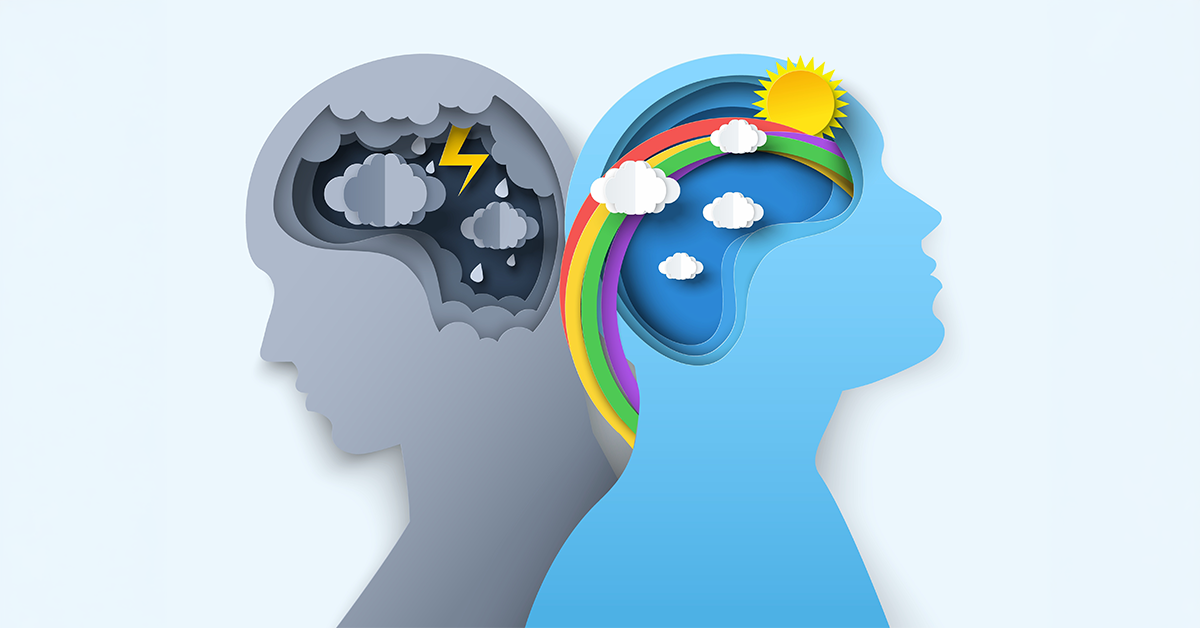
Have you ever found yourself stuck in worst-case thinking? Replaying mistakes, expecting things to go wrong, or constantly criticizing yourself?
When negative thoughts take over, it’s easy to assume it’s just a bad habit or even a personality flaw. But what if there’s more going on beneath the surface? You may be wondering, can negative thinking change your brain?
New brain-imaging research suggests the answer is yes. A groundbreaking SPECT study of 1,984 people with anxiety disorders found that stronger negativity bias is linked to measurable changes in brain function.
These changes are especially pronounced in areas responsible for focus, decision-making, and emotional regulation. In other words, persistent negative thinking may not just affect how you feel, it may also influence how your brain works.
In this article, you’ll learn what negativity bias really is, what the brain scans revealed, and most importantly, what you can do to start shifting your thinking in a healthier direction.
Negative thinking isn’t just a bad habit—it may change how your brain functions. Brain scans show stronger negativity bias is linked to lower activity in areas for focus and emotional control. The good news? Your brain can change.
Negativity bias is your brain’s tendency to focus more on the negative than the positive.
Negative bias means the brain prioritizes potential threats, problems, and mistakes over neutral or good experiences.
This means you’re more likely to notice criticism than praise, remember what went wrong instead of what went right, and interpret unclear situations in a negative way. Even when something is neutral, your brain may fill in the gaps with worst-case assumptions.
Negativity bias isn’t just about having a gloomy outlook. It can shape how your brain processes the world on multiple levels.
It influences:
Over time, this bias can create a pattern where negative experiences feel more intense, more frequent, and more important than they actually are.
Negativity bias is especially common in people with anxiety. In fact, research points to it as a core symptom of anxiety. When your brain is wired to scan for danger, it becomes hyper-focused on anything that could go wrong.
This can lead to a constant loop of worry, overthinking, and emotional reactivity. Small concerns feel bigger, and uncertainty feels threatening.
Over time, this pattern can disrupt both emotional balance and clear thinking, making it harder to regulate your mood, stay focused, or feel resilient under stress.
Related: Why Are We So Negative?
What can brain imaging reveal about negative thinking? The 2025 brain-imaging study mentioned earlier teaches us what functional brain scans like SPECT can show.
To explore the link between negative thinking and brain function, researchers used a type of brain scan called SPECT (single photon emission computed tomography).
SPECT measures blood flow and activity patterns in the brain. Healthy areas show balanced activity, while overactive or underactive regions can point to functional challenges.
In this study, researchers used SPECT to examine how negativity bias is associated with blood flow across different regions.
The results suggest that negative thinking is not just a mental habit. It may also have a measurable footprint in the brain.
Researchers found that stronger negativity bias was associated with changes in blood flow in multiple brain regions. Some areas showed lower activity, while others showed increased activity. These patterns were linked to key systems involved in thinking, emotional regulation, and stress response.
While this doesn’t mean brain scans can “read” your thoughts, it does suggest that consistent patterns of negative thinking are associated with identifiable changes in brain function.
Other research from Yale University also found that depression, which is linked to chronic negativity, shrinks the brain.
For many people, this finding is deeply validating.
If you’ve struggled with persistent negative thoughts, you may have been told to “just think more positively” or try harder to control your mindset. But this research suggests it’s not simply about willpower.
Chronic negative thinking may reflect real, underlying brain-function patterns. Understanding this can reduce shame and open the door to more effective, brain-based strategies for change.
If you struggle with anxiety, this research may help you understand why your mind often goes skews negative, even when you don’t want it to.
What can negativity bias do to the brain? When you have anxiety, your brain may be wired to look for what could go wrong.
Instead of noticing what’s safe or neutral, your attention is pulled toward potential threats. This can include negative facial expressions, uncertain situations, or even harmless comments that feel critical.
Over time, this constant scanning can strengthen negativity bias, making it feel automatic and hard to turn off.
This pattern doesn’t just stay in the background. It shows up in your everyday life.
You might:
In relationships, this can lead to misinterpretations. At work, it can fuel stress and self-doubt. Internally, it can create a loop of rumination that’s difficult to break.
Here’s the most important part: this is not a personal failure. If your brain has learned to focus on the negative, it likely developed that way for a reason. Often, it’s an attempt to protect you by preparing for potential threats.
The good news is that the brain can change. With the right strategies and support, you can begin to shift these patterns and train your brain to respond in healthier, more balanced ways.
One of the most important findings from the study was this: higher negativity bias was linked to lower blood flow in key parts of the brain.
Specifically, in this study, reduced activity was seen in the frontal, temporal, and parietal lobes. These regions play a critical role in cognitive control, decision-making, attention, and emotional regulation.
When these areas are underactive, it can make it harder to shift your thinking, manage emotions, and stay mentally flexible, especially under stress.
At the same time, researchers found increased activity in parts of the cerebellum, particularly in regions linked to both movement and emotional processing.
The cerebellum is often thought of as a movement center, but it also plays a role in how you process emotions and react to your environment. Heightened activity here may reflect increased emotional and physical reactivity tied to negative thinking patterns.
These brain patterns weren’t just abstract findings. They closely matched what patients were actually experiencing.
Higher negativity bias was associated with:
It was also linked to cognitive challenges, including:
In other words, the brain changes aligned with real-world struggles, helping explain why negative thinking can feel so persistent and hard to break.
If negative thinking patterns are affecting your mood and mindset, the good news is they can be changed with the right strategies.
The encouraging news is that negativity bias is not fixed. The study highlights the importance of addressing it directly in therapeutic settings.
By targeting patterns of negative thinking, treatment may help improve both emotional well-being and cognitive function. This aligns with approaches like cognitive behavioral therapy (CBT), which focus on identifying and reshaping unhelpful thought patterns.
At Amen Clinics, the clinicians teach patients to “kill the ANTs (automatic negative thoughts).” This simple strategy can make a major difference in a person’s mood, outlook, and life.
Because negativity bias is linked to brain function, changing how you think may also influence how your brain works.
Practicing healthier thought patterns may help support better emotional regulation, clearer thinking, and improved resilience over time. While this doesn’t happen overnight, consistent effort can begin to shift long-standing patterns in a more positive direction.
It’s important to be clear about what this does, and doesn’t, mean.
Reducing negativity bias isn’t about forcing yourself to “think positive” or ignoring real problems. In fact, unrealistic optimism can lead to poor decisions and unnecessary risks.
The goal is more accurate, balanced thinking. That means learning to question negative assumptions, consider alternative perspectives, and respond to situations based on evidence rather than fear.
Changing negativity bias doesn’t require perfection. It starts with small, consistent habits that help you become more aware of your thoughts and gently shift them over time.
Here are some practical ways to begin:
These strategies aren’t quick fixes. But over time, they may help you build a more balanced, flexible, and resilient way of thinking.
Related: How to Stop Being So Critical
At Amen Clinics, we believe that if you’ve been struggling with negative thinking, looking at your brain may provide answers that traditional approaches miss.
We take a different approach to mental health. Instead of guessing based on symptoms alone, we look at the brain.
Why? Because your brain is the organ involved in your thoughts, feelings, and behaviors. When you understand how it’s working, you can make more informed decisions about how to improve it.
Brain SPECT imaging helps us see patterns of activity in the brain, including areas that may be overactive or underactive.
These patterns can provide important clues about what may be contributing to symptoms like negative thinking, anxiety, or low mood. Rather than labeling someone based only on behavior, this approach helps uncover the “why” behind what they’re experiencing.
No two brains are exactly alike, which is why a one-size-fits-all approach often falls short.
By combining brain imaging with a detailed understanding of your biology, psychology, and lifestyle as part of our comprehensive evaluation, we create personalized treatment plans designed to support your unique needs. This whole-person approach helps guide more targeted, effective strategies for improving both brain health and mental well-being.
Negative thinking is not always “just in your head” in the dismissive sense. Emerging brain-imaging research suggests that stronger negativity bias is linked to measurable changes in how the brain functions.
In particular, it’s associated with lower blood flow in the frontal, temporal, and parietal lobes—areas critical for focus, decision-making, and emotional regulation—along with increased activity in parts of the cerebellum.
At the same time, it’s important to keep this in perspective. These findings do not mean that negative thinking literally shrinks your brain or qualifies as its own neurological disorder.
What they do suggest is this: chronic negative thinking may leave a real imprint on your brain. And that makes it something worth understanding, addressing, and improving with the right tools and support.
The hopeful takeaway is that your brain can change. By taking steps to shift your thinking patterns, you may also begin to support healthier brain function and a more balanced, resilient mindset.
A brain scan cannot read your thoughts directly. However, this brain-imaging study found that stronger negativity bias was associated with measurable differences in brain blood flow on SPECT imaging.
Negativity bias is the tendency to focus more on negative information and give it greater weight than positive or neutral experiences.
Higher negativity bias was linked to lower blood flow in the frontal, temporal, and parietal lobes. It was also associated with increased activity in parts of the cerebellum.
Yes. Chronic negativity can shrink the brain. According to a study by Yale researchers, depression, which is associated with negativity, can shrink the brain.
The findings suggest that targeting negativity bias in therapy may help improve emotional and cognitive outcomes. Approaches that focus on changing thought patterns may be beneficial over time.
Negativity, anxiety, depression, and other mental health conditions can’t wait. At Amen Clinics, we practice precision medicine—using brain SPECT imaging and comprehensive evaluations to understand what’s really happening in your brain, not just your symptoms. Our whole-body approach to holistic psychiatry combines cutting-edge neuroscience with natural ways to treat mental health conditions, including targeted nutrition, supplements, lifestyle strategies, therapy, and medications (when necessary). Every treatment plan is personalized to address the root causes of your struggles and support the health of your brain, body, and mind. Don’t settle for guesswork. You deserve answers—and a plan built specifically for you. Speak with a Brain Health Advisor today at 888-288-9834 or visit our contact page to get started.
About the Reviewer
Associate Medical Director and board-certified adult, child, and adolescent psychiatrist, Dr. Rishi Sood has been with Amen Clinics since 2014. He completed the prestigious Triple Board Residency and Fellowship Program at Mount Sinai Medical Center, where he served as Chief Resident. Also board-certified in pediatrics, Dr. Sood treats children, adolescents, and adults with a wide range of conditions. He is known for his personalized, whole-person approach, integrating evidence-based therapies, brain health strategies, and compassionate, client-centered care.
Norris, S, Salgada, F, Murray, S, Amen, D, Keator, D: The Role of Negativity Bias in Emotional and Cognitive Dysregulation: A Neuroimaging Study in Anxiety Disorders. Journal of Depression and Anxiety 20 May 2025,
Vaish, Amrisha et al. “Not all emotions are created equal: the negativity bias in social-emotional development.” Psychological bulletin vol. 134,3 (2008): 383-403. doi:10.1037/0033-2909.134.3.383
Carlisi, Christina O, and Oliver J Robinson. “The role of prefrontal-subcortical circuitry in negative bias in anxiety: Translational, developmental and treatment perspectives.” Brain and neuroscience advances vol. 2 2398212818774223. 8 May. 2018, doi:10.1177/2398212818774223
Hathaway, B. “Yale Team Discovers How Stress and Depression Can Shrink the Brain,” YaleNews. Aug 12, 2012.
TL;DR
Katie Jolly struggled with mental health challenges for most of her life, often feeling ashamed and without clear answers.
Her breakthrough came after a traumatic brain injury, when, during rehabilitation for post-concussion syndrome, a doctor helped her realize her symptoms were not personal failures, but signs her brain wasn’t functioning optimally.
Through a comprehensive, brain-based evaluation at Amen Clinics and targeted lifestyle changes, she gained clarity, reduced her symptoms, and found lasting hope.
Her story shows that when you understand your brain, healing becomes possible and the path forward becomes clearer.
Medically reviewed by Larry Momaya, MD, Amen Clinics

I was really healthy, but my mental health wasn’t … Then my doctor said to me, ‘Katie, it’s not you, it’s your brain,’ and all of a sudden, something clicked.
For most of her life, Katie Jolly believed she was the problem.
Early in life, she struggled with ADHD but neither she nor her parents knew what it was. As a teen she experienced depression, anxiety, and battled an out-of-control eating disorder.
In adulthood, she went through periods of intense emotional distress, including suicidal thoughts and behaviors. At times, things spiraled so far out of control that she barely recognized herself.
“I was just like a wild animal,” she says. “I would rip my hair out, punch myself in the head… my poor family went through that with me.”
Finally, after a traumatic brain injury, she sought treatment for post-concussion syndrome symptoms. While in rehabilitation, a specialist told her, “Katie, it’s not you. It’s your brain.”
Suddenly, something clicked, and Katie found herself on a path to brain health, which completely transformed her health and life. This is her story.
The mental health challenges that began in childhood for Katie, worsened in adulthood.
There were moments when her pain became overwhelming. She recalls feeling “psychotic.”
Her difficulties were not just emotional. They affected her physical health as well, contributing to serious conditions like fatty liver disease in her early twenties.
Despite her determination to get better, she found herself caught in a cycle that did not make sense. She did everything she thought she was supposed to do. She pursued health, studying naturopathy, personal training, and massage. From the outside, it looked like she was doing all the right things.
“I was really healthy,” she explains, “but my mental health wasn’t.”
She kept searching for answers, but nothing fully explained why life felt so overwhelming or why her symptoms persisted. The suffering was immense.
Unfortunately, Katie’s experience is very common.
More than half of U.S. adults with attention deficit hyperactivity disorder (ADHD), also called attention deficit disorder (ADD), are not diagnosed until adulthood, statistics show.
This is particularly true for women as ADD shows up differently for young girls. In many cases, it doesn’t involve hyperactivity symptoms, which means it often gets overlooked.
Many U.S. adults suffer alone with untreated mental illness. The Centers for Disease Control and Prevention (CDC) reports that roughly 50 percent of those with any mental illness in the U.S. have not received mental health treatment.
Stigma remains one of the biggest barriers for individuals getting the right mental health support they need. CDC data indicates that nearly 60 percent of people with mental health conditions who do not seek care, fail to seek help due to fear of judgment, discrimination, or feeling ashamed of what they are experiencing.
This stigma can keep people silent. It may lead them to hide symptoms, delay treatment, or give up on getting the support they need, which can allow problems to worsen over time.
Many people first seek help for mental health issues from their primary care physician. But research shows that in primary care settings, misdiagnosis rates can be high.
For example, one study of 840 primary care patients found that misdiagnosis rates for major depressive disorder reached 65.9 percent and 71 percent for generalized anxiety order.
Rates of misdiagnosis were even higher for panic disorder (85.8 percent), bipolar disorder (92.7 percent), and social anxiety disorder (97.8 percent).
That’s why it is also important to seek a comprehensive evaluation from a qualified mental health professional who is skilled at recognizing and diagnosing mental health conditions.
Fortunately for Katie, something transformational happened after experiencing a devastating injury. In 2020, when Katie suffered a traumatic brain injury, her entire world unraveled.
“I couldn’t work. My identity was ripped out, and I was lost,” she says.
After a year of working with a rehabilitation team, she still didn’t have clarity about how to get better. That’s when her doctor said something that completely changed the course of her life. “My doctor said to me, ‘Katie, it’s not you. It’s your brain.’”
That simple statement became her turning point. “All of a sudden, something clicked.”
For the first time, she stopped seeing herself as broken and started seeing that her brain simply needed support. Her focus shifted to improving her brain health.
At Amen Clinics, looking at brain function and its role in the development of mental health disorders helps guide more accurate diagnoses and more effective, tailored treatment plans.
Additionally, our clinicians see something powerful happen when people begin to understand that mental health struggles are not character flaws, but brain health issues. When the conversation shifts from blame to biology, the shame often fades.
With that clarity comes hope, and people are far more willing to seek help, stay engaged in treatment, and take steps toward healing. This was true for Katie.
That shift led Katie to dive into brain health. She discovered Dr. Amen’s work and began reading his book, The Brain Warrior’s Way. “As I started to read it, it tied everything together. I was just fired up.”
Her biggest change happened emotionally. “After years of feeling absolutely crazy… the shame and stigma just lifted. To be able to say, ‘It’s not you, it’s your brain,’ gives you so much hope.”
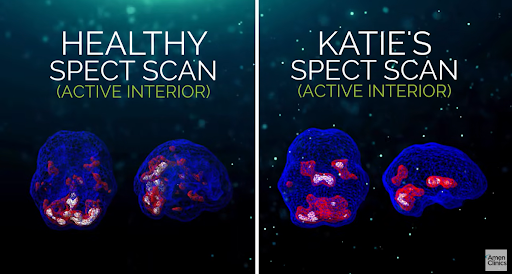
Katie had spent years in conventional systems searching for answers. What she experienced at Amen Clinics felt fundamentally different.
Instead of focusing only on symptoms, Dr. Momoya and her care team sought to understand what was actually happening in her brain and why.
With the comprehensive evaluation, brain SPECT imaging revealed how her brain was functioning by measuring blood flow and activity. This helped identify patterns connected to her challenges with mood, behavior, and thinking.
But for Katie, the scan was just one piece.
Her evaluation also included a detailed personal history, providing insight into her life experiences, stress levels, lifestyle habits, and past trauma, including her head injury.
Neuropsychological testing helped assess her cognitive and emotional functioning. And additional labs, which were ordered as needed, helped to rule out other underlying biological issues.
Unlike many traditional psychiatric evaluations that focus only on symptoms, Amen Clinics’ method is more comprehensive. By gathering data to create a full picture of Katie, including her brain function, biology, and life history, Dr. Momoya and her care team gained a clear understanding of what was happening in her brain and body.
This whole-body approach allowed them to devise a personalized treatment plan tailored specifically to her needs.
What’s more, as Amen Clinics practices holistic psychiatry, the plan included natural ways to treat her brain injury and mental health conditions with diet, lifestyle factors, nutritional supplements, therapy, and medication, only when needed. She really responded to the integrative approach.
For Katie, it was the first time everything made sense. “It tied everything together,” she says.
Video: One Woman’s Journey Back from the Edge: How an Education in Brain Health Changed Katie’s Life
Still, taking the next step wasn’t easy. “When I came to Amen Clinics, I was really scared to see what my brain might look like,” she recalls.
But what she found, in working with Larry Momoya, MD, at Amen Clinics in Costa Mesa, California, wasn’t something to fear, but a roadmap to recovery.
Among other findings, her SPECT scan showed overactivity in the brain’s emotional and fear centers, a pattern commonly seen in anxiety and depression.
Instead of blaming herself, she began to understand that her symptoms had a biological basis. Seeing that her issues were rooted in brain function helped her believe that healing was possible. She had hope.
“What the brain scan has given me,” she says, “is that I can see exactly where I need to continue to do the work to optimize my brain function.”
For the first time, Katie’s struggles weren’t vague or mysterious. They were connected to real patterns in her brain. And having clarity changed everything.
With new insight came a clear path forward. Katie began following targeted brain-health strategies. She returned to a ketogenic diet, started taking recommended supplements, and committed to daily exercise.
The lifestyle changes didn’t just feel good. They created real results. “As I started to follow the protocols, my pain reduced. I started to feel better,” she says.
Over time, she began to notice something even more powerful.
“My brain is actually healing just from following those protocols already.”
Her experience highlights an essential truth: the brain can change, and what you do every day plays a critical role in that process.
Perhaps the most profound shift wasn’t just in her symptoms, but in how she saw herself. For years, she carried shame, believing she was flawed or broken. Now, she sees something entirely different.
“The brain can heal. It just gives you so much hope,” Katie says.
Today, Katie feels called to share that message with others. “I feel like it’s my purpose in life to help people out of the mud and join the mission to reframe mental health as brain health.”
To help her with this goal, in 2023, Katie became a certified Elite Brain Health Coach through Amen University.
In addition to coaching, she is an author, public speaker, and natural health practitioner. Katie turned her personal brain injury recovery into a mission to help others.
When she works with others who are struggling the way she once did, she offers them true understanding, something she didn’t always have.
“To be able to say to them that there’s hope, that’s a really, really massive thing,” she notes.
Katie’s story is a powerful reminder that mental health challenges are not character flaws. They are often rooted in brain health.
When you understand your brain and take a whole-body approach, you can begin to change your life.
And sometimes, the most important breakthrough starts with a simple realization: “It’s not you,” she says. “It’s your brain.”
Brain SPECT imaging can provide valuable insight into how your brain is functioning by measuring blood flow and activity patterns. While it is not a standalone diagnostic tool for conditions like anxiety, ADD/ADHD, or psychosis, it can reveal patterns associated with mood, anxiety, attention, and behavior challenges.
When used as part of a comprehensive evaluation, brain imaging helps clinicians better understand what may be driving symptoms and supports more personalized, targeted treatment.
Many mental health conditions share similar symptoms, such as anxiety, depression, or difficulty focusing.
Traditional evaluations often rely heavily on symptom checklists and self-reported experiences, which can make it difficult to distinguish between different conditions or identify co-occurring issues.
Without looking at underlying brain function, important differences can be missed, leading to higher rates of misdiagnosis and less effective treatment.
A brain-based focus looks beyond symptoms to understand how the brain is actually working. At Amen Clinics, this includes brain SPECT imaging, a detailed personal history, and cognitive assessments to create a more complete picture of each individual.
This whole-body approach, grounded in holistic psychiatry, allows clinicians to identify root causes and develop personalized treatment plans that may include lifestyle strategies, nutrition, supplements, therapy, and medication when needed.
When people understand that their struggles are related to brain health, not personal failure, it often reduces shame and makes it easier to seek and stay engaged in care.
Traumatic brain injury, ADHD, psychosis, and other mental health conditions can’t wait. At Amen Clinics, we practice precision medicine—using brain SPECT imaging and comprehensive evaluations to understand what’s really happening in your brain, not just your symptoms.
Our whole-body approach to holistic psychiatry combines cutting-edge neuroscience with natural ways to treat mental health conditions, including targeted nutrition, supplements, lifestyle strategies, therapy, and medications (when necessary). Every treatment plan is personalized to address the root causes of your struggles and support the health of your brain, body, and mind.
Don’t settle for guesswork. You deserve answers—and a plan built specifically for you. Speak with a Brain Health Advisor today at 888-288-9834 or visit our contact page to get started.
About the Reviewer
Dr. Larry Momaya is a board-certified adult psychiatrist and Fellow of the American Psychiatric Association. A UC Irvine College of Medicine graduate, he completed his psychiatry residency at UC Irvine in 2004 and has helped thousands of patients at Amen Clinics since then. He works with mood and anxiety disorders, ADHD, emotional overeating, addictions, relationship issues, and self-esteem concerns. Dr. Momaya uses an integrative approach that may include psychotherapy, hypnosis, visualization, spirituality, meditation, breathing techniques, and thought investigation to support mental wellness and personal empowerment.
References
Centers for Disease Control and Prevention website
Facts About ADHD in Adults
https://www.cdc.gov/adhd/php/adults/index.html
Accessed April 28, 2026
National Institute of Mental Health website
Mental Health Information
https://www.nimh.nih.gov/health/statistics/mental-illness
Accessed April 28, 2026
Centers for Disease Control and Prevention website
Mental Health Stigma
https://www.cdc.gov/mental-health/stigma/index.html
Accessed April 28, 2026
Vermani M, Marcus M, Katzman MA. Rates of detection of mood and anxiety disorders in primary care: a descriptive, cross-sectional study. Prim Care Companion CNS Disord. 2011;13(2):PCC.10m01013.
TL;DR: Zach Skow’s life was once defined by early alcohol and drug addiction, leading to liver failure and a fight for survival.
Through sobriety, an unexpected connection with rescue dogs, and a comprehensive brain-based evaluation at Amen Clinics, he gained insight into the brain dysfunction driving his addiction.
With a personalized, whole-body treatment approach and a commitment to brain health, Zach rebuilt his life.
Today, he channels his recovery into purpose, helping others heal through his work with Pawsitive Change.
Medically reviewed by Steven Storage, MD, Amen Clinics.

What happens when a life defined by addiction and self-destruction takes an unexpected turn toward healing, gratitude, and service?
For Zach Skow, co-founder of Pawsitive Change, a program that pairs rescue dogs with incarcerated individuals for rehabilitation and healing, alcohol and drug addiction came early in life. He used substances to quiet his inner turmoil and make it easier to face the world, until it stopped working.
A devastating diagnosis of liver failure, combined with the challenge of getting sober, marked a turning point. The bond he shared with his dogs became a lifeline during that time. Still, a long road of recovery and rebuilding lay ahead.
Then came an unexpected opportunity: a comprehensive brain-based evaluation at Amen Clinics. It offered insights into his brain health that he didn’t even realize he needed. For the first time, Zach began to understand what was really happening in his brain and what it would take to heal it.
With the guidance of Dr. Steven Storage from Amen Clinics in Los Angeles, California, and a personalized, whole-body approach to care, he found something he had not felt in years: hope.
This is the story of how brain health, purpose, and the right support system helped him reclaim his life after substance use disorder.
Zach, a former addict who found his purpose in rescuing dogs and who found hope thanks to an Amen Clinics brain scan, says it feels good “to be part of a qualified community of medical professionals where they’re not trying to ram pills down my throat at every turn.”
Zach Skow’s struggles with alcohol and drug addiction began early. By the age of 10, he had already started drinking, sneaking wine and vodka from cabinets at home. Not long after, drugs entered the picture. He began using marijuana at 13 and later discovered cocaine at 16.
Reflecting back, Zach has said that for as long as he can remember, he felt addicted to drugs and alcohol. He did not feel normal. He felt uncomfortable in his own skin and found it difficult to handle pressure or stress. Alcohol, he recalls, helped him cope with those feelings and made it easier to function in the world.
But what he did not understand at the time was that his brain was playing a powerful role in driving these behaviors.
Substances like alcohol and drugs trigger the release of dopamine, the brain’s “feel-good” chemical. For someone already struggling with emotional discomfort, this temporary relief can quickly become reinforcing. Over time, the brain begins to crave that escape, making it harder to stop the cycle.
What started as a way to self-soothe gradually became a pattern that would shape the course of his life, long before he had the insight or support to understand what was really happening in his brain.
Video: “If I Didn’t Have Those Dogs During That Experience I Would Have Killed Myself”: Zach Skow’s Story
Years of an out-of-control alcohol use disorder and drug abuse eventually brought Zach to death’s door.
In 2007, his body began to shut down. He remembers turning yellow, a visible sign of severe liver damage. What he would later learn was ascites, a serious condition linked to liver failure, had taken hold. The situation was life-threatening, and it forced a moment of reckoning.
At the same time, Zach committed to sobriety.
The early days were anything but easy. Withdrawal was intense, both physically and emotionally. But in the middle of that struggle, something unexpected began to change the trajectory of his life.
He started working with dogs.
What began as fostering quickly turned into something more. He brought in one dog after another, volunteered with animal rescue organizations in Tehachapi, CA, and immersed himself in caring for animals that, like him, needed a second chance.
He also began walking regularly and made significant changes to what he put into his body.
At the time, these activities were pursued simply as a way to survive. Zach did not know that he was intuitively drawn to what was helping him heal.
Indeed, animal therapy is recognized in research as a positive adjunctive therapy in substance use disorder recovery. Additionally, research has found that the positive effects of exercise can be an effective intervention in addiction recovery.
He also did not realize that these acts of self-preservation would eventually become his life’s work and purpose.
Looking back, Zach has been candid about just how critical that connection was, saying, “If I didn’t have my dogs for that experience, I would have killed myself.” They gave him a reason to keep going when everything else felt uncertain.
Related: Does Alcohol Kill Brain Cells? What Science Really Says
Zach’s journey took another pivotal turn when, as he describes it, “very miraculously,” someone from Amen Clinics reached out after hearing his story on a podcast and seeing his work online.
“That led me into the process of understanding what status my brain is in,” Zach recalls.
Working with Amen Clinics’ psychiatrist, Dr. Steven Storage, Zach underwent a brain SPECT scan and a comprehensive evaluation.
From the start, he felt supported. “Dr. Storage is just the best. I love that guy,” he says.
But the results were not easy to hear. “We walked through them, and they were difficult,” Zach explains. “I was essentially told that I had degrees of brain damage that we can work on.”
It was a sobering moment, no pun intended. Years of substance use had taken a measurable toll. The effects of alcohol on the brain over the course of years were visible. But instead of leaving him discouraged, the experience gave him understanding.
“I’ve damaged myself over the long haul. I’ve got to repair myself kind of over the long haul,” he says. “So I’m optimistic… and now I have a much better understanding of what’s going on with me.”
Even more validating was seeing the science align with his experience. “What Dr. Storage thought we might see in my scans was exactly what happened.”
For Zach, this was more than a diagnosis. It was confirmation, clarity, and the beginning of a new path forward grounded in brain health and real solutions.
Healthy Surface Spect Scan
Zach Skow Surface SPECT Scan
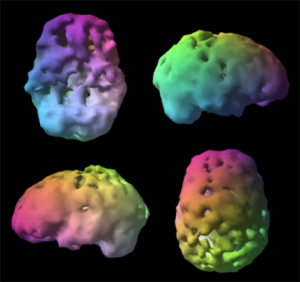
The healthy surface brain SPECT scan shows full, even symmetrical activity. The SPECT scans of people with alcohol and drug addiction, like Zach’s scan, tend to have an overall toxic appearance. The holes do not represent actual physical holes in the brain. They represent areas that are low in blood flow.
Zach’s experience is all too common. Years of drug and alcohol addiction does not just impact the body, it changes the brain.
Alcohol, for example, is known to decrease blood flow and activity in the brain. Over time, this can impair motivation, decision-making, memory, emotional regulation, and impulse control, research shows.
Importantly, alcohol abuse can significantly harm sleep regulation and other cognitive functions, studies have found.
What’s more, excessive alcohol use can damage the frontal lobes, the area responsible for judgment and self-control, making it harder to stop harmful behaviors even when the consequences are clear.
Marijuana, especially when used at a young age, can also disrupt normal brain development and function. Research shows marijuana use is associated with negative effects on attention, motivation, and memory, as well as with mental health disorders such as anxiety or depression.
Cocaine adds another layer of damage. Studies have shown that cocaine use can lead to structural changes in the brain, including decreased gray matter density, which is linked to reduced cognitive function. It can impair memory, learning, planning, decision-making, and cognitive flexibility, making it harder to think clearly or adapt to change.
Together, these substances can create patterns in the brain that reinforce addiction, making it feel less like a choice and more like being stuck.
SPECT scans can be a critical tool in the recovery process. They allow clinicians to actually see blood flow and activity patterns in the brain. Combined with a detailed personal history and neuropsychological testing, they gain a comprehensive understanding of what is happening in an individual’s brain and body.
This allows them to create a personalized treatment plan that helps to restore brain health and address the underlying mechanisms driving addiction. A treatment plan may include targeted nutrition, supplements, lifestyle changes, therapy, and medication (if necessary), all guided by a precision medicine, whole-body approach.
This is the approach Dr. Steven Storage used in working with Zach.
Instead of focusing only on stopping the addictive behavior, the goal was to heal the brain itself. By improving brain function, the drive behind the addiction could begin to change, making recovery not just possible, but sustainable.
Thanks to neuroplasticity, your brain can get better with the right tools.
Related: Cannabis: The Heart and Brain Risks No One Warned Your About
Armed with new insight into his brain, Zach began to approach his recovery in a completely new way.
For the first time, he understood not just that he had struggled, but why. His brain scan revealed patterns that helped explain the constant state of stress and reactivity he had lived with for years.
“My brain is parasympathetic nervous system–compromised,” he explains. “Everything was right in the lizard center of my brain where I’m fight or flight like crazy… and it was exactly what it showed.”
Instead of feeling discouraged, the results gave him direction. “So now I know what I have to do,” he says. “I’m optimistic, and I have a much better understanding of what’s going on with me.”
A major part of that optimism came from the approach itself. At Amen Clinics, the focus is not just on managing symptoms, but on optimizing and healing the brain and body through a combination of cutting-edge neuroscience and natural strategies.
For Zach, this was a refreshing and deeply meaningful shift from what he had experienced in the past. “I can also tell you how good it feels to be part of a qualified community of medical professionals where they’re not trying to ram pills down my throat at every turn,” he says.
Rather than relying on a medication-only approach, his care plan emphasized practical, sustainable ways to support brain health, including lifestyle changes, nutrition, and targeted interventions designed specifically for his brain.
For Zach, this approach did more than support recovery. It empowered him, giving him ownership of his healing and the tools to move forward with clarity, confidence, and purpose.
With a clear understanding of his brain and a plan in place, Zach fully embraced a brain-healthy lifestyle. Today, his recovery is not just about what he has overcome, but how he chooses to live every day.
“I have a lot of hope for the future,” he says. “There’s something uplifting and invigorating knowing that it’s up to me, that I have all the information, and I have a great support crew with me. I have my own pit crew now.”
Zach committed to making decisions that support his brain and overall health. He eliminated the substances and habits that once fueled his struggles and replaced them with choices that promote healing.
“No more drugs, no more alcohol, no more bad food,” he says. “Grilled vegetables, protein, and vitamins.”
Indeed, research shows that sound nutrition and supplementation can play an important role in addiction recovery. These changes were not just symbolic. They had a real impact.
“I got rapidly better,” he adds.
His story is a powerful reminder that when you understand your brain and give it what it needs, lasting change is possible. With the right support, consistent habits, and a commitment to brain health, recovery can become a path to something even greater: a renewed sense of purpose and possibility.
As Zach reflects on his journey, one theme rises above all the rest: gratitude. What Amen Clinics gave him was more than insight into his brain. It was a sense of being seen, supported, and invested in at a time when he needed it most.
“To have the foundation and the clinic itself look at me and say, ‘Hey, we appreciate what you’re trying to do for the world. Let’s do something for you,’ was extremely emotional,” he says. “That’s something I’ll be most grateful for my entire life.”
For someone who once believed his struggles were simply something he would have to endure, that moment changed everything.
“Everyone talks about miracles,” Zach says. “But that was a really big deal. And I have hope.”
Today, that hope extends out into the world. Through his work with Pawsitive Change, Zach has become a force of healing in the community, helping others find purpose, connection, and transformation just as he did.
By bringing together rescue dogs and incarcerated individuals, he is creating second chances on both ends of the leash, proving that healing is possible in even the most difficult circumstances.
His journey is a powerful example of what can happen when brain health, compassion, and purpose come together.
At Amen Clinics, addiction is viewed as a brain health issue, not a character flaw. By focusing on improving brain function, Amen Clinics helps people reduce cravings, strengthen self-control, and support long-term recovery.
Instead of using a one-size-fits-all approach, clinicians begin with a comprehensive evaluation that may include brain SPECT imaging, a detailed personal history, and neuropsychological testing.
This process helps identify the underlying factors driving addictive behaviors, such as low brain activity, overactivity, trauma, or other biological influences.
From there, a personalized treatment plan is created using a whole-body, precision medicine approach. This may include targeted nutrition, supplements, therapy, lifestyle changes, and medication only when necessary.
Alcohol, marijuana, and cocaine all impact the brain in harmful ways. Alcohol reduces blood flow and activity, impairing judgment, impulse control, and decision-making over time.
Marijuana, especially during adolescence, can disrupt brain development and affect attention, memory, and motivation, while also contributing to mood issues.
Cocaine can cause structural changes, including reduced gray matter, leading to problems with memory, learning, planning, and decision-making.
Together, these substances reinforce addictive patterns, making it harder to stop without targeted support.
Addiction is not just about behavior; it is rooted in how the brain functions. Different patterns of brain activity can drive cravings, impulsivity, anxiety, or compulsive behaviors.
Without understanding what is happening in the brain, treatment often becomes trial and error. By looking at brain function through tools like SPECT imaging, clinicians can identify specific areas that need support and tailor treatment accordingly.
This brain-based approach helps address the root causes of addiction, rather than just managing symptoms, leading to more effective and lasting recovery.
Dr. Steven Storage is a child, adolescent, and adult psychiatrist at Amen Clinics. He earned his medical degree from the UCLA School of Medicine, completed his general psychiatry residency at Stanford Hospital & Clinics, and finished his child/adolescent psychiatry fellowship at the University of Southern California, where he served as Chief Fellow. Dr. Storage is board certified in both adult psychiatry and child/adolescent psychiatry and serves as Adjunct Clinical Professor of Psychiatry at USC. His clinical expertise includes ADHD, autism spectrum disorders, anxiety, depression, bipolar disorders, OCD, PTSD, traumatic brain injury, and psychiatric symptoms in medically complex patients.
Monfort Montolio M, Sancho-Pelluz J. Animal-Assisted Therapy in the Residential Treatment of Dual Pathology. Int J Environ Res Public Health. 2019 Dec 23;17(1):120. doi: 10.3390/ijerph17010120. PMID: 31877972; PMCID: PMC6981395.
Smith MA, Lynch WJ. Exercise as a potential treatment for drug abuse: evidence from preclinical studies. Front Psychiatry. 2012 Jan 12;2:82. doi: 10.3389/fpsyt.2011.00082. PMID: 22347866; PMCID: PMC3276339.
Sullivan EV, Harris RA, Pfefferbaum A. Alcohol’s Effects on Brain and Behavior. Alcohol Res Health. 2010;33(1-2):127-143. PMID: 235powe79943
Koob GF, Colrain IM. Alcohol use disorder and sleep disturbances: a feed-forward allostatic framework. Neuropsychopharmacology. 2020;45(1):141-165. doi:10.1038/s41386-019-0446-0
Bloomfield MA, Ashok AH, Volkow ND, Howes OD. The effects of Δ9-tetrahydrocannabinol on the dopamine system. Nature. 2016 Nov 17;539(7629):369-377. doi: 10.1038/nature20153. PMID: 27853201; PMCID: PMC5123717.
Gould RW, Gage HD, Nader MA. Effects of chronic cocaine self-administration on cognition and cerebral glucose utilization in Rhesus monkeys. Biol Psychiatry. 2012 Nov 15;72(10):856-63. doi: 10.1016/j.biopsych.2012.05.001. Epub 2012 Jun 5. PMID: 22672928; PMCID: PMC3440537.
White B, Sirohi S. A Complex Interplay between Nutrition and Alcohol use Disorder: Implications for Breaking the Vicious Cycle. Curr Pharm Des. 2024;30(23):1822-1837. doi: 10.2174/0113816128292367240510111746. PMID: 38797900; PMCID: PMC12085226.
TL;DR: Depression is more common than ever, yet it’s often overlooked or misdiagnosed because symptoms alone don’t tell the full story. Research shows that many people don’t receive the right diagnosis or treatment, leading to poor outcomes.
Brain SPECT imaging, when used as part of a comprehensive evaluation, can reveal how the brain is functioning and help identify activity patterns associated with different types of depression.
These insights help clinicians to more accurately diagnose depression and develop more personalized and effective care plans.
The takeaway? Depression isn’t one-size-fits-all, and treatment shouldn’t be either. A brain-based, whole-body approach can help uncover root causes and lead to more targeted, meaningful solutions.
Medically reviewed by Daniel Emina, MD, Amen Clinics.
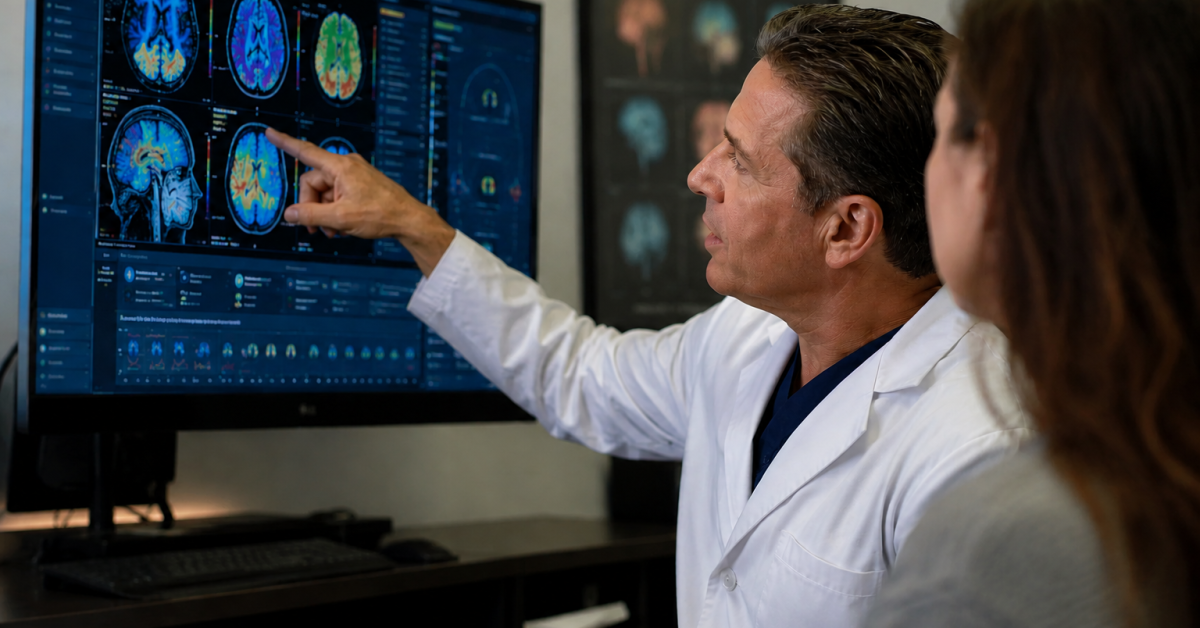
Depression has risen to historic highs among U.S. adults. A 2025 Gallup Poll reported that more than 18 percent (an estimated 47.8 million Americans) currently have or are being treated for depression, representing an eight percent increase since 2015.
Yet studies indicates that many cases remain undetected, untreated, or misdiagnosed. Some research suggests that the rate of misdiagnosis may exceed 65 percent, raising an important question: can brain SPECT imaging help identify depression more accurately?
At Amen Clinics, SPECT scans are used as part of a comprehensive evaluation to assess blood flow and activity patterns in the brain. These patterns are often linked to different mental health conditions, including seven distinct types of depression, offering valuable insights for clinicians.
With depression, as with any mental health condition, it’s critical to use tools that help uncover what’s really happening in the brain. While SPECT is not a standalone diagnostic tool, it provides important data that can support a more accurate diagnosis and guide more effective, personalized treatment, going beyond the traditional “symptoms-only” approach.
In this blog, you’ll learn how brain SPECT imaging helps identify depression and supports more accurate diagnosis, informed treatment, and better outcomes.
With seven types of depression, each having their own presentation and symptoms, a one-size-fits-all treatment often does not work. Using brain SPECT imaging helps create a more effective treatment plan because it is customized to treat the individual’s type of depression.
Major depressive disorder is traditionally identified through:
While these are useful steps to take, the symptoms of depression can overlap with other mental health conditions, making accurate diagnosis more difficult. And co-existing factors, including anxiety, trauma, or attention deficit hyperactivity disorder (ADHD), also called attention deficit disorder (ADD), can complicate accurate diagnosis further.
Related: What Doctors Can’t Tell You About Your Depression, Anxiety, or Anger
With traditional diagnosis, there is no biological testing, though numerous biological factors can contribute to depression. Without looking at the very organ affected, the brain, or having an accurate diagnosis, doctors often take a trial-and-error approach to treatment. Unfortunately, this can lead to delayed symptom relief, persistent adverse side effects, and patient discouragement.
SPECT is an acronym for single photon emission computed tomography. This type of imaging provides a functional brain scan, as opposed to structural imaging tools such as MRI or CT scans, which show the brain’s anatomy.
As a state-of-the-art nuclear medicine study, SPECT measures blood flow and activity levels in different areas of the brain. This shows how the brain is working. It identifies areas of healthy activity, overactive activity, or underactive activity in different regions of the brain.
SPECT imaging does not diagnose depression on its own. But it can reveal brain activity patterns commonly associated with depressive symptoms. SPECT may also help differentiate depression from other conditions that are present.
SPECT therefore provides additional data beyond symptom reporting. With a clearer picture of the brain’s workings, SPECT imaging helps guide a more personalized understanding of what may be happening in the brain. This information then helps guide a more accurate diagnosis and targeted treatment.
A variety of brain patterns are associated with depression:
Mental health conditions, including depression, are complex. But research and imaging studies suggest associations between certain symptoms and brain patterns. SPECT helps provide a deeper understanding of depression when used alongside traditional diagnosis methods.
Not all depression looks the same. Different individuals may have:
With a database of nearly 300,000 SPECT scans and having treated more than 100,000 patients over decades, our work at Amen Clinics has revealed that depression is not one thing. In fact, our clinicians have identified seven types of depression and anxiety, each with a distinct pattern of blood flow and brain activity:
With seven types of depression, each having their own presentation and symptoms, a one-size-fits-all treatment often does not work. The treatment protocol for one type might make another type’s symptoms worsen. Using brain SPECT imaging helps create a more effective treatment plan because it is customized to treat the individual’s type of depression.
Video: Seven Types of Anxiety & Depression
Depression symptoms can overlap with other conditions. For example, the same symptoms of depression could also be the symptoms noted for any of the following conditions:
Therefore, symptoms alone may not tell the whole story. Ruling out medical causes is essential before diagnosing major depressive disorder.
With our brain health-first approach, Amen Clinics uses SPECT imaging as an integral part of a comprehensive evaluation.
SPECT is combined with diagnostic tools such as:
This collection of data, including the SPECT scan, helps our clinicians gain a clear understanding of what is really happening in the brain. If you have depression, they will typically be able to identify which subtype you have, plus any co-occurring conditions.
Then, using precision medicine, they can design a treatment plan tailored to address any identified brain dysfunction, as well as boost overall brain and body health.
A clinician reviews your SPECT scan and personalized treatment plan with you in detail.
SPECT scans also help clients and their loved ones understand that the symptoms of depression are not flaws, character defects, or personal weaknesses. Seeing the brain function issues on the brain scan depersonalizes depression. Knowing that this condition is rooted in brain function helps reduce shame and blame.
Moreover, this kind of scientific and compassionate understanding increases the motivation to make meaningful lifestyle changes. At follow-up appointments, the clinician and client can track results over time.
The brain-body connection is crucial in treating any mental health condition. Factors such as diet, physical activity, and sleep all significantly impact mental well-being.
Therefore, holistic psychiatry as practiced at Amen Clinics may include:
This whole-body approach to holistic psychiatry offers many natural ways to treat mental health conditions, including depression. But what works for one type of depression may not work for another. That’s why treatment is always personalized to the needs of the individual.
Related: 9 Natural Ways to Help Depression
Brain SPECT imaging offers numerous benefits for clinicians and their clients. This cutting-edge diagnostic tool:
Individuals are different, and each person’s depression symptoms are unique. Therefore, treatment should be individualized and brain-based.
A brain-based evaluation can be particularly helpful for individuals experiencing any of the following:
Getting a comprehensive evaluation can improve the accuracy of your diagnosis. In our published outcome study, we found that 79 percent of patients who came to Amen Clinics left with a different diagnosis and treatment plan than when they came in.
Additionally, our individualized treatment plan is designed to address your specific brain patterns, symptoms, and lifestyle.
Brain SPECT imaging is not a standalone tool for diagnosis but is used as part of combination of diagnostic measures. Brain imaging also requires professional clinical interpretation. The clinicians at Amen Clinics are equipped to use SPECT as part of a comprehensive evaluation and care plan.
Depression is complex, and symptoms alone don’t always reveal the full picture. That’s why a comprehensive professional evaluation is essential for accurate diagnosis and effective treatment.
Looking at the brain, along with key biological and lifestyle factors, can provide deeper insight into what’s driving symptoms. Tools like SPECT imaging add valuable information that can help guide more targeted, personalized care.
If you’re not finding answers or relief from depression symptoms, a thorough evaluation can help you move beyond guesswork and toward a clearer path to recovery.
Help is available. If you’re looking for deeper answers, consider a comprehensive evaluation at Amen Clinics that looks beyond symptoms to understand and treat your brain, body, and mental health.
A SPECT brain scan is helpful for looking at underlying brain activity and patterns, which can provide important insight when diagnosing depression. This critical data, used in combination with a comprehensive evaluation (such as a detailed personal history, clinical assessments, and lab work when needed), enables the most accurate diagnosis and treatment.
Brain SPECT imaging is a cutting-edge diagnostic tool that shows clinicians how the brain is functioning. It shows what areas are working well, working too hard, or not working hard enough. Based on nearly 300,000 brain scans and treating more than 100,000 patients, Amen Clinics has determined there are seven subtypes of depression. Each has its own brain patterns and requires a targeted treatment plan.
At Amen Clinics, brain scans help identify these different types of depression, as well as consider possible biological factors and distinguish between conditions with similar symptoms. Finally, SPECT enables a personalized treatment plan for better results.
Many psychiatrists diagnose depression without brain imaging. However, a symptoms-only approach to diagnosis fails to look at the very organ it aims to treat: the brain. This can create a trial-and-error method of treatment, which can lead to years or even decades of unnecessary struggles. In some cases, it can make symptoms worse.
Brain imaging allows for more targeted treatment for depression, which accelerates the healing process.
Depression and anxiety occur together 75 percent of the time. Through our imaging work over decades with more than 100,000 patients, SPECT imaging has helped our clinicians identify seven types of depression and anxiety. Each type has associated brain activity patterns and symptoms. Knowing an individuals type helps clinicians create a targeted treatment plan for better results.
Yes. Numerous biological factors are associated with depression symptoms. Possibilities include traumatic brain injury, low thyroid levels, inflammation, mold exposure, infections like COVID, and heart disease. SPECT brain imaging and a comprehensive evaluation help rule out biological factors as potential causes of depression symptoms.
Depression, anxiety, and other mental health conditions can’t wait. At Amen Clinics, we practice precision medicine—using brain SPECT imaging and comprehensive evaluations to understand what’s really happening in your brain, not just your symptoms.
Our whole-body approach to holistic psychiatry combines cutting-edge neuroscience with natural ways to treat mental health conditions, including targeted nutrition, supplements, lifestyle strategies, therapy, and medications (when necessary). Every treatment plan is personalized to address the root causes of your struggles and support the health of your brain, body, and mind.
Don’t settle for guesswork. You deserve answers—and a plan built specifically for you. Speak with a Brain Health Advisor today at 888-288-9834 or visit our contact page to get started.

Dr. Daniel Emina is an Associate Medical Director at Amen Clinics and a child, adolescent, and adult psychiatrist. He earned his medical degree from the UCLA School of Medicine and completed his psychiatry residency and child/adolescent psychiatry fellowship at the University of Hawaii Department of Psychiatry. Dr. Emina uses psychotherapy, pharmacotherapy, pharmacogenomics, brain imaging, TMS, and integrative therapies to optimize brain health and function. He is experienced in treating anxiety, depression, ADHD, autism spectrum disorders, OCD, PTSD, addiction, mood disorders, and traumatic brain injuries in both children and adults.
U.S. Depression Rate Remains Historically High. By Dan Witters. September 9, 2025. https://news.gallup.com/poll/694199/u.s.-depression-rate-remains-historically-high.aspx
Handy A, Mangal R, Stead TS, Coffee RL Jr, Ganti L. Prevalence and Impact of Diagnosed and Undiagnosed Depression in the United States. Cureus. 2022 Aug 14;14(8):e28011. doi: 10.7759/cureus.28011. PMID: 36134073; PMCID: PMC9470500.
Vermani M, Marcus M, Katzman MA. Rates of detection of mood and anxiety disorders in primary care: a descriptive, cross-sectional study. Prim Care Companion CNS Disord. 2011;13(2):PCC.10m01013. doi: 10.4088/PCC.10m01013. PMID: 21977354; PMCID: PMC3184591.
TL;DR: Fibermaxxing is a growing nutrition trend focused on increasing fiber intake through whole foods to support gut, brain, and overall health. Fiber helps nourish beneficial gut bacteria, regulate digestion, stabilize energy, and support mood and cognitive function through the gut-brain connection. While most people do not get enough fiber, a balanced, gradual increase from whole food sources is the most effective way to support long-term health and well-being.
Medically reviewed by Kabran Chapek, ND, Amen Clinics.

Remember seeing prunes and prune juice, or bran cereals and muffins in your grandparents’ kitchen as a child?
For many Gen Xers and boomers, the idea of increasing fiber intake still brings to mind these old-school, far-from-appealing images.
Thankfully, things have changed.
Fiber has had a much-deserved rebrand, especially among younger generations. Naturally high-fiber whole foods like legumes, berries, seeds, and vegetables are having a moment. “Fibermaxxing,” or deliberately maximizing fiber intake with whole foods, has become a popular social media trend.
Across platforms like Instagram and TikTok, health-minded creators are sharing high-fiber recipes for snacks and meals with the goal of boosting fiber intake.
With growing awareness of gut health and the gut-brain connection, more people are increasing their fiber intake to improve digestion and support better brain and mental health, as well as other health goals. Fiber is a critical nutrient for microbiome health, the ecosystem of your gut, which acts as a central hub for overall wellness.
Unfortunately, most Americans are not getting nearly enough. Recent data shows that more than 90 percent of U.S. adults fall short of the recommended daily intake. Fibermaxxing may be responding to a real need.
In this blog, we explore what fibermaxxing really is, its potential benefits and risks, and how fiber intake influences both gut and brain health.
With growing awareness of gut health and the gut-brain connection, more people are increasing their fiber intake to improve digestion and support better brain and mental health, as well as other health goals.
As the name suggests, fibermaxxing is a dietary trend focused on significantly increasing daily fiber intake to support digestion, metabolic health, brain and mental health, and overall well-being.
The trend emphasizes increasing fiber intake through whole foods such as vegetables, fruits, seeds, legumes, and whole grains rather than relying on supplements. By prioritizing naturally high-fiber ingredients, this approach can help nourish a diverse gut microbiome while promoting satiety and supporting overall health.
The gut microbiome is a vast community of trillions of microorganisms in your digestive tract, including bacteria, viruses, fungi, and other microbes, that function together as a complex ecosystem. Fiber plays a critical role in maintaining a healthy balance within this system by nourishing beneficial bacteria. As a result, increasing your fiber intake is one of the most effective ways to support gut health.
Those who follow fibermaxxing often aim for higher-than-recommended amounts by intentionally adding fiber-rich foods to every meal or snack. Increasing fiber intake is usually positive, but it can become a liability when individuals consume too much.
The recommended daily intake of fiber is 25 grams per day for women and 38 grams per day for men.
While there is no strict upper limit for dietary fiber, consuming more than 60 grams per day is generally considered too much for most people and can cause digestive distress. Even daily intake above 40 grams can cause symptoms in some individuals, especially if intake was increased quickly. Symptoms may include gas, bloating, constipation, or diarrhea.
It is important to approach fibermaxxing with balance. Sustainable, steady changes are far more beneficial than extreme increases in fiber intake.
Fibermaxxing has gained popularity in part due to increased awareness of gut health and its connection to overall wellness. More people now recognize that the gut influences not only digestion, but also mood and brain function.
Social media has also played a major role. Platforms are filled with videos and influencer content sharing creative recipes and tips to help people increase their fiber intake. As these posts gain traction, they encourage others to adopt similar habits.
Many people are also drawn to fibermaxxing because of a growing interest in natural approaches to health optimization and disease prevention. The goal is often to support the body through nutrition rather than relying solely on medication.
Other common motivations include weight management and improving digestion, since fiber-rich meals can help increase satiety and support regular bowel movements.
Fiber is essential to gut health. Different types of fiber, like prebiotic and other soluble fibers, as well as insoluble fibers, serve different functions in your digestive system. Soluble fiber dissolves in water to form a gel-like substance that helps slow digestion, while insoluble fiber remains intact and helps move material through the digestive tract.
Importantly, prebiotic fiber (a soluble fiber) feeds the beneficial bacteria in your gut microbiome, according to research.
Common foods abundant in prebiotic fiber include:
These foods nourish the gut’s beneficial bacteria, aiding digestion and reducing inflammation.
Other soluble fibers that are not prebiotics but still beneficial to the gut include psyllium husk, certain pectins, gums (naturally found in various plants), and some fibers in whole grains. These forms of soluble fiber become gelatinous, but they do not feed the healthy bacteria. They offer other benefits like helping to relieve constipation, or reduce LDL cholesterol, etc.
Insoluble fiber, which helps move material through the digestive system and adds bulk to stool, is found in high amounts in the following types of foods:
Many of the same foods have both soluble and insoluble fibers.
Consistent consumption of fiber-rich foods helps promote microflora diversity and makes it possible for a variety of bacteria to flourish in your gut. Research links gut microbiome diversity to better digestive health, stronger immunity, and overall wellness.
Your gut and brain are more connected than you might think.
More than 100 million neurons line your digestive tract, forming what is known as the enteric nervous system, or the “second brain.” This system is in constant communication with your brain through pathways like the vagus nerve, creating what is called the gut-brain axis.
Healthy gut bacteria play an important role in this connection. They help influence the production and regulation of key brain chemicals, such as serotonin, dopamine, GABA, and cortisol, which are involved in mood, focus, emotional balance, and your stress response.
Because of this, the health of your microbiome can directly affect stress resilience, cognitive function, and mental well-being. When the microbiome is out of balance, a condition known as dysbiosis, it has been linked in studies to issues such as anxiety, depression, and difficulty concentrating. Additionally, research has found that higher fiber consumption is linked to better cognitive function.
Gut health also influences inflammation and blood sugar regulation. Chronic inflammation and unstable blood sugar levels can negatively impact memory, mood, and focus. Supporting a healthy gut helps keep inflammation lower and energy levels more stable, which benefits overall brain function.
Fiber plays a key role in this process. As a primary fuel source for beneficial gut bacteria, fiber helps maintain a balanced microbiome. Research suggests that higher fiber intake is associated with improved metabolic health, more stable energy, and fewer symptoms of anxiety and low mood.
While fiber alone is not a treatment for mental health conditions, it is an important part of a whole-body approach to supporting brain and emotional health.
Fibermaxxing can offer several benefits, which may include:
Fibermaxxing offers no health guarantees. It is not a cure-all. But ensuring you consume the recommended daily amounts of fiber intake is one way to support a healthy microbiome, which benefits multiple areas of health.
Related: Is the Keto Diet Good or Bad for Brain Health?
Although fiber consumption offers great benefits, consuming it excessively can cause several issues, including:
You can minimize these risks by gradually increasing fiber in your diet. That can allow your digestive system to adjust slowly and maintain comfort.
Fiber-rich complex carbohydrates are a critical aspect of a brain healthy diet. But your brain also requires protein, healthy fats like omega-3 fatty acids, micronutrients, and fermented foods for optimum function.
Diet trends that are extreme, like solely focusing on fibermaxxing or even a strict keto approach, can overlook important nutrients needed to support mood, cognition, and energy. In addition to fiber, it’s important to include diverse brain-boosting foods.
Digestive issues are sometimes a red flag that there may be a gut-related brain health issue as well.
Chronic gut inflammation is often linked to changes in mood, anxiety, irritability, and fatigue. Symptoms may resemble psychiatric conditions.
Blood sugar fluctuations can also affect concentration, focus, and energy because the brain relies on stable levels of glucose to perform optimally.
This is why holistic psychiatry focuses on ruling out underlying digestive or medical causes before it attributes symptoms to mental health disorders. A whole-body approach recognizes the interplay between brain function and digestive health.
Amen Clinics takes a whole-body approach to diagnosis and treatment. Our clinicians recognize that behavioral, emotional, and cognitive symptoms are frequently linked to brain function, and that problems with gut health are often linked to cognitive and mental health conditions.
Our comprehensive evaluation includes brain SPECT imaging, a detailed personal history (which includes a review of lifestyle and dietary habits), clinical assessments, and lab testing, when necessary, to rule out underlying biological conditions.
The SPECT scan assesses brain function. It reveals blood flow and activity in different brain regions showing underactivity, overactivity, and areas of healthy activity.
Our clinicians can see if certain areas of the brain are working too hard or not enough and connect the pattern to your symptoms. They also consider how your diet is factoring into your symptoms, having a clear understanding of the gut-brain axis. Assessing what they see on your brain scan with all the other data collected, they are able to practice precision medicine. They make highly informed diagnoses and craft tailored treatment plans for your individual brain and body needs. There are no one-size-fits-all treatment plans.
When it comes to treatment, Amen Clinics practices holistic psychiatry. Our clinicians first consider natural ways to treat mental health conditions. This includes lifestyle suggestions (diet, nutritional supplements, sleep, relaxation, and exercise), therapy, and medication, only when necessary.
Fibermaxxing makes sense if your diet is low in fiber.
Here are the more detailed fiber intake recommendations for U.S. adults:
Fiber-rich foods are generally loaded with good nutrition, so you’ll be supporting your gut microbiome and brain and body health.
However, keep in mind that sudden and drastic increases in fiber intake or consuming too much fiber can be potentially harmful for some people and should be avoided.
If you need to elevate your fiber intake, it is best to do it gradually. A gradual increase will give your digestive system time to adjust, and it can reduce the likelihood of issues of discomfort like bloating or gas.
Whole food sources of fiber are best such as seeds, nuts, vegetables, fruits, and whole grains. Increased fiber intake generally requires more hydration. This is because fiber absorbs water as it moves through your digestive system. When you drink enough fluids, you get to support smoother digestion and also help the fiber work effectively.
If you’ve been experiencing digestive challenges like an irritable bowel pattern, persistent bloating, or gastrointestinal discomfort, it’s best to consult a healthcare provider before you make these significant changes in your diet.
Generally, fiber can be a valuable part of a balanced diet with thoughtful, gradual adjustments for your overall wellness.
It’s understandable to be curious about new nutrition trends. Many of them, like increasing fiber, are well intentioned and can offer real benefits. But the truth is, some trends can go too far, too fast.
That’s why it’s important to stay attuned to how you feel. Your brain and body will often tell you when something isn’t working.
If you notice new or worsening brain fog, low mood, increased anxiety, irritability, or trouble concentrating after changing your diet, it may be a sign that the approach is not right for you. The same goes for persistent digestive symptoms like bloating, discomfort, or irregular patterns.
And if you’re already struggling with these symptoms, it’s important not to rely on diet changes alone to fix them. Brain health and mental well-being are complex and often involve multiple factors, including biology, lifestyle, and underlying medical issues. Persistent brain fog, mood instability, fatigue, or digestive issues can all be signals that something deeper is going on in the brain and body. Amen Clinics takes a whole-body approach that includes investigating potential gut-brain imbalances.
If these challenges are interfering with your daily life, consider seeking guidance from a qualified healthcare or mental health professional. A comprehensive evaluation can help uncover root causes and guide a personalized plan that supports both your brain and overall well-being.
| Myth | Fact |
|---|---|
| More fiber is always better. | Balance matters; too much too quickly can cause issues. |
| Fiber alone improves mental health. | Mental health is influenced by many biological and psychological factors. Improving gut health with adequate fiber is one way to support mental health. |
| Gut health replaces psychiatric care. | Mental health disorders require comprehensive evaluation. Nutrition may support treatment but it does not replace professional care from a qualified mental health professional. |
It might be best to forgo fibermaxxing and choose a less drastic, sustainable method to get your fiber needs met. A balanced diet approach and slowly increasing consumption of fiber-rich whole foods is the safest way to boost your fiber intake. Focus simply on meeting the daily suggested intake of fiber to start, making gradual dietary changes, and supporting the body with adequate hydration and a variety of nutrients. If the habits are small but consistent, they can create meaningful change with time.
Fibermaxxing is a dietary trend that encourages people to intentionally increase their daily fiber intake to support digestion, a healthy gut, and satiety.
For many individuals, increasing fiber consumption through whole foods is safe. However, when increased dramatically or too quickly, it can cause bloating, gas, or digestive discomfort. Gradual changes are more helpful. For individuals with digestive issues, any increase in fiber intake should be made under medical supervision.
The recommended level of fiber consumption is 25 to 38 grams of fiber per day, depending on your age and sex. Consuming a significantly higher amount, especially in a short time period, can lead to digestive symptoms for some people.
Fiber provides support for your gut health, which is closely tied to your brain and mental health. If your diet is lacking in fiber, consuming more fiber-rich whole foods could potentially help your mental health. That said, mental health is affected by many factors, which include brain function, stress, lifestyle, sleep, and overall nutrition.
Experts suggest that the gut-brain connection can influence cognitive processes like focus, memory, and mood. When the gut microbiome is balanced, it can support overall brain health, though many biological and lifestyle factors contribute to cognitive function.
Check the Nutrition Facts label, use a food tracking app, or reference a nutrition database to find fiber content. Fiber is listed in grams per serving under total carbohydrates, often with a % Daily Value to show how high or low it is.

Dr. Kabran Chapek has been a staff physician at Amen Clinics since 2013. As a graduate of Bastyr University in the Seattle area, he is an expert in the use of functional and integrative treatments and collaborates extensively with many of the Amen Clinics physicians. He has a special interest in the assessment and treatment of Alzheimer’s and dementia, traumatic brain injuries, PTSD, and anxiety disorders. Dr. Chapek is the founding president of the Psychiatric Association of Naturopathic Physicians, an affiliate group of the American Association of Naturopathic Physicians.

When someone you care about says they’re depressed, it’s natural to want to help. You might try to encourage them with phrases like “Just stay positive,” “Things will get better,” or “You have so much to be grateful for.”
But what feels supportive to you may land very differently for them.
For someone living with depression, certain well-intended comments can feel dismissive or isolating. Instead of feeling comforted, they may feel misunderstood, judged, or pressured to “snap out of it.”
Depression isn’t simply a matter of attitude or willpower. It’s a complex brain-based condition that affects energy, thinking, behavior, and mood. When someone trusts you enough to share what they’re going through, how you respond can either deepen the connection or unintentionally make them feel more alone.
In this blog, you’ll learn which common phrases to avoid when talking to someone with depression and what to say instead to offer real support, understanding, and compassion.
Related: 9 Natural Ways to Help Depression
Depression is a complex brain-based condition that affects energy, thinking, behavior, and mood. When someone trusts you enough to share what they’re going through, how you respond can either deepen the connection or unintentionally make them feel more alone.
Research shows that depression can interfere with how your brain regulates motivation, emotions, and perception. That means that for someone who is struggling, everyday interactions can feel very different, even if others have the intention to be supportive.
When you tell a depressed loved one to try harder or cheer up, it minimizes their experience unintentionally and tends to make them feel isolated and misunderstood. Offering quick fixes is not the same as offering meaningful support. Real support requires a commitment to provide compassionate listening, understanding, and patience.
Most people genuinely desire to help, but don’t realize that learning what not to say to someone with depression is usually the first and most important step. The words you choose matter. Even the smallest interactions can leave a lasting emotional impact when someone is struggling.
Here’s what not to say:
When you tell someone with depression to “think positive,” it oversimplifies a complex brain-based condition. Statements like this overlook the physiological changes in the brain that affect motivation and mood. They can also make the person feel as if they are failing because they cannot control their thoughts, which can increase self-blame and shame.
Instead, try saying: “I’m here for you.”
This response shows support without pressure. It reassures them that they are not alone and reminds them they don’t have to fix anything to be worthy of love and care.
This can be harmful because when you compare depression to everyday sadness, you minimize the depth and persistence of the condition. Although sadness is a common human emotion, depression involves real changes in brain function that can interfere with an individual’s ability to cope with daily life. As a result, this comparison can feel invalidating.
Instead, try saying: “I can see you’re struggling.”
This response acknowledges what the person is going through without comparison or judgment. These simple words of validation can help them feel seen, heard, and understood.
Gratitude alone is not enough to override the neurological and biological factors involved in depression. Comments like this can unintentionally suggest that a person is suffering because they are ungrateful, which may increase feelings of guilt and emotional withdrawal.
Instead, try saying: “Tell me what this feels like for you.”
This invites the person to share their experience openly. It encourages conversation while reinforcing that their feelings are valid and worthy of attention.
This doesn’t work because depression isn’t a choice. Phrases like this frame depression as something a person can control through willpower, which creates the impression that recovery is simply a matter of effort. That belief can deepen feelings of isolation and failure.
Instead, try saying: “How can I support you right now?”
This shifts the focus from pressure to partnership. It allows the individual to express what they need in the moment and shows that you are willing to support them without judgment.
When you compare someone’s pain to other situations, it can dismiss their emotional experience. Rather than offering comfort, statements like this may make a person feel unheard and less willing to open up about what they are going through.
Instead, try saying: “Your feelings matter.”
This simple statement offers validation and reassurance. It helps create a sense of emotional safety and reminds the person that their experience deserves compassion and attention.
Depression goes beyond just having a low mood. This is a complex brain-based condition that can affect multiple brain systems. Studies have shown that it causes changes in the neural circuits that regulate reward, mood, and emotional processing, which can directly affect how an individual experiences the world.
Those brain changes usually manifest in motivation, energy levels, and decision-making. Individuals struggling with depression often find it challenging to get through daily tasks, may feel exhausted even after they’ve rested, and can find it hard to focus. Such issues are not a sign that they are lazy or that they lack effort. These are common symptoms of depression.
It’s important to understand that depression is not a sign of weakness, a character flaw, or a simple chemical imbalance. Although neurotransmitters play a role, research shows that depression involves neural networks, multiple brain systems, and environmental factors that interact in nuanced ways, depending on the individual.
Depression manifests in different ways. Some people experience low motivation and fatigue, while others notice changes in appetite, sleep, or emotional reactivity. This variety of symptom clusters are often determined by differences in brain function.
As mentioned earlier, depression doesn’t show up in the same way for everyone. The brain SPECT imaging work at Amen Clinics has revealed seven different subtypes of depression, some of which include anxiety as well. The symptoms associated with each type of depression vary based on differences in brain activity and blood flow patterns.
For example, in some individuals, depression causes persistent anxiety, which manifests as restlessness, a constant sense of unease, or excessive worry. Other people feel more irritable than sad, whereby they become short-tempered or easily frustrated without fully understanding why. In other instances, depression can show up as emotional numbness where sadness, joy, or connection feels absent or muted.
Depression also affects concentration and focus, where it becomes difficult for some people to complete tasks, stay organized, or make decisions. Some individuals may struggle with sleep disruption that can cause them to experience restless sleep, insomnia, or even sleeping far more than usual.
Since depression presents in a variety of ways, one-size-fits-all solutions don’t work. What benefits one person may not benefit another.
Related: 5 Things People with Depression Want You to Know
Many traditional approaches to depression start with a symptom checklist that focuses only on what an individual reports feeling.
Usually, this leads to a medication-first model. This is where the provider initiates treatment quickly to reduce depressive symptoms, in some cases without deeply examining contributing factors.
Traditional approaches are limited when it comes to exploring contributing factors and root causes, which may include medical conditions, brain function patterns, genetics, adverse childhood experiences, or lifestyle influences.
Additionally, biological imaging isn’t routinely used, and rule-out testing is mostly minimal. This can leave underlying contributors unrecognized. It can also affect how well the treatment can work over time.
A brain-first approach, as used by Amen Clinics, focuses on understanding how the brain is functioning rather than relying only on symptom checklists. Tools such as brain SPECT imaging evaluate activity and patterns of blood flow in the brain. These insights help clinicians see how depression can present differently from one person to another and guide more personalized care through precision medicine.
Additionally, our clinicians check for underlying medical conditions that may contribute to or resemble depression. Conditions such as sleep apnea, thyroid disorders, anemia, and vitamin deficiencies can affect mood and energy levels.
Within holistic psychiatry, depression is viewed as a condition related to brain health rather than a failure of willpower or character. When targeted interventions are employed to support brain function, symptoms improve over time.
Supporting an individual with depression is about showing up for them in ways that build trust, reduce isolation, and respect the experiences they are going through. Here’s what helps instead:
Certain symptoms indicate that depression can be more than an individual can manage on their own and that professional evaluation and support may be needed. Here is what to look out for:
Getting the right kind of help early enough can prevent symptoms from worsening. It is also a proactive step that helps improve the long-term outcomes.
At Amen Clinics, we focus on uncovering the underlying causes of depression instead of merely labelling the visible symptoms. Our whole-body approach starts with comprehensive evaluations in which we consider lifestyle factors, medical history, potential biological contributors, and mental health symptoms. Whenever appropriate, we use brain SPECT imaging to evaluate the patterns of activity and blood flow in the brain.
This allows our clinicians to practice precision medicine to more accurately understand what’s happening in your brain and to determine a clear path forward. Treatment plans are tailored to optimize your specific depression-related brain dysfunction or subtype instead of using the same approach to every patient.
The holistic psychiatry we practice combines cutting-edge neuroscience with natural ways to treat mental health conditions such as improving nutrition, optimizing sleep, addressing lifestyle factors that may be affecting brain health, and supporting stress regulation. Medication may be part of a treatment plan, when necessary, but it’s not automatically our first and only option.
Treatment at Amen Clinics addresses the root causes of your depression and supports the overall health of your brain, body, and mind.
When someone you care about is living with depression, the words you choose can carry more weight than you realize. Support doesn’t come from finding the perfect phrase or offering quick solutions. It comes from listening, showing compassion, and reminding them that they are not alone.
Depression is not a sign of weakness, laziness, or a lack of gratitude. It is a brain-based health condition that affects energy, motivation, mood, and thinking. Understanding this helps shift the conversation away from blame and toward empathy.
Small moments of support matter. A simple statement like “I’m here for you,” a willingness to listen without judgment, or a gentle encouragement to seek professional help can make a meaningful difference.
At the same time, it’s important to remember that depression often requires more than personal support alone. Professional evaluation can help uncover the biological, psychological, and lifestyle factors contributing to someone’s symptoms and guide effective treatment.
Recovery is possible, especially when understanding, compassion, and the right kind of care come together. Whether you’re supporting someone you love or seeking help yourself, reaching out is a powerful first step toward healing.
Many well-intended phrases can unintentionally minimize or oversimplify depression. Because depression affects brain function, including motivation, energy, and emotional processing, comments that suggest someone should simply “think positive” or try harder can make a person feel misunderstood and may increase feelings of shame or isolation.
Silence can sometimes feel like avoidance. A simple, honest statement such as “I care about you, and I’m here to listen” is often more helpful than trying to fix the situation or offer advice.
Irritability can be a symptom of depression, especially in adults. Responding calmly, without taking the reaction personally, and maintaining supportive communication can help reduce conflict.
Tough love approaches may increase guilt or withdrawal. Supportive, consistent presence is generally more effective than pressure or confrontation unless safety is a concern.
You can express concern without forcing action. Saying something like, “I’ve noticed you seem overwhelmed. Would you consider talking to a professional?” can open the door to support while respecting autonomy.
Yes. Depression can alter cognitive processing, making neutral comments feel more negative or critical. This is why compassionate phrasing and tone matter.
Amen Clinics uses a brain-first approach guided by precision medicine. Comprehensive evaluations, medical rule-outs, and brain SPECT imaging (when appropriate) help clinicians understand how brain function may be contributing to depression. This information supports personalized treatment plans rather than one-size-fits-all care. Through a whole-body approach to holistic psychiatry, treatment may include nutrition, lifestyle strategies, therapy, supplements, and medication when necessary.
Grahek, I., Shenhav, A., Musslick, S., Krebs, R. M., & Koster, E. H. (2019). Motivation and cognitive control in depression. Neuroscience & Biobehavioral Reviews, 102, 371-381.https://doi.org/10.1016/j.neubiorev.2019.04.011
Nestler, E. J. (2015). Role of the brain’s reward circuitry in depression: transcriptional mechanisms. International review of neurobiology, 124, 151-170.doi: 10.1016/bs.irn.2015.07.003
Trifu, S. C., Trifu, A. C., Aluaş, E., Tătaru, M. A., & Costea, R. V. (2020). Brain changes in depression. Romanian Journal of Morphology and Embryology, 61(2), 361.https://doi.org/10.47162/RJME.61.2.06
Beard, J. I., & Delgadillo, J. (2019). Early response to psychological therapy as a predictor of depression and anxiety treatment outcomes: A systematic review and meta‐analysis. Depression and Anxiety, 36(9), 866-878. DOI: 10.1002/da.22931
988 U.S. Suicide and Crisis Helpline website. Accessed March 11, 2026. https://988lifeline.org/