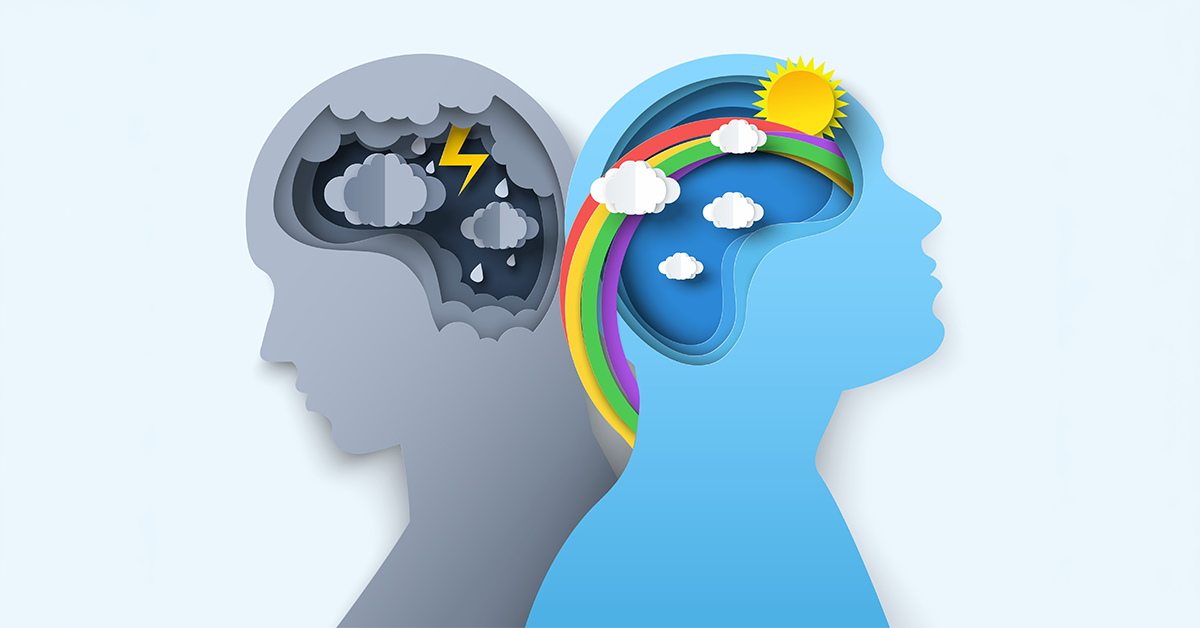
How Negative Thinking Literally Shrinks Your Brain
Facebook-f X-twitter Youtube TL;DRNegative thinking isn’t just a habit. New study shows it may be linked to changes in brain function. Strong negativity bias is associated

Have you or a loved one experienced mental health issues that had an unknown or mysterious cause? Were you prescribed psychiatric medication that addressed some symptoms but aggravated or created others? Or have symptoms not considerably improved with standard treatments?
That’s what happened to Juan, a 22-year-old college student. He had been taking psychiatric medications for more than a decade, but they weren’t working. He was struggling at school, trying to cope with unwanted medication side effects, and dealing with additional mental health problems that had developed.
Why wasn’t Juan getting better?
Drawing on this fascinating case study from Amen Clinics, this blog explores a common culprit that can lead to mental health symptoms as well as brain fog and memory loss. You’ll also learn how this underlying biological factor impacts mental well-being, how to find out if it might be driving your own mental health issues, and how to protect your overall health.
Thousands of SPECT scans at Amen Clinics have shown that immune system issues and infections must be considered when evaluating brain and mental health—especially when mental health symptoms aren’t improving with typical treatments.
Juan had used stimulant medication to control his attention deficit hyperactive disorder (ADHD) since he was only 10 years old. As a child, he’d exhibited classic symptoms. He was easily distracted and had difficulty remaining seated or following instructions.
By the time he entered Amen Clinics as a 22-year-old pre-law college student, additional mental health symptoms were surfacing. Despite a high IQ, he was failing at school, struggling with depression, and experiencing suicidal thoughts for the first time ever.
Ritalin, his ADHD medication, improved his focus, but it also had major drawbacks, making Juan irritable, impatient, moody, and agitated. Even in Juan’s childhood, his mother noted these effects, but his family became resigned to his “grumpy” personality. He also experimented with alcohol abuse as an adolescent but quit when he was exhibiting noticeably aggressive behavior.
By college, he was having trouble sleeping. For his anxiety, now elevated due to his poor grades in school, he received a prescription for Xanax, but the medication caused memory problems.
At Amen Clinics, Juan’s SPECT scan showed overall low activity in his brain at rest, showing a toxic pattern that is unusual in someone so young. But, unlike in those with ADHD, activity improved with concentration. Why did his resting SPECT scan look so abnormal?
After ruling out possibilities like drug and alcohol use, environmental toxins, severe anemia, and a past history of oxygen deprivation (such as from a near drowning or heart attack), clinicians conducted an infectious disease panel.
Results revealed that Juan had been exposed to multiple infections in his past: Lyme, the Epstein Barr virus, Toxoplasma gondii, Mycoplasma pneumoniae, and Human Herpesvirus 6 (HHV-6). Because both Lyme disease and HHV-6 compromise immune system function, Juan became more susceptible to other infections.
Infections that mimic ADHD and infections that mimic depression can send people down a troublesome path. Taking prescription drugs for these mental health issues doesn’t get to the root cause of the symptoms and may lead to other issues.
Ultimately, Juan simply needed to be treated for his infections while building a stronger immune system. After treatments, Juan enjoyed marked improvements in his mood, temper, focus, and grades. He was even able to discontinue his ADHD medication—and successfully received his law degree.
Related: Can Lyme Disease Change Your Personality?
When it comes to possible hidden causes of mental illness, many culprits can contribute. One common correlation—often overlooked—exists between internal infections and mental health. From cancers and HIV/AIDS to allergies and autoimmune diseases, infections can trigger symptoms that mimic ADHD, depression, and more.
To understand the link between immunity, infections, and mental health, it’s important to review the functions of the immune system. This crucial system of the body defends against attackers, both internal and external. Through these attacks, it strengthens to better handle future threats.
External attackers could be bacteria, viruses, or parasites, while internal invaders include cancer cells. In addition to providing defense, the immune system regulates tolerance—for example, how well you handle potential environmental triggers, such as allergens.
Back in 2016, 33 scientists worldwide wrote an editorial in the Journal of Alzheimer’s Disease about how the medical community often overlooks infectious diseases as an underlying cause of cognitive issues. They cited more than 100 studies demonstrating that significant stress or other immune system suppressants can activate dormant viruses in the brain.
The field of psychiatry that studies the link between the immune system and mental health is still in relatively early development, but experts believe it shows promise. According to a 2021 article published in Brain, Behavior, and Immunity Health, scientists have long hypothesized a link between mental states and immune response.
Authors, citing research from 1985, noted that these speculations occurred long before the founding of psychoneuroimmunology, which is the area of research that studies these interactions. They added that in the previous decade, experts were increasingly exploring how to harness the immune system to improve psychiatric patients’ outcomes—an emerging field called immunopsychiatry.
Immune disorders fall into one of five categories, all of which impact your brain health—and therefore your mental health:
Related: What is Mild Cognitive Impairment?
Fortunately, illness does not always follow exposure to infectious diseases. Based on many factors—the strength of your immune system, the level of exposure, your stress levels, and your daily lifestyle habits—you may not get sick when exposed.
Here are some tips to keep your immune system strong:
Related: Is Your Cat Making You Crazy?
In this video, Dr. Eboni Cornish, Amen Clinics’ Functional Medicine Director for its Eastern division, shares the best supplements to promote a healthy immune system.
Click below to tune in:
Thousands of SPECT scans at Amen Clinics have shown that immune system issues and infections must be considered when evaluating brain and mental health. And it’s especially crucial when mental health issues aren’t improving with standard treatments, such as in Juan’s case.
If you want to reduce your risk of developing mental health symptoms, take steps to strengthen your immune system, and limit your risks for and exposures to infectious diseases. Future research will undoubtedly continue to advance our understanding on the relationship between the brain, the immune system, and mental health.
De Picker LJ. The future of immunopsychiatry: Three milestones to clinical innovation. Brain Behav Immun Health. 2021 Jul 30;16:100314. doi: 10.1016/j.bbih.2021.100314. PMID: 34589805; PMCID: PMC8474175.
Tzeng NS, Chang HA, Chung CH, Kao YC, Chang CC, Yeh HW, Chiang WS, Chou YC, Chang SY, Chien WC. Increased Risk of Psychiatric Disorders in Allergic Diseases: A Nationwide, Population-Based, Cohort Study. Front Psychiatry. 2018 Apr 24;9:133. doi: 10.3389/fpsyt.2018.00133. PMID: 29740354; PMCID: PMC5928780.
Itzhaki RF, Lathe R, Balin BJ, Ball MJ, Bearer EL, Braak H, Bullido MJ, Carter C, Clerici M, Cosby SL, Del Tredici K, Field H, Fulop T, Grassi C, Griffin WS, Haas J, Hudson AP, Kamer AR, Kell DB, Licastro F, Letenneur L, Lövheim H, Mancuso R, Miklossy J, Otth C, Palamara AT, Perry G, Preston C, Pretorius E, Strandberg T, Tabet N, Taylor-Robinson SD, Whittum-Hudson JA. Microbes and Alzheimer’s Disease. J Alzheimers Dis. 2016;51(4):979-84. doi: 10.3233/JAD-160152. PMID: 26967229; PMCID: PMC5457904.
Fernando A, Tokell M, Ishak Y, Love J, Klammer M, Koh M. Mental health needs in cancer – a call for change. Future Healthc J. 2023 Jul;10(2):112-116. doi: 10.7861/fhj.2023-0059. PMID: 37786642; PMCID: PMC10540791.
Facebook-f X-twitter Youtube TL;DRNegative thinking isn’t just a habit. New study shows it may be linked to changes in brain function. Strong negativity bias is associated
Facebook-f X-twitter Youtube TL;DRKatie Jolly struggled with mental health challenges for most of her life, often feeling ashamed and without clear answers.Her breakthrough came after

If you’re struggling with focus or feeling more impulsive and restless, it can seem like these symptoms are coming out of the blue. Even if you never had ADHD as a child, you can still experience ADHD symptoms as an adult. But most people aren’t aware of a common hidden issue that can lead to the development of attention problems in adulthood.
What’s the underlying issue? For some people, it’s head trauma. People who have experienced a traumatic brain injury (TBI)—even a mild head injury—are at a significantly higher risk of developing focus and attention problems.
In fact, a 2020 study found that people with a history of TBI are more than twice as likely to develop ADHD symptoms compared to those without head trauma.
Research has found that people with a history of TBI are more than twice as likely to develop ADHD symptoms compared to those without head trauma.
In this blog, you’ll gain insights into post-concussion ADHD symptoms, common signs that ADHD symptoms may be from a past head injury, and brain-based strategies to improve focus and attention.
Head injuries, including mild traumatic brain injuries (mTBI) that don’t cause a concussion and don’t make you lose consciousness, can lead to the onset of attention deficit hyperactivity disorder symptoms. (ADHD was formerly more commonly known as attention deficit disorder (ADD). Today, people often use the terms interchangeably.)
Research shows that people who suffer concussions have significantly higher rates of inattention and impulsivity compared to those with no head trauma.
Unlike childhood ADHD, a neurodevelopmental condition that is present from an early age, ADHD after traumatic brain injury develops later in life as a direct result of brain damage. This distinction is crucial because treatment approaches for TBI-induced attention problems may differ from those for traditional ADHD.
If you’ve experienced head trauma in the past, you may be wondering: Does head trauma lead to attention problems? The answer is yes.
The link between brain injuries and ADHD symptoms is well-documented. Research shows that even mild head injuries can damage areas in the prefrontal cortex of the brain responsible for executive functions like attention, concentration, impulse control, and organization—leading to ADHD-like symptoms in adults.
Here are some examples of ADHD symptoms that may develop after a concussion or TBI:
A 2023 study published in Journal of Neurotrauma found that people with a history of concussions were significantly more likely to experience these executive function impairments later in life, reinforcing the connection between head trauma and ADHD symptoms.
Press Play to Learn About ADHD Symptoms Related to Head Inuries
In this video, social media entrepreneur reveals that he thought he had ADHD until he got a brain SPECT scan at Amen Clinics. Find out about his real diagnosis.
Click to tune in:
One of the biggest challenges in addressing ADHD after traumatic brain injury is that many adults don’t connect their symptoms to a past injury. You may not think that falling off your bike, hitting your head on the steering wheel in a car accident, or repeatedly hitting soccer balls with your head could have lasting consequences. But they can.
Without knowing what to ask or share, it can be difficult for your doctor to see the connection at first. A concussion from years ago may seem unrelated to any current concentration issues, leading to misdiagnosis.
Traditional ADHD diagnostic methods rely on behavioral questionnaires. Most psychiatrists never look at the brain when making a diagnosis. This means that TBI-related ADHD symptoms are often mistaken for lifelong ADHD, anxiety, or even depression.
Another major distinction is that stimulant medications, commonly used to treat ADHD, don’t always work for those with TBI-induced attention problems. Since brain injuries affect blood flow and brain connectivity differently, treatments need to be tailored to the individual.
Related: 9 Frequently Asked Questions About ADD/ADHD
If you’re wondering if ADHD symptoms may be related to past head trauma, here are some key questions to consider:
Brain imaging, particularly SPECT scans, can be a valuable tool in differentiating traditional ADHD from brain injury-related attention problems. Unlike standard brain scans, SPECT imaging shows blood flow and activity levels in different brain regions, revealing hidden injuries that could be causing ADHD-like symptoms.
If you suspect that your focus issues stem from a past head injury, working with a brain specialist who understands the link between brain injuries and ADHD is critical for getting the right diagnosis.
Ignoring ADHD symptoms caused by head trauma can have serious consequences. Studies show that untreated post-concussion ADD is linked to:
While the effects of head trauma can be frustrating, there are ways to support brain health and restore your focus.
Implementing these strategies can help you mitigate mild head injury and focus issues. You can even use some of these to treat head trauma and ADHD symptoms in the long run.
Related: Neurofeedback: Natural ADD Treatment with Outstanding Results
If you suspect your ADHD symptoms are from a head injury, the next step is to seek a thorough brain-focused examination.
Unlike standard ADHD assessments that rely heavily on questionnaires, a comprehensive evaluation including brain SPECT imaging can help reveal hidden injuries. SPECT scans can reveal low cerebral blood flow and activity that may be contributing to other mental issues.
By taking a brain-based approach to ADHD symptoms, you can regain control of your focus, emotions, and brain health.
Amiri S, Esmaeili E, Salehpour F, Mirzaei F, Barzegar H, Mohammad Namdar A, Sadeghi-Bazargani H. Attention Deficit Hyperactivity Disorder (ADHD) in Patients with and without Head Trauma. Open Access Emerg Med. 2020 Nov 17;12:405-410. doi: 10.2147/OAEM.S265883. PMID: 33235528; PMCID: PMC7680102.
Maresca G, Lo Buono V, Anselmo A, Cardile D, Formica C, Latella D, Quartarone A, Corallo F. Traumatic Brain Injury and Related Antisocial Behavioral Outcomes: A Systematic Review. Medicina (Kaunas). 2023 Jul 27;59(8):1377. doi: 10.3390/medicina59081377. PMID: 37629667; PMCID: PMC10456231.
Soule, A. C., Fish, T. J., Thomas, K. G. F., & Schrieff-Brown, L. (2025). Attention training after moderate-to-severe traumatic brain injury in adults: A systematic review. Archives of Physical Medicine and Rehabilitation, 106(3), 433-443. https://doi.org/10.1016/j.apmr.2024.07.010
Hagiescu, S. (2021) The Connection between Traumatic Brain Injury (TBI) and Attention-Deficit/Hyperactivity Disorder, Therapeutic Approaches. Psychology, 12, 1287-1305. doi: 10.4236/psych.2021.128081.
Lennon, M. J., Brooker, H., Creese, B., Thayanandan, T., Rigney, G., Aarsland, D., Hampshire, A., Ballard, C., Corbett, A., & Raymont, V. (2023, June 27). Lifetime traumatic brain injury and cognitive domain deficits in late life: The PROTECT-TBI cohort study. Neurobiology of Disease. https://www.liebertpub.com/doi/10.1089/neu.2022.0360
Amen DG, Easton M. A New Way Forward: How Brain SPECT Imaging Can Improve Outcomes and Transform Mental Health Care Into Brain Health Care. Front Psychiatry. 2021 Dec 10;12:715315. doi: 10.3389/fpsyt.2021.715315. PMID: 34955905; PMCID: PMC8702964.
Valero-Hernandez E, Tremoleda JL, Michael-Titus AT. Omega-3 Fatty Acids and Traumatic Injury in the Adult and Immature Brain. Nutrients. 2024; 16(23):4175. https://doi.org/10.3390/nu16234175
Chin LM, Keyser RE, Dsurney J, Chan L. Improved cognitive performance following aerobic exercise training in people with traumatic brain injury. Arch Phys Med Rehabil. 2015 Apr;96(4):754-9. doi: 10.1016/j.apmr.2014.11.009. Epub 2014 Nov 26. PMID: 25433219; PMCID: PMC4380661.
Newman SD, Grantz JG, Brooks K, Gutierrez A, Kawata K. Association between History of Concussion and Substance Use Is Mediated by Mood Disorders. J Neurotrauma. 2020 Jan 1;37(1):146-151. doi: 10.1089/neu.2019.6550. Epub 2019 Sep 18. PMID: 31359826; PMCID: PMC7364309.
Jorge RE, Arciniegas DB. Mood disorders after TBI. Psychiatr Clin North Am. 2014 Mar;37(1):13-29. doi: 10.1016/j.psc.2013.11.005. Epub 2014 Jan 14. PMID: 24529421; PMCID: PMC3985339.
Iliceto A, Seiler RL, Sarkar K. Repetitive Transcranial Magnetic Stimulation for Treatment of Depression in a Patient With Severe Traumatic Brain Injury. Ochsner J. 2018 Fall;18(3):264-267. doi: 10.31486/toj.17.0075. PMID: 30275792; PMCID: PMC6162118.
Facebook-f X-twitter Youtube TL;DRNegative thinking isn’t just a habit. New study shows it may be linked to changes in brain function. Strong negativity bias is associated
Facebook-f X-twitter Youtube TL;DRKatie Jolly struggled with mental health challenges for most of her life, often feeling ashamed and without clear answers.Her breakthrough came after

As we head deeper into the shorter days and longer nights of fall and winter, it’s the perfect time to focus on the studied benefits of bright light therapy (BLT).
In helping to advance or delay your body’s circadian rhythm (body clock), light therapy has been shown to improve a number of mental health conditions, including seasonal affective disorder (SAD), depression, bipolar disorder, attention deficit hyperactivity disorder (ADHD), insomnia, and dementia.
Exciting new findings also shows that bright light therapy can increase brain volume in areas involved in mood regulation and memory.
In helping to advance or delay your body’s circadian rhythm (body clock), light therapy has been shown to improve a number of mental health conditions, including seasonal affective disorder (SAD), depression, bipolar disorder, ADHD, insomnia, and dementia.
Bright light therapy, also known as light exposure therapy, circadian light therapy, light therapy, and phototherapy, has been a first-line treatment for seasonal affective disorder for several decades.
During a light therapy session, patients sit in front of a special light box positioned 16 to 24 inches away from the face for a set amount of time each day, often in the morning at home. The duration and frequency of the therapy is determined by a medical doctor or mental health professional.
The light therapy mimics natural outdoor light, but without the harmful UV rays. A session may last from 20 to 40 minutes, usually at the optimal intensity of 10,000 lux.
When the light sends signals to the brain, a number of brain chemical responses are triggered that can both uplift mood and help to beneficially impact an individual’s circadian rhythm (the sleep/wake cycle). Studies show only mild side effects (jumpiness, headache, nausea) in some cases.
Seasonal affective disorder (SAD) is a type of depression sometimes called seasonal depression or winter depression because the symptoms most often occur during the fall and winter months when there is less sunlight. While the cause of SAD is not entirely clear, researchers believe that the reduced sunlight in fall and winter may trigger winter-onset SAD.
SAD is typically associated with depressive symptoms—feeling sad, losing interest or pleasure in activities once enjoyed, appetite changes, fatigue, feeling low self-esteem, trouble concentrating and making decisions, and even suicidal thoughts. In addition, weight gain is common with SAD due to increased cravings for carbohydrates and an increase in sleep. Symptoms last typically 40% of the year.
In roughly 10% of those with SAD, the disorder has the opposite seasonal pattern, occurring in the spring and summer months and going away during the fall and winter months. These individuals usually have a loss of appetite and sleep. In some people with bipolar disorder, spring and summer can bring on symptoms of mania or a less intense form of mania (hypomania), and fall and winter can be a time of depression.
A 2020 study estimates that SAD affects .5 to 2.4% of the population. It is more prevalent among younger people, women, and individuals in northern climates.
The exact cause of SAD is not clear. It is a complex disorder resulting from a combination of factors. The decrease in sunlight may disrupt your body’s internal clock and lead to feelings of depression. A drop of serotonin levels also may factor in. Reduced sunlight can cause a drop in serotonin, which can trigger depressive symptoms. The seasonal change can also disrupt the body’s melatonin levels, which can impact sleep patterns and mood. Additional contributing mechanisms may include retinal sensitivity to light, neurotransmitter dysfunction, and genetic variations affecting circadian rhythms.
The great news for those experiencing SAD is that consistent use of bright light therapy is an effective treatment. One study examining SAD patients who underwent BLT found immediate improvement in mood in as little as 20 minutes, and greater improvement with 40 minutes of exposure.
Another BLT study showed remission of SAD symptoms and an “antidepressant effect” over placebo after 3 weeks of regular light therapy treatments. A longer study that tracked SAD patients undergoing BLT for short-term (2-8 weeks) and long-term (fall and winter months for 3-6 years) treatment found that “light therapy yields about 75% clinical remissions” and was as effective as an antidepressant.
Compelling research in a 2023 issue of Translational Psychiatry found that just four weeks of bright light therapy increased brain volume in an area associated with mood regulation and memory. The study involved 24 adults diagnosed with either major depression or bipolar disorder.
In the group that received bright light therapy, there were significant increases in the left hippocampal dentate gyrus as well as marked improvements in depressive symptoms.
In recent years, bright light therapy has shown benefits for a number of additional mental health conditions—all of which are in some way impacted by disruption to a patient’s circadian rhythm.
Altered sleep patterns and disrupted circadian rhythms play a role in both bipolar disorder and depressive disorder. A 2020 meta-analysis was performed evaluating 12 bright light therapy studies involving 847 patients with bipolar disorder. The results showed that BLT significantly reduced the severity of bipolar depression.
An extensive review in Neuropsychobiology examined studies on bright light therapy for the treatment of mood disorders. It found substantial evidence for BLT efficacy in the treatment of chronic depression, antepartum depression, premenstrual depression, bipolar depression, and disturbances of the sleep-wake cycle. While more studies are recommended, this research is very promising.
New research from the Netherlands has noted delayed circadian rhythms in individuals with ADHD. In fact, this study estimates a whopping 73–78% of children and adults with ADHD have the issue, which means they are night owls and don’t get sleepy or tired enough to fall asleep until 2 or 3 a.m. Hence, getting a good night’s sleep is an integral part of ADHD treatment.
Light therapy was used to treat ADHD in a 2006 pilot study. The study found the shift toward an earlier circadian preference with BLT was the strongest predictor of improvement on both subjective and objective ADHD measures. Similar findings were found in a more recent study in the Journal of Psychiatric Research. These results are promising for further investigation in larger studies.
The Sleep Foundation touts light therapy as helpful to those who suffer from insomnia, especially sleeplessness that is linked to circadian rhythm sleep disorders. A 2016 review study on light therapy and sleep problems surveyed 53 studies with a total of 1,154 participants. It concluded that “light therapy is effective for sleep problems in general, particularly for circadian outcomes and insomnia symptoms.”
One of the main symptoms of dementia after impaired cognition is that of sleep disturbances. The most problematic sleep disturbances are found in Alzheimer’s disease. While more research is needed, a small 2016 study in Psychogeriatrics using bright light therapy showed improvement of sleep disturbances in patients with mild to moderate Alzheimer’s disease.
Despite the wealth of research showing its efficacy, this simple, non-drug therapy remains underutilized, according to a recent study. Hopefully with education and increased awareness, many more people struggling with seasonal affective disorder and other mental health issues can be helped by bright light therapy.
Terman, M, and J S Terman. “Bright light therapy: side effects and benefits across the symptom spectrum.” The Journal of Clinical Psychiatry vol. 60,11 (1999): 799-808; quiz 809. https://pubmed.ncbi.nlm.nih.gov/10584776/
Hirakawa, H., Terao, T., Hatano, K. et al. Increased volume of the left hippocampal dentate gyrus after 4 weeks of bright light exposure in patients with mood disorders: a randomized controlled study. Transl Psychiatry 13, 394 (2023). https://doi.org/10.1038/s41398-023-02688-9
Galima SV, et al. Seasonal Affective Disorder: Common Questions and Answers, Am Fam Physician. 2020;102(11):668-672. https://www.aafp.org/pubs/afp/issues/2020/1201/p668.html#afp20201201p668-b8
Virk, Gagan et al. “Short exposure to light treatment improves depression scores in patients with seasonal affective disorder: A brief report.” International journal on disability and human development : IJDHD vol. 8,3 (2009): 283-286. doi:10.1901/jaba.2009.8-283
Eastman, C I et al. “Bright light treatment of winter depression: a placebo-controlled trial.” Archives of general psychiatry vol. 55,10 (1998): 883-9. doi:10.1001/archpsyc.55.10.883
Gallin PF, et al. Ophthalmologic Examination of Patients With Seasonal Affective Disorder, Before and After Bright Light Therapy, American Journal of Ophthalmology, Volume 119, Issue 2, February 1995, Pages 202-210. https://doi.org/10.1016/S0002-9394(14)73874-7
Wang S, et al. Bright light therapy in the treatment of patients with bipolar disorder: A systematic review and meta-analysis. Plos One, May 21, 2020. https://doi.org/10.1371/journal.pone.0232798
Pail G, et al. Bright-Light Therapy in the Treatment of Mood Disorders. Neuropsychobiology (2011) 64 (3): 152–162. https://doi.org/10.1159/000328950
Bijlenga, Denise et al. “The role of the circadian system in the etiology and pathophysiology of ADHD: time to redefine ADHD?.” Attention deficit and hyperactivity disorders vol. 11,1 (2019): 5-19. doi:10.1007/s12402-018-0271-z
Rybak, Y. E., McNeely, H. E., Mackenzie, B. E., Jain, U. R., & Levitan, R. D. (2006). An open trial of light therapy in adult attention-deficit/hyperactivity disorder. The Journal of Clinical Psychiatry, 67(10), 1527–1535. https://doi.org/10.4088/JCP.v67n1006
Fargason, Rachel E et al. “Correcting delayed circadian phase with bright light therapy predicts improvement in ADHD symptoms: A pilot study.” Journal of psychiatric research vol. 91 (2017): 105-110. doi:10.1016/j.jpsychires.2017.03.004
van Maanen, Annette et al. “The effects of light therapy on sleep problems: A systematic review and meta-analysis.” Sleep medicine reviews vol. 29 (2016): 52-62. doi:10.1016/j.smrv.2015.08.009
Sekiguchi, Hirotaka et al. “Bright light therapy for sleep disturbance in dementia is most effective for mild to moderate Alzheimer’s type dementia: a case series.” Psychogeriatrics : the official journal of the Japanese Psychogeriatric Society vol. 17,5 (2017): 275-281. doi:10.1111/psyg.12233
Oldham MA, et al. Commercially Available Phototherapy Devices for Treatment of Depression: Physical Characteristics of Emitted Light. Psychiatric Research and Clinical Practice
Volume 1, Number 2, Published Online: 3 October 2019. https://doi.org/10.1176/appi.prcp.2019.20180011
Facebook-f X-twitter Youtube TL;DRNegative thinking isn’t just a habit. New study shows it may be linked to changes in brain function. Strong negativity bias is associated
Facebook-f X-twitter Youtube TL;DRKatie Jolly struggled with mental health challenges for most of her life, often feeling ashamed and without clear answers.Her breakthrough came after

Mental health treatment is a deeply personal journey, and everyone’s path to healing is unique. However, there’s nothing more frustrating than committing time, energy, and money to therapy, medication, or other treatments only to feel stuck.
Unfortunately, due to misdiagnosis, cookie-cutter treatments, or a failure to identify the root causes of mental health symptoms, many people don’t get the results they want from traditional mental health care. Just look at the results of one study indicating that antidepressants don’t work for over half of depressed people.
Whether you’ve been attending therapy or taking psychiatric medication for months (or years), or you’re new to your mental health treatment, it may not be doing enough for you. Fortunately, there is something you can do about it.
Recognizing when traditional mental health treatment isn’t working can be the first step to a better treatment experience.
Here are 10 signs that your treatment may not be meeting your needs and what you can do to course-correct to achieve your personal mental health goals.
Recognizing when traditional mental health treatment isn’t working can be the first step to a better treatment experience.
One of the clearest signs that your mental health treatment isn’t working is the lack of improvement in your symptoms. Whether you’re managing clinical depression, anxiety disorders, post-traumatic stress disorder (PTSD), or another condition, effective treatment should lead to measurable progress over time.
According to statistics from the National Library of Medicine, up to 50% of people with depression do not respond to their initial treatment plan. If you feel like you’re running in place, it’s time to discuss alternative options with your provider.
It’s not uncommon to experience emotional discomfort when diving into tough topics during therapy, but constantly feeling worse without relief could signal a deeper problem. A 2023 study found that treatment-resistant mental health issues often worsen without appropriate adjustments.
So, if your symptoms are intensifying, it’s crucial to reevaluate your approach with your mental health professional.
Clear and comfortable communication provides therapeutic rapport that plays a significant role in a successful mental health treatment plan. If you don’t feel heard, understood, or respected by your therapist, it can hinder your progress.
Research from Frontiers in Psychiatry Journal shows that a strong therapist-client alliance can be a powerful predictor of therapeutic success, impacting nearly 8% of success in therapy. If this connection is missing, consider seeking a different provider to ensure you’re giving yourself the best chance for treatment.
A cookie-cutter approach to mental health treatment often fails to address the specific needs of an individual. For example, stimulant medication for ADHD may be highly effective for one person, but could make another person’s symptoms worse.
Personalized treatment plans often allow space for better outcomes. If your current plan doesn’t feel tailored to you, discuss customized options with your provider.
While medication can be a lifeline for many, the wrong prescription or dosage can lead to side effects that worsen your quality of life. According to a 2023 report by the JAMA Network Research Journal, about 25% of people experience adverse effects from antidepressants that cause them to discontinue treatment within the first month and 68% within three months.
If you have questions or feel your medication isn’t improving your mental health and creating additional challenges, it’s essential to work with your doctor to find a better solution.
Effective mental health treatment should equip you with tools and strategies to manage stress, triggers, and symptoms. If you’re not gaining actionable coping skills, you might not be receiving the full benefit of therapy.
You can feel more empowered to support your own brain health alongside your choice of therapy by incorporating practical strategies that have been proven to work like:
If your sessions lack this focus, it’s worth discussing with your therapist and your doctor.
If you find yourself dreading therapy sessions or avoiding assigned homework, it could be a sign that your current approach isn’t resonating with you. A 2019 article by the American Psychological Association found that client engagement is a critical predictor of success and continued attendance in mental health treatment.
If your treatment feels like a chore, consider exploring alternative therapies that align better with your needs.
A clear roadmap is vital for effective mental health treatment. Goal setting has been shown to help young people with anxiety or depression by improving communication, building trust, and making their care feel more manageable.
If you haven’t set specific goals with your provider or feel like you’re not making progress toward them, it’s a red flag. Measurable progress is a key indicator of treatment success. If your sessions feel aimless, request a structured plan with clear milestones.
Some therapy models focus on immediate symptom relief without digging into the underlying causes. While short-term relief is important, ignoring the root cause can lead to recurring problems and disengagement when things don’t work out.
Comprehensive mental health treatment should address both immediate symptoms and long-term factors like trauma or lifestyle. If your sessions lack depth, it may be time to switch approaches.
Mental health treatment often works best when it’s multifaceted. For instance, combining therapy with lifestyle changes, medication, or brain-healthy habits can amplify results.
Decades of research and clinical practice at Amen Clinics underscores the value of integrating brain health practices like proper nutrition, exercise, and mindfulness into treatment plans. If your current approach feels one-dimensional, consider supplementing it with additional strategies.
If any of the above signs resonate with you, it’s time to act. Here’s how you can advocate for better mental health therapy outcomes starting now:
Identifying when your mental health treatment isn’t working can feel discouraging, but think of it as an opportunity for growth and positive change. By recognizing the signs and taking proactive steps, you can find a treatment plan that truly supports your overall wellness. Mental health is a journey, not a destination—and the right support can make all the difference.
Wiles, Nicola et al. “Clinical effectiveness and cost-effectiveness of cognitive behavioural therapy as an adjunct to pharmacotherapy for treatment-resistant depression in primary care: the CoBalT randomised controlled trial.” Health technology assessment (Winchester, England) vol. 18,31 (2014): 1-167, vii-viii. doi:10.3310/hta18310
Chand SP, Arif H. Depression. (Updated 2023 Jul 17). In: StatPearls [Internet]. Treasure Island (FL): StatPearls Publishing; 2025 Jan. www.ncbi.nlm.nih.gov/books/NBK430847/
McIntyre RS, Alsuwaidan M, Baune BT, Berk M, Demyttenaere K, Goldberg JF, Gorwood P, Ho R, Kasper S, Kennedy SH, Ly-Uson J, Mansur RB, McAllister-Williams RH, Murrough JW, Nemeroff CB, Nierenberg AA, Rosenblat JD, Sanacora G, Schatzberg AF, Shelton R, Stahl SM, Trivedi MH, Vieta E, Vinberg M, Williams N, Young AH, Maj M. Treatment-resistant depression: definition, prevalence, detection, management, and investigational interventions. World Psychiatry. 2023 Oct;22(3):394-412. doi: 10.1002/wps.21120. PMID: 37713549; PMCID: PMC10503923.
Golder S, Medaglio D, O’Connor K, Hennessy S, Gross R, Gonzalez Hernandez G. Reasons for Discontinuation or Change of Selective Serotonin Reuptake Inhibitors in Online Drug Reviews. JAMA Netw Open.2023;6(7):e2323746. doi:10.1001/jamanetworkopen.2023.23746
Fung TKH, Lau BWM, Ngai SPC, Tsang HWH. Therapeutic Effect and Mechanisms of Essential Oils in Mood Disorders: Interaction between the Nervous and Respiratory Systems. Int J Mol Sci. 2021 May 3;22(9):4844. doi: 10.3390/ijms22094844. PMID: 34063646; PMCID: PMC8125361.
DeAngelis, T. (2019, November 1). Better relationships with patients lead to better outcomes. Monitor on Psychology, 50(10). https://www.apa.org/monitor/2019/11/ce-corner-relationships
Jacob, J., Stankovic, M., Spuerck, I. et al. Goal setting with young people for anxiety and depression: What works for whom in therapeutic relationships? A literature review and insight analysis. BMC Psychol 10, 171 (2022). https://doi.org/10.1186/s40359-022-00879-5https://bmcpsychology.biomedcentral.com/articles/10.1186/s40359-022-00879-5
Beauvais, D., McCarthy, E., Norman, S., & Hamblen, J. L. (n.d.). Eye Movement Desensitization and Reprocessing (EMDR) for PTSD. www.ptsd.va.gov/professional/treat/txessentials/emdr_pro.asp
Facebook-f X-twitter Youtube TL;DRNegative thinking isn’t just a habit. New study shows it may be linked to changes in brain function. Strong negativity bias is associated
Facebook-f X-twitter Youtube TL;DRKatie Jolly struggled with mental health challenges for most of her life, often feeling ashamed and without clear answers.Her breakthrough came after

Persistent, overwhelming fatigue, cloudy thinking, shortness of breath, body aches and pain—these troubling symptoms are the telltale signs of long COVID.
Yet, for an individual who has previously had a Lyme disease infection, the symptoms may be indicative of COVID-induced Lyme flare-ups—as long COVID symptoms and Lyme disease look alike. Or for someone who at some point in the past experienced an Epstein-Barr virus (EBV) infection or chronic fatigue syndrome (CFS), the symptoms may be a result of chronic illness triggers after COVID.
Indeed, nearly five years after the COVID-19 virus arrived in the U.S., scientists are still making discoveries about the long COVID immune response—and, specifically, COVID and immune system reactivation.
Here’s what you need to know how COVID impacts chronic illnesses and Lyme disease relapse after COVID.
A compromised long COVID immune response could leave an opportunity for previously dormant viral or bacterial infections to re-emerge.
Long COVID – also known as post-COVID condition – is a syndrome that occurs in individuals with a history of likely or confirmed SARS CoV-2 infection, usually about three months from the onset of COVID-19.
Long COVID comes with an array of symptoms that last for at least two months and cannot be explained by an alternative diagnosis to be considered long COVID. The most common symptoms may include any of the following:
These symptoms often have an impact on everyday functioning. Symptoms may appear for the first time following initial recovery from an acute COVID-19 episode, or they can persist from the time of the initial illness. Additionally, they may vary or relapse over time.
One of the most recent scientific surveys of nearly 30,000 participants revealed that about 8% of U.S. adults reported having ever had long COVID. Just under 4% of U.S. adults reported currently having the condition or currently having activity-limiting long COVID.
Of course, the SARS CoV-2 infection is the original initiator of long COVID, but more research is needed to fully understand what transpires at the cellular and molecular levels that brings about long COVID health complications and symptomology.
Scientists see long COVID more as an umbrella term because it appears there are likely multiple mechanisms that lead to its development and these conditions are not mutually exclusive—and may even coexist.
According to 2023 research, the leading theories about what drives long COVID include damage/alteration to the immune system, the persistence of residual COVID viral components that lead to chronic inflammation, endothelial (lining of blood vessels) dysfunction or activation, reactivation of pre-existing chronic infections, microflora imbalances in the gut, and unrepaired tissue damage.
Here’s a closer look at a few of them.
Viral persistence is characterized by ongoing shedding of SARS-CoV-2 after the acute infection has run its course. These persistent infections from long COVID shedding may fly under the radar, but their subclinical viral presence is thought to continuously aggravate the immune system – which, in turn, may trigger chronic inflammation.
Indeed, persistent COVID viral RNA was found in the feces of a group of individuals months after clearing the initial infection, according to one study reported by researchers at the Yale School of Medicine. These individuals also reported experiencing residual GI symptoms months after being diagnosed with COVID.
If long COVID develops due to subclinical levels of the virus persisting in the body, that would make the condition similar to other infection-associated chronic conditions (also called post-acute infection syndrome) such as CFS, Lyme disease, EBV, or herpes zoster (shingles) that develop after the acute infection has passed.
Because COVID can cause immune system dysfunction, scientists sought to explore an important question: Can COVID reactivate infections? After all, a compromised long COVID immune response could leave an opportunity for previously dormant viral or bacterial infections to re-emerge—especially the IACC’s just mentioned.
There’s a likely connection between COVID and immune system reactivation, evidence suggests. EBV, which causes mononucleosis and other illnesses, appears to be reactivated in some long COVID patients. Indeed, research shows that an increase of EBV antibody levels are present in some individuals with continuing long COVID symptoms.
Additionally, research has found many overlaps between long COVID symptomatology with clinical presentation of chronic fatigue syndrome. Twenty-five out of 29 known chronic fatigue symptoms were noted in one COVID study. However, it is still not exactly clear how COVID impacts chronic illnesses.
SARS-CoV-2 infection may trigger autoimmune disease. Some patients with long COVID have elevated levels of autoantibodies (malfunctioning immune cells), which are thought to play a role in autoimmune disorders such as rheumatoid arthritis, lupus, or Sjögren’s syndrome, Yale Medicine reports.
Antibodies help to protect against foreign invaders, such as bacteria and viruses. However, autoantibodies can attack the body’s own cells, leading to inflammation and tissue injury.
In some patients with long COVID, antinuclear autoantibodies have been observed up to one year after acute infection. They can target parts of cell nuclei, which may promote inflammation and damage organ systems.
For instance, in the inner lining of blood vessels (the endothelium), these antinuclear autoantibodies can create a hyper-inflammatory state or alterations to blood cells that can lead to inappropriate clotting.
Inflammation, or recruiting white blood cells and the release of cytokines that initiate tissue swelling and injury, may also underlie some types of long COVID. The acute phase of COVID infection alters tissue function and unleashes a chronic inflammatory state in cells, specifically cells in the brain that are longer-lived. Inflammation is one of the major chronic illness triggers after COVID.
All of the theories noted above may possibly contribute to the sustained inflammation seen in long COVID cases.
Lyme disease is a bacterial infection that develops after a person is bit by a tick carrying the infection-causing bacterium, Borrelia burgdorferi. In rare cases, Lyme can develop from another tick-carrying bacterium called Borrelia mayonii.
While cases of Lyme have been reported in all 50 sates in the U.S., the vast majority of Lyme disease is found in the Northeast, mid-Atlantic, and upper-Midwest.
When Lyme disease infection first occurs, the most common symptom is an erythema migrans rash. It appears like a red circle with a bullseye on the skin. Research has found about 70-80% of cases have this rash, which appears at the site of the tick bite.
Over time, other symptoms of Lyme disease may appear. However, some people may not notice any symptoms initially. The CDC notes that any of the following early symptoms of Lyme disease typically appear three to 30 days after the tick bite:
Days or even months after the tick bit, these later symptoms may appear:
Lyme disease may also trigger symptoms related to mental health conditions, such as:
And similar to long COVID, some Lyme patients continue to have ongoing symptoms, which can be severe and debilitating. The CDC calls this phenomenon post-treatment Lyme disease syndrome (PTLD), also known as chronic Lyme disease.
Many researchers and clinicians believe that the persistence of bacteria is the cause of these lingering symptoms. The antigen that triggers the inflammatory responses in chronic Lyme symptoms is found on the outer layer of the bacterial cell wall.
Pieces of these bacterial cell walls can linger in the body—undetected in the neurons or spinal cord, even post infection. This may contribute to the prolonged inflammation that leads to chronic illness.
According to a recent 2024 study in the Journal of Infectious Diseases, prevalence of PTLD varies from 0% to 48%, depending on how chronic Lyme disease is measured and defined. Some advocacy groups settle on a prevalence rate of 30%.
COVID symptoms and Lyme disease share similar symptoms, but that’s not all. In a 2022 study, researchers found that chronic Lyme and COVID-19 are linked as having a history of Lyme disease correlated to increased risk of severe COVID-19.
In fact, long COVID and Lyme disease have so many overlapping similar features, research has been conducted to find biomarkers that differentiate between the two conditions.
Unfortunately, without clear biomarkers, the lack of differences between them impedes scientific research, according to some experts. A potential participant in a trial might be sick from long COVID, Lyme, or another infection-associated chronic condition.
At Amen Clinics, brain SPECT imaging and lab work play important roles in helping determine the underlying root cause of symptoms.
At this point, there are currently no FDA-approved treatments for chronic Lyme, or full-scale clinical therapy trials, which is very common among chronic conditions. But there’s hope that with the prevalence of long COVID, new research will reveal therapies that may help treat all of these similar chronic conditions, such as COVID, Lyme, EBV, CFS, and the herpes zoster.
Until an effective treatment is found, post-COVID Lyme symptoms can be managed through lifestyle changes. (Of course, an acute Lyme infection requires antibiotics.) Here’s what you can do for chronic Lyme and long COVID symptoms:
Vhratian A, et al. Prevalence of Post–COVID-19 Condition and Activity-Limiting Post–COVID-19 Condition Among Adults. JAMA Netw Open. 2024;7(12):e2451151.
Liu Y, et al. Mechanisms of long COVID: An updated review. Chin Med J Pulm Crit Care Med. 2023 Dec 6;1(4):231-240.
Yale Medicine Website, https://www.yalemedicine.org/news/the-long-covid-puzzle-autoimmunity-inflammation-and-other-possible-causes. Accessed December 21, 2025
Snair M, Liao J, Ashby E, et al., editors. Toward a Common Research Agenda in Infection-Associated Chronic Illnesses: Proceedings of a Workshop. Washington (DC): National Academies Press (US); 2024 Apr 3. 2, Overview of Infection-Associated Chronic Illnesses.
Peluso, MJ, et al. Chronic viral coinfections differentially affect the likelihood of developing long COVID. J Clin Invest. 2023;133(3):e163669
Qanneta R. Long COVID-19 and myalgic encephalomyelitis/chronic fatigue syndrome: Similarities and differences of two peas in a pod. Reumatol Clin. 2022 Dec;18(10):626-628.
Yale Medicine Website, https://www.yalemedicine.org/news/the-long-covid-puzzle-autoimmunity-inflammation-and-other-possible-causes. Accessed December 20, 2025
Skar GL, et al. In: StatPearls [Internet]. Treasure Island (FL): StatPearls Publishing; 2024 Jan-. Available from: https://www.ncbi.nlm.nih.gov/books/NBK431066/
Marques A. Persistent Symptoms After Treatment of Lyme Disease. Infect Dis Clin North Am. 2022 Sep;36(3):621-638.
Szewezky-Dabrowski A, et al. Correlation between COVID-19 severity and previous exposure of patients to Borrelia spp. Sci Rep. 2022 Sep 24;12(1):15944.
Patterson BK, et al. Long COVID diagnostic with differentiation from chronic Lyme disease using machine learning and cytokine hubs. Sci Rep. 2024 Aug 26;14(1):19743.
Facebook-f X-twitter Youtube TL;DRNegative thinking isn’t just a habit. New study shows it may be linked to changes in brain function. Strong negativity bias is associated
Facebook-f X-twitter Youtube TL;DRKatie Jolly struggled with mental health challenges for most of her life, often feeling ashamed and without clear answers.Her breakthrough came after
Rejection hurts. Whether it’s getting turned down by a potential love interest, being criticized by your boss, or getting picked last for your company softball team, getting rejected sucks. Most of us are able to shake it off and move on with our lives. For some people, however, being rebuffed—or simply perceiving rejection—can trigger severe emotional reactions. This is called rejection sensitive dysphoria (RSD).
For some people, however, being rebuffed—or simply perceiving rejection—can trigger severe emotional reactions. This is called rejection sensitive dysphoria (RSD).
Rejection sensitive dysphoria is a form of emotional dysregulation. Although it is not classified as a mental disorder, it can be highly disruptive in daily life.
People with rejection sensitive dysphoria experience an overwhelming emotional response to real or perceived rejection, criticism, judgment, or being left out. They may lash out in anger, dwell on negative thoughts, feel hopeless, think they’re a failure, or feel their self-esteem plummet.
Their moods may drop so rapidly and dramatically, it can feel like major depression and can lead to suicidal thoughts and behavior.
As a result of these intensely distressing feelings, people with RSD tend to avoid social situations, become perfectionists, develop an extreme fear of failure, and adopt people-pleasing attitudes.
Because the symptoms and consequences associated with rejection sensitivity are similar to those seen in many other mental health conditions, it is often overlooked or misdiagnosed.
RSD is real, and it can affect anyone, but it is more commonly seen in people who have one or more of the following three mental health conditions:
According to the American Psychiatric Association’s 2024 mental health poll, 43% of Americans reported feeling more anxious than the year before. Some of the top anxiety-inducing issues reported in 2024 were the economy, the presidential elections, and gun violence.
ADHD is a brain-based disorder that is associated with an array of behavioral and emotional symptoms, including short attention span, distractibility, poor impulse control, irritability, being easily stressed, and a sense of insecurity. Having ADD tends to amplify emotions, including those related to rejection.
Combined with heightened sensory reactions, this adds up to extreme hypersensitivity to criticism. Emerging research suggests that people with autism may experience greater rejection-induced social pain, which can then lead to psychological distress.
Other research has found that people who are highly sensitive to rejection are at increased risk of depression, borderline personality disorder, and body dysmorphic disorder.
According to brain-imaging research in Social Neuroscience, people with higher levels of rejection sensitivity experience activation in specific regions of the brain when looking at faces displaying disapproval.
At Amen Clinics, which has built the world’s largest database of functional brain scans related to behavior, people who are hypersensitive to rejection tend to have overactivity in certain regions of the brain. Single photon emission computed tomography (SPECT) scans performed at Amen Clinics show that these areas include:
Too much activity in the basal ganglia is associated with heightened anxiety. When there is hyperactivity in the ACG, it is linked to getting stuck on negative thoughts and worries, like “I’m going to say the wrong thing, and everybody will laugh at me.”
How can you tell if you have RSD? Only a professional who performs a comprehensive examination including functional brain imaging and lab tests to help identify possible root causes for your symptoms can give an accurate diagnosis.
However, if you recognize yourself in the following traits, it’s worth investigating RSD further with an integrative neuropsychiatrist.
If you’re struggling with rejection sensitivity, here are 5 strategies that can help.
Learn to kill the ANTs (automatic negative thoughts) that make you feel rejected. Ask yourself if your thoughts are really true and talk back to them. This is especially true if you have suicidal thoughts. Many people have thoughts of taking their own life, but they don’t act on them.
One study found that over half of all college students had suicidal thoughts during their lifetime. Suicide is a permanent solution to a temporary feeling. And if you hurt yourself, you’re teaching your kids that this is how grown-ups solve problems.
American Psychiatric Association. American Adults Express Increasing Anxiousness in Annual Poll; Stress and Sleep are Key Factors Impacting Mental Health. May 1, 2024. https://www.psychiatry.org/news-room/news-releases/annual-poll-adults-express-increasing-anxiousness
Ginapp, Callie M et al. “”Dysregulated not deficit”: A qualitative study on symptomatology of ADHD in young adults.” PloS one vol. 18,10 e0292721. 12 Oct. 2023, doi:10.1371/journal.pone.0292721
Lin, Xinxin et al. “Autistic traits heighten sensitivity to rejection-induced social pain.” Annals of the New York Academy of Sciences vol. 1517,1 (2022): 286-299. doi:10.1111/nyas.14880
Gao S et al. Associations between rejection sensitivity and mental health outcomes: A meta-analytic review. Clinical Psychology Review, Volume 57, November 2017, Pages 59-74. https://doi.org/10.1016/j.cpr.2017.08.007
Burklund, L. J., Eisenberger, N. I., & Lieberman, M. D. (2007). The face of rejection: Rejection sensitivity moderates dorsal anterior cingulate activity to disapproving facial expressions. Social Neuroscience, 2(3–4), 238–253. https://doi.org/10.1080/17470910701391711
ABC News. More Than 50% of College Students Felt Suicidal. November 5, 2008. https://abcnews.go.com/Health/DepressionNews/50-college-students-felt-suicidal/story?id=5603837
Facebook-f X-twitter Youtube TL;DRNegative thinking isn’t just a habit. New study shows it may be linked to changes in brain function. Strong negativity bias is associated
Facebook-f X-twitter Youtube TL;DRKatie Jolly struggled with mental health challenges for most of her life, often feeling ashamed and without clear answers.Her breakthrough came after

Did you know that there is more than one type of attention-deficit/hyperactivity disorder (ADHD), also known as attention-deficit disorder (ADD)? In fact, over 30 years of brain-imaging work at Amen Clinics—over 250,000 SPECT scans—show that there are 7 types of ADD/ADHD.
One of the most recently identified types is called anxious ADD/ADHD. Think of it as anxiety and inattention combined. Why is it so important to know if you have this type? One of the reasons is because standard treatments, such as taking stimulant medications alone, may make anxiety worse in these individuals.
The brain-imaging work using SPECT scans at Amen Clinics shows that there are 7 types of ADD/ADHD and each has a unique set of symptoms that requires a customized treatment plan.
In part 7 of this 7-part blog series, you’ll learn more about anxious ADD, its signs and symptoms, what SPECT scans show about this type, and science-backed strategies to reduce symptoms.
ADHD, or ADD, is a neuropsychiatric disorder that is characterized by problems with focus, impulse control, and hyperactivity (in some cases). Commonly diagnosed in childhood, ADD/ADHD may persist throughout adulthood.
Some people may have signs and symptoms of ADHD but go undiagnosed as children. These individuals may struggle with symptoms for years or even decades before finally getting diagnosed with adult ADHD.
Among patients at Amen Clinics, anxious ADD/ADHD is becoming more prevalent. Unlike the other types of the condition, people with this type typically don’t seek excitement and conflict.
In fact, it’s more common for these individuals to avoid situations that cause stress or conflict.
People who have anxious ADD/ADHD often latch onto the worst possible outcome and fixate on it. Those with this ADD/ADHD type frequently freeze in situations that trigger anxiety, such as taking a test or giving a big presentation.
How does anxious ADD/ADHD differ from anxiety disorders? In general, anxiety disorders tend to fluctuate over time, while anxious ADHD symptoms typically remain constant.
Core symptoms of ADHD that are seen in all 7 types of the condition include:
People may have some or all of these symptoms, which can range from mild to severe.
In addition to the common symptoms listed above, the signs and symptoms of anxious ADHD include:
As with the core symptoms, these can vary in terms of severity.
At rest and concentration there’s increased activity in the basal ganglia. With concentration, there is decreased activity in the prefrontal cortex and cerebellum.
As with most of the 7 ADD/ADHD types, this type is associated with abnormal brain function. During concentration, blood flow to the brain decreases, which lowers the ability to focus or pay attention.
On SPECT scans of people with anxious ADD/ADHD, blood flow decreases are seen in the prefrontal cortex and the cerebellum. Reduced blood flow in these areas is associated with difficulties with planning, focus, organization, impulse control, empathy, and judgment.
What’s unique about brain activity in these individuals is that there is also increased activity in an area called the basal ganglia. This uptick in brain activity is seen at rest and during concentration.
In the images below, red and white represent the highest levels of activity, while blue indicates average activity. In the anxious ADD/ADHD SPECT scan, there is overactivity in the basal ganglia.
Stimulant medications aren’t the only way to treat ADD/ADHD. There are also many natural ways to help ADD/ADHD. Science-backed strategies include:
The main treatment goal for this type is to promote relaxation. There are a variety of relaxation methods, including: meditating, diaphragmatic breathing and listening to calming music. Find relaxation techniques that work for you and use it whenever you feel stressed.
Nutritional supplements such as GABA, L-theanine, and magnesium can produce a sense of calm and relaxation. Multivitamin/mineral supplements and omega-3 fatty acids can improve focus and mental energy.
Your diet is another aspect that can help you control the anxious symptoms associated with this ADD type. Individuals with anxious ADD/ADHD should eat a lower-carbohydrate, higher-protein diet. Cutting out artificial sweeteners and MSG can also support healthy dopamine and GABA levels.
Laughing reduces stress and increases the release of endorphins in the brain. Laughter truly is the best medicine and can work wonders in relieving anxiety.
People with this type tend to avoid conflict, but it’s an absolute must to let friends and family know when you’re emotionally overwhelmed. If necessary, seek help from a mental health professional.
Having this type may increase the likelihood of saying yes to every request you get without thinking about the ramifications. You may agree to participate in projects to avoid seeming disagreeable, but it can end up making you feel overloaded. Learning how to say no is a skill you need to develop. Whenever someone asks you to do something, make it a habit to say, “Let me think about it.” This will give you time to decide if it’s something that is worth your time and effort.
Having anxious ADD/ADHD requires personalized solutions. For example, taking stimulant medications alone may improve focus and attention, but it can also exacerbate symptoms of anxiousness. To find the most effective treatment plan for your needs, it’s important to know two things:
To identify your type of ADHD, consider getting a brain SPECT scan. The blood flow and activity patterns in the brain can be very helpful in determining your type. Without looking at the brain, psychiatrists and other physicians can only guess if you have ADD/ADHD and which type you might have.
Want more information? Download Amen Clinics’ free Getting to Know the 7 ADD Types eBook.
Villatro AP, et al. Parental Recognition of Preadolescent Mental Health Problems: Does Stigma Matter? Soc Sci Med. 2018 Sep 22;216:88–96.
National Alliance of Mental Illness website
Accessed January 24, 2025
U.S. Centers for Disease Control and Prevention website
Accessed January 24, 2025
U.S. Centers for Disease Control and Prevention website
NCHS Data Brief, No. 499, March 2024
https://www.cdc.gov/nchs/data/databriefs/db499.pdf
Accessed January 24, 2025
U.S. Centers for Disease Control and Prevention website
Accessed January 24, 2025
Koppelman J. Children with Mental Disorders: Making Sense of Their Needs and the Systems That Help Them [Internet]. Washington (DC): National Health Policy Forum; 2004 Jun 4. (Issue Brief, No. 799.)
2022 National Healthcare Quality and Disparities Report [Internet]. Rockville (MD): Agency for Healthcare Research and Quality (US); 2022 Oct. CHILD AND ADOLESCENT MENTAL HEALTH.
Jensen P, et al. Overlooked and Underserved: “Action Signs” for Identifying Children With Unmet Mental Health Needs. Pediatrics. 2011 Nov;128(5):970–979.
Facebook-f X-twitter Youtube TL;DRNegative thinking isn’t just a habit. New study shows it may be linked to changes in brain function. Strong negativity bias is associated
Facebook-f X-twitter Youtube TL;DRKatie Jolly struggled with mental health challenges for most of her life, often feeling ashamed and without clear answers.Her breakthrough came after

Do you or your child have trouble focusing, staying organized, or completing tasks? It could be attention-deficit disorder (ADD), also known as attention-deficit hyperactivity disorder (ADHD). If you (or a loved one) have ADHD, you may think stimulant medication, such as Ritalin or Adderall, is the only answer. It’s not.
ADHD medications, while effective in increasing neurotransmitter levels to enhance focus and manage symptoms, can have potential side effects. Many natural treatments for ADHD are backed by science, offering effective ways to manage symptoms without relying solely on medication.
Although research in the journal Plos One found that the usage of stimulant medications for ADHD doubled from 2006-2016, it isn’t the only option. Scientific findings reveal that natural treatments for ADHD can improve symptoms like short attention span, distractibility, poor impulse control, procrastination, and disorganization, offering holistic approaches for better focus and behavior.
If you’re one of the 4.4% of adults in America who are affected by ADD, or your child is among the over 6 million youngsters who have this condition, you may benefit from some of these natural strategies. In some instances, natural ADHD remedies can help reduce or eliminate the need for prescription stimulants.
If you or your child are currently taking ADHD medication, be sure to discuss your situation with your healthcare provider before making any changes to your prescription medication.
Attention Deficit Hyperactivity Disorder (ADHD) is a neurodevelopmental disorder characterized by symptoms of hyperactivity, inattentiveness, and impulsivity. It is a complex condition that affects both children and adults, impacting their daily lives, relationships, and overall well-being.
ADHD is not a result of poor parenting, too much screen time, or a lack of intelligence. Rather, it is a brain-based disorder that requires a comprehensive treatment approach.
ADHD symptoms can vary from person to person, but common signs include difficulty paying attention, following instructions, and completing tasks. Individuals with ADHD may also exhibit hyperactive behavior, such as fidgeting, restlessness, and impulsivity.
These symptoms can lead to difficulties in school, work, and social relationships, making it essential to seek professional help for proper diagnosis and treatment.
Nutritional supplements are among the most effective natural treatments for ADHD, addressing deficiencies in vitamin D, zinc, magnesium, and ferritin that are often seen in individuals with this condition. Fish oil supplements, rich in omega-3 fatty acids, are often discussed for their potential benefits in treating ADHD symptoms, though reviews from experts are mixed.
Taking a high-quality daily multiple vitamin/mineral supports healthy levels of foundational nutrients. Similarly, studies have found that people with ADD/ADHD generally have lower levels of important omega-3 fatty acids.
Supplementing with omega-3s can improve issues with impulse control, attention, and hyperactivity, according to findings in Translational Psychiatry and the Journal of Lipids.
Avoiding stimulating substances like caffeine and nicotine is a vital step in implementing natural treatments for ADHD, as these substances can worsen symptoms over time.
At Amen Clinics, brain SPECT imaging studies show that, over time, caffeine and nicotine reduce activity in the brain. SPECT is a type of brain scan that measures blood flow and activity in the brain.
During concentration in people with ADD/ADHD, SPECT scans show that there is typically lower activity in the prefrontal cortex, and this can be compounded with caffeine and nicotine use.
Additionally, consider exploring alternative treatments such as nutritional supplements, exercise, and dietary changes, which may offer non-stimulant options for managing ADHD symptoms.
Physical exercise enhances blood flow and activity in the brain, which can improve focus and attention. The benefits of intense physical exercise are so great, that it should be viewed as supplemental medication to improve ADHD symptoms.
Limiting screen time to no more than 30 minutes a day can make a significant difference in children with ADHD. A study in Plos One found that preschoolers who spent more than two hours of screen time per day had “clinically significant” increases in ADD/ADHD symptoms, such as attentional problems.
Consuming a higher-protein, lower-simple carbohydrate diet can help with focus and attention in most people with ADD/ADHD. As part of natural remedies for ADHD, dietary changes are crucial in managing symptoms. There is one exception, however.
People who have Over-Focused ADD—one of the seven types of ADD identified by Amen Clinics—usually do better with a diet that includes higher levels of complex carbohydrates.
Research shows that 60%-100% of kids with ADHD also struggle with co-existing disorders. And these co-occurring conditions can last into adulthood.
For example, head trauma, depression, and hormonal imbalances are common in people with ADD/ADHD. Another condition called Irlen Syndrome, which is a visual processing problem, is commonly seen with the condition.
Brain SPECT imaging, in addition to lab testing, can help determine the root causes of your (or your child’s) symptoms.
Randomized controlled trials show that treating any co-existing conditions can be a critical part of the process of healing from ADD and in managing ADHD symptoms.
Behavioral therapy is a crucial component of ADHD treatment, helping individuals manage their symptoms and improve their overall functioning. This type of therapy focuses on teaching new skills, behaviors, and strategies to overcome challenges associated with ADHD.
Behavioral therapy can be tailored to meet the unique needs of each individual, whether it’s a child, adolescent, or someone with adult ADHD.
There are several types of behavioral therapy used to treat ADHD, including:
Behavioral therapy can be conducted individually or in a group setting, and it’s often used in conjunction with ADHD medication and other treatments. By addressing the behavioral aspects of the condition, individuals can learn to manage their ADHD symptoms, improve their relationships, and enhance their overall quality of life.
As discussed earlier, SPECT scans show that there are seven types of ADD/ADHD. Natural ADHD remedies, such as relaxation practices, mindfulness, and lifestyle changes, can benefit both children and adults experiencing different types of ADHD. Knowing which ADD/ADHD type you (or your child) have is an important step in finding the most effective natural solutions.
Piper, Brian J et al. “Trends in use of prescription stimulants in the United States and Territories, 2006 to 2016.” PloS one vol. 13,11 e0206100. 28 Nov. 2018, doi:10.1371/journal.pone.0206100
Chang, J.PC., Su, KP., Mondelli, V. et al. High-dose eicosapentaenoic acid (EPA) improves attention and vigilance in children and adolescents with attention deficit hyperactivity disorder (ADHD) and low endogenous EPA levels. Transl Psychiatry 9, 303 (2019). https://doi.org/10.1038/s41398-019-0633-0
Derbyshire E. Do Omega-3/6 Fatty Acids Have a Therapeutic Role in Children and Young People with ADHD? J Lipids. 2017;2017:6285218. doi: 10.1155/2017/6285218. Epub 2017 Aug 30. PMID: 28951787; PMCID: PMC5603098.
Gnanavel, Sundar et al. “Attention deficit hyperactivity disorder and comorbidity: A review of literature.” World journal of clinical cases vol. 7,17 (2019): 2420-2426. doi:10.12998/wjcc.v7.i17.2420
Young, S et al. “Cognitive-behavioural therapy in medication-treated adults with attention-deficit/hyperactivity disorder and co-morbid psychopathology: a randomized controlled trial using multi-level analysis.” Psychological medicine vol. 45,13 (2015): 2793-804. doi:10.1017/S0033291715000756
Gillies D, Sinn JKh, Lad SS, Leach MJ, Ross MJ. Polyunsaturated fatty acids (PUFA) for attention deficit hyperactivity disorder (ADHD) in children and adolescents. Cochrane Database Syst Rev. 2012 Jul 11;2012(7):CD007986. doi: 10.1002/14651858.CD007986.pub2. Update in: Cochrane Database Syst Rev. 2023 Apr 14;4:CD007986. doi: 10.1002/14651858.CD007986.pub3. PMID: 22786509; PMCID: PMC6599878.
Piper BJ, Ogden CL, Simoyan OM, Chung DY, Caggiano JF, Nichols SD, McCall KL. Trends in use of prescription stimulants in the United States and Territories, 2006 to 2016. PLoS One. 2018 Nov 28;13(11):e0206100. doi: 10.1371/journal.pone.0206100. PMID: 30485268; PMCID: PMC6261411.
Tamana, S. K., Ezeugwu, V., Chikuma, J., et al. (2019). Screen-time is associated with inattention problems in preschoolers: Results from the CHILD birth cohort study. PLoS ONE, 14(4), e0213995. https://doi.org/10.1371/journal.pone.0213995
Facebook-f X-twitter Youtube TL;DRNegative thinking isn’t just a habit. New study shows it may be linked to changes in brain function. Strong negativity bias is associated
Facebook-f X-twitter Youtube TL;DRKatie Jolly struggled with mental health challenges for most of her life, often feeling ashamed and without clear answers.Her breakthrough came after