
ARCHIVE
If you’ve lived through a traumatic event, it’s natural to think that as time passes, you’ll get over it and move on with your life. But that doesn’t always happen. Symptoms of post-traumatic stress disorder (PTSD) can occur right after a terrible event, or they can emerge weeks, months, or even years after a traumatic incident. PTSD can also be chronic after years of abuse or growing up in an unpredictable and stressful home, such as with an alcoholic or drug-abusing parent. Persistent early childhood trauma can set kids up for PTSD later in life.
Because PTSD symptoms may not emerge immediately, you may not connect your distressing symptoms with the trauma you experienced.
5 Types of Symptoms that May Indicate You’re Suffering from PTSD
1. Memory Issues
PTSD can impact your memories in a number of ways. You might experience recurrent upsetting thoughts or dreams of a past traumatic event. Flashbacks can pop up at any time—even when you’re in a familiar place—and make you feel like you’re experiencing the trauma all over again. You may find that you’re unable to stop thinking about the event, and distressing thoughts loop incessantly in your head. In other cases, you may have lapses in your memory regarding certain aspects of a traumatic event.
2. Increased Anxiety
It’s common for people with PTSD to feel constant anxiety or to experience panic attacks. You may be easily startled or feel like you’re always on guard, expecting something bad to happen at any moment. Some people with PTSD say they feel “jumpy” or “jittery.”
3. Avoidance
If you purposely steer clear of anything—people, places, or things—that reminds you of the traumatic event, it could be a sign of PTSD. You may avoid talking about the event and refuse to share your feelings about what happened.
4. Mood Changes
If you experience a persistent sense of hopelessness, feel emotionally numb, or lose interest in things you used to enjoy, it could be connected to the trauma. You may not make that connection though and might mistake these symptoms as depression rather than PTSD. You may also feel shrouded in a strong sense of guilt and shame.
5. Behavioral Issues
Having PTSD can change the way you behave. You may isolate yourself from your friends and family, which robs you of an important support network and compounds your other symptoms. Increased irritability can cause you to lash out at others in anger. Or you may engage in self-destructive behavior, such as abusing drugs or alcohol.
If you’ve experienced any of these symptoms, it’s a good idea to seek help. However, because many of these symptoms are also associated with other conditions, such as anxiety, depression, or even traumatic brain injury (TBI), it can make it more challenging to diagnose PTSD based on symptoms alone. If PTSD is misdiagnosed, you may be given medication or other treatments that not only don’t help, but that also make your symptoms worse.
Getting an accurate diagnosis is critical to healing from PTSD. Brain imaging can help. Brain SPECT studies can identify patterns associated with PTSD so you can get the right treatment plan to help you begin the healing process.
SPECT Imaging of PTSD Before & After Treatment
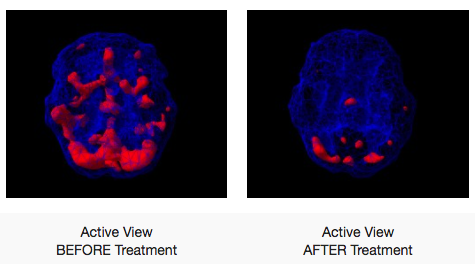
If you or a loved one has experienced a traumatic event and is experiencing symptoms of PTSD, it’s important to seek help. At Amen Clinics, we perform brain SPECT scans as part of a complete evaluation to diagnose and treat PTSD with the least toxic, most effective solutions.
Don’t let PTSD steal your life. Call one of our brain health advisors at 888-288-9834 to see how Amen Clinics can help or schedule a visit online.
Every day, you take a shower, wash your face, and brush your teeth so you can look and feel your best. But could the bath soap, shampoo, deodorant, and other personal care products you use actually be contributing to mood issues and brain fog? Could they be stealing your mind?
Living in a Toxic World
On a daily basis, we are exposed to a host of chemicals and substances that poison the human brain. Common toxins can be found in the products we put on our arms, legs, faces, and hair. For example, in 2019, the FDA found asbestos in cosmetics marketed to teens, prompting a voluntary recall. The harmful chemicals in these everyday items are easily absorbed through your pores and can be transported to every organ in your body, including your brain.
Your brain is the most metabolically active organ in your body. As such, it is vulnerable to damage from toxins.
This means that while trying to look better on the outside, you could be poisoning yourself on the inside and increasing your risk for brain health/mental health issues. The more exposure you have to these everyday toxins, the more you are putting your brain at risk.
Think about how many personal care and cosmetic products you use each day. If you’re like the average American woman, that would be about 12 products. The average American male uses about 6.
The risk from these items is real. In 2016, Johnson & Johnson was ordered to pay $72 million to the family of a woman whose death from ovarian cancer was associated with the daily use of Johnson’s Baby Powder among other company products. And all those hair care products? Research shows that hair salon workers have a higher than normal risk for Alzheimer’s disease.
Toxins and Psychiatric Symptoms
Environmental toxins impact nearly every aspect of your body and can damage the brain and lead to a variety of symptoms.
On the physical side, issues can include autoimmune diseases, diabetes, cancer, fatigue, weakness, aches and muscle cramps, numbness/tingling, tremors, allergies, abdominal pain, diarrhea, smelly stools, bad breath, low appetite, weight issues, skin rashes, sweats, temperature regulation problems, and more.
From a psychiatric standpoint, exposure to toxins can increase the risk of depression, suicide, ADD/ADHD, learning problems, brain fog, autism, temper outbursts, psychotic behavior, and dementia.
Even though toxins are one of the major causes of psychiatric issues, they are almost completely ignored by most healthcare professionals. If you go to visit a primary care physician or psychiatrist with complaints of depression, for example, it is highly unlikely they will ask you anything about your exposure to toxins. And because most psychiatrists never look at the brain, they don’t see the evidence of brain toxicity.
Instead, in the case of depressive symptoms, it is common to be given a prescription for anti-depressants. But if you have brain toxicity, traditional psychiatric treatments may not be effective because the brain needs to heal from the toxic exposure.
Seeing Brain Toxicity
It is possible to see evidence of brain toxicity with brain SPECT imaging studies. On brain scans, an overall pattern of low blood flow in the brain is commonly seen when there is exposure to toxins.
Seeing this evidence can prompt questions about what personal care products or other substances might be causing the problems. Finding the root cause is a critical step in getting the right treatment.
Lighten Your Toxic Load
In most cases, when a specific toxin is identified as contributing to mental health issues, the first step is to eliminate your exposure to it. In general, to minimize your exposure to toxins, it’s a good idea to ditch personal care products containing harmful ingredients.
Check ingredients on labels and avoid the following:
- Acrylates
- Aluminum
- Formaldehyde
- Fragrance
- Oxybenzone
- Parabens
- Phthalates
- Polyethylene glycols
- Triclosan
- Lead
Remember: What goes on your body, goes in your body and in your brain. Be careful with the personal care products you use and following these 9 ways to prevent toxins from stealing your mind.
At Amen Clinics, we perform a comprehensive evaluation that includes brain SPECT imaging, which can reveal patterns associated with brain toxicity from environmental toxins, such as chemicals and harmful ingredients in products. By identifying potential substances that contribute to psychiatric symptoms, we can personalize treatment using the least toxic, most effective solutions.
If you are experiencing psychiatric symptoms that are not responding to traditional treatment, reach out today to speak with a specialist at 888-288-9834 or schedule a visit online.
In a week-long series of the Brain Warrior’s Way Podcast, Dr. Daniel Amen and Tana Amen talk about sleep with Dr. Shane Creado, a psychiatrist at Amen Clinics and an expert in sleep medicine. Dr. Creado completed a sleep medicine fellowship at the University of Wisconsin and has created a 21-lesson online course to help you get the restful sleep you need.
In this remarkable series, you’ll discover:
- What your brain is doing why you sleep and why it’s critical to survival
- The surprising ways sleep affects our memory, moods, and overall brain function
- How many nights of sleep deprivation it takes to make you go psychotic (hint: it’s less than you think)
- The effects of losing a single hour of shuteye
- The sleep-related issue that raises your risk for sudden death and heart attack
- How many extra calories your body thinks it needs for every 4 hours of sleep deprivation
- The medications that may be messing with your rest
- Why it’s so hard for kids with ADD/ADHD to get the ZZZ’s they need
- Why sleep aids and medications may be doing more harm than good
- The truth about what you should do if you can’t fall asleep or if you wake up in the middle of the night
- The real deal about CBD oil and sleep
- At least 10 things you can do before resorting to taking Ambien
- The best supplements for more restful sleep
Listen to the 4-part series on sleep with Dr. Shane Creado on the Brain Warrior’s Way Podcast.
At Amen Clinics, we understand how important sleep is to overall brain health and we evaluate all the biological, psychological, social, and spiritual factors that can be contributing to sleep issues and mental health problems. If you’re having trouble sleeping and it is affecting your life, make an appointment with Dr. Creado by calling 888-288-9834 or schedule a visit online.
The relationship a child has with their father is extremely important to their early development. Do you have “daddy issues” because your dad wasn’t the best parent? Fathers are so important to your development and to your self-esteem, and when that bond isn’t as strong as it could be, it can affect your life in powerful ways.
In a week-long series of the Brain Warrior’s Way Podcast, Dr. Daniel Amen and Tana Amen share personal and enlightening insights about their own issues with their dads. And they explore how your primary relationship with your father plays a major role in how you think and how you behave in your day-to-day life.
In this eye-opening series, you’ll discover:
- How to understand the way your relationship with your father has affected your life
- Why birth order matters in your relationship with your father
- How your dad’s mental health/brain health impacts your own life
- Why one of the major themes in Dr. Amen’s psychiatric practice is how patients got along with their dad
- How a girl’s bond with her father greatly affects her relationships with other men
- How an unpredictable or unstable father impacts your emotional brain even years later
- What it means for you if your dad had mental health problems
- How having a dad with obsessive compulsive disorder affects you
- How stepfathers can make a big difference in your life
- Why your memories about your dad may not be completely accurate
- How seeing your own brain scan can dramatically change your perception of your father
- How to reframe the way you think about your dad
- Simple strategies to prevent daddy issues in your own children
Listen to the 4-part series on Daddy Issues on the Brain Warrior’s Way Podcast.
At Amen Clinics, we have helped thousands of people overcome family and mental health issues so you can mend relationships and heal past hurts that stem from your upbringing. If you or a family member needs help, call 888-288-9834 or schedule a visit online.
Alecia, 22, was a very bright young college student, but she was no longer performing up to her potential. She was having trouble thinking clearly, problems with goal setting, and difficulty staying organized. She also felt like she didn’t have enough energy, was prone to angry outbursts, and spent money foolishly. It got so bad she had to drop out of school.
What was Alecia’s problem?
To find out, Alecia’s parents took their daughter for a brain scan, which revealed marked decreased activity in her prefrontal cortex and temporal lobes. The problems, it turned out, stemmed from an accident she’d had a year earlier when she tripped and fell face first on a slick, rain-soaked ramp at college. The fall had caused a traumatic brain injury even though she never passed out. Based on the brain scan, Alecia was given a treatment plan targeted to help heal and balance her brain and eventually returned to school where she excelled.
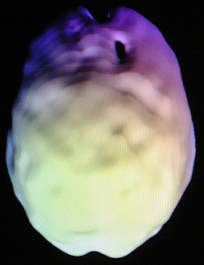

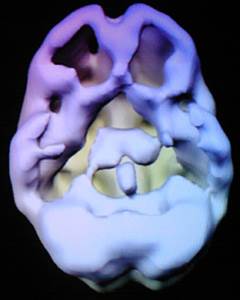
But what would have happened if she hadn’t gotten that brain scan?
The #1 Key to Optimal Performance—Your Brain
If you want to perform at your peak level at work, in school, or on the playing field, you need a healthy brain. Your brain is involved in everything you do and everything you are, including how you think, feel, act, and interact with others. Your brain is the organ of learning, communicating, personality, character, and every decision you make.
When your brain works right, you work right—whether we’re talking about work, school, sports, relationships, money, health, or anything else. Likewise, when your brain is troubled for whatever reason, you are much more likely to have trouble in your life.
How Can You Know Unless You Look?
The problem is no one ever looks at your brain. If you go to the doctor with crushing chest pain, they’ll scan your heart. But if you have crushing sadness, no one will scan your brain.
This needs to change. Brain imaging technology called SPECT measures blood flow and activity in the brain and can reveal areas of the brain with healthy activity, too much activity, or not enough activity. With this knowledge, you can get personalized strategies to balance brain activity for next-level performance.
Here’s what SPECT brain scans show about some of the most common issues that could be impacting your performance.
Acting Impulsively
Routinely acting impulsively without considering the consequences or taking uncalculated risks can get you into hot water and cause losses for you and your organization.
SPECT findings: Impulsivity is often associated with low activity in the brain’s frontal lobes. In some people, it is associated with ADD/ADHD.
Getting Stuck in Your Ways
Falling into a rut can prevent you from staying up to date in terms of skills and trends. When you’re stuck in outdated thinking patterns, it stunts creativity and innovation.
SPECT findings: Too much activity in the brain’s frontal lobes is commonly seen in people who tend to get stuck, have looping thoughts, or compulsive behaviors. In severe cases, it is linked to obsessive compulsive disorder.
Anger/Mood Issues
How can you expect to perform your best when you feel mad, sad, or anxious? These issues can rob your motivation, drain your energy, and sideline your ability to focus on your goals.
SPECT findings: Anger and aggression are often linked to damage in the temporal lobes. People who have low moods or depression often have increased activity in the brain’s limbic system, and those with high anxiety tend to have too much activity in the basal ganglia, insular cortex, and amygdala.
Relationship Problems
There’s no way to be operating at full capacity if you’re constantly butting heads with your colleagues, classmates, or teammates. And relationship problems at home can spill over into the mindset you take to the office, classroom, or playing field and throw you off your game.
SPECT findings: Having trouble getting along with others can be associated with a variety of brain issues. Low activity in the frontal lobes can make you blurt out hurtful things. Too much activity in this area can make you argumentative and prone to pointing out what you don’t like about others. Abnormal activity in the temporal lobes can make you tend to have temper problems. All of these things can make it hard for you to maintain personal and professional relationships.
Disorganization
How can you hit your deadlines and do your best work when you can’t find your files, lose your phone with all your contacts, and miss important meetings because you put a reminder on a sticky note that’s now under a pile of stuff?
SPECT findings: Decreased activity in the frontal lobes is commonly seen in people who are disorganized and those who have ADD/ADHD.
Memory Issues
You can’t be your best if you can’t remember due dates, upcoming appointments, people’s names, or your team’s playbook.
SPECT findings: A number of brain issues can be associated with memory problems, including overall low blood flow, a toxic-looking brain, or damage from a traumatic brain injury.
Seeing is believing. When you see on SPECT scans that your brain is troubled, it gives you a blueprint to finding the right strategies to balance it. And when you optimize your brain function, you optimize your ability to perform at your very best. Get your brain right and it will be much easier for you to be at the top of your game in every area of your life.
At Amen Clinics, we utilize brain SPECT imaging to help people see what’s happening in their brain that is keeping them from performing at peak levels. We have helped thousands of CEOs, executives, entertainers, influencers, professional and college athletes, and students optimize their brain health and enhance their performance in everything they do.
If your performance at work, in school, or on the field is holding you back, finding the root cause is the first step to turning things around. Call 888-288-9834 today to speak to a specialist about getting a brain scan as part of a complete evaluation or schedule a visit online.
As a college freshman, Jenna was a competitive track and field athlete who loved spending her days in her running shoes. By the time she reached her sophomore year, however, things had changed. She was filled with sadness, felt like she had no energy, and had lost interest in training. When she mentioned it to her primary care doctor, she was diagnosed with major depression and given a prescription for antidepressants.
The medication boosted her mood—a lot! She felt like she was on top of the world. It also filled her with so much energy, she felt invincible and began training all day and staying up all night doing her homework. She also became sexually aggressive, hitting on the other track athletes even though she had a steady boyfriend. She even came on to her coach multiple times, which didn’t go over well and ended up with her almost getting kicked off the team.
What went wrong?
A Common Misdiagnosis
Jenna had been misdiagnosed. In reality, she had bipolar spectrum disorder (BSD), formerly known as manic-depressive disorder. People with bipolar disorder experience dramatic swings in mood, energy, and activity levels, going from depressive episodes to manic episodes in a cyclical pattern. The antidepressants Jenna took not only failed to work, but they were also making her worse by triggering a manic episode.
Jenna isn’t alone. Among people diagnosed with major depression, about one in three are estimated to actually have bipolar disorder. This is due to the fact that the two conditions share many of the same symptoms.
Shared Symptoms of Bipolar Disorder and Depression
Depressive episodes of bipolar disease are characterized by:
- Persistent sad or negative mood
- Loss of interest in usually pleasurable activities
- Feelings of guilt, worthlessness, helplessness, and hopelessness
- Sleeping too much or too little, or waking up too early
- Decreased energy, fatigue, or feeling “slowed down”
- Difficulty concentrating
- Thoughts of death or suicide, or suicide attempts
These symptoms are very similar to those typically associated with depression. Women with bipolar disorder tend to experience more depressive episodes, which may increase their risk of being misdiagnosed with depression.
Manic Symptoms of Bipolar Disorder
On the other side of the spectrum in bipolar disorder are manic episodes.
Manic episodes are characterized by:
- Abnormally elevated mood
- Inflated self-esteem
- Decreased need for sleep
- Increase in goal-oriented activity
- Grandiose notions, ideas, or plans
- Increased talking or pressured speech
- Racing thoughts
- Inability to “turn off the mind”
- Poor judgment that leads to risk-taking behavior
- Hypersexuality or hyperreligiosity
- Excessive appetite
- Inappropriate social behavior
- Irritability or aggression
- Delusions or hallucinations
Some people with bipolar disorder don’t experience mania to this level. They have what’s called “hypomania,” which is a less severe form of mania. People may feel like they have better energy than usual and a brighter mood but not so much that they engage in risky behavior.
The Key to Healing
The good news is that bipolar disorder responds well to proper treatment. Getting an accurate diagnosis is key. Jenna had struggled for a few years before she decided to get a brain scan to find out what was really happening in her brain. The brain imaging test called SPECT, along with a complete personal history and other assessments pointed to bipolar II disorder.
There are at least 4 types of bipolar disorder, including:
- Bipolar I disorder
- Bipolar II disorder
- Cyclothymic disorder
- Bipolar disorder not otherwise specified (NOS)
Knowing her condition type helped develop a treatment plan personalized for her needs. And seeing her brain scan helped her understand that her condition was real, so it encouraged her to take her medication regularly. Compliance is a problem for many people with bipolar disorder because when they start to feel better, they don’t believe they have a problem at all and often stop taking their medication. For Jenna, seeing was believing.
With the proper treatment and good compliance, Jenna’s moods stabilized, and she eventually became a successful and well-liked track and field coach at her alma mater. At Amen Clinics, we use leading-edge brain imaging technology called SPECT as part of an overall evaluation to accurately diagnose and treat bipolar disease. If you or a loved one is suffering from dramatic mood swings that are impacting your relationships or your performance at work or school, schedule a visit or reach out today to speak to a specialist at 888-288-9834.
Do you have intrusive thoughts that keep looping in your head? Do you check the stove 20 times before you can head out the door to go to work? It could be obsessive-compulsive disorder (OCD). An estimated 2 to 4 million people struggle with OCD, a condition that is characterized by obsessive thoughts and compulsions that can be debilitating. Just look at how they were making Gail’s life spin out of control.
Gail’s OCD Obsessions and Compulsions
On the surface, it seemed like she had it all. Married to her high school sweetheart, she had a couple of kids and a good job. But every night after work, Gail spent hours obsessively cleaning her house. If she saw anything out of place, she would scream at her family and become hysterical. She also felt compelled to wash her hands over and over and over again and insisted that her husband and kids wash their hands at least 10 times a day. Gail’s OCD was ruining her life and seriously impacting her family.
What Gail’s OCD Brain Scan Showed
To get an accurate diagnosis, Gail underwent a leading-edge brain imaging technique called SPECT. Her brain scan showed marked increased activity in the Anterior Cingulate Gyrus, an area involved in shifting attention. When there’s too much activity in this area, it causes people to get stuck on thoughts and actions.
Gail’s OCD Brain Scan: Note increased activity in an area called the Anterior Cingulate Gyrus (arrow).

Healthy Active Brain Scan:

Within six weeks on a targeted treatment plan, Gail was much more relaxed, greatly reduced her ritualistic hand-washing behavior, and stopped making her kids wash their hands every time they turned around. Her husband couldn’t believe the change and said Gail was more like the woman he had married.
If you have similar symptoms as Gail, you may have OCD like Gail, and you can get unstuck too.
5 Ways to Reduce OCD Symptoms
Here are 5 simple things you can do to minimize obsessive thoughts and decrease compulsions.
1. Notice when you are stuck.
Becoming aware of looping thoughts is essential to learning how to stop them and gaining control over OCD. Whenever you notice intrusive thoughts, imagine seeing a traffic stop sign in your head and silently say to yourself, “STOP. THIS IS MY BRAIN GETTING STUCK!” For some people, the more they actively stop these thoughts, the more control they develop over them.
2. Distract yourself.
When you notice you are getting stuck, get up and do something else. If you actively distract yourself from repetitive thoughts or ritualistic compulsions, they will gradually begin to lose their control over you. Try any of the following to distract yourself:
- Take a walk.
- Sing a song that makes you happy.
- Listen to music that makes you feel positive.
- Play with a pet.
- Meditate.
- Do a household chore (unless the chore is part of a ritualistic compulsion for you).
- Focus on a single word—for example, “love” or “one”— and do not allow any other thoughts to enter your mind. If other thoughts try to creep in, imagine a broom sweeping them out of your head.
3. Focus on foods that boost serotonin.
Serotonin is a neurotransmitter that can help calm the overactive parts of the brain. Eating complex carbohydrates, such as sweet potatoes and garbanzo beans, is a healthy way to boost serotonin. Avoid consuming simple carbohydrates, such as pasta, bread, cookies, pretzels, and popcorn. Although they boost serotonin, they also contribute to increased feelings of anxiety, which is common in people with OCD.
4. Get moving.
Exercise can be very helpful in calming intrusive thoughts and can help shift your attention when compulsions arise. Exercise works by increasing serotonin in the brain. In addition, it may distract you from obsessive thoughts and ritualistic behavior and compulsions.
5. Consider supplements that boost serotonin.
Helpful supplements that raise serotonin and calm overactivity in the brain include 5-HTP.
Since 1989, Amen Clinics has helped thousands of people, including Gail, get an accurate diagnosis and overcome OCD with targeted solutions that are proven to produce higher than average success rates.
If obsessive thoughts or compulsions are controlling your life and holding you back, don’t wait to seek professional help. Schedule a visit today or call 888-288-9834 to get a comprehensive evaluation.
Have you ever banged your head and seen stars for a fleeting moment or blacked out? Have you ever fallen off your bike, had a car accident, taken a helmet-to-helmet tackle in a football game, or experienced an explosion in military combat? If so, you may have had a concussion, even if you never got diagnosed with one. Unfortunately, many mild concussions go undiagnosed. But any kind of head injury—even one that doesn’t make you lose consciousness—can lead to lasting problems that ruin lives. Many people are aware of concussion symptoms—such as headache, confusion, and passing out—that can occur immediately. But very few people realize that many things we consider to be signs of a psychiatric condition are actually concussion symptoms. Look what happened to Will.
Will: Concussions Changed His Mental Health
At age 16, Will was such a good soccer player, it looked like he was on a path to becoming a professional. But then he got kicked in the head during a match. It wasn’t the first time. In fact, it was the fourth concussion he had sustained from playing the sport. The other three times, he had eventually gone back to playing and everything seemed normal. But this time was different. He became irritable, moody, and easily distracted, and he started making poor decisions. It got so bad, he had to take a year off from school.What Will’s Brain Scan Revealed
Will underwent brain imaging technology called SPECT that showed significant damage to his prefrontal cortex, which is located in the front of the brain, as well as damage to his occipital lobes, which are in the back of the brain. Seeing his brain scan made Will rethink his future, and he made the decision to give up the game he loved so much. “I love soccer, but I know I’ll love my future wife and children more. I have to do a better job of protecting my brain,” he said. Using a concussion treatment protocol, Will improved over time and his mood, irritability, and decision-making dramatically improved.Will’s Concussion Brain Scan: The holes indicate damage to the front and back of his brain.

Healthy Brain Scan: Full, even, symmetrical activity.
