ARCHIVE

What Is IOP in Mental Health Treatment and How Does It Work?

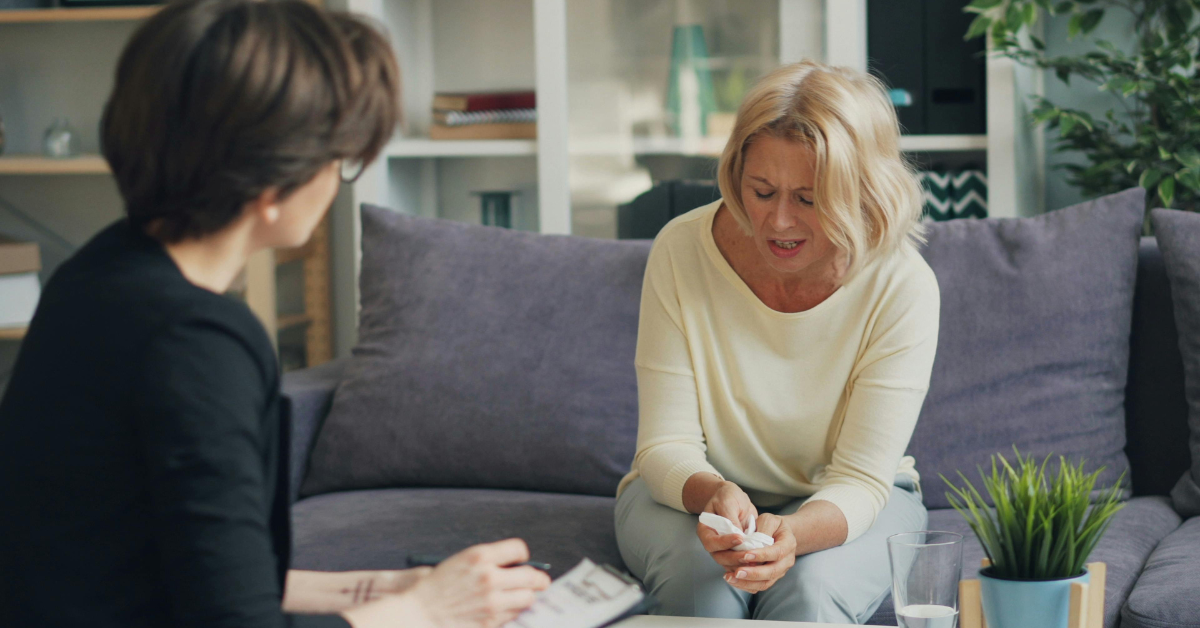
A person with blonde hair is sitting on a couch, holding tissues and appears to be upset while talking to someone off-camera who is holding a notepad.
Learn what an intensive outpatient program (IOP) is and how it offers greater mental health support with flexibility for those who need it.

Table of Contents

What Is IOP in Mental Health? A Clear Guide

Just like physical health care can range from routine check-ups to hospital stays depending on the severity of the condition, mental health support is organized into different levels that are well designed to meet individuals where they are in their recovery journey.  

Some people need intensive, round-the-clock care, while others may benefit most from options like an intensive outpatient program (IOP) that allows them to get the required treatment as they continue with daily responsibilities like school, work, and family life. 

If you are wondering, what is IOP in mental health, this blog is your guide. It will discuss what an IOP includes, who it benefits, and how it aligns with the broader spectrum of mental health treatment. 

Related: Cognitive Behavioral Therapy: What Is It and Who Can Benefit

IOP is a structured treatment program for mental health that provides patients with several hours of therapy every week—more care than one weekly therapy session but less restrictive than inpatient treatment.

1. Educate yourself about HPD.

What Is an IOP in Mental Health?

An intensive outpatient program offers focused, evidence-based treatment without requiring overnight stays. Typically, IOPs includes multiple sessions of therapy every week, psychiatric support, and skill-building strategies to help individuals stabilize their symptoms and strengthen their brain health. 

An IOP is a structured treatment program for mental health that provides patients with several hours of therapy every week. It provides more care than traditional outpatient therapy but is less restrictive compared to residential or inpatient treatment.

This program allows individuals to stay in their homes while they attend to other responsibilities in their lives. IOPs help many individuals manage challenges like addiction, anxiety, trauma, depression, or transitions between different levels of care.

Through a combination of individual therapy, skill building strategies, and group sessions, IOPs have a focused, flexible approach to treatment. Individuals who participate in this level of treatment gain tools that help them stabilize their symptoms and strengthen their coping skills while they maintain their daily responsibilities and routines.

What Conditions or Challenges Can an IOP Address?

An intensive outpatient program supports individuals who are facing challenging mental health issues where weekly therapy alone is not enough. Examples of scenarios that might call for IOP include:

Persistent symptoms despite weekly therapy: There are individuals who continue to experience anxiety, depression, or other mental health symptoms even after weekly therapy. IOP gives them sessions that are more frequent to address those symptoms effectively. 

Mood and anxiety disorders: Research shows that people who are struggling with conditions such as generalized anxiety, panic disorders, or major depression benefit largely from skill-building exercises and structured therapy provided by IOPs.

Related: When Talk Therapy Doesn’t Work, What to Do Next

Substance use concerns: Studies have shown that people dealing with addiction or the risk of relapse can benefit from coping strategies, targeted support, and accountability in a flexible outpatient setting.  

Trauma-related symptoms: Individuals who have survived trauma may be in need of more consistent support to help them process their experiences safely, according to research. IOP provides both individual and group therapy to help the affected persons manage triggers and become more resilient.

Support during step-down from inpatient or residential care: After patients have gone through more intensive treatment, they can rely on an IOP to have a smooth transition while they maintain their daily routines and ongoing symptom management. 

At Amen Clinics, we refer individuals to IOPs when they need frequent support and additional structure beyond weekly visits. This helps them stabilize their symptoms and strengthen coping skills. 

What Happens in an IOP?

An intensive outpatient program delivers mental health care through a combination of organized, evidence-informed treatment services. Its components include:

  • Individual therapy: Where therapists provide one-on-one therapy sessions to help individuals address personal challenges and set their goals for recovery. 
  • Group therapy: These are guided group sessions that offer connection, support, and shared learning experiences among the participants.
  • Skills training: These are sessions that provide individuals with focused exercises that are meant to help them improve their communication, emotional regulation, and coping strategies.
  • Family sessions where appropriate: An IOP can provide opportunities for the family and loved ones to get involved in treatment. This is usually effective in enhancing support at home.
  • Medication management support: This is where the psychiatrists provide oversight services to monitor and adjust medications an individual is using as needed. 
  • Psychoeducation on mental health and recovery: With an IOP, patients get to learn more about the conditions they are dealing with, understand their symptoms, and build strategies for long-term wellness. 
  • Structured routines that reduce isolation: These programs curate daily schedules that are backed by consistent programming to help participants build stability and prevent them from withdrawing from life responsibilities. 

These components work hand in hand to provide comprehensive and flexible support, allowing participants to continue staying at home. 

IOP vs. Inpatient vs. Standard Outpatient Care

Decisions about mental health treatment become clearer when an individual understands the differences between levels of care. In many cases, individuals often select the intensive outpatient program because it bridges the gap between inpatient and conventional outpatient therapy. 

Consider the following to determine what level of support is most appropriate:

IOP vs. Inpatient Care

With inpatient care, patients receive the highest level of support. They undergo twenty-four-hour supervision in a hospital facility or a residential setting. Typically, inpatient care is recommended for individuals who experience severe symptoms or have safety concerns that would require constant monitoring.

By contrast, an IOP provides several hours of structured treatment every week while allowing patients to live in their homes. That makes it a more flexible option for individuals who need consistent support but don’t need round-the-clock care. 

IOP vs Standard Outpatient Therapy

Usually, standard outpatient therapy provides one therapy session a week. Although it is helpful for a lot of people, it may not offer enough structure to help individuals with complex or persistent symptoms. 

On the other hand, an IOP provides multiple hours of therapy per week and a structured support that offers a more intensive but coordinated way of care. 

Levels of Mental Health Care at a Glance

Level of Care Time Commitment Care Setting Level of Support
Inpatient Care Twenty-four hours/seven days a week Facility-based Highest
IOP Several hours per week Live at home Moderate to high
Standard Outpatient One session per week Live at home Lower

What Is a Typical Weekly Schedule in an IOP?

Typically, an IOP offers approximately nine to twelve hours of care each week. This depends on the needs of the individual and the program, too. The provider spreads these hours across three to four days of treatment per week, rather than delivering them all at once. 

These schedules may vary; however, most IOPs usually include a combination of individual sessions, group therapy, and skills-based programming in every treatment day. Sessions can be provided in the day or evening. Mixed schedules are also offered to accommodate different lifestyles. 

One of the most important benefits of an IOP is how flexible it is. Since participants live in their homes, many have the leeway to balance family responsibilities, school, and work while still receiving structured and consistent mental health support.

This is why an IOP is a practical option for individuals who may need more care than weekly therapy but are not able to commit to full-time or inpatient treatment. 

What Is an IOP in Mental Health Intended to Achieve?

Intensive outpatient programs for mental health care are designed to offer support for individuals as they work towards gaining their confidence, stability, and long-term mental wellness. 

Stabilizing symptoms: One of the key objectives of IOPs is to stabilize symptoms so that individuals can gain greater emotional balance, as well as reduce the emotional distress that usually interferes with their daily lives. 

Building coping skills: An IOP also focuses on building practical coping skills. Through skill-based support and therapy, participants are able to learn healthier ways of managing stress, regulating their emotions, and responding to challenges. 

Improving daily functioning: Over time, those skills can lead to an improvement in daily functioning, which in turn will make it easier for participants to maintain routines, relationships, and responsibilities at home, work, and school. 

Reducing the risk of relapse: For individuals dealing with substance-related or mood-related concerns, IOPs provide structure and ongoing support to lower the risk of symptoms returning. They do so by strengthening insight, consistency, and support  

Creating momentum toward long-term recovery: An IOP reinforces skills and confidence to help participants continue making progress far beyond the program itself. 

Who Is a Good Fit for an IOP?

For individuals who require a higher level of support than standard outpatient therapy but want to maintain a level of autonomy in home and work life, intensive outpatient programs can be a helpful option.

The criteria below can guide you if you are wondering whether this level of support is appropriate.

An Individual Who Is Safe to Live at Home

IOPs are designed to support individuals who can manage their daily lives outside a medical facility without the need to be constantly supervised. These are individuals who are not in immediate danger of harming themselves or others – such as those who struggle with suicidality or individuals in active withdrawal from substances. Here, individuals can attend scheduled treatment sessions while they continue living their lives at home. 

Someone Who Needs More Support Than the Weekly Therapy

Some individuals need more frequent contact and structure, not just what one therapy session per week can offer. An IOP provides multiple hours of treatment a week to help individuals address their ongoing challenges with consistency. 

Someone Who Is Motivated to Work on Recovery

An IOP can work best for people who have the desire to take part in therapy as well as practice skills between sessions. Follow-through and engagement play a key role in progress.

People Who Are Transitioning from Higher Levels of Care

After residential or inpatient treatment, many individuals benefit largely from a step-down level of care. Studies show that the intensive outpatient program offers continued structure while encouraging and supporting participants in gaining greater independence. 

Those Struggling with Persistent Symptoms Despite Outpatient Treatment

These are individuals who have been going through conventional care alone, but their symptoms remain difficult to manage. IOPs provide additional tools that they can use to gain stability. 

Although these guidelines may be helpful, a comprehensive evaluation with a qualified clinician is needed to properly assess your personal needs, safety, and treatment goals. 

How Brain-Based Insights Can Support Treatment Decisions

At Amen Clinics, we look beyond symptoms alone. Our clinicians rely on a brain-based approach to make decisions regarding treatment. By looking at your brain activity patterns, our clinicians can better understand why certain challenges have been persistent and determine the level of care that can be most helpful at that particular time. 

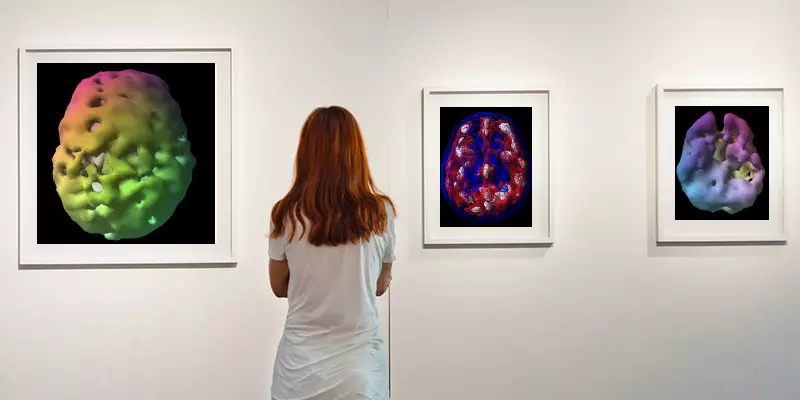
Through the use of tools like brain SPECT imaging, our clinicians can identify patterns of brain activity that are connected to attention, mood regulation, trauma response, and impulsivity.

These patterns can help explain why you may have been struggling with emotional regulation, focus, stress, or anxiety, even when you’ve been going through treatment. This added insight can help you make more informed decisions concerning structure, therapeutic focus, and intensity. 

It is important to note that brain imaging isn’t a standalone answer. It is used at Amen Clinics as one part of a more comprehensive and personalized evaluation that puts other factors like clinical history, symptoms, and individual goals into consideration.

This helps our clinicians to have greater clarity while creating effective treatment plans that may include therapy, lifestyle recommendations (exercise, diet, sleep, nutritional supplements, relaxation, etc.), medication when necessary, and follow-up.

Is an IOP Right for You?

If you are looking for structured support that is flexible and offers more care than what weekly therapy sessions provide, an IOP might be a good choice for you.

These programs serve as a crucial middle ground in the mental health care system. They offer consistent therapy, skill-building, and professional guidance while still allowing participants to stay at home. 

One of the most important steps toward healing is choosing the right level of care. When mental health care matches the needs of an individual, it can build confidence, create stability, and support long-term recovery. 

If you need clarity concerning your symptoms or you’re wondering which treatment plans are most appropriate, our team at Amen Clinics can be of help. You don’t have to navigate this process alone. 

Anxiety, depression, and other mental health conditions can’t wait. At Amen Clinics, we provide personalized, science-backed treatment plans designed to target the root causes of your symptoms. Our 360-approach includes brain SPECT imaging, clinical evaluations, innovative therapeutic techniques, medications (when necessary), and holistic lifestyle recommendations to promote the health of your brain, body, and mind. Speak to a specialist today at 888-288-9834 or visit our contact page here.

FAQ About Intensive Outpatient Programs

An intensive outpatient program (IOP) is a mental health care option structured to provide therapy for several hours per week, while it also allows participants to live at home. IOPs offer more support than the weekly outpatient therapy, but with less intensity than inpatient care. 

No. An intensive outpatient program is not the same as inpatient rehab. Although some IOPs help participants struggling with substance abuse, they are still outpatient programs and do not offer twenty-four hour residential care. 

IOPs usually last for eight to twelve weeks, although this duration can vary depending on individual needs and progress. The length of treatment is normally adjusted as the symptoms stabilize and the skills improve. 

Yes. Most people are able to continue working, taking care of their families, and attending school while participating in an IOP. The programs are usually scheduled to easily accommodate daily responsibilities.

Mostly, IOPs support individuals who are managing anxiety disorders, depression, trauma-related conditions, and substance use concerns. They are also of great help during transitions from the higher levels of care. 

Typically, progress is evaluated through clinical assessment. Symptom tracking and ongoing feedback from therapy sessions. Goals are regularly reviewed to guide treatment adjustments. 

Amen Clinics relies on a brain-based approach that helps determine how brain function can influence symptoms and treatment needs. Tools such as SPECT imaging are used alongside clinical evaluations to provide support for more personalized treatment planning.

Amen Clinics

Founded in 1989 by double-board certified psychiatrist and neuroscientist Daniel G. Amen, MD, Amen Clinics Inc. (ACI) is known as the best brain and mental health company in the world. Our clinical staff includes over 50 healthcare specialists, including adult and child psychiatrists, integrative (functional) medicine physicians, naturopaths, addiction specialists, forensic psychiatrists, geriatric psychiatrists, nutritionists, licensed therapists, and more. Our clinicians have all been hand-selected and personally trained by Dr. Amen, whose mission is to end mental illness by creating a revolution in brain health. Over the last 35-plus years, ACI has built the world’s largest database of functional brain scans—over 250,000 SPECT scans on patients from 155 countries—related to how people think, feel, and behave.
  1. Freeman AM, Acevedo LA, Pennings N. Insulin Resistance. [Updated 2023 Aug 17]. In: StatPearls [Internet]. Treasure Island (FL): StatPearls Publishing; 2025 Jan-. Available from: https://www.ncbi.nlm.nih.gov/books/NBK507839/

  2. Ma, X., Nan, F., Liang, H., Shu, P., Fan, X., Song, X., Hou, Y., & Zhang, D. (2022). Excessive intake of sugar: An accomplice of inflammation. Frontiers in immunology, 13, 988481. https://doi.org/10.3389/fimmu.2022.988481

  3. Rahman, M. S., Hossain, K. S., Das, S., Kundu, S., Adegoke, E. O., Rahman, M. A., Hannan, M. A., Uddin, M. J., & Pang, M. G. (2021). Role of Insulin in Health and Disease: An Update. International journal of molecular sciences, 22(12), 6403. https://doi.org/10.3390/ijms22126403

  4. Julian M Yabut, Justin D Crane, Alexander E Green, Damien J Keating, Waliul I Khan, Gregory R Steinberg, Emerging Roles for Serotonin in Regulating Metabolism: New Implications for an Ancient Molecule, Endocrine Reviews, Volume 40, Issue 4, August 2019, Pages 1092–1107, https://doi.org/10.1210/er.2018-00283

  5. Abdelfattah, H.E., Bekhet, M.M.M., Tawfik, F.A. et al. The association between insulin resistance and risk of developing depression and anxiety disorders in a sample of Egyptian population. Egypt J Intern Med 37, 56 (2025). https://doi.org/10.1186/s43162-025-00434-9

  6. Shin, M., Crouse, J.J., Weger, M. et al. Insulin resistance as an early marker in youth with mood disorders. Nat. Mental Health 3, 969–971 (2025). https://doi.org/10.1038/s44220-025-00472-w

  7. Mathew P, Thoppil D. Hypoglycemia. [Updated 2022 Dec 26]. In: StatPearls [Internet]. Treasure Island (FL): StatPearls Publishing; 2025 Jan-. Available from: https://www.ncbi.nlm.nih.gov/books/NBK534841/

  8. Berridge, K. C. (2018). Evolving concepts of emotion and motivation. Frontiers in Psychology, 9, 1647. https://doi.org/10.3389/fpsyg.2018.01647

  9. Choi, S. E., Roy, B., Freeby, M., Mullur, R., Woo, M. A., & Kumar, R. (2020). Prefrontal cortex brain damage and glycemic control in patients with type 2 diabetes. Journal of diabetes, 12(6), 465–473. https://doi.org/10.1111/1753-0407.13019

  10. Zhang, X., Zhang, L., Zhang, B., Liu, K., Sun, J., Li, Q., & Zhao, L. (2022). Herbal tea, a novel adjuvant therapy for treating type 2 diabetes mellitus: A review. Frontiers in Pharmacology, 13, 982387. https://doi.org/10.3389/fphar.2022.982387

  11. American Diabetes Association. (n.d.). Non-starchy vegetables for blood glucose control. https://diabetes.org/food-nutrition/reading-food-labels/non-starchy-vegetables

  12. Calvano, A., , Izuora, K., , Oh, E. C., , Ebersole, J. L., , Lyons, T. J., , & Basu, A., (2019). Dietary berries, insulin resistance and type 2 diabetes: an overview of human feeding trials. Food & function, 10(10), 6227–6243. https://doi.org/10.1039/c9fo01426h

  13. Verkouter, I., Noordam, R., le Cessie, S., van Dam, R. M., Lamb, H. J., Rosendaal, F. R., van Heemst, D., & de Mutsert, R. (2019). The Association between Adult Weight Gain and Insulin Resistance at Middle Age: Mediation by Visceral Fat and Liver Fat. Journal of clinical medicine, 8(10), 1559. https://doi.org/10.3390/jcm8101559

  14. Fritschi, C., Park, C., Quinn, L., & Collins, E. G. (2020). Real-Time Associations Between Glucose Levels and Fatigue in Type 2 Diabetes: Sex and Time Effects. Biological research for nursing, 22(2), 197–204. https://doi.org/10.1177/1099800419898002

  15. Zhao, H., Zhang, J., Cheng, X. et al. Insulin resistance in polycystic ovary syndrome across various tissues: an updated review of pathogenesis, evaluation, and treatment. J Ovarian Res 16, 9 (2023). https://doi.org/10.1186/s13048-022-01091-0

  16. Jiao, Y., Butoyi, C., Zhang, Q. et al. Sleep disorders impact hormonal regulation: unravelling the relationship among sleep disorders, hormones and metabolic diseases.Diabetol Metab Syndr 17, 305 (2025). https://doi.org/10.1186/s13098-025-01871-w

  17. Mary C. Gannon, Frank Q. Nuttall; Effect of a High-Protein, Low-Carbohydrate Diet on Blood Glucose Control in People With Type 2 Diabetes. Diabetes 1 September 2004; 53 (9): 2375–2382. https://doi.org/10.2337/diabetes.53.9.2375

  18. Sellami, M., Almuraikhy, S., Naja, K. et al. Eight weeks of aerobic exercise, but not four, improves insulin sensitivity and cardiovascular performance in young women. Sci Rep 15, 1991 (2025). https://doi.org/10.1038/s41598-025-86306-2

  19. Amen, D. G., & Easton, M. (2021). A New Way Forward: How Brain SPECT Imaging Can Improve Outcomes and Transform Mental Health Care Into Brain Health Care. Frontiers in psychiatry, 12, 715315. https://doi.org/10.3389/fpsyt.2021.715315

  20. Tomasik J, Lago SG, Vázquez-Bourgon J, et al. Association of Insulin Resistance With Schizophrenia Polygenic Risk Score and Response to Antipsychotic Treatment. JAMA Psychiatry. 2019;76(8):864–867. doi:10.1001/jamapsychiatry.2019.0304

  21. Guest PC. Insulin Resistance in Schizophrenia. Adv Exp Med Biol. 2019;1134:1-16. doi: 10.1007/978-3-030-12668-1_1. PMID: 30919329.

Related Articles

10 Out of the Box Therapies for Mental Health Issues

letter scrabble pieces that spell out the word 'therapy'
Looking for options beyond medication? Explore 10 alternative mental health therapies proven to support brain health and lasting well-being.

Table of Contents

10 Out-of-the-Box Alternative Therapies for Mental Health

For many people living with neurodevelopmental disorders such as ADD/ADHD or mental health conditions like anxiety or depression, treatment often begins with prescription medication or weekly talk therapy. While these approaches can be effective, they don’t work for everyone.

That’s why more patients—and the providers who care for them—are exploring alternative mental health therapies that take a more personalized, whole-brain approach. Decades of brain imaging at Amen Clinics have shown that there is no one-size-fits-all solution when it comes to conditions rooted in the brain.

Alternative mental health therapies are approaches that go beyond—or work alongside—medication and traditional talk therapy

Every brain functions differently, and effective treatment should reflect those individual patterns. By combining innovative technologies with targeted lifestyle strategies, alternative therapies can help address underlying brain imbalances and support lasting improvement—especially for those who haven’t found relief with standard care.

In this blog, we introduce 10 out-of-the-box therapies designed to help you move toward better mental health with greater clarity and confidence.

Why Medication and Traditional Psychotherapy Don’t Work for Everyone

Sometimes, the decision to consider alternative mental health therapy stems from frustration. Not due to lack of effort, but because traditional treatments can fail to help.  Here are some of the most common reasons why traditional treatment options may fall short: 

Why Medication Doesn't Work for Everyone

  • Biological and genetic variability: Based on unique genetics and biology, different people metabolize medicine differently. That explains why a drug can work for one person and be ineffective or cause side effects for another. 
  • Type and severity of the condition: Some conditions happen to be severe, and even though medication is important, it may not address underlying causes or alleviate symptoms on its own. 
  • Side effects and adherence: Some patients experience unpleasant side effects that cause them to stop taking their medication. Some side effects can also reduce the effectiveness of the medicine. 
  • Brain differences. Common disorders like anxiety, depression, and ADD/ADHD manifest in different ways. Clinicians at Amen Clinics have noted seven distinct types of ADD/ADHD, and seven distinct types of anxiety and depression.

Each type requires a tailored approach. For example, a medication that works wonderfully for one type of ADD/ADHD may exacerbate symptoms for another type of ADD/ADHD. Knowing type helps clinicians develop the right plan.

What Are Alternative Mental Health Therapies, and Are They Safe?

Alternative mental health therapies are treatment approaches that complement or go beyond talk therapy or medication. They are based on neuroscience and scientific evidence. 

These therapies can improve your emotional regulation, enhance brain function and build resilience. When providers are able to understand the brain and treat it as a whole system, recovery can be faster and lasting.  

10 Out-of-the-Box Alternative Therapies for Mental Health Issues

Here are 10 of the most powerful therapies worth exploring:

1. Hyperbaric Oxygen Therapy (HBOT)

This non-invasive treatment involves breathing concentrated oxygen in a special pressurized chamber to promote healing and reduce inflammation.

HBOT helps with brain health in several ways, including boosting blood flow and healing the brain after a concussion or other form of traumatic brain injury (TBI). Brain SPECT imaging shows that low blood flow and TBIs have been associated with depression, ADD/ADHD, substance abuse disorder, suicidality, and more.

Related: 11 Ways to Benefit from the Healing Power of Hyperbaric Oxygen Therapy

2. Eye Movement Desensitization and Reprocessing (EMDR)

This psychotherapeutic technique can be especially helpful for post-traumatic stress disorder (PTSD) or people who have experienced emotional trauma.

According to research, EMDR involves the use of eye movements or other forms of alternate hemisphere stimulation to eliminate the emotional pain associated with traumatic memories.

Related: What is EMDR therapy

3. Irlen Screening

People who have ADD/ADHD, TBIs, learning disabilities, autism, or other mental health disorders may benefit from screening and treatment of Irlen Syndrome.

This condition is a visual processing problem in which certain colors irritate the brain. Treating this issue has been found to improve focus, reduce anxiety, and boost mood, among other benefits.

4. Neurofeedback

People who have ADD/ADHD, TBIs, learning disabilities, autism, or other mental health disorders may benefit from screening and treatment of Irlen Syndrome.

This condition is a visual processing problem in which certain colors irritate the brain. Treating this issue has been found to improve focus, reduce anxiety, and boost mood, among other benefits.

5. Repetitive Transcranial Magnetic Stimulation (rTMS)

This interactive treatment uses biofeedback to help you strengthen and retrain your brain.

Using computer technology, the brain receives real-time feedback about its brain wave activity. This feedback essentially teaches the brain to strengthen patterns linked to focus, calm, and emotional control, and reduce patterns associated with stress, anxiety, or inattention.

Ongoing research suggests that therapies like neurofeedback may help regulate your brain activity and potentially reduce symptoms of stress, anxiety, and depression.

Related: Neurofeedback for ADHD and Anxiety: A Natural Brain-Based Approach That Lasts

6. Bright Light Therapy

This interactive treatment uses biofeedback to help you strengthen and retrain your brain.

Using computer technology, the brain receives real-time feedback about its brain wave activity. This feedback essentially teaches the brain to strengthen patterns linked to focus, calm, and emotional control, and reduce patterns associated with stress, anxiety, or inattention.

7. Aromatherapy

According to research, certain scents are known to have therapeutic effects, including lavender to help with calming anxiety and supporting mood. Additionally, studies show that ylang ylang promotes calmness and peppermint supports alertness and memory.

The stimulating effects of jasmine can be beneficial for mood, research suggests.  And eucalyptus is well known for its invigorating and uplifting qualities, promoting relaxation, mental clarity, and stress relief, according to research.

8. Nutritional Supplements

Nutritional support can be instrumental in supporting better mental health with much fewer side effects than prescription medication. For example, one of the best supplements for mood is saffron, which has an abundance of research behind it. Knowing your brain type can help you find the supplements that are most beneficial for your needs.  

Brain SPECT imaging reveals areas of the brain that are overactive or underactive and to identify your brain type. Nutraceuticals can be very instrumental in helping to support more balanced brain activity, which translates to better brain function and mental health.

9. Dietary Changes

Many psychiatrists and primary care physicians neglect to inform patients that food can be like medicine or a poison when it comes to mental health. The foods you consume can worsen your psychiatric symptoms or lessen them.

At Amen Clinics, some of the biggest success stories we have come from patients who have changed their diets based on the recommendations from our brain health nutrition coaches.

Generally, a diet low in refined sugar, processed foods and refined carbohydrates—and rich in fruits and vegetables, lean protein, whole grains, fermented foods, and healthy fats—supports healthy brain function and a stable mood.  

Other beneficial dietary changes may include going gluten-free, avoiding pesticide-laden foods, and eliminating artificial food coloring like red dye 40.

10. Weight Control

Few professionals in the fields of psychology and psychiatry have made the connection between unhealthy weight issues, mental illness, and cognitive dysfunction.

However, an important brain imaging study on 20,000 patients at Amen Clinics shows that as your weight goes up, the physical size and functioning of your brain go down. Achieving and maintaining a healthy weight can be a powerful alternative to prescription medication.

Who Benefits from Alternative Mental Health Therapies?

Alternative mental health therapies can largely benefit the following categories of individuals:

  • People who haven’t experienced full relief from traditional talk therapy or medication. 
  • Individuals with treatment-resistant conditions, like ADD/ADHD, chronic anxiety, depression and mood disorders
  • Patients with a history of head trauma, even traumatic brain injury.
  • People who have experienced side effects after using medication and prefer to minimize pharmaceutical use. 
  • Younger children, teenagers, or adults who may need a holistic approach and personalized care

What to Expect During Treatment at Amen Clinics

At the start of your treatment at Amen Clinics, you can expect a thoughtful and well-structured approach that looks beyond your symptoms. Your experience begins with a comprehensive evaluation, as your clinician takes time to gather details about your symptoms, medical history, lifestyle habits, and past treatment experiences. 

What follows is brain SPECT imaging, where the scan reveals the overactive or underactive areas of your brain. This is a highly personalized appointment that clearly explains what may be contributing to your challenges. 

Next, you get a customized treatment plan from your clinician that may include alternative therapies, nutrition and supplement guidance, targeted lifestyle changes, and therapeutic support. You’ll also have ongoing check-ins, progress monitoring, and some adjustments to your treatment plans as your brain function improves. 

Supporting Your Healing Journey with Lifestyle Changes

There are choices you make that can enhance the effectiveness of alternative therapies and support your long-term wellness plan. Here are key lifestyle areas where you have the power to make a difference in your well-being:

Nutritional upgrades –  Consume and abundance of brain-healthy foods mentioned already, and avoid processed foods, alcohol, and sugar. The goal is to have highly nutritious, balanced meals to support healthy blood sugar levels, which helps your brain function and mental health.

Manage stress effectively – Practice stress management techniques like meditation, deep breathing, journaling, and gratitude practices, as well as gentle daily routines that build calm and stability. 

Better sleep habits – Prioritize healthy sleep by maintaining a consistent sleep schedule, limiting screens before bed, and addressing sleep disruptions and disorders. 

Regular physical activity – Engage in exercises to boost your blood flow to the brain, improve your mood and focus, and support overall cognitive health.

Healthy daily structure – Aim to have a balanced daily routine. Take breaks to prevent burnout and overwhelm. Be sure to make time for rest, hobbies, and meaningful connections.

Begin Your Brain-Focused Healing Journey

The brain has an incredible capacity to adapt and heal. The right alternative therapies geared to improving your brain health provide a path to improved mental health.

It’s critical to work in partnership with a qualified mental health professional or medical doctor before making any broad changes, especially to your medication or diet, and prior to starting with nutritional supplements.

FAQ About Alternative Therapies for Mental Health

Alternative mental health therapies are approaches that go beyond—or work alongside—medication and traditional talk therapy. Many are grounded in neuroscience and focus on improving brain function, reducing inflammation, and supporting emotional regulation, focus, and resilience in a more personalized way.


When used appropriately and guided by trained professionals, many alternative therapies are considered safe and evidence-based. It’s important that they’re chosen based on an individual’s health history, symptoms, and brain function rather than used randomly or without professional oversight.

These therapies can be especially helpful for people who haven’t found full relief with medication or psychotherapy, those with treatment-resistant conditions, individuals with a history of head injury, or anyone looking for a more holistic and personalized approach to mental health care.

Amen Clinics embraces both conventional and alternative approaches by first understanding how each person’s brain functions. Through brain SPECT imaging and comprehensive evaluations, clinicians create customized treatment plans that may include medication, therapy, alternative treatments, nutrition, supplements, and lifestyle strategies—ensuring care is tailored to the brain, not just symptoms.

Traumatic brain injuries, treatment-resistant disorders, and other mental health conditions can’t wait. At Amen Clinics, we provide personalized, science-backed treatment plans designed to target the root causes of your symptoms. Our 360-approach includes brain SPECT imaging, clinical evaluations, innovative therapeutic techniques, medications (when necessary), and holistic lifestyle recommendations to promote the health of your brain, body, and mind. Speak to a specialist today at 888-288-9834 or visit our contact page here.

Amen Clinics

Founded in 1989 by double-board certified psychiatrist and neuroscientist Daniel G. Amen, MD, Amen Clinics Inc. (ACI) is known as the best brain and mental health company in the world. Our clinical staff includes over 50 healthcare specialists, including adult and child psychiatrists, integrative (functional) medicine physicians, naturopaths, addiction specialists, forensic psychiatrists, geriatric psychiatrists, nutritionists, licensed therapists, and more. Our clinicians have all been hand-selected and personally trained by Dr. Amen, whose mission is to end mental illness by creating a revolution in brain health. Over the last 35-plus years, ACI has built the world’s largest database of functional brain scans—over 250,000 SPECT scans on patients from 155 countries—related to how people think, feel, and behave.
  1. Gainer, D., Alam, S., Alam, H., & Redding, H. (2020). A flash of hope: eye movement desensitization and reprocessing (EMDR) therapy. Innovations in clinical neuroscience, 17(7-9), 12. https://pmc.ncbi.nlm.nih.gov/articles/PMC7839656/
  2. Xia, Z., Yang, P. Y., Chen, S. L., Zhou, H. Y., & Yan, C. (2024). Uncovering the power of neurofeedback: a meta-analysis of its effectiveness in treating major depressive disorders. Cerebral Cortex34(6), bhae252. DOI: 10.1093/cercor/bhae252
  3. Vida RG, Sághy E, Bella R, Kovács S, Erdősi D, Józwiak-Hagymásy J, Zemplényi A, Tényi T, Osváth P, Voros V. Efficacy of repetitive transcranial magnetic stimulation (rTMS) adjunctive therapy for major depressive disorder (MDD) after two antidepressant treatment failures: meta-analysis of randomized sham-controlled trials. BMC Psychiatry. 2023 Jul 27;23(1):545. doi: 10.1186/s12888-023-05033-y. PMID: 37501135; PMCID: PMC10375664.
  4. https://pubmed.ncbi.nlm.nih.gov/18041606/
  5. Menegaz de Almeida, A., Aquino de Moraes, F. C., Cavalcanti Souza, M. E., Cardoso, J. H. C. O., Tamashiro, F., Miranda, C., Fernandes, L., Kreuz, M., & Alves Kelly, F. (2024). Bright light therapy for nonseasonal depressive disorders: A systematic review and meta-analysis. JAMA Psychiatry. Advance online publication. https://doi.org/10.1001/jamapsychiatry.2024.2871
  6. Koulivand, P. H., Khaleghi Ghadiri, M., & Gorji, A. (2013). Lavender and the nervous system. EvidenceBased Complementary and Alternative Medicine, 2013(1), 681304. https://pubmed.ncbi.nlm.nih.gov/23573142/
  7. Moss M, Hewitt S, Moss L, Wesnes K. Modulation of cognitive performance and mood by aromas of peppermint and ylang-ylang. Int J Neurosci. 2008 Jan;118(1):59-77. doi: 10.1080/00207450601042094. PMID: 18041606.
  8. Hongratanaworakit T. Stimulating effect of aromatherapy massage with jasmine oil. Nat Prod Commun. 2010 Jan;5(1):157-62. PMID: 20184043.
  9. Shiekh RAE, Atwa AM, Elgindy AM, Mustafa AM, Senna MM, Alkabbani MA, Ibrahim KM. Therapeutic applications of eucalyptus essential oils. Inflammopharmacology. 2025 Jan;33(1):163-182. doi: 10.1007/s10787-024-01588-8. Epub 2024 Nov 5. PMID: 39499358; PMCID: PMC11799053.
    Shafiee M, Arekhi S, Omranzadeh A, Sahebkar A. Saffron in the treatment of depression, anxiety and other mental disorders: Current evidence and potential mechanisms of action. J Affect Disord. 2018 Feb;227:330-337. doi: 10.1016/j.jad.2017.11.020. Epub 2017 Nov 7. PMID: 29136602.

Related Articles

Treatment-Resistant Depression: When Antidepressants Aren’t Working

A person sitting at a table with pills and a glass of water
Natural treatments offer hope for treatment-resistant depression when antidepressants fail. Learn what works and why.

Are you struggling with depression but not finding relief from antidepressants? You’re not alone. Nearly half of individuals diagnosed with the mood disorder may fall into the category of treatment-resistant depression, according to findings in a 2025 study.

The research—published in the British Journal of Psychiatry—revealed that 48% of patients with a depression diagnosis had been prescribed at least two different antidepressants. More alarming is the fact that 37% had tried four or more types of antidepressants without getting better.

This highlights the significant number of people who aren’t finding relief through conventional treatments. If you or someone you love is struggling with depression that won’t go away, here’s what to do when antidepressants don’t work.

At least 30% of individuals with depression meet the criteria for treatment-resistant depression but that number could be as high as 55%, according to research.

WHAT IS TREATMENT-RESISTANT DEPRESSION?

Treatment-resistant depression (TRD) is when someone doesn’t get better after trying at least two different antidepressants, even when taking them as prescribed.

When symptoms of depression persist, it can have a major negative impact on your life. It increases the risk of substance abuse, makes you more vulnerable to certain medical issues, destroys relationships, and interferes with the ability to excel at work, to name a few.

In the 2025 study mentioned above, the researchers characterize treatment-resistant depression as “one of the most challenging yet neglected conditions in psychiatry.”

Thankfully, researchers are now recognizing the severe negative effects of TRD and looking for effective alternative treatments for depression. The study above recommends access to diverse treatment options and adoption of a more holistic treatment approach when it comes to TRD.

WHY ARE ANTIDEPRESSANTS NOT WORKING?

There are several reasons why antidepressants don’t work for everybody who’s been diagnosed with major depressive disorder (MDD). If you’re resistant to pharmaceutical treatment, understanding what additional factors are at play can open up new alternatives to try.  

Related: 6 Biological Causes of Depression

Here are a few significant reasons why antidepressants don’t work:

  1. Low Blood Flow

Innovative research conducted using brain SPECT imaging found that people who didn’t respond to depression treatment had lower overall blood flow in the brain. Brain scans showed reduced blood flow particularly in key brain regions:

  • Frontal lobes
  • Temporal lobes
  • Parietal lobes
  • Parts of the hippocampus

For patients with low blood flow, antidepressants that enhance serotonin, known as selective serotonin reuptake inhibitors (SSRIs), may not be helpful since they tend to lower brain activity.

  1. Ignoring the Seven Types of Depression

Most people don’t realize that depression isn’t a simple or single disorder. Brain imaging and depression have shown that depression is more complex.

In fact, the brain-imaging work at Amen Clinics reveals that there are seven types of depression and anxiety (anxiety often accompanies depression). Each type requires individualized treatment.

A tailored approach often involves lifestyle changes that support greater or lesser activity in certain areas of the brain helping to improve mood and calm anxiety.

The best way to determine your type of depression is with brain imaging like SPECT. Obtaining a SPECT scan for depression can help unlock what therapies are best for you. However, most psychiatrists fail to look at the organ they treat.

Related: Treating the Brain for Anxiety and Depression

  1. Disregarding Biological Factors that Drive Depression

Did you know that the feelings of sadness, lack of motivation, irritability, and trouble concentrating associated with depression may actually be caused by biological issues?

Here are some common biological causes of depression:

If antidepressants aren’t working for you, it’s a good idea to see your healthcare professional to investigate these possibilities and treat them if necessary.

Press Play to Learn How One Woman Overcame Depression

One woman had been struggling with depression that had gotten so severe it was hard to leave her bed. In this video, she describes how her life transformed after visiting Amen Clinics for help.

Video: How Kristi Webb Overcame Her Crippling Depression

ALTERNATIVE TREATMENTS FOR DEPRESSION

When antidepressants aren’t working, consider the following natural treatments:

1.Diet and Supplementation

There are many ways to enhance your mood through diet and supplementation. Here are some well-studied ways to help:

  • Eat a healthy diet designed to keep blood sugar levels stable can help to reduce anxiety.
  • Greatly reduce ultra-processed foods—such as foods with high levels of refined sugars, carbohydrates, unhealthy fats, and artificial sweeteners. This may help your mood as these foods are all associated with increased depressive symptoms, according to
  • Alcohol consumption increases your risk of depression and makes depressed people more depressed, reports the American Addiction Centers. Reducing or eliminating alcohol may improve your mood.
  • Staying away from consuming too many vegetable oils (rich in omega-6 fatty acids) and increasing consumption of omega-3 fatty acids may reduce symptoms of depression. Take omega-3 supplements or eat more omega-3-rich fatty fish, green leafy vegetables, and nuts and seeds like walnuts and flaxseed.

While more definitive research is needed, a 2025 review of existing clinical research found that the anti-inflammatory properties and neurotransmission and membrane benefits of omega-3 supplementation can reduce symptoms of depression significantly.

Additionally, the same review study found that supplementing with vitamin D may boost cognitive function and mood regulation. The researchers suggest this may be due to vitamin D’s neuroinflammatory benefits and modulation of neurotransmitter activity.

  • Consider taking saffron supplements. A 2022 study on the medicinal herb saffron, published in Nutrients, noted its beneficial effects on anxiety, depression, and other common neuropsychiatric conditions.
  1. Physical Exercise

Physical exercise releases feel-good neurotransmitters to boost your mood.

  1. Other Natural Treatments

Other innovative natural treatment options that can help reduce depression include neurofeedback, hypnotherapy, IV nutrient therapy, and psychotherapy.

In particular, cognitive behavioral therapy (CBT) has been found to be as effective as antidepressants in the short-term, when they work, and more effective in the long-term in helping to reduce depressive symptoms, research has found.

SEEK HELP FOR TREATMENT-RESISTANT DEPRESSION

If you or a loved one is struggling with treatment-resistant depression, be reassured that antidepressants are not the only treatment pathway. Reach out to a qualified mental health professional to explore your options.

Depression and other mental health conditions can’t wait. At Amen Clinics, we provide personalized, science-backed treatment plans designed to target the root causes of your symptoms. Our 360-approach includes brain SPECT imaging, clinical evaluations, innovative therapeutic techniques, medications (when necessary), and holistic lifestyle recommendations to promote the health of your brain, body, and mind. Speak to a specialist today at 888-288-9834 or visit our contact page here.

Amen Clinics

Founded in 1989 by double-board certified psychiatrist and neuroscientist Daniel G. Amen, MD, Amen Clinics Inc. (ACI) is known as the best brain and mental health company in the world. Our clinical staff includes over 50 healthcare specialists, including adult and child psychiatrists, integrative (functional) medicine physicians, naturopaths, addiction specialists, forensic psychiatrists, geriatric psychiatrists, nutritionists, licensed therapists, and more. Our clinicians have all been hand-selected and personally trained by Dr. Amen, whose mission is to end mental illness by creating a revolution in brain health. Over the last 35-plus years, ACI has built the world’s largest database of functional brain scans—over 250,000 SPECT scans on patients from 155 countries—related to how people think, feel, and behave.

Mangweth-Matzek B, Kummer KK, Hoek HW. Update on the epidemiology and treatment of eating disorders among older people. Curr Opin Psychiatry. 2023 Nov 1;36(6):405-411.

Isabel Krug, Shanshan Liu, Jade Portingale, Sarah Croce, Beya Dar, Katrina Obleada, Veena Satheesh, Meila Wong, Matthew Fuller-Tyszkiewicz. A meta-analysis of mortality rates in eating disorders: An update of the literature from 2010 to 2024. Clinical Psychology Review. Volume 116, 2025, 102547.

Stice E, Marti CN, Rohde P. Prevalence, incidence, impairment, and course of the proposed DSM-5 eating disorder diagnoses in an 8-year prospective community study of young women. J Abnorm Psychol. 2013 May;122(2):445-57.

van Eeden AE, van Hoeken D, Hoek HW. Incidence, prevalence and mortality of anorexia nervosa and bulimia nervosa. Curr Opin Psychiatry. 2021 Nov 1;34(6):515-524.

Gagne DA, Von Holle A, Brownley KA, Runfola CD, Hofmeier S, Branch KE, Bulik CM. Eating disorder symptoms and weight and shape concerns in a large web-based convenience sample of women ages 50 and above: results of the Gender and Body Image (GABI) study. Int J Eat Disord. 2012 Nov;45(7):832-44. doi: 10.1002/eat.22030.

Auger N, Potter BJ, Ukah UV, Low N, Israël M, Steiger H, Healy-Profitós J, Paradis G. Anorexia nervosa and the long-term risk of mortality in women. World Psychiatry. 2021 Oct;20(3):448-449.

Yilmaz Z, Hardaway JA, Bulik CM. Genetics and Epigenetics of Eating Disorders. Adv Genomics Genet. 2015;5:131-150. 

Makki N, Althubyani SA, Mobarki RQ, Alsayed JA, Almohammadi RJ, Baabdullah RA. The Effect of Sociocultural Attitudes on Developing Eating Disorders Among Young Females in Almadinah Almunawarah, Saudi Arabia. Cureus. 2023 Dec 15;15(12):e50576.

The Renfrew Center website

https://www.renfrewcenters.com/services/specialized-programming/midlife

Accessed July 11, 2025

Gagne DA, Von Holle A, Brownley KA, Runfola CD, Hofmeier S, Branch KE, Bulik CM. Eating disorder symptoms and weight and shape concerns in a large web-based convenience sample of women ages 50 and above: results of the Gender and Body Image (GABI) study. Int J Eat Disord. 2012 Nov;45(7):832-44.

Hofmeier SM, Runfola CD, Sala M, Gagne DA, Brownley KA, Bulik CM. Body image, aging, and identity in women over 50: The Gender and Body Image (GABI) study. J Women Aging. 2017 Jan-Feb;29(1):3-14.

Mangweth-Matzek B, Kummer KK, Hoek HW. Update on the epidemiology and treatment of eating disorders among older people. Curr Opin Psychiatry. 2023 Nov 1;36(6):405-411.

12 Things NOT to Do if You Have Anxiety

America is an anxious nation, and our everyday habits could be making anxiety worse.

America is an anxious nation, and our everyday habits could be making anxiety worse. Anxiety affects an estimated 40 million American adults—more than 18% of the population—every year, and nearly 1 in 3 teens ages 13 to 18. And those numbers were before the pandemic.

Women are almost twice as likely as men to develop anxiety disorders during their lifetime. In addition, generalized anxiety disorder can lead to other serious issues, including depression, sleep issues, panic attacks, substance abuse, concentration problems, physical ailments (such as colds or COVID-19), and suicidal thoughts and behavior.

America is an anxious nation, and our everyday habits could be making anxiety worse.

We know that natural solutions for anxiety—such as psychotherapy, journaling, exercise, and other therapies—can help. But let’s look at things to avoid when dealing with anxiety.

In this blog, you’ll discover how your habits may be increasing anxiety, as well as 12 behaviors to avoid with anxiety.

THE SURPRISING WAYS EVERYDAY HABITS INFLUENCE ANXIETY

When managing anxiety, most people tend to focus on obvious triggers—such as stressful events, difficult relationships, or demanding responsibilities—but often overlook how subtle everyday habits significantly contribute to anxiety levels.

However, small daily choices can quietly shape anxiety, either calming it or unintentionally making it worse. Recognizing these hidden triggers helps you gain better control over your emotional well-being.

  • Daily routines matter more than you think.
    Your regular habits send powerful signals to your brain. Inconsistent patterns can increase anxiety by activating the body’s stress response. Consistency is key. Predictability reassures your brain that things are stable, calming the anxiety response.
  • Small adjustments can make a big difference.
    Improving anxiety isn’t just about avoiding clear triggers; it’s also about identifying and refining daily habits. By adjusting subtle but influential behaviors, you significantly lessen anxiety’s hold on your life.

With these subtle yet impactful considerations in mind, let’s now explore specific behaviors you should consciously avoid to better manage your anxiety.

Press Play to Learn More About Behaviors to Avoid with Anxiety

In this video, Dr. Daniel Amen talks about five things you shouldn’t do if you have anxiety and explains why they belong on your “don’t” list.

Click below to tune in.

12 ANXIETY DON’TS

  1. DON’T leave.

Unless your safety is actually at risk, don’t simply flee the scene if you start panicking. If you leave at the first sign of panic—for example, if you’re experiencing anxiety in a public place, like the grocery store—you will start to consider that response a go-to solution.

Eventually, you might not be able to visit that store at all, or, in more extreme cases, you might not even want to leave your house.

Relaxation techniques, such as breathing through these occasions is a better coping strategy. It allows you to stay in the moment while offering numerous health benefits.

Try this tip: Breathing from your belly, inhale for 4 seconds, hold for a second or two, then breathe out for 8 seconds. Repeat this pattern a few times. As simple as it sounds, this technique has a calming effect and lowers anxiety symptoms.

  1. DON’T believe your terrifying thoughts.

Repetitive, undesired, or intrusive thoughts can indicate an overactive anterior cingulate gyrus (ACG). The ACG is the region of the brain responsible for shifting attention—and in some cases can lead to obsessive-compulsive disorder (OCD).

Amen Clinics recommends to patients an exercise that can help overcome “stuck” thought patterns. It’s called “thought stopping.” Here’s how it works:

  • Say “STOP!”
  • Distract yourself.
  • Return to the negative thoughts later, if desired.
  • Write out options and solutions if thinking them through isn’t helpful.

Above all, remember: You are not your thoughts or emotions. Practices like meditation can help achieve distance between you and your thoughts so you’re less apt to get overrun by them when they arise.

  1. DON’T drink alcohol.

Though its most serious effects can include heart and liver diseases, brain damage, cancer, addiction, and death, even in less extreme cases alcohol is debilitating, destroying sleep and leading to behavioral changes.

It also does no favors for those with anxiety, which co-occurs with alcohol use disorder at a rate two to three times as often as would be expected by chance alone, according to researchers.

This is because the two can co-create a cycle of dependence. Those who are anxious may use it to self-medicate, while those with and without alcohol dependence can experience anxiety as a result of their alcohol use.

The phenomenon known as “hangxiety,” or hangover-related anxiety, highlights this connection. If you want to minimize anxiety symptoms, avoid alcohol as much as possible.

Related: Hangxiety: How to Cope with Hangover Anxiety

  1. DON’T use THC/marijuana.

Though many consider cannabis a less-serious “gateway drug” as it’s legalized in more U.S. states, these substances are anything but innocent.

They can lead to dependence and even psychosis. This is more of a threat among teens and those who already have mental health conditions, such as anxiety and traumatic brain injuries.

In fact, lowering brain activity—since cannabis has been shown in brain SPECT imaging to reduce blood flow in key areas—is one of the factors that can make someone more vulnerable to bad habits, addiction, or relapse.

And, like with alcohol, this sets up a loop that exacerbates mental health issues. For example, anxiety often arises when someone tries to quit using marijuana.

  1. DON’T ingest psilocybin.

Magic mushrooms,” like cannabis, have become more mainstream in recent years as scientists have studied their effectiveness in treating mental health conditions.

However, a study published in 2022 by the Journal of Psychopharmacology found that “psilocybin micro-dosing did not affect emotion processing or symptoms of anxiety and depression compared with placebo.”

Furthermore, such “shortcuts” to healing can have their own negative effects in the short term; some people who ingest these mushrooms experience anxiety, panic attacks, paranoia, feelings of fear and depression, nausea, and numbness.

With a lack of studies that examine the long-term effects drugs like this have on the brain and body as used in psychiatric treatment, it’s clear that more research is needed.

  1. DON’T drink caffeine.

Hordes of Americans reach for caffeinated beverages as an easy “pick-me-up,” but when you struggle with anxiety, this substance can make a bad situation worse.

In one study that tracked coffee consumption among college students, high caffeine intake was associated with headaches, anxiety, and psychological distress.

Moreover, the American Psychological Association (APA) stresses that caffeine causes jitters and anxiety, warning that people with underlying mental health issues may be more susceptible to these effects.

Coffee can fuel anxiety, panic disorder, and sleeplessness. Even smaller quantities may contribute to these issues, but larger quantities are likely to cause more severe disruptions.

  1. DON’T eat sugar or refined carbs.

Reaching for sugary “treats” or refined carbs like bread and pasta when feeling stressed out? Consider these the opposite of “comforting” because these foods worsen anxiety!

They cause your blood sugar to spike and then drop, which makes the symptoms of anxiety even worse and can lead to effects that feel like a panic attack.

Steer clear of beverages like fruit juice and many sodas because they do the same thing. Watch out for sky-high sugar levels in all of the packaged foods you buy (they’re often sweets hidden behind a sauce or juice label) so that you don’t develop an accidental addiction.

Aim for eating a balanced diet comprised of meals that include protein, carbohydrates, fiber, and fats instead. In other words, eat healthy foods, such as vegetables, low-glycemic whole grains, clean protein, and healthy fats like avocados. A healthy diet can help you manage anxiety symptoms.

  1. DON’T skimp on sleep.

The need for good sleep hygiene has gotten more attention in recent years, and for good reason. A single night of no sleep can lead to physical symptoms like fatigue, as well as anxiety, bad moods, and brain fog.

Meanwhile, those with a longer-term lack of sleep (such as insomnia or other sleep disorders, including sleep apnea) may struggle with anxiety, depression, addictions, dementia and memory issues, obesity, and more.

Research has shown that chronic insomnia can predispose people to anxiety or activate it in people who are at high risk. Therefore, getting enough sleep is critical for being able to think clearly and manage anxious thoughts, not to mention being in a better mood each day.

Adults should aim to get their recommended 7 to 9 hours of sleep each night.

  1. DON’T skip meals.

Since eating a balanced diet is a key strategy in the battle against anxiety, skipping meals can be detrimental to mental health.

One 2020 study found that participants who skipped meals (especially breakfast) reduced their overall daily diet quality, which may have negative health impacts over time. In addition, missed meals can also decrease metabolism and play havoc with blood sugar, associated with irritability.

Eat a healthy diet comprised of three meals per day and reach for healthy snacks, if needed, between them so you don’t veer off into “hangry” mode.

  1. DON’T isolate.

With the rise of technology and worsened by the pandemic, isolation is more prevalent than ever, but too much alone time can be detrimental to mental health in a number of ways.

Not isolating is not the same as keeping busy—in fact, filling the day with to-dos is one unhealthy coping strategy used for dealing with deep-down feelings of loneliness.

Keep in mind, however, that a person can feel lonely even when surrounded by people. Loneliness is more about the connection and vulnerability within those relationships. Does the person feel they can share their true self with others?

If not, look for support groups or therapy that can help foster more open connections to help quell anxious feelings.

Related: 8 Habits of Lonely People That are Ruining Your Mental Health

  1. DON’T stay glued to the news feed.

The 24/7 news cycle can test even the most mentally healthy of Americans, leading to feelings of hopelessness and helplessness, anger, and lack of control.

For example, a survey from the APA found that 56% of adults reported that following the news causes them stress. Other research in the British Journal of Psychology showed that a mere 14 minutes of negative news increased both anxious and sad moods.

Frequently consuming alarming news or stressful social media content keeps your brain’s fear response constantly active. You can protect your mental peace by:

  • Avoid anxiety-inducing content during the first hour after waking up and the last hour before bedtime.
  • Choosing calming, uplifting, or inspiring content instead.
  • Setting time limits for scrolling through news or social media.

By intentionally selecting positive digital experiences, you actively reduce anxiety triggers in your daily routine.

  1. DON’T ever give up hope.

There are a range of possibilities to explore to help you manage anxiety. For example, SPECT scans, which typically show overactivity in the basal ganglia among those with anxiety, can help determine which of the 7 types of anxiety disorders is at work.

Not all anxiety is the same, and it can arise from a range of lesser-known factors—so a personalized anxiety treatment plan is key.

We Are Here For You

Anxiety, panic attacks, and other mental health conditions can’t wait. At Amen Clinics, we’re here for you. We offer in-clinic brain scanning and appointments, as well as mental telehealth, clinical evaluations, and therapy for adults, teens, children, and couples. Find out more by speaking to a specialist today at 888-288-9834 or visit our contact page here.

Russo MA, Santarelli DM, O’Rourke D. The physiological effects of slow breathing in the healthy human. Breathe (Sheff). 2017 Dec;13(4):298-309. doi: 10.1183/20734735.009817. PMID: 29209423

Smith JP, Randall CL. Anxiety and alcohol use disorders: comorbidity and treatment considerations. Alcohol Res. 2012;34(4):414-31. PMID: 23584108.

Marschall J, Fejer G, Lempe P, et al. Psilocybin microdosing does not affect emotion-related symptoms and processing: A preregistered field and lab-based study. J Psychopharmacol. 2022.36(1):97-113. doi: 10.1177/02698811211050556. PMID: 34915762.

Jahrami H, Al-Mutarid M, Penson PE, et al. Intake of caffeine and its association with physical and mental health status among university students in Bahrain. Foods. 2020. 9(4):473. doi: 10.3390/foods9040473. PMID: 32290044.

Neckelmann D, Mykletun A, Dahl AA. Chronic insomnia as a risk factor for developing anxiety and depression. Sleep. 2007. 30(7):873-80. doi: 10.1093/sleep/30.7.873. PMID: 17682658.

Zeballos E, Todd JE. The effects of skipping a meal on daily energy intake and diet quality. Public Health Nutr. 2020. 23(18):3346-3355. doi: 10.1017/S1368980020000683. PMID: 32398192.

Johnston WM, Davey GC. The psychological impact of negative TV news bulletins: the catastrophizing of personal worries. Br J Psychol. 1997. 88( Pt 1):85-91. doi: 10.1111/j.2044-8295.1997.tb02622.x. PMID: 9061893.

Related Posts

How Bright Light Therapy Improves Moods, Focus, and Sleep

bright light therapy
Bright light therapy boosts moods and more—plus, it may increase brain volume. Discover how this simple treatment improves mental health.

As we head deeper into the shorter days and longer nights of fall and winter, it’s the perfect time to focus on the studied benefits of bright light therapy (BLT).

In helping to advance or delay your body’s circadian rhythm (body clock), light therapy has been shown to improve a number of mental health conditions, including seasonal affective disorder (SAD), depression, bipolar disorder, attention deficit hyperactivity disorder (ADHD), insomnia, and dementia.

Exciting new findings also shows that bright light therapy can increase brain volume in areas involved in mood regulation and memory.

In helping to advance or delay your body’s circadian rhythm (body clock), light therapy has been shown to improve a number of mental health conditions, including seasonal affective disorder (SAD), depression, bipolar disorder, ADHD, insomnia, and dementia.

WHAT IS BRIGHT LIGHT THERAPY?

Bright light therapy, also known as light exposure therapy, circadian light therapy, light therapy, and phototherapy, has been a first-line treatment for seasonal affective disorder for several decades.

During a light therapy session, patients sit in front of a special light box positioned 16 to 24 inches away from the face for a set amount of time each day, often in the morning at home. The duration and frequency of the therapy is determined by a medical doctor or mental health professional. 

The light therapy mimics natural outdoor light, but without the harmful UV rays. A session may last from 20 to 40 minutes, usually at the optimal intensity of 10,000 lux.

When the light sends signals to the brain, a number of brain chemical responses are triggered that can both uplift mood and help to beneficially impact an individual’s circadian rhythm (the sleep/wake cycle). Studies show only mild side effects (jumpiness, headache, nausea) in some cases.

SEASONAL AFFECTIVE DISORDER

Seasonal affective disorder (SAD) is a type of depression sometimes called seasonal depression or winter depression because the symptoms most often occur during the fall and winter months when there is less sunlight. While the cause of SAD is not entirely clear, researchers believe that the reduced sunlight in fall and winter may trigger winter-onset SAD. 

SAD is typically associated with depressive symptoms—feeling sad, losing interest or pleasure in activities once enjoyed, appetite changes, fatigue, feeling low self-esteem, trouble concentrating and making decisions, and even suicidal thoughts. In addition, weight gain is common with SAD due to increased cravings for carbohydrates and an increase in sleep. Symptoms last typically 40% of the year.

In roughly 10% of those with SAD, the disorder has the opposite seasonal pattern, occurring in the spring and summer months and going away during the fall and winter months. These individuals usually have a loss of appetite and sleep. In some people with bipolar disorder, spring and summer can bring on symptoms of mania or a less intense form of mania (hypomania), and fall and winter can be a time of depression.

A 2020 study estimates that SAD affects .5 to 2.4% of the population. It is more prevalent among younger people, women, and individuals in northern climates. 

WHAT CAUSES SEASONAL AFFECTIVE DISORDER?

The exact cause of SAD is not clear. It is a complex disorder resulting from a combination of factors. The decrease in sunlight may disrupt your body’s internal clock and lead to feelings of depression. A drop of serotonin levels also may factor in. Reduced sunlight can cause a drop in serotonin, which can trigger depressive symptoms. The seasonal change can also disrupt the body’s melatonin levels, which can impact sleep patterns and mood. Additional contributing mechanisms may include retinal sensitivity to light, neurotransmitter dysfunction, and genetic variations affecting circadian rhythms.

STUDIES ON BRIGHT LIGHT THERAPY AND SAD

The great news for those experiencing SAD is that consistent use of bright light therapy is an effective treatment. One study examining SAD patients who underwent BLT found immediate improvement in mood in as little as 20 minutes, and greater improvement with 40 minutes of exposure.

Another BLT study showed remission of SAD symptoms and an “antidepressant effect” over placebo after 3 weeks of regular light therapy treatments. A longer study that tracked SAD patients undergoing BLT for short-term (2-8 weeks) and long-term (fall and winter months for 3-6 years) treatment found that “light therapy yields about 75% clinical remissions” and was as effective as an antidepressant. 

Compelling research in a 2023 issue of Translational Psychiatry found that just four weeks of bright light therapy increased brain volume in an area associated with mood regulation and memory. The study involved 24 adults diagnosed with either major depression or bipolar disorder.

In the group that received bright light therapy, there were significant increases in the left hippocampal dentate gyrus as well as marked improvements in depressive symptoms.

BENEFITS OF LIGHT THERAPY FOR MOOD DISORDERS, ADHD, INSOMNIA, AND DEMENTIA

In recent years, bright light therapy has shown benefits for a number of additional mental health conditions—all of which are in some way impacted by disruption to a patient’s circadian rhythm.

Bright Light Therapy for Bipolar Disorder and Depression

Altered sleep patterns and disrupted circadian rhythms play a role in both bipolar disorder and depressive disorder. A 2020 meta-analysis was performed evaluating 12 bright light therapy studies involving 847 patients with bipolar disorder. The results showed that BLT significantly reduced the severity of bipolar depression.

An extensive review in Neuropsychobiology examined studies on bright light therapy for the treatment of mood disorders. It found substantial evidence for BLT efficacy in the treatment of chronic depression, antepartum depression, premenstrual depression, bipolar depression, and disturbances of the sleep-wake cycle. While more studies are recommended, this research is very promising.

Bright Light Therapy for ADHD

New research from the Netherlands has noted delayed circadian rhythms in individuals with ADHD. In fact, this study estimates a whopping 73–78% of children and adults with ADHD have the issue, which means they are night owls and don’t get sleepy or tired enough to fall asleep until 2 or 3 a.m. Hence, getting a good night’s sleep is an integral part of ADHD treatment.

Light therapy was used to treat ADHD in a 2006 pilot study. The study found the shift toward an earlier circadian preference with BLT was the strongest predictor of improvement on both subjective and objective ADHD measures. Similar findings were found in a more recent study in the Journal of Psychiatric Research. These results are promising for further investigation in larger studies.

Bright Light Therapy for Insomnia and Dementia

The Sleep Foundation touts light therapy as helpful to those who suffer from insomnia, especially sleeplessness that is linked to circadian rhythm sleep disorders. A 2016 review study on light therapy and sleep problems surveyed 53 studies with a total of 1,154 participants. It concluded that “light therapy is effective for sleep problems in general, particularly for circadian outcomes and insomnia symptoms.”

One of the main symptoms of dementia after impaired cognition is that of sleep disturbances. The most problematic sleep disturbances are found in Alzheimer’s disease. While more research is needed, a small 2016 study in Psychogeriatrics using bright light therapy showed improvement of sleep disturbances in patients with mild to moderate Alzheimer’s disease.

A BRIGHT FUTURE FOR LIGHT THERAPY

Despite the wealth of research showing its efficacy, this simple, non-drug therapy remains underutilized, according to a recent study. Hopefully with education and increased awareness, many more people struggling with seasonal affective disorder and other mental health issues can be helped by bright light therapy.

We're Here To Help

Seasonal affective disorder, depression, ADHD, and other mental health issues can’t wait. At Amen Clinics, we’re here for you. We offer in-clinic brain scanning and appointments, as well as mental telehealth, clinical evaluations, and therapy for adults, teens, children, and couples. Find out more by speaking to a specialist today at 888-288-9834 or visit our contact page here.

Terman, M, and J S Terman. “Bright light therapy: side effects and benefits across the symptom spectrum.” The Journal of Clinical Psychiatry vol. 60,11 (1999): 799-808; quiz 809. https://pubmed.ncbi.nlm.nih.gov/10584776/

Hirakawa, H., Terao, T., Hatano, K. et al. Increased volume of the left hippocampal dentate gyrus after 4 weeks of bright light exposure in patients with mood disorders: a randomized controlled study. Transl Psychiatry 13, 394 (2023). https://doi.org/10.1038/s41398-023-02688-9

Galima SV, et al. Seasonal Affective Disorder: Common Questions and Answers, Am Fam Physician. 2020;102(11):668-672. https://www.aafp.org/pubs/afp/issues/2020/1201/p668.html#afp20201201p668-b8

Virk, Gagan et al. “Short exposure to light treatment improves depression scores in patients with seasonal affective disorder: A brief report.” International journal on disability and human development : IJDHD vol. 8,3 (2009): 283-286. doi:10.1901/jaba.2009.8-283

Eastman, C I et al. “Bright light treatment of winter depression: a placebo-controlled trial.” Archives of general psychiatry vol. 55,10 (1998): 883-9. doi:10.1001/archpsyc.55.10.883

Gallin PF, et al. Ophthalmologic Examination of Patients With Seasonal Affective Disorder, Before and After Bright Light Therapy, American Journal of Ophthalmology, Volume 119, Issue 2, February 1995, Pages 202-210. https://doi.org/10.1016/S0002-9394(14)73874-7

Wang S, et al. Bright light therapy in the treatment of patients with bipolar disorder: A systematic review and meta-analysis. Plos One, May 21, 2020. https://doi.org/10.1371/journal.pone.0232798

Pail G, et al. Bright-Light Therapy in the Treatment of Mood Disorders. Neuropsychobiology (2011) 64 (3): 152–162. https://doi.org/10.1159/000328950

Bijlenga, Denise et al. “The role of the circadian system in the etiology and pathophysiology of ADHD: time to redefine ADHD?.” Attention deficit and hyperactivity disorders vol. 11,1 (2019): 5-19. doi:10.1007/s12402-018-0271-z

Rybak, Y. E., McNeely, H. E., Mackenzie, B. E., Jain, U. R., & Levitan, R. D. (2006). An open trial of light therapy in adult attention-deficit/hyperactivity disorder. The Journal of Clinical Psychiatry, 67(10), 1527–1535. https://doi.org/10.4088/JCP.v67n1006

Fargason, Rachel E et al. “Correcting delayed circadian phase with bright light therapy predicts improvement in ADHD symptoms: A pilot study.” Journal of psychiatric research vol. 91 (2017): 105-110. doi:10.1016/j.jpsychires.2017.03.004

van Maanen, Annette et al. “The effects of light therapy on sleep problems: A systematic review and meta-analysis.” Sleep medicine reviews vol. 29 (2016): 52-62. doi:10.1016/j.smrv.2015.08.009

Sekiguchi, Hirotaka et al. “Bright light therapy for sleep disturbance in dementia is most effective for mild to moderate Alzheimer’s type dementia: a case series.” Psychogeriatrics : the official journal of the Japanese Psychogeriatric Society vol. 17,5 (2017): 275-281. doi:10.1111/psyg.12233

Oldham MA, et al. Commercially Available Phototherapy Devices for Treatment of Depression: Physical Characteristics of Emitted Light. Psychiatric Research and Clinical Practice

Volume 1, Number 2, Published Online: 3 October 2019. https://doi.org/10.1176/appi.prcp.2019.20180011

Related Posts

How to Know If Your Mental Health Treatment Is Working

mental health treatment
Finding the right mental health treatment can feel like a slow process. You might expect dramatic shifts, but progress often involves small steps that build

Finding the right mental health treatment can feel like a slow process. You might expect dramatic shifts, but progress often involves small steps that build over time. Noticing these incremental gains can help on your healing journey.

One study found that taking responsibility and ownership of your mental health—not solely relying on your psychiatrist or therapist—drives better mental health outcomes.

Here are 10 ways to know if your mental health treatment is working so you can continue to improve. These signs may come as gentle shifts rather than huge transformations, but they’re powerful proof that you’re on the right track toward better therapy outcomes.

10 SIGNS MENTAL HEALTH TREATMENT IS WORKING

Common treatment options for mental health problems include helpful forms of therapy, natural solutions, nutritional supplements, lifestyle changes, and psychiatric medication (when needed). If you want to know if your treatment program is leading to better therapy outcomes, look for these signs.

1. You’re more aware of your feelings and triggers.

One of the first signs that mental health treatment is working is increased self-awareness. You may find yourself more attuned to your emotions and start identifying specific triggers that influence your mood.

This awareness can help you navigate challenges with greater understanding and control. Once you start to feel more in control of your emotions and be more aware of your moods, it can be easier to implement the new strategies you learn in therapy.

2. You’ve adopted healthier coping strategies.

Effective mental health treatment often involves learning and using healthy coping strategies. If you notice that you’re replacing old unhealthy habits with new ways that reduce stress, calm anxiety, and alleviate low moods, this is a great indicator of progress.

You’ll most likely start to look forward to implementing practices instead of turning to less helpful outlets. Here are a few things you may start using:

  • Diaphragmatic breathing to self-soothe and take control of your anxieties
  • Journaling to identify your triggers and track what works and what doesn’t
  • Motivation to enjoy movement or the mental energy to exercise again

3. You respond more thoughtfully to others.

Progress in your healing journey can also reveal itself in how you respond to people around you. Rather than reacting impulsively with anger, anxiety, or negativity, you might find yourself pausing before responding to choose a more measured reaction. This growth in your emotional regulation is a key indicator that you’re getting better.

Reactive mood disorders, such as borderline personality disorder and certain forms of depression, often involve intense responses to triggers. Gaining control over these automatic reactions shows that your treatment plan is helping you manage emotions in a healthier way.

This can help you improve interactions with others, mend relationships with loved ones, and strengthen your resilience in challenging situations.

4. You engage in kinder self-talk.

Mental health treatments often involve reshaping how you talk to yourself. If you catch yourself using gentler language and being less critical of yourself, it’s a sign you’re on the path to improvement.

Negative self-talk can be one of the hardest habits to break, so every step toward compassion in your inner dialogue is a positive sign of mental growth.

5. You have fewer automatic negative thoughts (ANTs).

In the early 1990s, Amen Clinics founder Dr. Daniel Amen coined the mnemonic ANTs—for automatic negative thoughts—to explain the different kinds of unwanted and unhelpful thoughts that get stuck in your mind. These ANTs crawl around and undermine your mental well-being.

If your mental health treatment is working, you may notice these ANTs are less frequent or less intense than before.

This doesn’t mean they will disappear completely. It does mean that you’re getting better at challenging them. Questioning your negative thoughts is the best way to help you break the cycle of self-doubt and gain a better perspective of your circumstances.

6. You have more energy.

​​The right treatment for mental disorders can make noticeable improvements in your energy levels by addressing underlying issues that drain your physical and mental stamina.

Mental health conditions like clinical depression, anxiety disorders, and chronic stress often come with symptoms of exhaustion, burnout, trouble focusing, and a lack of motivation. With an effective treatment plan, you may find that you have more enthusiasm to engage in activities you once enjoyed.

As your mood improves, that low-energy state starts to lift, and you can feel more energized to take on daily tasks without feeling overwhelmed. This is an encouraging sign that your treatment is helping. As stress decreases, your body conserves energy and you’ll feel refreshed and more resilient through your mental health journey. 

7. Your relationships are improving.

Mental health doesn’t exist in a vacuum—it affects your relationships too. If your connections with family, friends, or partners are becoming stronger and less stressful, it’s a clear sign you’re getting better.

Working with a mental health professional may be improving your communication skills and providing deeper self-awareness. This shows that the positive changes within you are extending outward.

The ripple effect of better personal relationships can reach your professional life as well. This can reduce the amount of stress you need to juggle on a daily basis and allows you more space to invest in your social life as well.

8. You have more mental clarity.

Progress in your mental wellness brings a greater sense of clarity in your thoughts and actions. If you notice your mind is feeling less cluttered and you’re able to focus better, you’ll also be able to organize your thoughts and reduce mental fog.

You’ll find it easier to make decisions and stay engaged in activities without feeling mentally drained. The importance of clear goals for effective mental health treatment cannot be overstated.

A 2020 study found that people who felt unclear about their therapy goals tended to feel less connected to their therapist, experienced more severe symptoms, required more sessions, and felt less reliant on their therapist.

Overall, this shift in focus and organization is a powerful sign that your mental health treatment is helping you feel more in control and grounded in your daily life.

9. You’re noticing more micro-moments of happiness.

If you find yourself noticing more little moments of happiness—whether it’s a smile from a stranger, a warm cup of tea, or the sound of birds singing—these are powerful signs of positive mental health progress.

Remember, progress isn’t about perfection; it’s about small, positive changes that add up over time. Take time to care for your mental, physical, social, and spiritual health so you can enjoy those personal happy moments without overthinking.

10. You feel more hopeful.

One of the most rewarding indicators of a successful mental health journey is an increase in hope. If you find yourself looking forward to the future and believing that things can improve, you’re experiencing a profound mental shift.

Feeling hopeful is a cornerstone of better therapy outcomes in an effective mental health treatment. It fuels the courage you need to keep going and gives a clearer perspective on your journey with the confidence to keep moving forward.

NOTICE YOUR MENTAL HEALTH PROGRESS

Every moment matters in your growth toward healing. You can use these insights to guide your next steps in the right direction on your roadmap to healing and growth.

It can be easy to overlook these signs when you’re focused on everyday struggles, but they’re worth celebrating. If you’re noticing even a few of these changes, it’s a good sign that your mental health treatment is moving you in the right direction.

Reviewed by Amen Clinics Inc. Clinicians

We Are Here For You

Anxiety, depression, and other mental health conditions can’t wait. At Amen Clinics, we’re here for you. We offer in-clinic brain scanning and appointments, as well as mental telehealth, clinical evaluations, and therapy for adults, teens, children, and couples. Find out more by speaking to a specialist today at 888-288-9834 or visit our contact page here.

Ventosa-Ruiz A, Moreno-Poyato AR, Lluch-Canut T, Feria-Raposo I, Puig-Llobet M. The meaning of the recovery process and its stages for people attending a mental health day hospital: A qualitative study. Health Expect. 2024 Feb;27(1):e13965. doi: 10.1111/hex.13965. PMID: 39102677; PMCID: PMC10771802.

Nonweiler, J., Vives, J., Barrantes-Vidal, N. et al. Emotional self-knowledge profiles and relationships with mental health indicators support value in ‘knowing thyself’. Sci Rep 14, 7900 (2024). https://doi.org/10.1038/s41598-024-57282-w

Kraiss, J. T., ten Klooster, P. M., Moskowitz, J. T., & Bohlmeijer, E. T. (2020). The relationship between emotion regulation and well-being in patients with mental disorders: A meta-analysis. Comprehensive Psychiatry, 102, 152189. https://doi.org/10.1016/j.comppsych.2020.152189

Geurtzen N, Keijsers GPJ, Karremans JC, Tiemens BG, Hutschemaekers GJM. Patients’ perceived lack of goal clarity in psychological treatments: Scale development and negative correlates. Clin Psychol Psychother. 2020 Nov;27(6):915-924. doi: 10.1002/cpp.2479. Epub 2020 Jun 1. PMID: 32441801; PMCID: PMC7754282.

Related Posts

Functional Psychiatry: A Better Approach to Mental Health Care

Functional Psychiatry A Better Approach to Mental Health Care
Functional medicine psychiatry addresses patients’ complexities by taking into account the many elements of their life, health, and environment. This approach reaches far beyond just

Imagine you cut your finger and your body wasn’t able to naturally heal itself. Would applying a bandage over the cut truly help? It might put a short-term protective cover on top of the problem, but the cut would remain—and might even worsen over time.

This analogy can be used to illustrate the differences between traditional and functional psychiatry, also called integrative psychiatry. Traditional psychiatry follows the principles of traditional Western medicine, where the focus is typically placed on treating symptoms alone.

But in functional psychiatry, as in modern integrative psychiatry, symptoms are just part of the equation. What’s more important is determining—and then treating—the root causes of the problem, which creates a better chance of successful mental health outcomes.

THE FUNCTIONAL PSYCHIATRY APPROACH TO MENTAL HEALTH CARE

When a patient describes having depression or anxiety, for example, a traditional psychiatrist may ask about the symptoms they’re experiencing in order to arrive at a diagnosis. Many mental health professionals then prescribe antidepressants as the first line of defense.

In research collected from 2015-2018, the Centers for Disease Control (CDC) reported that 13.2% of adults had taken antidepressants in the last 30 days. And, according to a study published in Pediatrics in 2024, prescriptions for antidepressants skyrocketed among young people through the pandemic. These grew by more than 66% between 2016-2022.

What these stats don’t show are the large numbers of people reporting treatment-resistant depression, which means that antidepressants aren’t helping. At the same time, numerous modern-day realities, from the Standard American Diet to increasing use of electronic devices, continue to wreak havoc on Americans’ mental health.

Clearly, medical experts must offer better solutions to promote their patients’ optimal mental well-being. Simply prescribing medications can be the equivalent of putting a bandage on a wound without actually healing it. The human body is a complex organism, living in complex environments and coping with various stressors (and stress responses) that are unique to each person.

Functional medicine psychiatry addresses patients’ complexities by taking into account the many elements of their life, health, and environment. This approach reaches far beyond just the symptoms and into the underlying root causes to outline a targeted mental health treatment plan.

At Amen Clinics, it’s an approach called the Four Circles of Mental Health: biological, psychological, social, and spiritual.

When the entire individual is examined—not just their symptoms—there’s a better chance of addressing the problem at the root, leading to more effective treatment. In fact, functional psychiatry practitioners know that many mental health issues, such as depression and anxiety, can be improved with natural remedies and may not require medication at all.

ADDRESSING UNDERLYING FACTORS

Antidepressants are not a cure-all for patients because mental health issues like anxiety and depression are not single disorders with a single cause. For example, brain SPECT studies at Amen Clinics have led to the discovery of seven types of anxiety and depression, seven types of attention deficit disorder (ADD), six types of addiction, and five types of overeaters.

As neuroimaging studies show, mental health is really brain health. SPECT scans are crucial aids in the functional psychiatry approach, because they show blood flow and activity in the brain. They are instrumental in finding underlying mental health destroyers that can go overlooked in traditional psychiatry, such as:

  • Head trauma/brain injury/concussion
  • Environmental toxin exposure
  • Brain inflammation
  • Infections such as Lyme disease

Other factors can also contribute to mental health issues, including genetics, biological causes, long-term stress, sleep issues, poor diet, lack of physical activity, and social isolation/loneliness. Evaluating all of these helps paint a full picture of each patient.

Therefore, in functional medicine psychiatry, a person diagnosed with a mental health condition wouldn’t simply be prescribed psychiatric medication and sent on their way. Instead, they would be assessed in these four areas of their health and well-being, enabling a holistic approach to healing and recovery:

  1. Biological health examines factors like hormonal imbalances, previous brain injury, chronic health conditions, thyroid activity, gut health, inflammation, environmental toxin exposure, and infections. Evaluation can include diagnostic lab tests and brain scans.

Incorporating basic practices like eating a healthy diet (including supplements as needed), getting enough physical activity, proper sleep hygiene, and maintaining low stress levels is also crucial. These help support the physical body, boost mood, and promote overall mental health.

  1. Psychological well-being allows for better resilience to the stressors that inevitably occur in life. When habits like automatic negative thoughts become second nature, mental health suffers. Steps like cognitive behavioral therapy (CBT) and dialectical behavior therapy (DBT) can help change these damaging habits.

In addition, factors like trauma, adverse childhood experiences (ACEs), and post-traumatic stress disorder (PTSD) can sabotage mental health. Processing these with a trusted professional, using techniques such as EMDR therapy, helps foster psychological well-being.

  1. Social connections refer to a person’s family, friends, and community. These can include mental health professionals, support groups, or mental health organizations. This is a crucial aspect of mental health, as a long-term Harvard study found that relationships are the biggest predictors of humans’ health and longevity.

Unfortunately, many people today suffer from isolation—America’s latest epidemic, the U.S. Surgeon General warned in 2023—which erodes mental health. Taking time to create and maintain stronger interpersonal bonds can be a necessary step in recovery.

  1. Spiritual wellness relates to having a sense of purpose in life and believing in something bigger than oneself. This type of well-being can be improved by assessing values, practicing mindfulness, spending time in nature, and helping others.

Meditation, prayer, listing daily gratitudes, yoga, chanting, and organized religion are additional ways people strengthen their spiritual sides. Spirituality has also been associated with increased longevity in numerous studies.

Assessing all four of these aspects of wellness helps create a comprehensive, customized mental health treatment plan that considers all areas of a person’s life. Ultimately, this functional medicine approach acknowledges that many factors influence mental health. Addressing symptoms at the root level means we must take all of them into account.

THE BENEFITS OF FUNCTIONAL MEDICINE

According to The Institute for Functional Medicine (IFM), functional medicine endeavors to reduce healthcare burdens on our nation by promoting better health outcomes and saving on costs. After all, unlike prescription medication, tactics like meditation, peer support groups, and daily exercise can be completely free for both patients and the healthcare system.

In addition, treatments tend to be more successful when they take the full human being into account, not only their symptoms. Just as mental health issues do not occur for a single reason, they don’t manifest in the same ways for every patient. And what helps one person may be ineffective or even harmful for another.

People who struggle with mental health conditions, from bipolar disorder and borderline personality disorder to schizophrenia and attention deficit hyperactivity disorder (ADHD), must be seen as more than their symptoms. They also deserve to escape the stigma that still surrounds mental health diagnosis and treatment.

Fortunately, functional medicine helps mental health professionals address each patient compassionately and individually. Practitioners and patients alike obtain a holistic view of their unique concerns and symptoms—and the many factors behind them. When it comes to mental health, diagnosis and treatment should never be one-size-fits-all.

We Are Here For You

Anxiety, depression, stress, and other mental health conditions can’t wait. At Amen Clinics, we’re here for you. We offer in-clinic brain scanning and appointments, as well as mental telehealth, clinical evaluations, and therapy for adults, teens, children, and couples. Find out more by speaking to a specialist today at 888-288-9834 or visit our contact page here.

CDC, Antidepressant Use Among Adults: United States, 2015-2018, NCHS Data Brief No. 377, September 2020, Debra J. Brody, M.P.H., and Qiuping Gu, M.D., Ph.D. https://www.cdc.gov/nchs/products/databriefs/db377.htm

Kao-Ping Chua, Anna Volerman, Jason Zhang, Joanna Hua, Rena M. Conti; Antidepressant Dispensing to US Adolescents and Young Adults: 2016–2022. Pediatrics March 2024; 153 (3): e2023064245. 10.1542/peds.2023-064245

Good Genes Are Nice, but Joy Is Better by Liz Mineo. The Harvard Gazette. https://news.harvard.edu/gazette/story/2017/04/over-nearly-80-years-harvard-study-has-been-showing-how-to-live-a-healthy-and-happy-life/

Dominguez LJ, Veronese N, Barbagallo M. The link between spirituality and longevity. Aging Clin Exp Res. 2024 Feb 11;36(1):32. doi: 10.1007/s40520-023-02684-5. PMID: 38341843; PMCID: PMC10859326.

The Institute for Functional Medicine, https://www.ifm.org/functional-medicine/

Related Posts

10 Ways Brain SPECT Imaging Can Help Understand and Treat ADD/ADHD

10 Ways a Brain Scan Can Help Understand and Treat ADD
Brain SPECT scans can help people understand why they are experiencing mental health issues. Plus, brain scans can aid mental health professionals in treating

Sally was 40 years old when she sought care at Amen Clinics for mental health issues. For years, she had been struggling with troublesome symptoms, including a short attention span, distractibility, disorganization, and restlessness.

These are all symptoms associated with attention deficit hyperactivity disorder (ADHD), also known as attention deficit disorder (ADD). However, Sally didn’t think adults could have ADD/ADHD, so she wasn’t interested in hearing about treatment for this common condition.

This could have been the end of her journey, and she would have continued suffering from her symptoms. But a brain scan changed everything.

Scientists have long believed that atypical activity levels in the brain are tied to ADHD. Neuroimaging research published in 2024 confirms that abnormal brain function leads to the behavioral symptoms seen in ADHD.

In this blog, you’ll discover how brain SPECT scans can help people understand why they are experiencing mental health problems. Plus, you’ll learn how brain scans can aid mental health professionals in treating ADHD and other conditions.

CASE STUDY: SALLY GETS A BRAIN SCAN

Although Sally wasn’t interested in learning about adult ADHD treatment options, she was intrigued about seeing how her brain was functioning. That’s why she decided to get a SPECT scan.

Sally underwent two brain scans—one at rest and the other while she performed a concentration task. The results showed good overall brain activity when she was at rest.

When she tried to concentrate, however, she experienced a reduction in brain activity. This is the opposite of what occurs in a healthy brain. The decrease was especially pronounced in the prefrontal cortex (PFC), an area involved in attention and organization.

When Sally saw her scans, she burst into tears and asked, “You mean, it’s not all my fault?” 

What the brain scans showed was that none of the symptoms she was experiencing were her fault. Her short attention span, disorganization, and distractibility weren’t due to a lack of willpower or a lack of effort. They were related to abnormal brain function.

Sally realized that having ADHD is like needing glasses. Are people who wear glasses stupid, lazy, or just not trying hard enough to see better? Of course not!

Similarly, people with ADHD aren’t stupid, lazy, or not trying hard enough. They just need help to increase activity in their prefrontal cortex, so they can focus better.

Sally did very well on an ADD/ADHD treatment plan that helped turn her life around. But if she had never seen her brain scan, she probably never would have gotten the help she needed.

MENTAL HEALTH IS BRAIN HEALTH

Did you know that psychiatry is the only medical field that doesn’t look at the organ it treats? This means that people like Sally often go undiagnosed or misdiagnosed for years while their symptoms worsen.

Because mental health professionals don’t look at the brain, it means they have to rely on guesswork to diagnose and treat patients with symptoms of ADD/ADHD.

It doesn’t have to be this way. As in Sally’s case, brain scans can make a major difference.

What is SPECT? Single photon emission computed tomography (SPECT) is a nuclear medicine  imaging technique that measures blood flow and activity in the brain. It helps take the guesswork out of psychiatry.

10 WAYS SPECT BRAIN SCANS CAN HELP UNDERSTAND AND TREAT ADHD

  1. Brain scans show how the brain functions.

While MRI and CT brain imaging studies show the structure of the brain, SPECT brain scans show how it functions. Basically, SPECT shows areas of the brain with:

  • Healthy activity
  • Activity that is too high
  • Activity that is too low

In Sally’s case, it showed that activity was too low in the prefrontal cortex while she was concentrating. It can also reveal signs of head trauma, exposure to toxins, and drug and alcohol abuse—all of which can contribute to symptoms associated with ADD/ADHD.

  1. Brain scans reveal the health of your brain.

The health of your brain plays a major role in your ability to focus, pay attention, and be organized. There is no way to know about the health of your brain unless you look at it.

One neuroimaging study in The Lancet Psychiatry involving brain scans from over 3,200 patients found differences in brain function in people with ADHD.

  1. Brain scans offer a more accurate diagnosis.

Most psychiatric illnesses are diagnosed based on symptom clusters—the same way they have been diagnosed for over 100 years. SPECT brain imaging adds an objective, biological component to give doctors important additional information for a more accurate diagnosis.  

Common symptoms of ADD/ADHD include:

  • Short attention span
  • Poor impulse control
  • Organization problems
  • Being easily distracted
  • Procrastination
  • Trouble with follow-through

Looking at the brain helps physicians know what is causing those symptoms. Research published in Radiology indicates that functional brain imaging can identify ADHD.

  1. Brain imaging reveals there are 7 types of ADHD.

Brain imaging shows that ADD/ADHD is not a single or simple disorder. In fact, there are 7 types of ADD/ADHD. Each type needs distinctive treatment. Knowing your type, or your child’s type, is the key to getting the most effective treatment. The 7 types of ADD are:

  • Classic ADD
  • Inattentive ADD
  • Overfocused ADD
  • Temporal Lobe ADD
  • Limbic ADD
  • Ring of Fire ADD
  • Anxious ADD
  1. SPECT brain scans reduce shame and stigma.

Seeing the brain helps people with ADD/ADHD understand that their lack of impulse control, inattention, or disorganization aren’t signs of weakness or personal failure. Realizing that these symptoms are biological in nature can help people overcome feelings of guilt and shame.

  1. Brain scans help break denial.

 When people see their brain scan, they can no longer deny that they have ADD/ADHD. It helps them understand that their condition is real. This knowledge motivates them to take action to treat it.

  1. Seeing your brain scan makes you want a better brain.

 When people see their SPECT scans compared to healthy SPECT scans, they tend to develop brain envy. That’s what happened to Sally. Wanting a better brain motivated her to start taking better care of her brain, which helped minimize her symptoms.

  1. Brain imaging helps to get the most effective treatment.

With a comprehensive evaluation that includes brain imaging, there is no need for guesswork. People with ADD/ADHD can get a more effective treatment plan that is personalized for their individual needs.

Sally’s treatment plan included nutritional interventions, an exercise plan, a sleep program, targeted supplements, and medication.

  1. Brain scans encourage compliance.

After seeing her brain, Sally was more encouraged to follow her treatment plan, which helped decrease her symptoms of ADD/ADHD.

  1. SPECT scans offer hope.

Seeing before-and-after scans of patients who have improved their brain health and overcome ADD/ADHD offers hope to people who are struggling with symptoms that are holding them back.

FAQs ABOUT GETTING HELP FOR ADHD

To help you understand more about ADD/ADHD, here are some answers to common questions.

  1. Who can diagnose and treat ADHD?

Healthcare providers who are qualified to give ADHD screening tests and to make an ADHD diagnosis include:

  • Psychiatrists, psychologists, and other mental health professionals
  • Pediatricians, internists, family practice physicians, and primary care physicians
  • Therapists, physician assistants, nurse practitioners, social workers, and other licensed healthcare professionals

Most providers can treat ADHD with behavioral therapy or lifestyle modifications. However, the only ones who are qualified to prescribe medications, such as stimulants, are psychiatrists and other physicians.

  1. Who can perform a brain SPECT scan?

The professionals at Amen Clinics have built the world’s largest database of functional brain scans related to behavior—over 250,000 brain scans and growing—making it the best in the world. Over the past 30-plus years, Amen Clinics has performed SPECT scans on patients ranging from 9 months of age to 105 years old from more than 155 countries.

This brain-based process produces better-than-average results. Based on outcome studies, 85% of patients report improved quality of life after being treated at Amen Clinics.

  1. Where can I get tested for ADHD near me?

 You can get tested for ADHD locally by visiting any of the healthcare providers listed above. Where can you get tested for ADHD if you also want to get a SPECT scan? If you’re interested in getting a brain scan for a more accurate diagnosis and more effective treatment plan, consider visiting one of Amen Clinics’ 11 locations.

Amen Clinics has outpatient facilities in the following metro areas: Atlanta, Chicago, Dallas/Fort Worth, Los Angeles, Miami/Ft. Lauderdale, New York, Orange County, Phoenix/Scottsdale, San Francisco Bay Area, Seattle, and Washington DC.

  1. How do doctors test for ADHD?

Healthcare providers use a variety of ADHD diagnostic tools, screening evaluations, and self-assessments, such as: 

  • ADHD questionnaires and checklists: These allow clinicians to understand more about your symptoms.
  • Computerized continuous performance tests (CPTs): Computerized tests help measure attention and impulsivity.
  • Online tests: The Adult ADHD Quiz from Amen Clinics is a self-assessment that offers important insights.
  • Medical examinations: Physicians may perform a physical exam to rule out medical causes of ADHD symptoms.

We Are Here For You

ADD/ADHD and other mental health conditions can’t wait. At Amen Clinics, we’re here for you. We offer in-clinic brain scanning and appointments, as well as mental telehealth, clinical evaluations, and therapy for adults, teens, children, and couples. Find out more by speaking to a specialist today at 888-288-9834 or visit our contact page here.

Norman, L. J., Sudre, G., Price, J., & Shaw, P. (2024). Subcortico-cortical dysconnectivity in ADHD: A voxel-wise mega-analysis across multiple cohorts. American Journal of Psychiatry. https://ajp.psychiatryonline.org/doi/10.1176/appi.ajp.20230026

Huaiqiang Sun, Ying Chen, Qiang Huang, Su Lui, Xiaoqi Huang, Yan Shi, Xin Xu, John A. Sweeney, Qiyong Gong. Psychoradiologic Utility of MR Imaging for Diagnosis of Attention Deficit Hyperactivity Disorder: A Radiomics Analysis. Radiology, vol. 287, No. 2, 2017. https://doi.org/10.1148/radiol.2017170226

Hoogman, Martine et al. Subcortical Brain Volume Differences in Participants with Attention Deficit Hyperactivity Disorder in Children and Adults: A Cross-Sectional Mega-Analysis.

The Lancet Psychiatry, Vol. 4, Issue 4, 310 – 319, 2017. https://www.thelancet.com/journals/lanpsy/article/PIIS2215-0366(17)30049-4/abstract

Related Posts

Dopamine has been making headlines these days. Check out some of the latest articles on this feel-good neurochemical: “Can dopamine décor make your home a happier place to be?” (Cosmopolitan) “‘Dopamine dressing’ is our new post-pandemic salve” (Mic) “Break the cycle of addiction with these strategies to keep dopamine in check” (NPR) Why is dopamine top of mind? A growing number of people are aware of dopamine’s influence on pleasure, but this unique neurotransmitter is involved in so much more. For example, it helps with focus and staying on task. Dopamine supports the brain’s ability to recall life’s significant moments, whether good or bad. Dopamine can be likened to a “chemical of more.” You always want more dopamine since it is the principal neurotransmitter that makes you feel good. Let’s take a deeper dive into this fascinating neurochemical and the myriad roles dopamine plays in our well-being. Why is dopamine top of mind? A growing number of people are aware of dopamine’s influence on pleasure, but this unique neurotransmitter is involved in so much more.

WHAT IS DOPAMINE?

The dopamine system is complex. Dopamine-producing cells are found in the ventral tegmental area in the brainstem and the substantia nigra as well as other brain structures. Dopamine is the neurotransmitter of wanting, especially wanting more. It is the most critical player in the brain’s reward system, thus we have a natural proclivity for increasing dopamine. It is involved with anticipation, possibility, love, and seeking success to maximize future resources. Expecting a reward (food, sex, money, shopping) triggers dopamine release or when you get an unexpected happy surprise. Dopamine activates motivation (going toward a reward), memory, mood, attention, and other important features of mental health. Conversely, low dopamine levels can have an adverse effect. (Some of the symptoms of low dopamine are described below) Think of dopamine as a salesman that drives you to pursue a better life. But like many salesmen, it can also lie to you and promise you pleasure when, in fact, pain will result. For example, think of cocaine addiction or other addictive behavior, unhealthy habits, or having affairs. Even the anticipation of these harmful activities produce dopamine. Dopamine also helps to regulate motor control, which is why you jump when you get excited, such as when your team wins the World Series, or when your child hits a home run in Little League. There are 2 main brain dopamine systems in the reward pathway that relate to happiness:
  1. The dopamine reward center in the front half of the nucleus accumbens of the basal ganglia (involved with seeking pleasure and addiction). Think of the dopamine reward system involved with wanting and desire.
  2. The dopamine control center that enhances the activity of the prefrontal cortex/orbitofrontal cortex and helps you think before you act and stop unhelpful behaviors. The dopamine control center is involved with forward-thinking, judgment, planning, impulse control, and long-term happiness.
Think of these 2 systems as the gas (dopamine reward center) and the brakes (dopamine control center); both are essential to get anywhere special.

CAN DOPAMINE IMBALANCES CAUSE PROBLEMS?

For happiness and a healthy sense of drive, dopamine plays a critical role, but it needs to be balanced. Too much or too little of it causes problems. For example, too much dopamine has been associated with mental health problems like agitation, obsession or compulsions, psychosis, and violence. Of the more than 100 murderers who have had brain SPECT imaging done at Amen Clinics, nearly half of them committed their crimes when they were on methamphetamines, which raises the brain’s dopamine level to an abnormally high amount. Low dopamine levels in the brain’s reward center can cause adversely affect brain function and lead to apathy, fatigue, boredom, low motivation, impulsivity, sugar cravings, and thrill-seeking and conflict-seeking behavior. It’s also associated with some neurological and medical conditions such as Parkinson’s disease. Dopamine deficiency is also thought to be related to attention deficit hyperactivity disorder (ADD/ADHD), which is associated with short attention span, distractibility, disorganization, procrastination, and impulse control issues. Many people with attention deficit hyperactivity disorder play the game of “Let’s have a problem” in an unconscious attempt to stimulate low dopamine levels. Needless to say, the brain’s dopamine balance is essential for good mental health.

9 WAYS TO BALANCE DOPAMINE LEVELS NATURALLY

Knowing how to balance dopamine is fundamental to happiness and physical health. Here are 9 natural ways to help ensure your brain is making enough dopamine.

1. Consume foods high in tyrosine.

One of the amino acids and important building block for dopamine, tyrosine can be found in almonds, bananas, avocados, eggs, beans, fish, chicken, and dark chocolate. These tasty foods increase dopamine levels naturally.

2. Try a balanced diet that’s higher in protein-rich foods and lower in carbohydrates.

In animal studies, ketogenic diets have been shown to increase dopamine availability in the brain. Eating highly processed and sugary foods leads to cravings and overeating, which can reduce the sensitivity of dopamine receptors in the pleasure centers in the prefrontal cortex and lead to weight gain. Being overweight can impair dopamine pathways and neurotransmitter function. You can boost dopamine levels by making some simple changes to your diet.

3. Make physical exercise a habit.

Physical activity increases levels of dopamine, while slowing down brain cell aging. Exercise has also been associated with improved mood and a better overall outlook on life. It’s the perfect way to get a natural dopamine hit.

4. Say “om.”

Hundreds of research studies have demonstrated the overall health benefits of prayer and meditation (or focusing your mind). One found that dopamine release increased 65% following a single hour of meditation.

5. Get a rubdown.

Exciting research has demonstrated that massage therapy increases dopamine levels by about 30% while decreasing the stress hormone cortisol.

6. Get adequate sleep.

To ensure that your brain increases dopamine naturally, make sure you get enough sleep. Lack of sleep has been shown to reduce concentrations of neurotransmitters, including dopamine, and their receptors.

7. Listen to calming music.

It’s no surprise that listening to calming music can increase pleasurable feelings, improve mood, reduce stress, and help with focus and concentration. Research has demonstrated that much of this occurs because of an increase in dopamine levels.

8. Go outside.

Sunlight exposure increases dopamine in the brain, according to research, and is another helpful way to boost lower dopamine levels

9. Take nutritional supplements.

The herbals ashwagandha, rhodiola, and panax ginseng have been found to increase dopamine levels, promoting improved focus and increased energy while enhancing endurance and stamina. Other supplements that increase dopamine include curcumins, l-theanine, and L-tyrosine, which promote alertness, attention, and focus. Depression, violence, obsessions and compulsions, and other mental health issues can’t wait. At Amen Clinics, we’re here for you. We offer in-clinic brain scanning and appointments, as well as mental telehealth, clinical evaluations, and therapy for adults, teens, children, and couples. Find out more by speaking to a specialist today at 888-288-9834 or visit our contact page here Have you seen a psychiatrist for a mental health disorder? Chances are, you walked out of their office with a prescription for antidepressants, anti-anxiety pills, or some other medication. The pharmaceutical revolution has consumed psychiatry for the past 50 years, but unfortunately, outcomes have not improved along with the enthusiasm. The pharmaceutical revolution has consumed psychiatry for the past 50 years, but unfortunately, outcomes have not improved along with the enthusiasm.
Click to tweet
One of the reasons why outcomes lag behind is that mental health professionals are working within the wrong paradigm. They continue to make diagnoses based on symptom clusters without any biological information. Mental healthcare providers typically ignore overall brain health and the 11 common risk factors that can contribute to problems.

POTENTIAL CONSEQUENCES OF PSYCHIATRIC MEDICATIONS

In some cases, psychiatric medications can be helpful. However, medications should never be the first and only thing you do to help your brain and your mind. There is so much more that can and needs to be done to overcome mental illness. Medication isn’t always the answer. In fact, brain SPECT imaging shows that some of the medications psychiatrists are taught to prescribe, especially benzodiazepines for anxiety and opiates for pain, are associated with unhealthy looking scans. In a healthy brain scan, activity and blood flow are full, even, and symmetrical. On brain scans, long-term use of benzos or painkillers is associated with decreased overall blood flow. Healthy SPECT Scan Healthy SPECT Scan                            Benzos SPECT Scan Benzos SPECT Scan Opiates SPECT Scan Opiates SPECT Scan In thinking of the principle all physicians are taught the first year of medical school “primum non nocere”—Latin for “first do no harm”—it’s important to look for less toxic options for people with mental health disorders.
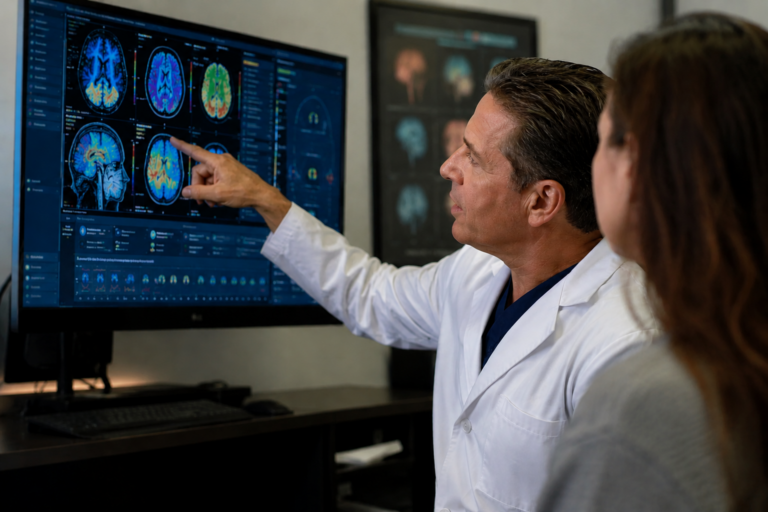

5 PRINCIPLES FOR BETTER MENTAL HEALTH TREATMENT

In making treatment recommendations for patients, the team at Amen Clinics always keeps the following 5 principles in mind:
  1. First, do no harm.
  2. Use the least toxic, most effective, science-based treatments.
  3. Consider short-term pain versus long-term gain. This means don’t fix one problem just to cause another one.
  4. Don’t start people on something that they will have a hard time stopping just to cope with the depression or anxiety of the moment. For example, stopping anti-anxiety pills or antidepressant medications (such as selective serotonin reuptake inhibitors, or SSRIs) can come with withdrawal symptoms in some individuals.
  5. Medications should never be the first and only thing people do. Until the mental health field understands this concept, we will never truly get well as a society.
All psychiatrists should adhere to these principles. If you’re suffering from mental health problems, be sure to seek out a professional who does.

NATURAL ALTERNATIVES FOR MENTAL HEALTH TREATMENT

Increasingly, research is finding that treatments from nature, including nutraceuticals (nutritional supplements) and phytoceuticals (plant-based medicines and herbal supplements), can be highly effective. This means you can find alternatives to anti-anxiety pills and alternatives to antidepressants. In some cases, you can treat depression and other issues without any medication. If you or a loved one is struggling with a mental health condition, it’s important to use natural tools. This is especially true if these supplements are science-based, effective, cheaper, and have minimal side effects. There is a growing body of scientific evidence to support the use of nutritional supplements for many mental health issues. Websites dedicated to the extensive science of nutraceuticals for health and wellness, including brain health and mental wellness, include: Based on the clinical science evidence, these sites often grade nutraceuticals on a scale of A through F. This is similar to the way they rate pharmaceuticals. For example, a few of the nutraceuticals with A-level or B-level evidence for mental health symptoms include: Although nutritional supplements can be beneficial, there is one major flaw in prescribing them. As with medications, nutraceuticals are generally recommended based on symptom clusters, rather than biology. One of the main lessons learned from the brain-imaging work at Amen Clinics—over 300,000 SPECT scans and growing—is that treatment is not one-size-fits-all. This is the case when it comes to medication, and it also holds true for natural treatments for mental health issues. Treatment with nutraceuticals and/or medications is much more effective when prescribed using biological information from brain scans. Seeing which areas of the brain have healthy blood flow and activity and which regions are low or high in activity helps psychiatrists develop more personalized treatmen plans.

WHEN PSYCHIATRIC MEDICATION IS NECESSARY

For more severe mental health disorders, such as schizophrenia or bipolar disorder, medications may be necessary. Medications often prescribed to treat these psychiatric conditions include antipsychotics and mood stabilizers. Even when medication is recommended, it’s a good idea to add other treatments for a more comprehensive plan. For example, taking foundational nutraceuticals—such as omega-3s, a multiple vitamin/mineral complex, and vitamin D—may provide additional support. This is in addition to taking action to prevent, reduce, or eliminate the 11 risk factors, such as: Interventions to support treatment include lab tests, helpful forms of psychotherapy, lifestyle changes, nutritional supplements, food recommendations, physical and mental exercises, and more. By supporting overall brain health in this way, people with mental health problems typically get better faster and have fewer relapses. Anxiety, depression, ADD/ADHD, and other mental health issues can’t wait. At Amen Clinics, we’re here for you. We offer in-clinic brain scanning and appointments, as well as mental telehealth, clinical evaluations, and therapy for adults, teens, children, and couples. Find out more by speaking to a specialist today at 888-288-9834 or visit our contact page here.