Sleep is one of the absolute necessities in life, but some of us tend to sleep less than others. Over 70-million Americans suffer from sleep disorders, and for many, this may be due to parasomnia.
Healthy sleep is a hallmark of a happy lifestyle, and parasomnia treatment could make a major impact on your life.
What is Parasomnia?
All of us have experienced uncontrolled movements during sleep, but not to the degree of parasomnia.
Parasomnia definition: A set of sleep disorders caused by dysfunction in the brain and marked by abnormal, uncontrolled and repetitive nighttime movements.
Most parasomnia types occur during deep sleep and they are more common in children. Sleep disorder specialists have found some parasomnia during REM sleep may be an early sign of serious illness such as Parkinson’s.
In parasomnia, the mind triggers the body to move in various ways. Insomnia treatment is related to parasomnia treatment, as parasomnias cause you to lose an excessive amount of quality sleep.
Parasomnia Types
To treat sleep disorders, six main types of sleep disorders have been identified as well as five types of parasomnias. One of the most common sleep disorders is sleep apnea while the most variety in sleep disorders comes from parasomnias.
Your body may experience a range of motor activities due to parasomnia. These types may also overlap where you experience more than one at a time.
1. Sleep Disorders of Arousal
Forced arousal during sleep may cause you to appear awake but in a confused state when speaking, or maybe a mixed state of both asleep and awake where you have not yet begun dreaming.
2. Sleepwalking
Sleepwalking symptoms may include your significant other not being able to wake you while you move, sitting up in bed and possibly leaving the bed, waking up unsure of how you left your bed, an inability to communicate while you appear to get out of bed, or talking and walking while still asleep.
3. Sleep Talking
Sleep talking may happen with one’s eyes open, appearing to others that you are awake, and is typically called confusional arousal. The meaning behind sleep talking is not clear and is typically not as serious as other parasomnias.
4. Sleep-Related Eating
Sleep-related eating can lead to obesity and many additional health concerns. This sleep disorder is strongly related to other sleep disorders, such as sleepwalking or may even be due to chronic pain preventing you from sleeping and turning to eating instead.
5. Sleep Terrors
With sleep terrors, your “fight or flight” response may cause dramatic movements, such as fighting and shouting in your sleep.
All parasomnias are complex and may be due to brain abnormalities preventing you from a restful night’s sleep.
Therefore, Amen Clinics is unique in conducting brain SPECT imaging for our patients. We believe it is of the utmost importance to view what is happening in the brain to aid in the diagnosis of brain disorders and mental illness.
Each patient is evaluated through The Amen Clinics Method starting with your specific biological, psychological, social and spiritual influences. We apply neuropsychological testing, brain SPECT imaging at rest and during concentration, and conduct lab tests when necessary.
Parasomnia Treatment
For all parasomnias, Amen Clinics offers parasomnia treatment tailored to the individual.
Our clinics focus on natural therapies first for the least toxic method of treating your parasomnia, and we sometimes recommend medication when necessary. Our goal is to offer you restful sleep without the use of sedatives or sleeping pills.
In some cases, the parasomnia may be caused by a seizure, and in others, it could be triggered by sleep apnea. The parasomnia treatment will greatly depend on the individual’s root cause.
One of the most common causes of parasomnias is sleep deprivation (quantity or quality of sleep), and this can be corrected by identifying and treating the underlying causes of disrupted sleep/insomnia.
Sleep disorder specialists at Amen Clinics have access to many treatments and therapies to help treat your parasomnia.
• Sleep cognitive and behavioral coaching
• Hormone Replacement Therapy
• Hyperbaric Oxygen Therapy
• IV Nutrient Therapy
• Neurofeedback
• Nutrition Counseling
• Psychotherapy
• Supplements and Medication
• Hypnotherapy
To learn more about parasomnia treatment with Amen Clinics, call us now at 888-288-9834 or make an appointment online.
See the video below to hear more from Dr. Shane Creado, a sleep disorder specialist at Amen Clinics Chicago.
Big wave surfer Shawn Dollar broke his neck while surfing in 2015, and after his neck brace came off a long three months later, everybody thought he was all better. Although his physical wounds had healed, his brain hadn’t, and he suffered from feelings of anxiety and depression, couldn’t do basic math, and often felt confused. “Something had to change, waiting for my brain to heal was taking too long,” Shawn writes on his website. “I desperately needed help. I needed a shortcut to healing.”
Shawn found that help when he was introduced to Amen Clinics, where he underwent brain imaging tests called SPECT that measure blood flow and activity in the brain. His MRIs had shown no structural damage to his brain, but these scans told a different story—they revealed damage from repeated concussions due to all the big wave wipeouts he’d experienced as a pro surfer. “Everyone else to this point said I was fine,” he says. “But I now had clear medical proof to support what I was feeling.”
Along with other treatments, Shawn underwent hyperbaric oxygen therapy (HBOT) to promote healing. “I felt significantly better after the first HBOT treatment,” he said. “I could think more clearly, I was faster mentally and just felt better overall. I could literally feel my brain working better. I can’t stress enough how much HBOT can quickly and safely heal a concussion or TBI.” Shawn continued his treatment and today, he is happier and closer than he has ever been with his family.
What is Hyperbaric Oxygen Therapy (HBOT)?
HBOT is a noninvasive treatment that involves breathing concentrated oxygen in a special pressurized chamber to promote healing and reduce inflammation. Better known for helping with wound healing and decompression sickness, HBOT can also help with brain health in the following ways.
HBOT enhances blood flow to the brain.
Before-and-after brain SPECT imaging studies of people who have undergone HBOT show remarkable improvement in blood flow to the brain. Adequate blood flow in the brain is vital for mental health. SPECT scans that show low blood flow have been associated with depression, bipolar disorder, schizophrenia, ADHD, suicide, substance abuse, and more. Low blood flow is the #1 brain imaging predictor that a person will develop Alzheimer’s disease.
HBOT promotes healing after traumatic brain injuries.
Traumatic brain injuries (TBI) increase the risk of anxiety, panic attacks, psychosis, PTSD, ADHD, suicide, and more. Treating the underlying TBI with concentrated oxygen can promote healing, according to research. A 2011 brain imaging study looked at 16 soldiers suffering from PTSD following a TBI. They underwent brain imaging and neuropsychological testing before and after 40 sessions of HBOT. After treatment, they demonstrated significant improvement in impulsivity, mood, anxiety, quality of life scores, and more. Their SPECT brain scans showed remarkable overall improvement in blood flow.
HBOT improves brain metabolism in Alzheimer’s disease.
In 2019, researchers reported the first brain imaging study to document improvements in brain metabolism in a patient with Alzheimer’s disease. The study was performed on a 58-year-old woman who had been experiencing cognitive decline for 5 years. After 40 sessions of HBOT, she reported improved memory and concentration, decreased disorientation, less frustration, and her anxiety was gone. The brain scans showed 6.5-38% improvement in overall brain metabolism, prompting the researchers to suggest HBOT could be a potential therapy for Alzheimer’s patients.
At Amen Clinics, 40 percent of our patients have had TBIs, including mild ones where you don’t pass out, and HBOT is one of the treatments that can help. Many of our patients, including surfer Shawn Dollar, at Amen Clinics who have undergone HBOT, have experienced improvement in cerebral blood flow. Benefits they have reported include reduced headaches, depression, and irritability, as well as improved sleep, cognition, mood, and memory.
If you would like more information on this safe, noninvasive treatment, call 888-288-9834 or make an appointment online.
Steve was living on the streets of San Francisco. Suffering from paranoid schizophrenia and addiction, he had violent outbursts and displayed erratic behavior. But he refused to seek treatment and had stopped taking his medication, which is why he had been kicked out of his home. After years of trying, Steve’s mother finally convinced her son to get a comprehensive psychiatric evaluation.
Steve’s First Appointment: A Potential Disaster
The patient outcome manager who was doing his clinical interview was so alarmed by Steve’s psychotic behavior and intense agitation, she didn’t feel comfortable being alone in the same room with him. He scared her. When Steve met with the psychiatrist, he declared loudly that he would not take any medication and that no one could convince him otherwise.
Shifting the Talk from Medication to Brain Imaging
To settle the tension, the psychiatrist shifted the conversation away from medication to the brain and asked if it would be okay to scan Steve’s brain using brain SPECT imaging. Brain SPECT is a state-of-the-art brain mapping tool that evaluates blood flow and activity in the brain and can give psychiatrists more information to help their patients more effectively. Steve was curious and agreed to be scanned. Looking at his scan with the psychiatrist, Steve learned that his brain showed high levels of damage. The psychiatrist showed Steve a healthy scan and compared it to his scan. Steve just stared at them without saying a word
Healthy SPECT Scan
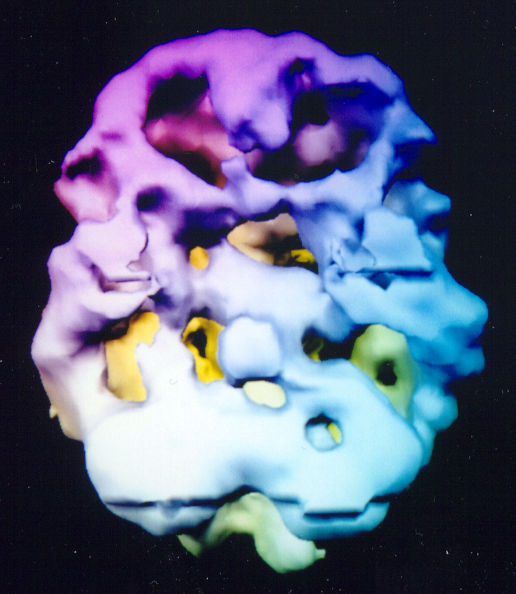
The underside surface of a healthy brain: full, even, symmetrical activity.
Steve’s Brain SPECT Scan
The underside of Steve’s SPECT scan shows overall low blood flow and activity.
Steve’s Brain SPECT Scan: Seeing is Believing
After about 5 minutes Steve looked up, and for the first time made eye contact with the psychiatrist and asked if he could help him heal his brain. The scans helped Steve make the shift from being angry and in denial to being open to making an effort to get a better brain. This was a pivotal moment — one that the scans have provided for thousands of patients. After seeing his brain, Steve was willing to listen when the psychiatrist told him there were better medications than the ones he had been on in the past, and he was open to taking a low dose of a newer antipsychotic medication being prescribed. Steve even agreed to return for a follow-up appointment three weeks later.
Before-and-After Brain Scans Give Steve Hope
Just one week later, Steve’s mother paid an unscheduled visit to the psychiatrist, hugged him, and kissed him on the cheek. “You can’t believe how much better Steve is,” she said. “He is not hallucinating, he’s not aggressive and we can have him at home. I am so grateful.”
A few weeks later, when Steve showed up for his first follow-up visit, he was remorseful for his prior behavior and grateful he was feeling better. We did a follow-up brain SPECT scan, which showed dramatic improvement already. The psychiatrist placed Steve’s original scan next to his new one and asked, “Which brain do you want?”
Steve said, “I want the healthy one.”
“Then you have to take your medication,” the psychiatrist replied.
And Steve agreed to continue taking his prescription, which helped control his symptoms. The scans made all the difference for Steve and the people he loved.
Steve was treated at Amen Clinics, which has been using brain SPECT imaging for over thirty years to help diagnose and treat patients with mental health issues and addictions.
If you or a loved one is suffering from mental illness or addiction, visit us online or call us at 888-288-9834. Insomnia treatment is required for many people to enjoy a standard quality of living. Up to 35% of American adults and 69% of high school students don’t get adequate sleep at night.
To find the right insomnia treatment, it’s important to find an expert who can understand the root cause of the problem. There could be an underlying condition which causes insomnia and must be treated before symptoms can resolve. Insomnia treatment calls for a personalized approach to understand all factors behind the patient’s dysfunction.
What is Insomnia?
Insomnia is excessive wakefulness of the brain. In modern sleep medicine, we view the problem as the brain feeling awake when it should not be.
Insomnia is one of six sleep conditions treated at Amen Clinics. When someone experiences insomnia, it is often diagnosed alongside other disorders. Amen Clinics also treats the following sleep disorders:
• Hypersomnia
• Sleep Apnea (Sleep Disordered Breathing)
• Parasomnias
• REM (Rapid Eye Movement) Sleep Behavior Disorder
• Circadian Rhythm Disorders
Treating your sleep disorder is essential to helping with other chronic conditions.
Types of Insomnia
Researchers are still learning more about insomnia each day. By identifying the different types of insomnia, insomnia treatment is more successful and can target the individual’s root cause.
According to the Netherlands Institute for Neuroscience with research released in 2019, there are five types of insomnia:
• Type 1: Patients scored high on neuroticism and feeling down or tense.
• Type 2: Patients were less distressed and had high sensitivity to reward.
• Type 3: Patients were less distressed and had low sensitivity to reward.
• Type 4: Patients were even less distressed and responded to stressful life events with severe and long-lasting insomnia.
• Type 5: Patients were even less distressed but were unaffected by stressful life events.
Many patients who turn to Amen Clinics feel they have no hope left to find help for their illness. Our experts stay abreast on cutting edge research in each field and have the goal to give patients the best possible individualized care.
Insomnia Causes & Symptoms
Sleep disorders often overlap with psychiatric disorders and requires special attention. A common cause of insomnia is depression, and the two go hand in hand.
For example, there’s a 20% concordance between sleep apnea and major depression. Children can also be affected by sleep apnea.
It’s important to remember that depression is not just one thing. Treatment for depression relies on finding the root cause and can rely on a wide range of dysfunctions, including brain injury, bipolar disorder, childbirth, unhealthy diet, and much more. Just a few common causes of insomnia include the following:
• Environmental factors (light, noise, temperature, etc.)
• Stress (home, work, school, etc.)
• Emotional distress (financial, occupational, familial, etc.)
• Physical discomfort (Restless Legs Syndrome, chronic pain, etc.)
• Medications
• Irregular sleep schedule (shift work, jet lag, etc.)
Just as depression is not one thing, insomnia is not one thing. By identifying the types of insomnia, experts have taken a step closer to identifying the root cause for each individual’s insomnia treatment.
Natural Treatments for Insomnia: Melatonin, Hypnosis & More
Natural ways to treat insomnia help to bring balance to your life and give relief.
Melatonin can be helpful for aiding in sleep, but it is often misprescribed and wrongly dosed to treat insomnia. The correct way to use melatonin is to nudge the patient into sleep rather than “knock them out.”
Magnesium is one type of vitamin to consider to help with nutritional support for sleep. It can be effective with calming the brain before sleep due to its help with activating GABA receptors. 5-HTP can help those who struggle with sleep due to worrying as it aids with creating serotonin in the brain.
Amen Clinics only recommends medication when absolutely necessary, and always turns first to natural remedies while identifying the root cause.
Our clinic is unique in using brain SPECT imaging to inform treatment for all patients. We us a four-pronged approach to evaluate the biological, psychological, social and spiritual influences in your life and review your brain scans for any abnormalities before recommending treatment.
Ways Amen Clinics often treats insomnia may include:
• Coaching
• Hormone Replacement Therapy
• Hyperbaric Oxygen Therapy
• IV Nutrient Therapy
• Neurofeedback
• Nutrition Counseling
• Psychotherapy
• Supplements and Medication
• Hypnotherapy
How to Find Help for Insomnia: Insomnia Treatment Clinics
Sometimes, eight hours of sleep is not enough. Getting less than seven hours of sleep at night is associated with weight issues, hypertension, accidents, and marriage conflict.
Amen Clinics offers personalized insomnia treatment with the care of our expert sleep medicine team.
Find a clinic today and schedule your appointment. We have clinic locations in Atlanta, Chicago, Northern California, Orange County, CA, New York, Bellevue, WA, Washington D.C, and Los Angeles.
Mental health problems are often challenging to diagnose. Depression is a very common mental illness that can be related to many brain disorders. Treatment for depression depends on the root cause of the patient’s diagnoses and calls for a thorough examination.
At Amen Clinics, we strive to identify the root cause of depression. Treatment for depression begins with a four-pronged method designed to give you the best possible individualized care. We are unique in using brain SPECT imaging to diagnose all types of depression.
Diagnosis & Treatment for Depression: Find the Root Cause
Most psychiatrists do not look at the organ they treat. This is why Amen Clinics has developed a system of looking at all aspects of a patient’s mental health, revealing many specific brain health problems. Brain SPECT imaging allows health experts to see where abnormalities are occurring in the brain.
Our clinic’s approach includes an advanced four-step assessment:
• We will begin by taking the time to explore your specific biological, psychological, social and spiritual influences.
• Next, we will perform neuropsychological tests to measure various aspects of your brain function.
• Then, we will perform two brain SPECT scans: one at rest and one during concentration.
• Finally, we will order lab tests to rule out nutritional deficiencies, hormone imbalances, toxicity, etc.— if deemed necessary.
Not only does SPECT help identify proper treatment for depression with imaging, it also allows patients to overcome the emotional burden of seeking help for a problem they may not believe is physical.
Natural Treatments for Depression vs Antidepressants
It is our goal to focus on natural treatments for depression. In some cases, antidepressants might be prescribed, but only when deemed necessary. Many people suffering from depression do not find SSRIs to be effective, and Amen Clinics is committed to finding treatments that work for you.
Many of our recommendations include healthy changes to diet, exercise, supplementation, and positive strategies for coping with stress. Treatment options will depend on your unique assessment and include the following options:
• Coaching
• Hormone Replacement Therapy
• Talk Therapy / Psychotherapy
• Neurofeedback
• IV Nutrient Therapy
• Hypnotherapy
• Nutrition Counseling
• Supplements and MedicationBrain reserve is a concept we often talk about when a person has run out of the capacity to cope with stress. When lifestyle changes are not enough, we do not stop to help patients on their path to become better and have many treatment options available.
Depression Symptoms & Causes
Depression is not the same as situational sadness, however, grief can send a person into a deep depression as well. Losing a loved one, suffering a chronic illness, enduring a sudden injury, and taking on immense emotional burdens all cause stress to the body and can cause depression. Treatment for depression depends on the cause.
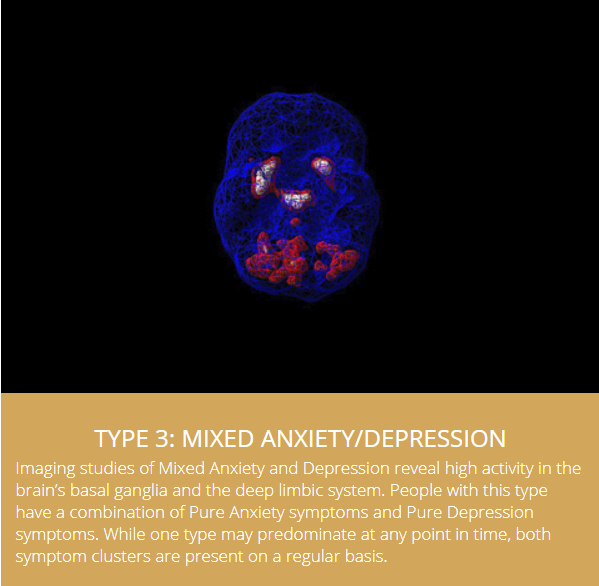
Anxiety and depression are closely related. Amen Clinics often views these two mental health issues as two sides to the same problem, categorizing them together into 7 types. These are some of the most common symptoms:
• Feelings of guilt, worthlessness, helplessness, hopelessness or pessimism
• Decreased appetite and/or weight loss or overeating and weight gain
• Decreased energy, fatigue or feeling “slowed down”
• Disruption in sleep patterns
• Persistent sad or negative mood
• Loss of interest in usually pleasurable activities
• Restlessness, irritability or excessive crying
• Frequent feelings of nervousness or anxiety
• Excessive fear of being judged or scrutinized by others
• Being easily startled or tendency to freeze in anxiety provoking or intense situation
• Shyness, timidity and getting easily embarrassed
• Thoughts of death or suicide, or suicide attempts
Identifying your symptoms of depression and anxiety are the start to finding the root cause. Amen clinics is experienced with a diverse range of causes to depression and prepared to meet you individual needs.
Depression Treatment with Suicidal Depression
Suicidal depression requires immediate help. If you or a loved one suffers from suicidal depression, there are steps to take today to find treatment. Learn to recognize suicidal depression and prevent a tragedy for yourself and a loved one. Some suffering from suicidal depression choose to hide their pain while others show it and must be taken seriously.
The most important aspect to overcoming suicidal depression is to offer help or seek help. Talking about depression is the first step to finding treatment for depression.
Depression Treatment with Mood Disorders
Bipolar disorder treatment is not straightforward. Around 4% of Americans suffer from bipolar disorder, but at Amen Clinics we often find patients have been underdiagnosed or misdiagnosed. Many bipolar disorder patients suffer from ADD/ADHD, brain injury, or other problems which mimic and exacerbate the symptoms of bipolar disorder.
Depression is very common with mood disorders as people experience manic and depressive states. These are serious brain disorders which must be properly diagnosed in order to identify treatment for the root cause of their depression. Following through on treatment for depression in mood disorders is challenging as patients often feel they are cured or never needed treatment once the treatment is effective. Finding professional help and a support network to aid with following through is essential.
Depression Treatment with Brain Injury
One common symptom of a brain injury is depression.
When we are young, we sometimes take a tumble during an important phase of development. When we grow older, we partake in activities such as football and driving, which can lead to a head injury. You might have memories of a head injury prior to a dramatic shift in your personality. Symptoms might be accompanied by:
• Confusion
• Difficulty with concentrating
• Memory problems
• Difficulty with word choice
• Mental or physical fatigue
• Sleep problems
• Moodiness
• Anger outbursts
• Anxiety
• Vision problems
• Balance problems
Depression Treatment with Postpartum Depression
During pregnancy and after childbirth, women are at serious risk of developing postpartum depression. It’s important to view depression as an illness and not as a lack of will to be a good mother. Symptoms include:
• Sadness or hopelessness
• Sudden anger or rage
• Anxiety or difficulty with decision-making
• Feelings of failing to adopt “motherly instincts”
• Self-isolation from friends and family
• Sleeping too little or too much, and out of sync with the baby
• Eating too little or too much
• Difficulty forming an attachment to the baby
• Thoughts of self-harm or harming the baby
Fluctuations in hormones, major life changes, and biological triggers all come into play when diagnosing depression for mothers. Postpartum depression treatment is offered by Amen Clinics to help mothers feel pride in their lives again.
Find Treatment for Your Depression
Those with depression experience similar symptoms to each other, but depression has many root causes. To find the right treatment for depression, it is essential to diagnose the problem. Amen Clinics is prepared to help you on your unique journey.
Make an appointment by calling 888-288-9834 today or scheduling online, and review our locations to find the nearest clinic to your home. Although technology and social media have greatly impacted the way we communicate, the ability to read is still essential to functioning in our society.
Many people struggle to read efficiently due to physical or physiological challenges. If you find yourself experiencing fatigue, irritability, or developing headaches or eye strain while reading, you may have Irlen Syndrome.
What Is Irlen Syndrome?
Irlen Syndrome, or Scotopic Sensitivity Syndrome, is a visual processing problem caused by varying factors including genetics, head injuries, and inflammatory processes such as Lyme disease. Those who experience Irlen Syndrome may experience anxiety, focus issues, or migraines as their brain attempts to properly process visual information.
Most people don’t have difficulties reading black text on a white background. But for those who struggle with Irlen Syndrome, reading can be disorienting or even painful. In severe cases, words can transform into a confusing, disorganized sea of letters. Others see objects as closer or farther away than they are, or in different locations entirely. Symptoms may compare with those of sports-related concussions.
Irlen Syndrome affects 12-14% of the general population. It also afflicts 33% of people with ADHD or autism, 46% of individuals with reading or learning challenges and 55% with head injury, concussion or whiplash.
The Irlen Method
In the early 1980s, while working with college-educated adults who struggled with learning and reading difficulties, Dr. Helen Irlen developed what is now known as the Irlen Method. Dr. Irlen discovered that colored, tinted lenses could be used to filter out the wavelengths of light that are bothersome. Using these overlays while reading can eliminate brightness and distortion issues, reduce stress on the brain and allow it to function better. It’s important to visit a certified Irlen Screener to determine if the Irlen Method is the right treatment for you.
What Are The Symptoms?
People with Irlen Syndrome experience a wide range of symptoms, including:
• Sensitivity to light – especially sunlight, fluorescent lights and glare from headlights or streetlights
• Problems with concentration when reading, often misdiagnosed as ADD
• Complaining of eye pain
• Eyes watering or complaining of dryness
• Difficulty writing neatly or staying on the line
• Strain from computer use
• Fatigue, mood changes, restlessness, or an inability to stay focused
• Trouble reading words that are on white, glossy paper
• Words or letters shifting, shaking, blurring, moving, running together, disappearing, or becoming difficult to perceive when reading
• Feeling tense, tired, or sleepy when reading
• Headaches/migraines
• Problems with depth perception and difficulty with such things as escalators, stairs, ball sports, driving, or coordination
Is Irlen Syndrome Treatable?
Irlen Syndrome is treated through a fascinating application of the science of color. Our brains process light waves of varying lengths as different colors and some colors can irritate the brain. To treat Irlen Syndrome, specific wavelengths are filtered out to correct the visual processing deficit.
Once testing has been completed, a colored overlay is selected that best corrects the individual’s visual issues. Tinted glasses or contact lenses, designed to filter out the disrupting wavelengths of light, can provide further relief. This is a non-invasive treatment and the results are often instant and dramatic.
Correcting Irlen Syndrome can lead to improved comprehension, motivation, self-esteem, and academic/work performance.
Don’t let another school year or business week go by without utilizing your ability to read and process visual information. Get screened for Irlen Syndrome and see how the science of color can dramatically improve your life.
At Amen Clinics, we’re committed to treating our patients with the least toxic, most effective regimen possible. Not all services are offered at each Amen Clinics location. Call us today at 888-288-9834 for availability at a clinic near you, or visit us online to schedule a visit. Depression is often difficult to see until the affected person seeks help.
When it comes to ABC’s hit show “A Million Little Things,” a friend commits suicide and leaves a wake of confusion behind. The show has brought attention to the nature of suicidal depression.
Those who are affected by suicidal depression sometimes present a pattern of not revealing their illness. Each day, they contemplate the moment of suicide as a deliberate and well-thought act. While the event shocks friends and family, the idea has been present all along. The help for depression could have come much sooner, and this is the premise of “A Million Little Things” depression.
The show unravels reasons why the character, Jon, committed suicide and the plans he put in place for after his death.
How Does Friendship Influence Depression?
“Friendship isn’t a big thing. It’s a million little things.”
While it appears that Jon had everything he wanted in life, many cracks start to show with “A Million Little Things” depression. Flashing back to the time before his death, it’s apparent Jon had hidden traumas and a deteriorated sense of community, two factors for building stress resilience.
Just as depression isn’t one thing, friendship is not one thing. The relationships formed are complicated and not easily understood as leading to Jon’s depression and suicide, but all characters seem to be in a crisis with attempts to hide it from one another.
Adult friendships often have boundaries from discussing what’s happening underneath. That is why it’s important to find someone to talk to through depression. “A Million Little Things” displays how friends who once connected over a deep moment of understanding can drift apart and no longer share what is most important in life.
Jon is connected to many happy memories with his friends, but the question still remains: Why would he commit suicide?
Why Did Jon Kill Himself in “A Million Little Things”?
In the season finale, new insight was revealed as to why the character committed suicide.
17 years earlier, in 2001, Jon was going to a real estate conference in L.A. for work. He asked his roommate, Dave, to join him on the trip so they could hang out and make it a good time. In the airport on the way to his terminal Jon stopped at concessions, which caused him to be late and the gate was closed for his flight. Dave had boarded the plane already, so Jon called him, let him know he couldn’t make it, and planned to catch the next flight out.
As it turns out, the flight was hijacked and involved in one of the crashes of 9/11. Jon watched the news footage in the airport. He kept in touch with Dave’s girlfriend after the event, as she was pregnant, and it was revealed that the day he committed suicide he had sent her a video apologizing and expressing his deep grief even 17 years later.
Grief and trauma are deeply damaging emotions which leave a lasting impact on brain health when not managed in a healthy way. The symptoms of grief and trauma are often diagnosed as PTSD. It is highly important to be evaluated by a professional for this disorder, as a traumatic brain injury (TBI) may also cause the same symptoms as PTSD.
This is why Amen Clinics specializes in brain SPECT imaging for mapping blood flow in the brain and identifying functional abnormalities. While Jon from “A Million Little Things” is a fictional character, had he undergone our evaluation process at Amen Clinics, he would receive a full evaluation to rule out a TBI.
Symptoms of Suicidal Depression
The responsibility to get better always lies on the person needing to get better, but when it comes to depression, friends and family are essential to seeing the signs and pushing the loved one to seek help.
Recognizing depression is the first step. Amen Clinics has identified seven total types of anxiety and depression while the following are symptoms of “pure depression”:
● Persistent sad or negative mood
● Loss of interest in usually pleasurable activities
● Restlessness, irritability or excessive crying
● Feelings of guilt, worthlessness, helplessness, hopelessness or pessimism
● Sleeping too much or too little, or early morning awakening
● Decreased appetite and/or weight loss or overeating and weight gain
● Decreased energy, fatigue or feeling “slowed down”
● Thoughts of death or suicide, or suicide attempts
● Difficulty concentrating, remembering or making decisions
● Persistent physical symptoms that don’t respond to treatment, such as headaches, digestive problems or chronic pain
● Chronic low self-esteem
● Persistent feeling of being dissatisfied or bored
● Increased automatic negative thoughts
Friends might notice a sudden calmness influence the depressed loved one, which may indicate a decision to end his or her life. This may be followed by personality changes, such as partaking in reckless behavior or not taking care of one’s hygiene. They may also feel the need to get their life in order for others to inherit their belongings, such as making sudden business decisions.
If the loved one has gone through a recent traumatic event, they may be overwhelmed with stress and have run out of ways to cope. Everyone has what is referred to as “brain reserve,” which is your brain’s extra function and tissue left to deal with harmful life events. When we run out of brain reserve, we begin to experience mental decline.
Those affected by the symptoms of depression must be pushed towards a diagnosis in order to get the help they deserve. Depression comes in many forms and treatment varies, requiring expert care.
Treatment for Suicidal Depression
At Amen Clinics, we are dedicated to offering attentive support with proven treatments for patients suffering from suicidal depression.
Depression is not diagnosed as one thing and has many causes. Treatment must be carefully given to address the root cause of the problem. Our approach is not “one size fits all” as we conduct a complete health assessment of each patient’s biological, psychological, social and spiritual influences.
Unlike most psychiatrists who treat depression, we conduct neuropsychological tests and perform brain SPECT scans to identify any abnormalities in the brain before diagnosis. We also order lab tests to rule out deficiencies, hormone imbalances and toxic exposure.
If you are having suicidal thoughts, call the National Suicide Prevention Lifeline at 1-800-273-TALK (8255).
Make an appointment by calling 888-288-9834 today or schedule a visit online. Review the Amen Clinics locations to find the nearest clinic to your home.
We have eight locations across the country in cities including Atlanta, Chicago, New York, Washington DC, and Los Angeles. We also have locations in Orange County, CA, in Walnut Creek, CA, and in Bellevue, WA.
For more on Dr. Amen’s approach on depression and anxiety, watch the video below with an intimate chat between Dr. Amen and his wife, Tana Amen.
When you hear the word “hypnosis,” your brain might conjure up the image of a magician at a carnival sideshow swinging a pocket watch in front of someone’s face and saying, “you’re getting very, very sleepy.”
Unlike magic show hypnosis, medical hypnosis is a holistic treatment that focuses on supporting and restoring the mind.
What is Hypnotherapy?
Hypnotherapy is hypnosis that is guided by a clinical hypnotherapist. Hypnotherapy is a widely accepted tool in psychology. It is characterized by a heightened state of calmness that helps an individual quiet their emotional mind while increasing their focus.
By inducing a trance-like state, a therapist can help a patient begin the recovery process. With professional guidance, individuals can focus on their pains and struggles, which allows them to implement changes or regain control of their life in targeted areas.
What Does Hypnotherapy Treat?
Hypnotherapy has been used as a treatment for a variety of conditions, such as:
• Addiction
• Anxiety
• Chronic stress
• Depression
• Pain management
• PTSD (posttraumatic stress disorder)
• Sleep management
• Weight loss
Additionally, hypnosis can help reduce phobias, improve digestive issues, and manage negative thoughts and behaviors. Hypnosis is a powerful tool to help you gain mastery over your own mind. Just as negative thoughts can make a body sick, promoting positive and nurturing thoughts (via hypnosis) can help heal your mind.
Preparing for Hypnotherapy
Before starting your hypnosis sessions, your healthcare professional may recommend that you eliminate certain unhealthy routines or behaviors that might interfere with the treatment process. These harmful habits may include: lack of quality sleep, alcohol or drug abuse, excessive caffeine intake, and living a sedentary existence. A practitioner might also give some simple tips, like unplugging electronics before bed to allow for more restful and brain rejuvenating sleep.
What Happens During a Session?
A hypnosis session is typically conducted in a quiet, relaxed environment. A clinician will make sure the patient is comfortable and then begin the session.
The therapist will ask the patient to reflect on troubling events from the past or current challenges. By changing a negative thought or experience to a positive one, a practitioner can help guide the patient along a path of recovery.
Unlike the frequently inaccurate ways hypnotherapy is portrayed in movies and TV, a patient is never unwillingly forced into unconsciousness or some abstract dream state. A patient is awake and in control of their thought process the entire session. The patient can hear the therapist’s direction and can choose whether or not to implement those suggestions.
Hypnosis Case Study
Dr. Daniel Amen has used hypnosis with his patients for decades, and the results have been remarkable. He shares one fascinating case study from when he was an intern at the Walter Reed Army Medical Center:
Many of my patients wanted sleeping pills. As you can imagine, it’s hard to sleep in a busy, noisy hospital. Before I gave them the pills, however, I asked if I could hypnotize them first. Almost everyone agreed, and it was very helpful.
One of my patients, a decorated World War II hero, had Parkinson’s disease and when he was in hypnotic trance for sleep, his intensive tremors went away. When I told the attending neurologist about it the next morning, he thought I was crazy. So, I repeated the exercise in front of the doctor, and the astounding results became my first clinical paper.
Find the Right Help
Since many practitioners offer hypnosis services, it’s important to identify a hypnotherapist that is properly trained in the therapy. Aside from qualifications, it’s important that you find a hypnotherapist that you’re comfortable with to ensure the effectiveness of the therapy. It might be a good idea to schedule an initial consultation to see how well you “click” with the therapist to make sure it’s a good match.
Hypnosis is a tool to help you (and other professionals) understand what’s going on inside your mind. It helps identify different therapies that might be helpful for you. Hypnosis is often accompanied by talk therapy, lab tests, and doctor’s visits.
If you’d like to learn more about how hypnosis can help promote better quality sleep, manage food cravings, break bad habits or just help you understand personal struggles with deeper clarity, ask your healthcare professional if hypnotherapy is right for you.
At Amen Clinics, we’re committed to treating our patients with the least toxic, most effective regimen possible, which may include treatments like hypnotherapy. Not all services are offered at each Amen Clinics location. Call us today at 888-288-9834 for availability at a clinic near you, or visit us online to schedule a visit. Chronic illnesses are often misunderstood. On the Netflix series, “Afflicted,” the show presents patients experiencing mysterious chronic illness and follows these patients as they manage symptoms, from depersonalization to chronic fatigue.
While the show has drawn criticism for turning patients into a spectacle, some of the illnesses described are often found here at Amen Clinics. Similar to how Netflix’s “Afflicted” patients underwent a psychiatric evaluation prior to signing on, every patient at Amen Clinics is thoroughly examined to identify the root of their ailment.
We take a four-pronged method to evaluate the biological, psychological, spiritual and social factors in each patient’s history, and then specialize in brain SPECT imaging for deep insight into abnormalities of the brain. We treat for many complex chronic illnesses with this knowledge.
1. Chronic Mold Sensitivity
Mold is a toxic found in many homes with poor circulation. Netflix’s “Afflicted” follows a story about one patient with severe chronic mold sensitivity. People with mold sensitivities often experience upper respiratory problems including nasal stuffiness, wheezing, eye irritation, coughing, skin irritation, and sometimes upper respiratory infections. These are all initial reactions to mold, and repeated exposure to mold for those with mold sensitivities can have lasting effects on the brain and other bodily functions.
When toxins enter the body, they are carried through the bloodstream and to the brain, creating brain injury. Patients can experience many cognitive problems, dizziness, headaches, pain, fatigue and drastic personality changes when exposed to mold. Brain SPECT scans are able to identify overall patterns of high or low blood flow which mimic this ailment.
There are several common toxins that can lead to brain injury, including mercury, pesticides and asbestos. Parasites, bacteria, viruses and infection can also release toxins which impair brain function and are often confused with symptoms of mental health disorders.
2. Lyme Disease
Lyme disease is caused by Borrelia bacteria found in deer ticks. Patients afflicted by lyme disease may never realize they contracted the bacteria prior to experiencing unusual illnesses. The CDC estimates 20-30% of patients never experience the tell-tale bullseye rash. Netflix’s “Afflicted” includes mention of lyme disease in a variety of cases, as this disease has become more commonly known and leads to mysterious symptoms.
Patients may experience many unexplained physiological symptoms including fevers, swollen glands, sore throat, headache, and joint pain along with common neuropsychological issues including impaired attention, impaired speech, poor decision making, and psychosis.
Amen Clinics is equipped to evaluate for lyme disease, and with brain SPECT imaging, can identify damage to the brain caused by the inflammatory response to help repair damage.
3. Autoimmune Disease & Hyperbaric Oxygen Therapy
One patient on Netflix’s “Afflicted” experiences a range of autoimmune disorders and found hyperbaric oxygen therapy helpful for healing. This type of therapy can boost the immune system, decrease inflammation, and boost stem cell and ATP (Adenosine Triphosphate) production.
Laying in a pressurized chamber allows the lungs to gather more oxygen to supplement the body’s damaged tissue. Amen Clinics offers both hard and soft chambers. Hard chambers deliver 2.7 times atmospheric pressure while soft chambers deliver 1.3 times.
In addition to autoimmune disease, the following ailments are sometimes treated with hyperbaric oxygen therapy:
• Traumatic Brain Injury
• Carbon Monoxide Poisoning
• Sports Injuries
• Autism
• Cerebral Palsy
• Alzheimer’s Disease
• Stroke
• Lyme Disease
• Migraine
• Multiple Sclerosis
• Vascular Dementia
Find a Chronic Illness Clinic Near You
Mold toxicity and lyme disease require an Integrative Functional Medicine Specialist to treat these illnesses, found in Costa Mesa, CA, Bellevue, WA and Reston, VA.
Hyperbaric chambers are offered at all eight of our locations across the country.
Call 888-288-9834 and schedule and appointment with us today to find the treatment you deserve. See the video below for more on how the Amen Clinics approaches brain health.
At Amen Clinics, we believe that you can’t possibly know what’s going on inside your brain until you take a look. Imaging changes everything. It removes the guesswork from the standard psychiatric approach of prescribing high-powered medications to mask symptoms, which is like throwing darts at a dartboard in the dark. By contrast, our approach is to look inside the brain and to treat it with as natural a regimen as possible. We treat the root of the problem rather than just the symptom.
Why SPECT?
Your brain is involved in everything you do. How you think, act, and interact with other people is related to the moment-by-moment functioning of your brain.
When the brain works right, people tend to work right. When the brain is troubled, people tend to struggle to be their best selves. If mental disorders and aberrant behaviors are related to functional problems in the brain, the logical next step is to physically evaluate the brain. Why then are psychiatrists the only physicians who rarely look at the organ they treat?
It’s time for a change. Amen Clinics provides education and insight on the clinical use of brain imaging in psychiatry. Over the past 30 years Amen Clinics has built the world’s largest database of brain scans related to emotional, learning and behavioral problems.
Our study is comprised of brain SPECT images. SPECT stands for Single Photon Emission Computed Tomography. Because brain activity is directly related to blood flow, SPECT effectively shows us the patterns of activity in the brain. SPECT allows physicians to look deep inside the brain to observe three things: areas of the brain that work well, areas of the brain that work too hard and areas of the brain that don’t work hard enough.
Amen Clinics has performed over 145,000 scans on patients from age 9 months to 105 years. In addition to diagnosing and treating patients with symptoms such as ADD/ADHD, anxiety, depression, PTSD, OCD, autism, addiction, head trauma and many other complex or resistant psychiatric problems, we’ve also scanned many health-conscious individuals interested in learning more about their brains and how to keep them optimized far into the future.
What is a Full Evaluation?
The Full Evaluation is a comprehensive diagnostic process which allows our doctors to create a personalized and targeted treatment plan that’s designed to address your unique needs. The evaluation takes place in one of our clinics over a 2 to 3-day period. It involves several highly-trained professionals including your physician, who you will meet with on the last day.
The Full Evaluation includes several different appointments. Here’s a brief description of those appointments and what takes place at each step of the procedure:
SPECT Scans
SPECT is a nuclear medicine procedure which creates a functional 3D image of your brain. We conduct two brain SPECT imaging scans, one while you’re doing a concentration task, and one while you’re at rest. Prior to the concentration scan, you’ll take a 15-minute computerized test that measures attention and focus. During the resting scan, you’ll sit back and remain in a relaxed state.
The SPECT process typically takes 20 to 25 minutes for each scan and requires that you remain completely still during that time. A trained scan technologist will guide you through the process and answer any questions you may have.
Clinical History
During this appointment, one of our trained Outcome Managers will discuss your symptoms, medical and mental health history. Everything discussed during your intake appointment may be included in your final report (unless otherwise specified by you). The open and accurate answers you provide will allow our doctor to develop the best treatment plan for you.
WebNeuro Online Testing
WebNeuro is an objective, web-based emotional and cognitive neuro-diagnostic testing service. It asks questions that examine how you’ve been feeling and functioning over the past week or so. It also gives you game-like tasks to complete. There’s no pass or fail. Testing takes approximately 40 minutes to complete.
Final Evaluation with the Doctor
After all appointments have been completed, you’ll meet with a physician for your final evaluation. Though you won’t meet with Dr. Amen, you can be confident that each of our physicians has been selected, trained and approved by him.
During the appointment, the physician will review your test results, clinical history, and scans. Additional information may be requested from you, and any questions you may have will be addressed at this time. Your physician will develop an individualized treatment plan for you. Our recommendations often include treatments other than prescription medications (e.g. natural supplements, dietary changes, nutrition plans, exercise, and various forms of therapy) that can be implemented at an Amen Clinics location, at home or with a local practitioner.
Follow-up Appointment
The follow-up appointment with your physician is typically scheduled 2 to 4 weeks after your final evaluation. This appointment is used to discuss treatment progress and address any remaining questions or concerns. Patients who live at a distance from our clinics can do their follow-up appointment over the phone.
For more information on how SPECT imaging can help provide a customized treatment plan to help heal your brain, call us today at 888-288-9834 or visit us online to schedule a visit.

 The underside surface of a healthy brain: full, even, symmetrical activity.
 The underside of Steve’s SPECT scan shows overall low blood flow and activity.
 Our clinic’s approach includes an advanced four-step assessment:
• We will begin by taking the time to explore your specific biological, psychological, social and spiritual influences.
• Next, we will perform neuropsychological tests to measure various aspects of your brain function.
• Then, we will perform two brain SPECT scans: one at rest and one during concentration.
• Finally, we will order lab tests to rule out nutritional deficiencies, hormone imbalances, toxicity, etc.— if deemed necessary.
Not only does SPECT help identify proper treatment for depression with imaging, it also allows patients to overcome the emotional burden of seeking help for a problem they may not believe is physical.
Our clinic’s approach includes an advanced four-step assessment:
• We will begin by taking the time to explore your specific biological, psychological, social and spiritual influences.
• Next, we will perform neuropsychological tests to measure various aspects of your brain function.
• Then, we will perform two brain SPECT scans: one at rest and one during concentration.
• Finally, we will order lab tests to rule out nutritional deficiencies, hormone imbalances, toxicity, etc.— if deemed necessary.
Not only does SPECT help identify proper treatment for depression with imaging, it also allows patients to overcome the emotional burden of seeking help for a problem they may not believe is physical.