These are clear signs of an anger problem, and they may indicate a potential impulse-control disorder called Intermittent Explosive Disorder (IED), which affects both adolescents and adults. Roughly 4% of Americans will have IED across their lifespan according to recent research estimates.
While these angry outbursts rarely last more than a half-hour, they are highly destructive to personal and professional relationships, sometimes causing serious financial and legal issues. Unfortunately, the stigma around having “anger issues” makes it difficult for individuals who may have intermittent explosive disorder to seek help.
Here’s how to identify IED, what causes it, and better yet, what you can do to treat it.
WHAT IS INTERMITTENT EXPLOSIVE DISORDER?
Experiencing angry feelings is a normal and necessary part of being human. However, with intermittent explosive disorder, anger recurrently erupts as sudden and intense episodes of verbal or physical aggression, out of proportion to the trigger.
An angry episode often creates a mess, either with the physical destruction of things/property or with physical or emotional harm to people. Following an outburst, a person with IED may feel exhausted, relieved, and sometimes remorseful or embarrassed about their behavior and its consequences.
IED is most prevalent in adolescent children with the average age of onset being 11. That said, it can be diagnosed in children as early as age 6.
Can you grow out of intermittent explosive disorder? IED is generally considered a long-term disorder, but the intensity of the angry outburst may decline with age. Adults with IED usually show signs before the age of 40.
Although an outburst of anger comes on suddenly, there are some signals just before it happens. Here are the most common signs before an individual with IED experiences an angry episode:
Tingling
Shaking
Quickened or pounding heartbeat
Tightness in the chest
Greater tension and energy
Increasing irritability
Rage
Racing thoughts
The most common intermittent explosive disorder symptoms include the following:
Irritability
Rageful episodes
Temper tantrums, verbal tirades
Getting in physical altercations and/or verbal assaults with others
Pushing, slapping, scratching, punching, or causing bodily harm to another person
Engaging in physical aggression that leads to the damage of property, people, or animals
WHAT CAUSES INTERMITTENT EXPLOSIVE DISORDER?
People with IED may have destructive behavior, but they are not bad people. They deserve understanding and empathy as they are suffering from a mental health condition.
While researchers are still trying to determine what exactly causes IED and other anger issues, the evidence to date suggests a mix of biological, genetic, and environmental factors.
Biological Influences
Like most mental health disorders, the brains of people with intermittent explosive disorder work differently. Brain-imaging research using SPECT scans at Amen Clinics show that more than 70% of individuals who had damaged property or assaulted another person had abnormalities in their brain’s left temporal lobe region.
This suggests that dysfunction of or damage to the left temporal lobe is associated with pronounced irritable, angry, or violent thoughts.
Also associated with impulse control behaviors is suboptimal functioning of the prefrontal cortex (PFC). The PFC plays a major role in impulse control and judgment.
When it is not working properly or there’s poor blood flow to this area of the brain, it’s harder for your brain to put the “brakes” on behavior. Imaging studies have found that damage to the prefrontal cortex (PFC) can contribute to anger problems.
Other studies have found a predisposition of anger is associated with an elevated amygdala response, as well as larger amygdala volume. The amygdala is where fear/anxiety live in the brain, and anger can mask fearful and anxious feelings.
Interestingly, individuals with IED tend to have lower levels of the feel-good neurotransmitter serotonin, according to research published in the journal Neuropschopharmacology.
Additional research from the University of Cambridge indicates that lower serotonin levels are associated with poor impulse control and aggressive behavior.
Other potential biological factors include certain infections. One study from the University of Chicago shows a link between toxoplasmosis and intermittent explosive disorder in humans.
Toxoplasmosis is an infection with a tiny parasite known as toxoplasma gondii. People often become infected through contact with cat feces. In this study, researchers found that people with rage disorder are more than twice as likely to be infected with toxoplasmosis.
Genetics
Intermittent explosive disorder tends to run in families. In fact, medical experts believe that 44 to 72% of the likelihood of developing IED may be due to genetics.
Psychological Factors
What are the underlying psychological causes for intermittent explosive disorder? Many psychological factors may be contributors.
For example, adverse childhood experiences and trauma are highly associated with IED. So, does post-traumatic stress disorder (PTSD) cause intermittent explosive disorder?
A study published in Psychiatric Research involving more than 5,000 individuals found that IED is associated with increased exposure to trauma and, in particular, trauma experienced in childhood.
That includes physical or sexual abuse, as well as physical or emotional neglect or living with an individual who has addiction issues or a mental health condition.
Having one of these co-occurring mental health conditions may increase the likelihood of developing explosive episodes of anger:
Personality disorders, including antisocial personality disorder, narcissistic personality disorder, and borderline personality disorder
TREATMENT OF INTERMITTENT EXPLOSIVE DISORDER
Intermittent explosive disorder cannot be cured, but it is treatable, and can get vastly better if properly managed through several methods. Here are several steps you can take:
Treat other mental health conditions.
When being evaluated for IED, it’s critically important to also be evaluated for any co-occurring mental health conditions. Treating common mental health conditions such as clinical depression, anxiety, or substance abuse can greatly improve IED.
Try psychotherapy.
Therapy can help address many of the issues that fuel explosive episodes. The following methods can be helpful:
Cognitive behavioral therapy: CBT focuses on changing the way you think about the frustrating and stressful situations that tend to stir your aggression.
Relaxation strategies: By practicing deep breathing exercises, self-hypnosis, or guided imagery, you can learn to calm angry impulses.
Group therapy: A therapy group focused on cognitive coping and anger management can be helpful for the treatment of IED, research has found.
Address biological factors.
Anger management strategies can be helpful, but they do not address underlying brain dysfunction or damage related to the development of IED. Functional brain scans with SPECT can be very helpful in revealing where the brain is underactive or overactive, which can help in determining a protocol for optimizing brain function.
Make a healthy lifestyle a priority.
Restful sleep, a brain-healthy diet, regular exercise, and avoiding brain-damaging habits such as alcohol consumption or smoking can be incredibly helpful in supporting brain health and a steady mood.
Seek help.
Of course, without an accurate diagnosis, there can be no treatment. If you or someone you love is showing signs of IED, see a qualified mental health professional for psychiatric evaluation.
Destructive episodes of verbal abuse or physical aggression and other mental health issues can’t wait.At Amen Clinics, we’re here for you. We offer in-clinic brain scanning and appointments, as well as mental telehealth, clinical evaluations, and therapy for adults, teens, children, and couples.Find out more by speaking to a specialist today at 888-288-9834or visit our contact page here. Attention-deficit disorder, attention-deficit/hyperactivity disorder, over-focused ADD, over-focused ADHD, spect scans, amen clinics, excessive worry, types of ADHD, what is adhd, what is over-focused ADHD, obsessive-compulsive disorder, ADD types, adhd treatment,
One of the most common symptoms of ADD/ADHD is having trouble with focus. Surprisingly, however, some people with this condition have a tendency to hyperfocus on certain things. At Amen Clinics, which has identified 7 types of based on more than 300,000 brain SPECT scans, this type is called over-focused ADD/ADHD.
In part 3 of this 7-part blog series, you’ll learn about over-focused ADD, its symptoms, what SPECT scan reveal, and proven interventions.
Some people with ADD/ADHD have a tendency to hyperfocus on certain things. At Amen Clinics, which has identified 7 types of based on more than 300,000 brain SPECT scans, this type is called over-focused ADD/ADHD.
Attention-deficit disorder (ADD), more commonly called attention-deficit/hyperactivity disorder (ADHD), is a neurodevelopmental disorder characterized by attention issues, impulse-control problems, and hyperactivity (in some cases). Come people who are diagnosed with ADD/ADHD in childhood continue struggle from symptoms as an adult.
The brain-imaging work using SPECT scans at Amen Clinics show that ADD/ADHD is not a singular condition. To date, Amen Clinics has identified 7 different brain patterns associated with ADD/ADHD. Each type has its own set of symptoms, and each type requires a targeted treatment plan.
WHAT IS OVER-FOCUSED ADHD?
Based on the patients at Amen Clinics, over-focused ADD/ADHD is the third most common type of the condition. Basically, people with this type can have difficulty shifting their attention. They become hyper-focused on one thing while tuning out everything else.
Individuals with over-focused ADD/ADHD have troubles with cognitive processing. They aren’t inattentive, rather, they are over-attentive.
People with over-focused ADHD tend to get “stuck” in negative thought patterns and behaviors.
In addition, they can be argumentative or oppositional. And they may have outbursts when things don’t go a certain way.
In some cases, this form of the neuropsychiatric disorder has been mistaken for obsessive-compulsive disorder (OCD). A pivotal difference between the two conditions is impulsivity. People with OCD typically aren’t impulsive, whereas those with over-focused ADD/ADHD tend to make more impulsive decisions.
Another common trait among those with this type of the condition is having a substance use disorder. It is also more likely to be found in the children and grandchildren of alcoholics.
HALLMARK SYMPTOMS OF ADHD
The SPECT scans and clinical work at Amen Clinics shows that each ADHD subtype has unique symptoms. However, the following symptoms can be seen in all of the 7 ADHD types:
People who have over-focused ADD/ADHD can struggle with all of these symptoms or just some of them. Some people experience mild symptoms while others suffer with severe problems.
When it comes to disorganization, people who are over-focused may not be like those with other types of ADD/ADHD. In fact, in some cases, they may be obsessively organized.
In other cases, the over-focused type may appear very organized to others. They may be dressed perfectly, and their homes may look very neat and tidy. However, if you look inside their desk drawers or their closets, you may find a disaster.
OVER-FOCUSED ADHD SYMPTOMS
In addition to the hallmark symptoms mentioned above, the unique characteristics of over-focused ADD/ADHD include:
Hold onto their own opinion without listening to others
Can get locked into a course of action (even when it doesn’t serve you)
Must have things done in a specific way
May or may not be hyperactive
These type-specific symptoms can range from mild to severe.
OVER-FOCUSED ADHD IN THE BRAIN
On SPECT scans, people with over-focused ADD may have increased activity in the anterior cingulate gyrus (ACG) when their brain is at rest or during concentration. In the scan below, the arrow is pointing to overactivity in the ACG.
The ACG is the brain’s gearshift. It allows a person to shift from one thought to another thought or from one idea to the next. When the ACG is overactive, people have a tendency to get stuck or locked into negative thoughts and behaviors.
SPECT scans also show that during concentration, people with over-focused ADHD have decreased activity in the underside of the prefrontal cortex, cerebellum, and basal ganglia.
Over-Focused ADD SPECT Scan During Concentration
OVER-FOCUSED ADHD TREATMENT
Strategies that can help manage the symptoms of over-focused ADD/ADHD include the following:
Boost serotonin and dopamine levels.
One way to treat this type is to increase the dopamine and serotonin levels in the brain. The best way to boost both is with exercise. Exercise can help to distract from obsessive thoughts, provide relaxation for open-mindedness, and boost blood flow to the brain.
Focus on complex carbohydrates.
An optimal diet for people with ADHD who tend to over-focus should include complex carbs like sweet potatoes, as well as small amounts of high-quality proteins. Too much protein in these individuals can exacerbate the tendency to hyperfocus.
Ensure quality sleep.
It’s recommended that individuals with this type get 7-8 hours of sleep each night. Getting appropriate levels of sunlight during the day can also increase your body’s production of serotonin. In the evening, serotonin converts into melatonin, which aids in getting a good night’s sleep.
Use the 3-thought cutoff.
If you frequently experience obsessive or negative thoughts, establish a 3-thought cutoff. Once a negative thought has repeated in your mind 3 times, get up and do a different activity. Focusing on something else will allow you to push negative thoughts to the back of your mind.
Review goals daily.
One effective way to reduce over-focus symptoms is to start writing down your goals. Review these goals each day, evaluate your decisions and adjust your behavior so that you’re working toward your goals, instead of against them.
Take targeted supplements.
This type of ADD seems likely due to low levels of both serotonin and dopamine. Because of this, it’s a good idea to take nutritional supplements that boost these important neurotransmitters. A combination of St. John’s Wort and L-tyrosine can be very helpful. L-tryptophan and 5-HTP, which are serotonin building blocks, are other nutraceuticals that may increase serotonin in the brain.
Get a personalized treatment plan.
If you have over-focused ADD/ADHD, you need a targeted treatment program. What works for other types of ADHD may not work for you. In fact, some standard ADHD treatments could make your symptoms worse.
To make sure you get the right treatment for your needs, ask yourself these questions:
To know which type of ADHD you have, consider getting a SPECT scan to learn more about your brain activity. Without looking at your brain, mental health professionals can only guess which type you have.
Want more information? Download Amen Clinics’ free Getting to Know the 7 ADD Types eBook.
ADD/ADHD and other mental health issues can’t wait. At Amen Clinics, we’re here for you. We offer in-clinic brain scanning and appointments, as well as mental telehealth, clinical evaluations, and therapy for adults, teens, children, and couples.Find out more by speaking to a specialist today at 888-288-9834or visit our contact page here. Do you feel moody? Do you swing between periods of low moods and highs marked by intense surges of energy? Or do you simply feel down most of the time? If so, you may have a mood disorder, also called an affective disorder.
Affective disorders manifest in numerous ways, each with its own symptoms. You’re likely familiar with some types, such as bipolar spectrum disorder (BSD) and major depressive disorder. Others remain lesser-known: Premenstrual dysphoric disorder (PMDD), for example, was only recognized by the International Classification of Diseases 11th Revision (ICD-11) in 2022.
Mood disorders are common and potentially disruptive to everyday life, even increasing risks for illness and death. Here, we will explore 8 types of affective/mood disorders and their symptoms to help create a pathway toward more informed diagnosis and treatment.
Individuals with affective disorders may experience moods that are persistently low or that swing drastically—beyond the normal highs and lows that everyone experiences in life.
Affective disorders are mental health conditions that affect a person’s mood. Mood is defined by the National Library of Medicine (NLM) as “a pervasive and sustained feeling tone that is endured internally, and that impacts nearly all aspects of a person’s behavior in the external world.”
Individuals with affective disorders may experience moods that are persistently low or that swing drastically—beyond the normal highs and lows that everyone experiences in life.
What are mood disorders in terms of brain activity? According to the functional brain-imaging work at Amen Clinics, which includes over 300,000 SPECT scans, mood disorders are associated with abnormal activity levels in various regions of the brain.
For example, major depressive disorder is associated with heightened activity in the deep limbic system, which is considered the brain’s emotional center. On SPECT scans, cyclic mood disorders, such as bipolar disorder, can correlate with too much activity across the surface of the brain.
However, SPECT scans also show that brain activity changes throughout a woman’s menstrual cycle. Therefore, a woman with PMDD will experience changes in brain activity during the most difficult time of her menstrual cycle.
She may have increased deep limbic activity as well as decreased activity in the prefrontal cortex (PFC). Lower activity in the PFC is associated with trouble concentrating and impulsivity. Meanwhile, increased activity in the anterior cingulate gyrus can trigger “stuck” thoughts or behaviors.
Because many affective disorder symptoms can overlap, functional brain scans with SPECT can help determine the underlying patterns at work and enable a targeted treatment plan.
TYPES OF MOOD/AFFECTIVE DISORDERS
Now that you know some of the brain changes taking place in mood/affective disorders, here’s a brief overview of this category’s different types.
Bipolar spectrum disorder (BSD), previously known as manic-depressive illness, affects nearly 6 million U.S. adults. Most people experience their first symptoms in young adulthood (late teens to mid-20s), but it can also begin in childhood, or as late as the 50s. BSD tends to run in families, affects men and women equally, and is divided into two types: bipolar I and bipolar II.
Symptoms of bipolar disorder change between different cycles. Manic episodes are characterized by a burst of energy, which can show up as racing thoughts, increased or pressurized talking, irritability, and grandiose ideas, among other symptoms.
Depressive episodes, on the other hand, are marked by an excessive slowdown in energy and mood. They may cause someone to sleep more, lose pleasure in typically enjoyable activities, or feel fatigued, helpless, or hopeless.
These sweeping shifts may make it difficult for the mood disordered person to create healthy relationships or perform at work or school. They can lead to increased risk for everything from hospitalizations and suicide attempts to substance abuse, anger outbursts, and reckless behavior.
Cyclothymia, also called cyclothymic disorder, is a type of bipolar disorder that is considered less severe than bipolar I or II.
The American Psychiatric Association notes that those with cyclothymic disorder will experience hypomanic and depressive symptoms for at least 2 years, but these symptoms don’t meet the criteria for hypomanic or depressive episodes.
To be diagnosed with cyclothymia, the person’s symptoms must persist for at least half of a 2-year period, never stopping for more than 2 months.
Hypomania is a form of bipolar II. The National Library of Medicine describes it as “a non-psychotic, milder, or sub-threshold manic state of short duration.”
It lasts for at least 4 consecutive days but does not create significant impairment in social or workplace settings. Requirements for meeting this diagnosis include elevated mood with 3 or more of the following symptoms, or irritable moods with at least 4 of these symptoms:
Increased goal-directed activity
Grandiosity
Diminished need for sleep
Distractibility
Racing thoughts
Increased/pressured speech
Reckless behavior
Major depressive disorder is now well-known in the U.S., with about 17.3 million people (more than 7% of adults) affected. Women are twice as likely to have clinical depression, but rates are also growing in teens and young adults.
Symptoms include sad or depressed moods, suicidal thoughts, changes in sleeping or eating habits, feelings of worthlessness or guilt, and lack of interest in previously enjoyable activities.
Persistent depressive disorder (PDD), also called dysthymia, involves depressed moods that are less severe than in major depression. A PDD diagnosis requires that a depressed mood has persisted for at least 2 years for adults, or 1 year for children and adolescents.
It’s important to note, however, that all depression is not identical. While SPECT scans often show overactivity in the deep limbic system of these clients, Amen Clinics has noted 7 types of depression and anxiety based on brain patterns.
Moreover, it’s estimated that nearly two-thirds of people struggling with depression don’t seek or receive treatment for their condition. Since depression can lead to life-altering—even deadly—consequences, it’s crucial to get help.
Disruptive mood dysregulation disorder (DMDD) affects children and adolescents. Symptoms include severe irritability and anger, with frequent and intense temper outbursts.
The National Institute of Mental Health (NIMH) warns that youth with DMDD are more likely to develop depression and anxiety later in life, and they often require mental health care. Additional consequences include problems at home or school. Children typically receive a diagnosis between ages 6 and 10, after showing symptoms for at least 1 year.
Premenstrual dysphoric disorder (PMDD) occurs in conjunction with a woman’s menstrual cycle. Symptoms usually occur about a week before her period begins, then fade away a few days after it starts.
It’s estimated that 6% of reproductive-age women experience these moderate to severe symptoms, which can impact mood, behavior, and the physical body. Symptoms can include sadness, anger, irritability, fatigue, anxiety, panic attacks, and many more.
Perinatal depression affects women when they are pregnant. When it takes place just after childbirth, it’s called postpartum depression.
The NIMH notes that most perinatal depression episodes start within 4-8 weeks after the birth process. Symptoms can include extreme sadness, anxiety, and fatigue, and these can be mild to severe.
Affected women may struggle to perform their usual tasks, including caring for the new baby. Therefore, treatment is crucial to ensure optimal health for both the mother and child.
SEEKING HELP FOR MOOD/AFFECTIVE DISORDERS
While everyone deals with mood changes, affective disorders differ due to their potentially disruptive or even devastating effects. As with many mental health disorders, they often remain undiagnosed or misdiagnosed.
Learning the facts, pinpointing the disorder, and treating the root causes will help pave the way to improved emotional regulation for years to come.
Mood/affective disorders and other mental health issues can’t wait. At Amen Clinics, we’re here for you. We offer in-clinic brain scanning and appointments, as well as mental telehealth, clinical evaluations, and therapy for adults, teens, children, and couples. Find out more by speaking to a specialist today at 844-254-3925 or visit our contact page here. Do you always buy more than you intended during impromptu shopping sprees? Stay up too late scrolling social media or playing video games? Do you compulsively binge on food or overexercise? Or perhaps you’ve developed a habit of gambling or self-harming.
When they’re uncontrollable and interfering with your life, these activities—and more—fall under the umbrella of behavioral addictions, also called process addictions.
With so many distractions now at our fingertips, it’s no surprise that addiction can taint activities that are considered routine or even beneficial. Tasks like shopping, exercising, eating, working, or sexual activity are normal parts of our lives—but they can spin out of control.
Meanwhile, other activities are known for their inherently addictive nature, such as gambling, social media, internet use, and video games.
One thing that unites each of these behavioral addictions is that they all involve unhealthy brain activity. Here’s what you need to know about behavioral addictions.
Denial is common among all addictions. But when your “drug of choice” is an activity considered socially acceptable in moderate doses, it can be even more difficult to recognize the issue.
When do certain activities become a problem? Addiction means that someone is engaging in a behavior compulsively, impulsively, or in otherwise uncontrollable ways.
They will often continue to engage in the activity even though it’s detrimental to their lives, interfering with everyday duties or relationships. They can even experience withdrawal symptoms when they try to quit the behavior.
While many people associate addictions with substances, certain behaviors affect the brain in similar ways. Therefore, instead of binging on cocaine or alcohol, the person experiences a “high” or a rewarding sensation when engaging in the chosen activity.
Afterward, they may struggle with shame, regret, and feelings of “overdoing it” or not being able to control themselves.
Denial is common among all addictions. But when your “drug of choice” is an activity considered socially acceptable in moderate doses, it can be even more difficult to recognize the issue.
That’s unfortunate, because process or behavioral addictions can be just as devastating to lives and families as substance abuse. They create psychological and physical dependence, hijacking the brain in complex ways.
TYPES OF BEHAVIORAL ADDICTIONS
The list of behavioral addictions is long—and still growing. Here’s a quick overview of some of the most common:
Gambling addiction affects approximately 2-3% of Americans. These numbers will likely grow due to the increase of access to gambling, including online.
Shopping addiction is a danger for the estimated 6% of women and 5.5% of men who struggle with overspending.
Food addiction affects people of all ages. But a 2022 poll showed that 13% of adults ages 50-80 met criteria for addiction to highly processed food. Almost half (44%) of them showed at least one symptom of food addiction.
Sex and/or pornography addictions may become an issue for the estimated 3-6% of Americans who engage in compulsive sexual behavior. One scientific review that examined porn addiction noted that any level of usage negatively impacted users’ lives.
Video gaming addiction was officially declared a mental health condition by the World Health Organization (WHO) in 2019. Most Americans (97%) from 12-17 years old play video games. Among all ages, up to 23% of them show signs of addictive gaming behavior.
Exercise addiction has been estimated to affect 3% of gym-goers. But marathon runners and triathletes have much higher rates of addiction: 50% and 52%, respectively.
Work addicts, also called workaholics, are common in America. Research estimates that 1 in 10 Americans are living with work addiction.
Internet addiction and social media addiction are creating major mental health impacts on our youth. An estimated 12% of social media users of any age are addicted to it.
Tanning addiction may be related to the feel-good effects of UV light exposure, which generates pain-relieving, mood-boosting endorphin hormones. The Skin Cancer Foundation reports that, according to a 2017 study, 20% of women who tan show signs of dependency.
Self-harming can become addictive for the 1 in 5 females and 1 in 7 males who engage in this behavior.
Causes of addiction are complex, and anyone can develop a process addiction. Several factors may play a role. Having a family history of addiction, or experiencing emotional trauma or acute stress, raise the risk. Changes in the brain’s structure or function may also contribute; more research is needed to examine the links between addiction and traumatic brain injury (TBI).
In addition, people with behavioral addictions may have other mental health conditions. These can include:
Some of the core symptoms of process addictions are similar to those of substance use disorders. For example, people may struggle with guilt or shame after engaging in the activity, or when they’re trying to quit.
They may face negative consequences, like physical injury, sleep issues, legal troubles, or deteriorating relationships with loved ones. In behaviors like gambling and shopping addictions, financial repercussions may follow, while food addictions can lead to obesity and other health issues.
BEHAVIORAL ADDICTIONS AND THE BRAIN
In general, behavioral addiction problems are brain problems. This means that we should drop the stigma around them. They are not moral failings or signs of weakness, rather they are the result of unhealthy brain activity patterns.
Based on its database of over 300,000 brain SPECT scans, Amen Clinics has identified 6 types of addiction patterns in the brain:
Compulsive Addicts tend to get stuck on obsessive thoughts. They focus on a single course of action and have trouble shifting their attention. This type is associated with increased activity in the brain’s anterior cingulate gyrus, commonly caused by low serotonin levels.
Impulsive Addicts are driven by low activity in the prefrontal cortex (PFC), likely due to low levels of dopamine. An underactive PFC leads to boredom, distraction, and trouble with impulse control. This type is more common in those with ADD/ADHD and in males.
Impulsive-Compulsive Addicts combine the previous types. Their SPECT scans typically show both low activity in the PFC and overactivity in the anterior cingulate gyrus. At Amen Clinics, this pattern is commonly seen in the children and grandchildren of alcoholics.
Sad or Emotional Addicts use behaviors like binge eating to self-medicate. They may struggle with feelings of depression, boredom, or loneliness. This type (more common among women) often shows increased activity in the deep limbic system and low activity in the PFC.
Anxious Addicts are also self-medicating, but their underlying feelings are those of anxiety, tension, nervousness, and fear. They might exhibit physical effects, like rapid heartbeat and muscle tension, or symptoms like excessive shyness. On SPECT scans, these types have too much activity in the basal ganglia, often associated with low levels of GABA.
Temporal Lobe Addicts show abnormal activity in the temporal lobes. This can be caused by a head injury, infection, exposure to toxins, or genetics. Common symptoms include issues with temper, learning, memory, and mood swings.
TREATMENTS FOR PROCESS ADDICTIONS
Treating something as complicated as addiction should never be one-size-fits-all. Determining the most effective treatment depends on pinpointing the root causes and the addiction type within those listed above.
Strategies that can be helpful in overcoming behavioral addictions include:
Cognitive behavioral therapy: CBT is a form of psychotherapy that helps people understand how their thinking patterns can influence their behaviors. With specific strategies, such as killing the ANTs (automatic negative thoughts), individuals can learn to manage their mind to gain better control over their actions.
Brain-healthy lifestyle habits: Because addiction is associated with abnormal brain activity, it’s critical to adopt daily habits that enhance brain function. Eating a healthy diet, exercising, and strengthening social connections are a great way to start.
Take brain-directed supplements: To help optimize your brain, take nutraceuticals that are targeted for your addiction type. For example, 5-HTP that boosts serotonin levels in the brain for compulsive types, stimulating supplements like rhodiola or green tea extract for impulsive types, saffron for emotional types, GABA for anxious types, and magnesium for temporal lobe types.
Take medication, if needed: For some people, medication may be helpful in accelerating the healing journey. Speak to a mental health professional to find out if you could benefit from prescription medications.
Find your purpose: Knowing what you want in life and what gives your life meaning are other crucial parts of the healing process. Spend time identifying what’s driving you to get healthy.
With these strategies, you can begin to balance your brain, so you can regain control over your actions and overcome behavioral addictions.
Behavioral addictions and other mental health issues can’t wait. At Amen Clinics, we’re here for you. We offer in-clinic brain scanning and appointments, as well as mental telehealth, clinical evaluations, and therapy for adults, teens, children, and couples. Find out more by speaking to a specialist today at 833-543-1401 or visit our contact page here. Do you lose your cool more often than you’d like and when it’s unnecessary? Do you blurt out inappropriate things or interrupt people without thinking? Do you engage in risky behavior without considering the consequences to yourself or others?
These are examples of impulsive behavior. While we all exhibit impulsive behavior from time to time, some individuals—both children and adults—regularly struggle with impulse control.
While we all exhibit impulsive behavior from time to time, some individuals—both children and adults—regularly struggle with impulse control.
Impulsive behavior may be an indication of a mental health disorder or an actual impulse control disorder (ICD). It can also be caused by genetic factors, compromised brain function, or trauma—or a combination of all. Here’s a closer look at what impulsive behavior is and how to manage it.
WHAT IS IMPULSIVE BEHAVIOR?
Simply put, impulsive behavior is acting quickly without consideration of consequences. Sometimes the consequences are mild, but other times they can be serious or life-threatening.
We are naturally more impulsive when we are young because our brain’s prefrontal cortex (PFC) is less developed than the emotional/reactive part of the brain. The PFC is responsible for:
Focus
Empathy
Learning from mistakes
Judgment
Decision-making
Impulse control
That’s why young people exhibit less forethought in judgment and decision-making.
The PFC reaches full development usually by early adulthood (around your mid-20s). That’s when most people start to exercise more self-control.
Yet, if you have impulsive control issues, you don’t know how to stop being impulsive even when it causes negative consequences in your personal relationships, profession, and life in general.
SIGNS OF IMPULSE CONTROL DISORDERS
The following behaviors, if exhibited habitually, may indicate an impulse control issue:
Angry outbursts—Losing your temper often, over minor issues
Destroying property—In a moment of anger, you destroy something that belongs to you or someone else
Exaggerating problems—You make minor problems more important and urgent than they actually are
Always starting anew—You like to “start fresh” and wipe the slate clean by abruptly joining or quitting activities or groups
Oversharing—Share inappropriate or intimate details without thinking
Bingeing—Overdo it with shopping, eating, or gambling
Having unprotected sex—Put yourself or others at risk by engaging in sex without any protection, especially with someone whose STD status is unknown
Physical aggression—Get physical as an overreaction to a given situation
Self-harm—Engage in self-harm during a moment of intense anger, disappointment, or sadness
An impulsive child or adolescent may habitually exhibit the following:
Yell or scream when frustrated
Get physical (push other kids, throw a toy when angry, get in fights)
Grab or take what they want without asking or waiting for their turn
Interrupt others
Lack protective caution, such as running into the street without checking for traffic
CAUSES OF IMPULSIVE BEHAVIOR
Any of the following factors can cause impulsive behavior:
Brain Function Problems
Problems with prefrontal cortex function may result in impulsive behavior, research has found. Indeed, the brain imaging work using SPECT scans at Amen Clinics has shown an association with underactivity in the PFC and impulsive behavior.
Additional research suggests that impaired brain connectivity may factor into impulsivity as well. Of course, impulsive behavior can also be a symptom of traumatic brain injury, brain lesions from disease, or stroke.
Genetics
A family history of mental health conditions or impulsive behavior can lead to an increased risk. Some research has revealed several genes that may make an individual more likely to exhibit impulsive behavior and less self-control.
Mental Health Conditions
Impulsive behavior is a common symptom of several mental health disorders, including:
There’s also a group of disorders called impulse control disorders, which as the name implies, have to do with failure to control impulses. Examples include:
Intermittent explosive disorder (explosive outbursts of anger/violence out of proportion to circumstance)
Trauma
Trauma can play a role in the development of impulsive behavior as trauma may impact executive function and emotional regulation. Research shows that post-traumatic stress disorder (PTSD), substance abuse disorder, and impulsivity tend to travel together. Emotional trauma from adverse childhood experiences can lead to impulsive behavior too, according to a recent study.
Substance Use Disorder
Of course, addiction to alcohol or drugs leads to a chronic pattern of impulsivity. When an individual is intoxicated or in a withdrawal state, substance abuse can lead to an increase in impulsive actions or risky behavior.
10 WAYS TO OVERCOME IMPULSIVITY
While there’s no “cure” for problems with impulsive behavior, treating related mental health conditions and taking the following actions can help you to strengthen your impulse control.
Go to therapy.
Cognitive behavioral therapy (CBT) is an effective intervention to overcome impulsive behavior.
Get your body moving.
Regular exercise increases blood flow to the brain—and to the prefrontal cortex, which may increase your ability to exercise self-control.
Seek counsel before big decisions.
Discussing big decisions (such as a spontaneous trip, a big purchase, quitting your job, etc.) with a trusted friend, family member, spiritual advisor, or therapist before taking action can help you to avoid potentially disastrous impulsive decisions.
Get adequate sleep.
Your brain does the important task of washing itself when you sleep, which helps it to maintain healthy function. Sleep problems can lead to brain health problems and poor decision-making. Keep your brain function healthy with 7 to 9 hours of sleep a night.
Balance your blood sugar.
Low blood sugar levels are associated with lower overall blood flow to the brain, irritability, poor decision-making, and greater impulsivity. Keep blood sugar balanced by eating healthy snacks between meals.
Avoid triggering situations.
Take care of yourself by avoiding situations that lead to impulsive behavior. For example, avoid the shopping mall if you are an impulse shopper. When you must shop, bring a list and stick to it.
Pause
Take a moment to pause before you act on your impulses. Think it through. For example, if you frequently interrupt people or overshare, practice pausing before you blurt out your first thought. Ask yourself: Do I need to say this? Do I need to say this now? How will I feel after I say this?
Embrace mindfulness meditation.
Find a mindfulness meditation practice you like to sharpen self-awareness and put distance between yourself and acting on impulse. One study found high school students who practiced a mindfulness meditation technique had lowered impulsivity.
Role play with your child.
If your child has impulse control problems, try to point out how their impulsivity makes them feel later, and then role play to explore alternate behavior.
Practice patience.
Modeling patience will help your child. Having patience with your own impulsivity will help you. Patience is the antidote for impulsivity.
WHEN TO SEEK PROFESSIONAL HELP
Risky or aggressive impulsive behavior can lead to potentially serious consequences. If your impulsive behavior is interfering with your ability to cope with daily life or threatens safety, reach out to a qualified mental health professional.
Impulsive behavior and other mental health issues can’t wait.At Amen Clinics, we’re here for you. We offer in-clinic brain scanning and appointments, as well as mental telehealth, clinical evaluations, and therapy for adults, teens, children, and couples.Find out more by speaking to a specialist today at 888-288-9834or visit our contact page here. If you have neurological or neuropsychiatric issues, brain imaging may be helpful. However, there are many types of brain imaging—a veritable alphabet soup that includes CT, MRI, fMRI, and SPECT. This can make it confusing to know which one is best for your specific concerns.
An easy way to demystify this is by understanding that imaging is generally divided into two categories:
Structural brain imaging: These brain scans look at the structure, or architecture, of the brain.
Functional brain imaging: These scans evaluate how your brain is working.
Two of the most common types of structural brain imaging are computed tomography (CT or “CAT” scan) and magnetic resonance imaging (MRI). After a head trauma, stroke, or because of severe headaches, a CT or MRI is often done to assess the integrity of the brain’s anatomy.
CT scans and MRI scans can identify if any parts of the brain are abnormal in size, if anything is missing, or if something is there that shouldn’t be, such as a blood clot or tumor.
What structural imaging procedures do not provide is detailed information about how a brain is actually working.
WHAT IS FUNCTIONAL BRAIN IMAGING?
Functional brain imaging looks at how your brain works. This type of advanced camera technology is utilized to see how a brain functions by assessing the blood flow and activity in the brain.
There are a few different types of cameras and procedures that are used to do this imaging, including:
Both modalities provide a lot of detailed information about how well the various areas of the brain work, but there are some big differences in the way they can do this.
HOW fMRI WORKS
The technology for fMRI was developed in the early 1990s, and it allows researchers and doctors to see the activity in specific areas of the brain. For the procedure, the patient lies inside a tube which has a powerful magnet that is 10,000 times stronger that the earth’s magnetic field.
In a nutshell, fMRI can construct detailed pictures of the brain by combining radiofrequency energy waves and magnetic fields that interact with the magnetic properties in the water molecules of our blood. These real-time fMRI scans show activity—or blood flow—to certain areas in the brain in response to a particular task.
Depending on what brain functions are being assessed, the patient will be given a specific task to do such as mentally reacting to something with thoughts or feelings. The areas that are activated by the task will “light up” and be captured during the imaging.
However, one of the biggest challenges with using fMRI is that each task looks at only a particular area or circuit in the brain. So for example, if a person had a head injury, each area of the brain that is of concern would have to be assessed with a different task to activate it.
Depending on a patient’s symptoms, the doctor might want to analyze the function of these 7 parts of the brain:
Prefrontal, dorsal lateral frontal, and orbital frontal cortex
Right and left temporal lobes
Cerebellum
Occipital lobe
And although the blood flow information that is obtained can be very helpful, using fMRI to do this can be quite time consuming and expensive. Brain SPECT, on the other hand, can reveal blood flow and activity of the whole brain with just a single scan. Here’s why.
HOW BRAIN SPECT IMAGING WORKS
Like fMRI, brain SPECT imaging is used to evaluate blood flow and activity throughout the brain. A SPECT scan provides three important pieces of information:
Areas of the brain that work well
Areas that are underactive
Area that are overactive
SPECT is a nuclear medicine procedure that has been used by the doctors at Amen Clinics for more than 30 years to help them more clearly understand the function of their patients’ brains.
THE SPECT SCAN PROCESS IS EASY
To prepare for SPECT imaging, a patient will sit in a quiet room and a small IV will be placed in their arm. An imaging solution with a very small amount of a radioactive tracer is inserted into the IV.
The solution does not have iodine, so rarely does anyone have an allergic reaction to it. The tracer is taken up into the brain cells within a few minutes of the injection and creates a “snapshot” of the patient’s brain activity.
About 30 minutes after the injection, the patient will be taken into the camera room and lie down on the imaging table for about 20 minutes while the camera’s detectors rotate around their head. Patients do not have to go into a tube. The camera gathers data from the “snapshot” of brain activity created from the injection.
Once the images have been processed, they are read by a highly skilled physician who writes a detailed report about the patient’s brain function. At Amen Clinics, a doctor evaluates this information along with the results of neuropsychological testing as well as the patient’s clinical history. Based on all of this information, the mental health professional creates a personalized treatment plan for the patient.
BRAIN SPECT SCANS PROVIDE IMPORTANT INFORMATION
Because SPECT looks at the function of the entire brain, a single SPECT scanning process can provide important details about the biological underpinnings of symptoms. For example, if a patient has clinical depression, without looking at the brain it would be hard to know if it is being caused by:
SPECT scans are an efficient and relatively simple way to identify any abnormal patterns in the brain that are driving a patient’s symptoms. Recently, the Canadian Association of Nuclear Medicine published their new practice guidelines which endorse the use of brain SPECT imaging for the assessment of:
Neuropsychiatric disorders, such as ADHD, bipolar disorder, depression, obsessive compulsive disorder (OCD), and posttraumatic stress disorder (PTSD)
Suspected dementia, such as Alzheimer’s disease, frontal temporal lobe dementia, vascular dementia, and mild cognitive impairment
Can functional MRI (fMRI) be used instead of a SPECT scan? In cases where brain imaging is needed to evaluate brain function as it relates to surgery planning or risk for the biopsy or removal of brain tumors or for epilepsy surgery, fMRI may be most beneficial.
SPECT, on the other hand, is used to identify abnormal brain function that contributes to a multitude of neurological and psychiatric disorders. Anyone struggling with memory loss or mental health disorders may benefit more from SPECT, which provides valuable information and can greatly improve patient outcomes.
Mental health issues can’t wait. At Amen Clinics, we’re here for you. We offer in-clinic brain scanning and appointments, as well as mental telehealth, remote clinical evaluations, and video therapy for adults, children, and couples. Find out more by speaking to a specialist today at 888-288-9834or visit our contact page here.This post has been updated since its original publication date.
When you think of attention-deficit disorder (ADD), more commonly referred to as attention-deficit/hyperactivity disorder (ADHD), your mind probably goes straight to hyperactive schoolchildren. However, kids aren’t the only ones with this common condition. Adults can have it too.
A host of celebrities are sharing that they have been diagnosed with ADHD. For example, Olympic gold medalist Simone Biles announced on X that she has ADHD and has taken medication for the condition since she was a child. Maroon 5 frontman Adam Levine wrote in Additude Magazine that the ADHD he had as a child didn’t go away in adulthood. And “Dancing With the Stars” performer Karina Smirnoff told the Saturday Evening Post that she’s an adult with ADHD.
Unfortunately, too many adults with ADD/ADHD go undiagnosed and untreated. And this can have devastating lifelong consequences.
Too many adults with ADD/ADHD go undiagnosed and untreated. And this can have devastating lifelong consequences.
ADD/ADHD is a disorder that affects brain development. It typically begins in childhood and can persist into adulthood. It is associated with a short attention span and behavior issues that can interfere with school, work, and relationships.
It is estimated that 4.4% of American adults currently have ADD/ADHD, but experts suggest the condition is underreported in adults, so the number could be much higher.
This indicates that many adults are likely unaware that they have the condition and remain untreated. Having undiagnosed ADHD or untreated ADHD can lead to consequences that lower your quality of life and can keep you from reaching your potential.
ADULT ADD AND THE BRAIN
Individuals with ADD/ADHD are considered “neurodivergent.” Simply, this means their brains work differently than the brains of people who are “neurotypical.” A person who is neurotypical has healthy brain function.
The brain-imaging work using SPECT scans at Amen Clinics shows that children and adults with ADD/ADHD typically have low activity in an area of the brain called the prefrontal cortex (PFC). In particular, activity in the PFC decreases when people with the condition try to concentrate.
This is the opposite of what occurs in neurotypical individuals. In the healthy brain, concentration increases activity levels in the PFC.
Healthy SPECT ScanADD/ADHD SPECT Scan
In the ADD/ADHD SPECT scan here, the “holes” indicate areas of low blood flow and activity in the prefrontal cortex.
The PFC is responsible for planning, judgment, organization, follow-through, impulse control, empathy, and more. These are known as executive functions. When there is low activity in the PFC, people tend to have trouble with these functions.
10 ADULT ADHD SYMPTOMS
Adults with ADD/ADHD may experience a wide range of emotional and behavioral symptoms, including the following.
1. Having a short attention span
A lack of focus is one of the hallmark symptoms of ADD/ADHD. In adults, this can include having a hard time with routine tasks, not paying attention to details, making careless mistakes, and having trouble staying focused in conversations.
If you have this brain-based disorder, you may start a lot of things but have difficulty completing them. Having a slew of unfinished projects lying around is a sign of adult ADD/ADHD.
2. Being disorganized
Adults with ADD/ADHD often have trouble keeping things organized. At work, you might have a hard time finding what you need to finish a task because your desk is messy, your computer files are scattered randomly, and your emails are unorganized. This can make projects seem more challenging and take longer to complete.
Disorganization also includes have trouble prioritizing assignments and keeping track of them. When you aren’t sure which task to tackle first, it can lead to procrastination.
3. Being easily distracted
Having adult ADD/ADHD makes you more likely to notice more things in your environment compared to others. This means you can be easily distracted by external stimuli, including sounds, lights, scents, touch, or some tastes.
For example, you may be overly aware of a tag in the back of your shirt, a flickering light, or a beeping noise. This acute sensitivity can prevent you from focusing on an important task at hand.
4. Having poor internal supervision
Many people with ADD struggle with impulse control and judgment. You may say or do things reflexively without thinking about the consequences of your actions. This can lead to problems at work, at home, and in relationships.
Another one of the common signs of adult ADHD is having a hard time learning from your mistakes. Making the same errors over and over is an indicator that you might have this condition.
5. Procrastinating and being chronically late
Individuals with ADD/ADHD often have trouble with time management. You may put things off until the last minute. For example, you may wait until the night before a project is due to start working on it.
ADHD adults are also notorious for being late for everything. Showing up 15 minutes, 30 minutes, or an hour late for work, appointments, and events is a red flag.
6. Being hyper focused
Surprisingly, research shows that many adults with ADD/ADHD can achieve laser-like focus for certain things. In general, hyperfocus is more likely to occur when a person engages in something that they love to do or in things that are highly stimulating, frightening, fun, or novel.
When hyperfocused, people become completely absorbed in an activity and tune out everything else. In these instances, you may not notice external stimuli, such as your spouse asking you a question, the doorbell ringing, or your dog barking because they need to go outside.
7. Being forgetful
Forgetfulness is common in ADD/ADHD and can become a major issue on the job and in relationships. People with this condition often forget birthdays, anniversaries, and deadlines. You may leave your work materials at home or forget that it’s your day to pick up your child after school.
In some cases, forgetfulness may be related to distractibility. If you aren’t paying attention to what someone is saying to you, it’s going to be harder to remember what they said.
8. Lacking motivation
Some types of ADD/ADHD are associated with low levels of the neurotransmitter dopamine, which is heavily involved in motivation. Because of this, adults with this disorder may feel unmotivated. This can hold you back in your career and in other areas of your life.
9. Low self-esteem
Self-doubt and a lack of confidence are common in people with ADD/ADHD. In part, this may come from growing up with people talking about you in a negative way due to your symptoms.
Many ADHD types grow up hearing people say that they are “lazy,” “dumb,” or “troublemakers.” These hurtful comments can have lasting repercussions on a person’s self-image.
10. Misusing substances
Adults with ADD/ADHD are at a greater risk for substance use disorders compared with people who don’t have the condition, according to research. If you turn to alcohol, marijuana, nicotine, or other substances to self-medicate or to improve focus, it’s a problem.
SEEKING AN ADULT ADHD DIAGNOSIS
Adults who suspect they may have the condition often wait to seek help. At Amen Clinics, which has helped tens of thousands of mental health patients over the past 30-plus years, adults typically don’t get diagnosed with ADD until they are experiencing the following:
Concerns about a child with ADD/ADHD: Most adult patients at Amen Clinics are only diagnosed with ADHD after they bring in one of their children for an evaluation. During a thorough history, the child psychiatrists at Amen Clinics always ask about family history. Through these questions, many parents discover that they have the same symptoms of ADD/ADHD as their children.
Poor work performance: Adults may wait to seek an evaluation until they’re having problems at work. They may be passed over for promotions, demoted, or at risk of getting fired.
Emotional, cognitive, or behavioral issues: Many people seek help only after they have been suffering from problems, such as moodiness, chronic anxiety, restlessness, addictions, uncontrolled anger, marital problems, financial problems, or impulse control problems.
Being diagnosed with ADD/ADHD as an adult can be life-changing. It can help you understand that your issues aren’t due to a character flaw or lack of willpower, but rather related to your brain function. This can be very powerful in helping you reduce feelings of shame and enhance your self-image.
TAKE THE ADHD QUIZ
Take Dr. Amen’s simple, confidential 4-minute ADD quiz . This will help you discover if you potentially have the condition. In addition, the brain-imaging work at Amen Clinics has helped identify 7 types of ADD/ADHD. Taking this quiz can help you determine if you may be struggling with one of these types.
ADULT ADHD TREATMENT
If you are diagnosed with ADD/ADHD, be aware that in some cases, treatment may require medication. However, many people see improvement with natural treatments for ADD/ADHD.
ADD/ADHD and other mental health issues can’t wait. At Amen Clinics, we’re here for you. We offer in-clinic brain scanning and appointments, as well as mental telehealth, clinical evaluations, and therapy for adults, teens, children, and couples. Find out more by speaking to a specialist today at 888-288-9834 or visit our contact page here.This post has been updated since its original publication date.
If you think attention-deficit disorder (ADD), or attention-deficit/hyperactivity disorder (ADHD) as it is more commonly called, is just one thing, you’re wrong! The brain-imaging work at Amen Clinics—over 300,000 SPECT scans—shows that it is not a single or simple disorder. In fact, there are 7 types of ADD/ADHD.
Each type has a unique set of symptoms that requires a personalized treatment plan. Knowing your type or your child’s type can help you find the most effective treatment to manage symptoms.
The brain-imaging work using SPECT scans at Amen Clinics shows that there are 7 types of ADD/ADHD and each has a unique set of symptoms that requires a customized treatment plan.
In this 7-part blog series, you’ll discover the basics about each of the ADD/ADHD types, their unique symptoms, SPECT scan findings, and science-backed interventions.
WHAT IS CLASSIC ADHD?
Classic ADD is often referred to as ADHD. The “H” is for hyperactivity and is one of the more notable symptoms of this type. Classic ADD/ADHD is the most common diagnosis of the 7 types and is the easiest to recognize. That’s because hyperactivity is one of the more notable symptoms of this type.
The hyperactive-impulsive ADHD type is seen more frequently in boys. As babies, they tend to be colicky, active and wiggly. As children, they tend to be noisy, impulsive and demanding. Their hyperactivity, constant need for excitement, and conflict-seeking behavior typically make them the center of attention.
Parents of these kids are often tired, overwhelmed and even embarrassed by the behavior of their non-stop, hard-to-control children.
In adolescence and adulthood, people who suffer from Classic ADD typically have difficulties handling stress and maintaining relationships. As a group, these individuals also have low self-esteem, which can have negative consequences at work, at home, and in relationships.
The standard treatment for Classic ADD in both children and adults is stimulant medications, such as Ritalin or Adderall. Sometimes negative reactions to these medications can be extreme, such as hallucinations, violent outbursts, psychosis, and suicidal behavior.
ADD/ADHD IN THE BRAIN
Most of the 7 types of ADHD and ADD share a common feature of brain function. In people who don’t have ADD, concentration increases blood flow in the prefrontal cortex (PFC). This brain region is involved in focus, planning, organization, judgment, empathy, and impulse control.
When activity increases in this region, it helps us focus and stay on task.
In people with ADD, however, the opposite occurs. Blood flow decreases during concentration. This makes it difficult to focus. In fact, the harder they try, the harder it gets!
This shows that this condition is not due to a lack of willpower or laziness. ADD/ADHD is a neurobiological disorder with serious psychological and social consequences.
In fact, research shows that having ADD/ADHD increases the risk of having other mental health disorders, such as clinical depression and substance use disorders.
CORE ADD/ADHD SYMPTOMS
Though each of the ADD subtypes has its own set of symptoms, they all share the same core symptoms:
A short attention span for regular, routine, everyday tasks (homework, chores, etc.)
Distractibility
Organization problems (like having a messy room, always running late, etc.)
Procrastination
Forgetfulness
Problems with follow-through
Poor impulse control (saying or doing something before thinking it through)
TYPE 1: CLASSIC ADD SYMPTOMS
In addition to the core characteristics, Classic ADD entails a number of additional signs and symptoms, including:
Inattentiveness
Has trouble listening when others are speaking; frequently interrupts
Makes careless mistakes/poor attention to detail
Hyperactivity
Restlessness
Has difficulty waiting their turn
Acts as though they’re driven by a motor
Talks excessively
Take note that these symptoms can range from mild to severe. In addition, not everyone with Classic ADD will have all of these symptoms. You or your child may only have some of them.
CLASSIC ADHD TREATMENT
Medication isn’t the only way to treat ADD/ADHD. In fact, there are many natural ways to help ADD symptoms. Here are 6 lifestyle interventions that can help manage symptoms.
Keep moving.
Due to hyperactivity and impulsivity, those with Classic ADD frequently fall short when attempting to complete concentration tasks. To help improve concentration, frequent movement is essential. The more that exercise is incorporated into mundane activities, the easier it will be to concentrate.
Make it fun.
For children who have trouble concentrating during educational activities, a busy activity right beforehand, such as cardio, can help improve concentration. Additionally, children with Type 1 are more focused when educational or clean-up tasks are presented as a race, obstacle course, or other fun game.
Be a stand-up employee.
For those with adult ADHD, if you have a desk job, stand up and move around at least once an hour. Creating an organized and creative work environment will also help you focus and maximize productivity.
Get good sleep.
For optimal functioning and focus, get 7-9 hours of sleep each night. To restore proper balance to your sleep cycle, avoid common sleep stealers like caffeine, alcohol, nicotine, daytime naps, and using technology right before bed.
Create a support structure.
Maintaining relationships with friends and family who support you and understand your personality can be beneficial in helping you cope with Type 1 flare-ups.
Get a customized solution.
Like many other mental health conditions, ADHD has multiple types. Therefore, treatment is not a one-size-fits-all solution. What works for one person with ADHD may not work for another—or could even make the symptoms worse!
To get a personalized treatment plan, you need to know two things:
In a filing on October 24, 2023, attorneys general in dozens of U.S. states charged that Meta “has contributed to a teen mental health epidemic by intentionally designing its Platforms to ensnare children’s attention.”
In the filing from the state of New Hampshire, for example, attorneys outlined specific addictive features that they believe have been intentionally designed to manipulate, engage, and monetize young people, leading to excessive and even compulsive usage.
According to the suit, Meta is aware that children are using its social media sites in a harmful manner, but the company refuses to change its systems to protect youth safety and mental health. Below are the 5 key features attorneys are calling out for their potentially damaging effects on young people. How many have you fallen prey to?
5 SOCIAL MEDIA ADDICTION DRIVERS
Personalization Algorithms
In order to personalize content to its users’ interests, Meta utilizes algorithms that present supposedly pertinent information, both on the Main Feed page and the search-driven Explore Feed. But accusers say that the algorithms are designed to suck in young users with a “variable reward schedule.”
This is a strategy used for slot machines: People keep pulling the lever because they don’t know what’s coming next, but they have the potential to win money. This triggers a release of dopamine, the chemical associated with anticipating pleasure.
Just like gamblers, social media users keep engaging—in their case, endlessly scrolling in anticipation of more rewards (in the form of stimulating content).
Furthermore, the lawsuit says that, unlike the random workings of a slot machine, Meta’s algorithm is “tailored to ensure that the user craves more content and continues using the Platforms,” a “particularly effective…and dangerous” tactic for children.
Because children’s brains are still developing, they have “a lack of impulse control and reduced executive functions” and are “particularly susceptible to psychological manipulation.”
Furthermore, this personalized-content echo chamber can drag kids down a rabbit hole of unhealthy content. For example, one search or viewing of a fad diet can trigger more of the same type of information.
Alerts
Everyone with a smartphone knows the allure of alerts: A message pops up on the screen, and you feel an instant urge to check it. These also trigger a dopamine release, and Instagram app users get alerts regularly, which drives traffic to the site.
Users are notified, for example, when they get a “like” or a comment on their post; when they’re mentioned, tagged, or sent a message by someone else; or when an account they’re following is doing a Live video.
The lawsuit states that researchers have noted the similarities between alerts and stimulating drugs, in terms of how they impact the brain.
This is fueling a compulsion for teens to check their phone (51 times daily on average for a teen, but this number can reach over 400). And they’re getting hundreds or even thousands of alerts every day.
With Meta making the “alerts on” setting as a default, it’s up to kids to turn them off—and they often don’t. Constantly engaging with mobile devices to view these alerts can have detrimental effects like interrupting sleep or school hours.
Infinite Scroll/Autoplay
When young people open up Instagram or Facebook, the infinite scroll feature ensures they can scroll the page forever. The page keeps adding additional content. And with no cutoff point, they tend to keep interacting with the site.
The lawsuit notes that this triggers a “fear of missing out” (FOMO) in young people, which keeps them hooked, scrolling for the next image or information.
Similarly, autoplay is a feature on Instagram Stories, which is a section for photos and videos that stay online for only 24 hours. After one Story concludes, the next plays automatically until the user stops it.
Again, the default settings keep autoplay on unless it’s turned off. “Meta knows that these features are manipulative for users,” the filing says. It appears it all adds up to Instagram addiction.
Ephemeral Content
FOMO is also at work in the Instagram Stories feature due to the content disappearing after 24 hours. This creates urgency to consume the content, which is highlighted with certain “notifications and visual design cues.”
Instagram Live, meanwhile, is streamed live only, so users must tune in at that moment. This is communicated to users through alerts and thus generates an imagined need to visit the site.
Reels
Reels on Instagram, introduced in 2020, “uses Meta algorithms to present short-form videos based on data collected from each user to gauge their level of engagement,” according to the suit. “Reels then spoonfeeds users an infinite stream of short videos perfectly suited to monopolize the shorter attention spans of children.”
These videos last only 15 to 90 seconds, remain on autoplay, and take up the entire device screen to further hook the user.
SOCIAL MEDIA AND MENTAL HEALTH IN YOUNG USERS
In March 2023, the U.S. Surgeon General released a report highlighting the potential harms of social media. Social media is still a relatively new addiction and more research is needed.
However, multiple studies have pointed to a possible connection between use and overuse of social media, and how it is contributing to a mental health crisis in youth. It’s driving challenges like teen depression, anxiety, and insomnia.
Brain SPECT imaging studies on patients at Amen Clinics show that excessive social media use and gaming can also negatively impact brain function.
Here are some sobering stats and facts pointed out in the introduction of the New Hampshire public filing:
U.S. use of social media among children, teens, and young adults began to dramatically increase in 2012, the year that Meta acquired Instagram. From 2012 to 2015, Instagram grew from 50 million users to 600 million-plus.
Young people with heavy social media use have demonstrated poorer sleep patterns (staying up and waking up later on school days, interrupted nighttime sleep, and trouble falling back asleep) and poorer sleep quality. These effects can cause or worsen symptoms of depression and anxiety.
Those who use social media habitually are less able to regulate their behavior, which can trigger even more social media use—and thus they have more trouble regulating. It’s an addictive, self-perpetuating cycle.
According to data from the Centers for Disease Control and Prevention (CDC), the percentage of high school students experiencing “persistent feelings of sadness or hopelessness” climbed steeply between 2013 and 2021. In 2021, 42% of all high school students and 57% of female students reported this feeling.
Risk of suicide is also rising. The CDC reports that in 2011, 19% of high school girls seriously considered attempting suicide. That number grew to 30% by 2021. Adolescent girls ages 12 to 17 had the biggest increases in suicidal ideation and attempts in that decade span. In 2013 alone, the suicide rate for 13-year-old girls climbed by 50%.
SOCIAL MEDIA ADDICTION IN YOUTH
While it’s possible for anyone to succumb to the addictive features of social media, the still-developing brains of kids and teens are particularly vulnerable. After all, the lawsuit points out, they are likely to engage in risk-taking behavior, while a fully developed sense of self and self-esteem are still forming.
That means “a desire for…attention, peer feedback, and reinforcement” are at their highest, with teens most susceptible to the “danger, misinformation, peer pressure, and false images that abound on social media.”
Time will tell if and how major social media companies will be held accountable for their potential role in our youth’s deteriorating mental health. But, in the meantime, it’s up to all of us to educate ourselves and our young ones about these potential pitfalls.
Depression, anxiety, insomnia, and and other mental health issues can’t wait. At Amen Clinics, we’re here for you. We offer in-clinic brain scanning and appointments, as well as mental telehealth, clinical evaluations, and therapy for adults, teens, children, and couples. Find out more by speaking to a specialist today at 888-288-9834 or visit our contact page here.
For most people, distinguishing between reality and fantasy is a straightforward task, fundamental to daily functioning. But for those with psychosis symptoms, it can be difficult or impossible to tell what’s real and what’s not.
Due to misinformation and negative stigma around mental health disorders and symptoms, many people assume that psychosis is a rare or untreatable phenomenon. But it’s more common than you probably think, and preventing future episodes is achievable.
Every year, 100,000 adolescents and young adults face their first psychotic episode. And 3 out of every 100 people will have a psychotic episode in their lifetime.
In recent years, researchers have even explored the possible link between COVID-19 and psychotic behavior. It’s clear that breaking through the myths, stigma, and misunderstandings is more important than ever.
Every year, 100,000 adolescents and young adults face their first psychotic episode. And 3 out of every 100 people will have a psychotic episode in their lifetime.
Psychosis is defined as a temporary inability to discern what is real and what isn’t. Thoughts and perceptions may be skewed in a variety of ways:
Delusions: You may hold beliefs that aren’t true. Examples include thinking you have special powers or are under surveillance, without any proof of the suspicion.
Disordered thinking: This can manifest in jumbled or illogical thoughts, or incoherent speech.
Hallucinations: These can be auditory (hearing noises or voices), visual (seeing things that aren’t there), or sensory (such as feeling bugs crawling on skin). Less commonly, they can involve imaginary smells or tastes.
Disorganization: This leads to unpredictable, agitated behaviors.
Trouble concentrating: You may notice an inability to maintain focus.
Catatonia: This is marked by abnormal movements or lack of movement and decreased responsiveness.
Meanwhile, early psychosis, also called first-episode psychosis, describes the individual’s first break with reality. Don’t ignore or overlook the warning signs—early detection leads to earlier treatment, and thus better mental health outcomes. And, no matter how long symptoms have persisted, it’s crucial to seek help.
Symptoms of early psychosis to watch out for include:
Difficulty concentrating
Being suspicious of others
Spending an unusual amount of time alone
Poor school or work performance
Neglecting self-care (such as not showering)
Changes in emotional responses
Difficulty with sleeping
Psychosis symptoms fall on a spectrum, from mild to severe. Some people may experience a level of impairment that can affect their ability to function in daily life. Due to the symptoms listed above, they may be unable to maintain interpersonal relationships, attend work or school, or meet their basic physical needs.
Keep in mind that those having a psychotic episode are not necessarily more likely to become violent or dangerous toward others. However, according to a study published in Psychiatry Research, psychotic experiences among U.S. adults are associated with higher odds for accidents and injuries—yet another reason why early treatment is essential.
CAUSES OF PSYCHOSIS
People who exhibit symptoms of psychosis and early psychosis simply have brains that work differently. These disorders are complex, involving multiple areas of the brain.
Psychosis can point to a lack of integration, or increased segregation, among the different brain regions. It’s possible that connections within the brain are not working properly. There may be interruptions in the way neurons communicate with each other across different brain regions.
Ultimately, more research is needed, but we know there are many factors that can contribute to psychosis and early psychosis. One possible contributing factor is genetics, since having a close relative with these symptoms increases the risk.
Others may have a psychotic episode triggered by a traumatic event or a traumatic brain injury. Strokes, brain tumors, and chronic infections like Lyme disease can also change the brain and thus trigger a psychotic episode.
According to one study, exposure to stressful life events raises the risk of initial psychotic episodes among vulnerable individuals. And many of them go on to have another episode in their lifetime. In fact, up to half of them will experience a second occurrence within 2 years that is severe enough to require a hospital visit. Thus, it’s best to utilize treatment methods that help reduce the negative effects of life stressors.
Lifestyle choices can also play a role. For example, many people are now experiencing psychosis symptoms as a result of drug use and abuse.
Substances like marijuana and alcohol are associated with psychotic episodes, either while using the drug or when attempting to quit the drug after a period of prolonged and/or heavy usage. This is especially dangerous for adolescents and young adults. They may already be at greater risk for psychotic episodes because their puberty-related hormonal changes can be a risk factor, too.
The National Institute of Mental Health (NIMH) lists various additional causes of psychosis. It may occur as a symptom of age-related diseases, including Parkinson’s disease, Alzheimer’s disease, and related types of dementia. Short-term disturbances of the body, such as sleep deprivation and certain prescription medications, can also contribute.
You may be surprised to know that common medications—including antibiotics, muscle relaxants, and pain relievers—have been found to induce psychosis in some people.
PSYCHOSIS AND EARLY PSYCHOSIS TREATMENT
Psychosis itself is not a mental health condition. It’s a symptom of a serious mental illness, or it may be happening as a side effect of a separate condition.
Mental health disorders related to psychosis include:
Because so many potential factors may be contributing to psychosis symptoms and early psychosis, it’s critical to seek help to pinpoint the root cause(s) of the problem.
People who are experiencing symptoms of psychosis may be in denial about their issues and resist getting help. But early treatment creates better chances of recovery.
Functional brain imaging, such as brain SPECT scans, may be helpful in detecting underlying causes of psychosis, such as concussions and traumatic brain injuries or brain abnormalities. The SPECT scan database at Amen Clinics shows that psychosis may involve abnormal activity several brain regions. Meanwhile, lab tests can rule out any related concerns, such as infections or other illnesses.
FIND HELP AND HEALING FOR PSYCHOSIS SYMPTOMS
Sadly, the NMIH reports that it’s common for someone to experience psychotic symptoms for more than a year before receiving treatment. However, the organization’s research project Recovery After an Initial Schizophrenia Episode (RAISE) found that coordinated specialty care can help.
Coordinated care can consist of several strategies, including individual or group psychotherapy, family support and education programs, medication, employment and education services, and teaming with a case manager for access to support.
Thankfully, there is hope for those affected by psychosis and their loved ones. If you are noticing psychosis symptoms, reach out for help sooner rather than later. With early treatment, you’ll encourage the best possible recovery and help lower the risk of future episodes.
Psychosis and other mental health issues can’t wait. At Amen Clinics, we’re here for you. We offer in-clinic brain scanning and appointments, as well as mental telehealth, clinical evaluations, and therapy for adults, teens, children, and couples. Find out more by speaking to a specialist today at 844-360-9626 or visit our contact page here.

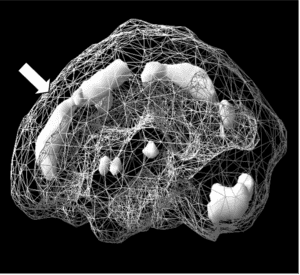
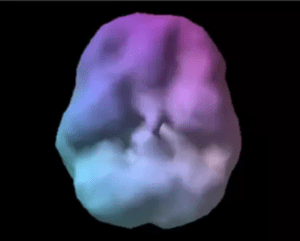 Healthy SPECT Scan
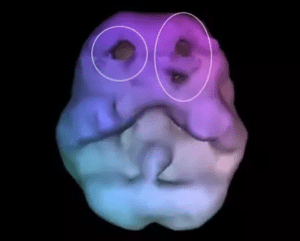 ADD/ADHD SPECT Scan
In the ADD/ADHD SPECT scan here, the “holes” indicate areas of low blood flow and activity in the prefrontal cortex.
The PFC is responsible for planning, judgment, organization, follow-through, impulse control, empathy, and more. These are known as executive functions. When there is low activity in the PFC, people tend to have trouble with these functions.
ADD/ADHD SPECT Scan
In the ADD/ADHD SPECT scan here, the “holes” indicate areas of low blood flow and activity in the prefrontal cortex.
The PFC is responsible for planning, judgment, organization, follow-through, impulse control, empathy, and more. These are known as executive functions. When there is low activity in the PFC, people tend to have trouble with these functions.