ARCHIVE
5 Surprising Causes of ADHD Symptoms
CDC reported that 11.3% of children ages 5-17 years had been diagnosed with ADHD—up from 9.4% of children between ages 2-17 in 2016.
Is your child struggling with a short attention span? Do they have problems with follow-through, staying organized, and procrastination? Or perhaps they’ve shown poor impulse control, such as speaking before thinking.
If so, you may already have suspected attention deficit hyperactivity disorder (ADHD), also known as attention deficit disorder (ADD), as a potential culprit.
Case numbers of these conditions continue to grow in the U.S. In 2020-22, the Centers for Disease Control (CDC) reported that 11.3% of children ages 5-17 years had been diagnosed with ADHD—up from 9.4% of children between ages 2-17 in 2016.
We know that this complex and often misunderstood neurodevelopmental disorder can have devastating effects over a lifetime. Troubles at school, underperformance at work, and substance abuse are just some potential consequences.
Numerous factors can contribute to ADHD symptoms, such as genetics, infections, and head injuries. Other brain-altering influences, like excessive video game playing and diets heavy in processed foods, are on the rise as a result of modern-day lifestyles.
But there are other, even lesser-known contributing factors that many parents never consider. These issues relate to facial structure and breathing problems. Some experts suggest there may be an ADHD face type.
Studies have been uncovering the connection between these factors and mental health symptoms for decades. And these influences are being linked not only with ADD/ADHD, but also with autism spectrum disorder (ASD), anxiety, and depression.
THE LINK BETWEEN FACIAL FEATURES AND MENTAL HEALTH SYMPTOMS
Mouth breathing, undefined cheekbones, a set-back jaw and a receding chin may seem like benign physical attributes. However, such traits are associated with habits like mouth breathing and sleep-disordered breathing such as obstructive sleep apnea (OSA).
This can limit oxygen supply to the brain, which can play a role in a range of mental health symptoms.
Let’s take a closer look at some of these traits—and their potential effects on adolescents.
Mouth breathing
In 2013, a study published in Neuroreport noted that those who breathe through their mouth rather than their nose were more likely to have sleep disorders and ADHD. The study speculated that a possible cause for this association was “continued oxygen load on the prefrontal cortex from mouth breathing during the waking hours…arising from central fatigue.”
In 2021, another study investigated the effects of mouth breathing on cognitive function. Using functional magnetic resonance imaging (fMRI), researchers found that nasal breathing was associated with more brain activation and connection, versus oral breathing.
These effects can interrupt working memory and cognitive function. The result can then be hallmark signs of ADD/ADHD—decreases in attention, short-term memory, and concentration—leading to outcomes like diminished academic ability.
Sleep-disordered breathing
Mouth breathing may lead to obstructive sleep apnea, a sleep disorder that can impact the brain. In brain SPECT scans performed at Amen Clinics, OSA often coincides with multiple areas of low blood flow. In fact, these brain scans closely resemble those of early Alzheimer’s patients.
A 2020 study in Iran, published in the Iranian Journal of Otorhinolaryngology, noted that sleep-disordered breathing is a relatively common problem, affecting up to 1% of children. Symptoms can include snoring, difficulty breathing, restless sleep, and frequent awakenings throughout the night.
These children may also demonstrate behavioral disorders. Researchers pointed out the link between sleep disorders and disruptive conduct such as violence, learning disturbances, and social withdrawal.
They also noted evidence that sleep disorders are associated with problems in memory, comprehension, and carrying out daily activities.
Micrognathia
Micrognathia describes a lower jaw that is underdeveloped or smaller than usual. The Children’s Hospital of Philadelphia explains that it can coincide with various conditions that affect the face and skull—for example, appearing as a birth defect in other syndromes.
Micrognathia symptoms include:
- Spells of apnea (temporary interruptions in breathing)
- Poor sleep
- Abnormal tooth alignment
- Noisy breathing
- Interference with feeding (prolonged feeding or inability to feed)
Retrognathia
Retrognathia, on the other hand, refers to an unusual position of the mandible (the jaw) and can also be linked to obstructive sleep apnea, according to the National Library of Medicine. Experts have established that, due to the physical changes that can present as a result of retrognathia, adolescents can experience mental health symptoms like depression and social isolation.
Enlarged tonsils and adenoids
A study published in The Journal of Laryngology and Otology noted that enlarged tonsils and adenoids also create obstructive sleep-disordered breathing, which then disrupts normal development of the nervous system.
As a result, children with these traits were found in the study to be more likely to struggle with:
- Poor brain development
- Sleep problems
- Emotional disturbances, including emotional instability, anxiety, and depressive symptoms
However, researchers from the Iranian study referenced above investigated the effect of adenotonsillectomy (removal of the adenoids and tonsils) on children with ADHD. Parents of the participating children reported a marked decrease in the severity of ADHD symptoms in follow-ups conducted 6 months after this type of operation.
Ultimately, the study’s authors recommended that children suspected to have ADHD should also be tested for enlarged adenoids and tonsils.
COMMON MENTAL HEALTH SYMPTOMS
Clearly, children with any of the above traits may develop a range of mental health symptoms and conditions—not only ADD/ADHD. Here are some signs to look out for in these other common mental health disorders.
Autism symptoms include:
- Difficulty with reciprocal communication or initiating communication
- Deficits in social skills or non-verbal communication, such as understanding social cues or facial expressions
- Repetitive movements, such as rocking
- Rigid adherence to routines and habits
- Behavioral symptoms
- Difficulty learning new skills
- Aversion to change
- Sensory sensitivities
- Having an intense focus on certain things
- Echolalia (repeating words or sentences others say)
- Speech delays or significantly impaired language skills
- Poor eye contact
- Sleep disorders
- Narrow food preferences
- Intellectual disability
- Self-injurious behavior, such as repetitive head-banging, scratching, or biting
- Social isolation
Anxiety symptoms include:
- Excessive and constant worry
- Frequently feeling nervous or anxious
- Muscle tension, such as headaches, soreness, or trembling hands
- Rapid heartbeat, nausea, dizziness, or other physical health symptoms
- Multiple persistent fears or a specific phobia
- Conflict avoidance
- Excessive fear of being judged or scrutinized by others
- Being easily startled, shy, timid, or embarrassed
- Tendency to freeze in distressing situations
- Panic attacks
- Avoidance of people or places (agoraphobia)
- Biting fingernails or picking skin
Depression symptoms include:
- Loss of interest in usually pleasurable activities
- Persistent sad or negative mood
- Restlessness, irritability, or excessive crying
- Feelings of guilt, worthlessness, helplessness, hopelessness, or pessimism
- Sleeping too much or too little, or early-morning awakening
- Appetite changes and/or weight loss or weight gain
- Decreased energy or feeling “slow”
- Thoughts of death or suicide, or suicide attempts
- Difficulty concentrating, remembering, or making decisions
- Persistent physical symptoms (such as headaches, digestive problems, or chronic pain)
- Chronic low self-esteem
- Persistent feeling of being dissatisfied or bored
While these are helpful general guidelines, keep in mind that mental health conditions and symptoms are complex. For example, brain-imaging studies at Amen Clinics have revealed 7 different types of depression and anxiety, and 7 types of ADD/ADHD.
Receiving a full mental health assessment, preferably aided by brain imaging with single photon emission computed tomography (SPECT) will help determine the full picture and inform an effective treatment program.
MOUTH HEALTH AND MENTAL HEALTH
Many people remain unaware of the links between facial structure, mouth and dental issues, and mental health symptoms. But with mental health issues continuing to rise—especially among young people—researchers continue to seek new insights to help improve their outcomes.
If your child may have issues that relate to the skull, including the mouth, jaw, and teeth, it’s a good idea to have them checked early in life. And if they start exhibiting the signs of mental health conditions in their childhood or teens, don’t overlook the possibility of these links.
With more awareness among medical experts and parents alike, we can increase the effectiveness of treatment for conditions and symptoms like depression, anxiety, ADD/ADHD, and autism. And we can intervene on these concerns before they negatively impact a child’s life over the long term.
How are ADHD Symptoms Different in Girls and Boys
Because not all cases of ADD are alike and females may lack some classic symptoms (most notably, hyperactivity), too many girls remain undiagnosed.
When people imagine attention deficit hyperactivity disorder (ADHD), also referred to as attention deficit disorder (ADD), they may picture a hyperactive, disruptive child—often a boy. But such stereotypes overlook half of the population that also deals with this neurodevelopmental disorder: females.
ADHD may be the most common learning and behavior problem in children (affecting 11.4% of them, according to the CDC), but it’s also a common problem in adults. If left undiagnosed and untreated, it can contribute to numerous potential obstacles throughout a person’s life.
Children with ADHD may struggle with everything from poor academic performance to making friends. And adults with ADHD may experience underachievement at work, relationship problems, substance use disorders, or obesity.
Because not all cases of ADHD are alike and females may lack some classic symptoms (most notably, hyperactivity), too many girls remain undiagnosed. These issues can then create a domino effect that prevents them from fulfilling their true potential.
However, when you recognize female ADHD symptoms, you’re more inclined to seek help for your daughter (or yourself), and you’re more likely to get more effective treatment.
HOW ADHD AFFECTS GIRLS AND WOMEN
According to an expert consensus published in 2020 in the journal BMC Psychiatry, the ratio of ADD/ADHD diagnoses in boys to girls ranges from 3-1 to 16-1. This discrepancy led the authors to conclude that “a large number of girls with ADHD are likely to remain unidentified and untreated, with implications for long-term social, educational, and mental health outcomes.”
Amen Clinics has identified 7 types of ADD/ADHD, each of which correlates to an underlying brain pattern, as seen on brain SPECT scans. Females often have a type called Inattentive ADD, which does not involve hyperactivity.
Take Sara, for example, one of thousands of children with ADHD who have been treated at Amen Clinics. Sara was 8 years old when her parents brought her to Amen Clinics because they were concerned about her inability to pay attention.
Her parents had a list of complaints about their daughter’s behavior, including:
- Taking three to four hours to finish homework assignments that should have taken just a few minutes.
- Acting spacey and being a daydreamer
- Having a very messy room
- Having poor social skills
- Ignoring other kids on playdates
- Not complying with her parents’ routine requests
According to Sara’s teacher, she appeared to be intelligent but didn’t perform up to her potential. In class, Sara’s mind wandered, and she didn’t pay attention. Her tests and homework assignments were filled with careless mistakes.
These were all hallmarks of Inattentive ADD. A SPECT scan and neuropsychological testing confirmed it. With appropriate treatment, Sara’s behavior and schoolwork improved after less than one week.
Recognizing the ADHD symptoms in girls like Sara is the first step to getting an accurate ADHD diagnosis.
ADHD SYMPTOMS IN FEMALES
ADD symptoms in females tend to differ from the disruptive behavior seen in boys. Girls often experience more symptoms of inattention
While Inattentive ADD is the second most common type of this condition, it can also more easily be overlooked. That’s because, instead of acting out with disruptive behaviors, people with this type may be quieter and more introverted. They may be mislabeled as a daydreamer, “spacey,” unmotivated, lazy, or slow.
Inattentive ADD types can show classic ADD/ADHD symptoms, like short attention span and poor impulse control. But there are additional common signs of Inattentive ADD, including:
- Trouble focusing
- Being easily distracted
- Disorganization
- Poor follow-through
- Trouble listening when others are speaking
- Problems with time management
- A tendency to lose things
- Making careless mistakes/poor attention to detail
- Forgetfulness
- Excessive daydreaming
- Complaints of being bored
- Appearing unmotivated or apathetic
- Being tired, sluggish, or slow moving
- Appearing preoccupied
One significant difference in how the ADD/ADHD brain works relates to how it performs during moments of attempted concentration. Typically, the act of concentration increases blood flow to the brain, especially to the prefrontal cortex (PFC). But in an ADD/ADHD brain, blood flow can actually decrease.
In Inattentive ADD, the brain at rest appears healthy. When the person tries to concentrate, however, there is often decreased activity in certain regions of the brain. This tends to affect the underside of the prefrontal cortex, cerebellum, and basal ganglia, which can impact tasks like judgment and impulse control.
TREATING INATTENTIVE ADD IN FEMALES
These brain changes are one reason why females with ADD are more likely to experience life-altering consequences, such as teenage pregnancies. (They also tend to have more children overall.)
In addition, they may have relationship and work problems, leading to outcomes like divorce and poor work performance. These kinds of issues can lead to greater life instability and unhealthy coping strategies, like self-medicating with substances—legal, illegal, and/or prescribed.
Furthermore, females with ADHD may show signs of coexisting mental health issues. Anxiety disorders, depression, and sleep problems are not uncommon, which can complicate their diagnoses. A brain SPECT scan is helpful to avoid the misdiagnosis of mood disorders or other issues.
Without diagnosis and appropriate treatment, girls, teens, and adult women are likely to experience additional problems that will impact their well-being and behavior—and could even reduce their lifespan. In addition to the mental health issues listed above, these include:
Women who do not receive the proper treatment for ADD can enter a downward spiral marked by low self-esteem and high stress levels. They may feel like a failure or defeated in life, blame themselves, or engage in destructive behaviors like self-harm.
ADHD TREATMENT FOR FEMALES
Getting an appropriate customized treatment plan can stimulate more focus, organization, and motivation, making everyday life easier. Effective treatment for ADHD can include stimulant medications, but there are other solutions, including all-natural alternatives. These can include:
- A high-protein, low-carbohydrate diet
- Regularly scheduled intense exercise
- Supplements, such as 500 mg of L-tyrosine twice daily
- Neurofeedback
- Behavioral interventions
- Psychological strategies
ADDRESSING ADHD IN GIRLS
As the Child Mind institute points out, ADD/ADHD in girls is often called a “hidden disorder” because it so often goes undetected. Getting diagnosed with ADHD, especially at an early age, will help parents and teachers create the right conditions for a lifetime of increased success.
The Institute recommends, for example, providing a place without distractions for your child to complete classwork or homework. If she has extra energy, she might take a run before sitting down to do her work.
Encouraging expression and socialization is also important. She might respond well to activities, clubs, or groups, as long as her differences are respected there. And let her know she should speak up about her emotions and any challenges she’s experiencing.
In addition, if your female child is struggling with Inattentive ADD, there are certain attitudes and approaches that will be helpful for you to implement as a parent:
- Set up a system that rewards good behavior and withholds privileges as a consequence of negative behavior.
- Establish fair and realistic expectations. Provide straightforward directions, with simple and clear instructions.
- Create a written checklist for your child to track her goals. This helps her feel a sense of accomplishment when she visually sees she’s reaching her objectives.
CREATING BETTER OUTCOMES FOR WOMEN WITH ADHD
Ultimately, when it comes to ADHD in females, there are both challenges and upsides. For example, according to a study in the Journal of Clinical Psychiatry, women experience more severe ADD symptoms than their male counterparts.
On the other hand, Inattentive ADD is usually very responsive to treatment. It’s often possible to improve a person’s entire life, as long as the disorder is properly diagnosed and treated—and the earlier, the better.
We can all take some necessary first steps by ending the stigma, increasing awareness, and understanding the unique needs of females with ADHD. Taking effective steps toward healing will help these girls and women, once erroneously dismissed as ditzy or underachieving, demonstrate just how resilient and accomplished they can be.
10 Ways Brain SPECT Imaging Can Help Understand and Treat ADD/ADHD
Brain SPECT scans can help people understand why they are experiencing mental health issues. Plus, brain scans can aid mental health professionals in treating
Sally was 40 years old when she sought care at Amen Clinics for mental health issues. For years, she had been struggling with troublesome symptoms, including a short attention span, distractibility, disorganization, and restlessness.
These are all symptoms associated with attention deficit hyperactivity disorder (ADHD), also known as attention deficit disorder (ADD). However, Sally didn’t think adults could have ADD/ADHD, so she wasn’t interested in hearing about treatment for this common condition.
This could have been the end of her journey, and she would have continued suffering from her symptoms. But a brain scan changed everything.
Scientists have long believed that atypical activity levels in the brain are tied to ADHD. Neuroimaging research published in 2024 confirms that abnormal brain function leads to the behavioral symptoms seen in ADHD.
In this blog, you’ll discover how brain SPECT scans can help people understand why they are experiencing mental health problems. Plus, you’ll learn how brain scans can aid mental health professionals in treating ADHD and other conditions.
CASE STUDY: SALLY GETS A BRAIN SCAN
Although Sally wasn’t interested in learning about adult ADHD treatment options, she was intrigued about seeing how her brain was functioning. That’s why she decided to get a SPECT scan.
Sally underwent two brain scans—one at rest and the other while she performed a concentration task. The results showed good overall brain activity when she was at rest.
When she tried to concentrate, however, she experienced a reduction in brain activity. This is the opposite of what occurs in a healthy brain. The decrease was especially pronounced in the prefrontal cortex (PFC), an area involved in attention and organization.
When Sally saw her scans, she burst into tears and asked, “You mean, it’s not all my fault?”
What the brain scans showed was that none of the symptoms she was experiencing were her fault. Her short attention span, disorganization, and distractibility weren’t due to a lack of willpower or a lack of effort. They were related to abnormal brain function.
Sally realized that having ADHD is like needing glasses. Are people who wear glasses stupid, lazy, or just not trying hard enough to see better? Of course not!
Similarly, people with ADHD aren’t stupid, lazy, or not trying hard enough. They just need help to increase activity in their prefrontal cortex, so they can focus better.
Sally did very well on an ADD/ADHD treatment plan that helped turn her life around. But if she had never seen her brain scan, she probably never would have gotten the help she needed.
MENTAL HEALTH IS BRAIN HEALTH
Did you know that psychiatry is the only medical field that doesn’t look at the organ it treats? This means that people like Sally often go undiagnosed or misdiagnosed for years while their symptoms worsen.
Because mental health professionals don’t look at the brain, it means they have to rely on guesswork to diagnose and treat patients with symptoms of ADD/ADHD.
It doesn’t have to be this way. As in Sally’s case, brain scans can make a major difference.
What is SPECT? Single photon emission computed tomography (SPECT) is a nuclear medicine imaging technique that measures blood flow and activity in the brain. It helps take the guesswork out of psychiatry.
10 WAYS SPECT BRAIN SCANS CAN HELP UNDERSTAND AND TREAT ADHD
Brain scans show how the brain functions.
While MRI and CT brain imaging studies show the structure of the brain, SPECT brain scans show how it functions. Basically, SPECT shows areas of the brain with:
- Healthy activity
- Activity that is too high
- Activity that is too low
In Sally’s case, it showed that activity was too low in the prefrontal cortex while she was concentrating. It can also reveal signs of head trauma, exposure to toxins, and drug and alcohol abuse—all of which can contribute to symptoms associated with ADD/ADHD.
Brain scans reveal the health of your brain.
The health of your brain plays a major role in your ability to focus, pay attention, and be organized. There is no way to know about the health of your brain unless you look at it.
One neuroimaging study in The Lancet Psychiatry involving brain scans from over 3,200 patients found differences in brain function in people with ADHD.
Brain scans offer a more accurate diagnosis.
Most psychiatric illnesses are diagnosed based on symptom clusters—the same way they have been diagnosed for over 100 years. SPECT brain imaging adds an objective, biological component to give doctors important additional information for a more accurate diagnosis.
Common symptoms of ADD/ADHD include:
- Short attention span
- Poor impulse control
- Organization problems
- Being easily distracted
- Procrastination
- Trouble with follow-through
Looking at the brain helps physicians know what is causing those symptoms. Research published in Radiology indicates that functional brain imaging can identify ADHD.
Brain imaging reveals there are 7 types of ADHD.
Brain imaging shows that ADD/ADHD is not a single or simple disorder. In fact, there are 7 types of ADD/ADHD. Each type needs distinctive treatment. Knowing your type, or your child’s type, is the key to getting the most effective treatment. The 7 types of ADD are:
- Classic ADD
- Inattentive ADD
- Overfocused ADD
- Temporal Lobe ADD
- Limbic ADD
- Ring of Fire ADD
- Anxious ADD
SPECT brain scans reduce shame and stigma.
Seeing the brain helps people with ADD/ADHD understand that their lack of impulse control, inattention, or disorganization aren’t signs of weakness or personal failure. Realizing that these symptoms are biological in nature can help people overcome feelings of guilt and shame.
Brain scans help break denial.
When people see their brain scan, they can no longer deny that they have ADD/ADHD. It helps them understand that their condition is real. This knowledge motivates them to take action to treat it.
Seeing your brain scan makes you want a better brain.
When people see their SPECT scans compared to healthy SPECT scans, they tend to develop brain envy. That’s what happened to Sally. Wanting a better brain motivated her to start taking better care of her brain, which helped minimize her symptoms.
Brain imaging helps to get the most effective treatment.
With a comprehensive evaluation that includes brain imaging, there is no need for guesswork. People with ADD/ADHD can get a more effective treatment plan that is personalized for their individual needs.
Sally’s treatment plan included nutritional interventions, an exercise plan, a sleep program, targeted supplements, and medication.
Brain scans encourage compliance.
After seeing her brain, Sally was more encouraged to follow her treatment plan, which helped decrease her symptoms of ADD/ADHD.
SPECT scans offer hope.
Seeing before-and-after scans of patients who have improved their brain health and overcome ADD/ADHD offers hope to people who are struggling with symptoms that are holding them back.
FAQs ABOUT GETTING HELP FOR ADHD
To help you understand more about ADD/ADHD, here are some answers to common questions.
Who can diagnose and treat ADHD?
Healthcare providers who are qualified to give ADHD screening tests and to make an ADHD diagnosis include:
- Psychiatrists, psychologists, and other mental health professionals
- Pediatricians, internists, family practice physicians, and primary care physicians
- Therapists, physician assistants, nurse practitioners, social workers, and other licensed healthcare professionals
Most providers can treat ADHD with behavioral therapy or lifestyle modifications. However, the only ones who are qualified to prescribe medications, such as stimulants, are psychiatrists and other physicians.
Who can perform a brain SPECT scan?
The professionals at Amen Clinics have built the world’s largest database of functional brain scans related to behavior—over 250,000 brain scans and growing—making it the best in the world. Over the past 30-plus years, Amen Clinics has performed SPECT scans on patients ranging from 9 months of age to 105 years old from more than 155 countries.
This brain-based process produces better-than-average results. Based on outcome studies, 85% of patients report improved quality of life after being treated at Amen Clinics.
Where can I get tested for ADHD near me?
You can get tested for ADHD locally by visiting any of the healthcare providers listed above. Where can you get tested for ADHD if you also want to get a SPECT scan? If you’re interested in getting a brain scan for a more accurate diagnosis and more effective treatment plan, consider visiting one of Amen Clinics’ 11 locations.
Amen Clinics has outpatient facilities in the following metro areas: Atlanta, Chicago, Dallas/Fort Worth, Los Angeles, Miami/Ft. Lauderdale, New York, Orange County, Phoenix/Scottsdale, San Francisco Bay Area, Seattle, and Washington DC.
How do doctors test for ADHD?
Healthcare providers use a variety of ADHD diagnostic tools, screening evaluations, and self-assessments, such as:
- ADHD questionnaires and checklists: These allow clinicians to understand more about your symptoms.
- Computerized continuous performance tests (CPTs): Computerized tests help measure attention and impulsivity.
- Online tests: The Adult ADHD Quiz from Amen Clinics is a self-assessment that offers important insights.
- Medical examinations: Physicians may perform a physical exam to rule out medical causes of ADHD symptoms.
Having attention-deficit/hyperactivity disorder (ADHD), also known as attention-deficit disorder (ADD), can have a major impact on every aspect of your life. It can negatively affect your performance at work or school, interfere with your relationships, and make you feel like a failure in so many ways.
To combat ADD/ADHD symptoms, people often look to medication. And in the traditional medical and psychiatric communities, stimulant medications are considered first-line treatments for the condition.
From 2006-2016, total stimulant usage doubled, according to a study in Plos One. Since then, the numbers keep rising. Statistics from the CDC show that from 2020-2021, prescriptions for stimulants increased 10% among females from 15-44 years of age and males 25-44 years of age.
Many people with this neurodevelopmental disorder think ADD/ADHD medication is the only solution, however, there are many proven natural strategies that can help.
NATURAL TREATMENTS FOR ADHD
Many alternatives to medication have been found to reduce ADD/ADHD symptoms, which include:
- Short attention span
- Distractibility
- Procrastination
- Disorganization
- Problems with follow-through
- Poor impulse control
This is good news for the 6 million children and 4.4% of adults who are affected by this common condition. In some cases, natural solutions can complement prescription stimulants and allow for reduced dosages.
For other people, taking a natural approach is enough to keep symptoms at bay. Talk to your healthcare provider before making any changes to your medications.
Here are some natural tips to start helping ADD/ADHD today:
Take a high-quality multivitamin and mineral supplement every day.
Research shows that people with ADD/ADHD often have nutritional deficiencies, including low levels of vitamin D, zinc, ferritin, and magnesium. Taking a supplement helps replenish levels of these important nutrients.
Studies have reported that daily multivitamins/minerals are beneficial for learning and also help prevent chronic illness.
Take omega-3 fatty acids.
Multiple studies, including a 2020 trial in Translational Psychiatry and a 2017 study in the Journal of Lipids, show that taking omega-3 fatty acids can be beneficial for ADD/ADHD symptoms, such as attention, impulsivity, and hyperactivity.
There are 2 active compounds in omega-3 fatty acids: EPA (eicosapentaenoic acid) and DHA (docosahexaenoic acid). Research suggests that fish oil higher in the EPA form of omega-3s may be the most helpful, but it depends on your type of ADD/ADHD.
Dose suggestions are 2,000 to 6,000 mg of high-quality fish oil a day for adults and 1,000-2,000 mg per day for children.
Eliminate everyday stimulants.
Avoid consuming caffeine or using nicotine products. The brain SPECT imaging work at Amen Clinics—over 225,000 functional brain scans and growing—shows that caffeine and nicotine decrease brain activity over time.
In some cases, the decline can be significant. In addition, both interfere with sleep, and people with ADD/ADHD often have difficulty sleeping.
Know your (or your child’s) ADD type.
The brain-imaging work at Amen Clinics has shown that there are 7 types of ADD/ADHD. Knowing your type is critical to getting the right treatment plan.
You can begin with our ADD Type Test to discover your (or your loved one’s) ADD Type and get a personalized overview on what to do about it.
Exercise daily for 30-45 minutes.
The neuropsychiatrists at Amen Clinics have seen a direct relationship between the level of exercise a patient gets and the severity of their symptoms. In general, more exercise is associated with less severe symptoms.
This is because physical activity boosts blood flow to the brain. This is critical because SPECT scans show a reduction in blood flow to the brain in individuals with ADD/ADHD. In particular, this drop in blood flow occurs in the prefrontal cortex during concentration, which makes it harder to stay focused.
Among ADD/ADHD patients at Amen Clinics, those who play sports that involve intense aerobic exercise, such as basketball, tend to do better in school or at work. Be sure to choose safe exercises that do not pose a risk for brain injuries. This means no tackle football, hockey, or soccer headers.
Limit screen time.
Keep television, video games, and device time to no more than 30 minutes a day. This may be hard for kids and teens, but it can make a dramatic difference.
In a 2019 study on preschoolers in Plos One, when screen time exceeded 2 hours a day, there were “clinically significant” increases in attentional problems and other symptoms associated with ADD/ADHD.
Think of food as medicine.
Most people with ADD/ADHD do best with a higher-protein, lower-simple carbohydrate diet. Protein helps you focus, helps balance blood sugar, and provides essential building blocks for brain health.
However, eating a higher-protein diet doesn’t work for everyone with the condition. People with Over-Focused ADD/ADHD tend to respond better to a more balanced diet with more complex carbohydrates.
In dealing with kids, employees, and spouses with ADD/ADHD – NO YELLING!
Many people with ADD/ADHD have low activity in the prefrontal cortex (PFC) due to lower levels of the neurotransmitter dopamine. To feel more alert, they often find themselves seeking conflict or excitement.
They can be masterful at making other people mad or angry at them. Don’t lose your temper with them, because it often makes things worse. If they get you to explode, their unconscious, low-energy PFC activates and unconsciously, they come to crave it. Never let your anger be their medication. They can get addicted to it.
Get screened for other issues.
Up to 60% of people with this neurodevelopmental disorder also have learning disabilities, and they are particularly common in those with Temporal Lobe ADD/ADHD.
In addition, consider getting screened for Irlen Syndrome. This visual processing problem affects approximately 1 in 3 individuals with ADD/ADHD. Treatment for Irlen Syndrome does not require medication. Rather, it involves the use of colored eyeglass lenses.
Never give up seeking help.
If you aren’t getting the results you want from your treatment plan, keep investigating. Other issues, such as head trauma, co-occurring conditions like depression, or hormonal imbalances may play a role in the severity of your symptoms.
Brain SPECT imaging and lab testing may be helpful in determining if other issues are at work. Treating these underlying problems may improve symptoms and reduce or eliminate the need for ADD/ADHD medication.
ADD/ADHD and other mental health issues can’t wait. At Amen Clinics, we’re here for you. We offer in-clinic brain scanning and appointments, as well as mental telehealth, clinical evaluations, and therapy for adults, teens, children, and couples. Find out more by speaking to a specialist today at 888-288-9834 or visit our contact page here.
Do you feel separation anxiety when you’re away from your phone, tablet, or video game console? Are you feeling flat, bored, depressed, or like you’ve lost your joie de vivre? Do you have low motivation but increased anxious thoughts? If so, these are signs you may need a dopamine detox.
Our brains are releasing a near-constant and overwhelming stream of dopamine, which exhausts the brain’s pleasure centers.
This is especially true if you’ve been engaging in certain stimulating activities or impulsive behaviors, such as too much social media use, shopping, recreational drug use, or emotional eating, to name a few.
These types of behavior can dramatically increase dopamine levels and exhaust your brain’s pleasures centers while making healthy habits feel less enjoyable. This can cause low motivation, flat mood, anxious feelings, and/or depression. It’s not uncommon in our modern world with access to near-constant stimulation. Your brain chemistry can get easily hijacked!
Here’s what you need to know about dopamine, reward, pleasure, and how dopamine fasting could help you regain control of your habits and protect your mental wellness.
ABOUT DOPAMINE
Dopamine is a neurotransmitter that is critical for mental health. Dopamine plays a role in many important behavioral and physical functions, including motivation, learning, mood, attention, movement, sleep, and more. Often referred to as a “feel good” neurochemical, dopamine works in myriad ways and is an essential component of your brain’s reward system and pleasure centers.
The brain’s reward pathways include structures such as:
- Ventral tegmental area (VTA)
- Nucleus accumbens
- Caudate nucleus (part of the basal ganglia)
- Substantia nigra
The VTA and substantia nigra are 2 of the primary structures that produce dopamine. This brain chemical is released when you’re exposed to something that is rewarding and pleasurable. Dopamine’s role is to cue the brain that it should repeat an experience that results in positive effects.
This dopaminergic system is designed for learning and survival. It helps us to learn about and seek out positive behaviors such as reproduction, food, and comfort that ensure we will survive.
The problem is that in our fast-paced modern life, pleasure-seeking culture is impacting, and sometimes even exploiting, the brain’s reward system. Our brains are releasing a near-constant and overwhelming stream of dopamine, which exhausts the brain’s pleasure centers.
Activities such as too much text messaging, email, playing games online, scrolling social media, watching TV, online shopping, and multi-screening can have a similar impact on dopamine release as recreational drugs, alcohol, or caffeine. Medical experts and science estimate that drugs can cause a dopamine hit that is 10 times stronger than with natural rewards!
Too much or too little dopamine can cause mental health conditions, such as depression. When your brain is exposed to intense stimuli, it can prompt such disorders, leading to behavioral or substance dependence.
Indeed, when dopamine production is excessively high for prolonged periods as a result of maladaptive behaviors and compulsive habits, the brain’s pleasure centers become less responsive to it. The dopamine “high” stops being as intense as it once was, requiring more stimulus and thus the addictive cycle begins.
For example, social media apps are designed to manipulate the brain’s reward system by triggering a dopamine hit every time you scroll to a new video, hear a notification sound, or see the red message alert. There is scientific evidence to prove it. Dopamine triggers the drive to repeat the behavior. These apps are literally designed to lock you into more screen time!
WHAT IS A DOPAMINE DETOX?
Several years ago, Dr. Cameron Sepah, a researcher and psychiatrist from the University of California, San Francisco, coined the term dopamine detox. The catchy name is a bit of a misnomer though, because a dopamine detox is actually not about detoxing from dopamine, because it is essential for our brains.
It focuses on curbing or abstaining from the impulsive and/or addictive behaviors and activities that trigger a large surge or dump of dopamine in the brain’s pleasure centers, and focusing instead on healthy habits.
The concept of a dopamine detox is rooted in cognitive behavioral therapy (CBT), according to scientific studies. Dopamine fasting is also focused on breaking the classic conditioning response that drives an individual to engage in excessive behaviors.
This might mean a dopamine-fasting individual allows themselves to feel uncomfortable, bored, or even feel lonely. They may choose simple activities rather than going for the high-octane ones that deliver a dysregulating dopamine dump.
Ultimately, it’s aimed at targeting problematic habits, and restoring some level of control over behaviors that bring pleasure.
Amen Clinics similarly interprets a dopamine detox to mean limiting unhealthy behaviors and activities that dramatically increase dopamine or “dump” dopamine (i.e. nonstop screen time), while cultivating behaviors and activities that “drip” dopamine moderately and make you feel good over the long haul.
HOW TO DOPAMINE DETOX
You can experience the brain health benefits of dopamine detoxes by abstaining from the technology or behavior that is dumping an overload of dopamine into your brain’s reward centers. Do it for a few hours, a full day, a weekend, or an entire week.
Simply take a break from the intense stimulation and give your brain’s pleasure centers a chance to reset and recalibrate to a higher sensitivity. That way, you can gain control of your behaviors and not need as much dopamine to feel good.
Natural, sustaining rewards such as conversation with a loved one, taking a walk in nature, reading an insightful spiritual passage, or playing a piece of music will likely be satisfying again. These are dopamine-balancing activities as they “drip” dopamine moderately and provide a more sustainable feeling of well-being.
To moderate the effects of technology, consider taking mini-breaks during the day. Just 15 minutes of a digital detox can be good for your brain. Consider making tech off limits in some of your rooms so you can unplug on a regular basis.
DOPAMINE-DUMPING ACTIVITIES TO LIMIT
Here are a number of so called “pleasurable activities” (they actually hurt you!) and compulsive behaviors to limit:
- Consuming high-fat/high-sugar food combinations
- Alcohol and substance use
- Online porn
- Consuming caffeine
- Playing video games
- Watching TikTok
- Thrill seeking (skydiving, motorcycle racing, heli-skiing, running with bulls, etc.)
- Gambling
- Shopping
- Getting into relationships for the “falling in love” feeling
When you fast from these behaviors, you’ll likely feel some discomfort. But, the most important thing is to stay with it. Your brain will thank you. Journal if you need to.
DOPAMINE-DRIPPING ACTIVITIES TO PRACTICE
In addition to avoiding dopamine-dumping activities, embrace new behaviors and healthy activities that drip dopamine. Dopamine producing activities that promote healthy dopamine production and enhance the brain’s pleasure centers without wearing them out include:
- Regularly engage in exercise
- Begin every day by thinking of 3 things you’re grateful for
- Savor quiet pleasure that comes from simple things in your life (picking flowers from the garden, holding hands with your significant other, attending an inspiring lecture, or cooking a delicious meal)
- Spending time in nature often
- Meditate
- Make time to laugh with friends or watching a humorous show
- Bring together meaningful activities and pleasure, such as volunteering for activities you love
- Drawing or painting
- Playing with your pet
- Yoga
- Hugging
- Spending time with loved ones
- Listening to pleasurable music
Depending on how attached you are to behaviors that dump dopamine, you may need to seek the help of a qualified mental health professional. If you think you may have a behavioral or substance use addiction, reach out to a professional right away to help you get a greater sense of control over your life.
Addictions, impulsive behaviors, and other mental health issues can’t wait. At Amen Clinics, we’re here for you. We offer in-clinic brain scanning and appointments, as well as mental telehealth, clinical evaluations, and therapy for adults, teens, children, and couples. Find out more by speaking to a specialist today at 888-288-9834 or visit our contact page here.
Reviewed by Amen Clinics Inc. Clinicians
Founded in 1989 by double-board certified psychiatrist and neuroscientist Daniel G. Amen, MD, Amen Clinics Inc. (ACI) is known as the best brain and mental health company in the world. Our clinical staff includes over 50 healthcare specialists, including adult and child psychiatrists, integrative (functional) medicine physicians, naturopaths, addiction specialists, forensic psychiatrists, geriatric psychiatrists, nutritionists, licensed therapists, and more.
Our clinicians have all been hand-selected and personally trained by Dr. Amen, whose mission is to end mental illness by creating a revolution in brain health. Over the last 30-plus years, ACI has built the world’s largest database of functional brain scans—over 300,000 SPECT scans on patients from 155 countries—related to how people think, feel, and behave.
Dr. Amen is also the founder of BrainMD, a fast growing, science-based nutraceutical company, and Amen University, which has trained thousands of medical and mental health professionals on the methods he has developed.
In addition, he has produced 16 national public television shows about the brain and his online videos on brain and mental health have been viewed over 300 million times. Dr. Amen is a 12-time New York Times bestselling author, including Change Your Brain, Change Your Life; The End of Mental Illness; Healing ADD; and many more. Hist latest book, Raising Mentally Strong Kids, was published March 2024.
Content updated from previous publish date.
Skittles—sweet treats or toxic chemicals? A 2023 bill passed in California aims to ban several ingredients found in many candies and snack foods. The four ingredients that have been targeted by the state’s lawmakers are propylparaben, potassium bromate, brominated vegetable oil, and Red Dye 3.
These are toxic chemicals that can have adverse affects on physical and mental health and cause behavioral changes.
The bill originally included another ingredient called titanium dioxide, which is found in Skittles. This led people to believe the popular candy would get yanked from store shelves, which is how the bill got nicknamed the “Skittles ban.”
But Skittles doesn’t have any of the ingredients named in the ban, so they will still be available for sale.
Just because they are on store shelves, however, doesn’t mean they’re good for your brain or mental health. In fact, Skittles and other foods and drinks that are red in color can have harmful effects. In part, this is because they contain another commonly used artificial food coloring called Red Dye 40.
The use of Red Dye 40 is concerning because it has been linked to adverse effects, such as a host of physical and mental health issues, including ADD/ADHD, allergies, immune disorders, mind storms (which are issues with the brain’s wiring or electrical activity), and even inflammatory bowel diseases.
Red Dye 40 has been linked to a host of physical and mental health issues, including ADD/ADHD, allergies, immune disorders, mind-storms, and even inflammatory bowel diseases.CLICK TO TWEET
THE TRUTH ABOUT RED DYE 40
Horrifyingly, the food industry dumps 15 million pounds of synthetic food dyes into what we eat every year—over 40% of which is Red Dye 40, a petroleum-based substance. Red Dye 40 is the number-one food dye used in the United States, found in most unnaturally red foods. According to a 2010 article by the Center for Science in the Public Interest (CSPI), consumption of such dyes has increased five-fold since 1955.
There are 9 artificial dyes used in our food supply that are certified by the Food and Drug Administration (FDA).
Even though there are safe and natural alternatives available, artificial food dyes are a cheap way for manufacturers to make processed foods brighter and more appealing when you see it on a shelf in the grocery store. Manufacturers also choose artificial coloring because it provides more uniform colors compared to natural food coloring.
Artificial dyes are also used to help hide the fact that many processed foods don’t contain much (or any) of the nutrients or foods they claim to have. For example, without Red Dye 40, the chocolate instant pudding would actually look green (because there’s VERY little real chocolate in it).
Although Red Dye 40 has been approved by the FDA for use in food products and must be listed as an ingredient on labels, it has been banned at one time or another throughout Australia and other countries, including most of Europe, due to health concerns.
SURPRISING FOOD ITEMS CONTAINING RED DYE 40
Not all of the foods with Red Dye 40 are red. You will also find it in brown, blue, green, orange, and even white food products, too. Take pickles for example. A combination of artificial dyes, including Red Dye 40, is used to give some pickles a more pronounced yellow-green color.
You can find Red Dye 40 in a wide range of foods and beverages, including:
Food items aren’t the only place you’ll find this artificial dye. Many personal care products, such as toothpaste and mouthwash, can be artificially dyed. Even more disconcerting, some prescription medications may be tinted with the stuff.
THE CONNECTION BETWEEN RED DYE 40 AND ADD/ADHD
Multiple studies published in journals such as Pediatrics, The Lancet, and Journal of Pediatrics demonstrate that some children with ADD/ADHD may be adversely affected by artificial food colors. Other research indicates that artificial coloring and flavors, as well as the preservative sodium benzoate, can make some non-ADD/ADHD kids hyperactive.
Some children who have been diagnosed with ADD/ADHD and are taking medications for the condition make such an improvement after eliminating Red Dye 40 from their diet that they are able to stop taking their prescription drugs.
Many parents who notice increased hyperactivity in their children after a sweet snack mistakenly blame a “sugar rush” for the bad behavior. But often, it’s the artificial food coloring that’s the real culprit.
Additionally, both adults and children have reported upset stomach, migraines, jitteriness, nervousness, and inability to concentrate after a high intake of Red Dye 40. The CSPI released a report that says artificial food dyes pose a “rainbow of risks,” including everything from allergies to cancer.
DOES RED DYE 40 TRIGGER ABNORMAL BRAIN ACTIVITY?
Artificial dyes may also trigger “mind-storms,” which are issues with the brain’s wiring or electrical activity. Your brain is the world’s most powerful hybrid electrochemical engine. It uses electricity and neurotransmitters to help you think, feel, and act.
Abnormal electrical activity can not only change the activity of the brain, but it can also change your mind and cause mind storms that can be associated with temper outbursts, depression, suicidal thoughts, panic attacks, distractibility, and confusion.
CAN RED DYE 40 LEAD TO INFLAMMATORY BOWEL DISEASES?
The downsides of Red Dye 40 also include problems with inflammatory bowel diseases (IBD). A 2022 study on mice in Nature Communications found that frequent consumption of artificially colored red foods like Lifesavers, Jell-O, and Gatorade increases the chances of developing an IBD, such as Crohn’s disease or ulcerative colitis.
The findings suggest that long-term exposure to the dye in quantities commonly consumed in food products damages gut health and raises the risk of inflammation. According to the study, artificial food coloring impairs the gut’s lining, which typically acts as a barrier, allowing bacteria to permeate the gut and disrupting the microbiome.
“What we have found is striking and alarming, as this common synthetic food dye is a possible dietary trigger for IBDs,” said study author Waliul Khan in a press release. “This research is a significant advance in alerting the public on the potential harms of food dyes that we consume daily.”
RED DYE 40 AND THE BRAIN
The brain imaging work at Amen Clinics demonstrates that Red Dye 40 can dramatically affect brain function. Consider the case of Robert, a 15-year-old who underwent brain SPECT imaging at Amen Clinics. SPECT is a functional brain imaging tool that measures blood flow and activity in the brain.
His parents noticed that whenever Robert ate or drank something bright red, his behavior became aggressive and hostile. He would easily cry and storm off in a huff or throw things. They brought him to Amen Clinics to confirm their suspicions that he was reacting to these food additives.
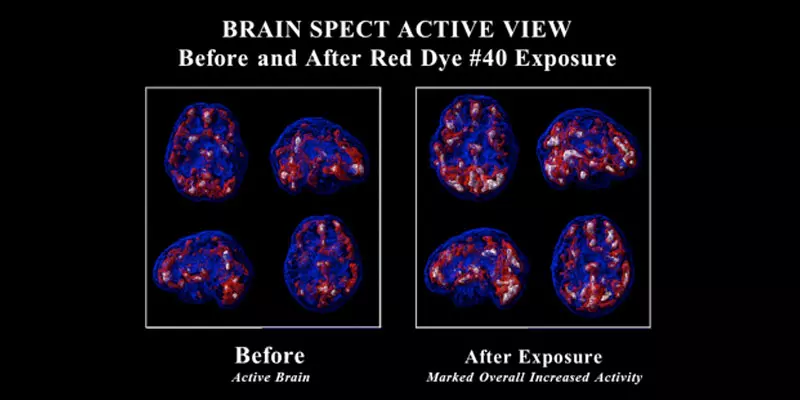
As can be seen on this teen’s SPECT scan, his brain showed remarkable overall increased activity with exposure to Red Dye 40. In the images, blue equals average activity, red equals the top 15% of brain activity, and white equals the top 8% of brain activity.
After removing Red Dye 40 from his diet, Robert’s behavior improved dramatically. His mother strongly believes that their experience is not a unique one and that Red Dye 40 should be completely banned from our food supply.
HOW TO SPOT FOOD DYES ON NUTRITION LABELS
A new field called nutritional psychiatry shows how important food is for mental health, emotional well-being, cognitive function, and behavioral stability. Knowing that you are what you eat, no discussion about changing your diet can miss the importance of eliminating this substance!
To rid this dye from your family’s diet, you need to learn to scour nutrition labels. Red Dye 40 goes by many names. Look for any of these ingredients on labels:
-
Allura Red
-
Allura Red AC
-
C.I. 16035
-
C.I. Food Red 17
-
FD&C Red No. 40
-
Red 40
-
Red No. 40
Be aware that even though food manufacturers are required to list the dye on nutrition labels, they don’t have to specify how much is included. Your best strategy is to steer clear.
HOW TO KNOW IF FOOD DYES ARE AFFECTING YOU
An elimination diet can help you determine if artificial food dyes may be contributing to bothersome symptoms. For one month, cut out sugar, gluten, dairy, corn, and soy, as well as artificial dyes, additives, and preservatives to see if you feel better. Then add these substances back one at a time and be alert for reactions to them, which would indicate that you should permanently avoid that food.
ADD/ADHD, behavioral problems, and other mental health issues can’t wait. At Amen Clinics, we’re here for you. We offer in-clinic brain scanning and appointments, as well as mental telehealth, clinical evaluations, and therapy for adults, teens, children, and couples. Find out more by speaking to a specialist today at 888-288-9834 or visit our contact page here.
Attention-deficit disorder, attention-deficit/hyperactivity disorder, over-focused ADD, over-focused ADHD, spect scans, amen clinics, excessive worry, types of ADHD, what is adhd, what is over-focused ADHD, obsessive-compulsive disorder, ADD types, adhd treatment,
One of the most common symptoms of ADD/ADHD is having trouble with focus. Surprisingly, however, some people with this condition have a tendency to hyperfocus on certain things. At Amen Clinics, which has identified 7 types of based on more than 300,000 brain SPECT scans, this type is called over-focused ADD/ADHD.
In part 3 of this 7-part blog series, you’ll learn about over-focused ADD, its symptoms, what SPECT scan reveal, and proven interventions.
WHAT IS ADHD?
Attention-deficit disorder (ADD), more commonly called attention-deficit/hyperactivity disorder (ADHD), is a neurodevelopmental disorder characterized by attention issues, impulse-control problems, and hyperactivity (in some cases). Come people who are diagnosed with ADD/ADHD in childhood continue struggle from symptoms as an adult.
The brain-imaging work using SPECT scans at Amen Clinics show that ADD/ADHD is not a singular condition. To date, Amen Clinics has identified 7 different brain patterns associated with ADD/ADHD. Each type has its own set of symptoms, and each type requires a targeted treatment plan.
WHAT IS OVER-FOCUSED ADHD?
Based on the patients at Amen Clinics, over-focused ADD/ADHD is the third most common type of the condition. Basically, people with this type can have difficulty shifting their attention. They become hyper-focused on one thing while tuning out everything else.
Individuals with over-focused ADD/ADHD have troubles with cognitive processing. They aren’t inattentive, rather, they are over-attentive.
People with over-focused ADHD tend to get “stuck” in negative thought patterns and behaviors.
In addition, they can be argumentative or oppositional. And they may have outbursts when things don’t go a certain way.
In some cases, this form of the neuropsychiatric disorder has been mistaken for obsessive-compulsive disorder (OCD). A pivotal difference between the two conditions is impulsivity. People with OCD typically aren’t impulsive, whereas those with over-focused ADD/ADHD tend to make more impulsive decisions.
Another common trait among those with this type of the condition is having a substance use disorder. It is also more likely to be found in the children and grandchildren of alcoholics.
HALLMARK SYMPTOMS OF ADHD
The SPECT scans and clinical work at Amen Clinics shows that each ADHD subtype has unique symptoms. However, the following symptoms can be seen in all of the 7 ADHD types:
- Inattention
- Easily distracted
- Procrastination
- Forgetfulness
- Problems with follow-through
- Impulse-control issues
- Disorganization
People who have over-focused ADD/ADHD can struggle with all of these symptoms or just some of them. Some people experience mild symptoms while others suffer with severe problems.
When it comes to disorganization, people who are over-focused may not be like those with other types of ADD/ADHD. In fact, in some cases, they may be obsessively organized.
In other cases, the over-focused type may appear very organized to others. They may be dressed perfectly, and their homes may look very neat and tidy. However, if you look inside their desk drawers or their closets, you may find a disaster.
OVER-FOCUSED ADHD SYMPTOMS
In addition to the hallmark symptoms mentioned above, the unique characteristics of over-focused ADD/ADHD include:
- Excessive worry
- Argumentative and oppositional
- Struggle to see options
- Get locked into negative thinking patterns
- Tendency to hold grudges
- Obsessive and inflexible thinking
- Tendency toward compulsive behaviors
- Obsessive organization
- Hold onto their own opinion without listening to others
- Can get locked into a course of action (even when it doesn’t serve you)
- Must have things done in a specific way
- May or may not be hyperactive
These type-specific symptoms can range from mild to severe.
OVER-FOCUSED ADHD IN THE BRAIN
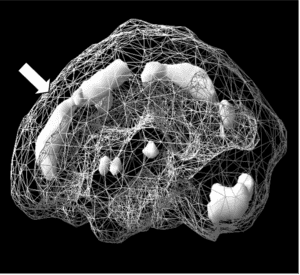
On SPECT scans, people with over-focused ADD may have increased activity in the anterior cingulate gyrus (ACG) when their brain is at rest or during concentration. In the scan below, the arrow is pointing to overactivity in the ACG.
The ACG is the brain’s gearshift. It allows a person to shift from one thought to another thought or from one idea to the next. When the ACG is overactive, people have a tendency to get stuck or locked into negative thoughts and behaviors.
SPECT scans also show that during concentration, people with over-focused ADHD have decreased activity in the underside of the prefrontal cortex, cerebellum, and basal ganglia.
Over-Focused ADD SPECT Scan During Concentration
OVER-FOCUSED ADHD TREATMENT
Strategies that can help manage the symptoms of over-focused ADD/ADHD include the following:
- Boost serotonin and dopamine levels.
One way to treat this type is to increase the dopamine and serotonin levels in the brain. The best way to boost both is with exercise. Exercise can help to distract from obsessive thoughts, provide relaxation for open-mindedness, and boost blood flow to the brain.
- Focus on complex carbohydrates.
An optimal diet for people with ADHD who tend to over-focus should include complex carbs like sweet potatoes, as well as small amounts of high-quality proteins. Too much protein in these individuals can exacerbate the tendency to hyperfocus.
- Ensure quality sleep.
It’s recommended that individuals with this type get 7-8 hours of sleep each night. Getting appropriate levels of sunlight during the day can also increase your body’s production of serotonin. In the evening, serotonin converts into melatonin, which aids in getting a good night’s sleep.
- Use the 3-thought cutoff.
If you frequently experience obsessive or negative thoughts, establish a 3-thought cutoff. Once a negative thought has repeated in your mind 3 times, get up and do a different activity. Focusing on something else will allow you to push negative thoughts to the back of your mind.
- Review goals daily.
One effective way to reduce over-focus symptoms is to start writing down your goals. Review these goals each day, evaluate your decisions and adjust your behavior so that you’re working toward your goals, instead of against them.
- Take targeted supplements.
This type of ADD seems likely due to low levels of both serotonin and dopamine. Because of this, it’s a good idea to take nutritional supplements that boost these important neurotransmitters. A combination of St. John’s Wort and L-tyrosine can be very helpful. L-tryptophan and 5-HTP, which are serotonin building blocks, are other nutraceuticals that may increase serotonin in the brain.
- Get a personalized treatment plan.
If you have over-focused ADD/ADHD, you need a targeted treatment program. What works for other types of ADHD may not work for you. In fact, some standard ADHD treatments could make your symptoms worse.
To make sure you get the right treatment for your needs, ask yourself these questions:
To know which type of ADHD you have, consider getting a SPECT scan to learn more about your brain activity. Without looking at your brain, mental health professionals can only guess which type you have.
Want more information? Download Amen Clinics’ free Getting to Know the 7 ADD Types eBook.
ADD/ADHD and other mental health issues can’t wait. At Amen Clinics, we’re here for you. We offer in-clinic brain scanning and appointments, as well as mental telehealth, clinical evaluations, and therapy for adults, teens, children, and couples. Find out more by speaking to a specialist today at 888-288-9834 or visit our contact page here. This post has been updated since its original publication date.
When you think of attention-deficit disorder (ADD), more commonly referred to as attention-deficit/hyperactivity disorder (ADHD), your mind probably goes straight to hyperactive schoolchildren. However, kids aren’t the only ones with this common condition. Adults can have it too.
A host of celebrities are sharing that they have been diagnosed with ADHD. For example, Olympic gold medalist Simone Biles announced on X that she has ADHD and has taken medication for the condition since she was a child. Maroon 5 frontman Adam Levine wrote in Additude Magazine that the ADHD he had as a child didn’t go away in adulthood. And “Dancing With the Stars” performer Karina Smirnoff told the Saturday Evening Post that she’s an adult with ADHD.
Unfortunately, too many adults with ADD/ADHD go undiagnosed and untreated. And this can have devastating lifelong consequences.
WHAT IS ADULT ADHD?
ADD/ADHD is a disorder that affects brain development. It typically begins in childhood and can persist into adulthood. It is associated with a short attention span and behavior issues that can interfere with school, work, and relationships.
It is estimated that 4.4% of American adults currently have ADD/ADHD, but experts suggest the condition is underreported in adults, so the number could be much higher.
This indicates that many adults are likely unaware that they have the condition and remain untreated. Having undiagnosed ADHD or untreated ADHD can lead to consequences that lower your quality of life and can keep you from reaching your potential.
ADULT ADD AND THE BRAIN
Individuals with ADD/ADHD are considered “neurodivergent.” Simply, this means their brains work differently than the brains of people who are “neurotypical.” A person who is neurotypical has healthy brain function.
The brain-imaging work using SPECT scans at Amen Clinics shows that children and adults with ADD/ADHD typically have low activity in an area of the brain called the prefrontal cortex (PFC). In particular, activity in the PFC decreases when people with the condition try to concentrate.
This is the opposite of what occurs in neurotypical individuals. In the healthy brain, concentration increases activity levels in the PFC.
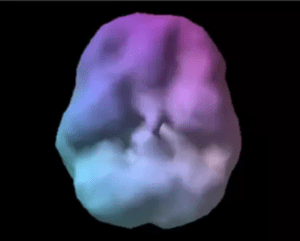 Healthy SPECT Scan
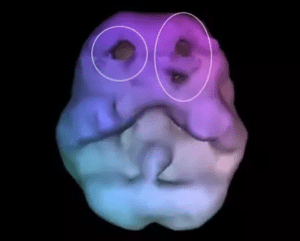 ADD/ADHD SPECT Scan
In the ADD/ADHD SPECT scan here, the “holes” indicate areas of low blood flow and activity in the prefrontal cortex.
The PFC is responsible for planning, judgment, organization, follow-through, impulse control, empathy, and more. These are known as executive functions. When there is low activity in the PFC, people tend to have trouble with these functions.
ADD/ADHD SPECT Scan
In the ADD/ADHD SPECT scan here, the “holes” indicate areas of low blood flow and activity in the prefrontal cortex.
The PFC is responsible for planning, judgment, organization, follow-through, impulse control, empathy, and more. These are known as executive functions. When there is low activity in the PFC, people tend to have trouble with these functions.
10 ADULT ADHD SYMPTOMS
Adults with ADD/ADHD may experience a wide range of emotional and behavioral symptoms, including the following.
1. Having a short attention span
A lack of focus is one of the hallmark symptoms of ADD/ADHD. In adults, this can include having a hard time with routine tasks, not paying attention to details, making careless mistakes, and having trouble staying focused in conversations.
If you have this brain-based disorder, you may start a lot of things but have difficulty completing them. Having a slew of unfinished projects lying around is a sign of adult ADD/ADHD.
2. Being disorganized
Adults with ADD/ADHD often have trouble keeping things organized. At work, you might have a hard time finding what you need to finish a task because your desk is messy, your computer files are scattered randomly, and your emails are unorganized. This can make projects seem more challenging and take longer to complete.
Disorganization also includes have trouble prioritizing assignments and keeping track of them. When you aren’t sure which task to tackle first, it can lead to procrastination.
3. Being easily distracted
Having adult ADD/ADHD makes you more likely to notice more things in your environment compared to others. This means you can be easily distracted by external stimuli, including sounds, lights, scents, touch, or some tastes.
For example, you may be overly aware of a tag in the back of your shirt, a flickering light, or a beeping noise. This acute sensitivity can prevent you from focusing on an important task at hand.
4. Having poor internal supervision
Many people with ADD struggle with impulse control and judgment. You may say or do things reflexively without thinking about the consequences of your actions. This can lead to problems at work, at home, and in relationships.
Another one of the common signs of adult ADHD is having a hard time learning from your mistakes. Making the same errors over and over is an indicator that you might have this condition.
5. Procrastinating and being chronically late
Individuals with ADD/ADHD often have trouble with time management. You may put things off until the last minute. For example, you may wait until the night before a project is due to start working on it.
ADHD adults are also notorious for being late for everything. Showing up 15 minutes, 30 minutes, or an hour late for work, appointments, and events is a red flag.
6. Being hyper focused
Surprisingly, research shows that many adults with ADD/ADHD can achieve laser-like focus for certain things. In general, hyperfocus is more likely to occur when a person engages in something that they love to do or in things that are highly stimulating, frightening, fun, or novel.
When hyperfocused, people become completely absorbed in an activity and tune out everything else. In these instances, you may not notice external stimuli, such as your spouse asking you a question, the doorbell ringing, or your dog barking because they need to go outside.
7. Being forgetful
Forgetfulness is common in ADD/ADHD and can become a major issue on the job and in relationships. People with this condition often forget birthdays, anniversaries, and deadlines. You may leave your work materials at home or forget that it’s your day to pick up your child after school.
In some cases, forgetfulness may be related to distractibility. If you aren’t paying attention to what someone is saying to you, it’s going to be harder to remember what they said.
8. Lacking motivation
Some types of ADD/ADHD are associated with low levels of the neurotransmitter dopamine, which is heavily involved in motivation. Because of this, adults with this disorder may feel unmotivated. This can hold you back in your career and in other areas of your life.
9. Low self-esteem
Self-doubt and a lack of confidence are common in people with ADD/ADHD. In part, this may come from growing up with people talking about you in a negative way due to your symptoms.
Many ADHD types grow up hearing people say that they are “lazy,” “dumb,” or “troublemakers.” These hurtful comments can have lasting repercussions on a person’s self-image.
10. Misusing substances
Adults with ADD/ADHD are at a greater risk for substance use disorders compared with people who don’t have the condition, according to research. If you turn to alcohol, marijuana, nicotine, or other substances to self-medicate or to improve focus, it’s a problem.
SEEKING AN ADULT ADHD DIAGNOSIS
Adults who suspect they may have the condition often wait to seek help. At Amen Clinics, which has helped tens of thousands of mental health patients over the past 30-plus years, adults typically don’t get diagnosed with ADD until they are experiencing the following:
- Concerns about a child with ADD/ADHD: Most adult patients at Amen Clinics are only diagnosed with ADHD after they bring in one of their children for an evaluation. During a thorough history, the child psychiatrists at Amen Clinics always ask about family history. Through these questions, many parents discover that they have the same symptoms of ADD/ADHD as their children.
- Poor work performance: Adults may wait to seek an evaluation until they’re having problems at work. They may be passed over for promotions, demoted, or at risk of getting fired.
- Emotional, cognitive, or behavioral issues: Many people seek help only after they have been suffering from problems, such as moodiness, chronic anxiety, restlessness, addictions, uncontrolled anger, marital problems, financial problems, or impulse control problems.
Being diagnosed with ADD/ADHD as an adult can be life-changing. It can help you understand that your issues aren’t due to a character flaw or lack of willpower, but rather related to your brain function. This can be very powerful in helping you reduce feelings of shame and enhance your self-image.
TAKE THE ADHD QUIZ
Take Dr. Amen’s simple, confidential 4-minute ADD quiz . This will help you discover if you potentially have the condition. In addition, the brain-imaging work at Amen Clinics has helped identify 7 types of ADD/ADHD. Taking this quiz can help you determine if you may be struggling with one of these types.
ADULT ADHD TREATMENT
If you are diagnosed with ADD/ADHD, be aware that in some cases, treatment may require medication. However, many people see improvement with natural treatments for ADD/ADHD.
ADD/ADHD and other mental health issues can’t wait. At Amen Clinics, we’re here for you. We offer in-clinic brain scanning and appointments, as well as mental telehealth, clinical evaluations, and therapy for adults, teens, children, and couples. Find out more by speaking to a specialist today at 888-288-9834 or visit our contact page here.
This post has been updated since its original publication date.
If you think attention-deficit disorder (ADD), or attention-deficit/hyperactivity disorder (ADHD) as it is more commonly called, is just one thing, you’re wrong! The brain-imaging work at Amen Clinics—over 300,000 SPECT scans—shows that it is not a single or simple disorder. In fact, there are 7 types of ADD/ADHD.
Each type has a unique set of symptoms that requires a personalized treatment plan. Knowing your type or your child’s type can help you find the most effective treatment to manage symptoms.
In this 7-part blog series, you’ll discover the basics about each of the ADD/ADHD types, their unique symptoms, SPECT scan findings, and science-backed interventions.
WHAT IS CLASSIC ADHD?
Classic ADD is often referred to as ADHD. The “H” is for hyperactivity and is one of the more notable symptoms of this type. Classic ADD/ADHD is the most common diagnosis of the 7 types and is the easiest to recognize. That’s because hyperactivity is one of the more notable symptoms of this type.
The hyperactive-impulsive ADHD type is seen more frequently in boys. As babies, they tend to be colicky, active and wiggly. As children, they tend to be noisy, impulsive and demanding. Their hyperactivity, constant need for excitement, and conflict-seeking behavior typically make them the center of attention.
Parents of these kids are often tired, overwhelmed and even embarrassed by the behavior of their non-stop, hard-to-control children.
In adolescence and adulthood, people who suffer from Classic ADD typically have difficulties handling stress and maintaining relationships. As a group, these individuals also have low self-esteem, which can have negative consequences at work, at home, and in relationships.
The standard treatment for Classic ADD in both children and adults is stimulant medications, such as Ritalin or Adderall. Sometimes negative reactions to these medications can be extreme, such as hallucinations, violent outbursts, psychosis, and suicidal behavior.
ADD/ADHD IN THE BRAIN
Most of the 7 types of ADHD and ADD share a common feature of brain function. In people who don’t have ADD, concentration increases blood flow in the prefrontal cortex (PFC). This brain region is involved in focus, planning, organization, judgment, empathy, and impulse control.
When activity increases in this region, it helps us focus and stay on task.
In people with ADD, however, the opposite occurs. Blood flow decreases during concentration. This makes it difficult to focus. In fact, the harder they try, the harder it gets!
This shows that this condition is not due to a lack of willpower or laziness. ADD/ADHD is a neurobiological disorder with serious psychological and social consequences.
In fact, research shows that having ADD/ADHD increases the risk of having other mental health disorders, such as clinical depression and substance use disorders.
CORE ADD/ADHD SYMPTOMS
Though each of the ADD subtypes has its own set of symptoms, they all share the same core symptoms:
- A short attention span for regular, routine, everyday tasks (homework, chores, etc.)
- Distractibility
- Organization problems (like having a messy room, always running late, etc.)
- Procrastination
- Forgetfulness
- Problems with follow-through
- Poor impulse control (saying or doing something before thinking it through)
TYPE 1: CLASSIC ADD SYMPTOMS
In addition to the core characteristics, Classic ADD entails a number of additional signs and symptoms, including:
- Inattentiveness
- Has trouble listening when others are speaking; frequently interrupts
- Makes careless mistakes/poor attention to detail
- Hyperactivity
- Restlessness
- Has difficulty waiting their turn
- Acts as though they’re driven by a motor
- Talks excessively
Take note that these symptoms can range from mild to severe. In addition, not everyone with Classic ADD will have all of these symptoms. You or your child may only have some of them.
CLASSIC ADHD TREATMENT
Medication isn’t the only way to treat ADD/ADHD. In fact, there are many natural ways to help ADD symptoms. Here are 6 lifestyle interventions that can help manage symptoms.
- Keep moving.
Due to hyperactivity and impulsivity, those with Classic ADD frequently fall short when attempting to complete concentration tasks. To help improve concentration, frequent movement is essential. The more that exercise is incorporated into mundane activities, the easier it will be to concentrate.
- Make it fun.
For children who have trouble concentrating during educational activities, a busy activity right beforehand, such as cardio, can help improve concentration. Additionally, children with Type 1 are more focused when educational or clean-up tasks are presented as a race, obstacle course, or other fun game.
- Be a stand-up employee.
For those with adult ADHD, if you have a desk job, stand up and move around at least once an hour. Creating an organized and creative work environment will also help you focus and maximize productivity.
- Get good sleep.
For optimal functioning and focus, get 7-9 hours of sleep each night. To restore proper balance to your sleep cycle, avoid common sleep stealers like caffeine, alcohol, nicotine, daytime naps, and using technology right before bed.
- Create a support structure.
Maintaining relationships with friends and family who support you and understand your personality can be beneficial in helping you cope with Type 1 flare-ups.
- Get a customized solution.
Like many other mental health conditions, ADHD has multiple types. Therefore, treatment is not a one-size-fits-all solution. What works for one person with ADHD may not work for another—or could even make the symptoms worse!
To get a personalized treatment plan, you need to know two things:
To know your type, brain imaging with SPECT can be very helpful. Without brain imaging, psychiatrists can only guess which type you have.
Want more information? Download Amen Clinics’ free Getting to Know the 7 ADD Types eBook.
ADD/ADHD and other mental health issues can’t wait. At Amen Clinics, we’re here for you. We offer in-clinic brain scanning and appointments, as well as mental telehealth, clinical evaluations, and therapy for adults, teens, children, and couples. Find out more by speaking to a specialist today at 888-288-9834 or visit our contact page here. ADD/ADHD is associated with a host of challenges that can impact your everyday life. And according to two recent studies, it appears that having adult attention-deficit/hyperactivity disorder (ADHD), also known as attention-deficit disorder (ADD), may also increase the likelihood of dementia later than life.
Indeed, adults diagnosed with ADD/ADHD are nearly three times more likely to develop some form of dementia than adults without the condition, a large-scale observational study found.
Additionally, a six-year study following adults with genetic markers for ADHD revealed an association with increased cognitive impairment and markers for Alzheimer’s disease.
While much more remains to be researched and understood, this association between ADHD and dementia underscores the importance of recognizing, diagnosing, and treating adult ADHD. It also alerts adults diagnosed with the disorder to be watchful for signs of dementia as they age.
ABOUT ADULT ADHD AND DEMENTIA
ADD/ADHD is a neurodevelopmental disorder characterized by pervasive attention problems, and often impulsive or hyperactive behavior too.
While it is commonly known as a disorder affecting children and teens, it affects about 5.4% of adult men and 3.2% of adult women as well, according to the Institute of Mental Health. What’s more, fewer than 20% of adults with the disorder are properly diagnosed or treated, experts report.
The signs of ADHD manifest differently in adults, which too often allows the disorder to persist unrecognized. In fact, brain SPECT imaging work at Amen Clinics has revealed that there are 7 types of ADD/ADHD.
Dementia is a general term that refers to an entire category of progressive neurodegenerative diseases that impact brain function, which may lead to memory loss, trouble with language, compromised cognition, and changes to personality and behavior.
More than 55 million people around the world have one of several types of dementia. It is among the world’s leading causes of disability and mortality. Alzheimer’s disease is the most common and recognized form of dementia. About 6.5 million U.S. adults are estimated to have Alzheimer’s disease and that figure is expected to double by 2050.
The biggest risk factor for dementia is aging. Thus, dementia usually develops later in life, typically in one’s mid-60s or later. Approximately 300,000 Americans under the age of 65 (sometimes in their 30s and 40s) have early-onset Alzheimer’s disease. Frontotemporal dementia is usually diagnosed between age 45 and 60.
HOW ADHD RELATES TO DEMENTIA
When ADD/ADHD goes undiagnosed and untreated in adults, it can have a detrimental effect on many areas of life. It’s important to understand that mental health disorders that negatively affect the mind also have adverse impacts on the brain, and there’s a marked brain component to every disorder.
ADD/ADHD is associated with lower activity in the cerebellum, prefrontal cortex, and basal ganglia. Hallmark ADHD symptoms such as short attention span, being easily distracted, disorganization, restlessness, the tendency to procrastinate, and impulsivity tend to make afflicted individuals more vulnerable to a host of disorders.
These individuals are more likely to be depressed, experience traumatic brain injury (TBI), and to have addictions to food, alcohol, drugs, and tobacco (smoking). Any one of these conditions comes with its own set of challenges, but they all also increase the chances of dementia later in life.
Since there’s a level of brain compromise with ADD/ADHD, older individuals have a double whammy of lower brain and cognitive resilience plus the higher dementia risk that comes with aging.
ADHD AND DEMENTIA RESEARCH
Researchers are just beginning to uncover and understand the association ADHD has with the development of dementia. An Argentinian study published in the European Journal of Neurology in 2011 first got the attention of scientists when it found an association between ADD/ADHD and a certain form of dementia called Lewy Body dementia.
The two more recent studies are the latest adding to this body of research on ADHD and dementia. The first is a cohort study published in October 2023 in JAMA Network Open, involving more than 100,000 participants.
The participants—aged 51 to 70 and born between 1933 and 1952—entered the cohort on January 1, 2003 without an ADD/ADHD or dementia diagnosis. They were followed until February 28, 2020. The researchers evaluated the data collected from 2022 to 2023.
After adjusting for multiple confounding factors, the researchers found that adults with ADD/ADHD have a 2.77-fold greater risk of dementia than people without the condition.
Interestingly, participants who were diagnosed with ADD/ADHD and treated with psychostimulant medication showed no clear increased risk of dementia. This appears to reflect separate research that indicated ADHD treatment with prescription stimulant medication might improve several aspects of cognition.
However, the scientists involved with this newer study caution against making any conclusions and encourage more research on how medications may impact dementia risk. They also encourage natural ways to treat ADHD.
The second study conducted by University of Pittsburgh School of Medicine researchers involved 212 individuals between the ages of 55 to 90 with high genetic risk of ADD/ADHD.
The participants were evaluated regularly over a six-year period.
The data revealed an association between having genetic markers for ADD/ADHD and cognitive deterioration and the development of Alzheimer’s Disease.
While the findings again highlight an ADHD-dementia association, the study’s authors encouraged further research on clinically confirmed ADHD participants and the development of Alzheimer’s disease.
RECOGNIZE ADD/ADHD AND DEMENTIA SYMPTOMS
Until more is understood, adults showing ADD/ADHD symptoms are encouraged to get proper diagnosis and treatment. There are many effective natural approaches to treating ADD/ADHD, including:
- Psychotherapy
- Neurofeedback
- Meditation
- Vigorous exercise
- Goal setting
- Consuming a higher-protein diet
- Taking well-studied nutraceuticals
Additionally, if you or someone you know is experiencing repeated memory loss problems or other signs of dementia, it’s important to get evaluated as soon as possible.
ADD/ADHD, memory loss, dementia, and other mental health issues can’t wait. At Amen Clinics, we’re here for you. We offer in-clinic brain scanning and appointments, as well as mental telehealth, clinical evaluations, and therapy for adults, teens, children, and couples. Find out more by speaking to a specialist today at 888-288-9834 or visit our contact page here.