
ARCHIVE

WHAT ARE ADDED SUGARS?
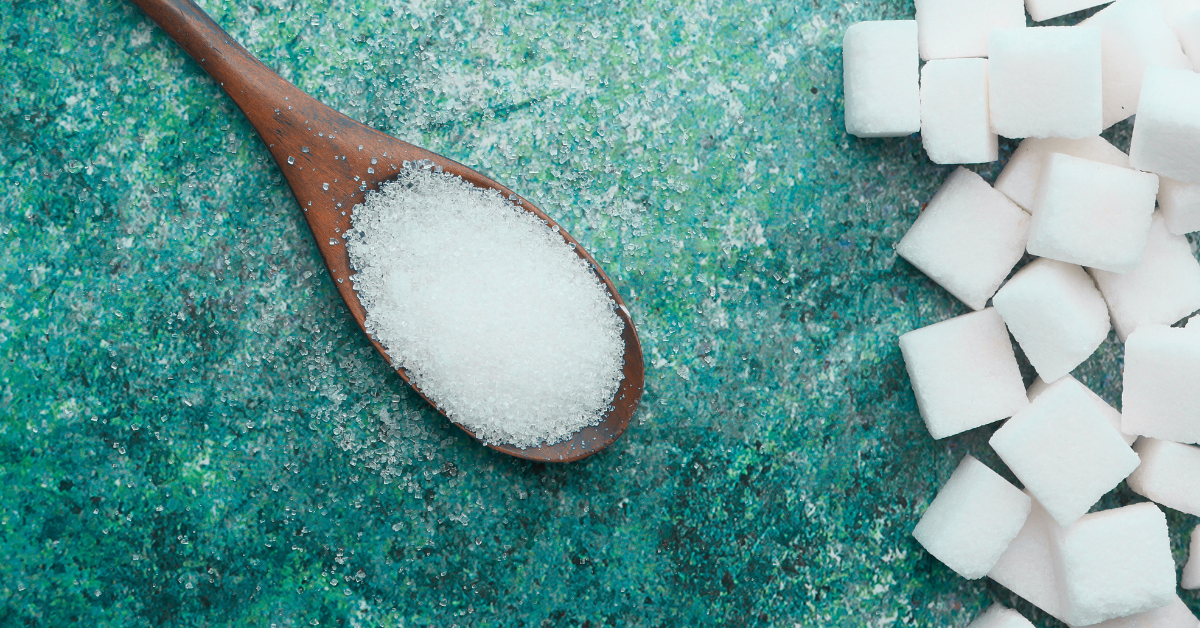
The BMJ study findings were based on research that examined the health effects of free sugars, also called added sugars. The terms are synonymous and refer to sugar sweeteners that are added during the processing of foods. Examples of foods with added sugars are sugar-sweetened beverages, desserts, baked goods, candy, cereals, crackers, snack foods, sauces, condiments, yogurts, and not-so-healthy “nutrition” bars. Added sugars may include white sugar (table sugar) from sugar cane, or sucrose, as well as sugar cane’s many variations (brown sugar, confectioners’ sugar, raw sugar, evaporated cane juice, etc.). According to the U.S. Food and Drug Administration (FDA), added sugars may also include:- Dextrose (from wheat and corn)
- Fructose (extracted from fruits and some veggies)
- Syrups (like high-fructose corn syrup)
- Honey
- Sugars from concentrated fruit and vegetable juices
NEGATIVE HEALTH EFFECTS ASSOCIATED WITH ADDED SUGARS
The BMJ review found that excess sugar consumption is associated with dozens of harmful health effects, which have been grouped into 5 main categories here:1. Metabolic Effects
Added sugar tends to spike blood sugar levels, and frequently elevated blood sugar levels are not good for metabolism. The review found added sugar associated with changes in body mass index in children, both short- and long-term changes in body weight, obesity in children and adults, and fat accumulation in the liver and muscles. Added sugar consumption was also linked to higher low-density lipoprotein (LDL) cholesterol, higher levels of uric acid, and increased risk of type 2 diabetes, autoimmune diabetes, and gout. Perhaps most concerning, free sugar consumption was linked to an increased risk of metabolic syndrome, which is a cluster of conditions that occur simultaneously, increasing the risk of heart disease, stroke, and type 2 diabetes.2. Heart Disease
Many people typically think of saturated fat as the food to avoid to maintain a healthy heart. However, when it comes to heart health, new research suggests that sugar is even worse than unhealthy fats. Sugar consumption tends to promote oxidative stress and inflammation in the body, which can have negative consequences for heart health. In fact, the American Heart Association recommends limiting added sugar intake for this very reason. According to the BMJ study’s findings, too much dietary added sugar is associated with increased risk for heart attacks, coronary heart disease, cardiovascular disease (CVD), and CVD mortality. It can also contribute to unhealthy blood pressure levels and stroke. In contrast, a non-sugar diet (meaning no added sugars) was associated with a lower incidence of CVD and stroke. Some of the research reviewed suggested that for every additional 8 ounces of sugar-sweetened beverages consumed per day, there was a 17% higher risk of coronary heart disease.3. Cancer
As oxidative stress, inflammation, and cancer are strongly linked, according to research, it makes sense that too much pro-inflammatory added sugars in the diet is associated with cancer as well. The BMJ findings showed free sugar consumption linked to an increased risk of liver cancer, prostate cancer, pancreatic cancer, and breast cancer (and breast cancer mortality)—as well as overall cancer and cancer mortality. Some evidence, albeit not strong, suggested that for every additional 25 grams of fructose consumed per day, there was a 22% higher risk of pancreatic cancer. The researchers suggested that the impact of dietary sugars on obesity might, in part, explain the link to cancer risk. Decades of research point to obesity as a strong risk factor for a number of cancers. Similarly, high blood sugar levels are strongly linked to type 2 diabetes, which may play a role in the development of cancers of the breast, prostate, liver, bladder, and endometrium. The researchers also noted that consuming excessively added fructose can lead to a disturbance in gut microflora and damage to the intestinal wall. This can lead to metabolic toxins, inflammation, and lipid accumulation, potentially leading to the development of colorectal cancer.4. Neuropsychiatric Conditions
The study also examined the effects of sugar on mental health, which revealed a link to depression, attention-deficit/hyperactivity disorder (ADHD), and addiction-like behavior. In one of the reviewed studies, when animal subjects were fed a high-fructose diet, they displayed anxious and depressive behaviors. Additionally, one of the reviewed articles showed an association between increased sugar-sweetened beverages and total sugar consumption with an increased risk of ADHD, also known as attention-deficit disorder (ADD). Here at Amen Clinics, we’ve previously reported that sugar acts like a drug by activating the reward centers of the brain and triggering the release of dopamine, which makes you feel good and compels you to eat more. Indeed, the BMJ study reviewed animal research indicating a link between sugar consumption and the activation of the dopaminergic reward system. The evidence suggested sugar dependence is similar to addiction to morphine or cocaine!5. Other Negative Health Effects and Other Factors Linked to Added Sugar
There were many other negative health associations with added sugar consumption in the study, including higher incidence of dental caries and erosion, bone mineral density loss, non-alcoholic fatty liver disease, asthma, and all-cause mortality. All of these ill health effects are observed associations, not conclusive evidence. It’s important to keep in mind that high-sugar consumption may indicate an overall unhealthy diet and lifestyle, which may factor into negative health outcomes.HOW TO REDUCE ADDED SUGAR INTAKE
The researchers recommend reducing the consumption of free sugars or added sugars to less than 25 grams of sugar a day (about 6 teaspoons a day) and restricting sugar-sweetened beverages to less than one serving (about 6 to 12 ounces) a week to reduce the ill health effects of sugar. Here’s how you can get started:- Read labels: Increase your awareness of what you put in your body by reading nutrition labels on all packaged foods.
- Consume foods that support healthy blood sugar levels: Committing to a no-sugar diet (or a low-sugar diet under 25 grams per day) helps avoid blood sugar spikes and crashes.
- Create new habits: Instead of drinking sugar-sweetened beverages, choose an herbal tea or green iced tea, plain water and lemon, or a stevia-sweetened beverage. Save sugary desserts for rare occasions only, instead opting for whole fruit or unsweetened frozen fruit for dessert. Fresh berries, a few apple slices, or a little dried fruit in moderation can be very satisfying. Add a few nuts or a serving of unsweetened yogurt to balance the natural sugars in the fruit and keep blood sugar levels steady.
CRAVINGS AND THE BRAIN
Cravings involve several brain circuits and neurotransmitters, including:- Prefrontal cortex (PFC): The PFC acts as the brain’s brake and is involved in impulse control and judgment. When it is healthy, it helps you say no to the cookies, chips, or candy that is calling out to you.
- Pleasure and reward centers: This brain region, called the nucleus accumbens, provides the passion and motivation to drive behavior. When activity in this region is balanced, it helps you choose the apple instead of the apple pie. When the pleasure centers are worn out from overuse, it makes you want more sugary, fatty concoctions.
- Emotional centers: The deep limbic system ties emotional memories to foods and can increase the value of certain foods that are linked to good memories.
- Dopamine: Eating triggers the release of dopamine, which is involved in motivation and salience. Consuming sweet, salty, scrumptious snacks increases the amount of dopamine released.
5 BRAIN-BASED TIPS TO CONQUER CRAVINGS
1. Keep your blood sugar balanced.
Low blood sugar levels are associated with lower overall brain activity, including lower activity in the prefrontal cortex (PFC), the brain’s brake. Low brain activity here means more cravings and more bad decisions. Low blood sugar levels can make you feel hungry, irritable, or anxious—all of which make you more likely to make poor food choices. A study in the Journal of Personality and Social Psychology outlines the critical nature of blood sugar levels and self-control. They write that self-control failures are more likely to occur when glucose is low. Restoring glucose to a sufficient level typically improves impulse control. Conquer Cravings: To balance blood sugar levels, eat smaller meals with protein throughout the day. In addition, avoid alcohol because it reduces glucose throughout the brain and body and impairs many forms of self-control.2. Decrease consumption of artificial sweeteners.
If you really want to decrease your cravings, you must get rid of the artificial sweeteners in your diet. You may think of these sweeteners as “free” because they have no calories, but they can be up to 600 times sweeter than sugar, which means they may activate the appetite centers of the brain making you crave even more food and more sugar. Conquer Cravings: Ditch the diet sodas that are full of artificial sweeteners and stick with water infused with lemons, limes, or cucumbers. In addition, eliminate packaged sugar-free snacks, yogurt, and other fare that are usually made with artificial sweeteners and other no-good-for-you stuff.3. Manage your stress.
Chronic stress has been associated with increased appetite and cravings for sugary, fatty fare. It is also linked to abdominal obesity, low energy, poor concentration, elevated cholesterol levels, heart disease, and hypertension, as well as an increased risk for anxiety and depression. Conquer Cravings: To decrease your cravings, get on a daily stress-management program that includes meditation or prayer, deep-breathing exercises, and calming supplements (such as GABA and magnesium).4. Get moving.
Scientific research has found that physical activity can cut cravings whether you crave sugary or salty snacks. A study in the journal Appetite showed that cravings for chocolate decreased following a 15-minute brisk walk. And findings from a 2022 animal study show that acute high-intensity interval training curbs cravings for high-fat foods. In this study, rats on a month-long diet that did intense exercise were better able to resist cues for yummy high-fat food pellets. Think of it as the equivalent of being able to drive past a doughnut shop or pizza parlor without being tempted to pull the car over and indulge. Conquer Cravings: Instead of immediately giving in to your cravings or focusing on how much you want something, get moving if possible. Go for a brisk walk outside. And consider starting an exercise routine that includes high-intensity interval training. However, be sure to check with your physician before starting any exercise program.5. Get adequate sleep.
Have you ever noticed that after a night with almost no sleep, you wake up ravenously hungry and want to eat anything and everything in sight? That is because lack of sleep increases food cravings. Research shows that lack of sleep causes changes in the brain associated with an increased desire for high-calorie foods. An expanding body of scientific evidence has shown that the less sleep you get, the more cravings you have, the more calories you eat, the more belly fat you have, and the higher your BMI. Conquer Cravings: Make sleep a priority and aim for 7-8 hours each night. If you have trouble sleeping, develop a nightly routine that promotes rest. For example, turn off all tech devices at least an hour before bedtime, sip a cup of warm chamomile tea, and consider supplements such as melatonin, magnesium, GABA, l-theanine, 5-HTP, and vitamin B6.CALMING CRAVINGS
With these tips, you can learn to calm cravings. The more times you say no to them, the easier it will become to resist the temptation to give in. Anxiety, depression, and other mental health issues can’t wait. At Amen Clinics, we’re here for you. We offer in-clinic brain scanning and appointments, as well as mental telehealth, clinical evaluations, and therapy for adults, teens, children, and couples. Find out more by speaking to a specialist today at 888-288-9834 or visit our contact page here. Perhaps the biggest mistake emotional overeaters make is failing to manage their fluctuating emotions as carefully as they do their careers or physical health. Luckily, there’s a shorthand you can rely on whenever you’re seized with an urge to overeat. Just remember to HALT: Don’t get too hungry, angry, lonely, or tired. This simple and powerful acronym is used in addiction recovery centers the world over, but HALT is not just for addicts. It’s for anyone looking to eat less, and more healthfully, by eating more consciously. One simple and powerful acronym—HALT—can help anyone eat less, and more healthfully. Just don’t get too hungry, angry, lonely, or tired. It’s a fail-safe remedy for helping navigate the constant flux of life. New babies, job opportunities and losses, accidents and sickness, and our ever-changing hormonal states send our emotions into overdrive on a regular basis.HALT: DON’T GET TOO HUNGRY
Let’s start with the danger of becoming too hungry. Blood sugar levels drop when you go too long between meals or snacks. In response, your levels of anger and irritation rise in lockstep. Lower blood sugar means your brain is starving and, consequently, exhibits lowered overall activity. This depleted state opens the door to impulsive behavior and cravings. The remedy here is simple: bring healthy snacks with you and don’t go long between meals. Start your day with a healthy breakfast and then prepare your snacks ahead of time. After your nutritional breakfast, eat modest-sized meals throughout the day. As a result, you’ll be less tempted to slake your hunger with unhealthy choices such as desserts and sugary drinks. With planning you have the ability to stabilize your blood sugar and, as you do, you won’t be thrown by emotional overeating. To help even out your blood sugar and tamp down cravings, evidence suggests that taking the supplements chromium and alpha-lipoic acid also can help.HALT: DON’T GET TOO ANGRY
Excess anger also can send you to the fridge or through the drive-in. When hit with a flash of it, see if you can exit stage left to walk around the block or hit the gym, tennis court, or yoga class. Moving our bodies is one of the most effective means of processing this high-handed and difficult emotion. Other strategies include writing or typing out the reasons you are angry on paper or on your computer. Externalizing feelings of rage allows us to get a better view of them. When they are not rampaging around our heads, unexpressed and unexamined, we can see them with some helpful detachment. “I hate my job and I’m going to quit.” With these words on paper, we can take a moment to ask ourselves the question, “Is this true?” Maybe, after some reflection, we only hate our jobs occasionally and don’t really want to resign. Other helpful actions include meditation—often just a minute or two will do the trick—and deep breathing. Taking air into your lungs, slowly, for about 10 deep breaths following a provocation often will alter your state. All these actions enable you to process your anger, instead of letting it have its way with you. Afterward, you’ll be better able to find a calm and direct manner of expressing yourself. Anger requires responsible expression. It should not be left to fester, which will only lead to more problems.HALT: DON’T GET TOO LONELY.
There’s never been a better time to build and bolster your social life with networks of supportive people. Online Meetup groups allow us to readily connect with people with shared interests, ranging from hiking to cooking to reading and an endless array of activities. Many virtual addiction recovery meetings convene on almost an hourly basis, as often as 24 hours a day, online and over phone lines. In-person meetings gather daily and in the evenings. Planning ahead to see friends and loved ones allows you to ensure you rarely face a solitary upcoming weekend, week, or month. This kind of preparation can help sustain you in ways that sudden food binges never will. But failing to see other people, in whichever way you prefer, can leave you prey to the temptation to fill that social void with still-more-empty calories. Plan ahead, to be both social and slim.HALT: DON’T GET TOO TIRED
Running ourselves ragged almost seems to be in vogue. If you find yourself telling everyone how busy you are, take note and consider slowing down. Not sleeping enough wears out the emotional centers of the brain, leaving them 60% more reactive to negative stimuli, according to one 2007 study. The less sleep you have the less capable you are of gracefully handling stressful stimuli. As fatigue sets in, we steadily lose our ability to make good decisions. Judges are more likely to grant parole to prisoners earlier in the day, before lunchtime, after which point fatigue sets in, one study found. The risk of setting someone free on parole appears too high after judges lose their early-morning capacity for discernment, causing them to default to the safest societal choice: to deny parole. As the judges may or may not know, poor sleep inhibits brain function, leading to poor decision-making. It also leads people to eat more unhealthy carbohydrates.MAKE NOT ONE, BUT FOUR SEPARATE HALT PLANS
At Amen Clinics, we urge our patients to write out four separate plans, titled, “My don’t get too hungry plan,” “My don’t get too angry plan,” etc. For each, make a list of what you will do to keep yourself safe from each of these unhealthy states. Drinking warm almond milk with stevia before bed to aid sleep, while listening to soothing music might go on one list. Grabbing an easy bag of healthy snacks—such as apples and nuts—might go on another. The lists need not be long. Write down about 5 strategies for each. Put each list in notes mode or into a file folder on your mobile phone and when you feel your hunger, anger, loneliness, or fatigue rising, refer to each. Take action to address your emotions first and your healthy eating is more likely to take care of itself. Emotional issues, anger, sleep disorders, and other mental health issues can’t wait. At Amen Clinics, we’re here for you. We offer in-clinic brain scanning and appointments, as well as mental telehealth, clinical evaluations, and therapy for adults, teens, children, and couples. Find out more by speaking to a specialist today at 888-288-9834 or visit our contact page here. When struggling with mental health concerns like depression and anxiety, it’s easy to reach for “coping strategies” that aren’t actually helping us cope at all. In many cases, they are ways to distract, numb, or soothe ourselves that do not offer long-term relief. And, in the worst cases, they are “solutions” that create their own problems—secondary dangers that can include addiction, negative impacts on physical health, and even additional (more serious) mental health effects. In other words, many of us start out trying to tackle one issue and potentially end up with many more, which only exacerbates feelings of unease. Here are 10 common tactics that remain typical fixes among those struggling with mental health concerns—and why they don’t work. When struggling with mental health concerns like depression and anxiety, it’s easy to reach for “coping strategies” that aren’t actually helping us cope at all.10 MENTAL HEALTH FIXES THAT DON’T WORK
1. Thinking a pill will solve everything.
While many people with mental health issues seek medication as part of treatment, the reality is that many of them will not receive sufficient relief through this intervention. Studies have found that depression, for example, can be treatment-resistant, including one study that reported only one-third of these patients will fully respond to treatment with antidepressant medication. On the other hand, natural treatments—including the proper diet, physical exercise, supplements, neurofeedback, hypnotherapy, psychotherapy, meditation, and breathing exercises—can be very effective for mental health issues such as depression and anxiety.2. Drinking your problems away.
Alcohol is one of the most culturally accepted drugs in our society, but it’s also the most dangerous, according to one study in which alcohol was deemed worse than heroin or crack cocaine in terms of its negative impacts (to both the individual using it and to others). But in addition to its harmful societal consequences, addictive nature, and detrimental health effects on the brain and entire body, it has a devastating impact on mental health. Causing issues from psychosis to sleep disturbances to hangover-related anxiety, it’s no wonder that studies have shown a strong association between alcohol dependence and depression.3. Soothing your emotions with sugar.
We know that sugar addiction—a problem that many Americans struggle with—can stress you out, causing side effects like insomnia, panic attacks, aggressive tendencies, and anxiety. (Unfortunately, sugar substitutes, such as aspartame, have also been shown to increase anxiety symptoms.) Many people reach for sugar-laden “comfort foods” when they’re stressed out, while others consume sky-high sugar intakes by following the high-glycemic standard American diet. But these strategies will end up backfiring: Not only does this cycle encourage cravings and addiction, but high-sugar diets have been shown to be associated with adverse effects on mental health.4. Smoking.
For those Americans who still smoke or vape—including “casual” users—many believe that the act of lighting up eases stress and anxiety. According to the Mental Health Foundation, nicotine hits the brain within about 10 seconds, so it seems to quickly boost mood and reduce anger and stress. However, because nicotine triggers the feel-good brain chemical dopamine, the brain turns off its natural dopamine-making mechanism, thereby depleting those levels among smokers (and making them more likely to reach for another to obtain another “hit”). Like with drugs and sugar, it’s an addictive cycle that soon creates its own problems—actually increasing anxiety and tension due to nicotine withdrawal symptoms and increased cravings.5. Burying your head in the sand.
Explaining away or downplaying the difficult realities of mental health issues does not offer a long-term solution. Tactics like denial and avoidance occur for a variety of reasons, such as fear of the stigma still attached to mental health issues, or a lack of healthy coping skills. But finding better ways to face these concerns head-on will be more helpful in the long run—like seeing a mental health professional for anxiety or trying out natural solutions for depression. Avoidance, on the other hand, can cause those issues to be repressed, only to emerge in more severe ways, such as through self-harm, suicidal thoughts, or substance use disorders.6. Buying things to feel better.
With the advent of online shopping, nowadays we don’t even need to leave our homes—or, for that matter, get out of bed—to go on a shopping spree. But the habit often called “retail therapy” is not a helpful coping mechanism. In extreme cases, it can even become a process addiction. Compulsive, impulsive, and/or excessive shopping can land people in severe debt or bankruptcy, negatively impact personal relationships, or simply crowd one’s home with unneeded purchases that ultimately increase feelings of stress and overwhelm. This “quick fix” is anything but.7. Overeating or undereating.
When life seems out of control, many people seek to combat that sense of unease by overeating or binging on foods, especially unhealthy things like carbs and sweets. Others find their appetite has dwindled, or they avoid or restrict eating as a way of gaining some sense of control. In more advanced cases, these strategies can lead to eating disorders like bulimia OR anorexia (the most deadly mental health disorder). Binging can cause blood sugar spikes and crashes that leave us depleted, fatigued, and feeling unwell, while undereating or starving is associated with malnutrition, lack of energy, and decreased cognitive ability. (Even mild dehydration can cause a host of mental health effects, so it’s important to drink plenty of fluids, too.)8. Promiscuous behavior.
While we know that those who are emotionally dysregulated may reach for crutches like alcohol, food, or smoking, others find different outlets for stress, anxiety, and depression—including sexual activity. But the combination of mental health issues and promiscuity can lead to dangerous behaviors. One study, published in Behavioral Medicine, noted that the female participants with a mental disorder were more sexually active than the males observed, and the characteristics of antisocial personality disorder and borderline personality disorder predicted risky sexual behavior for women in particular—such as sexual assault, or not using protection and being exposed to HIV or other sexually transmitted diseases.9. Sleeping too much.
Sometimes, pulling the covers over our heads feels like the best response to a crisis, but oversleeping can function as another avoidant behavior and can have its own negative health effects. The Sleep Foundation reports that, because depression can cause fragmented sleep, it can lead to feeling sleepy or fatigued, and about 15% of those with depression experience hypersomnia (excessive sleepiness). But sticking to the typical sleep recommendation (7 to 9 hours per night) is best for optimal health.10. Moving to avoid problems.
Some people try to avoid or escape problems by literally fleeing the scene—trying a tactic known as the geographical cure. Moving can seem like a straight path to a fresh start or a new life, but people more often find that they’ve simply carried their problems along with them to a new location. Others stay moving without going anywhere—that is, keeping themselves overly busy with a packed to-do list every day, in an attempt to avoid dealing with mental health issues like anxiety. Again, facing these problems (and their root causes) is the only effective way to start combating their effects. Depression, anxiety, and other mental health issues can’t wait. At Amen Clinics, we’re here for you. We offer in-clinic brain scanning and appointments, as well as mental telehealth, clinical evaluations, and therapy for adults, teens, children, and couples. Find out more by speaking to a specialist today at 888-288-9834 or visit our contact page here. We hear a lot about avoiding highly processed or ultra-processed foods in our diet—in favor of choosing instead whole foods, such as vegetables and fruits—but what are highly or ultra-processed foods, anyway? According to Harvard Health, food processing often involves adding ingredients like sugar, salt, fat, artificial colors, preservatives, flavors, and/or stabilizers, so these processed products are “made mostly from substances extracted from foods, such as fats, starches, added sugars, and hydrogenated fats.” In other words, it feels like a bit of a stretch to call them food in the first place. Unfortunately, the typical American diet (and grocery store) is chock-full of these kinds of products, from cookies and crackers to frozen meals and sugar-packed sodas. One 2022 report noted that a whopping 73% of the U.S. food supply can be considered ultra-processed—partially because these “Frankenfoods” are much more profitable for manufacturers, costing on average 52% less than minimally processed options. However, for the humans consuming them, they have many impacts that are far from positive—in fact, they’re downright health-destroying. Let’s take a look at just some of the ways in which they harm the entire human body, over both the short and long term. Whole foods may contain sugar (like you’d find in fruit), but because they also contain fiber, protein, and water, it’s slower to hit the bloodstream and does not cause that same feeling of getting a “hit” or rush when consumed.THE MANY DANGERS OF ULTRA-PROCESSED FOODS
1. Eating highly processed foods can be as addictive as smoking cigarettes.
One study, published in late 2022 in the journal Addiction, evaluated these foods according to the criteria established when researchers were examining the impacts of tobacco in the 1980s. The findings noted that these addictive hallmarks include:- Loss of control over intake, such as seen with compulsive or binge eating
- Intense cravings, or strong urges that are difficult to resist
- Inability to reduce consumption—for example, eating even when not hungry
- Continued use despite negative consequences, including serious health concerns like obesity
2. Ultra-processed foods may increase dementia risk.
We already know that high-glycemic, low-fiber foods, as well as other nutritionally empty culprits, are potential memory destroyers. More specifically, a study presented at the 2022 Alzheimer’s Association International Conference, published in JAMA Neurology and reported by CNN, stated that consuming more than 20% of the daily calorie intake (that is, 400 calories of a 2,000-calorie diet) via ultra-processed foods may increase the risk for cognitive decline. This decline occurred at a rate of 28% faster among men and women who consumed the largest amounts of these foods, and they also experienced a 25% faster decline in executive function. Unfortunately, many Americans are consuming far more than 20% of their daily calories in ultra-processed foods, with one 2017 study reporting that number at 57.5% among its survey participants.3. Highly processed foods boost the odds of experiencing mental health issues.
A 2022 review of 17 studies looked at the links between processed foods and mental health disorders. The findings stated that “greater ultra-processed food consumption was cross-sectionally associated with increased odds of depressive and anxiety symptoms” and “was associated with increased risk of subsequent depression.” Another study from 2020 found that participants whose ultra-processed food intake made up more than 73% of their total energy intake had a 35% higher risk of depressive symptoms, compared with those who consumed 34% or less of their total calories from ultra-processed foods. Clearly, there is a reason why the Standard American Diet spells SAD!4. Eating ultra-processed foods has been linked to increased physical health risks.
In 2019, two large European studies were published in The BMJ and established a positive association between eating highly processed foods and the risk of cardiovascular disease and even death. The first study, from NutriNet-Santé, surveyed 105,159 French adults (79% of whom were female, with an average age of 43 years) and found that a “10% increase in the proportion of ultra-processed food in the diet was associated with significantly higher rates of overall cardiovascular disease, coronary heart disease, and cerebrovascular disease (an increase of 12%, 13%, and 11%, respectively).” Meanwhile, a diet higher in unprocessed or minimally processed foods was correlated with a lower risk of all of these health issues. The second study investigated the link between eating ultra-processed foods and the risk of death from any cause—and, like the first study, surveyed participants over 10 years. The results demonstrated that “higher consumption of ultra-processed foods (more than 4 servings per day) was associated with a 62% increased risk of all-cause mortality compared with lower consumption (less than 2 servings per day),” The BMJ reported. And each additional daily serving of ultra-processed food was correlated with an 18% relative mortality risk increase. While more research is needed to establish a clear cause and effect—and to further understand what causes such a dramatic effect in mortality and health outcomes—these two studies point to a range of possible links between Frankenfoods and poorer quality of life.WHICH ULTRA-PROCESSED FOODS ARE THE WORST?
Though eating anything that fits into the ultra-processed or highly processed categories interferes with optimal full-body health, researchers have hypothesized that certain foods are more likely to trigger addictive-like behaviors. For example, a pair of studies from 2015 compared the making of these toxic food products to the processing that transforms a coca leaf into cocaine—in other words, both have been altered to speed up absorption into the bloodstream. In the case of food, this translates to the item’s glycemic load, which relates to the food’s dosage of refined carbohydrates and the resulting blood sugar spike (which, of course, leads to an inevitable crash and a desire for more). As one 2018 study noted, carbs with a high glycemic index “elicit a rapid shift in blood glucose and insulin levels, akin to the pharmacokinetics of addictive substances.” Just like with other commonly abused drugs, glucose and insulin levels influence dopamine concentration, so sugar creates cravings and eventually addiction. Accordingly, the pair of studies referenced above pointed to high-glycemic-load foods as the worst offenders.15 ULTRA-PROCESSED FOODS TO AVOID
Some of the worse ultra-processed foods that you should nix from your diet include the following 15 nutritional disasters:- Processed meats (sausages, hot dogs, and deli meats)
- Sugary breakfast cereals
- Sodas and energy drinks
- Frozen pizzas
- Mashed potato flakes
- Packaged cookies
- Blended coffee drinks and flavored creamers
- French fries
- Pretzels
- Baked goods
- Candy
- Instant noodles
- Flavored chips and cheese puffs
- Processed cheese sticks
- Barbecue sauce
FINDING THE BEST OPTIONS AMONG PROCESSED FOODS
To help you make better choices among packaged foods at the grocery store, researchers at Northeastern University have created an online tool that rates foods within the same product category on a scale from 1-100 from least processed to ultra-processed. For example, in the “Spread & Squeeze” category, Whole Foods’ 365 brand almond butter scores 5/100 while the same brand of “Cookie Butter” spread is rated at 77/100. Whole foods, of course, may contain sugar (like you’d find in fruit), but because they also contain fiber, protein, and water, it’s slower to hit the bloodstream and does not cause that same feeling of getting a “hit” or rush when consumed. As a general rule, stick to unprocessed foods—like those found in the produce section—or foods that are minimally processed, such as nuts or legumes, to promote maximum health and longevity over the long haul. Food addiction and other mental health issues can’t wait. At Amen Clinics, we’re here for you. We offer in-clinic brain scanning and appointments, as well as mental telehealth, clinical evaluations, and therapy for adults, teens, children, and couples. Find out more by speaking to a specialist today at 888-288-9834 or visit our contact page here. If you—or your child—have attention deficit hyperactivity disorder (ADHD), also known as attention deficit disorder (ADD), you need to watch what you eat. In fact, one of the biggest influences on our ability to focus, stay organized, control impulsiveness, plan, and follow through on those plans can be found in what we consume. This is critical for the 9.8% of children between the ages of 3 and 17 who have the condition, as well as the 5.4% of adult men and 3.2% of adult women who have been diagnosed. We already know that diet plays a major role in ADD/ADHD symptoms, so this condition makes it necessary to eliminate certain ingredients while ensuring sufficient levels of mental health-boosting nutrients. Diets that are full of processed foods, synthetic preservatives and coloring, and toxins like pesticides (in other words, the typical diet for many Americans) are downright dangerous for everyone, but they are high on the list of no-nos for those with ADD/ADHD. Here are 3 notorious culprits that crop up in a wide range of foods and beverages and should be avoided by those who have been diagnosed with these disorders. Diets that are full of processed foods, synthetic preservatives, and coloring, and toxins like pesticides (the typical diet for many Americans) are downright dangerous for everyone, but especially for those with ADD/ADHD.3 FOODS TO AVOID FOR ADD/ADHD
1. Sweeteners
Sugar is one of those crutches that a lot of people reach for to combat feeling down or sluggish, but it ends up having the opposite effect. Sugar is disguised under many names, like high-fructose corn syrup, sucrose, honey, and maple syrup—and the fake stuff that’s found in diet sodas, including saccharin, sucralose, and aspartame, is no better. Sugar causes spikes and then dips in blood sugar levels, which worsens mood, while sugar consumption over time causes inflammation, lethargy, cravings, addiction, and potentially serious outcomes like aggression and memory issues. Artificial sweeteners, on the other hand, can contribute to chronically high insulin levels, cognitive concerns, behavioral problems, and more. Keep in mind that sugar is not just found in obvious culprits like candies, sodas, and sweets—it’s also a byproduct of eating refined carbohydrates, like white bread, pasta, and pastries, to name a few. As the body breaks down these foods, they convert to sugar and cause the same blood sugar spikes as you’d expect from decadent desserts. Instead, get your carbohydrate intake from complex carbs and vegetables—and if you crave something sweet, it’s best to select whole fruits that are low in sugar, such as strawberries or grapefruit.2. Caffeine.
Beverages like sodas and energy drinks contain a double-trouble combination of ingredients for those with ADD/ADHD, thanks to their high levels of both caffeine and sugar (whether refined or artificial types). But even plain coffee can be a bad choice. Just like sugar tricks people into feeling good for a moment, only to lead to a later crash, caffeine can initially feel like it aids in focus since it creates effects on neurotransmitters that are similar to ADD/ADHD medications like Ritalin and Adderall. But after these wear off over time, other negative side effects, such as irritability or lack of focus, can emerge. In addition, people who consume high levels of caffeine like those found in energy drinks (for example, those with caffeine use disorder) have been observed in one study to experience more significant ADD/ADHD symptoms. In addition, caffeine lowers blood flow to the brain, which can worsen ADD/ADHD symptoms over time. There is also the potential for caffeine to interact poorly with nutraceuticals and medications that are commonly used as treatments for ADD/ADHD—possibly decreasing their effectiveness or increasing any negative side effects.3. Processed foods
Many parents welcome their kids home from school with prepackaged snacks—think cookies, crackers, fruit chews, or chips—without knowing that such choices are destroying their focus for afterschool tasks like completing homework. This applies to all children, but if your kid has ADD/ADHD, it’s even more important to be vigilant about what you’re serving. When processed snacks are of the sweet variety, we already know that sky-high added sugar levels are going to pose a problem, and savory options like crackers and chips are just as bad, falling under the refined carbs category. But another potential interaction occurs due to the artificial dyes, such as red dye #40, and the artificial flavorings and preservatives these foods often contain. Various studies have drawn a link between these dyes and children who have ADD/ADHD—and they can increase hyperactivity even in those without these disorders. Similarly, another study determined that artificial colors or a sodium benzoate preservative (or both) in non-ADD/ADHD kids’ diets (at ages 3, 8, and 9) resulted in increased hyperactivity.Potential Allergens Can Worsen ADHD Symptoms
Another category of foods to avoid will vary according to the individual: Those with ADD/ADHD must be aware of their food allergies and nix foods with those potential triggers. Allergen-containing foods can encourage ADD/ADHD-like symptoms in certain people, while one study has shown that avoiding certain foods through an elimination diet can create significant improvements in symptoms. In fact, researchers have stated that children with ADHD are likely to have sensitivities to artificial food colors, milk, chocolate, soy, eggs, wheat, corn, legumes, grapes, tomatoes, and orange—and, according to their findings, “some studies found ‘cosensitivity’ to be more the rule than the exception.” Note that there are 7 types of ADD/ADHD, so there is no one-size-fits-all approach to the right treatment or diet plan, but these general rules can be helpful for everyone. With the appropriate diet, many people experience a lessening or elimination of symptoms, along with improved mood stability, focus, energy, and stamina, as well as less distractibility and cravings for sugar.Eating Right at Every Mealtime for ADD/ADHD
Eat right around the clock to avoid worsening ADD/ADHD symptoms. For breakfast, rather than reaching for simple carbohydrates, try a protein-based meal, which boosts dopamine levels in the brain. This is a natural way to provide energy and help sharpen focus throughout the school day or workday. After school, avoid any sugary options and offer something with fiber, protein, and healthy fat instead, such as an apple with almond butter or red bell pepper slices with hummus. Once work has been completed, at dinnertime, you can lower the protein levels and reach for more complex fiber-rich carbohydrate foods, such as vegetables, to help wind down. There’s a lot of wisdom in that old saying from Hippocrates, “Let food be thy medicine.” From improving mood to decreasing anxiety, food has a huge impact on how we feel—and how healthy we become. For those with ADD/ADHD, it’s crucial to keep a close eye on food and beverage consumption, as well as ingredient and nutritional labels. With the right dietary choices, everything from symptoms to medications can be lessened, making management easier and improving total well-being over the long term. ADD/ADHD and other mental health issues can’t wait. At Amen Clinics, we’re here for you. We offer in-clinic brain scanning and appointments, as well as mental telehealth, clinical evaluations, and therapy for adults, teens, children, and couples. Find out more by speaking to a specialist today at 888-288-9834 or visit our contact page here. Have you ever wondered how the foods you eat impact your blood sugar levels and consequently, your moods and mental clarity? Some foods make you feel anxious and fuzzy. Some foods zap your zest for life. And other foods calm your nerves and make you feel good. What if you could track more closely how your diet affects you? You can. A growing number of people are turning to continuous glucose monitors (CGM) to gain real-time awareness of blood sugar levels and how they affect your mental state. A growing number of people are turning to continuous glucose monitors (CGM) to gain real-time awareness of blood sugar levels and how they affect your mental state.BLOOD SUGAR’S EFFECTS ON THE BRAIN, MOODS, AND COGNITION
The brain is the most energy-hungry organ in the human body, and it relies on glucose for energy. The body’s blood sugar levels directly impact brain function, moods, and cognitive function. When blood glucose levels are too high or too low, it causes problems in these areas.High blood sugar levels:
Our brains might crave sugar, but too much of it shifts our mood, impacts our cognitive ability, accelerates aging, and can even cause our brains to shrink. A study in the journal Neurology shows that elevated glucose levels are linked to smaller volume in the hippocampus, a brain region involved in mood, memory, and learning. If sugar is consumed regularly, which is often the case considering research confirms its addictive nature, the spike in blood sugar provides a false sense of energy and an increase in dopamine, which quickly drops. The end result is a crash landing that can negatively impact moods and well-being. A wealth of scientific evidence indicates that high-glycemic diets and blood sugar problems are associated with:- Irritability/anger
- Mood swings
- Depression
- Anxiety
- Schizophrenia
- Difficulty concentrating
- Sugar addiction/cravings
Low blood sugar levels:
Having low blood sugar levels, or hypoglycemia also presents problems for your brain, mental clarity, and emotional state. When blood glucose levels drop too low, the brain can’t function optimally, and it can lead to a variety of issues. Hypoglycemia symptoms can include:- Anxiousness
- Feelings of depression
- Mood swings
- Irritability
- Difficulty concentrating
- Brain fog
- Low energy
- Sleep disturbances