1 in 3 Americans are Suffering from Anxiety and Depression—Are You One of Them?
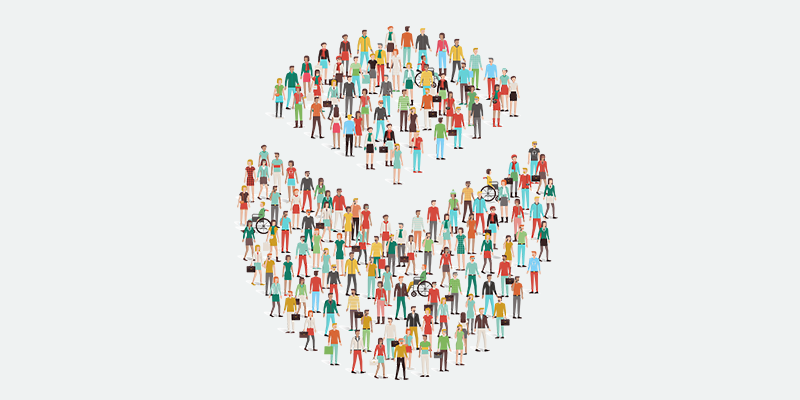
There’s no question the coronavirus pandemic has taken a psychological toll on us. Now there’s hard data showing just how many people are suffering. A new Census Bureau poll called the 2020 Household Pulse Survey reveals that a staggering one-third of Americans are showing signs of anxiety or depression, or both.
This represents a huge spike in relation to pre-pandemic numbers. In an average year, an estimated 18% of Americans are affected by anxiety disorders whereas 30% are currently experiencing symptoms of the condition. And the number of people reporting depressive symptoms during the pandemic is twice as high compared to a 2014 national survey that included a question about depressed moods.
As the pandemic and its sweeping effects on health, unemployment, personal finances, education, and relationships rage on, it will continue to affect mental health. The Census Bureau plans to continue taking weekly surveys to track the impact.
Who’s Hurting Most?
According to the latest survey, some people are hurting more than others. Some of the hardest hit are younger Americans. Among young adults aged 18-29, 42% have symptoms of anxiety and 36% are feeling depressed. Although younger people are less likely to become seriously ill or die from COVID-19, they are experiencing the highest rate of unemployment in decades, which is likely adding to their stress. In addition, the pandemic has completely upended college life and future career prospects, throwing the younger set into an existential quandary.
The survey shows that rates of anxiousness and low moods among Americans decline with increasing age. Among people ages, 30 to 59, 31%-34% are feeling anxious and 24%-28% have depressive symptoms. Seniors over the age of 80 are the least likely to have symptoms.
Others who are more likely to be suffering include females, with as many as 41% of women experiencing symptoms of these mental health conditions compared with 31% of men, according to the Census Bureau survey. Anxiety and depression are both typically more common in women.
People across all income brackets are suffering, but the numbers are highest among the poorest. In response to one question about how many days in the previous week they had been bothered by a lack of control or an inability to stop worrying, 68% of those making less than $25,000 a year answered “at least several days” compared to 40% of those earning over $150,000 a year.
There is Hope for Anxiety and Depression
Although experts anticipate the number of Americans struggling with anxiety, depression, and other mental health disorders will continue to rise, you don’t have to suffer from relentless feelings of nervousness, sadness, or hopelessness. And you don’t have to wait to start feeling better. Even in the face of a pandemic that threatens your health, your job, and your way of life, you can calm anxiousness and brighten your moods. Medication isn’t the only way to do it. There are many alternatives to antidepressants as well as natural ways to calm anxiety that you can put into practice now.
Anxiety, panic attacks, depression, and other mental health issues can’t wait. During these uncertain times, your mental well-being is more important than ever, and waiting to get treatment until the pandemic is over is likely to make your symptoms worsen over time.
At Amen Clinics, we’re here for you. We offer mental telehealth, remote clinical evaluations, and video therapy for adults, children, and couples, as well as in-clinic brain scanning to help our patients. Find out more by speaking to a specialist today at 888-288-9834. If all our specialists are busy helping others, you can also schedule a time to talk.