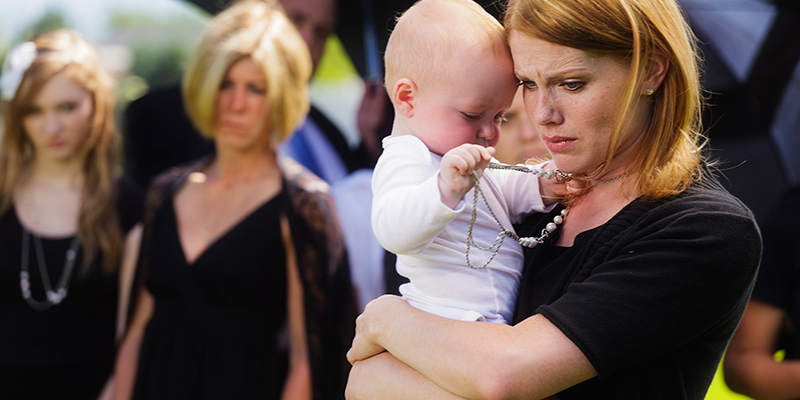
Within the span of a week, two survivors of the mass shooting in Parkland, Florida, sadly died by apparent suicides. One had been a bubbly cheerleader prior to the horrific massacre but afterward, reportedly struggled with survivor’s guilt and
posttraumatic stress syndrome (PTSD). This is a somber reminder that these tragedies can continue to ruin the lives of the survivors and the victims’ families long after the shooting stops. Even when mental health resources are available, it isn’t always enough.
What makes some people able to find a way to cope with unspeakable grief and loss while others suffer more deeply?
All Brains are Unique
First, every brain is wired differently. It’s important to take into consideration each person’s individual
brain type. It’s also imperative to understand that mental health disorders, such as
PTSD or anxiety and depression, are not one simple or single disorder. In fact, there are
7 types of anxiety and depression that have been identified in the brain. Using the same antidepressant treatment for everyone won’t work.
What is Brain Reserve?
Second, every person has a different level of something called brain reserve.
Brain reserve is the extra cushion of brain function you have to help you deal with the stress life throws at you. In general, the more brain reserve you have, the more resilient you are and the better your brain can handle challenges. The less brain reserve you have, the harder it is to cope and the more vulnerable you are to depression, anxiety, PTSD, and suicidal thoughts.
What Lowers Brain Reserve?
Depending on your life experiences, brain reserve can either increase or decrease during your lifetime. For example, exposure to chronic stress, falling off a bike and
hitting your head, or getting into a car accident can lower reserve. Living through a traumatic event can further deplete brain reserve.
Can Brain Reserve Be Increased?
The good news is, it is possible to increase brain reserve even if you have experienced trauma and are suffering from PTSD. You need to follow 3 simple yet powerful strategies:
1. Love your brain. You must care about your brain health.
2. Avoid things that hurt your brain, including:
• head injury
• chronic stress
• negative thinking
3. Do things that help your brain, including:
• good nutrition
• rational thinking
• meditation
• stress-management techniques
•
neurofeedback (for PTSD)
Understanding that you are not stuck with the brain you have and believing that you can change your brain and change your life is a critical step in the healing process after a traumatic event.
Although the Parkland survivors who died by suicide were not treated at Amen Clinics, we have treated thousands of trauma survivors with individualized treatment plans, helped them increase their brain reserve and regain control of their lives.
If you are having suicidal thoughts, call the National Suicide Prevention Lifeline at 1-800-273-TALK (8255).
If you or a loved one has experienced a trauma and is suffering from PTSD, depression, or anxiety and would like more information on treating your individual brain and increasing brain reserve, call us at 888-288-9834 or
schedule a visit online.