
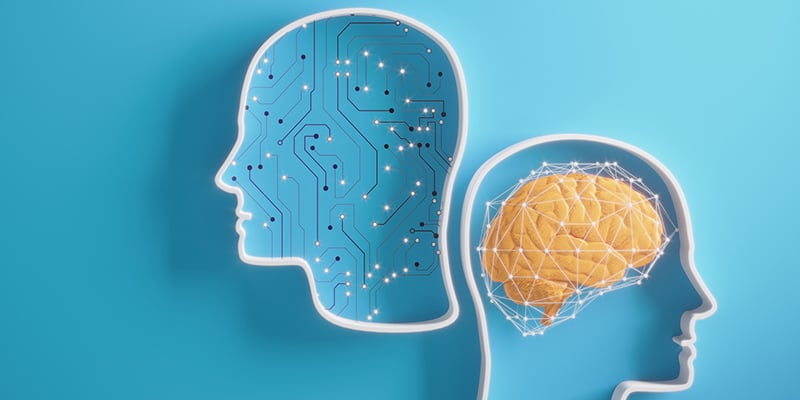
Is Your Brain Stuck in Overdrive or Stuck Off?
Have you ever experienced trauma? Were you physically, emotionally, or sexually abuse? Have you been subjected to intense stress, such as surviving a fire, flood, or assault? Were you the victim of bullying at school? Or maybe you’re being traumatized by the coronavirus pandemic?
Emotional trauma tends to activate the limbic or emotional centers of the brain. When trauma is severe or prolonged—think of the months-long pandemic—your brain’s emotional centers can get stuck.
In some people who experience trauma, the brain gets “stuck in overdrive,” making you feel anxious, fearful, and sleepless. This can develop into post-traumatic stress disorder (PTSD), a condition that affects 3.5% of U.S. adults, but that may affect far more people due to the pandemic.
In some people who experience trauma, the brain gets “stuck in overdrive,” making you feel anxious, fearful, and sleepless.
In other people who experience trauma, the emotional brain becomes overwhelmed and shuts down. It’s like your brain is “stuck off,” leaving you feeling depressed, flat, tired, and confused.
In some people who experience trauma, the brain gets “stuck off,” leaving you feeling depressed, flat, tired, and confused.
If you’ve experienced emotional trauma, your brain may be stuck too. Take a moment to assess whether your symptoms are more in line with a brain that’s stuck in overdrive or a brain that’s stuck off.
WHAT IMAGING SHOWS ABOUT BRAINS THAT ARE STUCK
Understanding what’s happening in the brain is critical in terms of getting help for your symptoms. Here’s why. People with PTSD are often misdiagnosed with traumatic brain injury (TBI) because the 2 conditions share many overlapping symptoms. Similarly, people with trauma-related depression may be misdiagnosed with ADD/ADHD, bipolar disorder, or even dementia. Getting misdiagnosed means you may be given a treatment plan that isn’t right for your brain. It can stimulate a brain that’s already stuck in overdrive, making you feel even more anxious and on edge. Or, it may further calm a brain that’s already stuck off, making you feel more numb, exhausted, and disoriented. Functional brain SPECT imaging can help. A pair of brain imaging studies from Amen Clinics (published in Plos One and Brain Imaging and Behavior) shows that emotional trauma can leave a lasting imprint on your brain. The study in Plos One found that people with PTSD showed increased in the limbic regions, cingulum, basal ganglia, insula, thalamus, prefrontal cortex, and temporal lobes. And both studies showed that SPECT imaging can distinguish PTSD from TBI with high accuracy. With trauma-related depression, it’s important to differentiate from other mood disorders, such as bipolar disorder, as well as other conditions like ADD/ADHD or dementia. Looking at the brain can help you get a more accurate diagnosis.BALANCE YOUR EMOTIONAL BRAIN
The good news is that if your brain is stuck—either in overdrive or off—you can get it unstuck. And there are many natural ways to help you do it. If your emotional brain seems to be stuck in overdrive, you can calm it with the following:- meditation
- prayer
- hypnosis
- scents, like lavender
- supplements, such as GABA, magnesium, or theanine
- EMDR (a psychotherapeutic technique)
- physical exercise
- upbeat music
- scents, such as peppermint or eucalyptus or
- stimulating supplements, such as rhodiola, green tea, or L-tyrosine
- neurofeedback (a non-invasive, medication-free treatment)