
The Secret “Me Too” Society
With the onset of the “Me Too” movement in 2017, the extent of sexual abuse and harassment was brought onto the public stage. As notable celebrities and other high-profile people began to openly share their stories, it provided a forum for “everyday” people to also open up about their experiences of abuse. Being able to recognize they had the support of so many others created a greater sense of safety in talking about this far-too-common type of trauma that adversely affects millions and millions of people.
Most of those who spoke about surviving sexual abuse were women. In fact, 1 out of every 3 women in the U.S. will experience some form of sexual violence during their lives. Although these statistics are staggering, what many people don’t know is that 1 in every 4 men will be subjected to sexual violence at some point in his life, with 1 out of every 6 boys being sexually assaulted before age 18. These men often suffer in silence due to feelings of shame or the stigma attached to such abuse.
The Prevalence of Male Sexual Abuse
According to a report from the Division of Violence Prevention at the CDC, 25% of males targeted by sexual predators during childhood were raped before the age of 10, and another 25% between the ages of 11 and 17. Many more are molested. And, though people are often under the impression that sexual abuse is largely perpetrated by strangers, 90% of those who commit these heinous crimes are known to the child (or the family). Children are often groomed by those who target them, which among others, can be a coach, teacher, clergy member, neighbor, relative, or those who have befriended them through social media or gaming platforms.Men Often Don’t Disclose Their Sexual Abuse
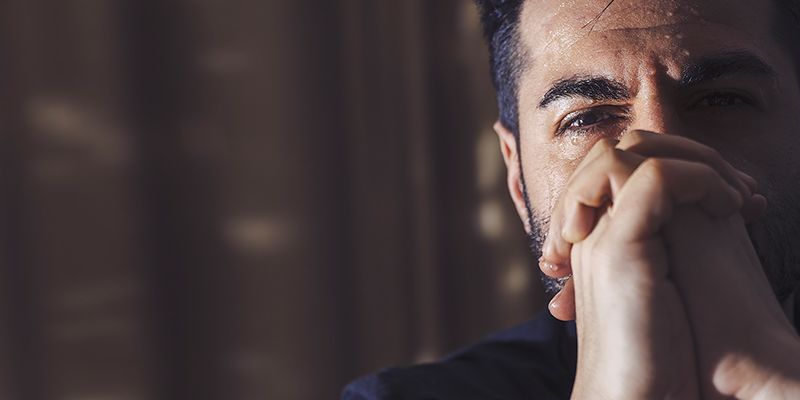
It can be very difficult for men who were sexually abused as children—or even as adults—to talk about what happened to them. In a culture that promotes masculinity as being tough and resilient, it can be very uncomfortable for men to not only express the painful emotions and vulnerability related to sexual trauma, but also to see themselves as victims. What further complicates some of these terrible experiences—and can be psychologically confusing—is the automatic physiological sexual response that can occur, despite the trauma of the assault. It is often difficult for men who were sexually abused as children—or even as adults—to talk about the trauma of what happened to them. Quite often, boys and men who are sexually abused do not report the crimes against them. Feelings of shame and/or a sense of self-blame can make it very difficult for them to say anything to anyone. And some might try to talk about it but end up feeling invalidated if people they trust do not believe them or cannot understand how a male could be raped or forced to do something against his will. Because of this, boys and men might compartmentalize the experience and bury the painful memories of it.Coping Can Be a Challenge with Unprocessed Trauma
It’s not unusual for sexual trauma to lead to mental health problems such as depression, anxiety, PTSD, substance abuse, and/or difficulty controlling anger—especially when memories get triggered or they feel otherwise threatened. While not every survivor of unprocessed sexual trauma will struggle in life, many guys develop unhealthy coping mechanisms to help them manage the anguish and emotions about what happened to them. In addition to addiction mentioned above, these compulsive behaviors might include:- Workaholism
- Emotional eating
- Extreme sports or extensive physical exercise
- Sex and/or pornography addiction
- Self-harm, such as cutting or head-banging