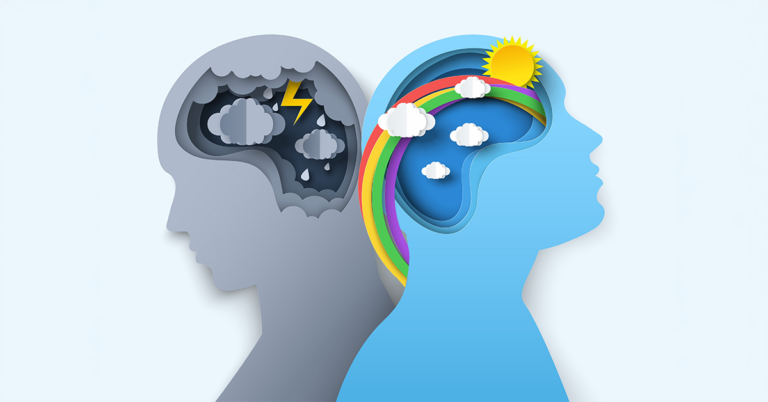


When was the last time your stomach reacted before your mind caught up?
Maybe anxiety made you feel nauseated. Maybe excitement gave you butterflies. Or maybe stress tied your gut in knots.
Those sensations are not imaginary. They are biological.
Science is increasingly confirming what you have likely felt for years: gut health and mental health are deeply connected. Your digestive system and your brain are in constant communication through what researchers call the gut-brain axis. This two-way messaging system helps explain why digestive problems often show up alongside anxiety, depression, brain fog, and mood swings.
In this blog, we’ll break down what the gut-brain axis is, how the gut microbiome influences mental health, signs of a healthy versus unhealthy gut, and practical ways to improve gut health to support better mood, focus, and emotional resilience.
A diverse, balanced gut microbiome supports emotional resilience. But disruptions caused by poor diet, stress, antibiotics, or illness can negatively impact mood, sleep, and focus, leading to emotional and cognitive challenges.
In simple terms, the gut-brain axis is the communication system between the gut and the brain. These two areas of the body are connected through:
These areas engage in bidirectional communication, from the brain to the gut, and from the gut to the brain. It’s no surprise that researchers are increasingly finding that the gut microbiome health and mental health are closely linked.
A diverse, balanced gut microbiome supports emotional resilience and reduces inflammation. But disruptions, which can be caused by poor diet, stress, antibiotics, or illness, can negatively impact mood, sleep, and focus, leading to emotional and cognitive challenges.
Related: Gut Health and Mental Stability
With the gut constantly “talking” to your brain, maintaining a healthy gut is critical for healthy brain function and a sound mind. For optimal health, the gut needs an abundance of healthy bacteria. Specifically, the gut needs roughly 85 percent beneficial bacteria, with harmful bacteria making up no more than about 15 percent in order to maintain good health overall. For years, research has noted the strong link between microbiota, mood, and mental health.
Your brain relies on an intricate system of chemical messengers that affect everything from mood to memory: neurotransmitters.
Neurotransmitters play a key role in both gut and mental health. Interestingly, your gut microflora have a key part in synthesizing neurotransmitters and influencing critical hormones. For example, certain beneficial gut bacteria produce calming neurotransmitters, such as GABA, while others influence cortisol levels and the body’s stress response.
Neurotransmitters may serve several roles, including ones tied to your mental health. For example, serotonin (often called the “feel-good” neurotransmitter) influences mood, digestion, sleep, and cardiovascular function. Higher serotonin levels are linked to happiness and emotional well-being.
Meanwhile, the neurotransmitter dopamine is involved in about 65 percent of the brain’s decision-making process, thanks to its important role in motivation and achieving goals. This neurochemical helps control behavior, cognition, and emotion, specifically regarding pleasure and reward.
What is the gut microbiome? The term describes the ecosystem of bacteria, fungi, and other microorganisms that live in the digestive tract. Gut microbiome health is dependent on bacterial diversity, while imbalances in the gut’s bacteria are associated with a variety of physical and mental health symptoms.
When there’s a microbiome imbalance, it can set off a host of problems. Chronic gut inflammation can contribute to physical health issues such as leaky gut syndrome and toxins entering the bloodstream. But it can also impact cognitive function, leading to:
Gut inflammation is linked to chronic stress and several mental health conditions, including anxiety, depression, major depressive disorder, bipolar disorder, and obsessive-compulsive disorder (OCD), along with neurodevelopmental disorders such as ADHD and autism.
If you have an unhealthy gut, a variety of symptoms may affect both your physical and mental health.
The following warning signs may point to gut health issues:
Persistent and/or severe symptoms, especially if they are affecting your quality of life, are clear indicators that you need to consult a medical doctor.
Thanks to the gut-brain axis, gut health issues are often connected to brain health (and therefore mental health) and vice versa.
Research from 2023 noted that disruption of the gut’s microbiota (known as dysbiosis) is associated with schizophrenia, depression, and other psychiatric disorders. Because gut microbiota are involved in modulating neurotransmitters like dopamine, GABA, and glutamate, they have implications for both neuropsychological disorders and GI conditions.
Additional research published in 2023 pointed to significant evidence linking anxiety and depression disorders to gastrointestinal microbes. Stress-related conditions can also affect gut health, while GI conditions such as irritable bowel syndrome (IBS) carry their own stigma and social impact. Any of these issues can diminish an individual’s quality of life.
Here are five psychiatric conditions that have been linked to the microbiome:
A growing body of evidence suggests that symptoms of anxiety are related to gut dysbiosis. A 2025 review determined that individuals with anxiety disorders often exhibit alterations in gut microbiota. These include reduced microbial diversity and fewer short-chain fatty acid-producing bacteria.
A study published in 2022 analyzed microbiome diversity and depressive symptoms in more than 1,000 subjects. Findings suggested that gut microbiome composition may play a key role in the development of depression.
Increasingly, science points to a link between attention deficit hyperactivity disorder (ADHD), also called attention deficit disorder (ADD), and gut dysbiosis. A 2025 review established that differences important to key gut-brain axis pathways may contribute to the inflammation, brain functioning differences, and symptoms associated with ADHD.
A growing number of researchers are finding that the microbes that live in our gastrointestinal tract may play a role in schizophrenia. A 2022 review noted that studies have found significant differences in the gut microbiome of schizophrenic subjects compared to healthy controls. An altered microbiome is believed to contribute to the development, symptom severity, and prognosis of psychosis.
Problems in the gut are also linked to memory loss and Alzheimer’s disease, the most common form of dementia. Several studies have explored the links between gut health, the microbiome, and Alzheimer’s.
Related: Fermented Foods: Nature’s Mental Health Booster
With so much research connecting mental health to the gut microbiome, experts are calling for more investigation into how the gut can offer a pathway to more effective treatment options.
Here are some ways to promote gut health in support of your mental well-being.
Following these recommendations may help to improve your gut health:
Of course, before making any changes to your diet, it is best to consult your primary care physician.
Movement improves digestion and encourages beneficial gut bacteria production. Any type of exercise helps, from walking and yoga to strength training and cycling. Exercise helps create a positive cycle between the gut and the rest of the body while boosting brain and mental health.
If you’ve ever felt an “upset stomach” as a result of stress, you have experienced firsthand the stress-gut connection. Research shows that stress can have short- and long-term effects on the functions of the gastrointestinal tract and alter the gut-brain axis.
To prevent the damaging effects of severe or chronic stress, implement stress management techniques such as:
Probiotic and prebiotic foods and supplements help restore the balance of healthy gut bacteria.
For example, fermented foods, such as sauerkraut, kimchi, unsweetened yogurt, kefir, kombucha tea, and miso soup, contain live bacteria. You can also get a quality probiotic supplement. However, keep in mind that more research is needed to understand the impact of probiotic supplements on gut and mental health, and the FDA does not regulate dietary supplements.
Prebiotics are fiber-rich, non-digestible carbohydrates that fuel beneficial gut bacteria. Some key sources include onions, garlic, leeks, asparagus, apples, bananas (slightly unripe are even better), oats, flaxseeds, chicory root, dandelion greens, and Jerusalem artichokes. If you choose to take a prebiotic supplement, it should target Bifidobacterium and Lactobacillus strains of bacteria.
Be sure to choose reputable sources for probiotic or prebiotic supplements. Consult a healthcare provider to find the best options for you.
Water plays a significant role in digestion as well as brain health. Even mild dehydration can have numerous effects on your well-being, including:
Your recommended daily water intake varies depending on your age, physical activity level, and even the weather. As a general rule, aim for eight to ten 8-ounce glasses of water per day.
Antibiotics can disrupt your balance of gut bacteria. A 2022 study established that antibiotic-induced changes in microbial composition can have negative impacts.
These effects include reduced microbial diversity, changes in functional attributes of the microbiota, and the formation of antibiotic-resistant strains, which increases susceptibility to infection. Follow medical advice regarding antibiotic use to minimize risk.
Reduce or eliminate factors that can detract from your gut health, including:
When you notice gut-health symptoms, especially if they are interfering with your daily life, it’s important to pay attention.
Having regular digestive health screenings, such as receiving a regular colonoscopy starting at age 45, is a great way to protect against colorectal cancer and other digestive health issues. Early-onset colorectal cancer is rising dramatically among people under 50, believed to be driven by diet and lifestyle.
You may need to work with specialists, such as a gastrointestinal doctor, a nutritional psychiatrist, or a brain health nutritional coach, to optimize gut health.
A whole-body approach, like the one practiced at Amen Clinics, offers precision medicine with targeted, personalized care for your specific gut and mental health symptoms. Our clinicians practice holistic psychiatry, using natural ways to treat mental health conditions and digestive issues, and medication only when necessary.
An absence of gut health problems is your best indicator that your gut is healthy. But there are other signs too.
Here are some markers of good gut health:
When it comes to gut health, no news is good news. In other words, not thinking about your gut constantly, because it isn’t causing you significant issues, is a positive sign!
The gut-brain axis is a highly complex, intricate system allowing for constant communication between your brain and your gut. That’s why a whole-body approach is so important, as all systems and parts of the body work together and affect the others.
Taking action to promote gut health now, rather than waiting for mental or physical symptoms or conditions to arise, is easy. Start with one small change. Whether it’s adding more fiber and water to your diet or introducing a new stress-relieving practice, you can take steps to promote better health of the gut, mind, and entire body.
And, if needed, consult a healthcare professional to investigate persistent gut or mental health issues. Clinicians at Amen Clinics are trained in offering holistic support that will promote optimal gut-brain health, reducing the chance of GI or mental health issues interfering with your everyday life.
The gut-brain axis describes the constant communication that takes place between the gut and the brain. When the gut’s microbiome (the vast collection of microorganisms in the digestive tract) is out of balance, it directly impacts brain chemistry. This can lead to emotional and cognitive challenges.
Diet, exercise, stress-relieving practices, probiotics, prebiotics, and staying hydrated are some easy steps you can take every day to boost gut health. Also be aware of outside influences that can disrupt the gut microbiome, such as antibiotics or alcohol, and monitor their effects.
If you have persistent or severe gastrointestinal symptoms, seek help from a medical doctor as soon as possible. Likewise, seek help for mental health symptoms such as mood changes, depression, and anxiety, especially if they are impacting your daily life. Amen Clinics offers a whole-body approach and is staffed with qualified medical professionals to help with both digestive health and mental health issues.
Gut health issues and other mental health conditions can’t wait. At Amen Clinics, we provide personalized, science-backed treatment plans designed to target the root causes of your symptoms. Our 360-approach includes brain SPECT imaging, clinical evaluations, innovative therapeutic techniques, medications (when necessary), and holistic lifestyle recommendations to promote the health of your brain, body, and mind. Speak to a specialist today at 888-288-9834 or visit our contact page here.

Facebook-f X-twitter Youtube Table of Contents Gut Health and ADHD: Can Vitamins and Minerals Improve Both? There’s a growing buzz in scientific and mental health
There’s a growing buzz in scientific and mental health communities about the gut-brain connection. The truth is the gut does so much more than digest food. It also talks to the brain, shaping everything from mood and memory to focus and behavior. For people with ADHD, this conversation between the gut and brain may be especially critical.
New research, including a 2025 study, suggests that taking vitamins and minerals can shift the makeup of gut bacteria in children with attention deficit hyperactivity disorder (ADHD), also called attention deficit disorder (ADD). The evidence shows that supplementation with micronutrients is linked to a high potential for improving focus, attention, and behavior.
With decades of experience in nutritional psychiatry and brain-based healthcare, Amen Clinics is at the forefront of uncovering how lifestyle changes, targeted nutritional supplements, and gut-brain strategies can support better outcomes for people with ADHD.
Here’s a breakdown of how micronutrients influence gut health and why that matters so much for ADHD management.
Amen Clinics is at the forefront of uncovering how lifestyle changes, targeted supplements, and gut-brain strategies can support better outcomes for people with ADHD.
The gut and brain are in constant communication through a superhighway called the vagus nerve, along with chemical messengers like neurotransmitters and immune signals. Inside your digestive tract are trillions of microbes collectively known as gut microbiota. They play a direct role in producing neurotransmitters, such as serotonin, dopamine, and GABA—all of which affect mood and focus.
When your gut bacteria are balanced, the messages sent to your brain are calming and supportive. However, when the microbiome is out of balance, those messages can increase anxiety, irritability, and distractibility—one of the hallmark symptoms of ADHD.
Studies show that children and adults with ADHD tend to have more gut inflammation, higher intestinal permeability (aka “leaky gut”), and microbial imbalances. This heightened sensitivity means that even small disruptions—such as eating artificial food dyes or lacking key nutrients—can set off a chain reaction that impacts your attention, behavior, and mood.
In other words, for people with ADHD, gut health is a foundational part of your mental and physical well-being.
In the 2025 study mentioned earlier, a team of researchers looked at whether giving children with ADHD extra vitamins and minerals could help with focus and emotional control—and whether these changes might be linked to gut health.
In the study, 44 children took either micronutrients or a placebo for eight weeks, then all were given micronutrients for another eight weeks. Stool samples were collected to see how gut bacteria changed over time. The study suggests that taking nutritional supplements improves gut health.
Beyond the gut, the children in the study also experienced notable improvements in ADHD symptoms, including better attention, emotional regulation, and reduced hyperactivity.
These behavioral changes occurred in tandem with shifts in gut bacteria, suggesting a strong relationship between micronutrient-fueled microbiota and brain function.
Several previous studies have linked nutrition to improved mental health outcomes, especially in ADHD. Research from other clinical trials has shown that micronutrient formulas can improve mood, reduce impulsivity, and enhance emotional resilience in both children and adults with ADHD. Gut health appears to be a major mechanism driving these changes.
In the study, the children received a broad-spectrum micronutrient formula—not just one or two vitamins, but a carefully balanced combination of vitamins and minerals. The micronutrient capsules contained 36 ingredients, including:
The supplement used was designed to provide nutrients at levels higher than a standard multivitamin, but still within safe limits. The researchers aimed to address multiple potential deficiencies at once rather than targeting a single nutrient.
Related: What Is the Role of Gut Microbiota in Alzheimer’s Disease?
The 2025 study, which appeared in the journal Gut Microbes, found that micronutrient supplements influenced the gut microbiome in children with ADHD in important ways.
For example, taking vitamins and minerals was associated with an overall increase in the diversity of gut bacteria.
Specifically, the bacterial group Actinobacteriota decreased in children taking micronutrients compared to placebo. At the same time, two families of bacteria known to produce butyrate—Rikenellaceae and Oscillospiraceae—increased in children who showed the most behavioral improvement.
Butyrate is a short-chain fatty acid that supports gut lining health, reduces inflammation, and may positively influence brain function.
These findings suggest that micronutrients may help rebalance the gut microbiome by reducing certain bacteria while boosting helpful butyrate-producing microbes, potentially contributing to better focus and emotional regulation.
A more diverse microbiome is generally associated with lower inflammation, improved digestion, mental stability, and more stable neurotransmitter production. For those with ADHD, increasing microbial diversity can help regulate focus and mood by ensuring a wider variety of bacteria are working together to send helpful signals to the brain.
Related: Does My Gut Health Affect My Mental Stability
Yes, but ideally with a strategy. Not all probiotics are created equal. Look for evidence-based strains like Lactobacillus helveticus or Bifidobacterium longum, which have been studied for their effects on mood. Also, add prebiotic-rich foodslike onions, garlic, leeks, and bananas, which feed the good bacteria and encourage diversity.
The best micronutrient supplement can only do so much if the body is under daily assault from inflammatory foods. That’s why Amen Clinics often recommends an elimination diet, which can calm the immune system and improve nutrient absorption by first removing:
This step alone can reduce ADHD symptoms in some people.
Related: What is an Elimination Diet? (And Why Your Mental Health Needs One)
When you eat something your body doesn’t tolerate well, it can trigger systemic inflammation. That inflammation travels through the gut-brain axis and results in brain fog, poor concentration, irritability, or impulsivity. Identifying and removing certain trigger foods is often a game-changer for ADHD gut health.
While micronutrients are generally safe, testing for deficiencies first is crucial. At Amen Clinics, we use lab testing to identify gaps in nutrition before making personalized recommendations. This ensures targeted support without overloading the system.
Nutritional supplements are generally safe, but taking too many vitamins and minerals may lead to digestive issues or mineral imbalances in some cases. That’s why it’s important to work with a clinician experienced in integrative ADHD treatment.
Most people begin to notice changes within four to 10 weeks of consistent use. The improvements in focus, energy, and emotional balance develop gradually, but are meaningful and long-lasting when paired with lifestyle changes.
Amen Clinics addresses ADHD gut health from every angle and may include:
Our brain SPECT imaging allows us to see how different regions of the brain are functioning. Combined with gut health insights, this helps us personalize treatment plans for better outcomes because no two brains are the same.
If you’re ready to take control of your ADHD symptoms with a gut-first approach, schedule an appointment with Amen Clinics. We’ll guide you through lab testing, SPECT imaging, and a fully customized nutritional and supplement plan.
This goes beyond basic symptom management and focuses on optimizing your brain and body for a better life with ADHD.
Absolutely! Gut-brain health strategies are showing promise for anxiety, depression, fatigue, and brain fog, all of which often co-occur with ADHD. Supporting your microbiome with an ADHD gut health protocol may be the missing piece you need for sharper focus, better follow-through, and greater impulse control.
ADHD and other mental health conditions can’t wait. At Amen Clinics, we provide personalized, science-backed treatment plans designed to target the root causes of your symptoms. Our 360-approach includes brain SPECT imaging, clinical evaluations, innovative therapeutic techniques, medications (when necessary), and holistic lifestyle recommendations to promote the health of your brain, body, and mind. Speak to a specialist today at 888-288-9834 or visit our contact page here.
Ast, H. K., Hammer, M., Zhang, S., Bruton, A., Hatsu, I. E., Leung, B., McClure, R., Srikanth, P., Farris, Y., Norby-Adams, L., Robinette, L. M., Arnold, L. E., Swann, J. R., Zhu, J., Karstens, L., & Johnstone, J. M. (2025). Gut microbiome changes with micronutrient supplementation in children with attention-deficit/hyperactivity disorder: the MADDY study. Gut Microbes, 17(1), 2463570. https://doi.org/10.1080/19490976.2025.2463570
Zhi, J., Zhang, S., Huang, M., Qin, H., Xu, H., Chang, Q., & Wang, Y. (2024). Transcutaneous auricular vagus nerve stimulation as a potential therapy for attention deficit hyperactivity disorder: Modulation of the noradrenergic pathway in the prefrontal lobe. Frontiers in Neuroscience, 18. https://doi.org/10.3389/fnins.2024.1494272
Ming, X., Chen, N., Ray, C., Brewer, G., Kornitzer, J., & Steer, R. A. (2018). A Gut Feeling: A Hypothesis of the Role of the Microbiome in Attention-Deficit/Hyperactivity Disorders. Child Neurology Open, 5, 2329048X18786799. https://doi.org/10.1177/2329048X18786799
Wang, Y., & Cao, M. (2025). The impact of a multi-micronutrient nutritional formula combined with cognitive behavioral therapy in managing symptoms of children with attention deficit hyperactivity disorder. Frontiers in Pediatrics, 13, 1624344. https://doi.org/10.3389/fped.2025.1624344
Toscano, M., De Grandi, R., Stronati, L., De Vecchi, E., & Drago, L. (2017). Effect of Lactobacillus rhamnosus HN001 and Bifidobacterium longum BB536 on the healthy gut microbiota composition at phyla and species level: A preliminary study. World Journal of Gastroenterology, 23(15), 2696–2704. https://doi.org/10.3748/wjg.v23.i15.2696
Appleton J. (2018). The Gut-Brain Axis: Influence of Microbiota on Mood and Mental Health. Integrative Medicine (Encinitas, Calif.), 17(4), 28–32. https://pmc.ncbi.nlm.nih.gov/articles/PMC6469458/

Have trouble focusing? Can’t keep your mind from wandering? Get easily distracted? These are common symptoms of ADHD. And if you have this mental health condition, you may find it challenging to learn and study effectively.
Figuring out how to study with ADHD can feel like chasing butterflies in a hurricane. It’s equally frustrating and exhausting as it is aimless and unproductive. But it doesn’t have to be that way.
Based on over 30 years of clinical practice and tens of thousands of brain scans on people with attention deficit hyperactivity disorder (ADHD), also called attention deficit disorder (ADD), Amen Clinics has developed strategies that help you boost focus and study more effectively.
In this blog, you’ll find answers to the most common questions people with ADHD ask about improving concentration and the ability to study. Whether you’re a student, professional, or lifelong learner, these simple shifts can transform your ability to focus, retain information, and actually enjoy learning again.
Based on over 30 years of clinical practice and nearly 300,000 brain scans on people with ADHD and other mental health issues, Amen Clinics has developed strategies that help you boost focus and study more effectively.
Your environment plays an important role in your ability to concentrate. Research shows that people with ADHD have brains that are more sensitive to sensory input, making the right setup essential for studying success.
Visual imagery, color choices, mental clutter can overstimulate the ADHD brain. Choose calming colors like soft blues, muted greens, or neutral tones to help quiet mental noise. Organize your space so everything has a place that feels balanced—think minimal but not sterile.
Some research suggests that studying outdoors or by a window with natural sunlight may reduce inattention while improving mood and alertness. When your brain knows what to expect visually, it has more energy to focus internally.
Essentially, yes, you should. Here’s why: proximity equals presence. Sitting front and center has been shown to minimize your field of distractions and maximize your chances of staying locked in.
When you’re physically closer to the action, your brain’s attentional networks light up more efficiently. You hear and see better, plus, your brain doesn’t have to filter out as many competing sounds or movements.
It’s a simple shift with a powerful payoff, especially for lectures, Zoom meetings, or group discussions in school or at work.
Absolutely! ADHD brains tend to hyper-process stimuli, which means even low background chatter can pull you off task. Silence is golden and strategic in this case.
Research shows that even moderate noise (like a ticking clock or hallway footsteps) can disrupt working memory and task persistence in people with ADHD.
Noise-canceling headphones, white noise machines, or focus-enhancing soundtracks like binaural beats can help. Silence is ideal, but if that’s not possible, choose consistent, neutral sounds over unpredictable noise.
Your brain needs a bit of breathing room to reset and refocus. Cramming floods your prefrontal cortex, the part responsible for decision-making, organization, and concentration. These three functions are already challenged in ADHD brains, so give yourself space to reset.
Do about 15 to 20 minutes of focused work followed by a 5- to 10-minute break. After about four rounds, take a longer break of about 15 to 30 minutes.
Use your short breaks to stretch, hydrate, move, or look out the window. This will help your brain shift gears and reset for alertness.
Movement is like a natural medicine for the ADHD brain. Exercise increases the release of dopamine and norepinephrine, two neurotransmitters that are typically low in people who are struggling with ADHD.
These neurotransmitters are involved in attention, motivation, and mood. Keeping them balanced is one of the key ways to boost focus and attention.
Related: 7 Natural ADHD Treatments You Can Start Today
Any form of aerobic activity can work. A brisk five-minute walk, a dance break, or a few jumping jacks can improve focus for up to an hour. Even a walk around the block before studying can prepare your brain for better retention. Findings in a 2021 study show that the benefits of regular exercise increase over time.
Yes, creativity can be a powerful reset button. Creative activities stimulate different brain regions, giving your executive function networks a well-deserved break.
Sketching, doodling, journaling, or playing music engages the brain’s default mode network, which allows ideas to settle and consolidate. These creative breaks recharge your mental battery so you return to study tasks with sharper focus and more stamina.
Yes! Cramming is like sprinting a marathon. You might finish, but you’ll forget most of it tomorrow. Instead, let your brain breathe and build lasting connections to retain the information, not just memorize it.
Break down your learning into smaller chunks over multiple days. For example, study 30 minutes a day for a week instead of two hours in one sitting.
Spaced repetition improves long-term memory and reduces burnout. Use study apps or set simple reminders to review flashcards or notes over time without the anxiety of forgetting.
Podcast: Stop Believing These ADHD Myths: Get the Real Deal, with Dr. Steven Storage
Yes. ADHD brains that are sleep-deprived struggle even more with attention, mood regulation, and impulse control.
That’s bad news for the estimated 25 to 50 percent of people with ADHD who experience sleep problems, according to research. And the nearly 70 percent of children with ADHD who don’t get enough sleep.
Aim for seven to nine hours of sleep each night and stick to a consistent bedtime. If you feel like you’re dragging midday, a 10–20 minute power nap can improve alertness without grogginess.
Poor sleep can exacerbate ADHD in children, so be intentional about making sleep a priority.
Food is fuel, but not all fuel is created equal. The ADHD brain thrives on consistent, nutrient-dense meals that stabilize blood sugar and support neurotransmitter production.
You can start by filling your refrigerator and pantry with foods like the following:
You can create a brain-healthy nutrition plan that can help you get a boost when you’re learning how to study with ADHD.
Related: Foods That Help With ADHD
Yes! Also, ditch the highlighters for better outcomes. Rewriting activates multiple senses, improves recall, and reinforces what you’ve learned more effectively than passive review.
Research shows writing by hand strengthens neural encoding by engaging motor memory, visual processing, and language centers simultaneously. Try summarizing your notes in your own words after each study session. For added benefit, say them out loud for even deeper retention.
Learning how to study with ADHD is about finding a rhythm that works for you outside of the typical rigid routines. A well-rounded study plan weaves together your environment, energy, and creativity in a way that feels sustainable.
Here’s a sample study routine that you can tailor to your schedule.
| Time Block | Activity |
|---|---|
| 2:30 PM – 2:40 PM | 10‑minute walk to wake up your brain |
| 2:40 PM – 2:50 PM | Have a healthy snack and a glass of water |
| 2:50 PM – 3:00 PM | Set up a clutter‑free space, play calming music or silence |
| 3:00 PM – 3:20 PM | First study block |
| 3:20 PM – 3:30 PM | Quick break (dance, look out the window, go outside) |
| 3:30 PM – 3:50 PM | Second study block |
| 3:50 PM – 4:00 PM | Creative break (doodle, journal, play an instrument) |
| 4:00 PM – 4:20 PM | Third study block |
| 4:20 PM – 4:30 PM | 10‑minute walk |
| 4:30 PM – 4:50 PM | Review and rewrite notes (by hand, if possible) |
| 4:50 PM – 5:00 PM | Clean up space |
Adjust the timing to your own energy peaks and lows. Make sure to include physical activity, creative rest, healthy food and hydration, and active study techniques.
ADHD and other mental health conditions can’t wait. At Amen Clinics, we provide personalized, science-backed treatment plans designed to target the root causes of your symptoms. Our 360-approach includes brain SPECT imaging, clinical evaluations, innovative therapeutic techniques, medications (when necessary), and holistic lifestyle recommendations to promote the health of your brain, body, and mind. Speak to a specialist today at 888-288-9834 or visit our contact page here.
Ghanizadeh, Ahmad. “Sensory processing problems in children with ADHD, a systematic review.” Psychiatry investigation vol. 8,2 (2011): 89-94. doi:10.4306/pi.2011.8.2.89
Kuo, Frances E, and Andrea Faber Taylor. “A potential natural treatment for attention-deficit/hyperactivity disorder: evidence from a national study.” American journal of public health vol. 94,9 (2004): 1580-6. doi:10.2105/ajph.94.9.1580
Schramm M, et al. Electrophysiological evidence for increased auditory crossmodal activity in adult ADHD. Frontiers in Neuroscience. Volume 17 (2023) https://doi.org/10.3389/fnins.2023.1227767
Wajszilber, Dafna et al. “Sleep disorders in patients with ADHD: impact and management challenges.” Nature and science of sleep vol. 10 453-480. 14 Dec. 2018, doi:10.2147/NSS.S163074
Larssen I, et al. Sleep interventions for children with attention deficit hyperactivity disorder (ADHD): A systematic literature review. Sleep Medicine. Volume 102, February 2023, Pages 64-75. https://doi.org/10.1016/j.sleep.2022.12.021
Chan, Y. S., Jang, J. T., & Ho, C. S. (2022). Effects of physical exercise on children with attention deficit hyperactivity disorder. Biomedical journal, 45(2), 265–270. https://doi.org/10.1016/j.bj.2021.11.011
Girard-Joyal, O., & Gauthier, B. (2022). Creativity in the Predominantly Inattentive and Combined Presentations of ADHD in Adults. Journal of attention disorders, 26(9), 1187–1198. https://doi.org/10.1177/10870547211060547
Chillemi, K., & Frye, D. (2022, September 21). Preventing autistic burnout and ADHD burnout. Psychology Today. https://www.psychologytoday.com/us/blog/functional-legacy-mindset/202209/preventing-autistic-burnout-and-adhd-burnout
Marano, G., Kotzalidis, G. D., Lisci, F. M., Anesini, M. B., Rossi, S., Barbonetti, S., Cangini, A., Ronsisvalle, A., Artuso, L., Falsini, C., Caso, R., Mandracchia, G., Brisi, C., Traversi, G., Mazza, O., Pola, R., Sani, G., Mercuri, E. M., Gaetani, E., & Mazza, M. (2025). The Neuroscience Behind Writing: Handwriting vs. Typing-Who Wins the Battle?. Life (Basel, Switzerland), 15(3), 345. https://doi.org/10.3390/life15030345
Struggling with focus, procrastination, or feeling overwhelmed in today’s world is not uncommon. However, if you—or your child or teen—is unable to focus, learn, or perform daily tasks due to ADHD or anxiety, you may need help.
While stimulant medications are the most common treatment for attention deficit hyperactivity disorder (ADHD), also called attention deficit disorder (ADD), and anti-anxiety pills are often a first-line treatment for anxiety disorders, they aren’t the only options. Many people are now turning to neurofeedback for ADHD and anxiety for a natural, brain-based approach that trains the brain to function better.
Studies have shown that neurofeedback can improve focus and emotional regulation, especially in kids and teens.
At Amen Clinics, we’ve seen amazing results in people of all ages who’ve used this technique to overcome restlessness, impulsive behaviors, and anxiety without relying on medication. Here’s a closer look at how neurofeedback works and why it can lead to lasting positive change.
Many families are now turning to neurofeedback for ADHD and anxiety for a natural, brain-based approach that trains the brain to function better.
There is real-world proof that neurofeedback for ADHD works. Look at Joey, for example. At age 9, he was struggling with hyperactivity, impulsive behavior, and difficulty paying attention in class. After his doctor suggested stimulant medication, his mom made the decision to explore other options.
That’s when she decided to visit Amen Clinics and learned about neurofeedback therapy as a natural ADHD treatment for children and adults. After just a few weeks of sessions, Joey’s focus improved, and his restlessness calmed. Best of all, the changes stuck after he finished his sessions.
Then there’s 17-year-old Monica, who was dealing with anxiety, mood swings, and trouble in school. Traditional therapy helped a little, but not enough to be consistent. And when she was on medications, she tried didn’t feel right.
Once she visited Amen Clinics and started neurofeedback, everything began to shift. Within a month, she felt less anxious. After six months, Monica was more focused and emotionally balanced. Even her family noticed how much calmer and cooperative she had become.
Related: 10 Ways to Overcome Impulse Disorders
Think of neurofeedback as a workout for your brain. It’s a safe, non-invasive way to help the brain learn how to self-regulate better using real-time feedback.
During a session, your (or your child’s) brain waves are monitored using sensors placed on the scalp. When the brain is in a focused, calm state, you get a reward—like a sound, a graphic on the screen, or points in a game.
Most people wonder what to expect from neurofeedback and if it’ll be a fast or obvious result. The reality is that, over time, this “training” helps the brain recognize what calm and focus feel like and how to return to that state more easily on its own.
That’s the big difference. It doesn’t just temporarily treat symptoms. Studies show promising results in teaching the brain to function better long-term.
Press Play for Natural Ways to Heal ADHD
In this video, Amen Clinics psychiatrist and ADHD specialist Dr. Steven Storage reveals non-drug ADHD treatments that work.
Click below to tune in:
ADHD medications can be helpful for some people, but they’re not for everyone. Some individuals experience side effects like appetite changes, mood swings, or trouble sleeping. Others don’t respond well to meds at all.
That’s why many parents are seeking natural ADHD treatments for kids that don’t involve altering brain chemistry with drugs. Neurofeedback therapy offers a way to teach the brain to function better—without any unwanted side effects.
Related: 7 Natural ADHD Treatments You Can Start Today
One of the best parts of neurofeedback? It helps anxious people feel empowered and confident. Instead of feeling like they’re “broken,” they learn that they can change their brain and calm nervousness.
For kids like Monica, who struggled with anxiety, that sense of control can be life changing. Neurofeedback becomes a non-medication treatment for anxiety to overcome fearfulness increase a sense of peace.
People who have ADHD or anxiety are often filled with ANTs—automatic negative thoughts—that pop up and create stress or self-doubt. At Amen Clinics, we also teach people how to identify and stop those ANTs.
When used alongside neurofeedback as a natural ADHD treatment for kids or adults, this strategy helps people take charge of their thoughts and their brain health. Think of it as a way to build lasting mental strength.
Related: Negative Thinking: Do You Have an ANT Infestation in Your Head?
If you or your child is struggling with ADHD or anxiety, know that lasting change is possible—without relying solely on medication. Neurofeedback therapy offers a safe, non-invasive way to retrain the brain for better focus, emotional regulation, and overall mental wellness.
Just look at Joey, who went from restless and distracted to focused and calm after just a few weeks of neurofeedback sessions. Or Monica, whose anxiety and mood swings improved so much that even her family noticed a transformation. Their stories aren’t rare—at Amen Clinics, we’ve seen thousands of individuals benefit from this science-backed, brain-based therapy.
Whether you’re exploring options for your child, your teen, or yourself, neurofeedback could be the missing piece in your mental health journey. With the right tools and support, you can build a brain that works better—and a life that feels better.
Yes! At Amen Clinics, we’ve seen amazing results using neurofeedback for ADHD and anxiety. People become calmer, more focused, and more in control. It’s also recognized by the American Academy of Pediatrics as a top-level treatment for ADHD.
Unlike medication, which often only manages symptoms short-term, neurofeedback helps train the brain to function better long-term. It’s a great option for people looking for drug-free solutions or for kids or adults who don’t respond well to medications.
You (or your child) will play fun, brain-based games while wearing small sensors that read brain activity. When their brain is in a focused or calm state, you get instant feedback. Over time, this helps the brain repeat those healthy patterns more often.
ADHD, anxiety, and other mental health conditions can’t wait. At Amen Clinics, we provide personalized, science-backed treatment plans designed to target the root causes of your symptoms. Our 360-approach includes brain SPECT imaging, clinical evaluations, innovative therapeutic techniques, medications (when necessary), and holistic lifestyle recommendations to promote the health of your brain, body, and mind. Speak to a specialist today at 888-288-9834 or visit our contact page here.
Nguyen GH, Oh S, Schneider C, Teoh JY, Engstrom M, Santana-Gonzalez C, Porter D, Quevedo K. Neurofeedback and Affect Regulation Circuitry in Depressed and Healthy Adolescents. Biology (Basel). 2023 Nov 3;12(11):1399. doi: 10.3390/biology12111399. PMID: 37997998; PMCID: PMC10669603.
Van Doren J, Arns M, Heinrich H, Vollebregt MA, Strehl U, K Loo S. Sustained effects of neurofeedback in ADHD: a systematic review and meta-analysis. Eur Child Adolesc Psychiatry. 2019 Mar;28(3):293-305. doi: 10.1007/s00787-018-1121-4. Epub 2018 Feb 14. PMID: 29445867; PMCID: PMC6404655.
Trambaiolli, L. R., Kohl, S. H., Linden, D. E. J., & Mehler, D. M. A. (2021). Neurofeedback training in major depressive disorder: A systematic review of clinical efficacy, study quality and reporting practices. Neuroscience & Biobehavioral Reviews, 125, 33–56. https://doi.org/10.1016/j.neubiorev.2021.02.015
Gray SN. An Overview of the Use of Neurofeedback Biofeedback for the Treatment of Symptoms of Traumatic Brain Injury in Military and Civilian Populations. Med Acupunct. 2017 Aug 1;29(4):215-219. doi: 10.1089/acu.2017.1220. PMID: 28874922; PMCID: PMC5580369.
Chen C, Xiao X, Belkacem AN, Lu L, Wang X, Yi W, Li P, Wang C, Sha S, Zhao X, Ming D. Efficacy Evaluation of Neurofeedback-Based Anxiety Relief. Front Neurosci. 2021 Oct 28;15:758068. doi: 10.3389/fnins.2021.758068. PMID: 34776855; PMCID: PMC8581142.
Cueli, M., Rodríguez, C., Cabaleiro, P., García, T., & González-Castro, P. (2019). Differential Efficacy of Neurofeedback in Children with ADHD Presentations. Journal of clinical medicine, 8(2), 204. https://doi.org/10.3390/jcm8020204
Patil, A. U., Madathil, D., Fan, Y. T., Tzeng, O. J. L., Huang, C. M., & Huang, H. W. (2022). Neurofeedback for the Education of Children with ADHD and Specific Learning Disorders: A Review. Brain sciences, 12(9), 1238. https://doi.org/10.3390/brainsci12091238

The beginning of every school year brings renewed hope. But as a parent to a child with ADHD, this can be a moment filled with anxiety and uncertainty.
You would want to trust that the coming year will be different, but deep down, you’re worried about the missed assignments, poor grades, emotional outbursts, and the struggles of keeping your child organized and focused.
ADHD and learning challenges are a common combo that can make your life—and your neurodivergent child’s life—more difficult than it needs to be.
The good news is that you can learn how to help a child with ADHD succeed in school. And once you do, you’ll feel more equipped to support your child’s growth, both in the classroom and beyond.
Attention deficit hyperactivity disorder (ADHD), also called attention deficit disorder (ADD), remains one of the most misunderstood and often mismanaged conditions today. But a growing body of research shows that improvement could be hidden in how your child eats, moves, or rests.
In this blog, you’ll get to learn about three proven, brain-based strategies that will help you unlock your child’s full learning potential.
You can learn how to help a child with ADHD succeed in school. And once you do, you’ll feel more equipped to support your child’s growth, both in the classroom and beyond.
One of the most beneficial ADHD school strategies is creating time for your child to engage in physical activities every day. Studies show that regular physical activity plays a vital role in supporting brain function and managing core symptoms of ADHD.
There is a strong relationship between exercise and ADHD, with research showing that consistent physical activity helps increase blood flow to the brain and boosts the production of feel-good chemicals like serotonin and dopamine.
Boosting these chemicals can support your child by helping them:
Even though they are intelligent and hardworking, children with ADHD often find it difficult to keep up, which can take an emotional toll on the entire family.
The good thing about it?
It doesn’t have to be complicated. You can take a nature walk with your child, dance to music, or take a 30-minute bike ride. Including movement in your child’s routine, more so during long breaks like summer, will not only support their brain health but also set the stage for improved behavior and better learning throughout the school year.
As you do this consistently, you will begin to notice some changes in your child. For instance, the emotional outbursts are likely to reduce in frequency, plus, they will have better focus in class and a calmer mind overall.
Food is not just fuel. It’s a key pillar in supporting brain health and the management of ADHD symptoms. Research on nutrition for ADHD kids highlights how targeted dietary choices can significantly improve focus, regulate emotions, and support better behavior.
Ensure your child’s diet is high in protein and low in refined sugar. It will help stabilize your child’s blood sugar levels and support the production of neurotransmitters like dopamine, which could be lacking in a child with ADHD.
Experiment with meals that are simple and family-friendly. To fuel your child’s brain, focus on:
Traditional mental health care approaches often rely on symptom checklists to diagnose ADHD, leading to cookie-cutter diagnoses and treatment for ADHD. But ADHD is not a single or simple mental health condition.
Based on the brain-imaging work at Amen Clinics involving over 250,000 brain scans, there are seven types of ADHD. Each ADHD type has its own unique pattern of brain activity and behavioral profile.
If these underlying brain activity patterns are not identified, treatment can involve a long process of trial and error. This can result in months or even years of added frustration for you and your child.
Related: Treating the Brain for 7 Types of ADHD
A comprehensive evaluation for ADHD should involve more than just symptom checklists. Neuropsychological assessments are key components that can help in the diagnostic process. Getting a brain scan for ADHD can also be beneficial.
Brain SPECT imaging, the advanced technology used at Amen Clinics, evaluates blood flow and activity in the brain. It goes beyond surface-level symptoms to provide a clear, visual understanding of how your child’s brain is functioning.
It can reveal areas of the brain with healthy activity, too much activity, or too little activity. In most types of ADHD, there’s a decrease in activity in an area called the prefrontal cortex. The PFC is involved in executive functions like planning, impulse control, judgment, follow-through, and learning from your mistakes.
Getting a SPECT scan for ADHD allows specialists to deliver a more accurate ADHD diagnosis.
Related: Brain SPECT Made Ridiculously Simple
Most ADHD treatment plans center on stimulant medications. But using prescription stimulants alone is bad treatment. Why?
Medication that works for one child may not work for another when it comes to managing ADHD. That’s because this common neurodevelopmental disorder isn’t a single, uniform condition. As you saw above, children may have one or more of the seven types of ADD, requiring a personalized treatment plan.
Giving a child the wrong ADHD medication can limit progress or exacerbate symptoms. And depending on standard medication alone isn’t enough.
The best way to treat ADHD goes beyond medication and should include a whole-child approach. Personalized ADHD treatment plans may involve:
Brain-based ADHD interventions focus on understanding your child’s specific brain functions. This allows you and your health care providers to choose the most effective strategies for their unique needs.
According to research, one child may benefit from dietary changes, while another child may respond well to targeted therapy or medication. Without such individualized approaches, treatment may be ineffective or could make a child’s symptoms worse.
When you understand the structure and functioning of your child’s brain, you’re better equipped to help them succeed at school, at home, and in life. This kind of approach is one that supports the growth of your child and reduces stress. It also improves the overall quality of life of your entire family.
Start establishing healthy routines as soon as possible. Introduce brain friendly meals, add nature walks, and establish a consistent sleep and wake up schedule, even on weekends.
These habits will help regulate your child’s mood and improve their focus as you prepare them for the structure of school. With a routine in place before the next academic year begins, your child will succeed both emotionally and academically.
While both involve mood changes, borderline personality disorder is defined by rapid, emotionally reactive shifts often triggered by relationships or fear of abandonment. Bipolar disorder involves longer mood cycles and distinct episodes of mania or depression. Accurate diagnosis is essential, and that’s why we use brain SPECT imaging to help distinguish between the two.
To determine your child’s ADHD type, it’s important to start by looking at what is happening inside their brain. A SPECT scan will provide a detailed image of how blood is flowing through their brain, as it shows areas that are underactive and overactive.
When paired with a detailed clinical evaluation and neuropsychological assessments, this brain-based diagnostic process will help clarify which of the seven ADHD types is present. This insight can guide a treatment plan tailored to your child’s specific needs.
ADHD and other mental health conditions can’t wait. At Amen Clinics, we provide personalized, science-backed treatment plans designed to target the root causes of your symptoms. Our 360-approach includes brain SPECT imaging, clinical evaluations, innovative therapeutic techniques, medications (when necessary), and holistic lifestyle recommendations to promote the health of your brain, body, and mind. Speak to a specialist today at 888-288-9834 or visit our contact page here.
Mehren A., et al. Physical Exercise in Attention Deficit Hyperactivity Disorder—Evidence and Implications. Borderline Personal Disord Emot Dysregul. January 2020;7:1. doi: 10.1186/s40479-019-0115-2. PMC6945516
Chan Y‑S, Jang J‑T, Ho C‑S. Effects of physical exercise on children with attention deficit hyperactivity disorder. Biomed J. 2022 Apr;45(2):265–270. PMID: 34856393; PMCID: PMC9250090. doi: 10.1016/j.bj.2021.11.011
Lange, K. W., Lange, K. M., Nakamura, Y., & Reissmann, A. (2023). Nutrition in the management of ADHD: A review of recent research. Current Nutrition Reports, 12(4), 383–394. https://doi.org/10.1007/s13668-023-00487-8
Centers for Disease Control and Prevention. (2024, October 22). ADHD in the classroom: Helping children succeed in school. Retrieved June 6, 2025, from https://www.cdc.gov/adhd/treatment/classroom.html

Are you or your child struggling with additional mental health challenges even after being diagnosed with and treated for attention deficit hyperactivity disorder (ADHD), also called attention deficit disorder (ADD)? Are you noticing signs of other mental disorders, such as anxiety, depression, oppositional behavior, trouble with learning, or problematic substance use?
Complex ADHD refers to cases where ADHD is present alongside co-occurring disorders. This can be found in both children and adults, and these scenarios are more common than many people think. They also complicate both diagnosis and recovery for those affected.
Let’s look at some of the most common conditions that occur alongside ADHD, including their symptoms and possible treatment strategies.
Complex ADHD refers to cases where ADHD is present alongside co-occurring disorders, such as anxiety, depression, learning disabilities, or substance abuse.
WHAT IS COMPLEX ADHD?
ADHD is a neurodevelopmental disorder that involves problems with attention and focus, impulsivity, disorganization, and in some cases hyperactive behavior. Complex ADHD is defined as the presence of both ADHD and another mental health condition, learning disability, neurodevelopmental disorder, or substance abuse problem.
Press Play to Learn ADHD is the Wrong Term for This Common Condition
In this video, Dr. Daniel Amen explains why the term ADHD basically discounts half the people who have the condition.
Click below to tune in:
Symptoms of other mental disorders, such as oppositional defiant disorder, anxiety, autism spectrum disorder, and bipolar disorder, can overlap with those of ADHD. This can complicate the diagnosis process and make it more challenging to find an effective treatment plan.
Having complex ADHD can disrupt a person’s daily functioning and performance. In addition to ADHD’s hallmark symptoms, further difficulties may be triggered from the condition itself.
For example, a student with ADHD may experience anxiety when their performance at school suffers. But when the ADHD is properly treated, these symptoms can reduce or disappear altogether.
However, those with complex ADHD have full-fledged secondary disorders that require their own treatment. Such comorbid conditions are common.
Research shows that up to 80% of adults with ADHD have at least one co-existing condition. And anywhere from 60% to 100% of children with ADHD are affected by another issue, according to a review published in World Journal of Clinical Cases.
The most common co-existing conditions noted in the review, followed by the percentage of children thought to be affected, are:
Related: Oppositional Defiant Disorder: Symptoms and Management
There is also a significant overlap between ADHD and substance use disorders (SUD). According to research published in 2021 in Alcohol and Alcoholism, half of adults from ages 20-39 with ADHD have had a SUD in their lifetime. This is more than twice the number of non-ADHD young adults (23.6%) who have had a SUD.
In other words, as some researchers have suggested, complex ADHD—the presence of one or more additional conditions alongside ADHD—may be the rule rather than the exception.
Let’s look at some symptoms for each of the above disorders that commonly co-occur with ADHD.
Researchers defined these as “significant difficulties in learning one or more academic domains, such as reading, writing, listening, speaking, reasoning, and performing mathematical calculations and problem solving.”
In both conditions, affected functions may include movement, language, memory, social skills, decision making, impulse control, time management, focus, and organization skills.
Tic disorders are typically grouped into three categories: Tourette’s syndrome, persistent/chronic motor or vocal tic disorder, and provisional tic disorder.
Individuals may lose interest in activities they previously enjoyed, feel fatigued or lethargic, or engage in suicidal thoughts or behavior.
Related: How Untreated ADHD Can Cause or Worsen Depression
Depressive episodes involve the symptoms noted above, under #5. Manic episodes manifest as an influx of energy, less need for sleep, fast speech, grandiose ideas, and/or racing thoughts. Both of these states occur at more intense levels than a person’s normal ups and downs.
Symptoms include extreme worry and nervousness, even leading to panic attacks. Physical symptoms, such as a racing heart, trembling hands, dizziness, and muscle tension, can also accompany anxiety disorders.
People with addictions typically lack self-control around the substances they’re using. So, even though they experience negative consequences and they want to stop using, they continue to use.
Getting the right complex ADHD diagnosis is a critical step in the treatment process. According to one study on the condition, a wide range of assessments are required to diagnose both ADHD and co-existing disorders.
A helpful tool in complex ADHD diagnosis and treatment is brain SPECT imaging. Single photon emission computed tomography evaluates blood flow and activity in the brain. Based on over 250,000 SPECT brain scans on tens of thousands of patients, Amen Clinics has identified seven types of ADHD, each associated with its own brain pattern.
Related: Treating the Brain for 7 Types of ADHD
SPECT can also help pinpoint signs of other co-occurring disorders. For example:
These brain scans can also help identify or rule out other potential causes for brain and mood changes, such as head trauma, infection, or toxin exposure.
Because more than one issue is at play in complex ADHD, treatment needs to be personalized and comprehensive. Treatment for complex ADHD may include:
Additional treatments for complex ADHD will depend on the co-occurring disorder that is diagnosed.
Because ADHD so often co-exists with other mental health conditions, it’s important to remain on the lookout for additional issues, even after receiving an ADHD diagnosis and treatment plan. When treating ADHD has not helped reduce or eliminate other mental health symptoms, it might be time to seek evaluation for a comorbid condition.
Complex ADHD refers to attention-deficit hyperactivity disorder (ADHD) that occurs alongside one or more co-occurring conditions—such as anxiety, depression, learning disabilities, autism spectrum disorder, or substance use disorder. This combination can make diagnosis and treatment more challenging, which is why a comprehensive, brain-centered evaluation is so important.
Diagnosing Complex ADHD requires more than just a checklist of symptoms. At Amen Clinics, we use brain SPECT imaging, neuropsychological testing, and a full evaluation of biological, psychological, social, and spiritual factors to identify both ADHD and any co-existing conditions. This helps ensure a personalized treatment plan that addresses the whole person, not just the label.
Yes. While Complex ADHD may take more time and nuance to treat, healing is absolutely possible. The key is to identify and address all contributing factors—not just ADHD. At Amen Clinics, we offer integrated treatment options that may include medication, psychotherapy, nutritional support, lifestyle strategies, and cutting-edge tools like neurofeedback, all guided by your brain’s unique needs.
ADHD, learning disabilities, and other mental health conditions can’t wait. At Amen Clinics, we provide personalized, science-backed treatment plans designed to target the root causes of your symptoms. Our 360-approach includes brain SPECT imaging, clinical evaluations, innovative therapeutic techniques, medications (when necessary), and holistic lifestyle recommendations to promote the health of your brain, body, and mind. Speak to a specialist today at 888-288-9834 or visit our contact page here.
Gnanavel S, Sharma P, Kaushal P, Hussain S. Attention deficit hyperactivity disorder and comorbidity: A review of literature. World J Clin Cases 2019; 7(17): 2420-2426. https://www.wjgnet.com/2307-8960/full/v7/i17/2420.htm DOI: https://dx.doi.org/10.12998/wjcc.v7.i17.2420
Katzman, Martin A et al. “Adult ADHD and comorbid disorders: clinical implications of a dimensional approach.” BMC psychiatry vol. 17,1 302. 22 Aug. 2017, doi:10.1186/s12888-017-1463-3
News Release, 25 Aug 2021, Half of adults with ADHD have had a substance use disorder, University of Toronto, https://www.eurekalert.org/news-releases/924775
ADHD and Autism Spectrum Disorder, CHADD, https://chadd.org/about-adhd/adhd-and-autism-spectrum-disorder/
Specific Learning Disorders and ADHD: Current Issues in Diagnosis Across Clinical and Educational Settings. Andy V. Pham & Alexandra Riviere. Curr Psychiatry Rep (2015) 17:38 DOI 10.1007/s11920-015-0584-y. https://www.researchgate.net/profile/Andy-Pham-5/publication/275216473_Specific_Learning_Disorders_and_ADHD_Current_Issues_in_Diagnosis_Across_Clinical_and_Educational_Settings/links/55366b990cf218056e94f8e6/Specific-Learning-Disorders-and-ADHD-Current-Issues-in-Diagnosis-Across-Clinical-and-Educational-Settings.pdf
Koolwijk I, Stein DS, Chan E, Powell C, Driscoll K, Barbaresi WJ. “Complex” attention-deficit hyperactivity disorder, more norm than exception? Diagnoses and comorbidities in a developmental clinic. J Dev Behav Pediatr. 2014 Nov-Dec;35(9):591-7. doi: 10.1097/DBP.0000000000000109. PMID: 25343695.

Before becoming a parent, you may have sworn you’d never be the one losing it in the grocery store aisle. But if you’re raising a child with attention deficit hyperactivity disorder (ADHD), also known as attention deficit disorder (ADD), you’ve probably found yourself yelling more times than you’d like to admit.
You’re not alone. Raising an ADHD child can be challenging—and it can stretch even the most patient parent to the brink. But here’s the tough truth: yelling doesn’t help. In fact, it usually makes things worse.
In this blog, you’ll discover why yelling doesn’t work with children with ADHD, and you’ll find nine calm parenting strategies that do work.
Yelling at an ADHD child may give their brain a dopamine hit—and reinforce bad behavior. Here’s what to do instead.
The brain-imaging work at Amen Clinics shows that children and teens with ADHD often have low activity in the prefrontal cortex, the part of the brain responsible for impulse control and emotional regulation.
SPECT scans on tens of thousands of children and adults with ADD show that when they try to concentrate, activity in this critical brain region drops.
That’s the opposite of what happens in the brains of those without the condition. When kids who don’t have ADHD attempt to focus, the prefrontal cortex activates to help them.
Children with ADHD also tend to have low levels of dopamine and adrenaline, which can make them feel under-stimulated.
That’s where the conflict comes in. They look for ways to activate their brain.
Related: The Prefrontal Cortex and ADD
Yelling, screaming, or engaging in power struggles actually stimulates their brain. Your angry reaction becomes their emotional fuel. They don’t consciously seek it out, but when they have a meltdown and you explode, they get a hit of adrenaline and dopamine—and it feels good to their brain.
Over time, this can lead to an unconscious addiction to chaos. Your anger becomes their medicine. Research published in the Journal of Child and Family Studies explored conflicts between parents and adolescents with ADHD and found the most common arguments centered around:
This pattern is sometimes referred to as children addicted to conflict—a destructive cycle in which emotional outbursts reinforce the child’s need for stimulation and attention, while leaving parents feeling drained and defeated.
Press Play to Learn More About Parenting ADHD Kids
In this video, Dr. Daniel Amen explains why yelling only makes things worse—and what strategies help children with ADHD thrive.
In our clinical work at Amen Clinics, we often see an unhealthy cycle of behavior. Basically, a child with ADHD becomes addicted to provoking intense reactions from others—especially their parents.
They know how to push your buttons. They know what words, actions, or tone will make you lose it. And when you finally do, they feel better. It’s a neurological rush.
That’s why your anger may be feeding the very ADHD behaviors you’re trying to stop. This cycle is a classic example of ADHD and conflict seeking—a behavioral loop driven by underactive brain regions and a subconscious craving for stimulation.
Related: 10 Things Parents Should Never Do
Here’s something important to know: when you stop reacting with anger, your child’s behavior may escalate at first. They’re going through a kind of withdrawal from the emotional intensity they’re used to getting from you.
They may become more outrageous, louder, or more defiant—because they believe you’ll eventually give them the adrenaline rush they crave.
But don’t fall for it.
If you practice calm parenting strategies, their conflict-driven behavior and emotional dysregulation will usually diminish over time. This is where calm discipline for ADHD becomes essential.
As psychiatrist and Amen Clinics founder Dr. Daniel Amen writes in his book Raising Mentally Strong Kids, “Remember the words firm and kind.” He calls these two words the essence of great parents who raise great people.
So what should you do instead of yelling? These behavior strategies for ADHD will help you respond more effectively—without feeding the conflict.
Your child’s behavior is not an excuse to lose control. Take a few seconds to pause and center yourself before reacting. Remember, your calmness can help regulate your child’s nervous system.
Make a rule for yourself: No talking until you can speak at a normal volume and respectful tone. If your tone is out of control, your message will be lost.
Teach yourself and your child simple breathing techniques to calm a tense situation. A few slow inhales and exhales can change everything. Even just 10 deep breaths can shift you out of fight-or-flight mode.
When things start to escalate, everyone goes to a quiet space for 10–15 minutes to cool down. This gives both you and your child a break to reset and prevent further escalation.
Don’t ignore broken rules, but avoid emotional punishment. State the consequence in a neutral tone and follow through. Consistency builds trust and teaches accountability without fear.
Try humming a tune or silently counting to 30. It helps you stay grounded. Small distractions can interrupt the flood of emotions before they take over.
Help your child shift focus—offer a new activity or ask a surprising question to interrupt the cycle. A well-timed redirection can break the loop of defiance or dysregulation.
Not every annoying behavior needs a response. Focus on what really matters. Letting go of minor infractions can reduce unnecessary power struggles.
It sounds counterintuitive, but speaking softly can snap your child to attention more effectively than shouting. A whisper forces them to tune in, and it models emotional control.
If you’re wondering how to stop yelling at your child with ADHD, these strategies provide a powerful place to start.
Yelling shows your child that you’ve lost control. And guess what? Kids do more of what you do—not what you say.
Emotional regulation for parents is just as important as it is for kids. Modeling calm, regulated behavior teaches them to manage their emotions more effectively, too. When you respond with patience, even in difficult moments, you’re showing your child what emotional self-regulation looks like in real time.
Over time, your steady presence becomes a powerful anchor for their nervous system. Children with ADHD often struggle with impulse control and emotional outbursts, but when they’re consistently exposed to a calm role model, their brain begins to internalize those strategies.
It’s not about being perfect—it’s about being predictable, present, and peaceful. That’s the essence of parenting without yelling—less chaos, more connection.
At first, they may push harder. That’s a normal part of change. Stick with it. If behavior continues to escalate, a brain-based evaluation can help uncover root causes.
Because behavioral symptoms often overlap, SPECT scans can reveal distinct brain activity patterns helping identify the correct diagnosis and avoid trial-and-error treatment.
If yelling, meltdowns, or defiance are a daily issue, it’s time to get support. At Amen Clinics, we use a functional brain-imaging technique called SPECT (single photon emission computed tomography) to understand what’s really going on and how to help.
SPECT scans have helped us identify seven types of ADD, and knowing your child’s type is critical to getting the most effective treatment. Brain scans also help physicians ask better questions and help target treatment plans to an individual’s brain patterns and specific needs.
ADHD and other mental health conditions can’t wait. At Amen Clinics, we provide personalized, science-backed treatment plans designed to target the root causes of your symptoms. Our 360-approach includes brain SPECT imaging, clinical evaluations, innovative therapeutic techniques, medications (when necessary), and holistic lifestyle recommendations to promote the health of your brain, body, and mind. Speak to a specialist today at 888-288-9834 or visit our contact page here.
Garcia, A.M., Medina, D. & Sibley, M.H. Conflict between Parents and Adolescents with ADHD: Situational Triggers and the Role of Comorbidity. J Child Fam Stud 28, 3338–3345 (2019). https://doi.org/10.1007/s10826-019-01512-7
Ginapp, Callie M et al. “The experiences of adults with ADHD in interpersonal relationships and online communities: A qualitative study.” SSM. Qualitative research in health vol. 3 (2023): 100223. doi:10.1016/j.ssmqr.2023.100223
Amen DG and Fay C. Raising Mentally Strong Kids: How to Combine the Power of Neuroscience with Love and Logic to Grow Confident, Kind, Responsible, and Resilient Children and Young Adults. Tyndale Refresh, 2024.

Did you know that attention deficit hyperactivity disorder (ADHD) and obsessive-compulsive disorder (OCD) can sometimes look alike?
It’s true. Although ADHD and OCD are two distinct neurodevelopmental disorders, they share a surprising number of overlapping of symptoms that can blur the lines between them. In fact, even mental health professionals can sometimes mistake one disorder for the other.
Too often, this can lead to misdiagnosis, ineffective treatment, and ongoing struggles that leave individuals feeling frustrated and misunderstood.
Those who struggle with ADHD can overcompensate for their inclination to be disorganized, distracted, and inattentive by adopting OCD-like coping skills.
The good news? There are ways to avoid this scenario from happening to you or a loved one.
In this blog, we’ll break down the key distinctions between each mental health condition, as well as a powerful diagnostic tool that helps ensure greater accuracy. With the right diagnosis, you (or a loved one) can get the right treatment and move toward lasting relief and a better quality of life.
Experts have noted that ADHD and OCD symptoms associated with attention and concentration can appear remarkably similar despite each disorder having different brain activity dysfunction. This overlap in symptoms is particularly common among children and adolescents.
Related: 11 Things Not to Do If You Have ADHD
Unless a clinician is highly trained to spot nuanced differences between the two disorders and/or uses imaging to examine activity patterns in the brain, misdiagnosis can and does occur. Indeed, in one study, evidence suggested that OCD may be misdiagnosed as ADHD. This is because OCD-related attentional impairment looks like ADHD symptoms.
OCD is well-known to be misdiagnosed in general, particularly with family physicians. For certain types of OCD, misdiagnosis is shown to be as high as 52%, according to research. Childhood ADHD misdiagnosis also happens as documented in research.
ADHD is a neurological disorder rooted in prefrontal cortex dysfunction and linked to lower levels of dopamine and norepinephrine. It is characterized by significant problems with attention and disorganization, and frequently with impulsivity and hyperactivity as well.
Often these issues lead to behavioral problems, which may create challenges in school or at work. They may also interfere with social development and interactions.
ADHD is the most common neurodevelopmental disorder in childhood—and it can continue into adulthood. Roughly 7 million (11.4%) U.S. children aged 3–17 years have ever been diagnosed with ADHD, based on a 2022 national survey. Survey data from 2023 from the Centers for Disease Control and Prevention (CDC) estimates 15.5 million adults have had an ADHD diagnosis.
The core symptoms of ADHD include:
Symptoms can range from mild to severe. Note that hyperactivity is not one of the hallmark ADHD symptoms.
The brain SPECT imaging work at Amen Clinics has revealed seven types of ADHD, which share the core symptoms plus the following:
ADHD symptoms are known to overlap with a number of other mental health conditions, including:
Obsessive-compulsive disorder is a serious and often debilitating mental health condition rooted in brain overactivity, primarily in the frontal lobes. It is associated with:
Left untreated, persistent obsessions and compulsive rituals can take over an OCD individual’s life and lead to significant problems with personal, interpersonal, professional, academic, and social functioning.
The lifetime prevalence of OCD among U.S. adults is estimated to be about 2.3%, reports the CDC. That is 1 in 40 adults. In children and teens, it is estimated to be 1 in 100, according to the International OCD Foundation.
Related: What You Need to Know About OCD According to a Psychiatrist
Obsessive thoughts typically involve unwelcome, repetitive ideas, urges, or mental images that may feel disturbing, irrational, or even offensive. These thoughts often spark intense feelings of anxiety, fear, or revulsion.
Individuals with OCD will often try to suppress or resist their obsessions, but the more they attempt to control them, the stronger they can become.
Obsessive thoughts are often focused on one of these areas:
Compulsions are behaviors that are performed repeatedly, even though they do not bring any reward or pleasure. The disorder’s compulsions serve to neutralize the distress caused by the obsessions.
Inside, a person with compulsions feels compelled, almost like they have to perform the compulsive behavior according to certain rules and often in a specific, rigid manner. They can be complicated, time-consuming rituals.
Some of the most frequent compulsive behaviors seen in OCD include:
Interestingly, most people with OCD either know or have a feeling that their obsessional thoughts are not true or realistic, but they still have trouble disengaging from the obsessive thoughts or stopping the compulsive behaviors.
While distinct disorders, there’s an ADHD-OCD overlap of symptoms, which leads to confusion and misdiagnosis.
The most common symptoms they share are the following:
Here’s how these five symptoms can cause both ADHD and OCD diagnosis confusion:
Perfectionism is the most common cognitive distortion adults with ADHD report. It typically manifests as procrastination and/or a negative self-image.
Having ADHD often makes a child the recipient of criticism and punishment because memory and attention issues make completing schoolwork and chores very difficult and hyperactive behavior can cause disruption.
Additionally, the disorganization that goes with impaired executive function may also cause ADHD people to be perfectionistic. They’re basically trying to overcome their shortcomings, as if a little more discipline or trying harder would solve their challenges.
But OCD individuals struggle with perfectionism too. With OCD, perfectionism manifests in fixing and checking behaviors to ensure things look, feel, and sound correct, symmetrical, organized, and balanced.
For example, OCD children or adults might compulsively check a written communication to ensure it is perfect or repeatedly rearrange objects on their desk or in their closet.
In addition to having poor impulse control because of executive dysfunction, ADHD individuals may additionally display impulsivity as a result of perfectionism. They set very high standards typically and when they are not met, they can make impulsive decisions out of frustration. It creates a negative feedback loop.
Imaging research on OCD individuals shows that they have dysfunctional reward processes thought to be important in addictive disorders and impulse control. Impulsivity is linked to more severe OCD.
The low dopamine and epinephrine in the frontal lobes of an ADHD brain translates to difficulty paying attention for longer periods of time and being easily distracted. Those who struggle with ADHD can overcompensate for their inclination to be disorganized, distracted and inattentive by adopting OCD-like coping skills. Such compulsive tendencies indicate OCD traits in ADHD patients, which can be misleading.
Conversely, when OCD mimics ADHD in school and social settings, a clear diagnosis is difficult. Like ADHD, OCD can cause inattention but for a different reason. Preoccupied by an obsession or a compulsion, an OCD person may not be able to keep their focus on what’s going on around themself.
For example, a student who seems inattentive and antsy during class may actually have OCD and not ADHD since distraction from repetitive thoughts and fidgeting from compulsive behaviors can both appear to be ADHD symptoms. Because teachers usually equate attention problems and hyperactivity with ADHD, many OCD patients are being misdiagnosed.
ADHD with compulsive behaviors and sensory seeking, like fidgeting or touching objects for stimulation, can look superficially similar to OCD compulsions.
ADHD individuals may experience heightened stress and anxiety from the inherent challenges of the disorder, such as disorganization and impulsivity.
For example, a person with ADHD may regularly struggle with managing their time, which may lead to anxiety about keeping up with deadlines and maintaining job performance. Of course, anxiety is a hallmark symptom of OCD, stemming from distressing obsessions.
Additionally, both conditions may trigger irritability and depression and are associated with sleep and gastrointestinal health issues.
Press Play to Learn If Having ADHD and OCD Is Possible
In this video, Dr. Daniel Amen shares whether or not people can have both ADHD and OCD at the same time while offering advice on what medicine or supplements will help balance the brain.
Click below to tune in:
When treatments for ADHD and OCD have opposing goals, a misdiagnosis of one for the other can have disastrous results. For example, a clinician will typically prescribe stimulant medication (such as methylphenidate, sold as Ritalin or Concerta) for an ADHD child or adult to increase dopamine and epinephrine levels and promote greater focus.
Yet, research warns that if an OCD individual is misdiagnosed with ADHD, a stimulant medication will exacerbate their symptoms making their OCD worse.
Conversely, the main medicines prescribed for OCD are a type of antidepressant called selective serotonin reuptake inhibitors (SSRIs), aimed to help OCD symptoms by increasing serotonin levels in the brain.
However, if an ADHD individual is misdiagnosed with OCD and undergoes antidepressant treatment with an SSRI medication, research shows inconsistent changes, often worsened ADHD symptoms, and sometimes apathy and disinhibition.
When this happens, in either case, misdiagnosis delays critical and effective treatment for both conditions.
Despite the overlapping symptoms seen in these mental disorders, the following three differences can help you answer the question, is it ADHD or OCD?
ADHD is considered an “externalizing disorder,” meaning that it impacts the way an ADHD individual responds and engages with their external environment.
OCD is considered an “internalizing disorder,” meaning that it impacts how a person relates to themself. They have obsessive thoughts and react with compulsions to help them feel a sense of control over them.
Experts suggest looking closely for the presence or absence of risk-taking or impulsive behavior. OCD people are rarely impulsive and seldom exhibit risk-taking behavior. One study found that OCD individuals exhibiting doubt and checking behaviors appeared to be risk adverse. OCD individuals tend to be overly conscientious about causing harm.
On the other hand, risky behavior is a common symptom of ADHD, according to research. Novelty seeking and high-risk behavior can increase dopamine levels, something ADHD brains crave.
With OCD, compulsions are typically carried out consistently, and according to precise rules. However, a strict and detailed routine, which would require paying close attention might be challenging for a person with ADHD.
Simply evaluating the complexity of rituals an individual performs offers a great way to differentiate between ADHD and OCD.

The best way to obtain a definitive diagnosis is to get a brain scan for ADHD and OCD. Brain SPECT imaging at Amen Clinics is one of the most reliable tools to examine brain activity and guide diagnosis.
It measures blood flow patterns in the brain showing where there is too little activity, too much activity, or balanced activity. SPECT imaging can be especially helpful when behavioral symptoms overlap as they can do with ADHD and OCD.
At Amen Clinics, our integrative evaluation process combines brain SPECT imaging with a biological, psychological, social, and spiritual history, plus neuropsychological assessments. This aids our specialists in understanding the root causes of symptoms and developing a personalized treatment plan.
If you or a loved one is suffering from any of the symptoms associated with ADHD or OCD, it’s a good idea to seek this type of integrative mental health support. Using our innovative and personalized care, outcomes consistently demonstrate improvement for patients—including many who have tried and failed prior treatment.
ADHD involves poor focus due to distraction and impulsivity, while OCD involves obsessive thoughts and compulsive actions often aimed at reducing anxiety. Both can look similar on the surface but differ at their root.
Because behavioral symptoms often overlap, SPECT scans can reveal distinct brain activity patterns helping identify the correct diagnosis and avoid trial-and-error treatment.
Yes, there are seven types of ADHD, and each requires different strategies. A brain scan can uncover the specific type and lead to more effective solutions for both behavior and relationship success.
ADHD and other mental health conditions can’t wait. At Amen Clinics, we provide personalized, science-backed treatment plans designed to target the root causes of your symptoms. Our 360-approach includes brain SPECT imaging, clinical evaluations, innovative therapeutic techniques, medications (when necessary), and holistic lifestyle recommendations to promote the health of your brain, body, and mind. Speak to a specialist today at 888-288-9834 or visit our contact page here.
International OCD Foundation website
Accessed June 14, 2025
Perez M, et al. Obsessive-Compulsive Disorder Misdiagnosis among Mental Healthcare Providers in Latin America. J Obsessive Compuls Relat Disord. 2021 Nov 1;32:100693.
Ford-Jones PC. Misdiagnosis of attention deficit hyperactivity disorder: ‘Normal behaviour’ and relative maturity. Paediatr Child Health. 2015 May;20(4):200–202.
Danielson, Melissa L et al. “ADHD Prevalence Among U.S. Children and Adolescents in 2022: Diagnosis, Severity, Co-Occurring Disorders, and Treatment.” Journal of Clinical Child and Adolescent Psychology : The Official Journal for the Society of Clinical Child and Adolescent Psychology, American Psychological Association, Division 53 vol. 53,3 (2024): 343-360. doi:10.1080/15374416.2024.2335625
Centers for Disease Control and Prevention website
https://www.cdc.gov/mmwr/volumes/73/wr/mm7340a1.htm
Accessed June 14, 2025
National Institute of Mental Health
https://www.nimh.nih.gov/health/statistics/obsessive-compulsive-disorder-ocd
Accessed June 14, 2025
Frydman I, et al. Self-reported and neurocognitive impulsivity in obsessive-compulsive disorder. Compr Psychiatry. 2020 Feb:97:152155.
Abramovitch, A., Dar, R., Mittelman, A., & Schweiger, A. (2013). Don’t judge a book by its cover: ADHD-like symptoms in obsessive compulsive disorder. Journal of Obsessive-Compulsive and Related Disorders, 2(1), 53–61. https://doi.org/10.1016/j.jocrd.2012.09.001
Popper, CW. Antidepressants in the treatment of attention-deficit/hyperactivity disorder. J Clin Psychiatry. 1997:58 Suppl 14:14-29; discussion 30-1.
Luigies J et al. Doubt in the Insula: Risk Processing in Obsessive-Compulsive Disorder. Front Hum Neurosci. 2016 Jun 14;10:283.
Shoham R et al. ADHD-associated risk taking is linked to exaggerated views of the benefits of positive outcomes. Sci Rep. 2016 Oct 11;6:34833.

Facebook-f X-twitter Youtube Falling in love with someone with ADHD can be easy. People with this common mental health condition are often intelligent, passionate, and
Falling in love with someone with ADHD can be easy. People with this common mental health condition are often intelligent, passionate, and spontaneous, which can make a relationship exciting. Living with these people, however, can pose some unique emotional and behavioral challenges that may lead to relationship problems and marital conflict.
At Amen Clinics, the global leader in brain health, our neuropsychiatrists have worked with thousands of people with attention deficit hyperactivity disorder (ADHD)—also known as attention deficit disorder (ADD)—and their partners. Based on this experience, here are the 12 most common issues that arise in these relationships and some simple strategies to help partners of people with ADD cope more effectively.
Falling in love with someone with ADHD can be easy. Living with them, however, can pose some unique emotional and behavioral challenges that may lead to relationship problems and marital conflict.
People with ADHD can be incredibly creative and high energy. Decades of clinical practice at Amen Clinics working with individuals who have ADHD have shown that they can be:
Thanks to these traits, life with someone who has the condition can be spontaneous, exciting, and unpredictable. But that same impulsivity and intensity can lead to conflict and misunderstanding.
The brain-imaging work at Amen Clinics using single photon emission computed tomography (SPECT) shows that people with this common condition often have abnormal activity in certain areas of the brain. single photon emission computed tomography (SPECT) is an advanced imaging technique that measures blood flow and activity in the brain.
SPECT scans reveal that ADHD is often associated with low blood flow and activity in the brain’s prefrontal cortex. The PFC is responsible for high-level brain functions such as decision-making, judgment, impulse control, and learning from one’s mistakes. Low blood flow here is linked to problems in these areas, which can have a negative impact on relationships.
For instance, research on marital relationships involving adults with ADHD indicated that they frequently held more negative perceptions of the relationship compared to their spouses, who reported higher levels of satisfaction.
Let’s explore the most frequent issues couples face when one partner—or both—has ADHD and take a look at some of the consequences that can develop.
Although a person has a thought, it doesn’t mean that it is accurate or that they even necessarily believe it. Statements like “that’s a stupid idea” can be damaging to hear in a relationship and result in hurting the person on the receiving end. Yet, many people with ADHD tend to blurt out whatever comes to mind without thinking about how it will affect their partner.
Misperceptions often cause serious problems in relationships. Often the spouse of an ADHD person must spend an inordinate amount of time correcting misperceptions that lead to disagreements.
One Amen Clinics patient said that before he was leaving on a business trip, he told his wife that he was going to miss her. She heard his words as “I’m not going to miss you” and was angry at him for the rest of the night, no matter what he said.
Science backs this up. One study in the Journal of Attention Disorders found that people with ADHD have higher levels of interpersonal problems and troubles with family relationships.
Due to distractibility, conversations are often cut short or left uncompleted, leaving the other person feeling unimportant. People with ADHD need to have what they want right away, which often causes problems in situations where they need to take turns, such as in conversations.
Spouses often complain that they are cut off or interrupted, which makes them feel disrespected.
People with ADHD person often wait until the very last minute or are too disorganized to get things done such as paying the bills, buying holiday gifts, or making dinner reservations for anniversaries.
A study performed on people with ADHD showed that poor time management, low self-esteem, and worries may be associated with reduced interpersonal skills and difficulty maintaining relationships.
In addition, they may not complete chores even though they fully intended to do so. This may irritate spouses who feel the need to pick up the loose pieces or who feel unloved or unimportant.
Some adults with ADHD are sensitive to touch, which can make them shy away from affection. This can harm a relationship, especially if the person’s partner wants or needs affection.
Sometimes people with ADHD talk for self-stimulation. There is an internal drive to go on and on. This may irritate significant others, who feel like a prisoner of the conversation—or monologue—because they can’t get a word in edgewise.
In other cases, people who love someone with ADHD may complain that there is little talking or emotional expression in the relationship. “They seem turned off when they come home” is a common complaint, and many spouses report getting short responses, such as, “fine” or “OK.”
This type of behavior worries the partners of the ADHD person. In some cases, spouses feel pressured to go along with dangerous or reckless behavior, causing a rift in the relationship.
Many spouses say that they never know what to expect from their ADHD partner. “One minute they’re happy, the next minute they’re screaming,” is a common complaint. Small amounts of stress may trigger huge explosions.
Problems with emotional regulation and ADD are common. Some studies have reported that approximately 70% of adults with ADHD struggle with emotional dysregulation. Rooted in an inability to manage emotional responses, emotional dysregulation can look like bursts of rage, crying, and temper.
After this occurs several times in a relationship, the partner can become “gun shy” and may begin to withdraw from the person. In some cases, untreated ADHD may be often involved in abusive relationships.
This is a common complaint among people living with someone who has ADHD. People with this condition often look for trouble as a way to self-stimulate. Rather than ignoring a minor incident, they focus on it and have difficulty letting it go.
Romantically, partners who have ADHD struggle in navigating conflict resolution and maintaining the relationship long term. Things in an ADHD house do not remain peaceful for long periods of time.
Having ADHD can make a person feel restless or anxious, causing them to seek out ways to relax. They may use excessive sex, food, or alcohol to try to calm themselves.
One patient at Amen Clinics had sex with his girlfriend over 500 times in the last year of their relationship. She left him because she felt that their relationship was only based upon sex.
Many people with ADHD have trouble getting outside of themselves to see the emotional needs of others. Studies have shown that adults with ADD tend to have lower levels of empathy.
This is theorized to stem from the difficulties tied to socializing skills, executive functioning, and emotional dysregulation. Spouses often label them as spoiled, immature, or self-centered.
People with ADHD often engage in repetitive, negative arguments with their partner. They don’t learn from the interpersonal mistakes from their past and repeat them again and again.
Supporting a partner with ADHD is critical for your relationship, as well as for your loved ones’ physical and mental health. Research on people with ADHD over the age of 50 found that a lack of a support system negatively impacted quality of life. On the flip side, having a supportive spouse enhanced daily functioning and overall sense of well-being.
If you’re wondering how to support an ADHD partner, try the following expert tips. These ADHD survival strategies can help reduce conflict and improve emotional connection in relationships.
Avoid vague requests. Clarity helps reduce misunderstandings. For example, when you ask your significant other to do something, make it clear. Instead of asking, “Can you rake the leaves?” try “Can you rake the leaves before lunchtime?”
Set up alerts, lists, and visual cues to help your partner stay on track. Perhaps you leave sticky notes around the house for them, download a shared calendar app, or set up check-in reminders to show your investment.
Related: 8 Brain-Based Habits That Elevate Your Relationships
Accept your partner’s strengths and limits with compassion, not frustration. This may involve building in extra time when making plans, asking them to sit down and connect if you’re feeling ignored, or even offering support if they are not meeting your expectations.
Boundaries build safety. Remind often and reinforce without shaming. If your partner is raising their voice at you during a heated discussion, instead of adding fuel to the fire, you could say “I want to keep talking, but I need us to lower our voices. I won’t continue the conversation if we’re yelling.”
Exercise, nutrition, and supplements like omega-3 fatty acids and green tea can improve brain function. Suggesting healthy meal ideas, making plans with them that involve exercise, and having nutritious snacks available in the house can all help.
Based on the brain-imaging work at Amen Clinics, there are seven types of ADHD:
Knowing more about your partner’s ADHD type can increase understanding and help you come up with targeted solutions to reduce symptoms and improve relationships.
When natural solutions or traditional treatments aren’t working, a brain scan may be beneficial to identify their type and to see signs of other problems, such as traumatic brain injuries that can mimic or worsen ADHD symptoms.
Related: 7 Types of ADHD eBook
If your partner has ADHD and marriage problems persist despite trying natural interventions and standard treatments, it may be time to seek help from a mental health professional. In some cases, a SPECT scan can offer insights into the underlying neurological patterns contributing to relationship conflict.
In marital partnerships, there are promises and investments made. While these deepen the relationship, they also invite larger expectations, greater responsibilities, and a constant collision of lifestyles.
To make sure that you are there for each other “in sickness and in health”, there are resources you can seek to support both you and your partner.
ADHD can be challenging not only for the person diagnosed, but also for their romantic partner. Each person in the relationship experiences unique obstacles and overcoming the relational complexities requires effort and vulnerability.
While these types of dynamics require more work, it’s this very investment in which healthy habits are more frequently practiced, and a deeper, more resilient union is formed.
Communication issues, emotional dysregulation, impulsivity, and forgetfulness are common relationship strains that often stem from untreated or mismanaged ADHD.
Support looks like structure, clear communication, and healthy boundaries, not rescuing or doing everything for them. Encourage brain-healthy routines and consistency.
Yes, there are seven types of ADHD, and each requires different strategies. A brain scan can uncover the specific type and lead to more effective solutions for both behavior and relationship success.
ADHD and other mental health conditions can’t wait. At Amen Clinics, we provide personalized, science-backed treatment plans designed to target the root causes of your symptoms. Our 360-approach includes brain SPECT imaging, clinical evaluations, innovative therapeutic techniques, medications (when necessary), and holistic lifestyle recommendations to promote the health of your brain, body, and mind. Speak to a specialist today at 888-288-9834 or visit our contact page here.
Beheshti, A., Chavanon, ML. & Christiansen, H. Emotion dysregulation in adults with attention deficit hyperactivity disorder: a meta-analysis. BMC Psychiatry 20, 120 (2020). https://doi.org/10.1186/s12888-020-2442-7
https://bmcpsychiatry.biomedcentral.com/articles/10.1186/s12888-020-2442-7
Groen, Y et al. “Reduced emotional empathy in adults with subclinical ADHD: evidence from the empathy and systemizing quotient.” Attention deficit and hyperactivity disorders vol. 10,2 (2018): 141-150. doi:10.1007/s12402-017-0236-7. https://pmc.ncbi.nlm.nih.gov/articles/PMC5973978/
Sodano, S. M., Tamulonis, J. P., Fabiano, G. A., Caserta, A. M., Hulme, K. F., Hulme, K. L., Stephan, G. R., & Tronci, F. (2019). Interpersonal Problems of Young Adults With and Without Attention-Deficit/Hyperactivity Disorder. Journal of Attention Disorders, 25(4), 562-571. https://doi.org/10.1177/1087054718821728 (Original work published 2021). https://journals.sagepub.com/doi/10.1177/1087054718821728
Ginapp, Callie M et al. “The experiences of adults with ADHD in interpersonal relationships and online communities: A qualitative study.” SSM. Qualitative research in health vol. 3 (2023): 100223. doi:10.1016/j.ssmqr.2023.100223
https://pubmed.ncbi.nlm.nih.gov/37539360/
Wymbs, Brian T et al. “Adult ADHD and romantic relationships: What we know and what we can do to help.” Journal of Marital and Family Therapy vol. 47,3 (2021): 664-681. doi:10.1111/jmft.12475
Sodano, S. M., Tamulonis, J. P., Fabiano, G. A., Caserta, A. M., Hulme, K. F., Hulme, K. L., Stephan, G. R., & Tronci, F. (2019). Interpersonal Problems of Young Adults With and Without Attention-Deficit/Hyperactivity Disorder. Journal of Attention Disorders, 25(4), 562-571. https://doi.org/10.1177/1087054718821728 (Original work published 2021)
Nyström, A., Petersson, K., & Janlöv, A. C. (2020). Being Different but Striving to Seem Normal: The Lived Experiences of People Aged 50+ with ADHD. Issues in Mental Health Nursing, 41(6), 476–485. https://doi.org/10.1080/01612840.2019.1695029
Kwon, Soo Jin et al. “Difficulties faced by university students with self-reported symptoms of attention-deficit hyperactivity disorder: a qualitative study.” Child and adolescent psychiatry and mental health vol. 12 12. 1 Feb. 2018, doi:10.1186/s13034-018-0218-3

Despite being a naturally occurring heavy metal, lead is a silent destroyer for human beings who are exposed to this toxic element. The harmful effects are particularly damaging for the millions of children who face lead exposure at home.
And children are not the only population at risk. Childhood exposure can create serious impacts into adulthood, while adults who have been exposed to even “low” levels of lead can face serious health consequences. In fact, the Centers for Disease Control and Prevention (CDC) warns that there are no safe levels of exposure.
Long-ago lead exposure may be creating ripple effects, contributing to the prevalence of mental health disorders today. This blog will explore the connection, shedding light on how environmental factors like toxins can compromise mental health across generations.
Long-ago lead exposure may be creating ripple effects, contributing to the prevalence of mental health disorders today.
For developing brains and bodies, lead exposure can be devastating in a variety of ways. The CDC warns that childhood exposure to lead increases the risk of:
Researchers have been studying the mental health effects of lead exposure for decades. One long-term study, which tracked 579 children from New Zealand over more than 30 years, examined the link between lead exposure in childhood and mental health effects in adulthood.
Lead exposure had already been established as disrupting the behavioral development of children who were exposed, but researchers wanted to pinpoint its lasting effects. They found that with more lead exposure in childhood, individuals were more likely to exhibit mental illness across their lifetimes, as well as challenging personality traits in adulthood.
Increased levels of lead in blood were associated with increased mental health symptoms, especially internalizing and thought disorders. And personality tests revealed higher lead levels were related to increased neuroticism, as well as a decrease in agreeableness and conscientiousness.
In other words, researchers concluded, childhood exposure could have a lifelong impact on mental health and even personality.
A 2019 article in JAMA that evaluated this study added that previous research had linked prenatal or childhood lead exposure with greater risk for mental health issues in adulthood, including schizophrenia and antisocial behavior.
But the New Zealand children studied were of particular interest because their birthplace registered “some of the highest gasoline lead levels in the world,” according to the article. Therefore, unusually high levels of lead contaminated the air and soil through the exhaust from automobiles.
These same children were also shown, in a separate study, to experience negative health outcomes when tested in adulthood, at 38 years old. Their increased lead exposures were associated with more significant declines in both IQ and occupational socioeconomic status, which itself can further impact health.
It’s important to look at how lead exposure affects mental health. In 1999, a five-year study evaluated the connection between lead levels in blood and three common mental health concerns: major depressive, panic, and generalized anxiety disorders. The results showed that higher lead levels in blood increased the odds of depression and panic disorder.
Related: 10 Scary Ways Toxins Poison Your Brain
Those with the highest lead levels were 2.3 times more likely to have depression and 4.9 times more likely to develop a panic disorder, compared to subjects with the lowest levels. Higher lead levels did not show the same association with generalized anxiety disorder.
The nearly 2,000 participants were young adults (20-39 years old) who were considered to have low levels of exposure. Therefore, researchers concluded that lead exposure “at levels generally considered safe could result in adverse mental health outcomes.”
The World Health Organization (WHO) reports that lead causes devastating health impacts globally. Lead contaminates the environment through activities like mining and manufacturing, and it’s present in products from paints and toys to cosmetics and jewelry. It can even be found in drinking water.
The WHO lists numerous harms caused by this heavy metal, including:
Ultimately, environmental toxins like lead will steal your mind over time. A toxic brain, as shown in SPECT scans, tends to have a scalloped appearance, with decreased overall activity and blood flow. And because the symptoms of neurotoxicity from lead and other dangerous substances may mimic other conditions, this issue can easily be misdiagnosed or undiagnosed.
Related: 23 Everyday Toxins That Destroy Thinking
An article in 2024 noted that exposure to leaded gasoline affected millions of Americans, creating long-term impacts on mental health and personality changes. Generation X (those born between the mid-1960s and early 1980s) showed the greatest related risks for mental health issues like anxiety, depression, and ADHD.
The article also pointed to the possible connection between falling crime rates and reduced lead exposure in the 1990s and 2000s. This theory, known as the lead-crime hypothesis, links criminal behavior (including homicide) and lead exposure.
Authors cited a 2022 study with alarming stats regarding lead exposure in the United States. It estimated that more than 170 million Americans alive were exposed to high lead levels in early childhood. And several million of them “were exposed to five-plus times the current reference level.”
Leaded gasoline significantly contributed to these high exposure levels. The article explained that this increase could trigger “an estimated 151 million additional mental disorders, including heightened risks for anxiety, depression, and attention-deficit/hyperactivity disorder (ADHD).”
Authors called for more lead screening, particularly among children, and psychiatric recognition of lead poisoning as a neurodevelopmental disorder. With more awareness, they hope for increased efforts toward both prevention and intervention.
While lead poisoning at any age is devastating, there are steps you can take to heal if you suspect toxin exposure.
Centers for Disease Control, Childhood Lead Poisoning Prevention. https://www.cdc.gov/lead-prevention/php/data/index.html
Bouchard MF, Bellinger DC, Weuve J, Matthews-Bellinger J, Gilman SE, Wright RO, Schwartz J, Weisskopf MG. Blood lead levels and major depressive disorder, panic disorder, and generalized anxiety disorder in US young adults. Arch Gen Psychiatry. 2009 Dec;66(12):1313-9. doi: 10.1001/archgenpsychiatry.2009.164. PMID: 19996036; PMCID: PMC2917196.
Reuben A, Schaefer JD, Moffitt TE, Broadbent J, Harrington H, Houts RM, Ramrakha S, Poulton R, Caspi A. Association of Childhood Lead Exposure With Adult Personality Traits and Lifelong Mental Health. JAMA Psychiatry. 2019 Apr 1;76(4):418-425. doi: 10.1001/jamapsychiatry.2018.4192. PMID: 30673063; PMCID: PMC6450277.
Sancar F. Childhood Lead Exposure May Affect Personality, Mental Health in Adulthood. JAMA. 2019;321(15):1445–1446. doi:10.1001/jama.2019.1116
Reuben A, Caspi A, Belsky DW, et al. Association of Childhood Blood Lead Levels With Cognitive Function and Socioeconomic Status at Age 38 Years and With IQ Change and Socioeconomic Mobility Between Childhood and Adulthood. JAMA. 2017;317(12):1244–1251. doi:10.1001/jama.2017.1712
Combs A, Freeland RE, Alfaro Hudak KM, Mumford EA. The effect of occupational status on health: Putting the social in socioeconomic status. Heliyon. 2023 Oct 28;9(11):e21766. doi: 10.1016/j.heliyon.2023.e21766. PMID: 37954338; PMCID: PMC10638021.
World Health Organization. Lead Poisoning. https://www.who.int/news-room/fact-sheets/detail/lead-poisoning-and-health
Decades of Leaded Gasoline Tied to U.S. Mental Health Crisis, by Denis Storey, December 10, 2024. https://www.psychiatrist.com/news/decades-of-leaded-gasoline-tied-to-u-s-mental-health-crisis/
McFarland MJ, Hauer ME, Reuben A. Half of US population exposed to adverse lead levels in early childhood. Proc Natl Acad Sci U S A. 2022 Mar 15;119(11):e2118631119. doi: 10.1073/pnas.2118631119. Epub 2022 Mar 7. PMID: 35254913; PMCID: PMC8931364.
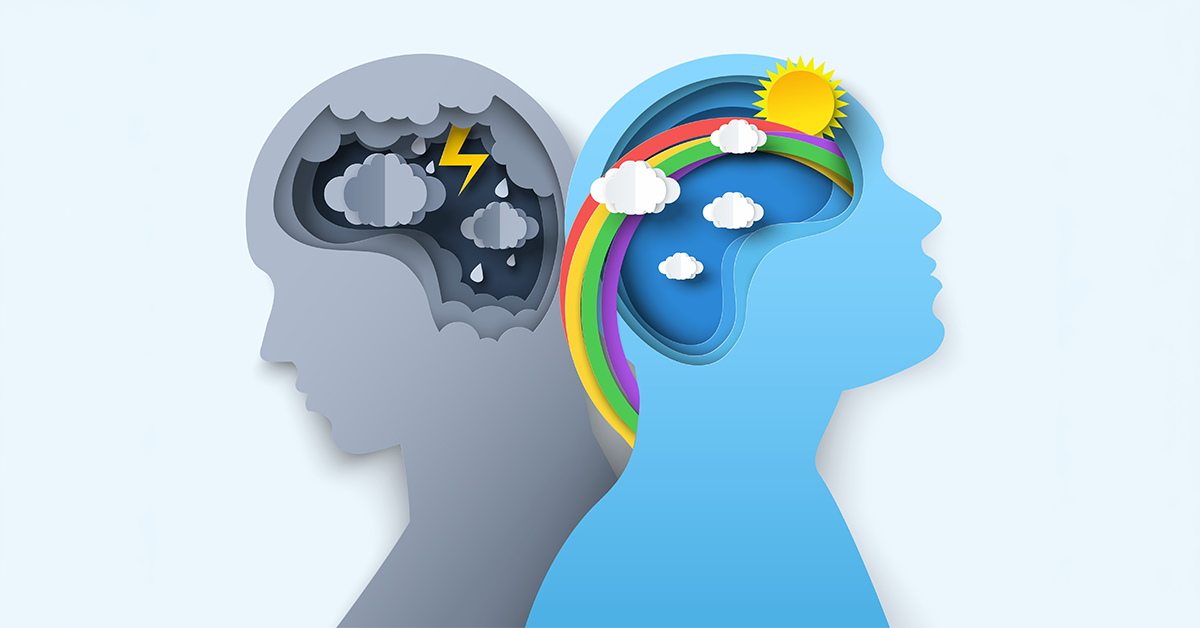
Facebook-f X-twitter Youtube TL;DRNegative thinking isn’t just a habit. New study shows it may be linked to changes in brain function. Strong negativity bias is associated

Facebook-f X-twitter Youtube TL;DRKatie Jolly struggled with mental health challenges for most of her life, often feeling ashamed and without clear answers.Her breakthrough came after